


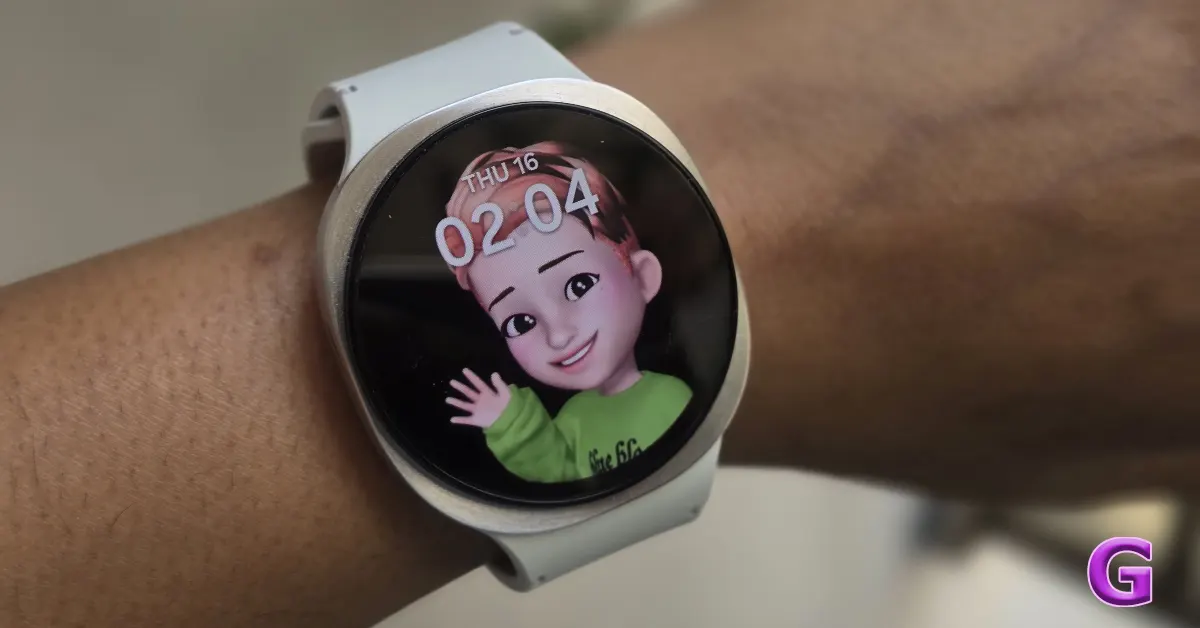
The adrenaline rush of a fast-paced online game is undeniable, but what impact do high-stakes moments have on the body? For tech enthusiasts and online gamers who use wearables, these devices can offer critical insights into performance and well-being. By exploring games like sicbo online live, we can observe a clear link between digital action and physical reaction.
This article explains how wearable technology quantifies physiological stress and how that data can be leveraged to improve focus, make better decisions, and manage pressure during intense online play. First, we will examine the reasons online games can be stressful, then break down the key metrics your smartwatch uses to track this response and how you can use that information to your advantage.
In This Article
Why Fast-Paced Online Games Spike Stress Levels
The connection between rapid online gaming and a measurable stress response is a concept explored in sports science and psychology.
Your Brain on the Clock: The Science of Gaming Stress
When faced with a high-pressure, timed situation, the body’s “fight-or-flight” response activates. This primal reaction, described in physiological studies, releases hormones like adrenaline and cortisol, causing your heart rate to accelerate and senses to sharpen. The body’s stress response system does not distinguish between a real-world threat and a high-stakes virtual one. While this heightened alertness is essential for rapid decision-making, it also creates significant physiological strain. Understanding this biometric data is fundamental to optimising performance.
The Pressure of Rapid-Fire Online Games
Consider the gameplay loop of a live dealer dice game. It often involves quick betting rounds, interaction with a live croupier, and immediate, definitive outcomes. Betting rounds in many live formats can be as short as 20-30 seconds, forcing rapid, high-consequence decisions under pressure. These elements combine to create a demanding environment that requires constant focus. This is precisely the kind of scenario where monitoring your body’s real-time reaction becomes invaluable.
How Your Wearable Decodes Gaming Stress
Modern wearables are equipped with sophisticated sensors that can quantify stress, translating raw physiological data into actionable insights.
Key Metrics on Your Wrist
Several data points measured by your device paint a clear picture of your stress levels:
- Heart Rate Variability (HRV): This metric tracks the variation in time between each heartbeat. Higher variability indicates your autonomic nervous system is balanced and resilient, capable of adapting effectively to stressors.
- Electrodermal Activity (EDA): Found in many modern trackers, EDA sensors measure minute changes in skin sweat. Since sweat glands respond to emotional stimulation, a spike in EDA can indicate an arousal response linked to stress or excitement.
- Skin Temperature: Physiological stress can alter blood flow, causing subtle changes in peripheral body temperature. Some advanced trackers monitor this as another layer of stress analysis.
Many popular wearables synthesise these metrics into a single, easy-to-understand stress management score.
From Data Points to Better Decisions
In practice, this biometric feedback becomes a powerful tool. A gamer may observe a pattern: when their wearable shows high stress (low HRV, for instance), their in-game decisions become more impulsive. This data helps you recognise the onset of “tilt”—a state of frustration that leads to poor performance. If you see your stress score spike after a few losing rounds, it can serve as a clear, data-driven signal to step away for a few minutes. A notification from your device can prompt you to refocus and return to the game with a clearer head, potentially improving your performance.


