


As 2025 comes to an end, it is time for us to take a look back at the best smartphones released in the calendar year. Samsung kicked off the proceedings early this year, putting out its flagship offerings back in January. As the months passed by, Google, Apple, Vivo, and other brands joined the party with their premium offerings. OnePlus had a tremendous year as well, with 2 premium releases on record. But which devices were the outright best of the lot? Here are our picks.
Read Also: Google AI Plus launches in India with Gemini 3 Pro, Nano Banana Pro and 200 GB storage
In This Article
Samsung Galaxy S25 Ultra
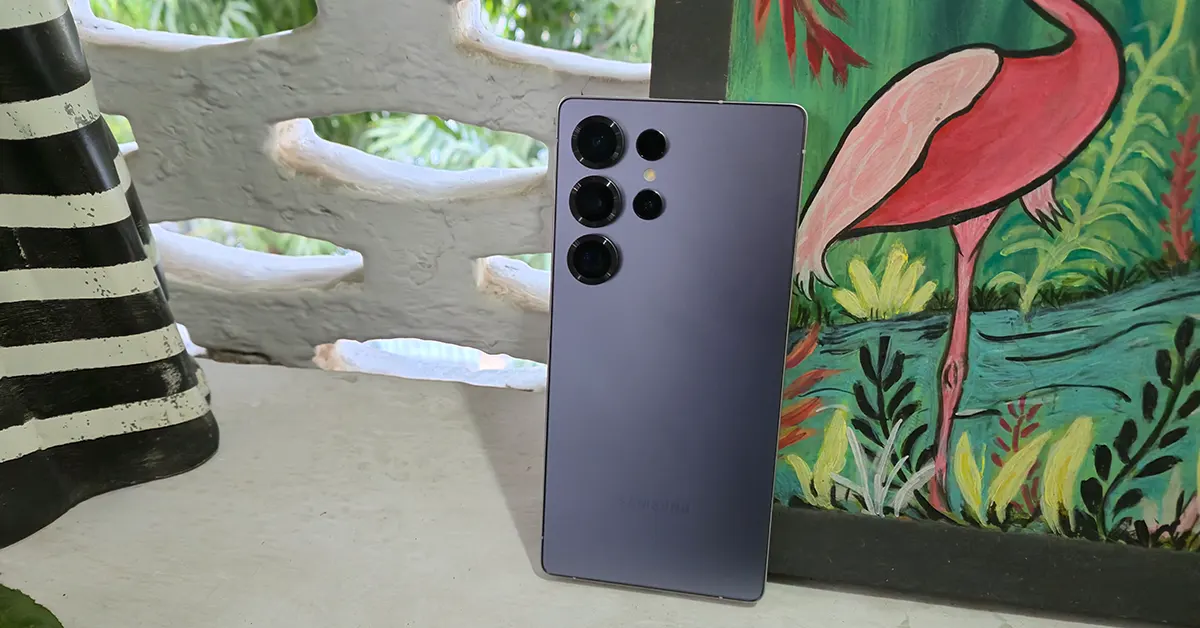
To the surprise of absolutely no one, Samsung’s top-spec flagship model finds itself at the top of this list yet again. The Snapdragon 8 Elite-powered Galaxy S25 Ultra does not make any compromises on performance. Its 6.9-inch Dynamic LTPO AMOLED 2X display has a 120Hz refresh rate and can reach a peak brightness of 2,600 nits. The rear camera array packs a 200MP primary shooter, a 10MP telephoto lens with 3x optical zoom, a 50MP periscope telephoto lens with 5x optical zoom, and a 50MP ultrawide lens. The smartphone runs the Android 15-based One UI 7 out of the box. Its ‘Galaxy AI’ suite is one of the most comprehensive AI packages we’ve seen on a smartphone. Check out our review of the Samsung Galaxy S25 Ultra for more details.
iPhone 17 Pro Max
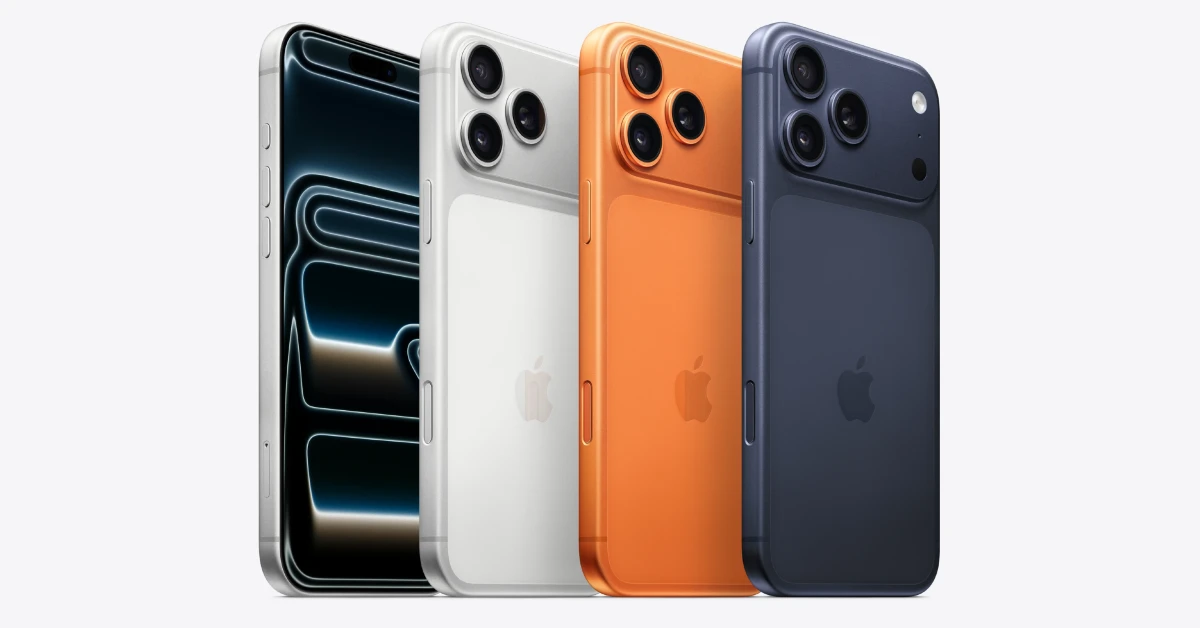
The top-spec iPhone model went through a crazy revamp this year. The aluminium unibody design with a wider camera island proved to be a winning strategy for Apple. The company’s in-house A19 Pro silicon powers the iPhone 17 Pro Max. Software duties are handled by the Liquid Glass-infused iOS 26. The camera module houses three 48MP sensors, one each for the primary shooter, ultrawide lens, and 4x periscope telephoto lens. The 6.9-inch LTPO Super Retina XDR OLED display has a 120Hz refresh rate and can reach a peak brightness of 3,000 nits. The 4,823mAh battery pack supports USB-C and MagSafe/Qi2 wireless charging.
Google Pixel 10 Pro XL
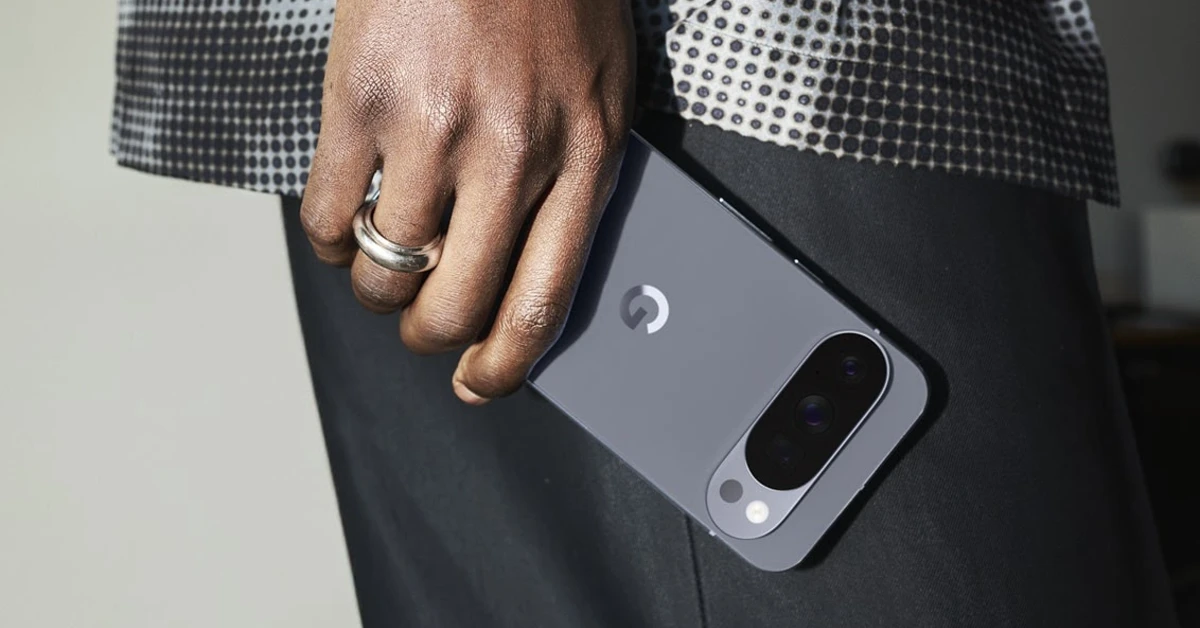
After the design and hardware overhaul last year, the new Pixel 10 series did not require any big changes. However, the minor updates proved to be quite clutch. With the addition of ‘Pixel Snap’, Google’s smartphone became compatible with MagSafe accessories. Features like Magic Cue and Camera Coach refreshed the software experience. However, what really blew us away was the rejuvenated voice translation tool for phone calls, which now carries out live translation in your voice. The top-spec Pixel 10 Pro XL flaunts a 6.8-inch LTPO OLED display with a 120Hz refresh rate and a peak brightness of 3,300 nits. Its rear camera bar houses a 50MP primary shooter, a 48MP periscope telephoto lens with 5x optical zoom, and another 48MP sensor for the ultrawide lens. The 5,200mAh Li-ion battery pack supports 45W wired and 25W wireless charging.
OnePlus 15
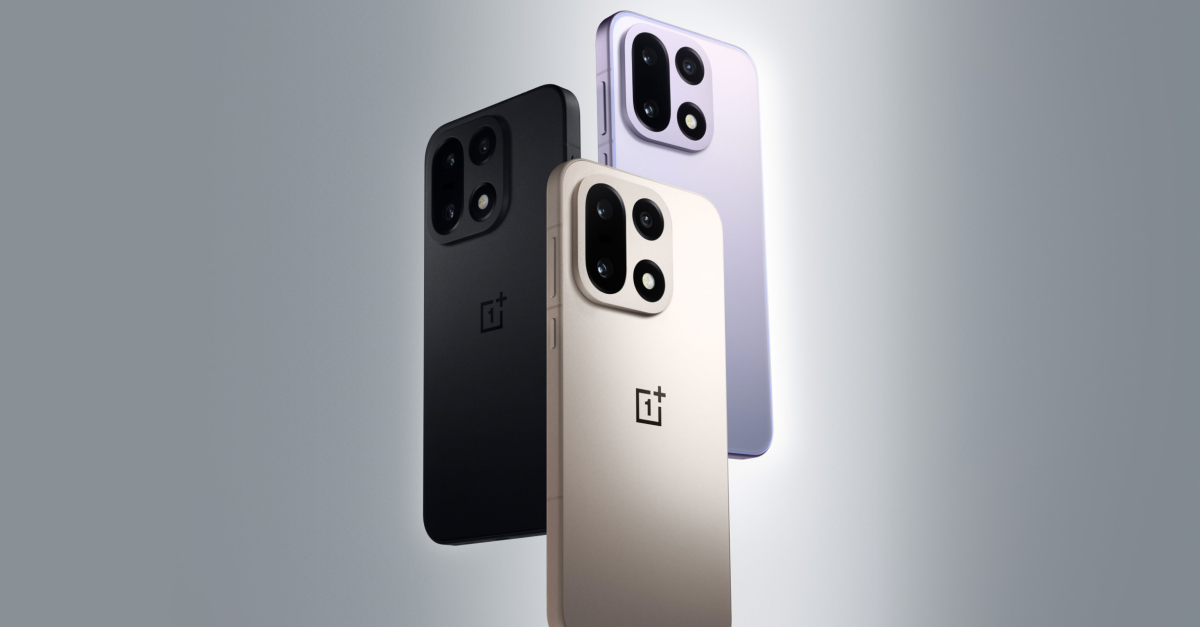
OnePlus launched not one, but two flagship phones this year. While both releases were super impressive, the OnePlus 15 made this list due to its powerful Snapdragon 8 Elite Gen 5 processor. Its 6.78-inch LTPO AMOLED display has a 165Hz refresh rate and can reach 1,800 nits in High Brightness Mode. There’s IP68/IP69/IP69K protection on board. Software duties are handled by the Android 16-based OxygenOS 16. The rear camera panel houses three 50MP sensors, one each for the primary shooter, ultrawide lens, and 3.5x telephoto lens. The massive 7,300mAh Si/C battery supports 120W wired and 50W wireless charging.
Oppo Find X9 Pro
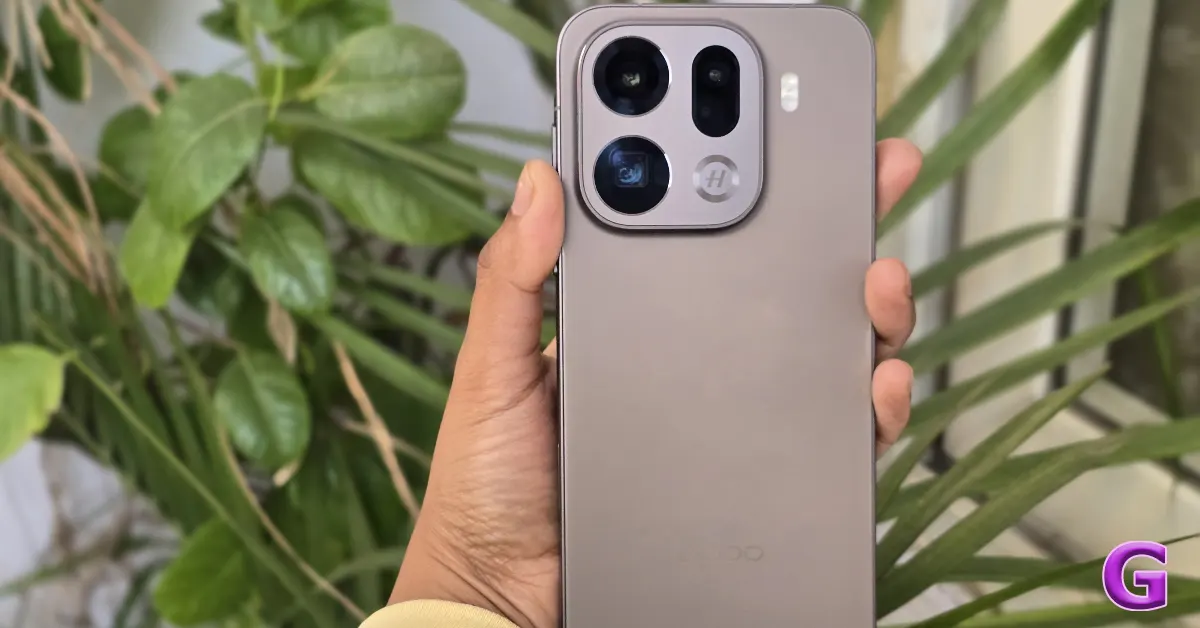
Oppo’s 2025 flagship offering checked a lot of boxes for us. The Find X9 Pro boasts a 6.78-inch LTPO AMOLED display with a 120Hz refresh rate and a peak brightness of 3,600 nits. It is powered by the MediaTek Dimensity 9500 SoC and runs the Android 16-based ColorOS 16 out of the box. Its rear camera array comprises a 50MP primary shooter, a 200MP periscope telephoto lens with 3x optical zoom, and a 50MP ultrawide lens. All of the cameras on this device are tuned by Hasselblad. The massive 7,500mAh battery pack supports 80W wired and 50W wireless charging. Check out our Oppo Find X9 Pro review for more details about its performance.
Vivo X300 Pro
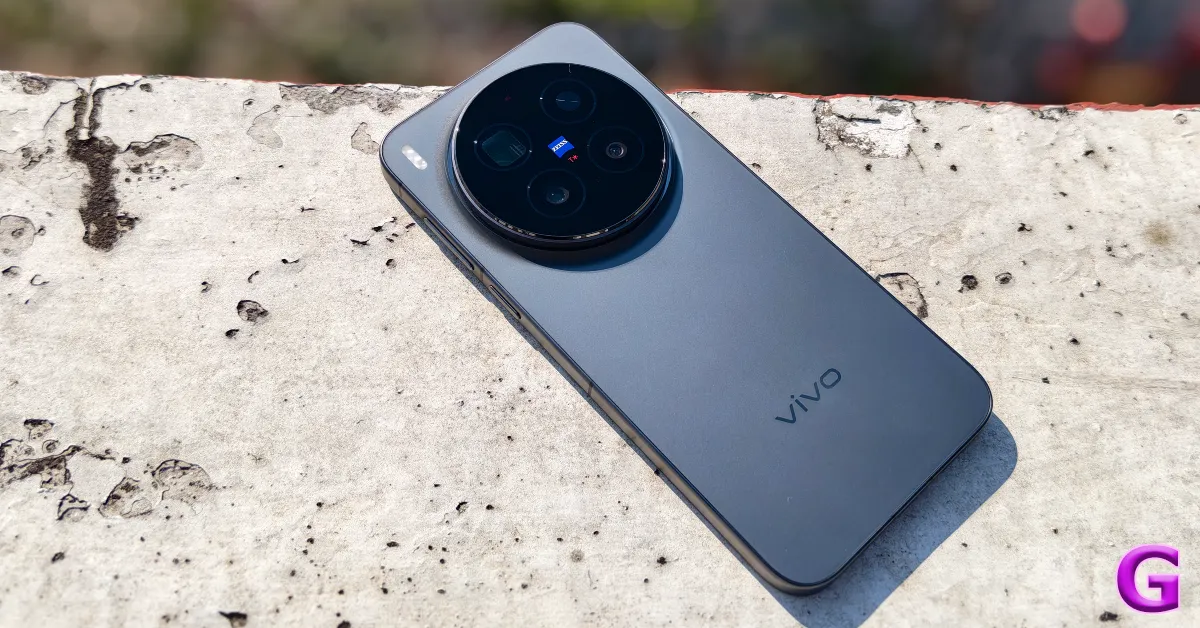
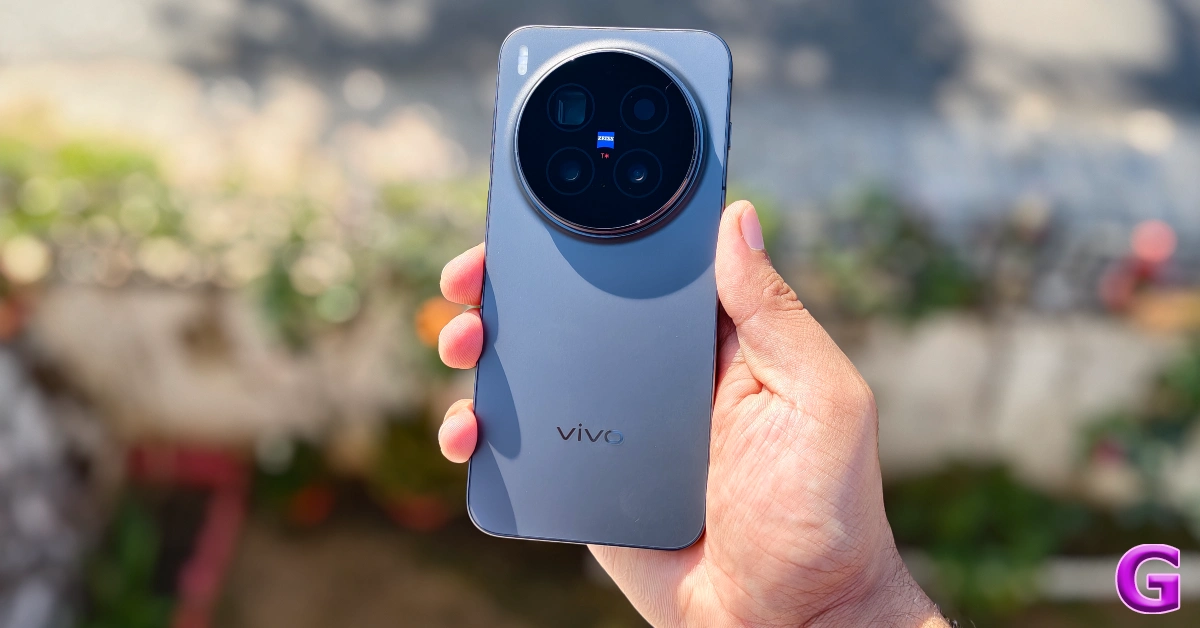
Vivo putting out the best camera-centric phone is becoming somewhat of a yearly tradition. This year, the Vivo X300 Pro dazzled us with its Zeiss-tuned elite camera system. The massive island on the back of this phone comprises a 50MP primary shooter, a 200MP periscope telephoto lens with 3.7x optical zoom, and a 50MP ultrawide sensor. At the heart of the device lies the MediaTek Dimensity 9500 chipset. Software duties are handled by the Android 16-based OriginOS 6. The 6.78-inch LTPO AMOLED display has a 120Hz refresh rate and can reach a peak brightness of 4,500 nits. The 6,510mAh battery pack supports 90W wired and 40W wireless charging. Read our Vivo X300 Pro review for a deeper analysis of its cameras.
iQOO 15
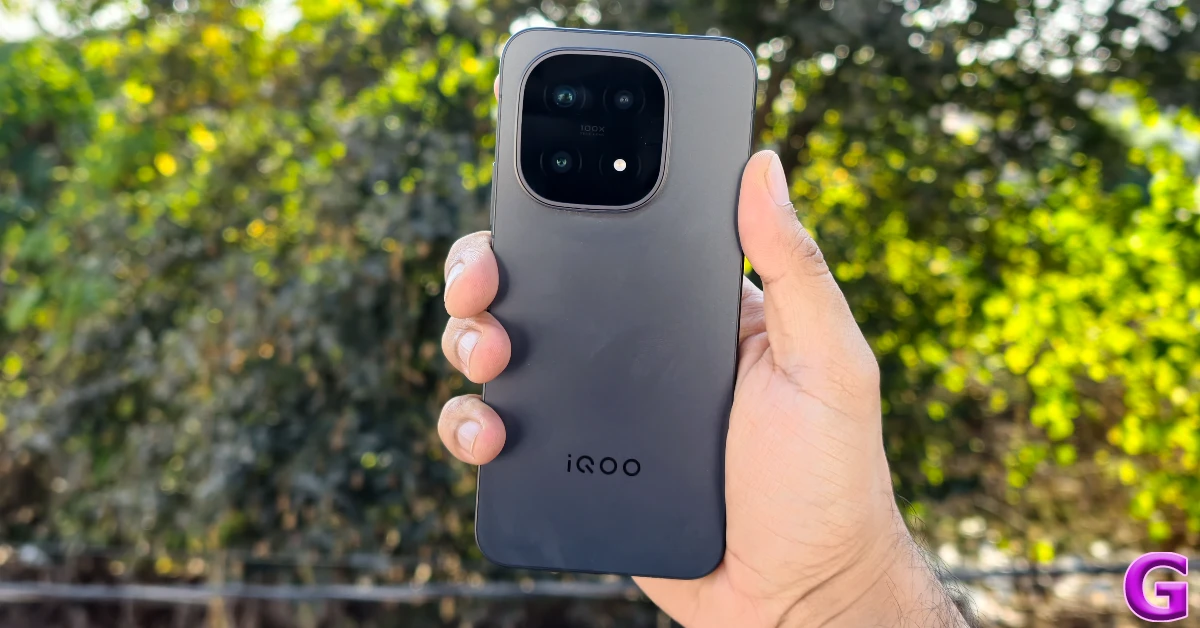
The iQOO 15 is designed for serious gaming. It is powered by Qualcomm’s Snapdragon 8 Elite Gen 5 processor and iQOO’s in-house Supercomputing Chip Q3. The 8K single-layer VC cooling system under its hood keeps its internal temperature in check during long gaming sessions. The 6.85-inch LTPO AMOLED display has a 144Hz refresh rate and can reach a peak brightness of 6,000 nits. Three 50MP sensors make up the rear camera array of this device. These sensors cater to the primary shooter, ultrawide lens, and 3x telephoto lens. The 7,000mAh battery pack supports 100W wired and 40W wireless charging. Dive into our iQOO 15 review to learn more about its gaming performance.
Nothing Phone (3)
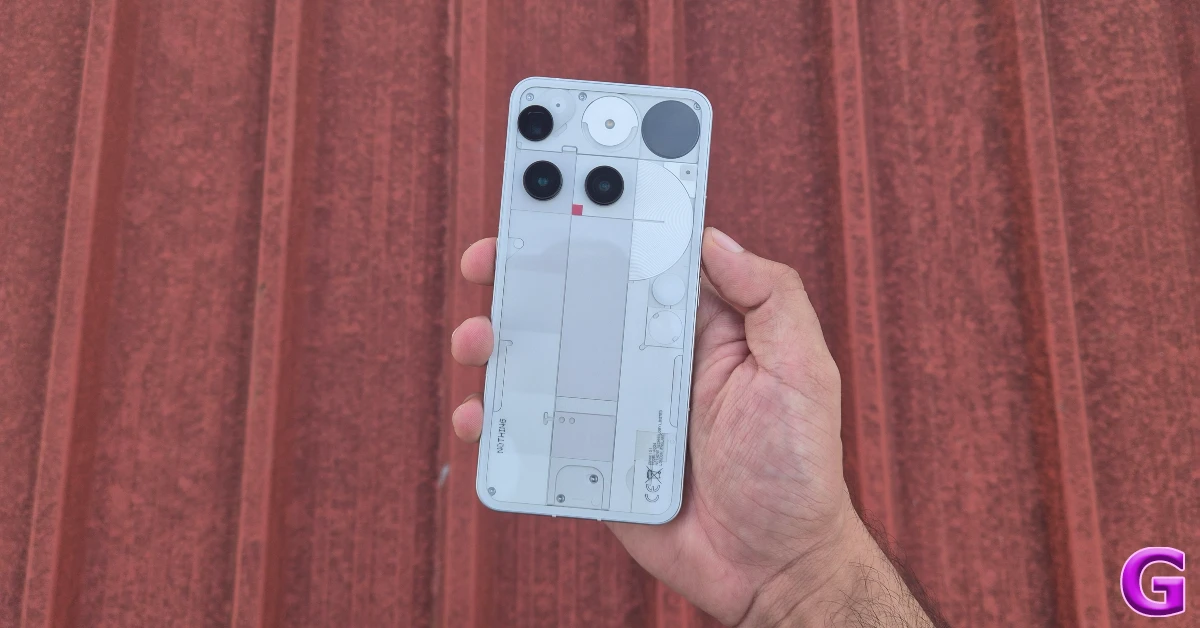
The Nothing Phone (3) got mixed reviews when it launched, but there were never any doubts about its unique flair. The smartphone retained the see-through design language but ditched the LED Glyph lights for a more concentrated Glyph Matrix. The round interface can display important alerts, weather details, and other information in a dot-matrix style. The smartphone is powered by the Snapdragon 8s Gen 4 chipset and runs the Android 15-based Nothing OS 4 out of the box. The three 50MP sensors in its rear camera module cater to the primary shooter, a 3x telephoto lens, and an ultrawide lens. The 5,500mAh battery pack supports 65W wired and 15W wireless charging. Check out our Nothing Phone (3) review to find out everything this device has to offer.
Xiaomi 17 Pro Max
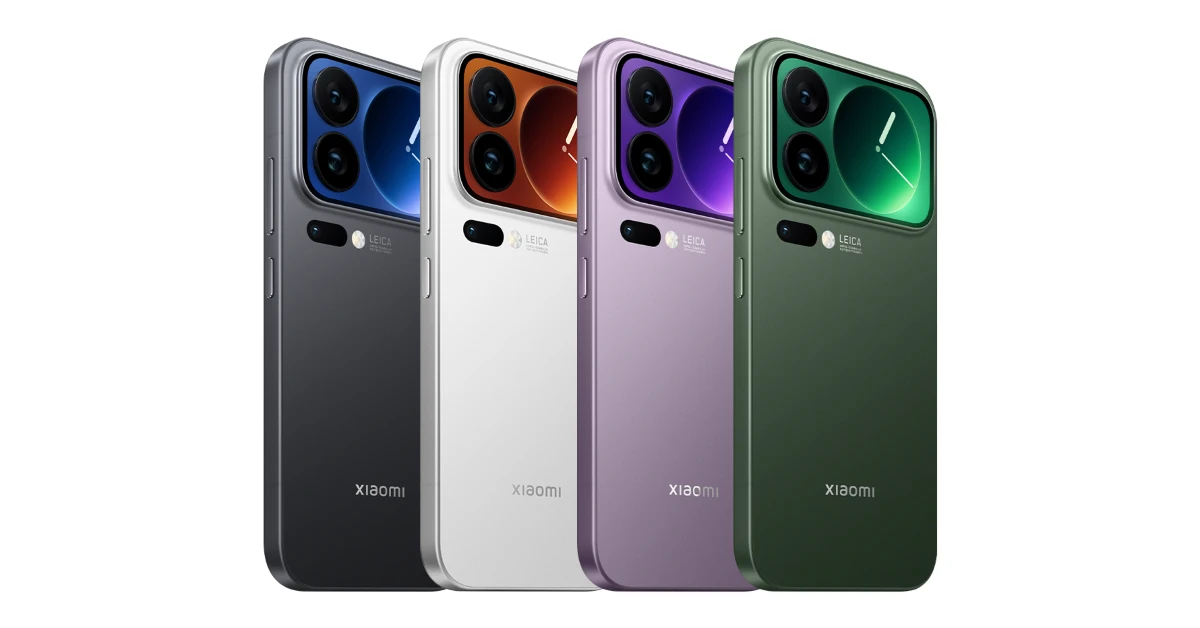
The Xiaomi 17 Pro Max did not launch in India, but it is one of the finest smartphones of 2025. The device has a stellar 6.9-inch LTPO AMOLED display with a 120Hz refresh rate and a peak brightness of 3,500 nits. On top of that, it comes with a small 2.9-inch LTPO AMOLED display on the back panel. This mini display can work as a viewfinder for the rear cameras and even run a few games, among other things. The rear camera array comprises three 50MP sensors, one each for the primary shooter, ultrawide lens, and 5x telephoto lens. The Snapdragon 8 Elite Gen 5 SoC delivers a power-packed performance. The 7,500mAh battery pack supports 100W wired and 50W wireless charging.
Poco F8 Ultra
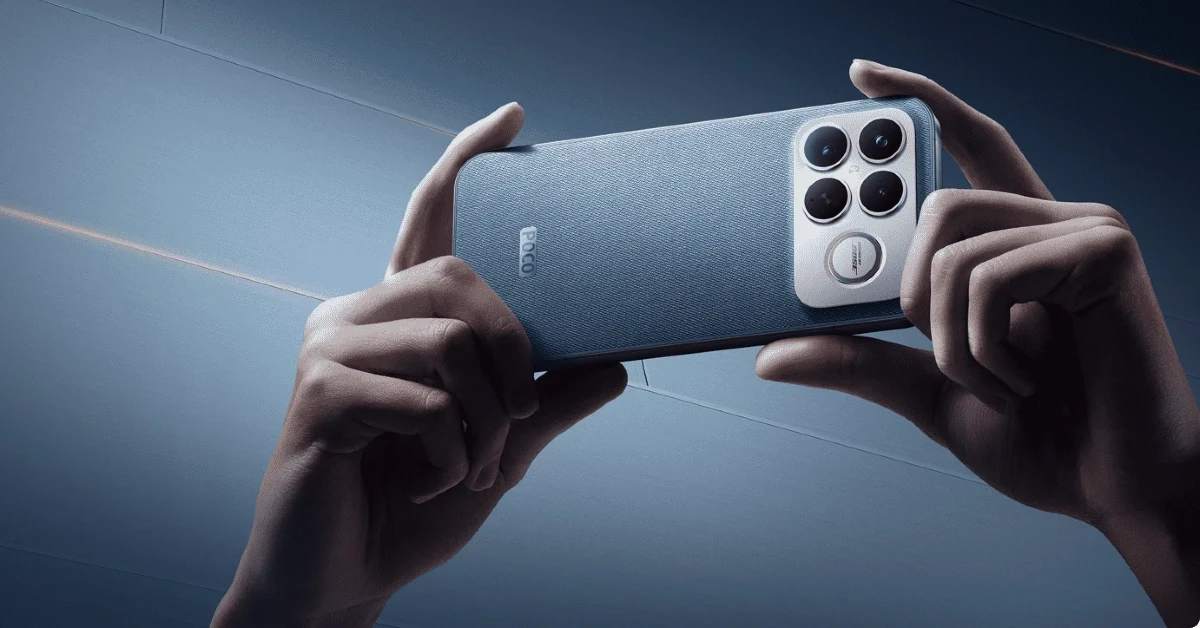
The gaming specialist Poco F8 Ultra was another smartphone that India missed out on this year, but it deserves a spot on this list. Powered by the Snapdragon 8 Elite Gen 5 SoC, this smartphone puts up a segment-defining gaming performance. Its 6.9-inch AMOLED display has a 120Hz refresh rate and can reach a peak brightness of 3,500 nits. Software duties are handled by the Android 16-based HyperOS 3. The rear camera panel houses a 50MP primary shooter, a 50MP ultrawide lens, and a 50MP periscope telephoto lens with 5x optical zoom. The 6,500mAh battery pack supports 100W wired and 50W wireless charging.
Honourable Mention: Motorola Edge 60 Pro

While Motorola did not put out an outright flagship phone this year, the Edge 60 Pro did attract a lot of interest. The smartphone is powered by the MediaTek Dimensity 7400 SoC and runs stock Android 15 out of the box. Its 6.67-inch OLED display has a 120Hz refresh rate and can reach a peak brightness of 4,500 nits. The device is compliant with MIL-STD-810H durability standards and rated IP68/IP69 for protection against dust and water. Its rear camera array comprises a 50MP primary shooter, a 3x telephoto lens, and a 50MP ultrawide lens. The 5,500mAh battery pack supports 68W wired charging.
Read Also: Apple Fitness+ is set to debut in India: Here is when
Final Thoughts
These were the 10 smartphones that we found to be a class above the rest in 2025. The midrange offerings from OnePlus, Nothing, and Samsung were not far behind these picks. Which was your favourite smartphone this year? Let us know in the comments!


Good day! I could have sworn I’ve visited this site before but after browsing
through some of the posts I realized it’s new to me. Regardless,
I’m certainly delighted I came across it and I’ll be bookmarking it
and checking back frequently!
Hi friends, its great article about tutoringand completely defined,
keep it up all the time.