


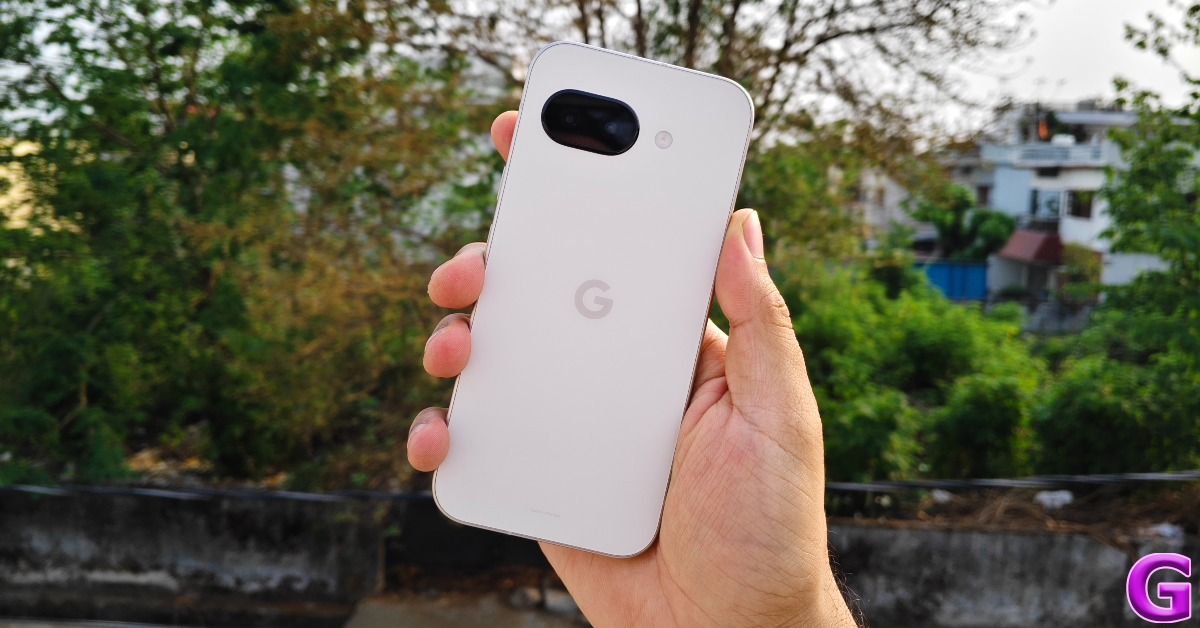

As flagship phones keep getting pricier every passing year, upper midrange devices seem like the sensible choice. With powerful processors, bright displays, and amazing cameras, these smartphones are often termed as ‘flagship killers’ due to their ability match the premium devices in almost every aspect. If you’re interested in making an upgrade on your daily driver, here are the best smartphones priced under Rs 50,000 in January 2026.
Read Also: Apple Fitness+ service gets four brand-new workout features: Details
In This Article
OnePlus 15R
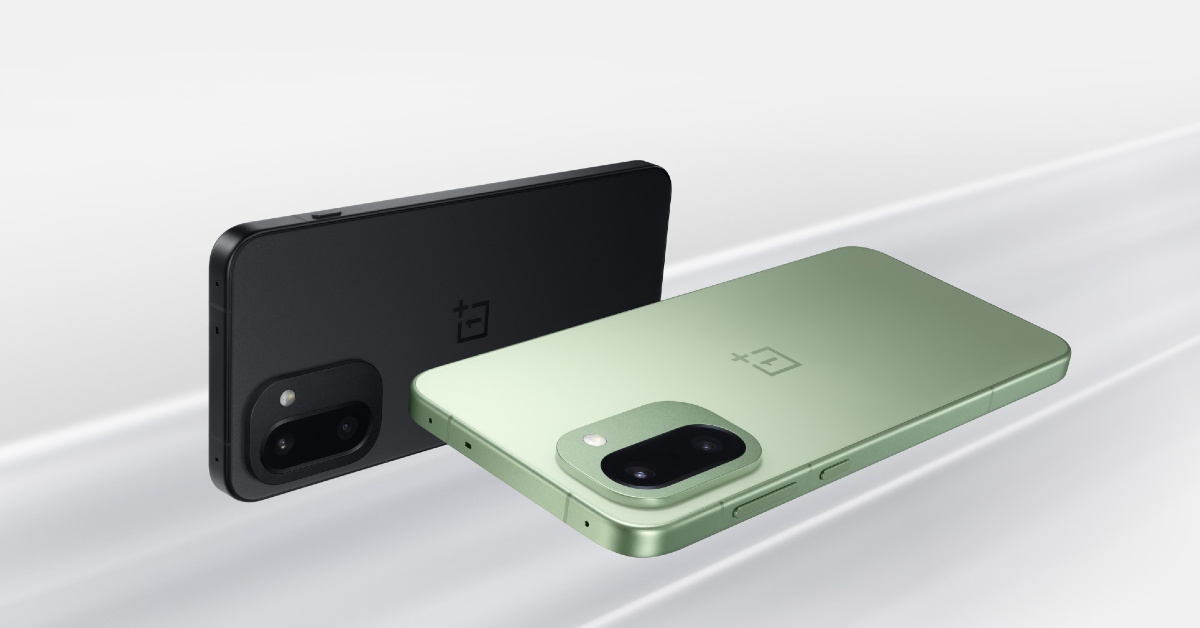
The newly-launched OnePlus 15R is the most powerful smartphone priced under Rs 50,000. At the heart of this device lies the Snapdragon 8 Gen 5 chipset. Software duties are handled by the Android 16-based OxygenOS 16. The 6.83-inch AMOLED display has a 165Hz refresh rate and can reach a peak brightness of 3,600 nits. The rear camera array comprises a 50MP primary shooter and an 8MP ultrawide lens. The smartphone’s back panel has a Micro-Arc Oxidation coating, which prevents it from getting scratched. There’s IP68/IP69K protection on board. The 7,400mAh battery pack supports 80W wired charging.
Pros
- Powerful
- Bright display
- Durable
Cons
- Lacks a telephoto camera
Samsung Galaxy S24
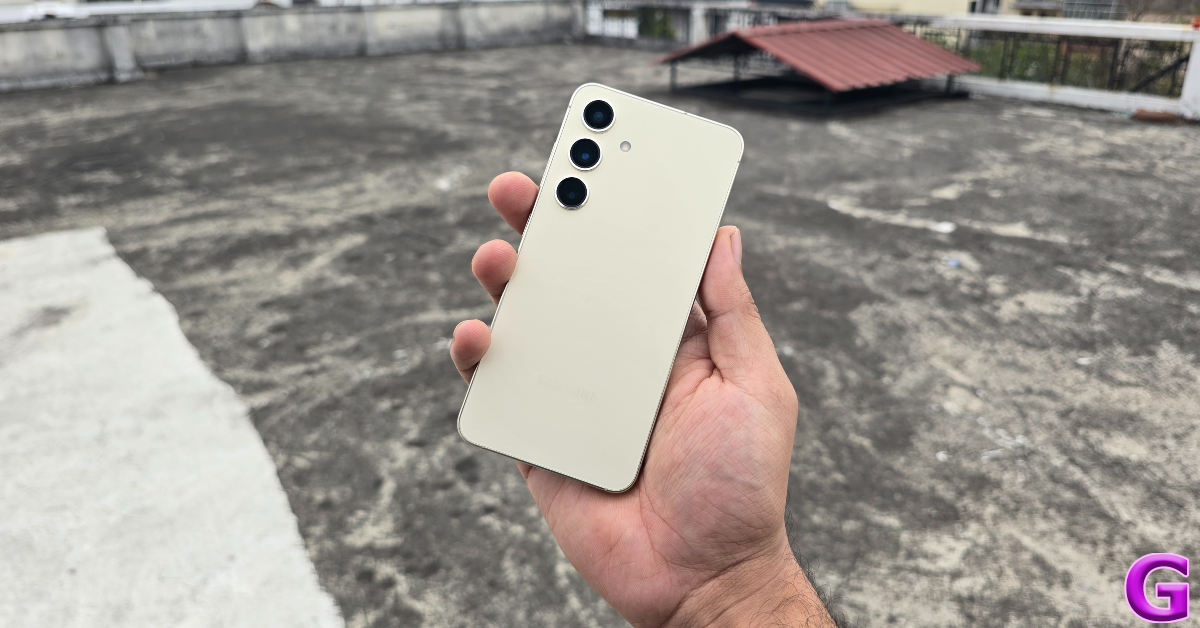
The entry-level variant in the Samsung Galaxy S24 series is currently priced under Rs 50,000. It is powered by Samsung’s in-house Exynos 2400 chipset and runs the Android 14-based One UI 6 OS out of the box. Its 6.2-inch Dynamic LTPO AMOLED 2X display has a 120Hz refresh rate and peak brightness of up to 2,600 nits. The triple camera array on the back panel comprises a 50MP primary shooter, a 12MP ultrawide lens, and a 10MP telephoto lens with 3x optical zoom. The 4,000mAh battery pack supports 25W wired and 15W wireless charging. Check out our Samsung Galaxy S24 review to learn more about the smartphone.
Pros
- Fluid display
- Good cameras
- Wireless charging
Cons
- Mediocre processor
Oppo Reno14 Pro

The Oppo Reno14 Pro is powered by the MediaTek Dimensity 8450 chipset and runs the Android 15-based ColorOS 15 out of the box. Its 6.83-inch AMOLED display has a 120Hz refresh rate and can reach 1,200 nits in High Brightness Mode. The smartphone is rated IP68/IP69 for dust and water resistance. It can survive high-pressure water jets and is immersible up to 2m for 30 minutes. Its exquisite rear camera panel houses 3 50MP sensors, one each for the primary shooter, ultrawide lens, and telephoto lens with 3.5x optical zoom. The 6,200mAh battery pack supports 80W wired and 50W wireless charging. Dive into our Oppo Reno14 Pro review for a thorough analysis of its everyday performance.
Pros
- Good cameras
- Cool design
- IP69 rated
Cons
- Mediocre chipset
Buy on Amazon for Rs 42,999
Google Pixel 9a
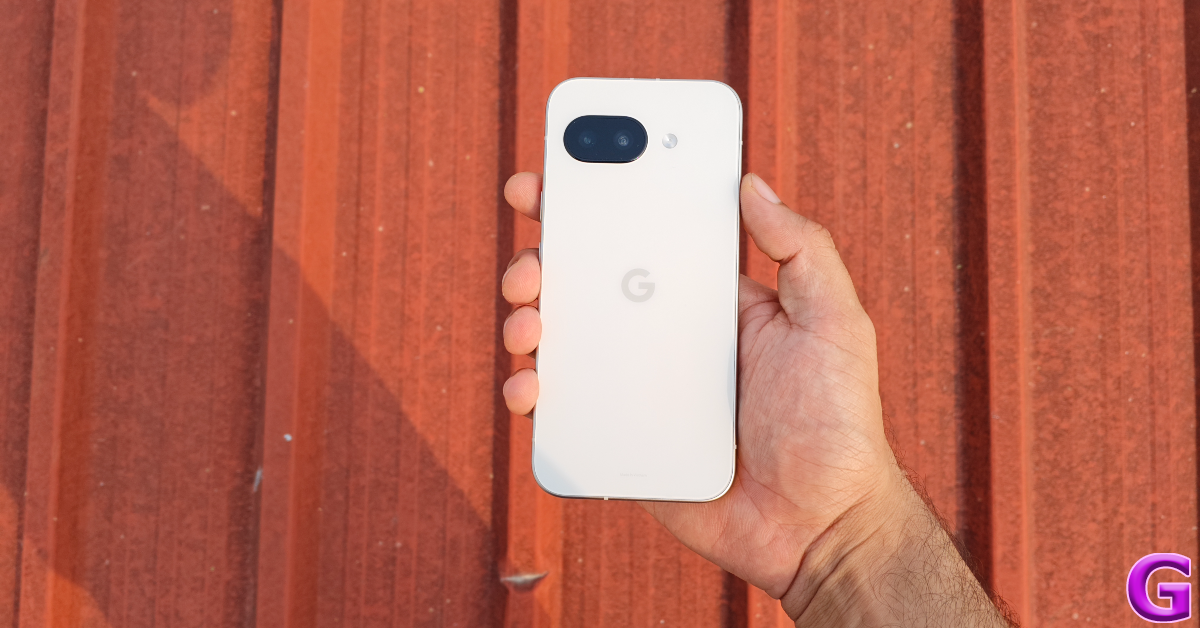
Google Pixel’s newest A-series offering is one of the best smartphones you can buy under Rs 50,000 right now. Its 6.3-inch compact P-OLED display has a 120Hz refresh rate and can reach a peak brightness of 2,700 nits. The smartphone has a thickness of 8.9mm, which means there is no camera bump on the back panel. This form factor also allows the smartphone to pack a bigger battery. The 5,100mAh unit on this device supports 23W wired and 7.5W wireless charging. Powering this phone is Google’s in-house Tensor G4 chipset. Software duties are handled by Android 14 out of the box. Read our review of the Google Pixel 9a to learn more about the smartphone.
Pros
- Compact form factor
- No camera bump
- Wireless charging
Cons
- No telephoto lens
Realme GT 7 Pro

The GT 7 Pro by Realme packs the powerful Snapdragon 8 Elite chipset under its hood. It runs the Android 15-based Realme UI 6 out of the box. Its 6.78-inch LTPO AMOLED display has a 120Hz refresh rate and can reach a peak brightness of 6,500 nits. The rear camera panel houses a 50MP primary shooter, a 50MP telephoto lens with 3x optical zoom, and an 8MP ultrawide lens. The 5,800mAh Si/C battery pack supports 120W fast charging. Check out our Realme GT 7 Pro review to learn more about the smartphone.
Pros
- Powerful processor
- Bright display
- Affordable
Cons
- Lacks wireless charging
Nothing Phone (3)
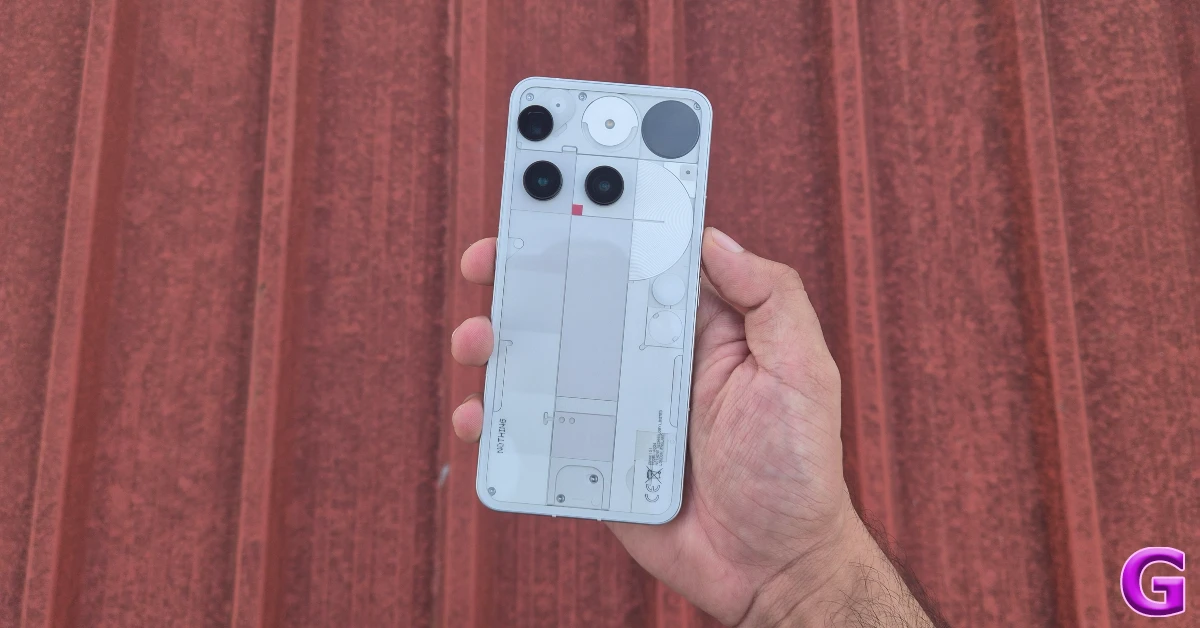
The new Phone (3) from Nothing carries forward the brand’s see-through design philosophy, but ditches the LED Glyph lighting on the back panel for a Glyph Matrix. Powering the smartphone is the Snapdragon 8s Gen 4 chipset. Software duties are handled by the Android 15-based NothingOS 3 out of the box. There are three 50MP camera sensors on the back panel, one each for the primary shooter, ultrawide lens, and telephoto lens with 3x optical zoom. The 6.67-inch OLED display has a 120Hz refresh rate and can reach a peak brightness of 4,500 nits. The 5,500mAh battery pack supports 65W wired and 15W wireless charging. Read our Nothing Phone (3) review to learn more about its everyday performance.
Pros
- Cool design
- Clean OS
- Smooth display
Cons
- Gets hot while gaming
OnePlus 13R
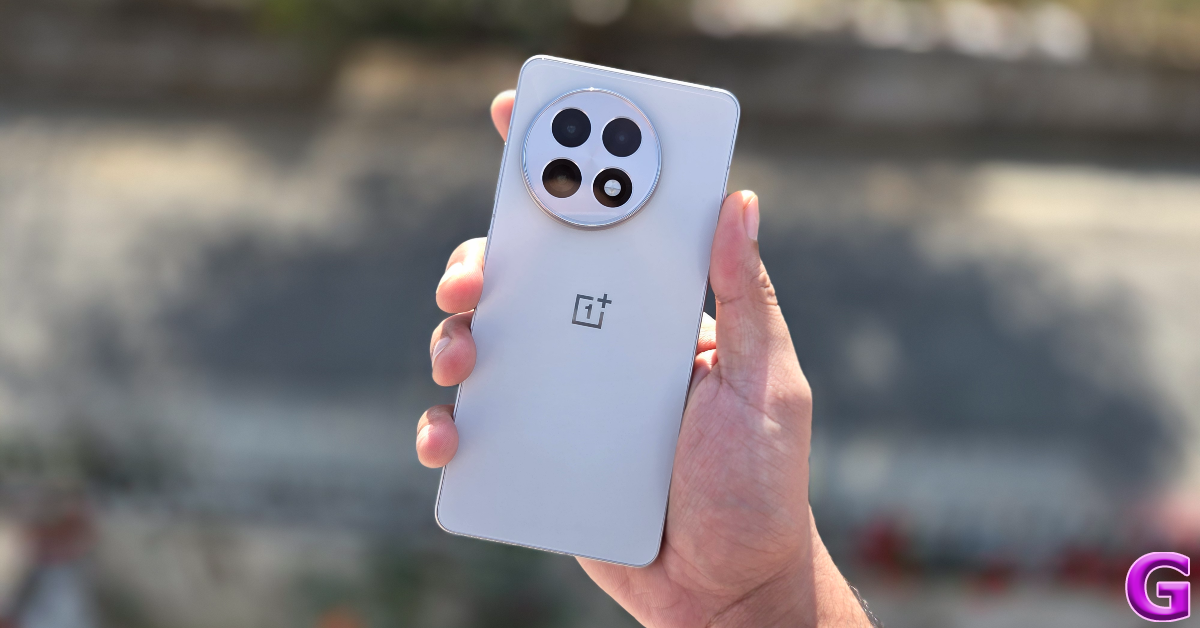
The OnePlus 13R is still a great buy under Rs 50,000. It is powered by the Snapdragon 8 Gen 3 SoC and runs the Android 15-based OxygenOS 15 out of the box. Its 6.71-inch LTPO 4.1 AMOLED display has a 120Hz refresh rate and a peak brightness of 4,500 nits. The rear camera panel houses a 50MP primary shooter, a 50MP telephoto lens with 2x optical zoom, and an 8MP ultrawide sensor. The 6,000mAh battery pack supports 80W charging. Check out our review of the OnePlus 13R to learn more about the smartphone.
Pros
- Great hardware
- Powerful processor
- AI features
Cons
- Lacks an IP67 rating
Motorola Edge 50 Ultra
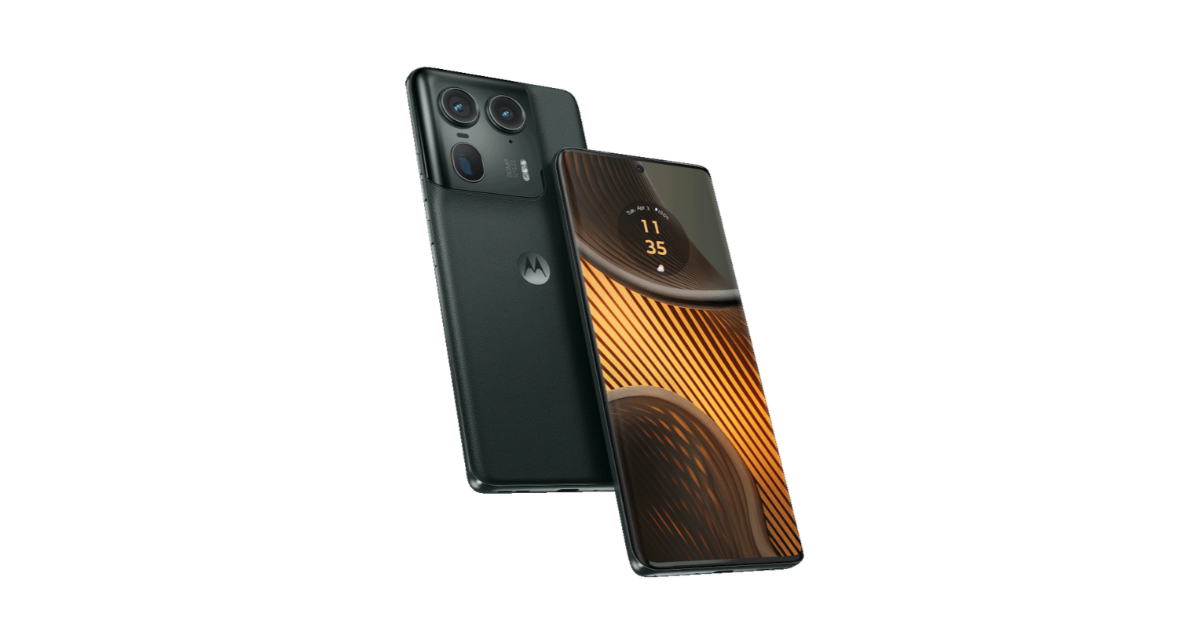
The Motorola Edge 50 Ultra derives power from the Snapdragon 8s Gen 3 SoC under its hood. It runs Android 14 out of the box. Its 6.7-inch P-OLED display has a 144Hz refresh rate and can reach a peak brightness of 2,500 nits. There’s an IP68 rating on board for dust and water resistance. The smartphone can survive immersion up to 1.5m for 30 minutes. Its rear camera panel houses a 50MP primary shooter, a 64MP periscope telephoto lens with 3x optical zoom, and a 50MP ultrawide lens. The 4,500mAh battery pack supports 125W wired and 50W wireless charging.
Pros
- Good processor
- Smooth display
- Super fast charging
Cons
- Only 3 major OS upgrades
iPhone 15

Prices just above Rs 50,000, the vanilla iPhone 15 remains a great buy in January 2026. It is powered by Apple’s in-house A16 Bionic chipset and runs iOS 17 out of the box. Its 6.1-inch Super Retina XDR OLED display can reach a peak brightness of 2,000 nits. The rear camera panel houses a 48MP primary shooter and a 12MP ultrawide lens. Up front, the Dynamic Island on the display houses a 12MP selfie camera within it. The 3,349mAh battery pack supports 15W wireless (MagSafe and Qi2) charging.
Pros
- Nice design
- Dynamic Island
- Good cameras
Cons
- 60Hz refresh rate
iQOO 13
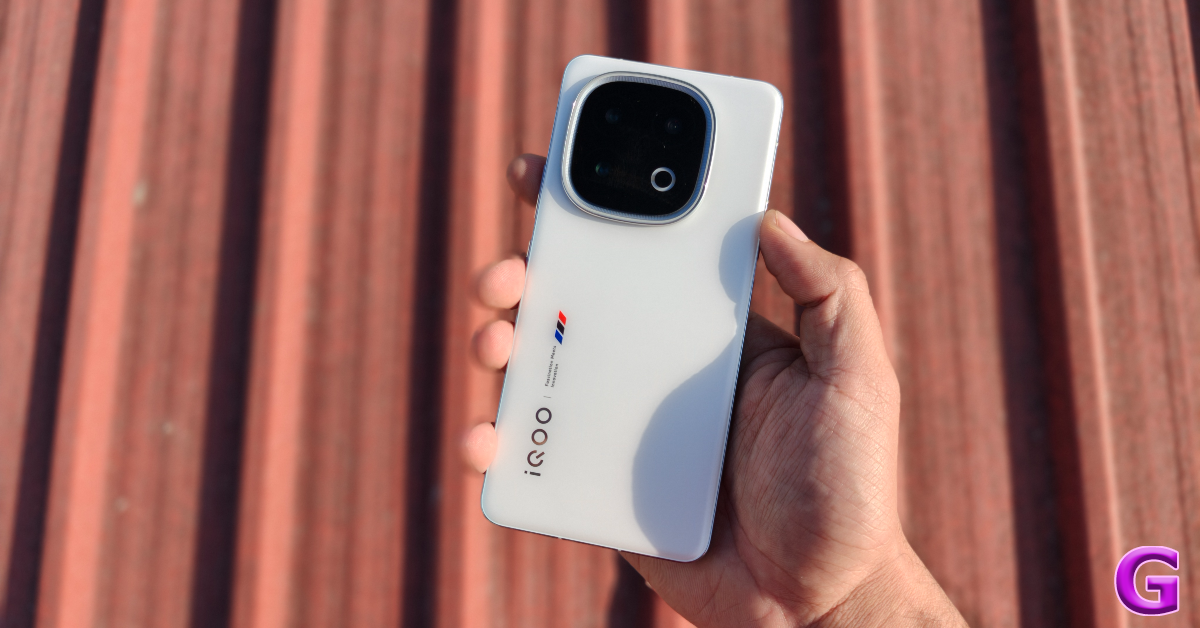
The iQOO 13 remains one of the best gaming smartphones on the market. It is powered by a dual processor comprising Snapdragon 8 Elite and iQOO’s in-house Supercomputing Chip Q2. Its 6.82-inch LTPO AMOLED display has a 144Hz refresh rate and can reach a peak brightness of 4,500 nits. The camera island houses a 50MP primary shooter, a 50MP ultrawide lens, and a 50MP telephoto lens with 2x optical zoom. This island is surrounded by a ‘Dynamic Light’ that acts as a fill light for portraits taken in low lighting conditions. The 6,000mAh battery pack supports 120W wired charging. Read our iQOO 13 review for a deeper analysis of its gaming performance.
Read Also: What are the Risks of Appearing on USPhonebook?
Final Thoughts
These are the best smartphones you can buy under Rs 50,000 in January 2026. If there’s more room in your budget, we recommend checking out the best flagship phones of 2026 as well. Got any questions? Let us know in the comments!


