


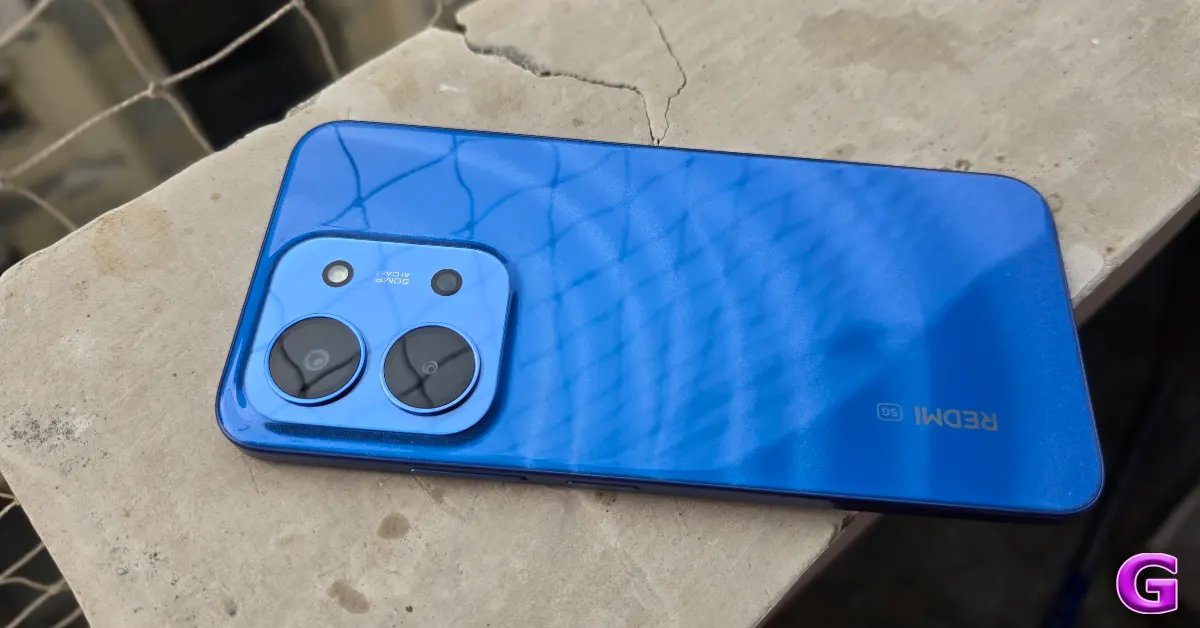
The sub-Rs 15,000 price bracket is massively popular in India, seeing a flurry of releases from big players across the board. Due to the cut-throat nature of the competition in this segment, every spec matters. While these smartphones may not rock the most powerful processors, they get the job done when it comes to routine tasks. They rock big displays, which are ideal for media streaming and consumption. The cameras on these devices are not an afterthought by any means – in optimum lighting, you can get some good shots out of their primary sensors. So, without further ado, let’s jump into the list of the top 10 smartphones priced under Rs 15,000 in January 2026.
Read Also: No! OnePlus Is Not Shutting Down
In This Article
Vivo T4x
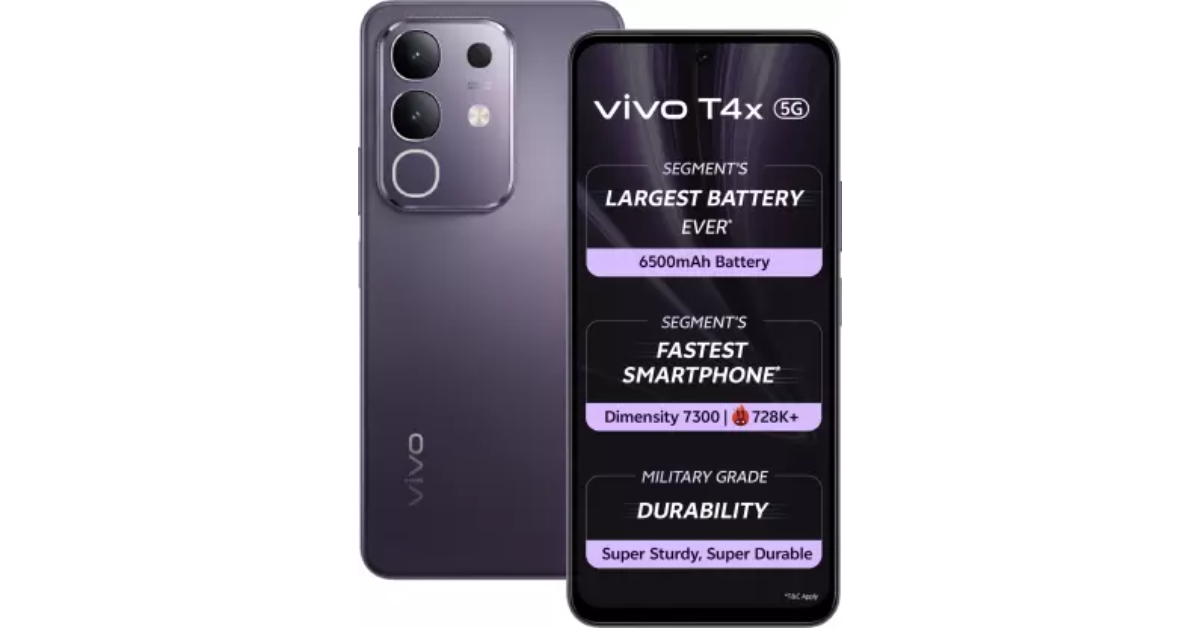
The Vivo T4x packs all the important specs you need from a phone in the sub-Rs 15,000 price bracket. Its 6.72-inch IPS LCD panel has a 120Hz refresh rate and can reach 1,050 nits in High Brightness Mode. The 6,500mAh battery pack supports 44W fast charging. Powering this device is the MediaTek Dimensity 7300 processor. Software duties are handled by the Android 15-based Funtouch 15 OS out of the box. The rear camera panel houses a 50MP primary shooter and a 2MP depth sensor. The smartphone is compliant with MIL-STD-810H durability standards.
Pros
- Nice design
- Big battery
- Durable
Cons
- Lacks expandable storage
iQOO Z10x
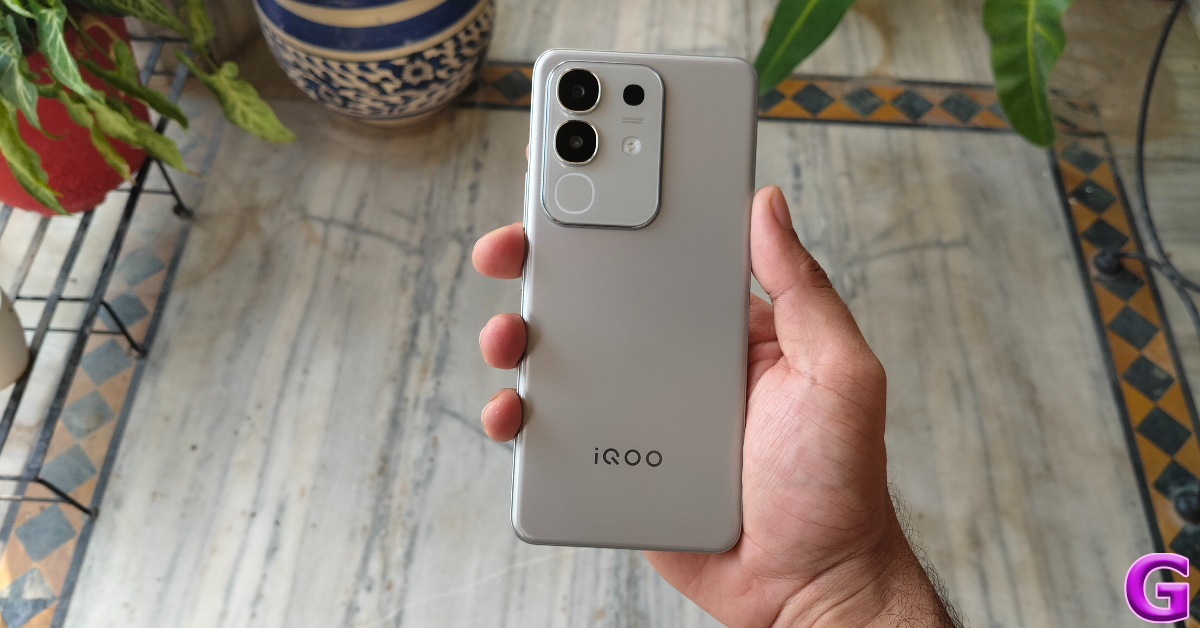
iQOO Z10x is the rebadged version of the Vivo T4x. The two smartphones share identical specs, features, and design. However, iQOO’s offering is a smidge more affordable. It is powered by the MediaTek Dimensity 7300 SoC and runs the Android 15-based Funtouch 15 OS out of the box. iQOO has promised 2 major OS upgrades for this device. The 6.72-inch IPS LCD panel has a 120Hz refresh rate and can reach 1,050 nits in High Brightness Mode. The rear camera island houses a 50MP primary shooter and a 2MP depth sensor. The 6,500mAh battery pack supports 44W charging. Check out our iQOO Z10x review to learn more about the smartphone.
Pros
- Nice design
- Good battery life
- Fast charging
Cons
- Lacks expandable storage
Moto G57 Power
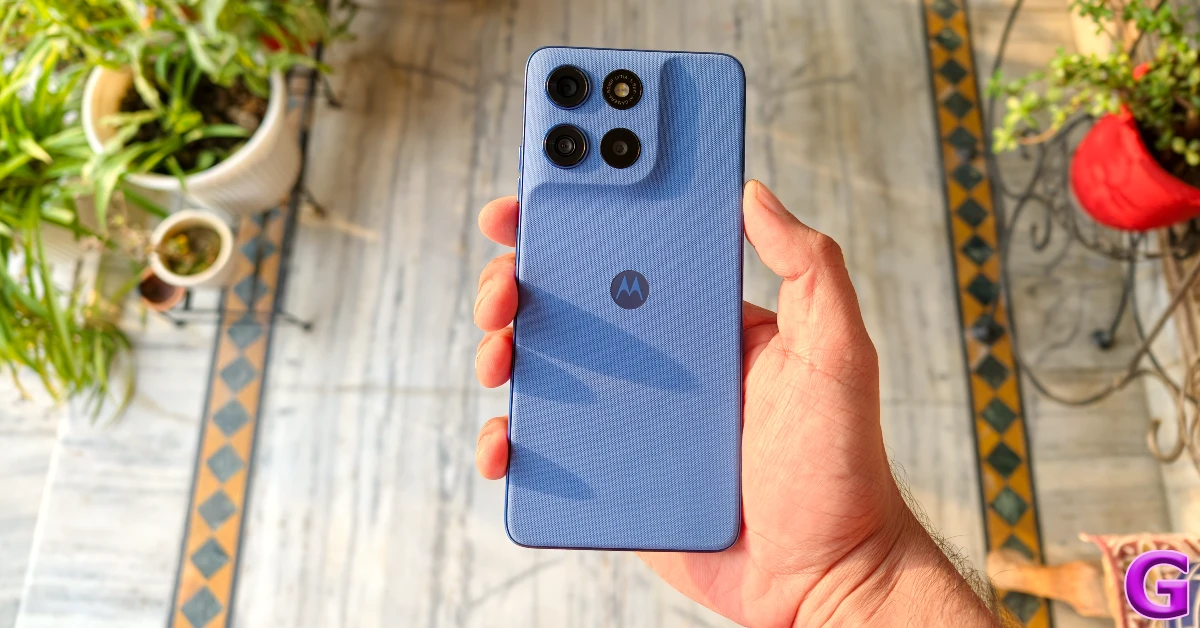
The Moto G57 Power has a clean design, a soft-touch back panel, and a good set of cameras. It is compliant with MIL-STD-810H durability standards and is rated IP64 for dust and water resistance. Its 6.72-inch IPS LCD panel has a 120Hz refresh rate and can reach a peak brightness of 1,050 nits. Powering the smartphone is the Snapdragon 6s Gen 4 SoC. Software duties are handled by stock Android 15 out of the box. The rear camera panel houses a 50MP primary shooter and an 8MP ultrawide lens. The 7,000mAh battery pack supports 33W charging. Read our review of the Moto G57 Power for a deeper analysis of its everyday performance.
Pros
- Durable
- Big battery
- Good main camera
Cons
- No 256GB storage variant
Samsung Galaxy M17
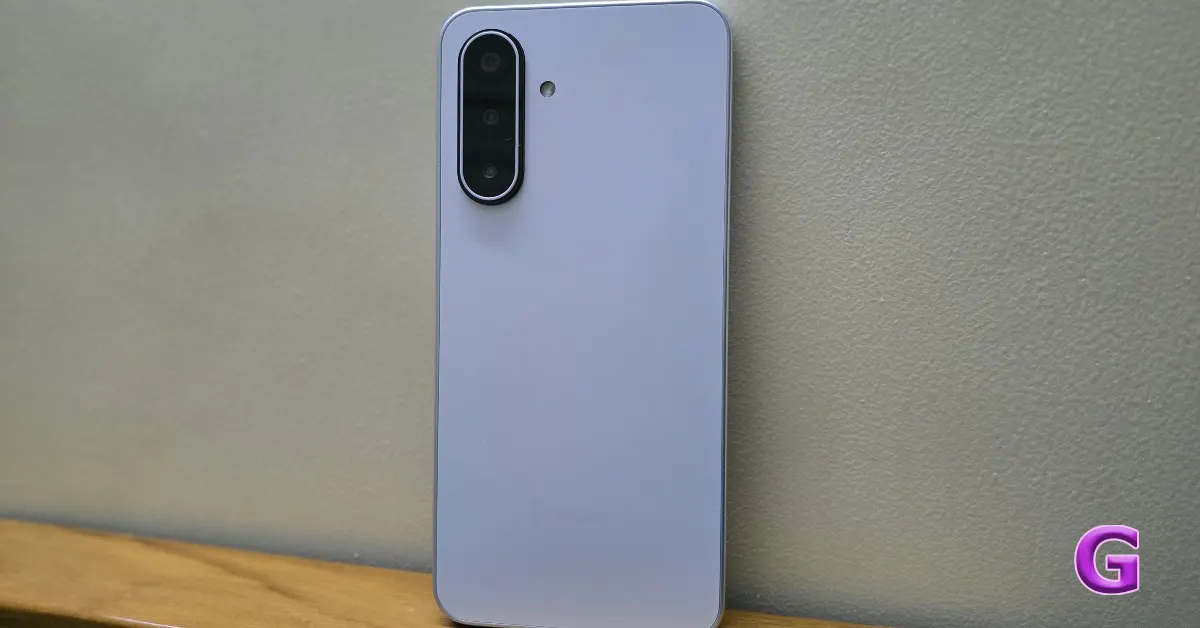
The Samsung Galaxy M17 is a budget beast. It rocks a splendid 6.7-inch Super AMOLED display with a 90Hz refresh rate and a peak brightness of 1,100 nits. At the heart of this phone lies Samsung’s in-house Exynos 1330 processor. Software duties are handled by the Android 15-based One UI 7. Samsung has promised 6 major OS upgrades for this device. Its rear camera array comprises a 50MP primary shooter, a 5MP ultrawide lens, and a 2MP macro sensor. The 5,000mAh battery pack supports 25W charging. Read our Samsung Galaxy M17 review for a deeper dive into its performance.
Pros
- Smooth AMOLED display
- 6 OS upgrades
- Good main camera
Cons
- Waterdrop notch on display
Poco C85
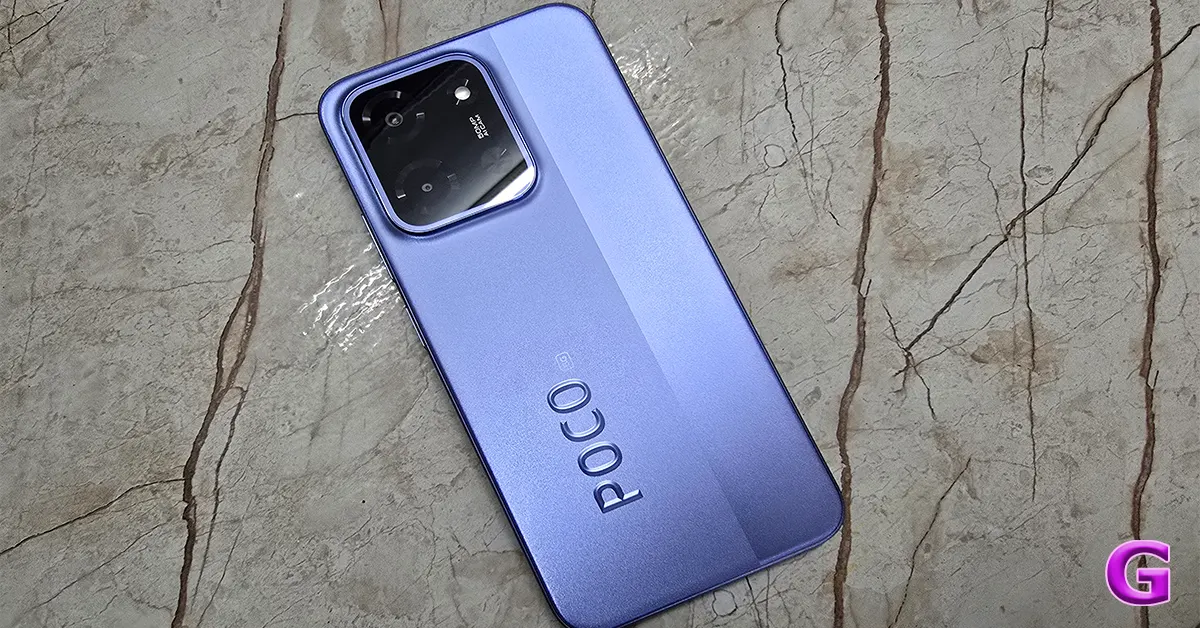
The Poco C85 was launched at the tail end of 2025. It packs the MediaTek Dimensity 6300 SoC under its hood. OS duties are handled by Android 15-based HyperOS 2. The smartphone is set to receive 2 major OS upgrades. Its 6.9-inch IPS LCD panel has a 120Hz refresh rate and can hit 810 nits in High Brightness Mode. The rear camera island houses a 50MP primary shooter and an auxiliary lens. The 6,000mAh battery pack supports 30W charging and 10W reverse wired charging. Read our Poco C85 review to learn more about the smartphone.
Pros
- Big display
- Expandable storage
- Reverse wired charging
Cons
- Video recording capped at 1080p at 30 fps
Redmi 15C
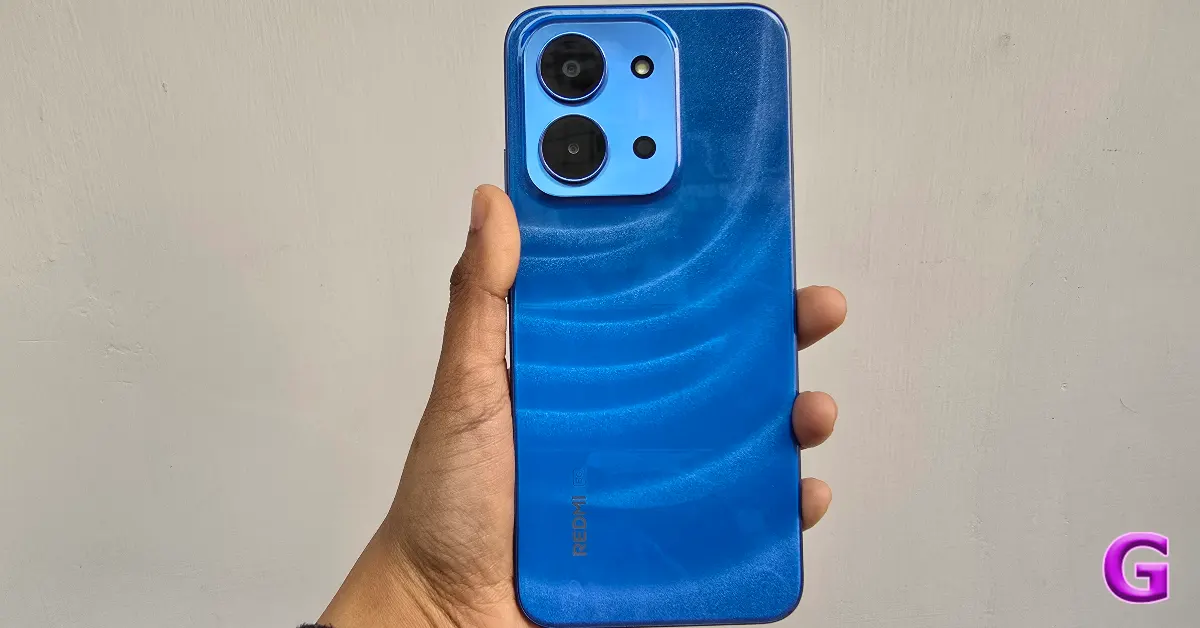
Redmi 15C shares its specs with the Poco C85. It has a 6.9-inch IPS LCD panel with a 120Hz refresh rate. This display can reach 810 nits in High Brightness Mode. Powering this smartphone is the Android 15-based HyperOS 2. Software duties are handled by the Android 15-based HyperOS 2. The rear camera array comprises a 50MP primary shooter and an auxiliary lens. The 6,000mAh battery supports 33W charging and 10W reverse wired charging. Read our Redmi 15C review for an in-depth analysis.
Pros
- Expandable memory
- 3.5mm headphone jack
- IR Blaster
Cons
- Low screen resolution
Lava Blaze AMOLED 2
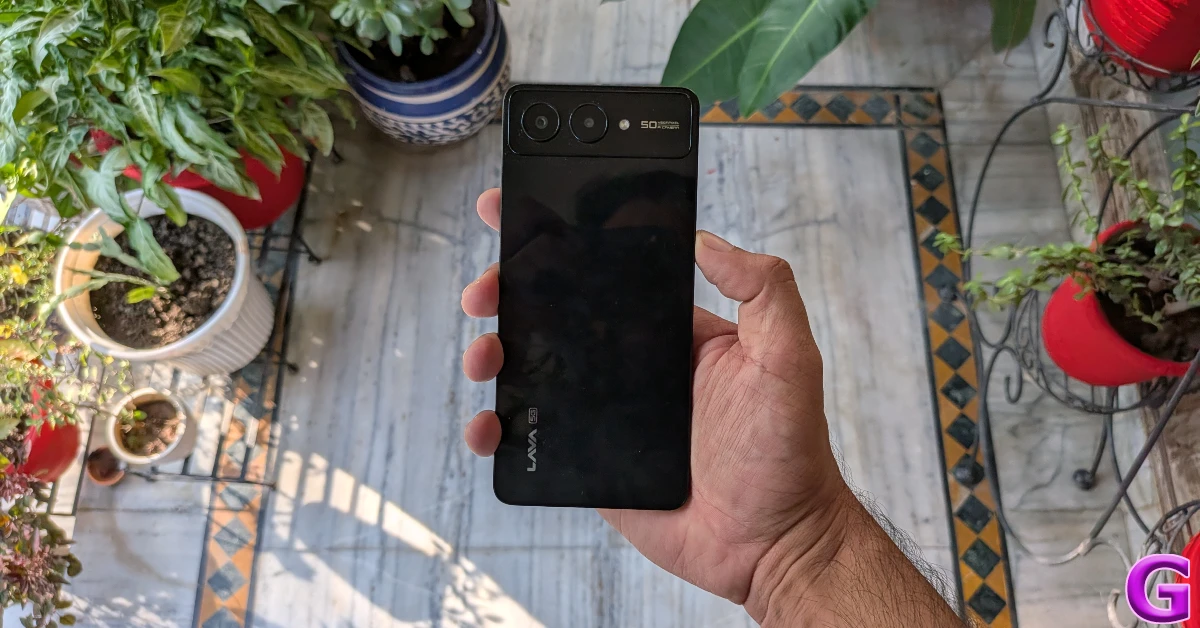
The Lava Blaze AMOLED 2 has one of the best displays in the segment. The 6.67-inch AMOLED panel has a 120Hz refresh rate and can reach 800 nits in High Brightness Mode. Powering the device is the MediaTek Dimensity 7060 chipset. Software duties are handled by Android 15 out of the box. The camera bar on the back panel houses a 50MP primary shooter and an auxiliary lens. The 5,000mAh battery pack supports 33W charging. For more details, dive into our review of the Lava Blaze AMOLED 2.
Pros
- AMOLED display
- Nice form factor
- Good battery life
Cons
- Only 1 major OS upgrade
Infinix Hot 60
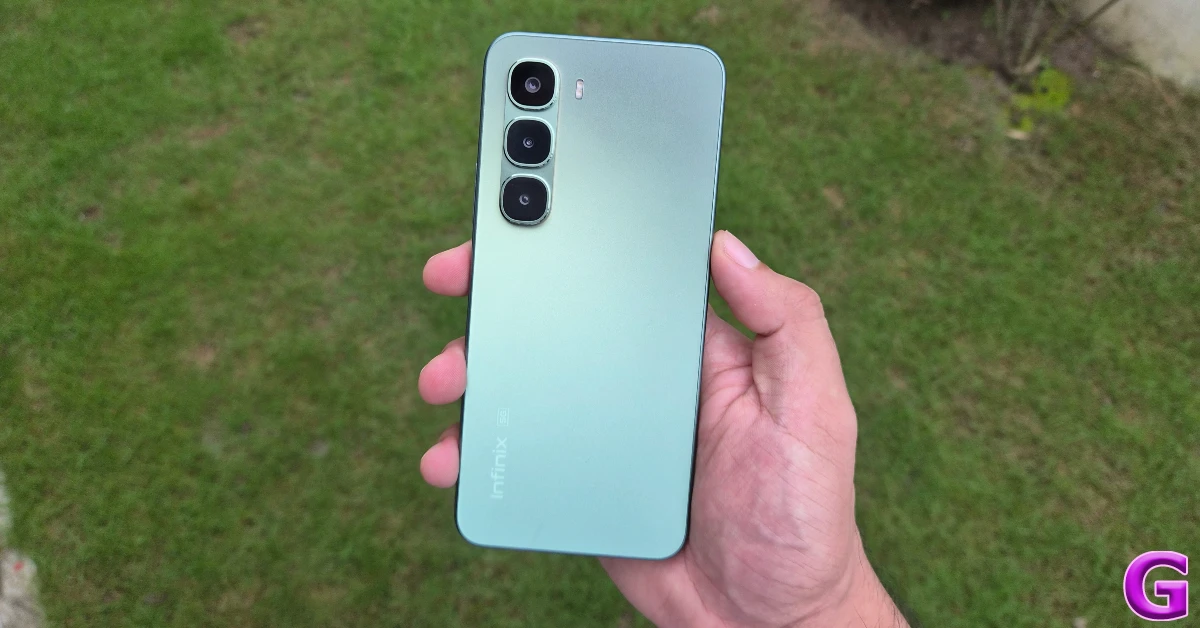
The Infinix Hot 60 is powered by the MediaTek Dimensity 7020 SoC and runs the Android 15-based XOS 15 out of the box. It has been promised 3 major OS upgrades, which is pretty good coverage in this price bracket. Its 6.7-inch IPS LCD panel has a 120Hz refresh rate. It can reach 560 nits of typical brightness and hit 700 nits in High Brightness Mode. The back panel houses a 50MP primary shooter along with auxiliary lenses. The 5,200mAh battery pack supports 18W wired and 10W reverse wired charging. Read our Infinix Hot 60 review to learn more about the device.
Pros
- Clean design
- AI features
- Good gaming performance
Cons
- Slow charging
Oppo K13X
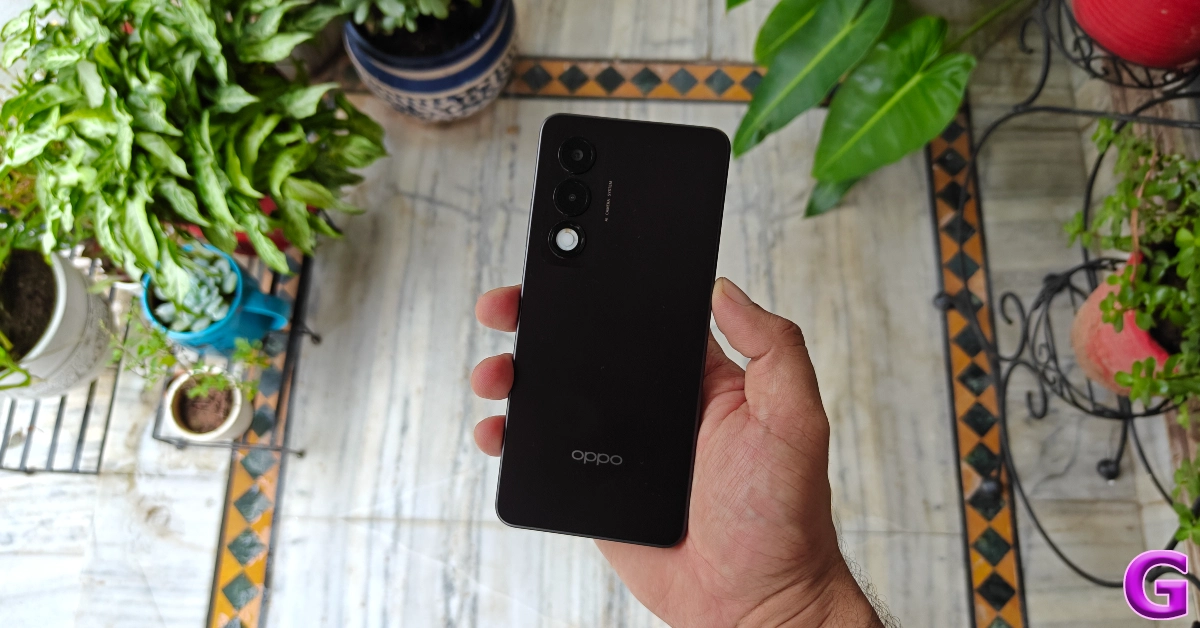
Ending this list is the Oppo K13X. This smartphone is powered by the MediaTek 6300 chipset and runs the Android 15-based ColorOS 15 out of the box. It is one of the few devices to still come with a 3.5mm headphone jack. There’s expandable storage support on board as well. The smartphone is compliant with MIL-STD-810H durability standards. Its 6.67-inch IPS LCD panel has a 120Hz refresh rate and can hit 1,000 nits in High Brightness Mode. The vertical camera array on the back panel comprises a 50MP primary shooter and a 2MP depth sensor. The 6,000mAh battery pack supports 45W wired charging. Read our Oppo K13x review to know what it’s like to use it as a daily driver.
Pros
- Durable
- Expandable storage
- 3.5mm headphone jack
Cons
- Display needs to be a little brighter
Read Also: iQOO 15R confirmed to arrive in India soon: Details
Final Thoughts
These are the top 10 smartphones priced under Rs 15,000 in January 2025. If you have some more room in your budget, we recommend checking out the best phones in the Rs 20,000 price bracket as well. Got any questions? Let us know in the comments!


