


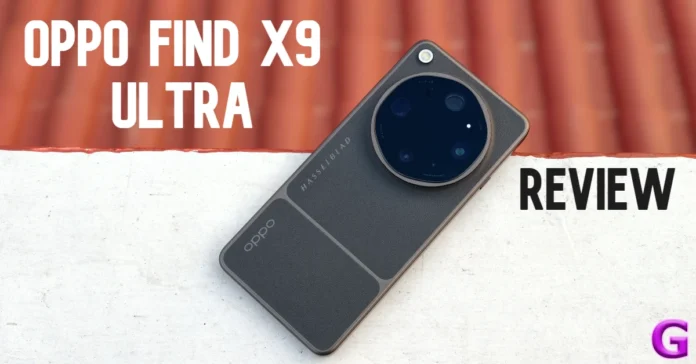
Oppo’s ‘Ultra’ flagship has finally arrived on the global stage. While it has been grabbing headlines for its state-of-the-art camera system, the smartphone does not make compromises anywhere on the spec sheet. It’s got the Snapdragon 8 Elite Gen 5 processor chugging away at its core – an upgrade over the MediaTek Dimensity 9500 chipset powering the Pro model (our review here). You can go for an eco leather or a fibreglass back panel, depending on which way you sway. The pièce de résistance is, of course, the 5-sensor camera module tuned by Hasselblad. The Rs 1,69,999 price tag makes the Find X9 Ultra one of the most expensive phones around. We used it as our daily driver for a week to find out if it’s worth breaking the bank. Here is our in-depth review of the Oppo Find X9 Ultra.
Read Also: Stuffcool ChargeCube 65 Review: A Tiny Power Strip That Cleans Up Your Desk Chaos
In This Article
Oppo Find X9 Ultra Review: Design and Display
Box Contents
- Smartphone
- 100W power adapter
- USB-A to USB-C cable
- Silicone cover
- SIM ejector tool
- Quick guide
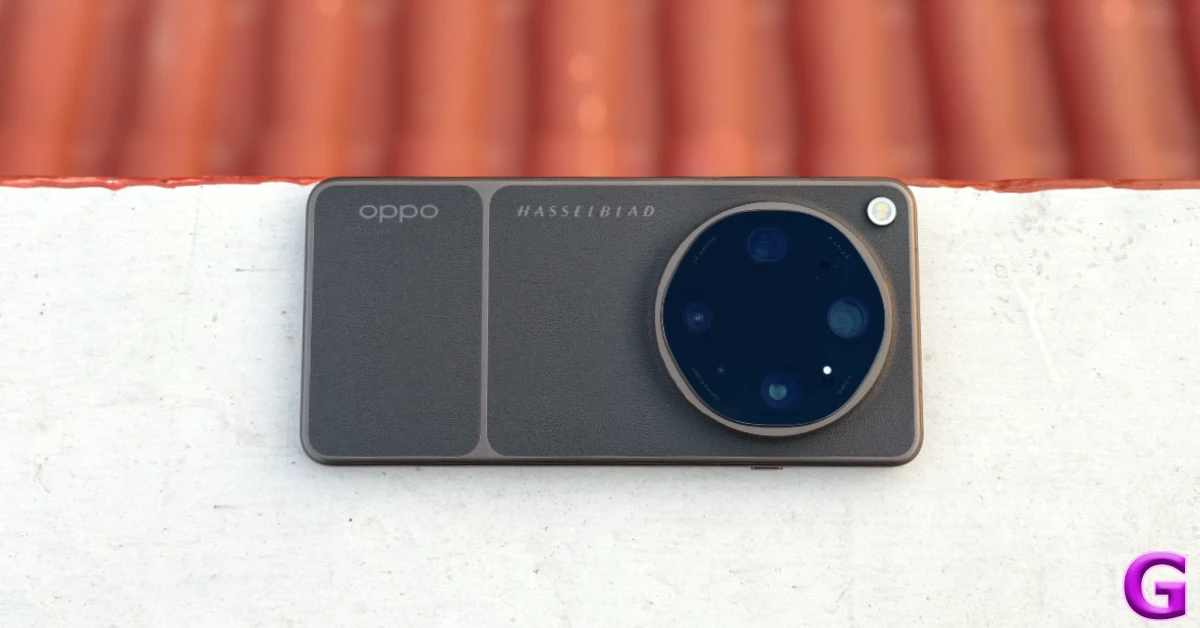
Hasselblad’s influence on the Find X9 Ultra isn’t limited to the camera system. The Tundra Umber colour variant, which we used for this review, draws design inspiration from the Hasselblad X2D 100C Earth Explorer Edition. A sleek metal bar separates the lower section of the eco leather back panel, giving it the appearance of a camera grip. This section contains the Oppo branding, while the Hasselblad lettering is positioned just above it.
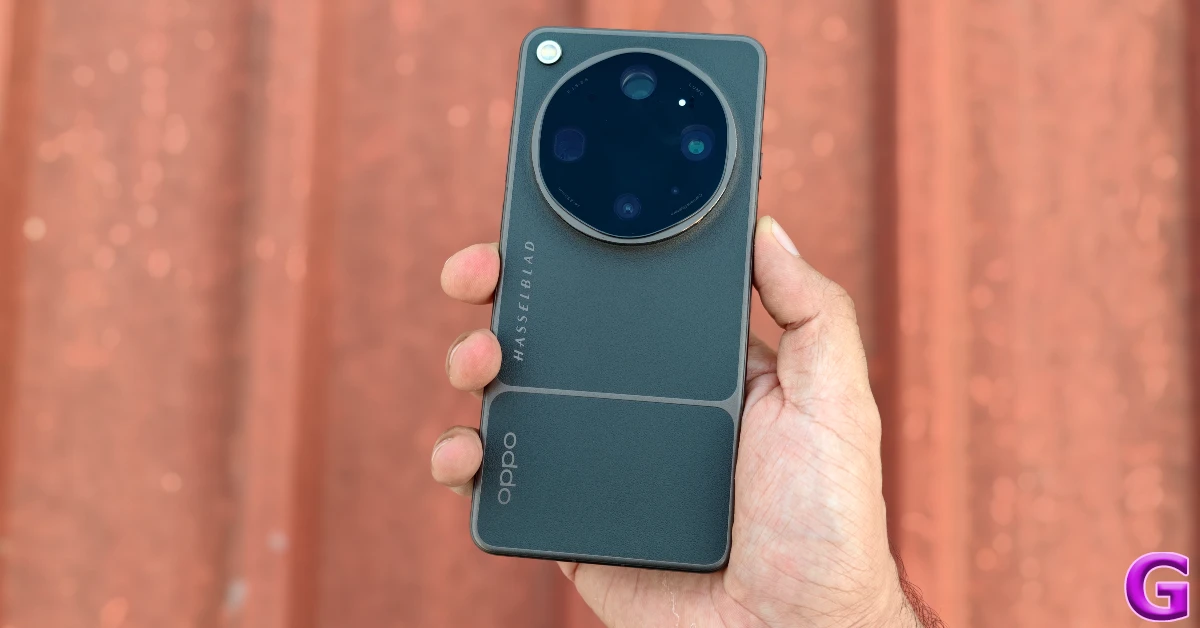
The giant circular camera island is what draws attention to the smartphone. The ridged pattern around this module is designed keeping focus rings in mind. The orange accent underneath the island lends it a floating effect. The orange accent on the shutter button is another nod to the X2D 100C. The smartphone weighs 235g, which makes it heavier than Oppo’s flagship foldable, Find N7. Measuring 9.1mm around the sides, it is one of the chunkier phones around. Despite the massive camera island, the Find X9 Ultra does not feel too top-heavy. The uniform weight distribution and excellent in-hand feel make its large dimensions more palpable.
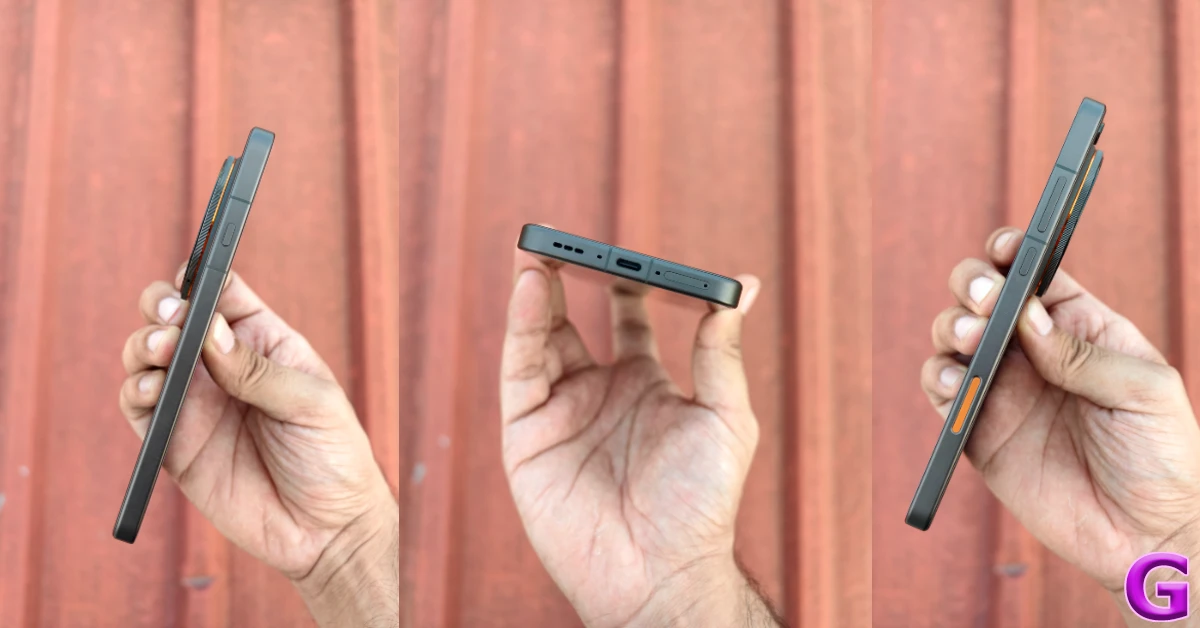
The aluminium frame houses the volume rocker, side button, and camera shutter on its right edge. On the left lies the Snap key for toggling sound profiles, accessing Mind Space, or performing other quick actions. The SIM tray, primary microphone, USB-C port, and speaker grille are positioned at the bottom. Up top lie the secondary speaker grille and noise-cancelling microphone. The smartphone is rated IP68/IP69 for dust and water resistance. It misses out on the IP69K rating.
The 6.82-inch LTPO AMOLED display has a 144Hz refresh rate and can reach 1,800 nits in High Brightness Mode. It is easily able to overcome harsh sunlight in outdoor conditions and maintain legibility at any time of the day. The touch response is smooth as butter. There are no lags or jitters to be seen. With 2160Hz PWM dimming on board, there are no distracting flickers in limited lighting conditions. The bezels around the display are sleek and uniform. The under-display ultrasonic fingerprint scanner is ridiculously fast.
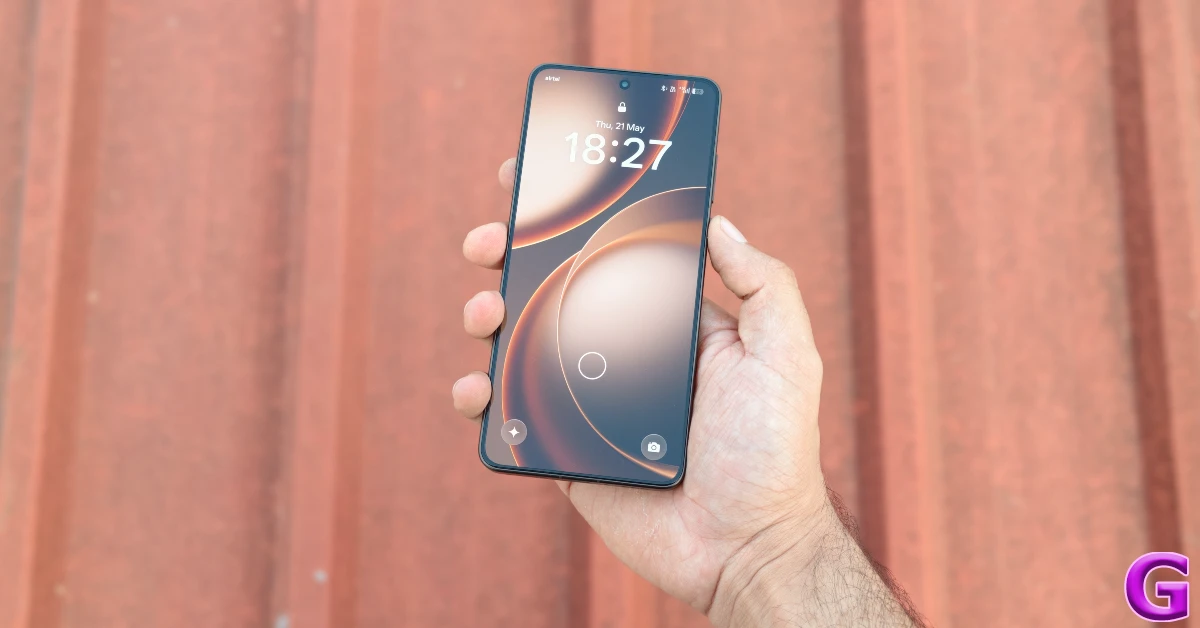
During the review period, we used the Oppo Find X9 Ultra as our primary media streaming device. The 1,440 x 3,168p display is an upgrade over the 1,272 x 2,772p screen on the Pro model. The clarity of visuals while playing 4K content is simply stunning. The images are packed with colours and cutting-edge details. The AMOLED display brings out the deep blacks and creates stunning contrast and dynamic range. The stereo speaker setup produces a well-rounded audio output that shows no signs of distortion even on high volume levels.

Oppo Find X9 Ultra Review: Performance and Cameras
As we mentioned earlier, the Oppo Find X9 Ultra is powered by Qualcomm’s flagship Snapdragon 8 Elite Gen 5 chipset. The smartphone comes in a single 12GB LPDDR5X RAM and 512GB UFS 4.1 storage configuration. There’s Wi-Fi 7, Bluetooth 6, and NFC support on board.
We ran a couple of benchmark tests on the device. Here is how it performed.
- AnTuTu 3D: 4,028,991
- Geekbench 6: 3,504 (single core) | 8,827 (multi-core)
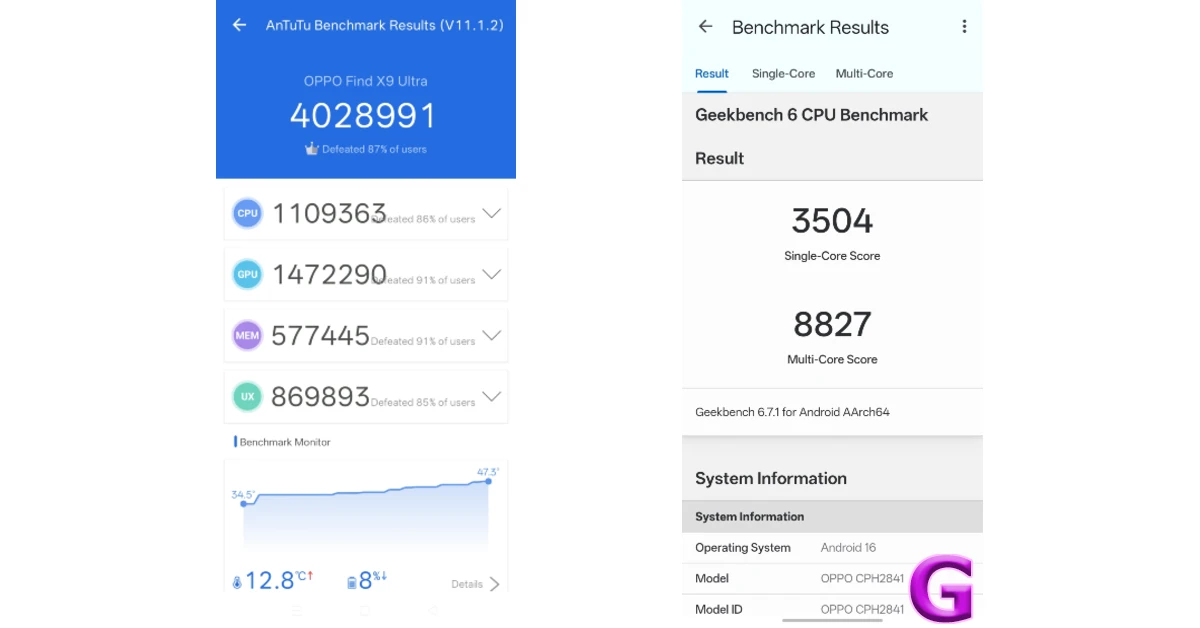
As a daily driver, the Find X9 Ultra leaves no room for complaints. It crushes everyday tasks like calling, instant messaging, web browsing, media streaming, navigation, and more without breaking a sweat. Even power-intensive tasks like video editing do not make the phone get out of first gear. Apps load instantly, and you can juggle a dozen of them without coming across any lag or jitter. You don’t really miss having 16GB RAM, although the option would have been nice. You can blame the worldwide RAM shortage for that. The smooth 144Hz display facilitates a highly enjoyable scrolling experience, which the haptic motor takes to another level with its smooth vibrational feedback.
Putting the device to our gaming test, we played BGMI and Call of Duty Mobile at their highest graphical settings while limiting the frame rate to 60fps. The result was an exquisite gameplay experience with stunning details and seamless controls. You can push the frame rate to 120fps by dialling down the graphics just a notch. To keep its internal temperature in check during long gaming sessions, the smartphone uses a 3D cryo-velocity cooling system. In our tests, the smartphone was able to reach the 30-minute mark with little to no warmth on the back panel. Thermal throttling did not become an issue even after crossing the 1-hour mark.
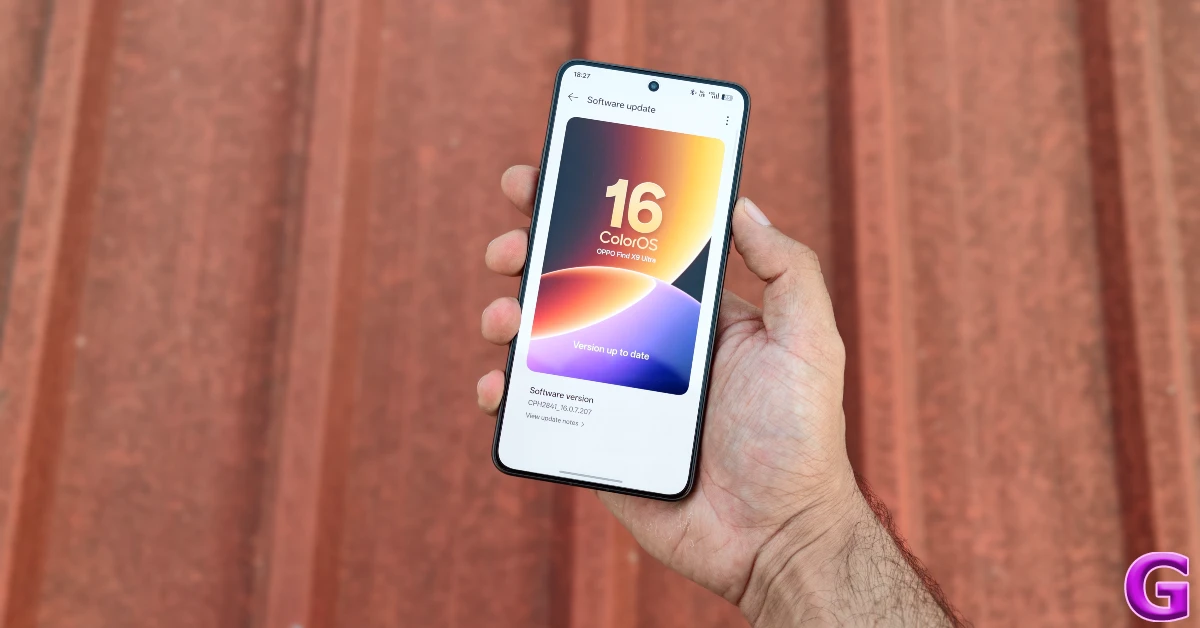
Software duties on the Find X9 Ultra are handled by Android 16 with ColorOS 16 on top. Oppo has promised 5 major OS upgrades and 6 years of security patches. The device ships with some bloatware apps in it, which isn’t a good sight on a phone that costs Rs 1.70 lakh. We recommend uninstalling these apps for a cleaner software experience.
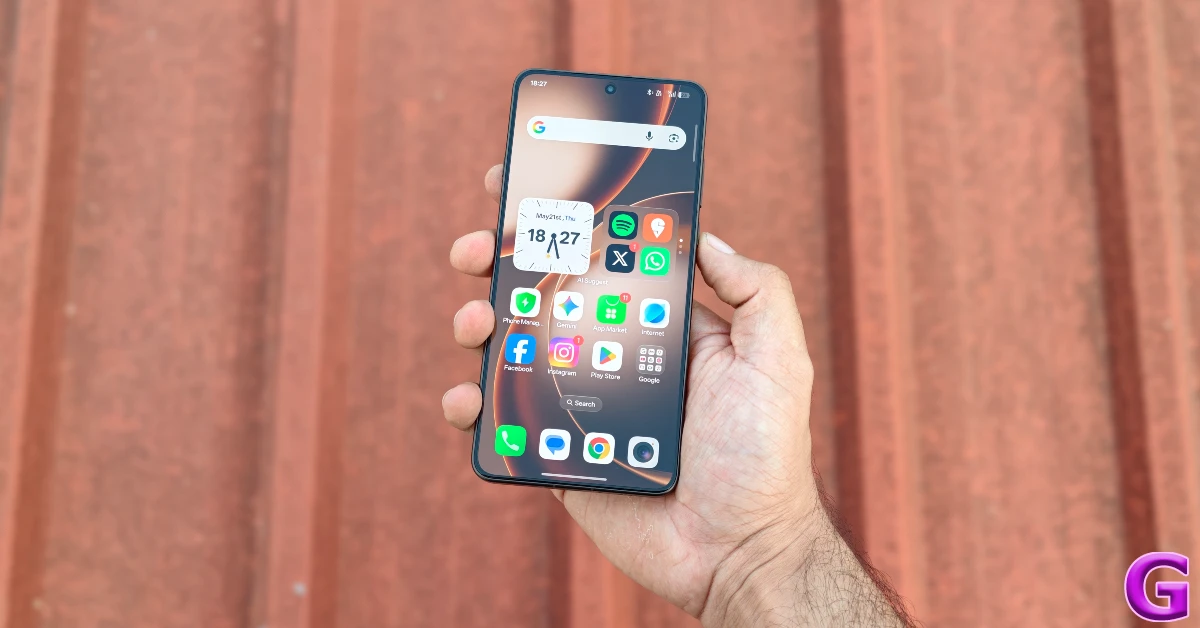
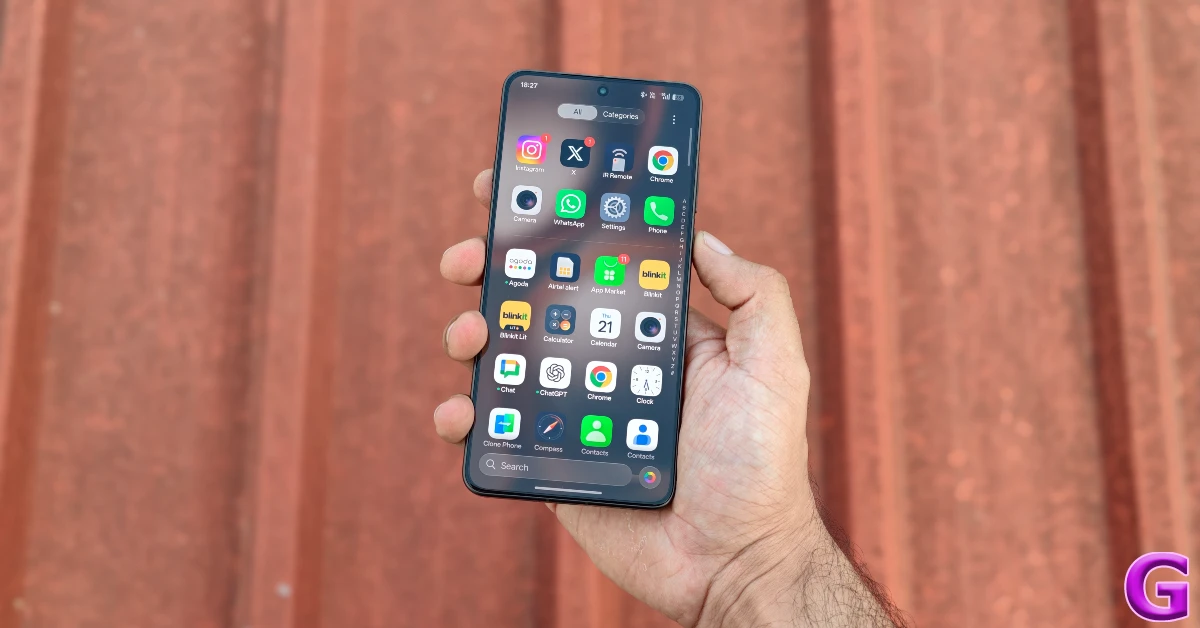
You get a lot of customisation options for the lockscreen and homepage on ColorOS 16. The ‘Flux’ library has a good range of exciting themes for the lockscreen, some clearly inspired by iOS. You can adjust the size of the clock, apply a catchy depth effect to make the wallpaper subject pop out, add useful widgets, and create a translucent effect with one of the several hazy filters. The homepage, too, lets you play with different widgets. You choose between a 4-column and 5-column layout, and group similar apps in different folder styles.
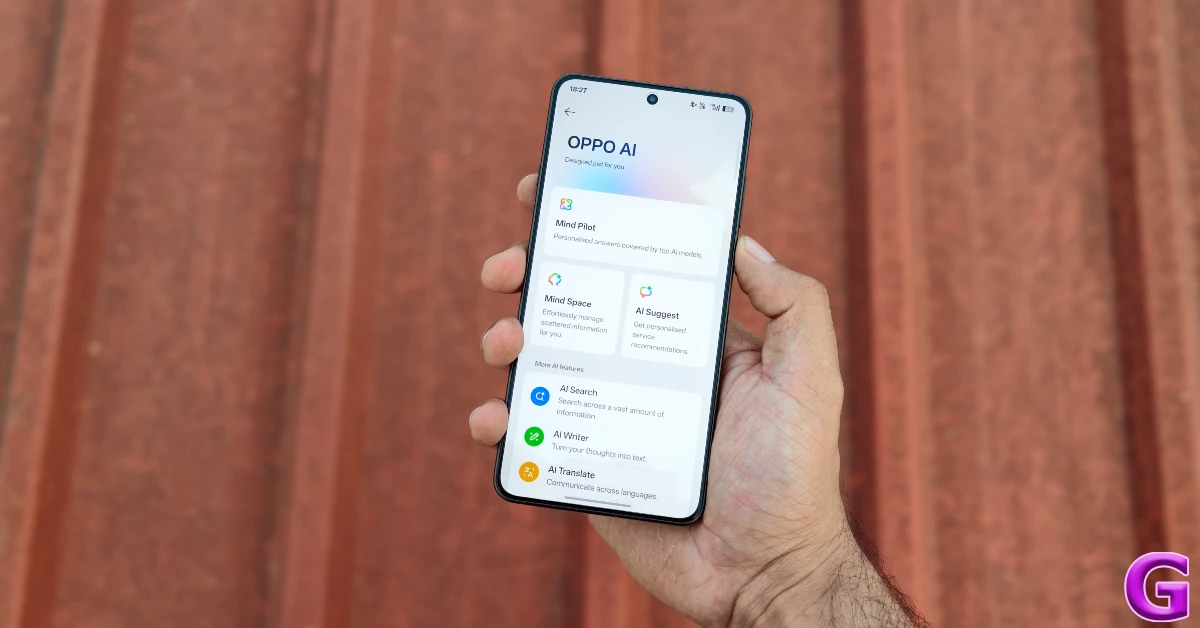
The Oppo AI suite contains the standard AI tools for writing, translation, and transcription. You can use the AI Writer to draft emails or come up with captions for your Instagram posts. AI VoiceScribes records, summarises, transcribes, and translates your calls and meetings. The Mind Pilot app gives you access to 3 AI models – Gemini, Perplexity, and ChatGPT. The Mind Space has been rejuvenated with 2 new handy tools – AI Bill Manager and AI Menu Translation. The former automatically reads your messages to log and analyse your transactions. The chat function in its interface makes it easy to figure out your spending pattern. If you don’t like spending time deciphering graphs, you’ll like this tool a lot. The AI Menu Translation not only translates menus in foreign languages, but also converts the currencies and whips up a visual representation of the dishes. These tools will be added to other Oppo phones in a future update.
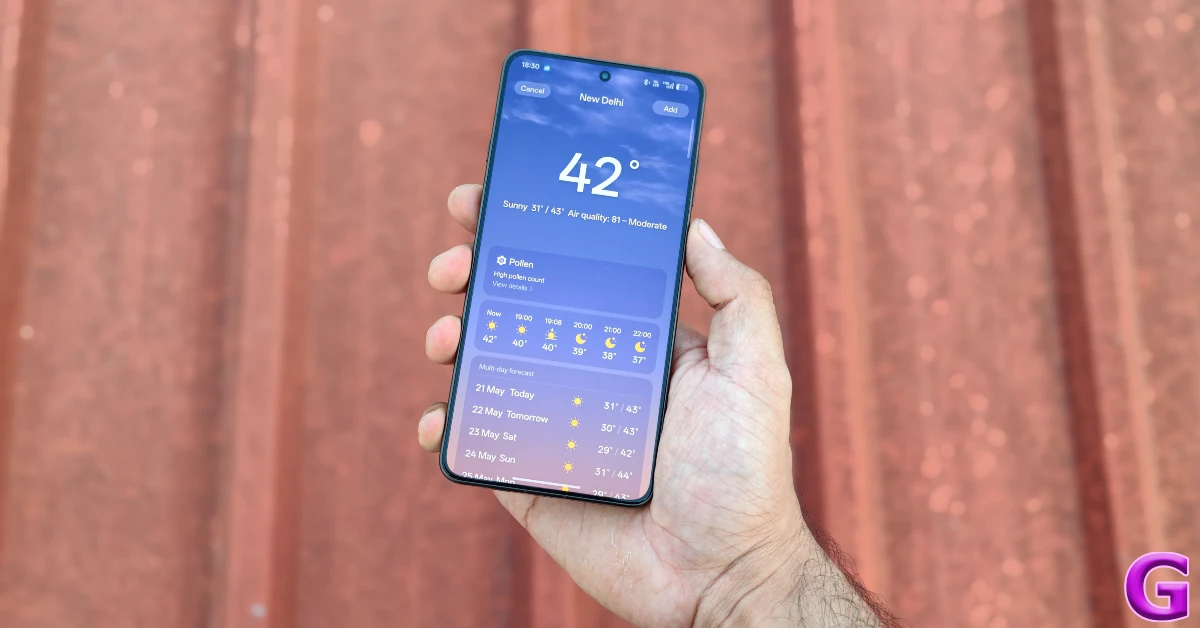
The 7,050mAh Si/C battery pack on this device holds enough juice to last 2 days of moderate use. It takes a lot of effort to drain it in a single day. After racking up 7 hours of screen time, most of which constituted texting and doomscrolling, we were still left with a 50% charge in the tank at the end of the day. The 100W power adapter provided in the box takes up to 50 minutes to fully charge the phone.
Now, let’s talk about the most marketed feature of the Find X9 Ultra – the camera system. The rear camera island houses a 200MP primary shooter with a 1/1.12” sensor and 23mm focal length, a 50MP ultrawide lens with a 1/1.95” sensor and 14mm focal length, a 200MP telephoto lens with a 1/1.28 sensor, 70mm focal length, and 3x optical zoom, and a 50MP telephoto lens with a 1/2.75” sensor, 230mm focal length, and 10x optical zoom. Joining this array is a new-gen true colour camera with 24 spectral channels. A 50MP front-facing camera lies inside a punch-hole cutout on the display.


The 200MP primary shooter on this device is perhaps one of the most versatile main cameras we’ve seen on a smartphone. You can pull it out and take a stunning shot every time, regardless of the lighting conditions in front of you. The daylight shots pack cutting-edge details that remain composed even when you pixel peep. The images are processed to retain their natural feel. You won’t get shots where the colours feel artificially boosted. The pictures captured with this camera do justice to the scene in front of you. If you want to completely do away with HDR, you can take things into your own hands in Master mode. This mode also gives you access to exclusive film filters that can be further customised.


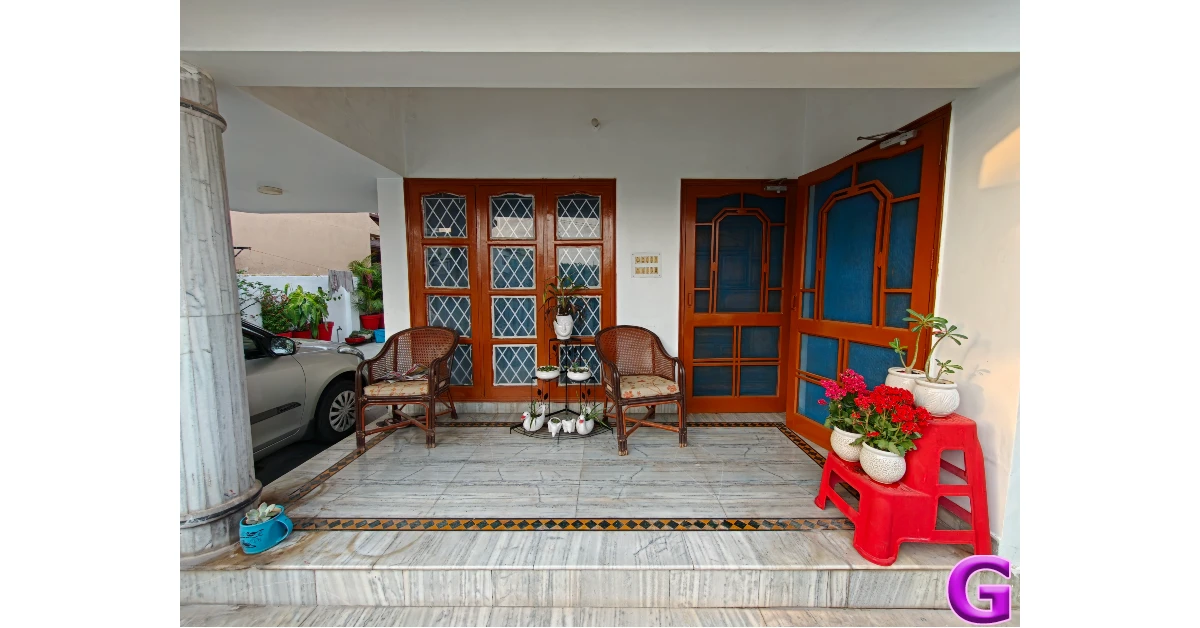
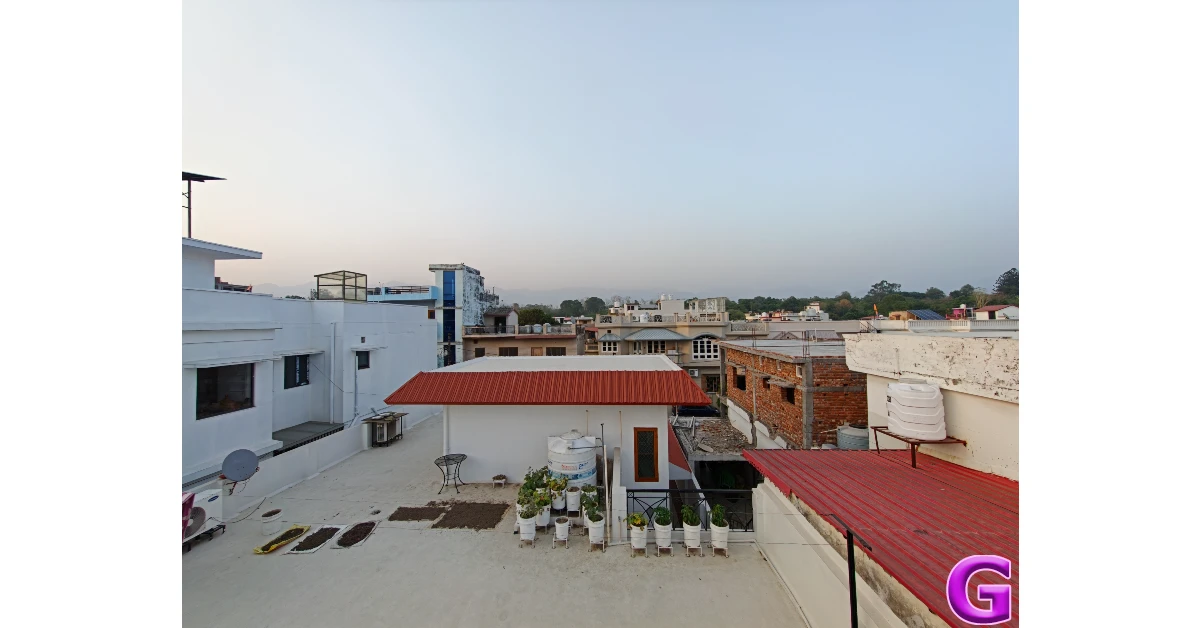

In limited lighting conditions, the main sensor lets in a lot of light, which leads to detailed shots. The smartphone intelligently processes the scene and assigns accurate colours to the subject. It does a good job of minimising the noise without overcorrecting the texture of the shot. The 200MP telephoto lens takes wonderful shots with 3x optical zoom. There is a slight tonal shift when you compare its results with the main camera, but the images come out vibrant and natural-looking. You can rely on this camera to bridge the gap with the subject without losing any detail. The 50MP telephoto lens with 10x optical zoom also produces super detailed shots with lush colours. If you frequently attend concerts and sporting events, you will get a lot of mileage out of this lens. On a similar note, the Camera app has a handy ‘Stage’ mode that adapts to the intense lighting at live shows and optimises the shots with great accuracy.


The 50MP ultrawide lens delivers rock-solid shots with colours that match the main camera. The images do not appear soft or shaky. They hold up fairly well while pixel peeping. In limited lighting conditions, the Night Mode takes over to resolve the grain and light up the shot.


The Portrait Mode in the Camera app lets you capture shots between 1x and 10x zoom levels. The 3x (70mm) and 10x (230mm) telephoto lenses step in whenever required. The portraits have an amazing subject-background separation. The tasteful bokeh effect lends the shots a DSLR-like feel. The 50MP front-facing camera takes clear and lush selfies without overcorrecting the skin tone and texture of the subject.

Read Also: Oppo Find X9s with a 7,025mAh battery and Hasselblad cameras arrived in India
Verdict
Calling the Find X9 Ultra the complete package would be an understatement. It goes above and beyond to bring you the best specs possible. The relentless Snapdragon 8 Elite Gen 5 SoC under the hood of the device is able to handle any task you throw at it. From gaming to video editing, the smartphone goes through power-intensive tasks like a hot knife through butter. The software experience offered by ColorOS 16 remains pleasant despite the pesky bloatware apps. We like the new additions to the Mind Space interface.
The camera system is the star of the show. It is one of, if not the best, camera arrays we’ve seen on a smartphone. All four cameras take breathtaking shots regardless of the lighting situation in front of you. The ‘true colour’ camera plays its part in lending a natural look to the images. Lastly, the 7,050mAh Si/C battery pack makes this a 2-day phone for regular users.
Pros
- Nice design
- Stunning cameras
- Great battery life
- Versatile performance
Cons
- Contains bloatware
- Pricey


