


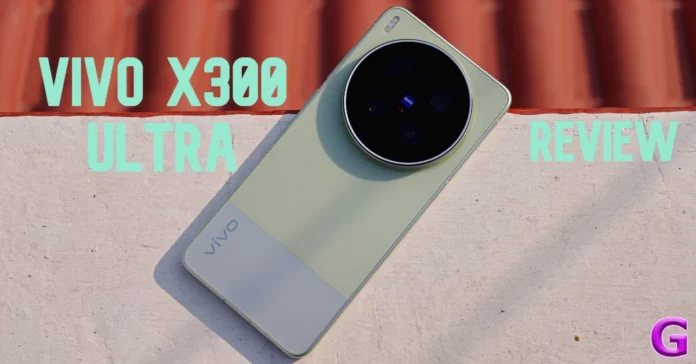
Vivo’s first ‘Ultra’ smartphone for the Indian market was launched earlier this month. Equipped with a state-of-the-art camera system tuned by Zeiss, the X300 Ultra feels more like a statement piece. Of course, it will entice photography enthusiasts who want their daily driver to take DSLR-like shots, but the Snapdragon 8 Elite Gen 5 chipset under its hood ensures that performance mavericks aren’t left wanting for more. The result is a top-spec device that can do it all – be it taking low-light shots with great accuracy and minimal noise or running power-intensive gaming titles like Genshin Impact without a hiccup. We spent a week with the phone, putting it through a series of rigorous tests. Here is our review of the Vivo X300 Ultra.
In This Article
Vivo X300 Ultra Review: Design and Display
Box Contents
- Smartphone
- 100W power adapter
- USB-C to USB-C cable
- Body-coloured silicone cover
- SIM ejector
- XCare card
- Warranty card
- Quick start guide
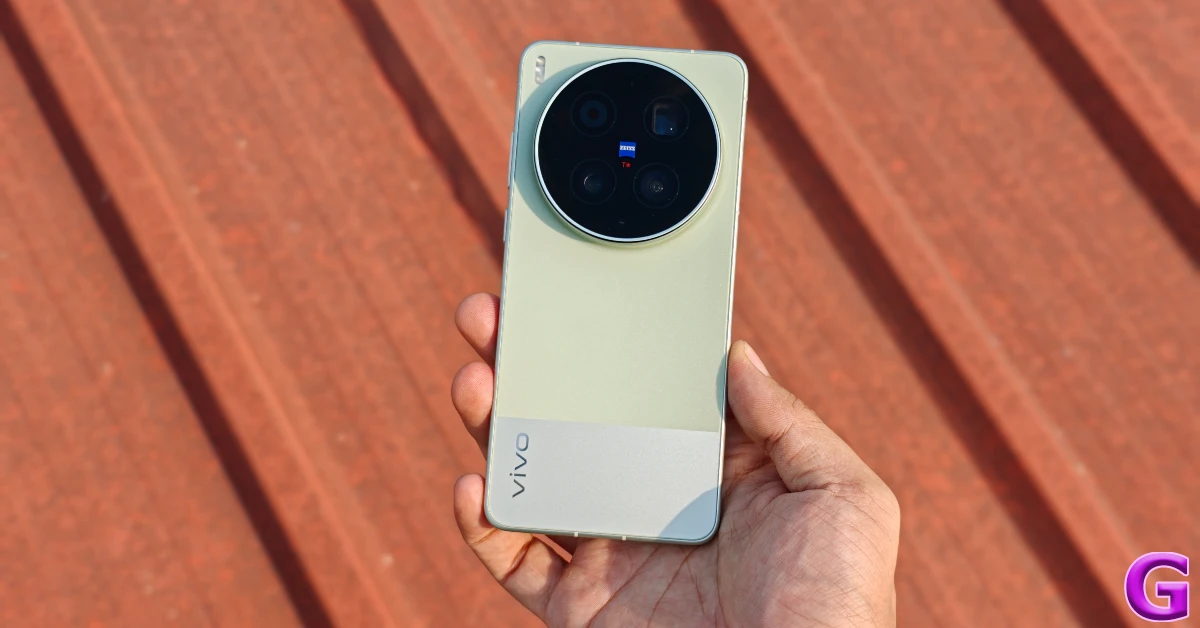
The X300 Ultra does not take the minimal route when it comes to design. Its large circular camera island gives it the appearance of a phone attached to a camera. The outer ring of the cutout has a ridged texture, with smooth sections at the top and bottom for the camera branding. The Victory Green colour variant, which we used for this review, has a two-tone back panel with a lighter shade in the bottom section. The matte texture on the glass back panel lends it a fine in-hand feel and keeps fingerprints and smudges at bay.
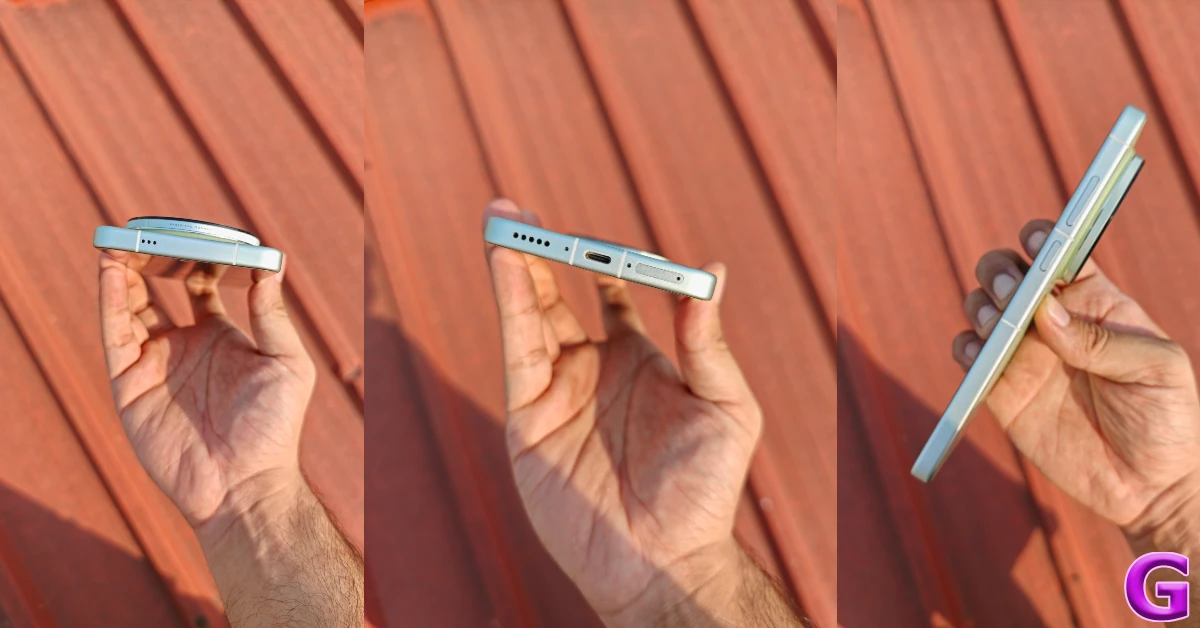
Tipping the scale at 237g, the Vivo X300 Ultra weighs 11g more than the company’s flagship foldable, X Fold5 (226g). Its aluminium frame houses the volume rocker and the side button on its right edge. At the bottom lie the SIM tray, a couple of microphones, and the primary speaker grille. The secondary speaker grille is positioned up top. The left edge is buttonless as the Ultra model misses out on the Shortcut key from the Pro model (our review here). With IP68 and IP69 ratings on board, the smartphone is completely dustproof and waterproof. It is immersible up to 1.5m in water for up to 30 minutes.
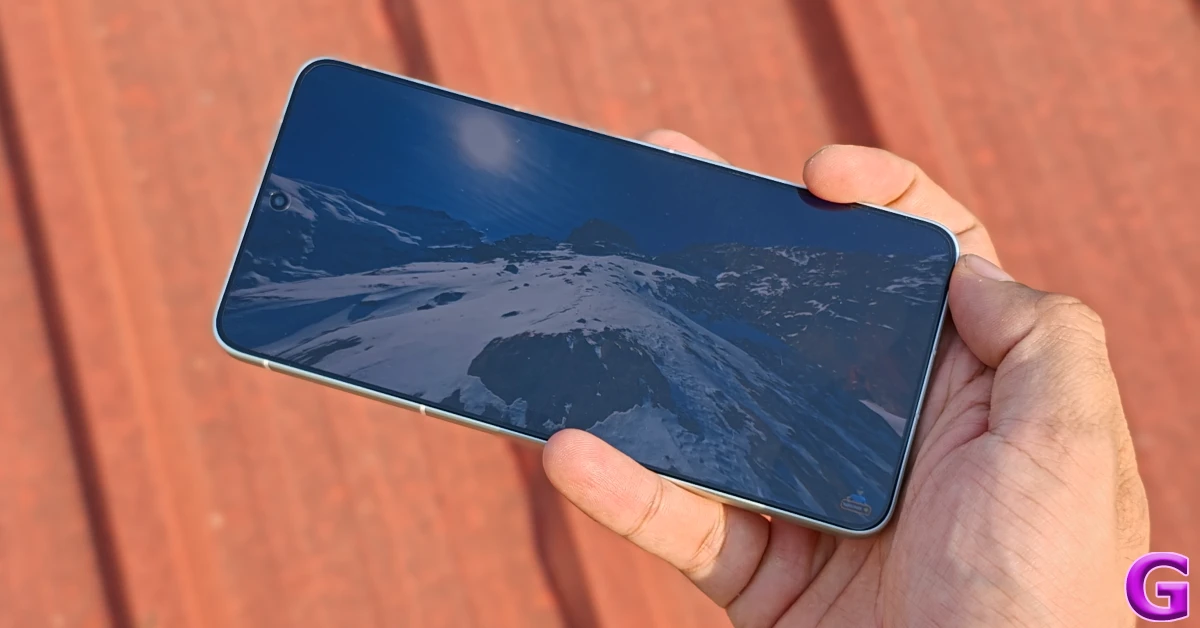
The 6.83-inch LTPO AMOLED display has a 144Hz refresh rate and can reach a peak brightness of 4,500 nits. It does not struggle to maintain legibility under harsh sunlight. The touch response is top-notch. The bezels around the screen are slim as ever. The under-display ultrasonic fingerprint sensor is in a different league altogether compared to its optical counterparts.
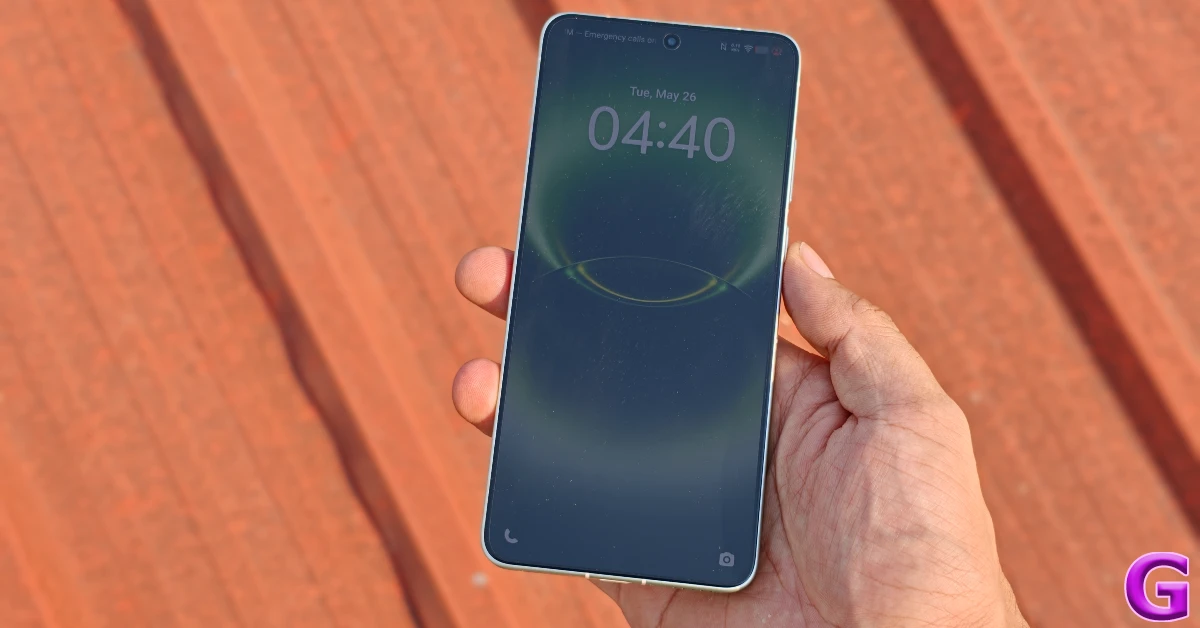
Watching content on the Vivo X300 Ultra is an absolute delight. The 2K AMOLED display relays crisp visuals packed with brilliant detail and vibrant colours. The deep, natural blacks bring the best out of the contrast. The stereo speaker setup produces a well-rounded audio output with no distortion, even when the volume is pushed to its maximum level.
Vivo X300 Ultra Review: Performance and Cameras
At the heart of the X300 Ultra lies Qualcomm’s flagship mobile processor, the Snapdragon 8 Elite Gen 5 SoC. The smartphone is available in a single 16GB LPDDR5X Ultra Pro RAM and 512GB UFS 4.1 storage.
We ran a couple of benchmark tests on the device. Here is how it performed.
- AnTuTu 3D: 3,877,653
- Geekbench 6: 3,445 (single core) | 9,274 (multi-core)
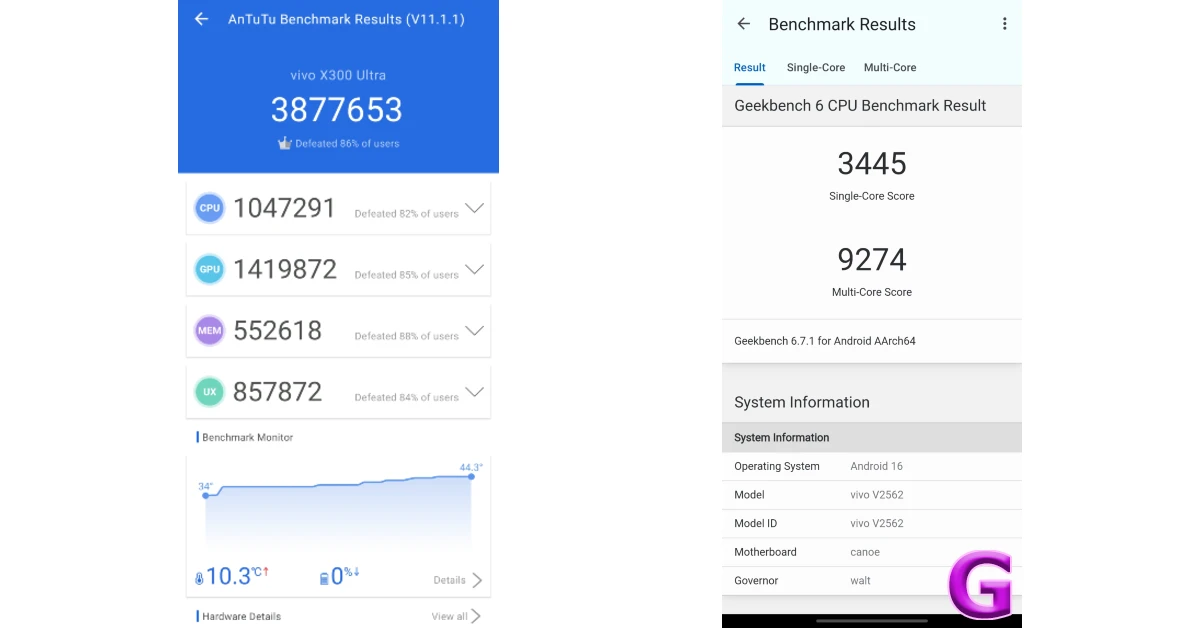
The X300 Ultra crushes any task you throw at it. It expertly handles routine tasks like calling, instant messaging, emailing, web browsing, media streaming, and navigation. You can edit Reels and long-form video content without worrying about unwanted lag or thermal throttling. The fast UFS 4.1 storage configuration ensures that apps don’t take any time to load. The remarkable LPDDR5X Ultra Pro RAM is able to juggle a dozen apps without any lag. The X-axis linear motor produces a sharp and satisfying haptic feedback that takes the general usage experience to another level.
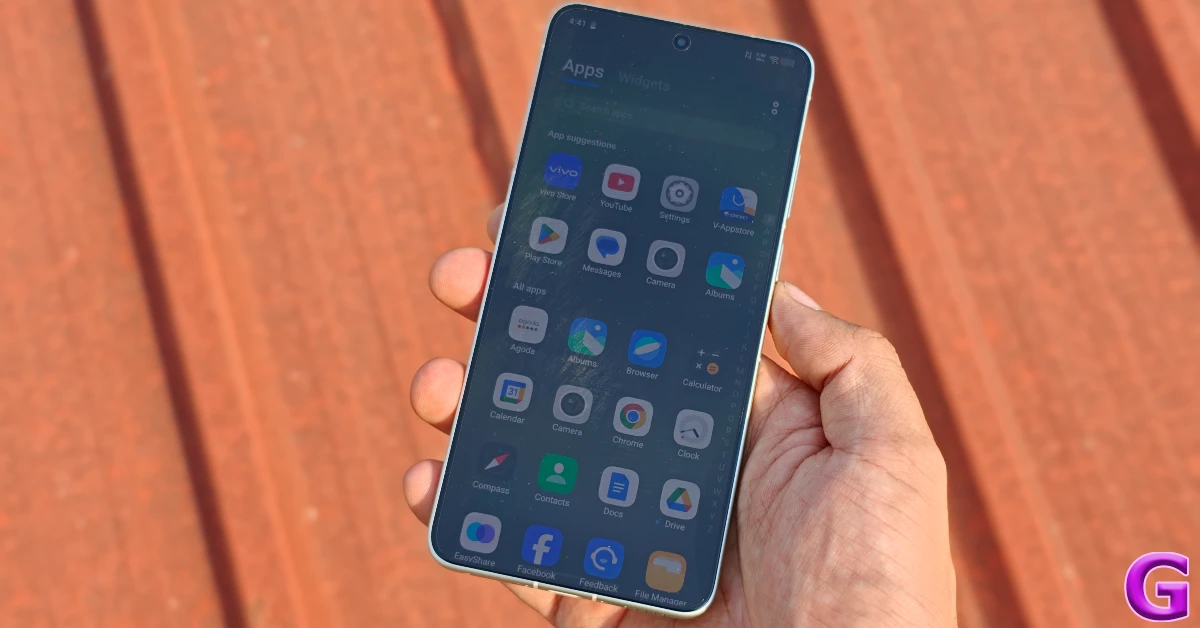
During the review period, we played demanding gaming titles like BGMI and Call of Duty Mobile on the Vivo X300 Ultra. The smartphone did a splendid job of maintaining smooth gameplay at the highest frame rate and graphics settings. The snappy touch response of the display was pivotal in getting that extra edge in controls. The 5800mm² VC cooling system did a good job of managing the internal temperature of the device. We did not notice any significant warmth along the back panel after 30 minutes of gameplay.
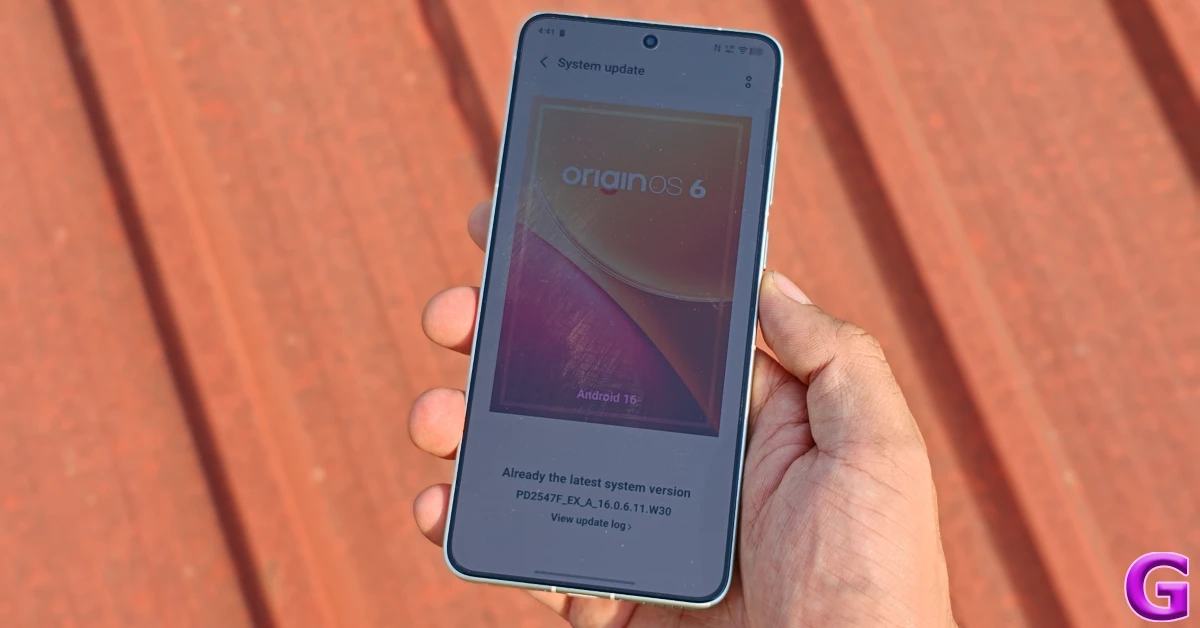
Software duties on the X300 Ultra are handled by Android 16 skinned with Vivo’s OriginOS 6. There are some bloatware apps on the device, which is never a good sight on a flagship product. Thankfully, these apps can be uninstalled. Vivo has promised 5 major OS updates and 7 years of security patches for this phone.
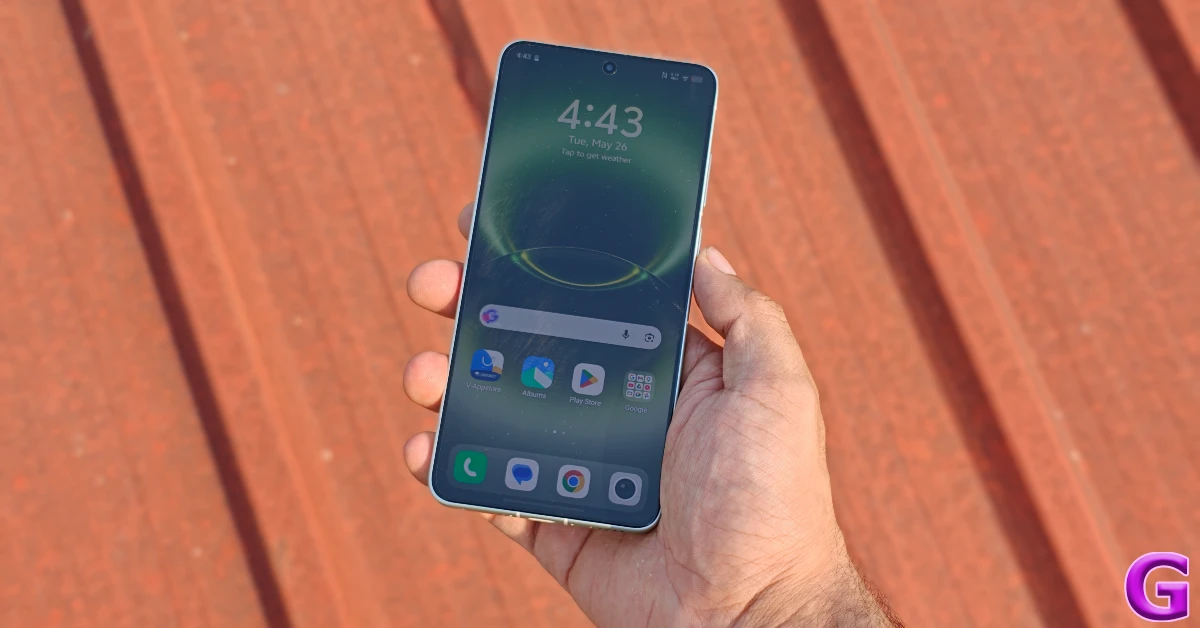
The software experience on offer here is smooth, intuitive, and satisfying. We like the diverse range of customisation options for sliding animations, app entry and exit, and app card transitions, and dynamic effects for the fingerprint sensor icon, USB insertion, screen on/off, and more. The skin is well-optimised for the device and feels very light while browsing. The lock screen and home page have plenty of personalisation options too.
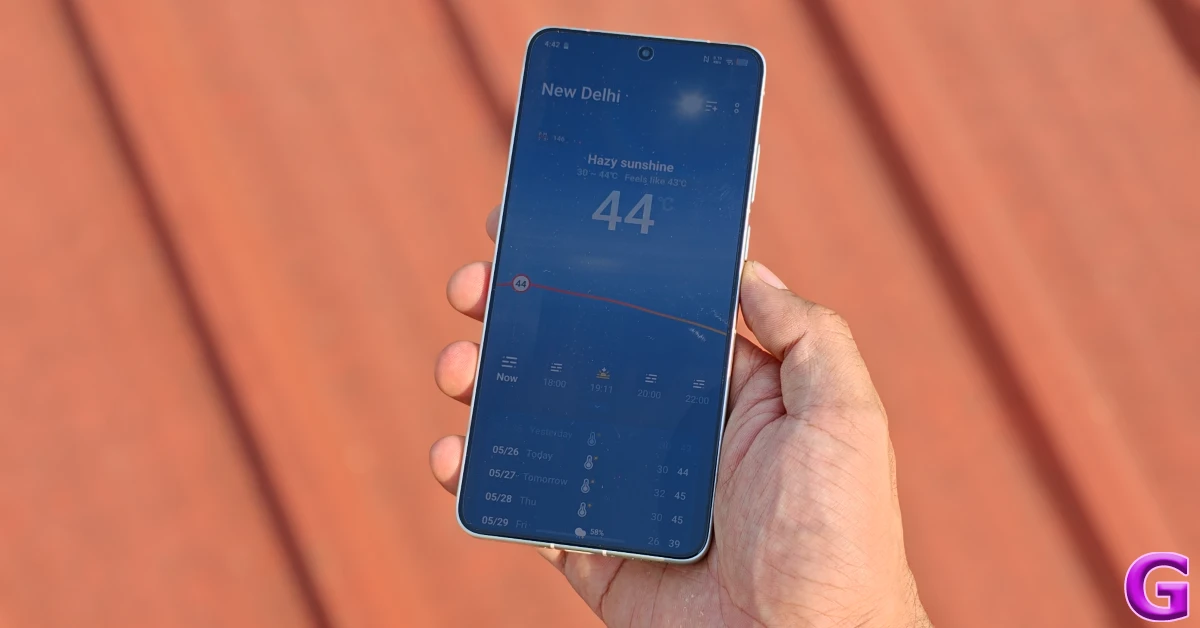
While OriginOS 6 does not have a central AI hub in settings, you can access AI writing tools for summarisation, proofreading, text extension, and more. You can also enable AI captions in settings. The native voice recorder has AI tools for transcribing and summarising your voice memos. The photo editor in the ‘Albums’ app is stocked with AI tools to erase unwanted objects from your images and boost their details.
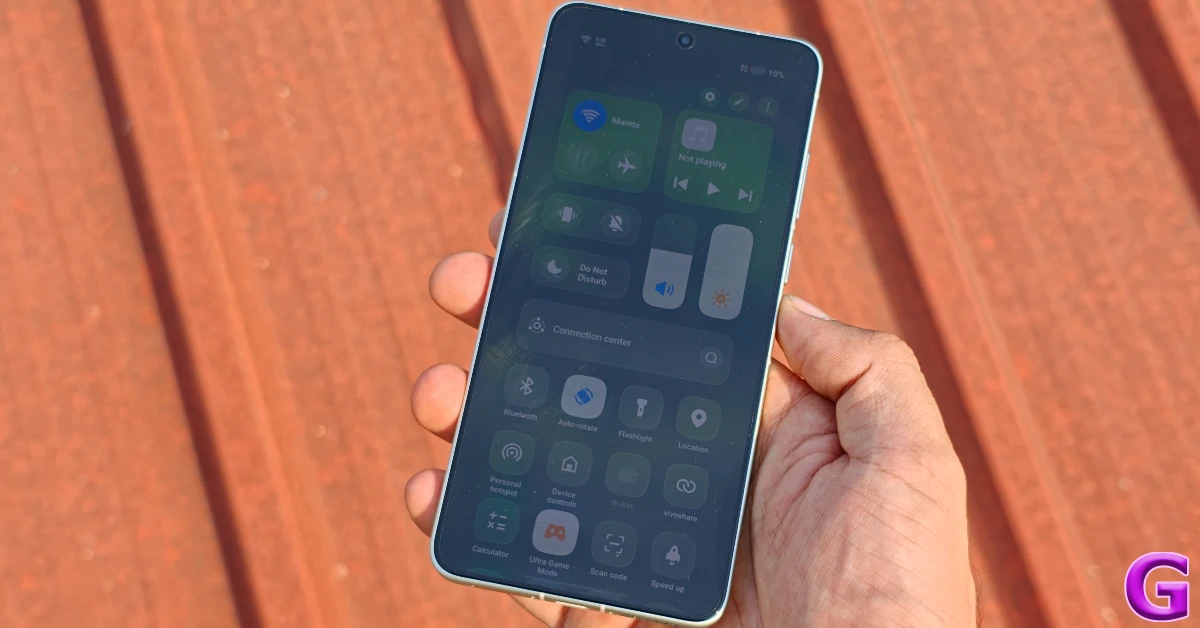
The 6,600mAh battery pack holds enough juice to last an entire day of heavy use. Even if you are a power user, you will struggle to exhaust this phone’s battery life in a single day. Fervent doomscrollers who rack up to 8-9 hours of screen time don’t need to worry about plugging in the charger in the middle of the day. If you’re conservative with your usage, you can push the battery life up to 2 days. The 100W power adapter provided in the box takes just under 50 minutes to fully charge the phone.
The star of the show is undoubtedly the elaborate camera system tuned by Zeiss. It comprises a sensational 200MP Sony LYTIA 901 primary shooter, an equally impressive 200MP telephoto lens with 3.7x optical zoom, and a 50MP Sony LYT-818 ultrawide lens. The 50MP front-facing camera is nestled in a punch-hole cutout on the display. The 200mm and 400mm telephoto extenders demand a premium over the price of the phone.


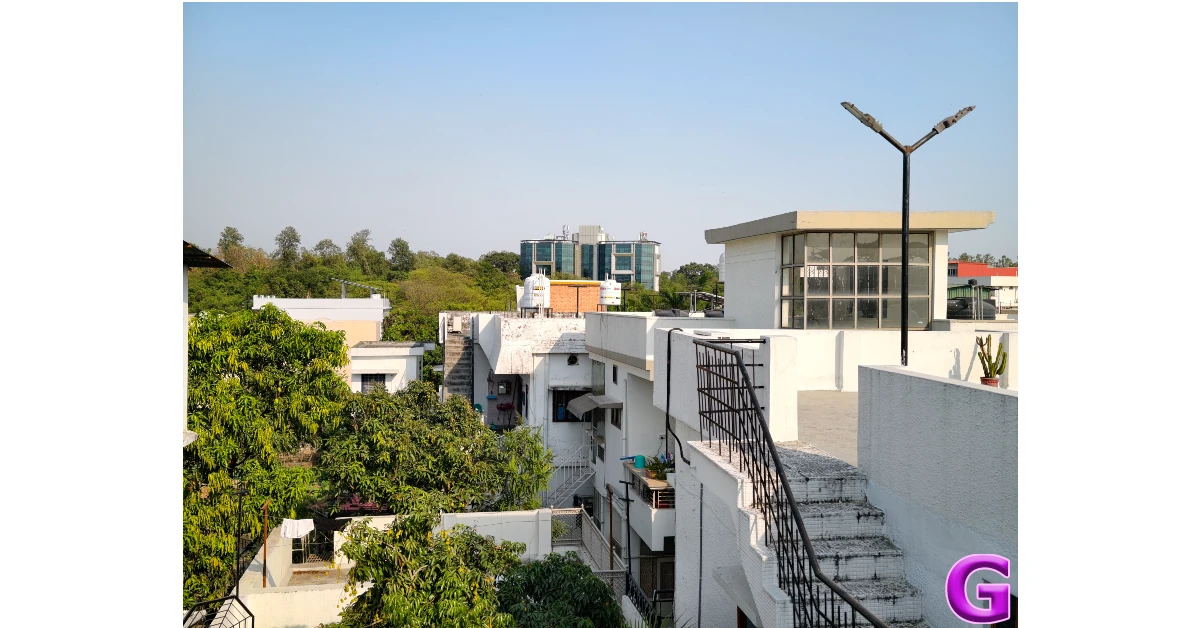
The 200MP primary shooter has a 35mm focal length. As a result, it is more zoomed in compared to your traditional 24mm lenses. This is great for taking pictures of defined subjects. The images pack amazing details and showcase lush colours. Vivo’s photoprocessing algorithm does a great job of adding the ‘pop’ to the images without making them look artificially boosted. No matter the lighting condition, this primary shooter did justice to the scene in front of us. In limited lighting conditions, the 1/1.12-inch sensor let in enough light to register all of the essential details, while the Night Mode did the rest. The images were well-illuminated and flaunted vibrant colours.


Since the main camera takes shots at 1.5x zoom, the 14mm ultrawide lens gets a lot of mileage, especially when taking landscape shots. Usually, this would be a problem since most ultrawide lenses produce softer results compared to the primary shooter. But that is not the case when you break the bank on Vivo’s Ultra flagship. This 50MP ultrawide lens is one of, if not the undisputed, best of its kind. In outdoor daylight conditions, it takes sharp images with amazing details and vibrant colours. The tonal shift on the shots taken with the main and ultrawide sensors is negligible. In limited lighting conditions, the Night Mode kicks in to remove the noise and illuminate the subject.



The 200MP telephoto lens has a 3.7x optical zoom and an 85mm focal length. There is a tonal shift in the images compared to the main lens, but it isn’t a dealbreaker. The images are packed with details and have a greyish tone. You can zoom up to 105x and still get decent results. The smartphone relies heavily on its AI algorithm to resolve the images taken at higher zoom levels.



The X300 Ultra tastefully executes portrait shots and produces well-focused and vibrant results. It does an excellent job of separating the subject from the background without blurring the edges. The background blur applied to these shots lends them a DSLR-like effect. One of the advantages of having a 3.7x telephoto lens in your arsenal is that you can capture your subject from a distance and get a shallow depth of field in the shot.


The 50MP front-facing camera takes clear and vibrant selfies. The results feel natural as there is very limited tone and texture correction. This camera can record 4K videos at 30/60fps. Meanwhile, all three rear cameras can capture 8K footage at 30fps.
Read Also: All Star Tower Defense X (ASTDX) Codes (May 2026): Get Gems and Trait Burners
Verdict
The Vivo X300 Ultra may cost a whopping Rs 1,59,999, but it offers one of the best camera systems you can get on a smartphone. The 35mm main camera gets you impeccable shots, no matter the scene in front of you. The pictures remain well-composed even in challenging lighting conditions. The ultrawide lens is ideal for taking landscape shots, since the main camera defaults to 1.5x zoom. This is undoubtedly one of the best ultrawide lenses we’ve used on a flagship phone. It leaves its peers behind when it comes to sharpness and detail. Lastly, the 3.7x telephoto zoom gives you the liberty of capturing your subject from a distance. This camera takes tasteful portrait shots that will make you want to leave your DSLR at home.
Cameras aside, the X300 Ultra delivers a solid performance in everyday use. The Snapdragon 8 Elite Gen 5 SoC goes through routine tasks like a hot knife through butter. The smartphone is also able to handle gaming titles like BGMI and Call of Duty without getting out of second gear. The 6,600mAh battery pack can last up to 2 days on a full charge for moderate users.
Pros
- Brilliant cameras
- Premium build quality
- Smooth display
- Good battery life
Cons
- Contains bloatware
- No Shortcut key or Camera button
- Photography/Camera kit is pricey


