



Key Takeaways
- Samsung's President and CEO, TM Roh, has previewed the upcoming Samsung Galaxy Unpacked event, emphasizing personal AI capabilities over megapixel counts.
- The event, scheduled for July 22 in London, is expected to feature next-generation foldable phones that are thinner, lighter, stronger, and more immersive, enhanced by personal AI.
- Roh argues that as AI takes on more tasks, the screen becomes crucial, making foldables ideal for providing a flexible canvas for AI assistants.
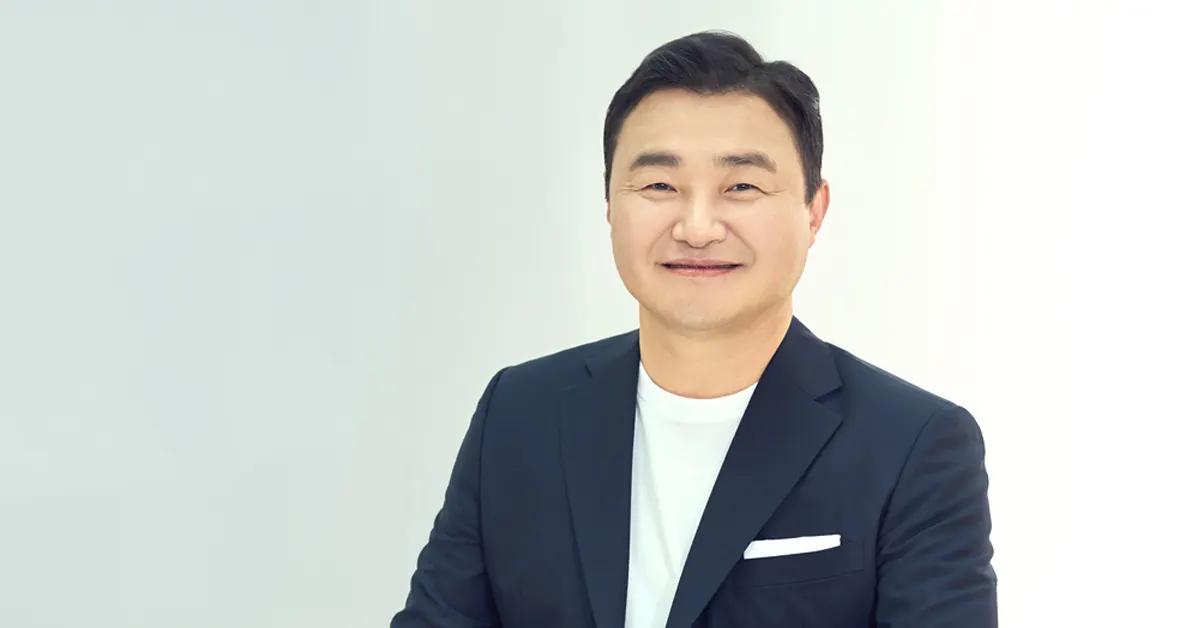
Samsung Electronics President and CEO TM Roh has fired the opening salvo ahead of the Samsung Galaxy Unpacked July 2026 event, and it is less about megapixels and more about mind reading. In a rare editorial published this week, Roh promised foldables that are thinner, lighter, stronger and more immersive, paired with personal AI that understands users well enough to act on their behalf. The timing is no accident. Samsung has confirmed its next Unpacked showcase for July 22 in London, where the next generation of Galaxy foldables is widely expected to break cover.
In This Article
Foldables Get a Starring Role in the AI Story
Roh’s central argument is refreshingly simple. As AI takes on more tasks at once, the screen it lives on matters more than ever. A display that flexes and folds, he says, can shrink into your palm or open up into a larger stage, which is exactly the kind of canvas a busy digital assistant needs. In his words, this is what makes foldables special, and Samsung has spent years making them thinner, lighter and tougher with each generation.
Read Also: Samsung Bespoke AI ACs Take On the Monsoon With Dry Comfort Tech and Freeze Wash Hygiene
That is not idle talk either. The company is now on its eighth generation of foldable phones, a fact that carries extra weight this year as rivals reportedly prepare their first bendable devices. Samsung’s official teaser for the event carries the tagline “A New Shape Unfolds,” and industry chatter points to a refreshed Galaxy Z Fold lineup, possibly including a wider form factor, alongside a new flip-style phone and updated smartwatches. Samsung has not confirmed any device names yet, so treat the specifics as educated speculation until July 22.
Welcome to the Agentic Age
The most interesting part of Roh’s editorial is his framing of where AI goes next. According to him, AI no longer merely answers questions. It is entering what he calls an agentic age, where intelligence takes action on your behalf while you keep the final say. Think of it as upgrading from a chatty encyclopaedia to a capable personal assistant who books the table, drafts the reply and reorders the groceries, then checks with you before hitting confirm.
But there is a catch, and Roh does not dodge it. For AI to act for someone, it must first know them. That is why he believes the devices people already live with, from phones and tablets to watches, TVs and home appliances, are the real entry points for personal AI. The phone travels with you. The watch reads your sleep and heart rate. The TV and connected appliances add context from your home. Stitch those signals together and the AI stops guessing and starts understanding.
Trust Is the New Spec Sheet
Knowing a user that intimately raises obvious privacy questions, and Roh leans on Samsung Knox as the answer. The security platform now protects not just each Galaxy device but the connections between them, which matters as intelligence starts flowing across gadgets. The most personal data, he stressed, stays on the device, so people can see how the AI works and remain in control.
Roh also reiterated Samsung’s long-standing pitch for openness, arguing that the best intelligence in the world should reach people through their everyday devices, with partners free to build on that foundation. Expect Unpacked to demonstrate how Galaxy AI, connected hardware and third-party services come together in practice.
Last Words
Strip away the executive polish and Roh’s message is a clever repositioning. Samsung knows the raw AI horsepower race is crowded, so it is shifting the battleground to something harder to copy, which is years of hardware, an ecosystem that spans the living room to the wrist, and eight generations of foldable know-how. His closing line says it plainly. The next era will not be won by whoever has the smartest AI, but by whoever understands people best and turns that understanding into experiences they can trust. On July 22 in London, we find out if the hardware can cash the cheque. By past experience with Samsung, we think they will.


