


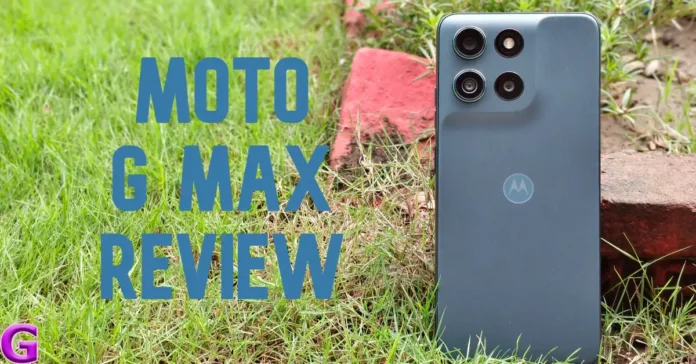
Motorola’s Moto G series got refreshed with a Max variant last month. Priced at Rs 27,999, this model sits at the top of the lineup. While the G series is home to Motorola’s budget phones, the global RAM shortage (or RAMageddon, as some folks like to call it) has forced manufacturers to hike the prices of even their ‘value for money’ offerings. So, Rs 28,000 gets you a Snapdragon 6s Gen 4-powered smartphone with a 6.72-inch IPS LCD panel and a dual-camera array from Motorola in 2026. Looking at the competition, this doesn’t seem like a bad deal, especially when you go further down the spec sheet and notice the massive 7,000mAh Si/C battery pack under this phone’s hood. We got our hands on the device and used it for a week, putting it through a series of tests. Here is our review of the Moto G Max.
Read Also: OnePlus Nord Buds 4 Review: An economical TWS that doesn’t miss out on the big features
In This Article
Moto G Max Review: Design and Display
Box Contents
- Smartphone
- 33W power adapter
- USB-A to USB-C cable
- SIM ejector
- User guide
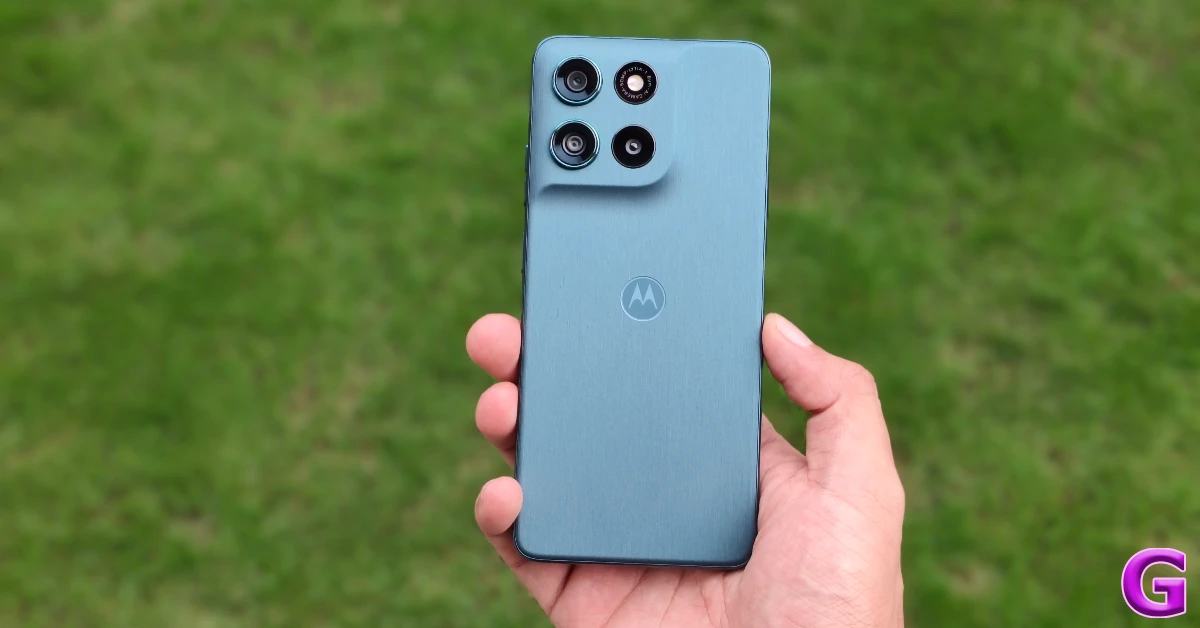
The G Max follows Motorola’s signature design language. The camera array lies in a raised square plateau on the back panel. The smartphone does not wobble when placed on a flat surface. The plastic panel has a brushed texture. The Motorola logo is placed in a circular indent right at the centre. Due to its texture, the back panel does not attract fingerprints and smudges easily. The in-hand feel of the device is fine, but it does feel a bit plastic-y.
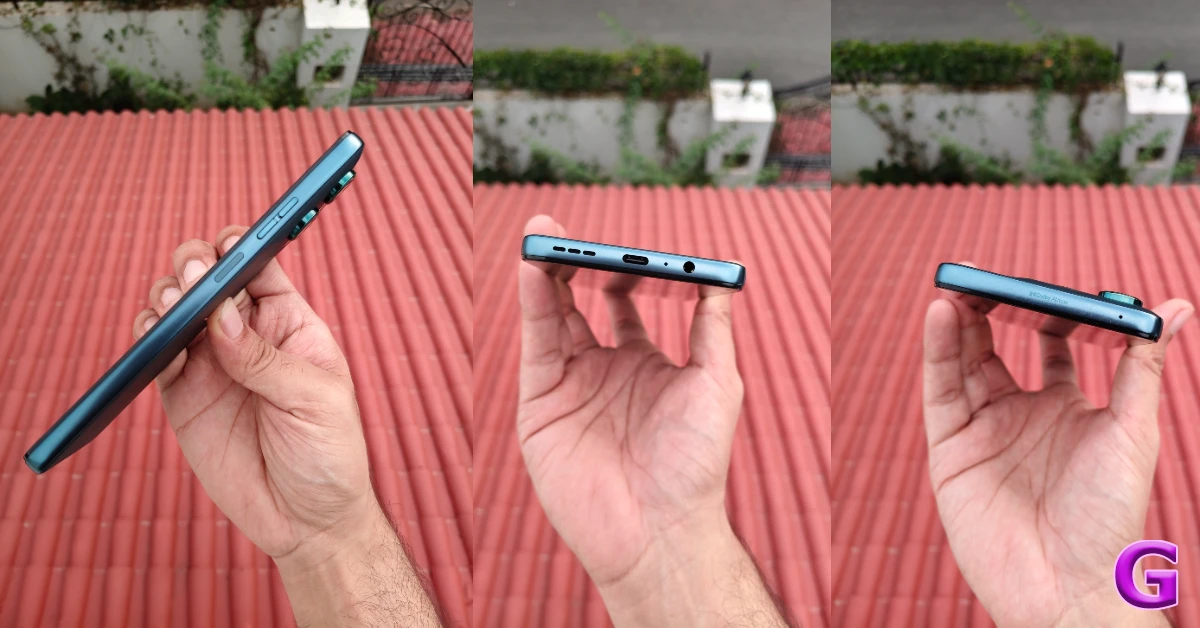
The plastic frame houses the volume rocker and the side button on its right edge. The latter also functions as the fingerprint reader. On the left edge lies the hybrid SIM tray. The bottom rail houses the 3.5mm headphone jack, primary microphone, USB-C port, and speaker grille. Up top lies a secondary microphone. The earpiece doubles as the secondary speaker. The smartphone is rated IP64 for dust and water resistance. It can withstand water splashes, but a full dunk may damage its internals. With SGS-certified military-grade protection, the device can withstand falls from up to 1.2 metres.
The 6.72-inch IPS LCD panel has a 120Hz refresh rate and can reach 1,050 nits in High Brightness Mode. It is able to reach a good level of brightness in most outdoor conditions, but struggles to maintain optimal legibility under harsh sunlight. The screen is surrounded by chunky bezels that get thicker around the chin. This feels quite dated, especially on a smartphone priced at Rs 28,000. Instead of an under-display scanner, you get a side-mounted fingerprint reader on this device. It does not present any issues in day-to-day usage.
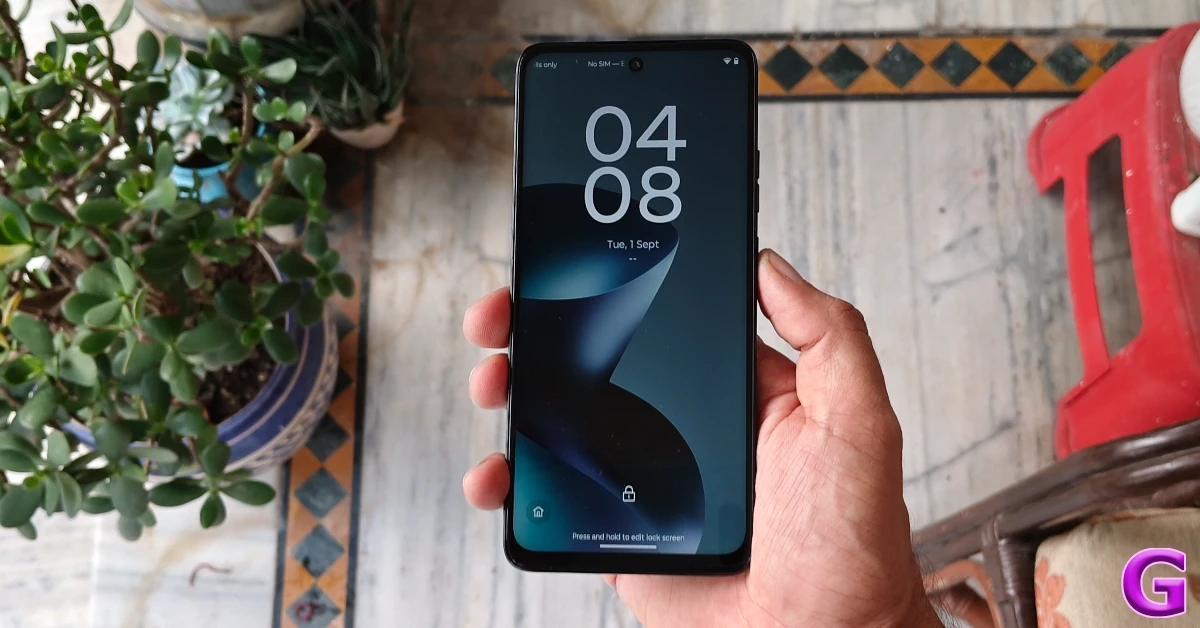
During the week-long review period, we used the Moto G Max to stream movies and TV shows on Netflix, Prime Video, and JioHotstar. The 1,080 x 2,400p LCD panel offered a fine viewing experience. The visuals were detailed and vibrant. The contrast wasn’t as punchy as what you’d get on an AMOLED display due to the lack of deep blacks on the LCD panel. The dual speaker setup produces a loud audio output, but there is a bit of boxiness to it.
Moto G Max Review: Performance and Cameras
Qualcomm’s Snapdragon 6s Gen 4 chipset lies at the heart of the Moto G Max. The smartphone comes in a single 6GB RAM (LPDDR5X) + 128GB storage (UFS 3.1) variant.
Here’s how the smartphone performed in common benchmark tests.
- AnTuTu 3D Lite: 813,607
- Geekbench 6: 1,007 (single-core) | 2,727 (multi-core)
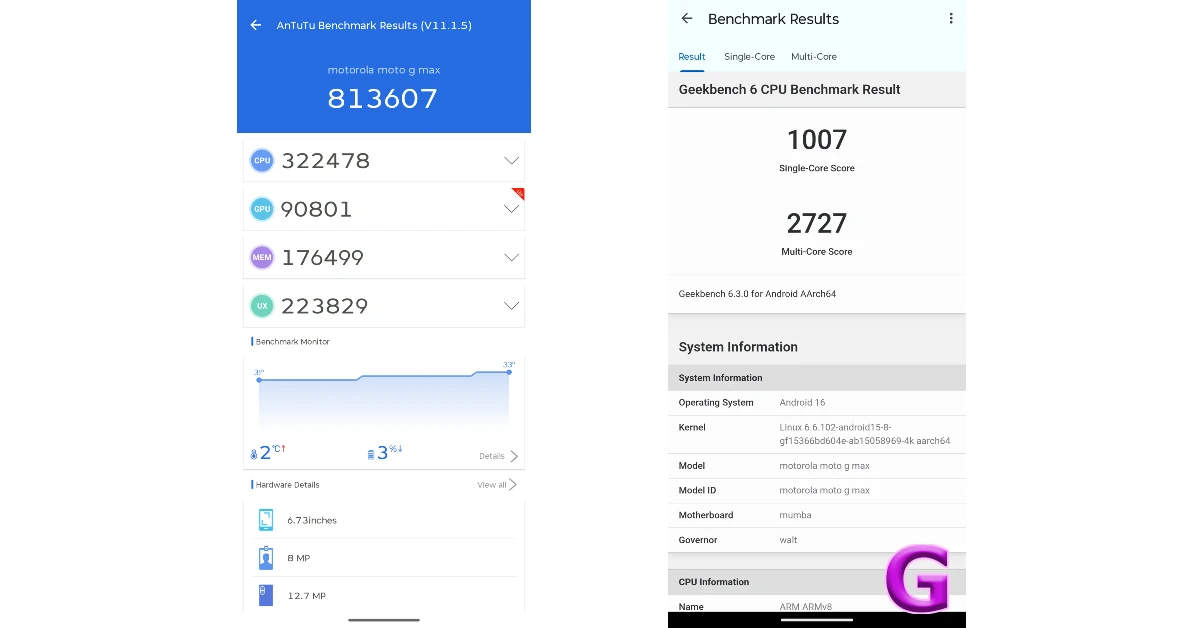
The Snapdragon 6s Gen 4 processor does a good job of handling routine tasks like calling, texting, emailing, web browsing, and media streaming. Apps don’t take a long time to load, and the general browsing experience is smooth. Our only gripe with the device is that it is only available with 6GB of RAM on board. An 8GB RAM option would have been nicer for people who multitask more than the average user.
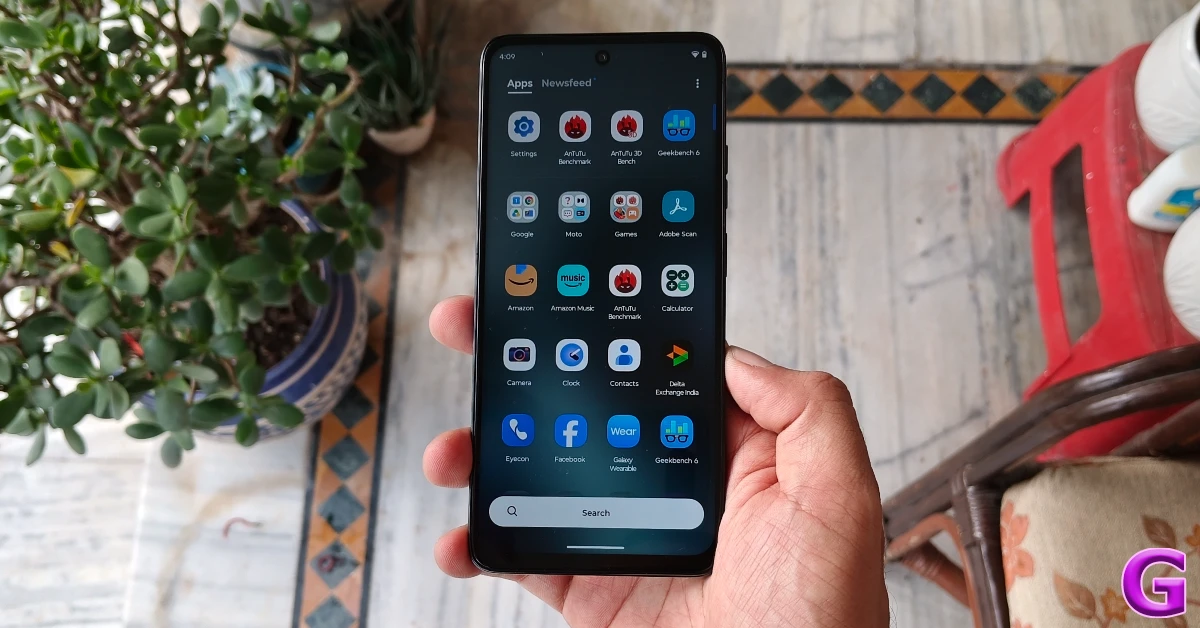
The Moto G Max can run first-person shooter games like BGMI and Call of Duty: Mobile. The gameplay is fine as long as you limit yourself to medium graphics and frame rate settings. We did come across lag and frame drops occasionally, but they were far from being the norm. We started noticing warmth around the back panel after reaching the 15-minute mark. This is on par with other smartphones in this price bracket.
Software duties on this device are handled by Android 16 out of the box. Motorola’s Hello UI adds a few custom touches to the interface, but you get the stock Android experience for the most part. There are a few bloatware apps on the device, including the Indus Appstore. Motorola has promised 2 major OS updates for this phone.
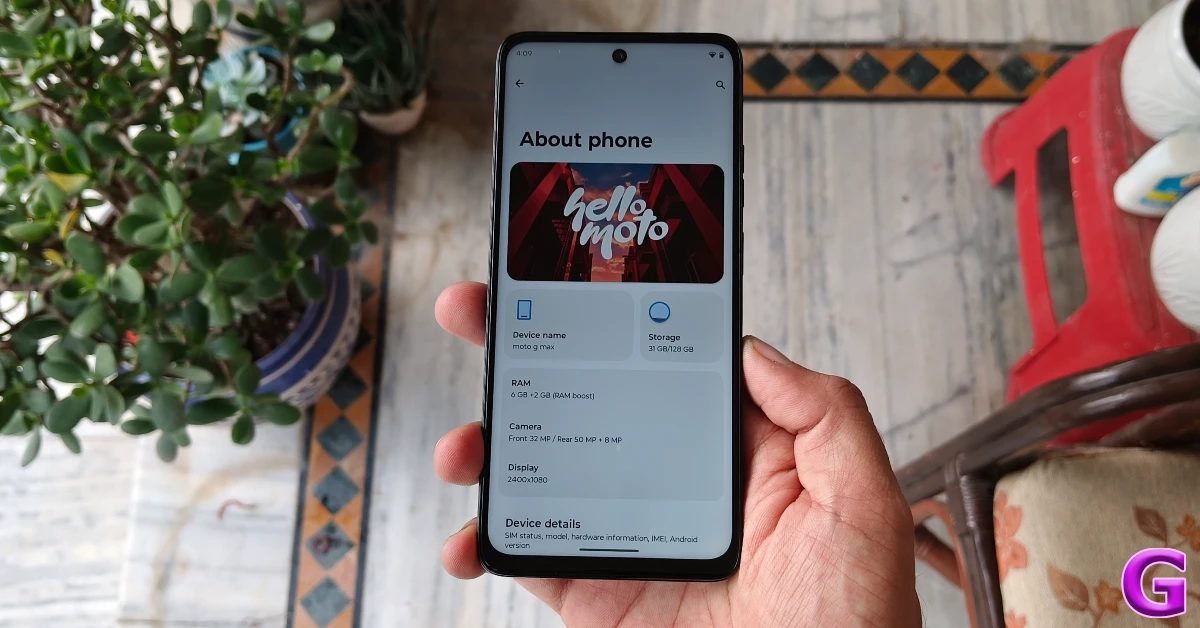
Hello UI is well-optimised for the platform, and offers a smooth and intuitive browsing experience. Its strongest suit is gesture customisation, which is divided into three categories – On-screen, Physical key, and Kinetic. On-screen gesture controls include three-finger splitscreen/screenshot, one-handed mode, sidebar, and more. The power button can be customised to trigger the camera, wallet, and digital assistant. The volume keys can be used to control the media output. Lastly, the Kinetic gestures are unique to Motorola devices. These include back tapping to trigger an app or quick actions, shaking the phone to trigger the flashlight, flip to DND, and more.
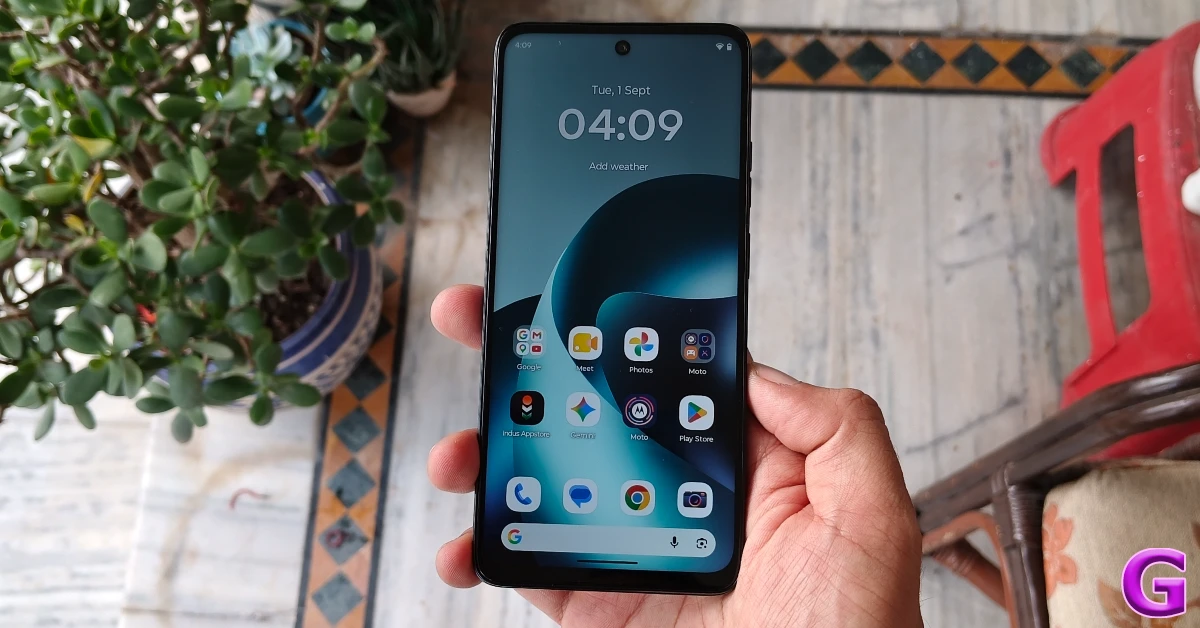
While the Moto G Max does not have a dedicated AI suite, you get the Magic Eraser tool in the Google Photos app. Additionally, the phone supports Google’s Gemini Assistant and Circle to Search.
The massive 7,000mAh Si/C battery pack on this device keeps battery anxieties at bay. We weren’t able to drain the phone even on days with 5-6 hours of screen time. If you’re a casual user, you can push the battery life up to 2 days. The 33W power adapter provided in the box takes up to 90 minutes to fully charge the phone.
The rear camera array of this phone comprises a 50MP primary shooter and an 8MP ultrawide lens. Up front, a 32MP camera is nestled in a punch-hole cutout. All three cameras can record 2K videos at 30fps.
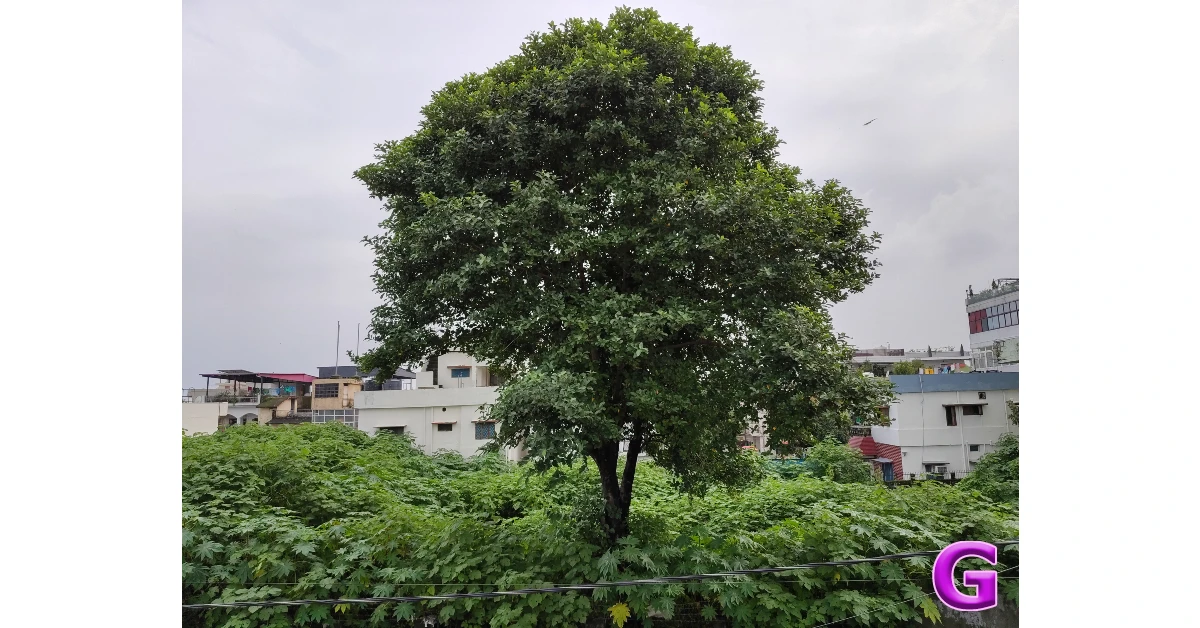
The 50MP primary shooter uses the Sony LYTIA 600 sensor. It captures good pictures in outdoor daylight conditions. The images are vibrant without looking overprocessed. There is a natural balance to colours that we really like. The contrast is tasteful, and the dynamic range is fine. In limited lighting conditions, Night Mode takes over and does a good job of minimising the noise and illuminating the scene.
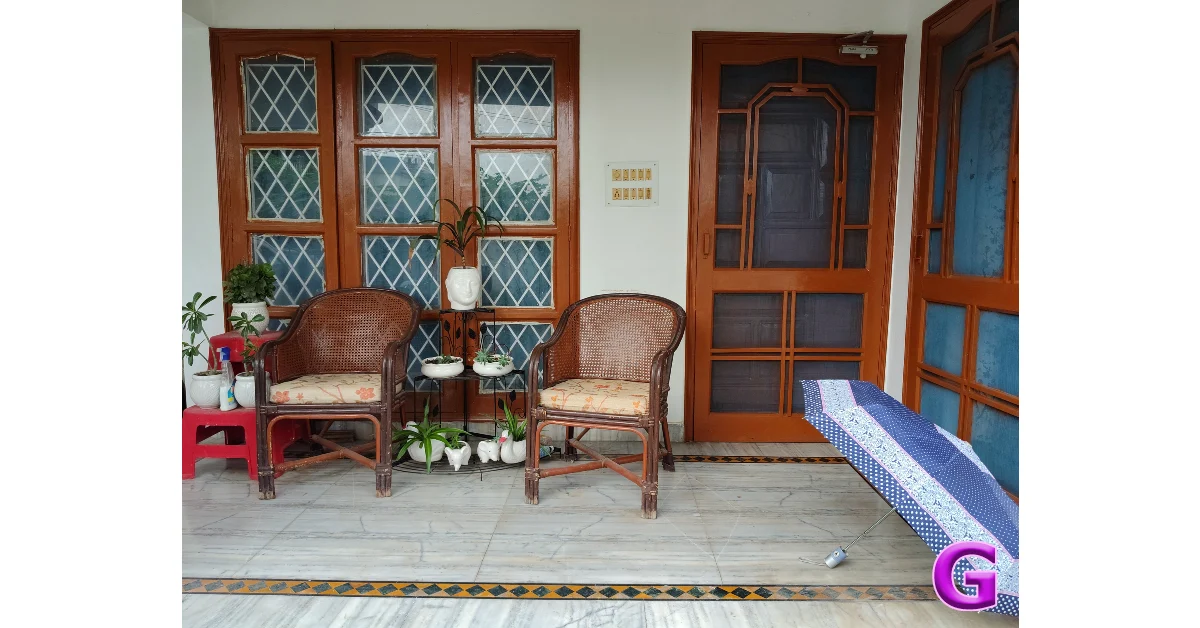
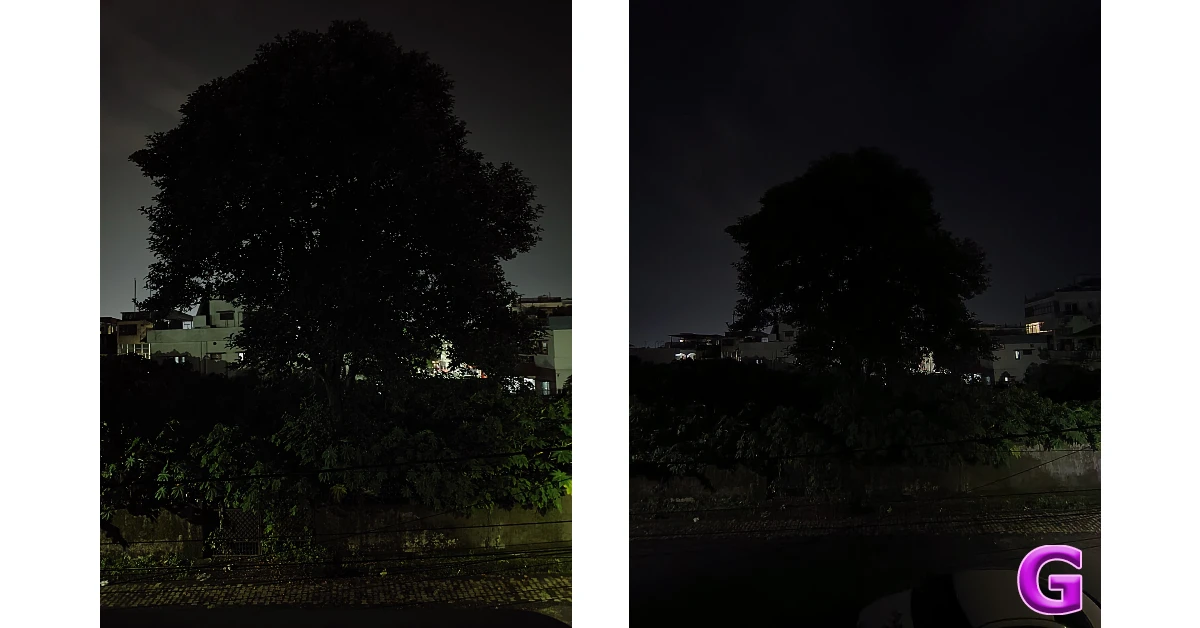
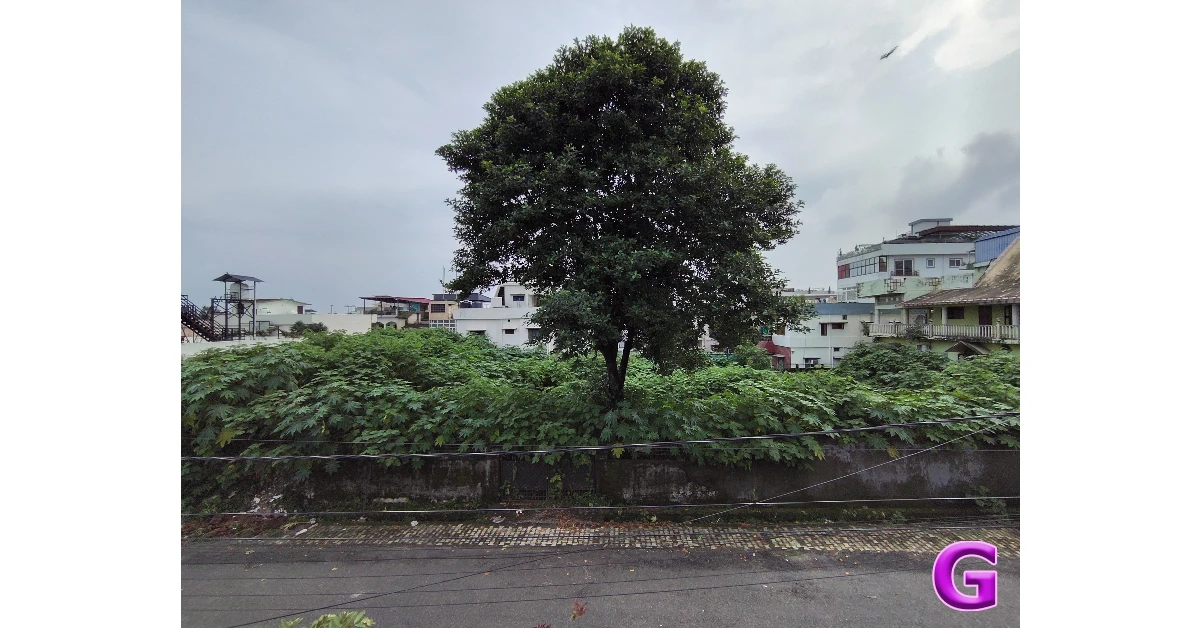
Images taken with the 8MP ultrawide lens are noticeably softer compared to their primary camera counterparts, but they are still acceptable. There is a slight shift in colours, but nothing too drastic. You can rely on this camera in outdoor daylight conditions, but when the lighting is limited, the noise in the images is too harsh to ignore.
The Portrait Mode lets you shoot in 2 focal lengths – 24mm and 35mm. The main camera does a good job of focusing on the subject and producing vibrant results with good background blur, but the edge correction needs more work. The front-facing 32MP camera captures very clear selfies, which is quite impressive. The results look natural since the smartphone keeps skin smoothening effects and texture correction to a minimum.

Read Also: Apple Soft-Reveals Long-Awaited iPhone Fold in Dark Matter Season 2
Verdict
The Moto G Max is a shrewd purchase at a time when smartphone prices are going through the roof. It has a reliable processor, a big display, and a decent set of cameras. The 7,000mAh battery pack gets you through the average workday without demanding refuelling in the middle. The one issue we have with this phone is that it doesn’t come in more RAM and storage options. Ideally, there would be a 256GB RAM variant on offer, especially when you consider that the phone does not support expandable storage. An 8GB RAM option would have been nice for users who spend a major part of their day multitasking on their device.
Pros
- Nice design
- 3.5mm headphone jack
- Big battery
- Good selfie camera
Cons
- No 256GB storage variant
- Does not support expandable storage


