


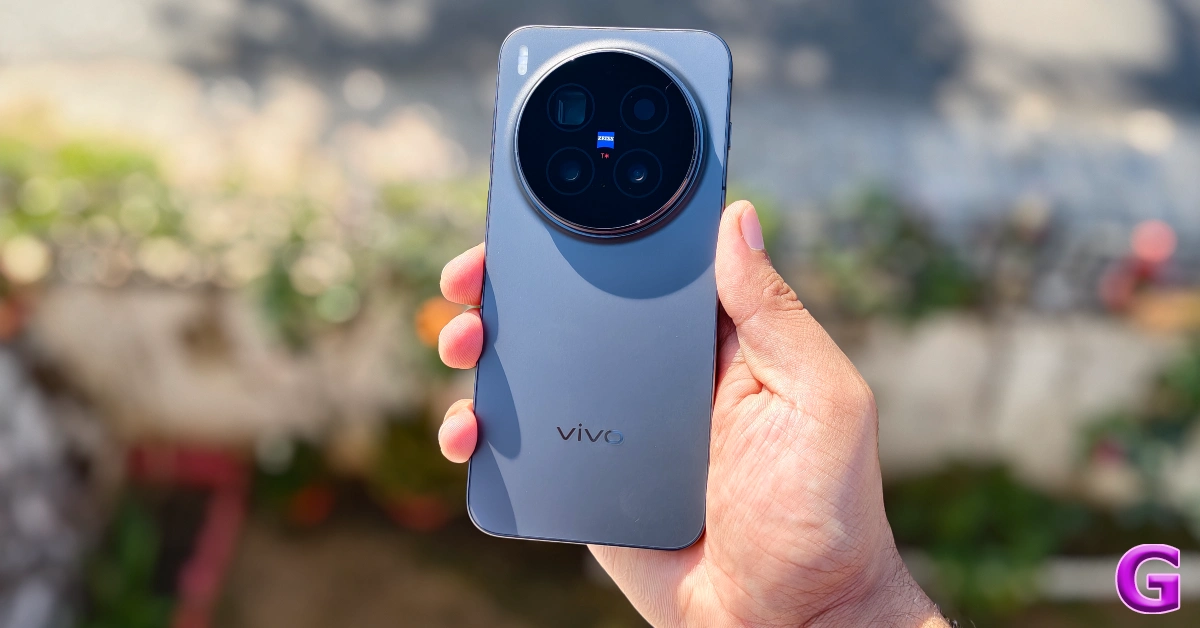
While they may carry a hefty price tag, flagship smartphones continue to push the boundaries of mobile tech. These devices flaunt ridiculously smooth displays and top-of-the-line processors. Their camera islands are packed with some of the best lenses that the market has to offer. To ensure longevity, these phones are promised amazing software support, sometimes reaching up to 7 years. If you can’t decide which device to go for, we’ve shortlisted the best offerings on the market for you. So, without further ado, let’s take a look at the top 10 smartphones in March 2026.
In This Article
Samsung Galaxy S26 Ultra
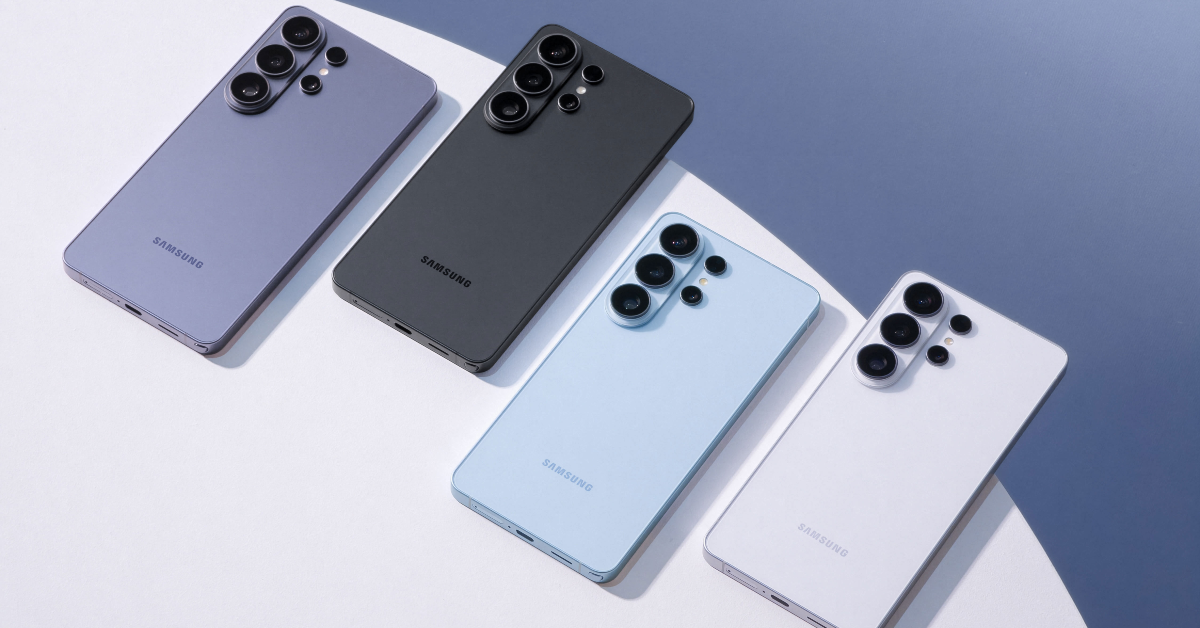
The newly-launched Samsung Galaxy S26 Ultra packs the powerful Snapdragon 8 Elite Gen 5 chipset under its hood. Its 6.9-inch Dynamic LTPO AMOLED 2x display has a privacy filter that prevents people around you from snooping on your device. The rear camera array comprises a 200MP primary shooter, a 50MP ultrawide lens, a 10MP telephoto lens with 3x optical zoom, and another 50MP telephoto lens with 5x optical zoom. The 5,000mAh battery pack supports 60W wired and 25W wireless charging. The smartphone is rated IP68 for dust and water resistance.
Pro
- Privacy display
- Powerful chipset
- Fast charging
Cons
- Lacks an IP69 rating
iPhone 17 Pro Max
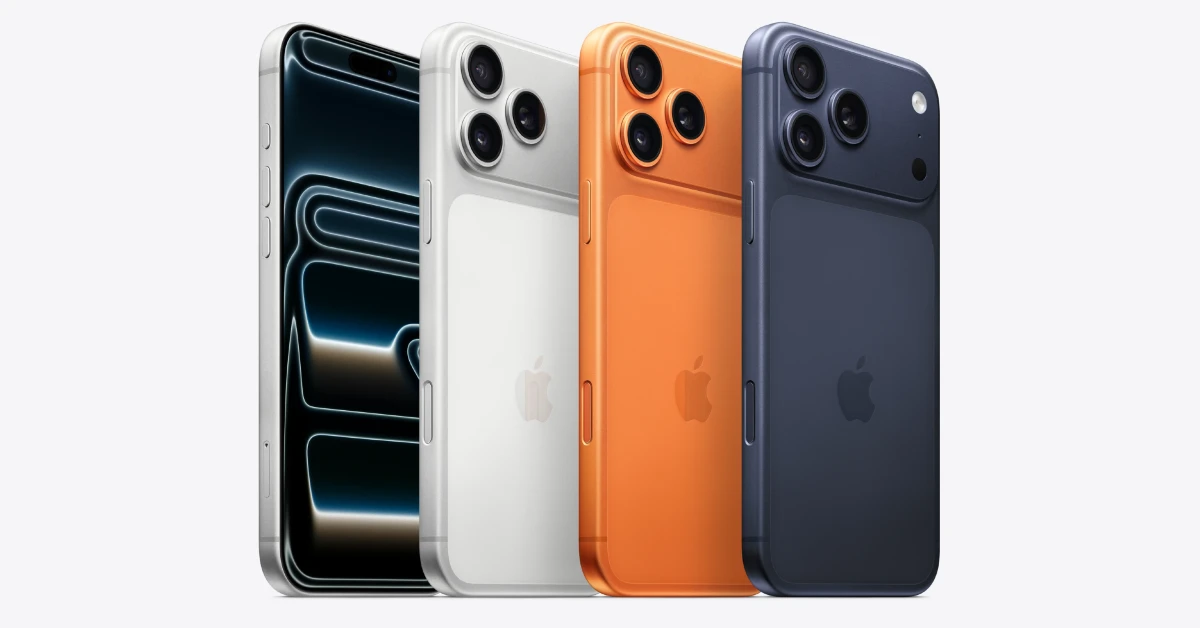
The Pro Max variant in Apple’s newest iPhone series is one of the best smartphones you can buy in March 2026. Its 6.9-inch LTPO Super Retina XDR OLED display has a 120Hz refresh rate and can reach a peak brightness of 3,000 nits. Powering this smartphone is Apple’s in-house A19 Pro chipset. Software duties are handled by iOS 26 out of the box. The camera plateau on the back panel houses three 48MP sensors, one each for the primary shooter, ultrawide lens, and telephoto lens. The 4,823mAh battery pack supports 25W wireless (MagSafe/Qi2) charging.
Pros
- Bright display
- Powerful processor
- Good camera
Cons
- Apple Intelligence needs more work
OnePlus 15
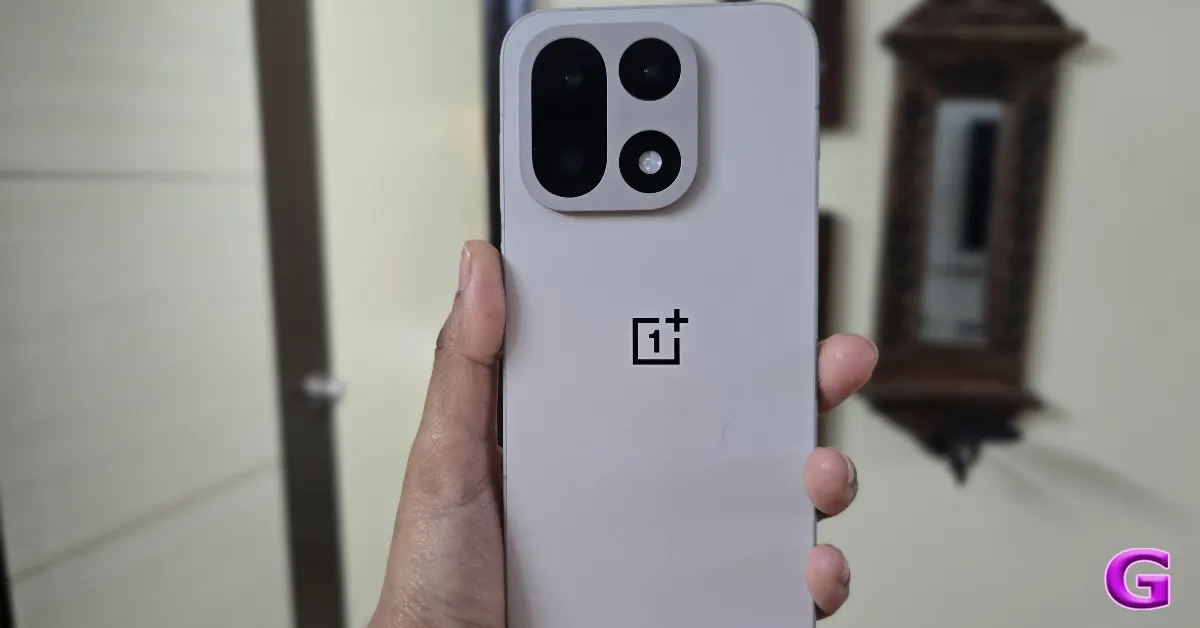
The OnePlus 15 checks all the essential boxes for a flagship. It is powered by the Snapdragon 8 Elite Gen 5 SoC and runs the Android 16-based OxygenOS 16 out of the box. Its 6.78-inch LTPO AMOLED display has a 165Hz refresh rate and can reach 1,800 nits in High Brightness Mode. There’s IP69/IP69/IP69K protection on board. The rear camera panel houses three 50MP sensors, one each for the primary shooter, ultrawide lens, and the 3.5x telephoto lens. The 7,3000mAh Si/C battery pack supports 120W wired and 50W wireless charging. Dive into our OnePlus 15 review to learn how the smartphone performs in everyday use.
Pros
- Tough exterior
- Powerful chipset
- Fast charging
Cons
- Cameras need more work
Vivo X300 Pro
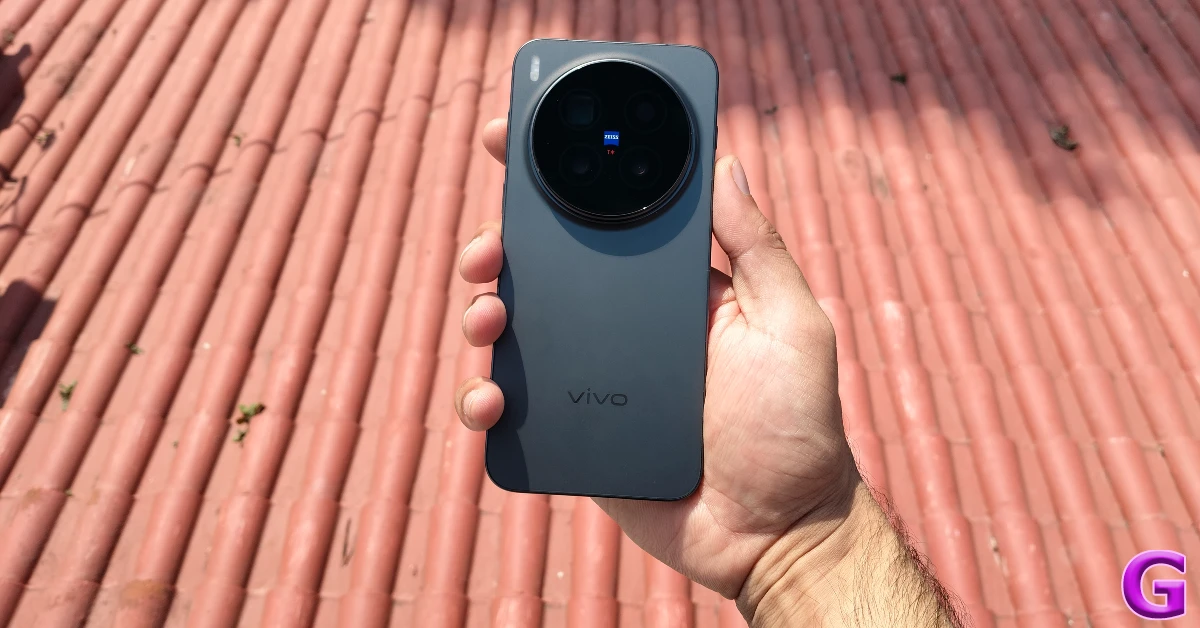
The Vivo X300 Pro impresses with its elite photography skills. The round camera island on its back panel comprises a 50MP primary shooter, a 200MP telephoto lens with 3.7x optical zoom, and a 50MP ultrawide lens. Vivo has collaborated with Zeiss to tune all the cameras on this smartphone. Powering this device is the MediaTek Dimensity 9500 chipset. Software duties are handled by the Android 16-based OriginOS 6. The 6.78-inch LTPO AMOLED display has a 120Hz refresh rate and can reach a peak brightness of 4,500 nits. The 6,510mAh Si/C battery pack supports 90W wired and 40W wireless charging. Check out our Vivo X300 Pro review to find out how its cameras perform in different lighting conditions.
Pros
- Amazing cameras
- Bright display
- Fast charging
Cons
- Contains bloatware
Google Pixel 10 Pro XL

The top-spec model in the Pixel 10 series puts up a good showing on several fronts. Its 6.8-inch LTPO OLED display has a 120Hz refresh rate and can reach a peak brightness of 3,300 nits. The sleek camera bar on the back panel houses a 50MP primary shooter, a 48MP periscope telephoto lens with 5x optical zoom, and another 48MP sensor for the ultrawide lens. At the heart of the smartphone lies Google’s in-house Tensor G5 chipset. Software duties are handled by the stock Android 16 OS. Google has promised 7 major OS upgrades for this device. The 5,200mAh Li-ion battery pack supports 45W wired and 25W wireless charging.
Pros
- Cool design
- Bright display
- Great software experience
Cons
- Heating issues
Oppo Find X9 Pro
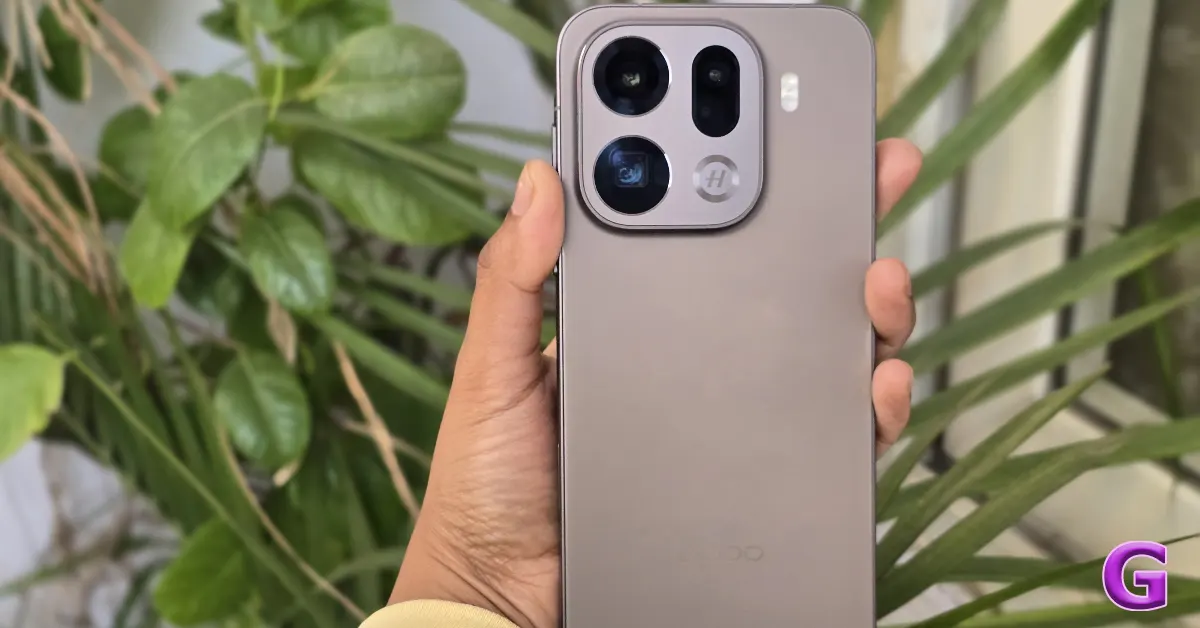
The Pro model in Oppo’s flagship Find X9 series is powered by the MediaTek Dimensity 9500 chipset and runs the Android 16-based ColorOS 16 out of the box. Its 6.78-inch LTPO AMOLED display has a 120Hz refresh rate and a peak brightness of 3,600 nits. The specced-out camera island houses a 50MP primary shooter, a 200MP periscope telephoto lens with 3x optical zoom, and a 50MP ultrawide lens. There is an IP68/IP69 rating on board for dust and water resistance. The 7,500mAh battery pack supports 80W wired and 50W wireless charging. Check out our review of the Oppo Find X9 Pro to learn more about the smartphone.
Pros
- Nice design
- Great cameras
- Big battery
Cons
- Slightly pricey
iQOO 15
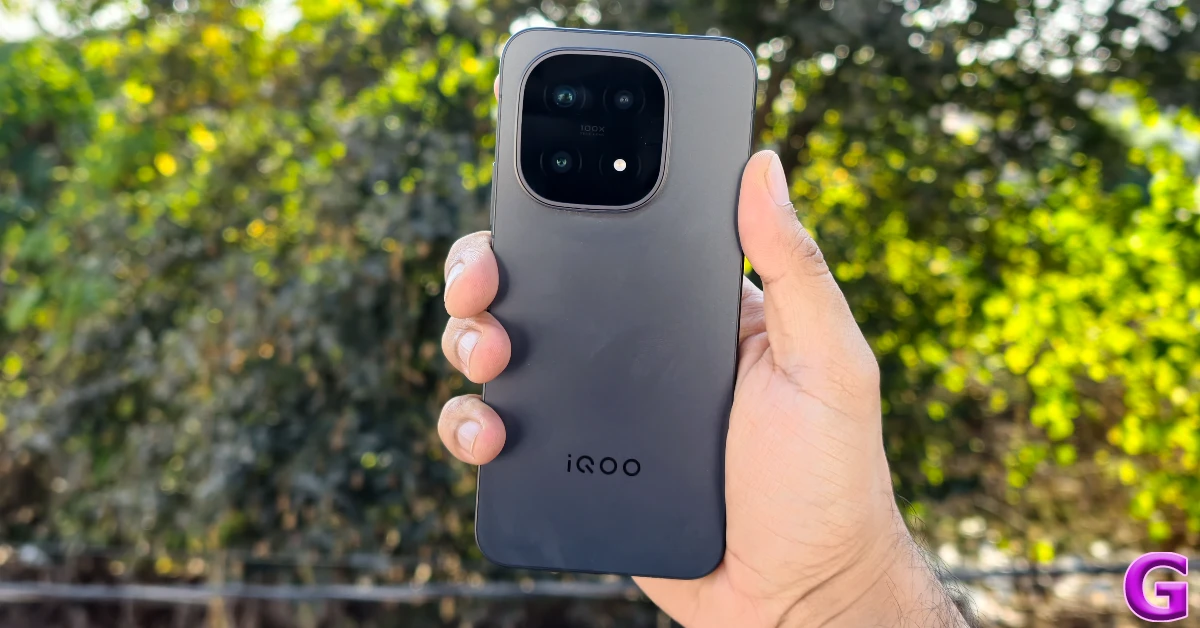
The iQOO 15 is one of the best gaming smartphones out there. It is powered by a dual processor comprising Qualcomm’s Snapdragon 8 Elite Gen 5 SoC and iQOO’s in-house Supercomputing Chip Q3. The 8K single-layer VC cooling system does a splendid job of dissipating the internal heat generated in intense gaming sessions. The smartphone has a 6.85-inch LTPO AMOLED display with a 144Hz refresh rate and a peak brightness of 6,000 nits. The rear camera island houses three 50MP sensors, one each for the primary shooter, ultrawide lens, and 3x telephoto lens. The 7,000mAh Si/C battery pack supports 100W wired and 40W wireless charging. Dive into our iQOO 15 review to learn more about its gaming performance.
Pros
- Powerful processor
- Smooth display
- Big battery
Cons
- Native refresh rate for games is capped at 60fps
Realme GT 8 Pro
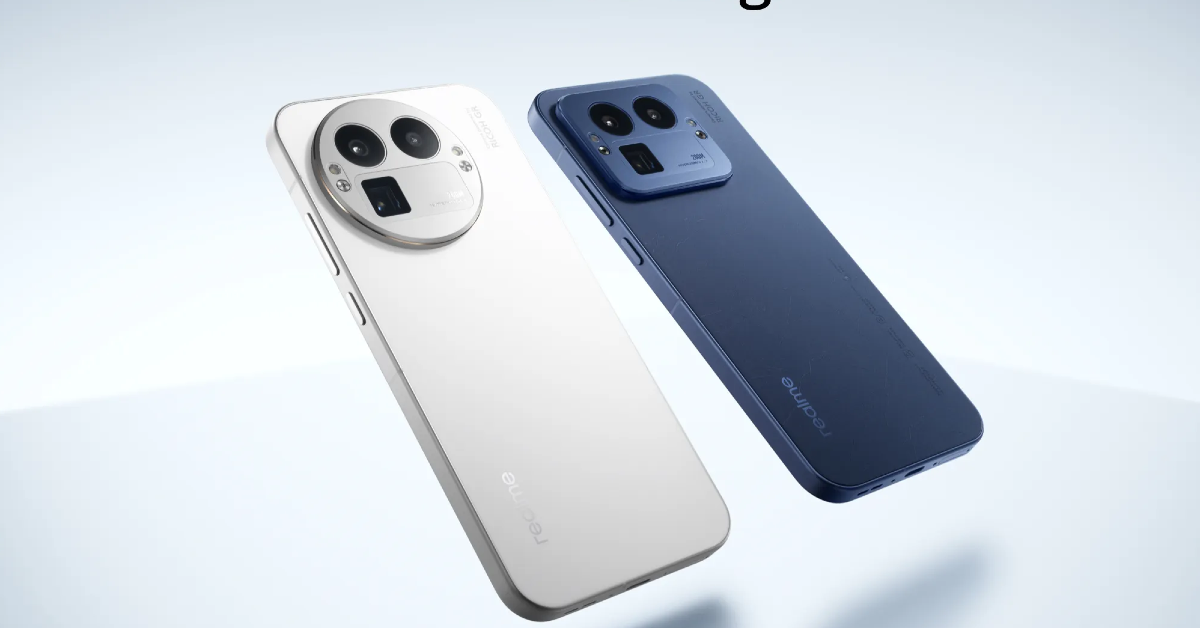
The Realme GT 8 Pro is one of the most economical flagships out there. It packs the Snapdragon 8 Elite Gen 5 SoC under its hood and runs the Android 16-based Realme UI 7 out of the box. Its 6.79-inch AMOLED display has a 144Hz refresh rate and can reach a peak brightness of 7,000 nits. One of the interesting things about this phone is that it has a modular rear camera island. The outer panel of this island can be detached and swapped with another unit of a different shape. The camera array comprises a 200MP periscope telephoto lens with 3x optical zoom, and a 50MP ultrawide lens. The 7,000mAh battery pack supports 120W wired and 50W wireless charging.
Pros
- Bright display
- Powerful processor
- Massive battery
Cons
- Only 4 major OS upgrades
Xiaomi 17 Ultra
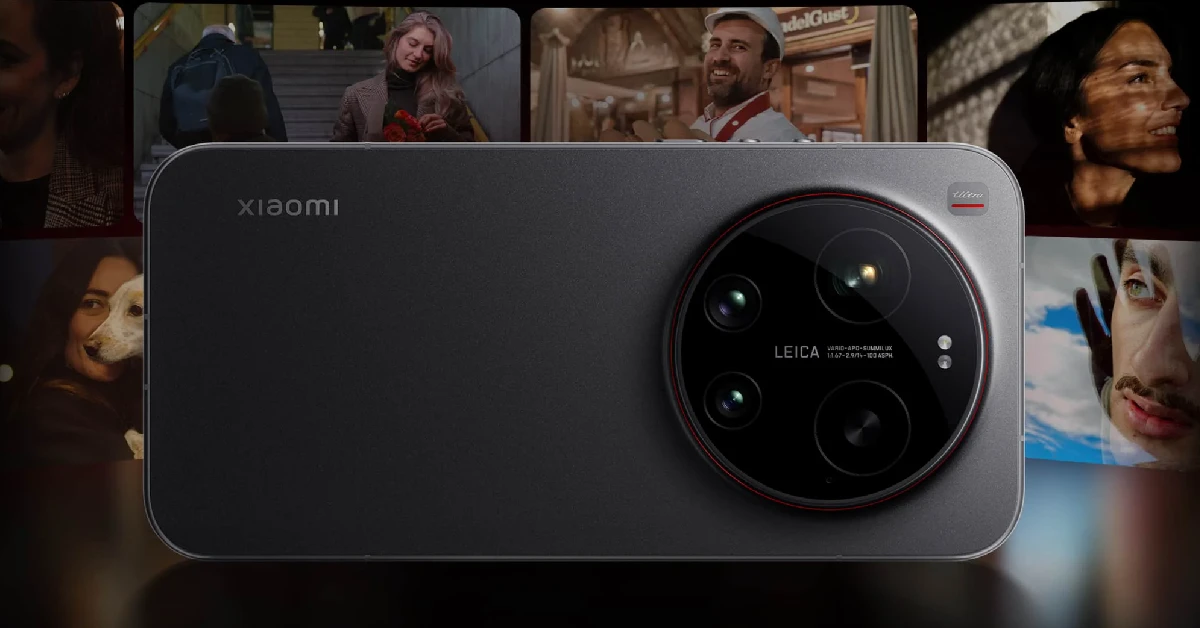
The Xiaomi 17 Ultra is set to launch in India on March 11. It is powered by the Snapdragon 8 Elite Gen 5 SoC and runs the Android 16-based HyperOS 3 out of the box. Its 6.9-inch LTPO AMOLED display has a 120Hz refresh rate and can reach a peak brightness of 3,500 nits. The smartphone is rated IP68/IP69 for dust and water resistance. The round camera island on the back panel is surrounded by a zoom ring. It houses a 50MP primary shooter with a 1-inch sensor, a 200MP telephoto lens with 3.2-4.3x continuous optical zoom, and a 50MP ultrawide lens. The 6,000mAh Si/C battery pack supports 90W wired and 50W wireless charging.
Pros
- Amazing cameras
- Zoom ring
- Powerful processor
Cons
- Bit pricey
Motorola Signature
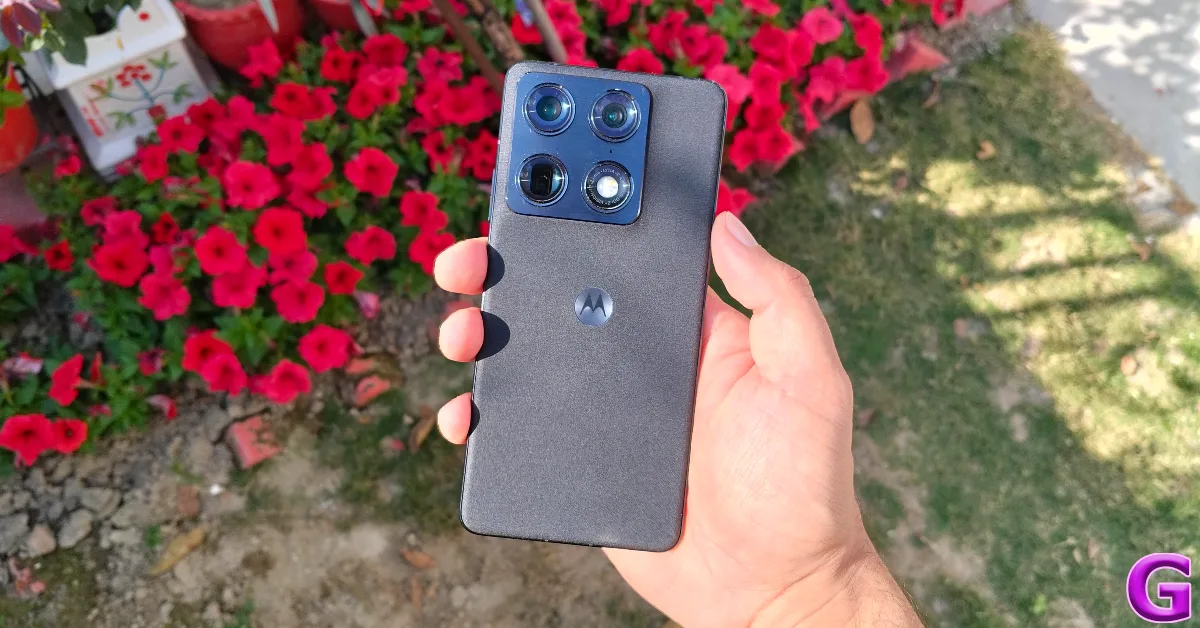
The Motorola Signature is one of our favourite flagship killers on the market right now. It is powered by the Snapdragon 8 Gen 5 processor and runs Android 16 OS out of the box. Its 6.8-inch LTPO AMOLED display has a 165Hz refresh rate and can reach a peak brightness of 6,200 nits. The rear camera panel houses three 50MP sensors, one each for the primary shooter, ultrawide lens, and telephoto lens with 3x optical zoom. The 5,200mAh battery pack supports 90W wired and 50W wireless charging. Read our Motorola Signature review for a deeper analysis of the smartphone.
Pros
- Bright display
- Good chipset
- Clean OS
Cons
- Not the best cooling systems for gaming
Final Thoughts
These are the top 10 smartphones that you can buy in March 2026. Need something more affordable? We suggest waiting a few weeks for Samsung’s upcoming A series smartphones. If you have any questions, let us know in the comments!


