


The sub-Rs 20,000 price bracket is home to some of the most popular smartphones in India. This is the jostling ground for tech brands as they try to offer the biggest bang for the consumer’s buck. Value for money aside, these phones make reliable daily drivers. If your routine tasks involve video calling, web browsing, and media streaming, these devices will serve you well. So, without further ado, let’s take a look at the top 10 smartphones priced under Rs 20,000 in February 2026.
Read Also: Here is when iPhone 17e is likely to make its debut
In This Article
CMF Phone 2 Pro
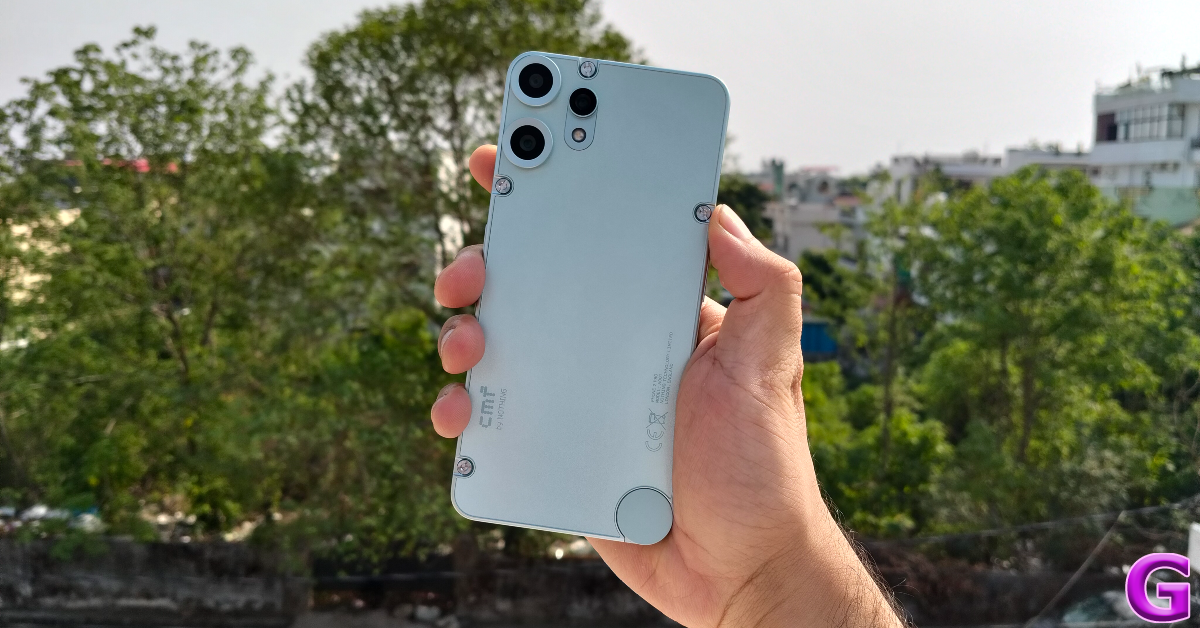
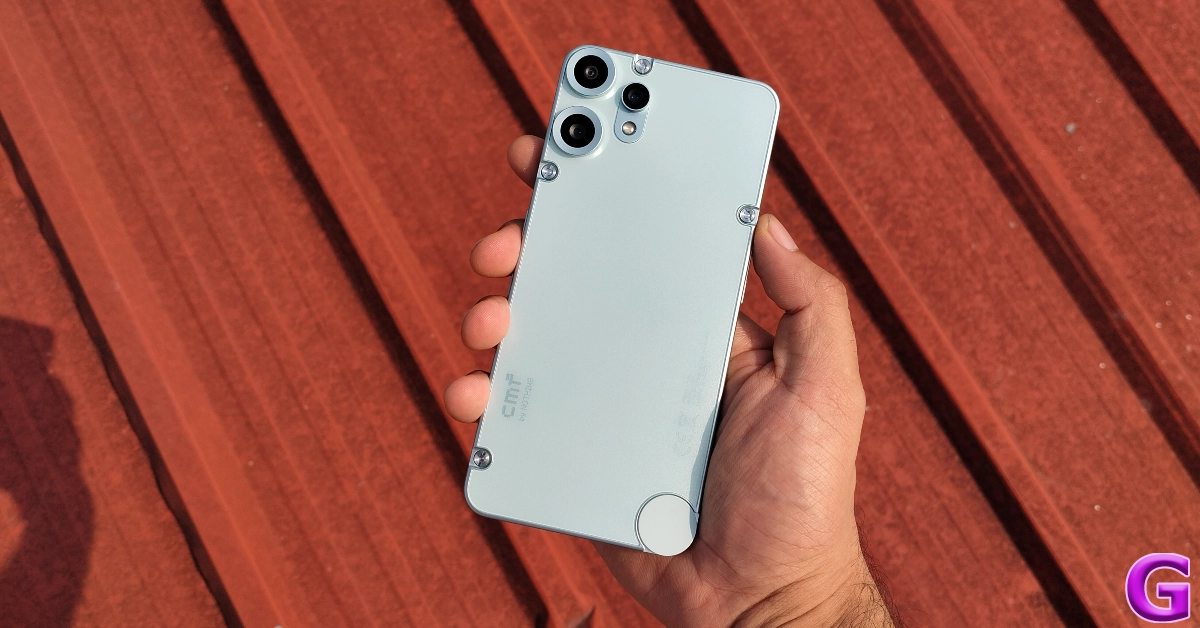
The CMF Phone 2 Pro is one of the finest smartphones you can buy under Rs 20,000 in February 2026. It is powered by the MediaTek Dimensity 7300 Pro chipset and runs the Android 15-based Nothing OS 3 out of the box. Its 6.77-inch AMOLED display has a 120Hz refresh rate and can reach a peak brightness of 3,000 nits. The rear camera array comprises a 50MP primary shooter, an 8MP ultrawide lens, and a 50MP telephoto lens with 2x optical zoom. While the smartphone does not have a swappable back, it is compatible with accessories like a wallet, a kickstand, and more. Its 5,000mAh battery pack supports 33W charging. Check out our CMF Phone 2 Pro review to learn more about the phone.
Pros
- Attachable accessories
- Bright display
- Telephoto lens
Cons
- Does not have a secondary speaker
Samsung Galaxy A17
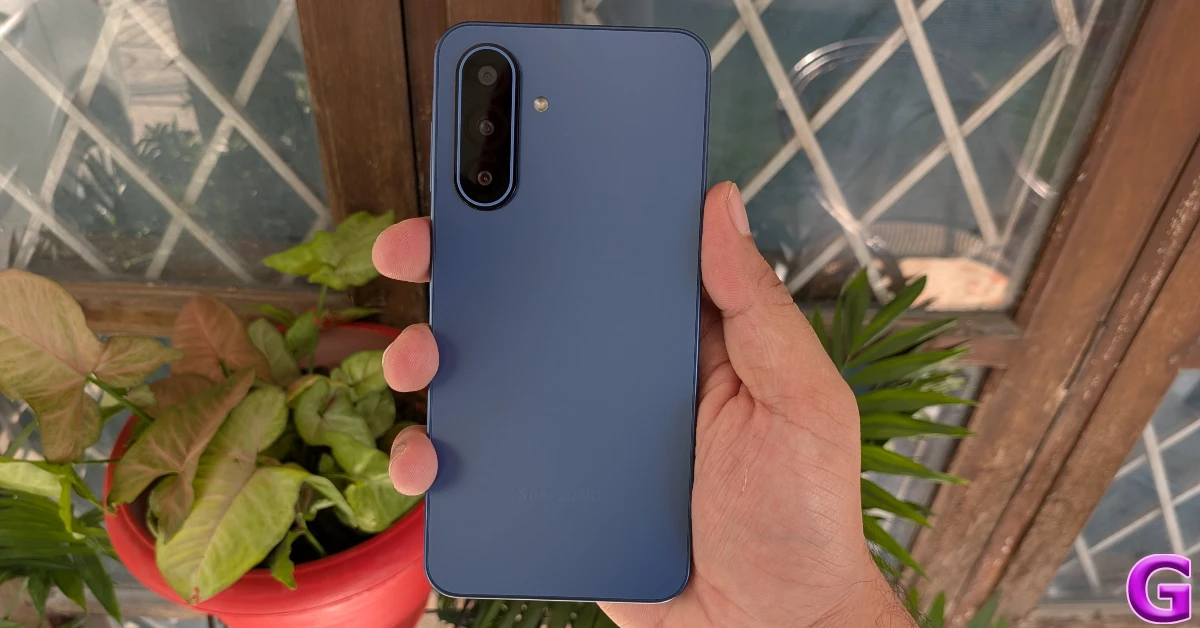
Samsung’s A17 midranger is smart, reliable, and affordable. At the heart of this device lies Samsung’s in-house Exynos 1330 chipset. Software duties are handled by the Android 15-based One UI 7. The smartphone has been promised 6 major OS upgrades. The vertical camera arrangement on the back panel comprises a 50MP primary shooter, a 5MP ultrawide lens, and a 2MP macro sensor. The 6.7-inch Super AMOLED display has a 120Hz refresh rate and can reach 800 nits in High Brightness Mode. The 5,000mAh battery supports 25W wired charging. Dive into our review of the Samsung Galaxy A17 to learn more about its everyday performance.
Pros
- Smooth display
- 6 major OS upgrades
- Expandable storage
Cons
- Display has a dated waterdrop notch
Moto G67 Power
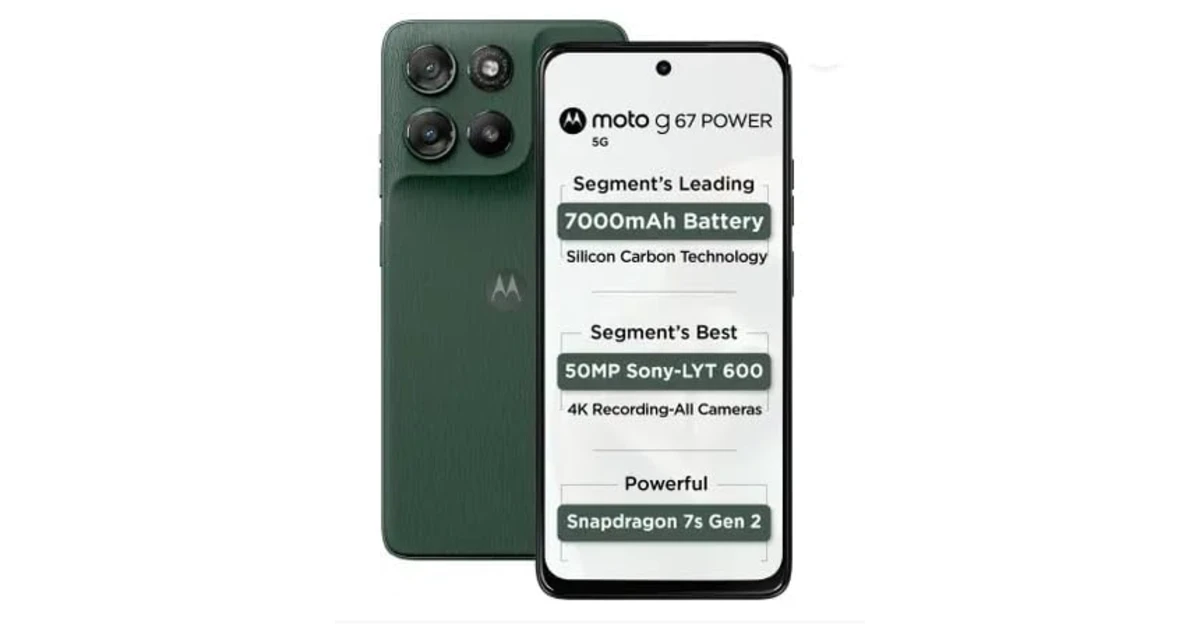
The Moto G67 Power packs the Snapdragon 7s Gen 2 chipset under its hood. It runs stock Android 15 out of the box. Its 6.7-inch IPS LCD panel has a 120Hz refresh rate and can reach a peak brightness of 1,050 nits. The device is compliant with MIL-STD-810H durability standards. The rear camera panel houses a 50MP primary shooter and an 8MP ultrawide lens. The 7,000mAh Si/C battery pack supports 30W wired charging.
Pros
- Good processor
- Big battery
- Durable
Cons
- LCD panel instead of AMOLED
Nothing Phone (3a) Lite
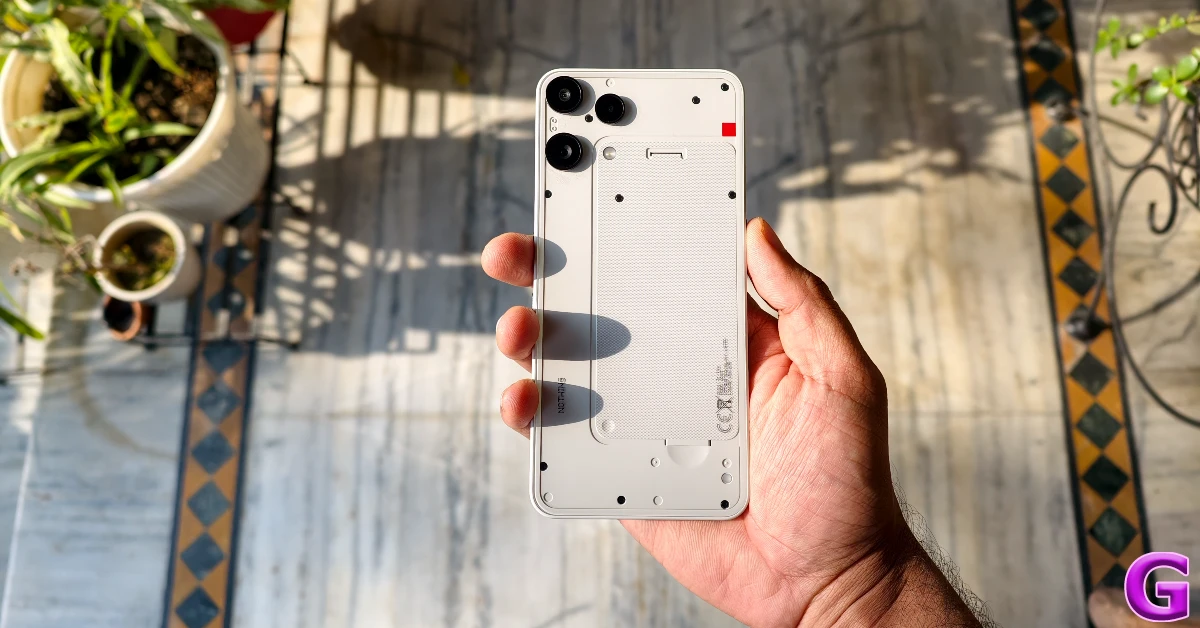
The most affordable smartphone in Nothing’s portfolio is a rebadged version of the CMF Phone 2 Pro. Instead of a modular design, it dons Nothing’s signature see-through look. Powering the device is the MediaTek Dimensity 7300 Pro chipset. Software duties are handled by Android 15-based Nothing OS 3 out of the box. The 6.77-inch AMOLED display has a 120Hz refresh rate and can reach a peak brightness of 3,000 nits. The triple camera arrangement on the back panel comprises a 50MP primary shooter, an 8MP ultrawide lens, and a 2MP macro lens. The 5,000mAh battery pack supports 33W wired charging. Check out our Nothing Phone (3a) Lite review for a deeper analysis of its performance.
Pros
- Good processor
- Nice design
- Great haptic feedback
Cons
- Lacks a secondary speaker
Lava Play Ultra

The Lava Play Ultra is powered by the MediaTek Dimensity 7300 chipset. Software duties are handled by Android 15. Lava has promised 2 major OS upgrades for this smartphone. The 6.67-inch AMOLED display has a 120Hz refresh rate and can reach a peak brightness of 1,000 nits. The rear camera panel houses a 64MP primary shooter and a 5MP macro lens. The 5,000mAh battery pack supports 33W wired charging. There’s IP64 protection on board against exposure to dust and water.
Pros
- Nice design
- Big display
- Good processor
Cons
- Takes mediocre selfies
Tecno Pova Slim
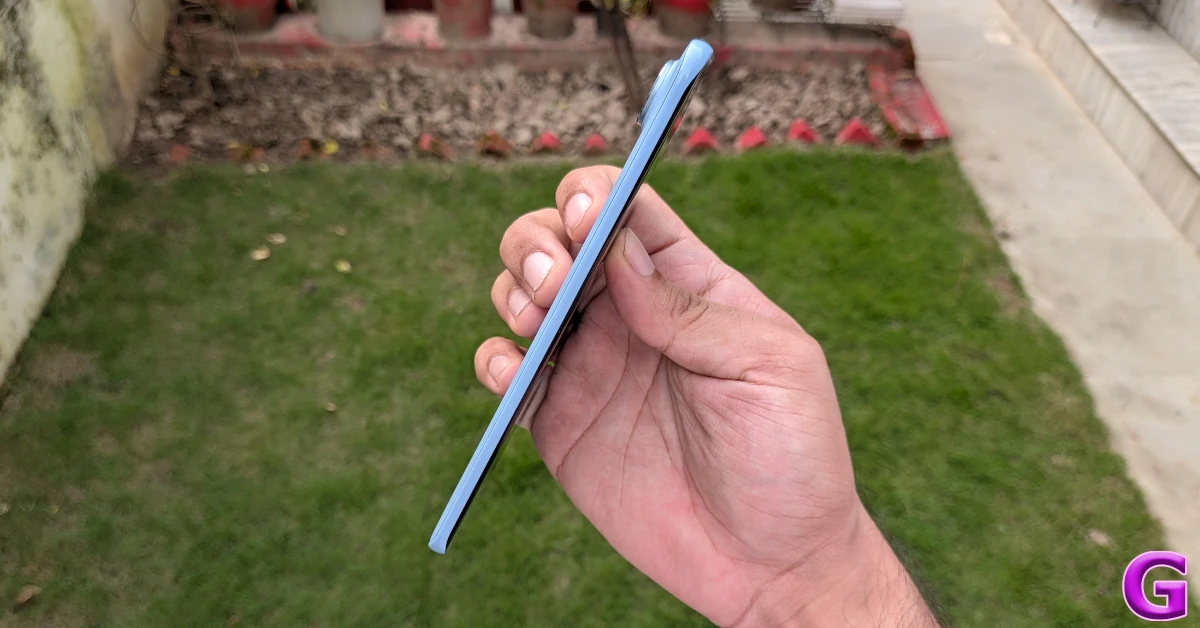
If you want to hop on the slim phone bandwagon, but don’t want to spend an egregious amount of money, get the Tecno Pova Slim. This smartphone is just 6mm thick along the sides. It is compliant with MIL-STD-810H durability standards. Its 6.78-inch AMOLED display has a 144Hz refresh rate and can reach a peak brightness of 4,500 nits. At the heart of the device lies the MediaTek Dimensity 6400 chipset. Software duties are handled by the Android 15-based HiOS 15 out of the box. The camera bar on the back panel houses a 50MP primary shooter and a 2MP auxiliary lens. The 5,160mAh battery pack supports 45W wired charging. Read our review of the Tecno Pova Slim to learn more about the device.
Pros
- Sleek form factor
- AI features
- Mood light
Cons
- Only available in a 128GB variant
Realme P4
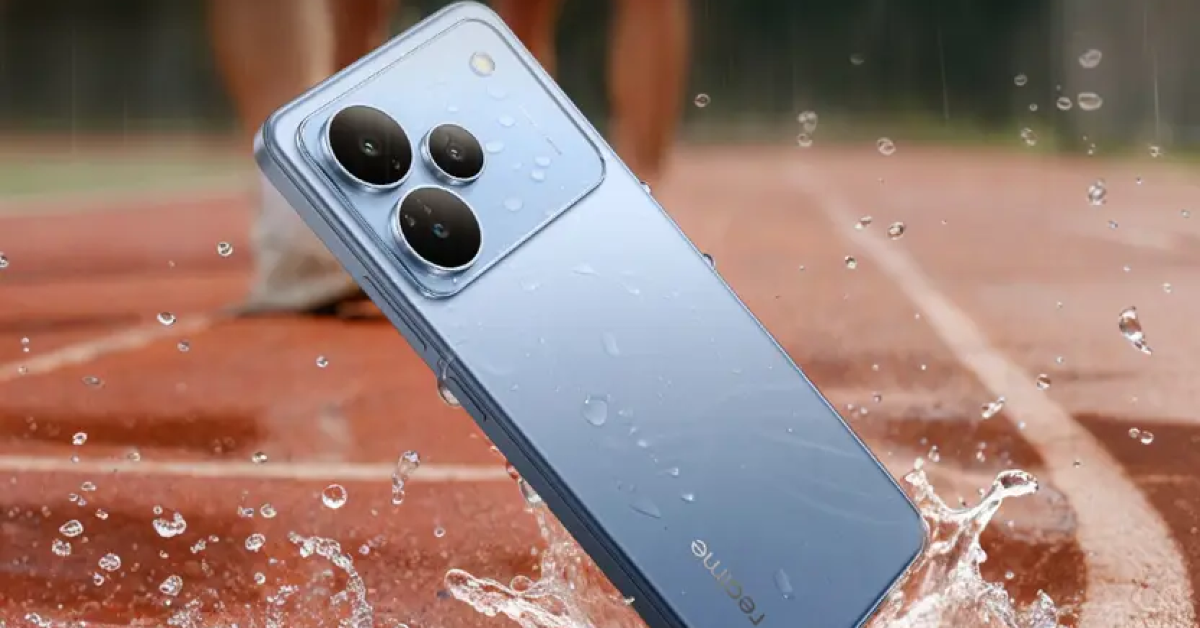
The Realme P4 is one of the most balanced smartphones in the Rs 20,000 price bracket. It is powered by the MediaTek Dimensity 7400 SoC and runs the Android 15-based Realme UI 6 out of the box. Its 6.77-inch AMOLED display has a 144Hz refresh rate and can reach a peak brightness of 4,500 nits. The rear camera panel houses a 50MP primary shooter and an 8MP ultrawide lens. The 7,000mAh battery pack supports 80W wired charging. The smartphone is rated IP66 for protection against dust and water.
Pros
- Fluid display
- Good processor
- Fast charging
Cons
- Ultrawide camera takes soft pictures
Infinix GT 30
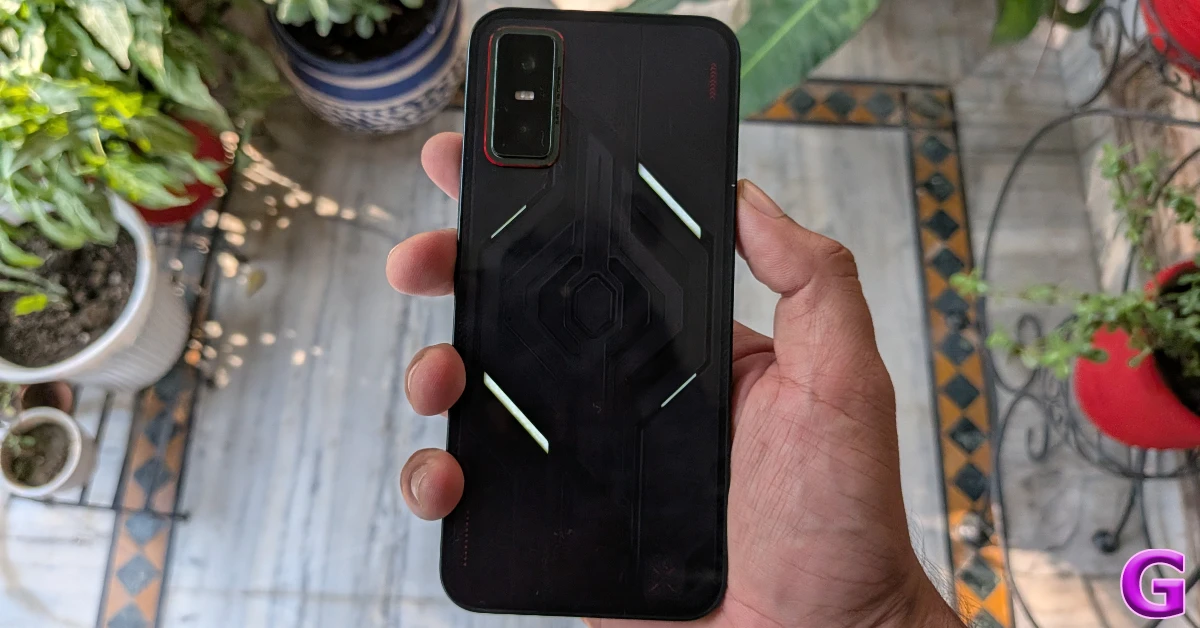
Need a good gaming phone under Rs 20,000. Check out the Infinix GT 30. The MediaTek Dimensity 7400 chipset lies at the heart of this device. It has touch-sensitive shoulder triggers to recreate the feel of a handheld gaming device. The 6.78-inch AMOLED display has a 144Hz refresh rate and can reach a peak brightness of 4,500 nits. The compact camera panel houses a 64MP primary shooter and an 8MP ultrawide lens. The 5,500mAh battery pack supports 45W wired charging. Dive into our review of the Infinix GT 30 to learn more about its gaming performance.
Pros
- Bright display
- Good processor
- Shoulder triggers
Cons
- Could’ve had faster charging
Oppo K13
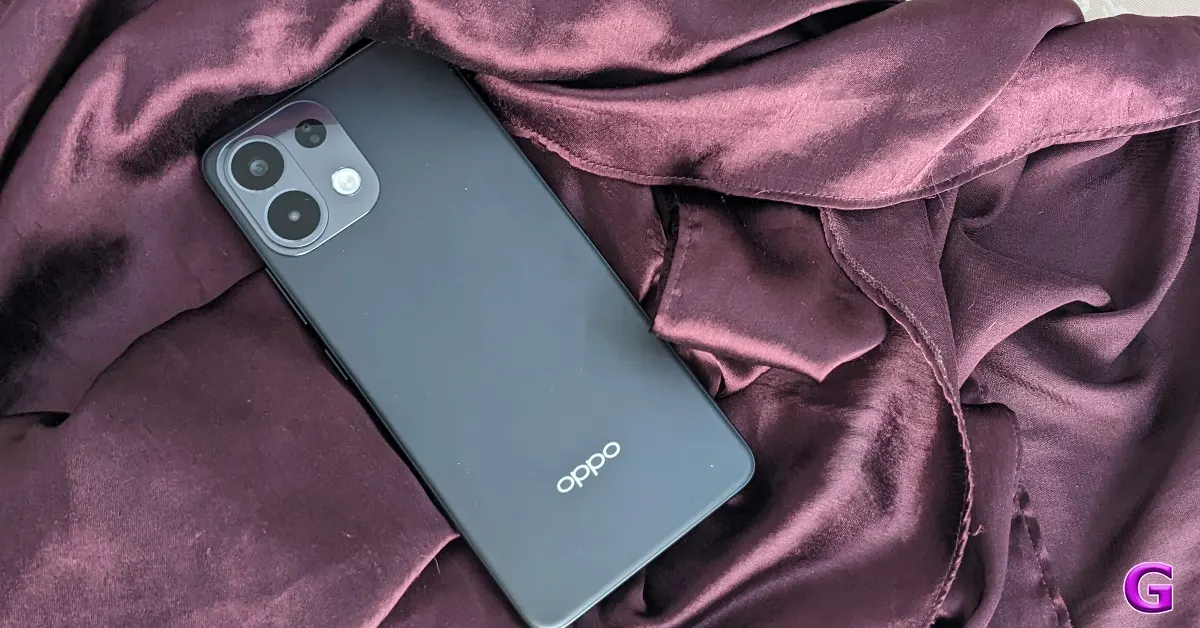
The Oppo K13 is another gaming smartphone that doesn’t require breaking the bank. It is powered by the Snapdragon 6 Gen 4 processor and runs the Android 15-based ColorOS 15 out of the box. Oppo has promised 2 major OS upgrades for this device. Its 6.67-inch AMOLED display has a 120Hz refresh rate and can reach a peak brightness of 1,200 nits. The rear camera panel houses a 50MP primary shooter and a 2MP depth sensor. The 7,000mAh Si/C battery pack supports 80W wired charging. Read our Oppo K13 review to learn more about the phone.
Pros
- Bright display
- Good main camera
- Big battery
Cons
- Contains bloatware
iQOO Z10R
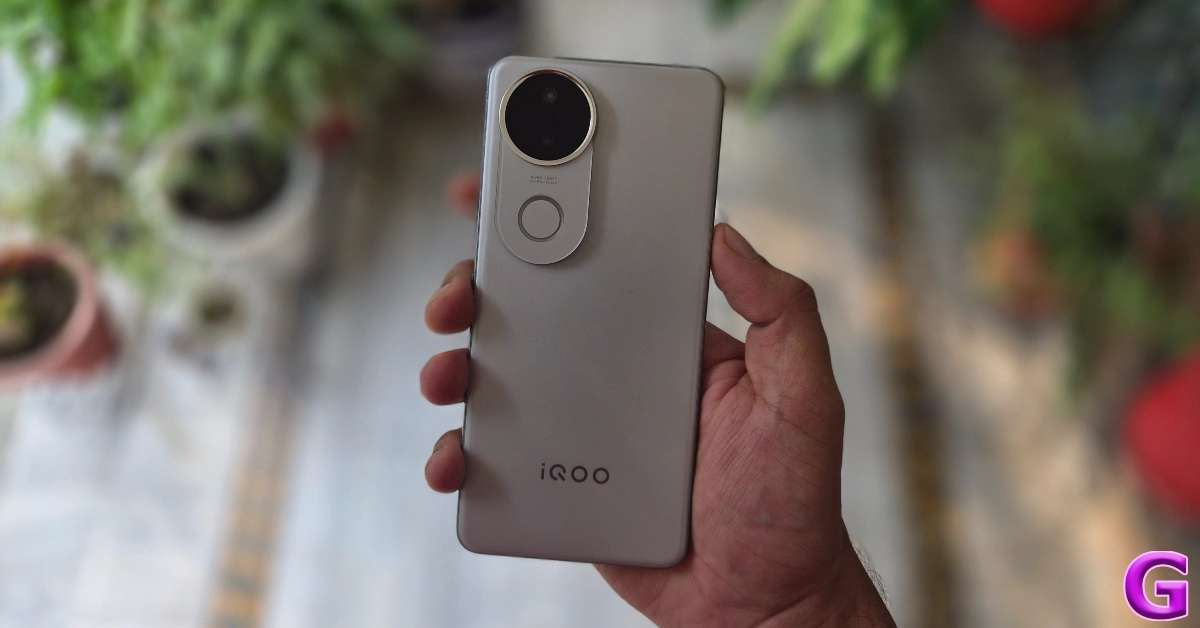
Ending this list is the iQOO Z10R. This smartphone is powered by the MediaTek Dimensity 7400 processor. It runs the Android 15-based Funtouch 15 OS out of the box. It has been promised 2 major OS upgrades. There’s IP68/IP69 protection on board. The 6.77-inch AMOLED display has a 120Hz refresh rate and can reach a peak brightness of 1,800 nits. The rear camera array comprises a 50MP primary shooter and a 2MP depth sensor. The 5,700mAh battery pack supports 44W charging. Read our review of the iQOO Z10R for more details about the phone.
Pros
- Nice design
- IP68/69 rating
- Big battery
Cons
- No ultrawide lens
Read Also: Facebook users can now animate their profile pictures: Details
Final Thoughts
These are the top 10 smartphones priced under Rs 20,000 in February 2026. If you can expand your budget, check out the best smartphones under Rs 30,000 as well. Got any questions? Let us know in the comments!


