


Rs 30,000 in today’s market can get you a reliable daily driver with decent specs. While these devices may not flaunt premium hardware like their flagship counterparts, they make the right tradeoffs to stay afloat. You can find everything from camera specialists to gaming beasts in this segment. Here are the top 10 smartphones priced under Rs 30,000 in February 2026.
Read Also: How to translate song lyrics on Spotify
In This Article
Nothing Phone (3a) Pro
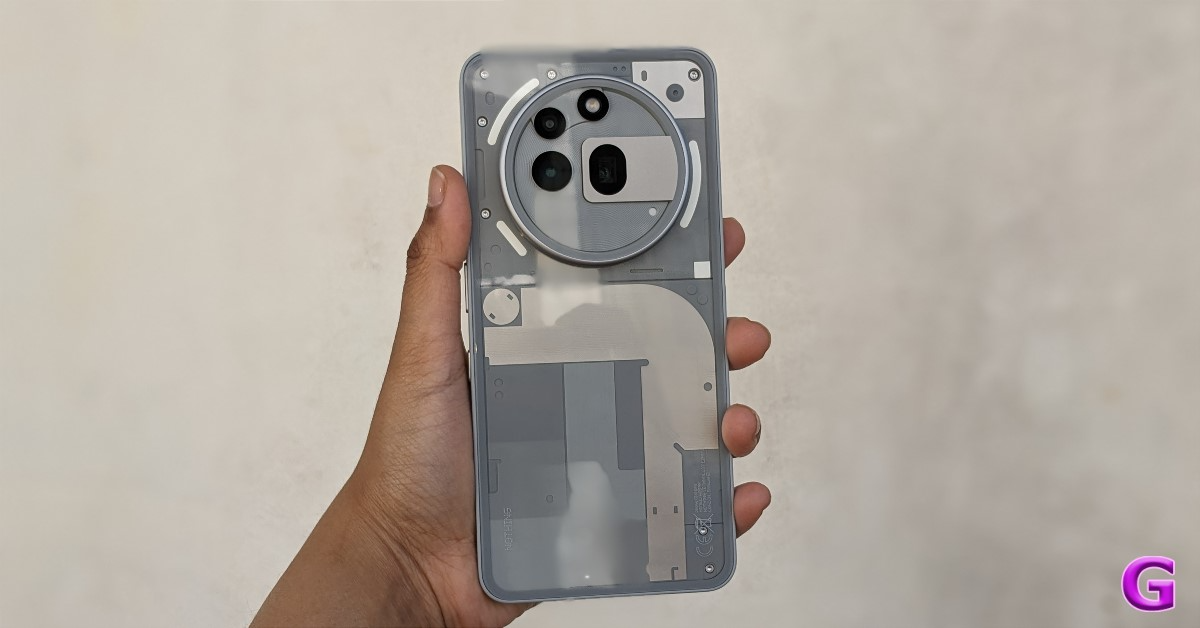
The Nothing Phone (3a) Pro strikes the right balance between design and performance. It carries forward Nothing’s see-through design philosophy and spruces it up with segmented Glyph lighting. The giant round camera island is one of a kind. It comprises a 50MP primary shooter, a 50MP periscope telephoto lens with 3x optical zoom, and an 8MP ultrawide lens. The smartphone is powered by the Snapdragon 7s Gen 3 chipset and runs the Android 15-based Nothing OS 3 out of the box. Its 6.77-inch AMOLED display has a 120Hz refresh rate and a peak brightness of 3,000 nits. The 5,000mAh battery pack supports 50W charging. Dive into our Nothing Phone (3a) Pro review to learn more about the smartphone.
Pros
- Unique design
- Telephoto lens
- Great software
Cons
- Mediocre ultrawide lens
OnePlus Nord CE5
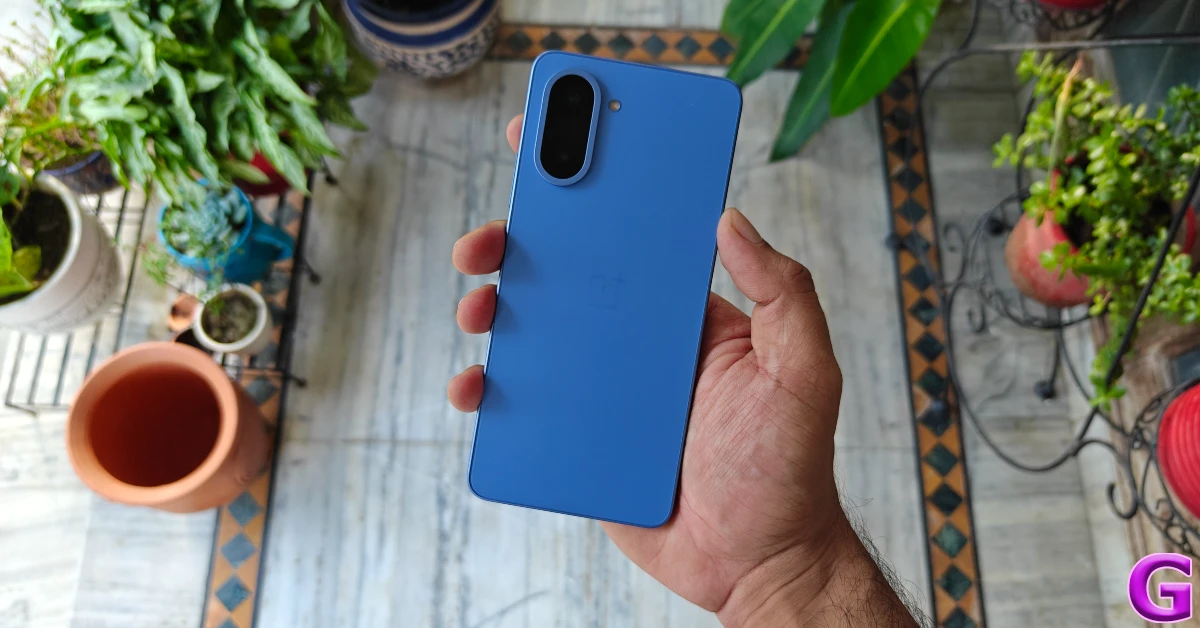
The OnePlus Nord CE5 is the brand’s most affordable smartphone in India. It packs the MediaTek Dimensity 8350 chipset under its hood and runs the Android 15-based OxygenOS 15 OS out of the box. Its 6.77-inch Fluid AMOLED display has a 120Hz refresh rate and a peak brightness of 1,430 nits. Like the newer OnePlus smartphones, the Nord CE5 gets rid of the tri-state alert slider for the Plus key. Its pill-shaped rear camera cutout houses a 50MP primary shooter and an 8MP ultrawide lens. The 7,100mAh battery pack supports 80W wired fast charging. Read our OnePlus Nord CE5 review for more details about the smartphone.
Pros
- Smooth display
- AI features
- Expandable storage
Cons
- Lacks a secondary speaker
Samsung Galaxy A36
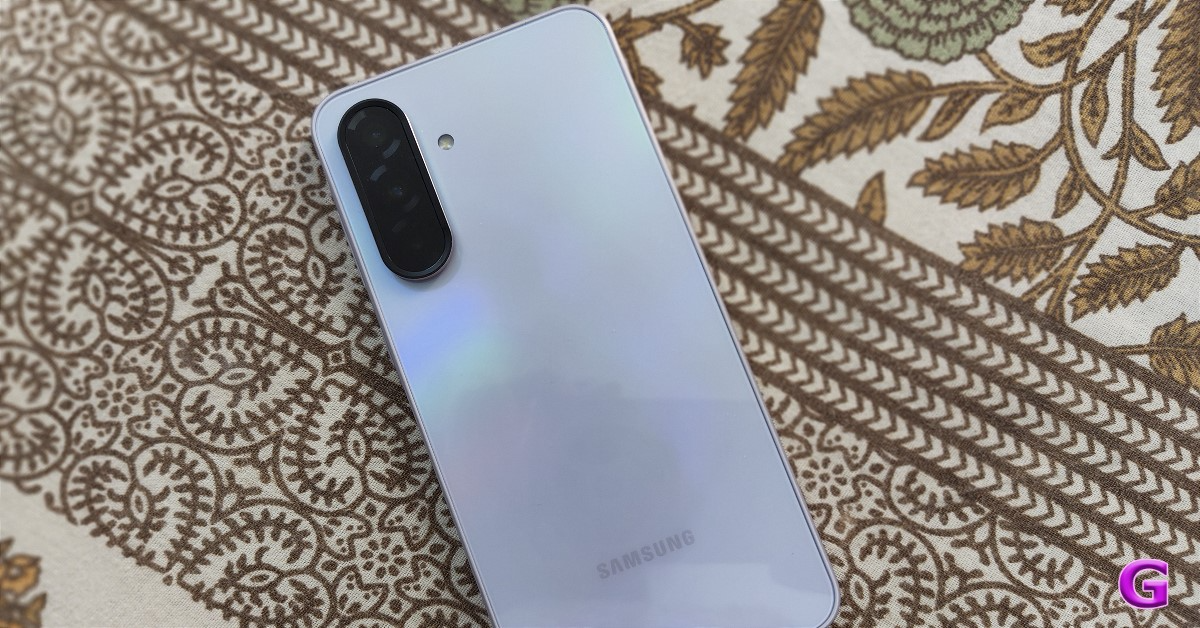
Samsung’s midrange offering in the sub-Rs 30,000 price bracket brings together the right specs to perform well in key areas. It is powered by the Snapdragon 6 Gen 3 chipset and runs the Android 15-based One UI 7 out of the box. Samsung has promised 6 major OS upgrades for this phone. Its 6.7-inch Super AMOLED display has a 120Hz refresh rate and a peak brightness of 1,900 nits. The triple rear camera array comprises a 50MP primary shooter, an 8MP ultrawide lens, and a 5MP macro sensor. The 5,000mAh battery pack supports 45W wired charging. Check out our Samsung Galaxy A36 review to learn more about the smartphone.
Pros
- Fluid display
- Lightweight
- Good cameras
Cons
- Heats up while gaming
Redmi Note 15
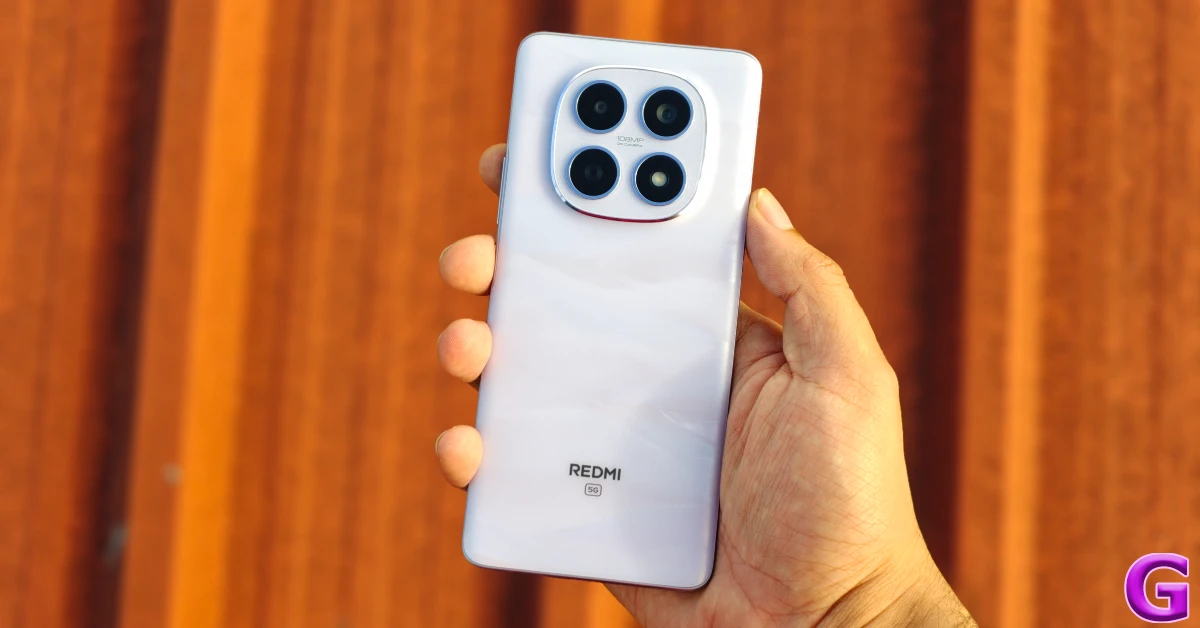
The newly-launched Redmi Note 15 flaunts a 6.77-inch AMOLED display with a 120Hz refresh rate and a peak brightness of 3,200 nits. It packs the Snapdragon 6 Gen 3 chipset under its hood. Software duties are handled by the Android 15-based HyperOS 2 out of the box. Xiaomi has promised 4 major OS upgrades for this smartphone. The rear camera island houses a 108MP primary shooter and an 8MP ultrawide lens. The 5,520mAh battery pack supports 45W wired charging. For more details, read our Redmi Note 15 review.
Pros
- Bright display
- Expandable storage
- IR blaster
Cons
- Boxy audio output
Lava Agni 4
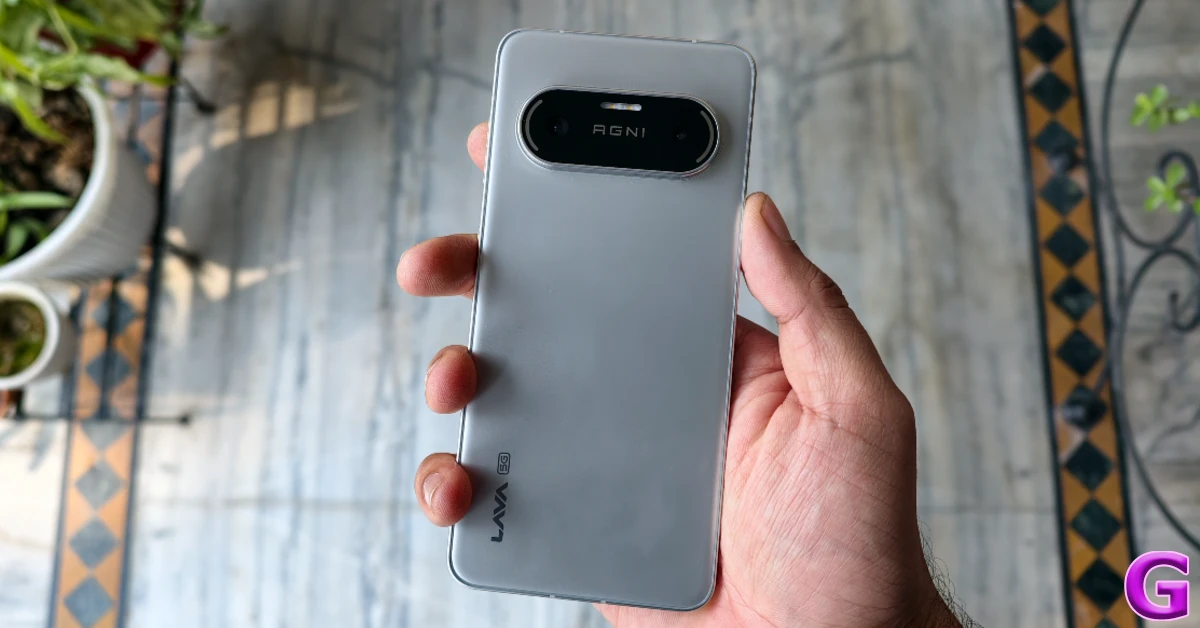
The made-in-India Lava Agni 4 is powered by the MediaTek Dimensity 8350 SoC. It runs stock Android 15 out of the box. The smartphone has been promised to receive 3 major OS upgrades. Its 6.67-inch AMOLED display has a 120Hz refresh rate and can reach a peak brightness of 2,400 nits. The camera bar on the back panel houses a 50MP primary shooter and an 8MP ultrawide lens. The 5,000mAh Li-Po battery pack supports 66W wired charging. Check out our Lava Agni 4 review to learn more about its everyday performance.
Pros
- Clean design
- Great build quality
- Bright display
Cons
- Poor haptic feedback
Realme P4 Pro
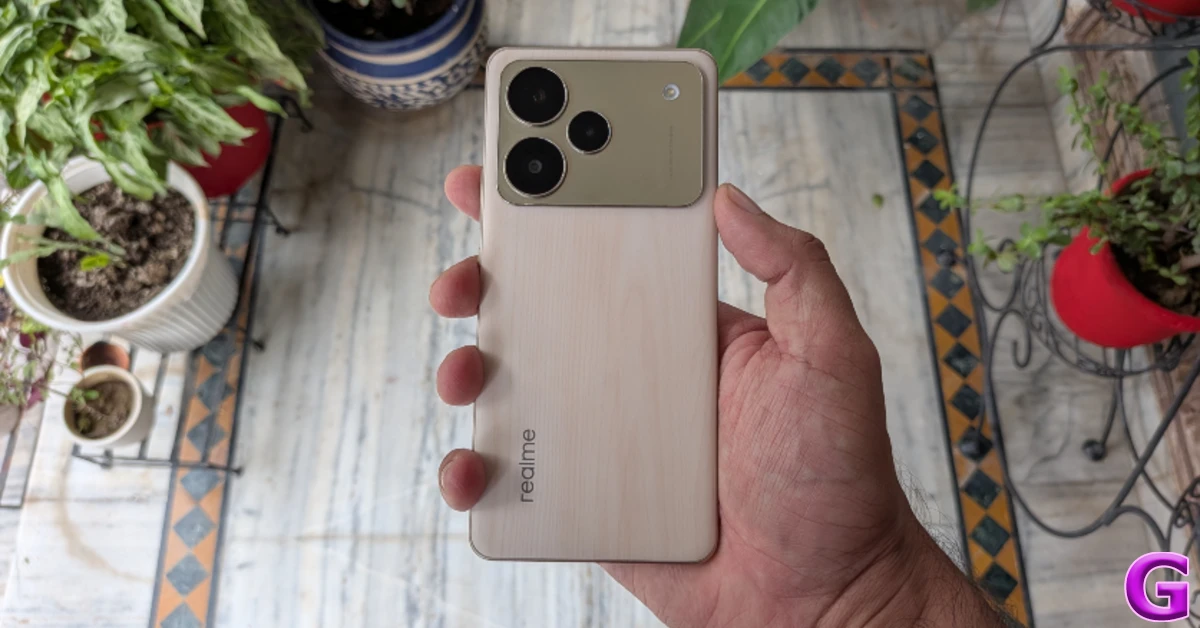
The Realme P4 Pro has a unique wooden texture on its back panel. The smartphone draws power from the Snapdragon 7 Gen 4 processor. Working alongside this processor is Realme’s Hyper Vision AI chip. The 6.8-inch AMOLED display has a 144Hz refresh rate and a peak brightness of 6,500 nits. The rear camera panel houses a 50MP primary shooter and an 8MP ultrawide lens. The 7,000mAh battery pack supports 80W wired charging. Read our Realme P4 Pro review for a deeper analysis.
Pros
- Nice design
- Bright display
- Fast charging
Cons
- Mediocre ultrawide lens
Infinix GT 30 Pro
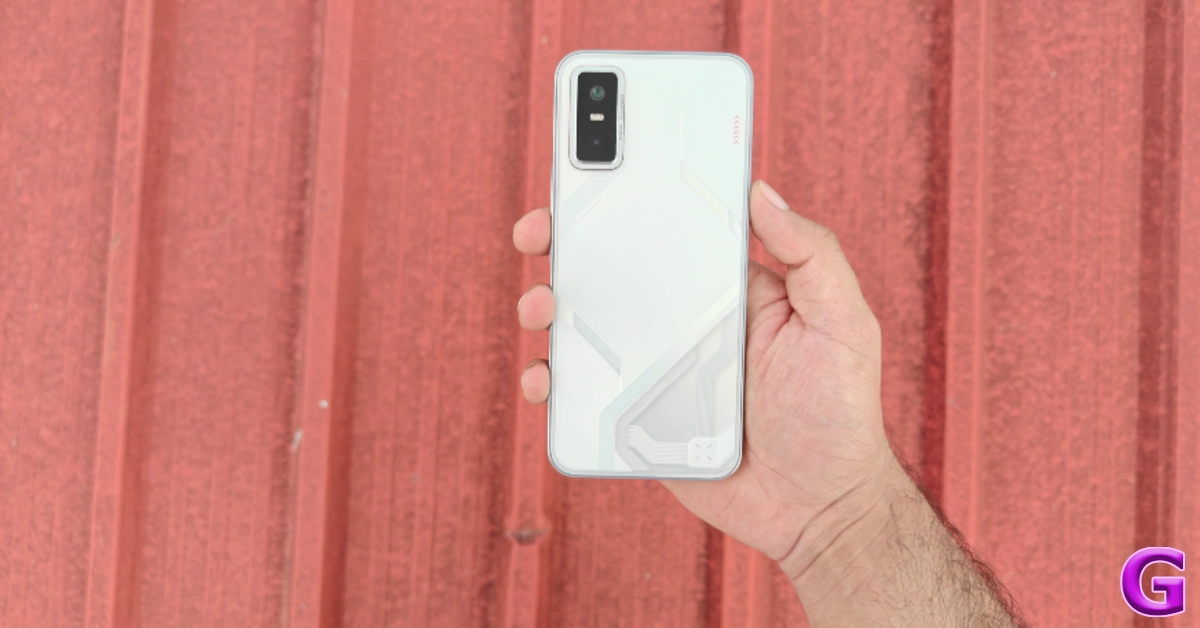
If you prioritise gaming over everything else, we highly recommend going for the Infinix GT 30 Pro. This smartphone has customisable touch-sensitive shoulder triggers for gaming. Its 6.78-inch AMOLED display has a 144Hz refresh rate and can reach a peak brightness of 4,500 nits. Powering the device is the MediaTek Dimensity 8350 chipset. Software duties are handled by the Android 15-based XOS 15. The compact rear camera panel houses a 108MP primary shooter and an 8MP ultrawide lens. The 5,500mAh battery pack supports 45W wired and 30W wireless charging. Check out our Infinix GT 30 Pro review to learn more about its gaming performance.
Pros
- 144Hz display
- Shoulder triggers
- Wireless charging
Cons
- Mediocre ultrawide lens
Oppo K13 Turbo
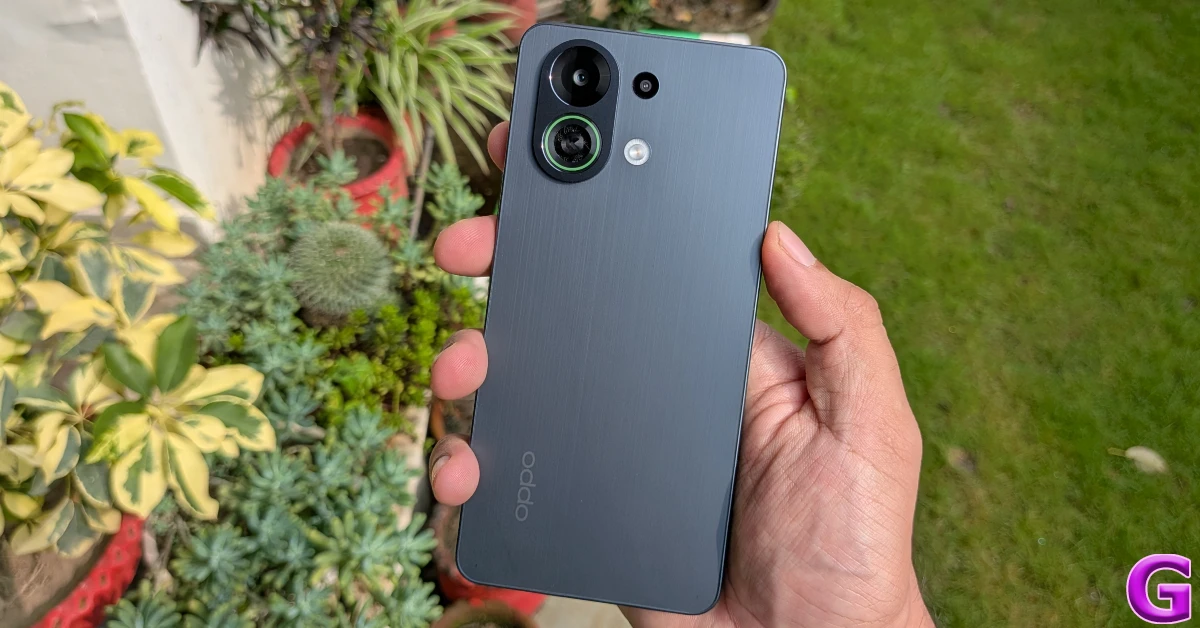
The Oppo K13 Turbo is another great gaming smartphone in the sub-Rs 30,000 price bracket. Its back panel has an external fan right below the main camera. This camera can channel the heat from the core of the phone out through the frame. Powering this phone is the MediaTek Dimensity 8450 chipset. It runs the Android 15-based ColorOS 15 out of the box. The 6.79-inch AMOLED display has a 120Hz refresh rate and can reach 1,600 nits in High Brightness Mode. The rear camera array comprises a 50MP primary shooter and a 2MP monochrome lens. The 7,000mAh battery pack supports 80W wired fast charging. Dive into our Oppo K13 Turbo review to learn more about its gaming performance.
Pros
- Cooling fan
- Big battery
- Good chipset
Cons
- No ultrawide lens
Poco X7 Pro
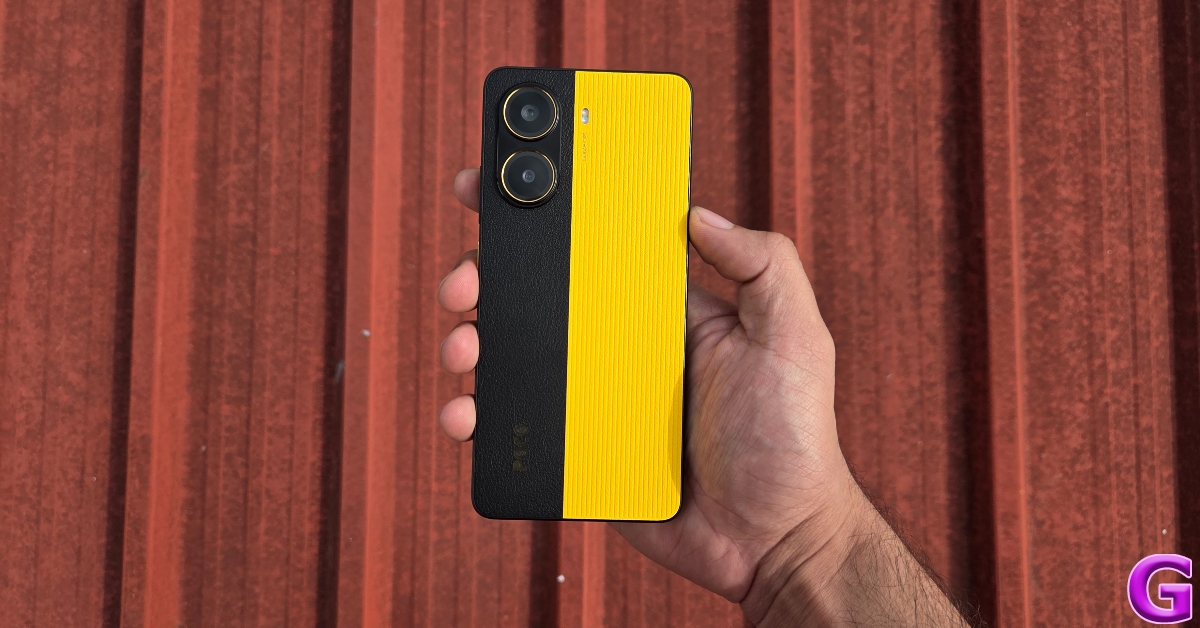
The Poco X7 Pro is a well-rounded midrange smartphone for power users. At the heart of this device lies the MediaTek Dimensity 8400 Ultra chipset. It runs the Android 15-based HyperOS 2 out of the box. Its 6.67-inch AMOLED display has a 120Hz refresh rate and can reach a peak brightness of 3,200 nits. The ridged texture and dual-tone colour theme of the back panel give the smartphone a unique look. The camera panel houses a 50MP primary shooter and an 8MP ultrawide lens. The 6,550mAh battery pack supports 90W wired fast charging. Check out our Poco X7 Pro review to learn more about the phone.
Pros
- Fast charging
- Good chipset
- IP69 rating
Cons
- The dual-tone colour theme may not be for everyone
Vivo V60e
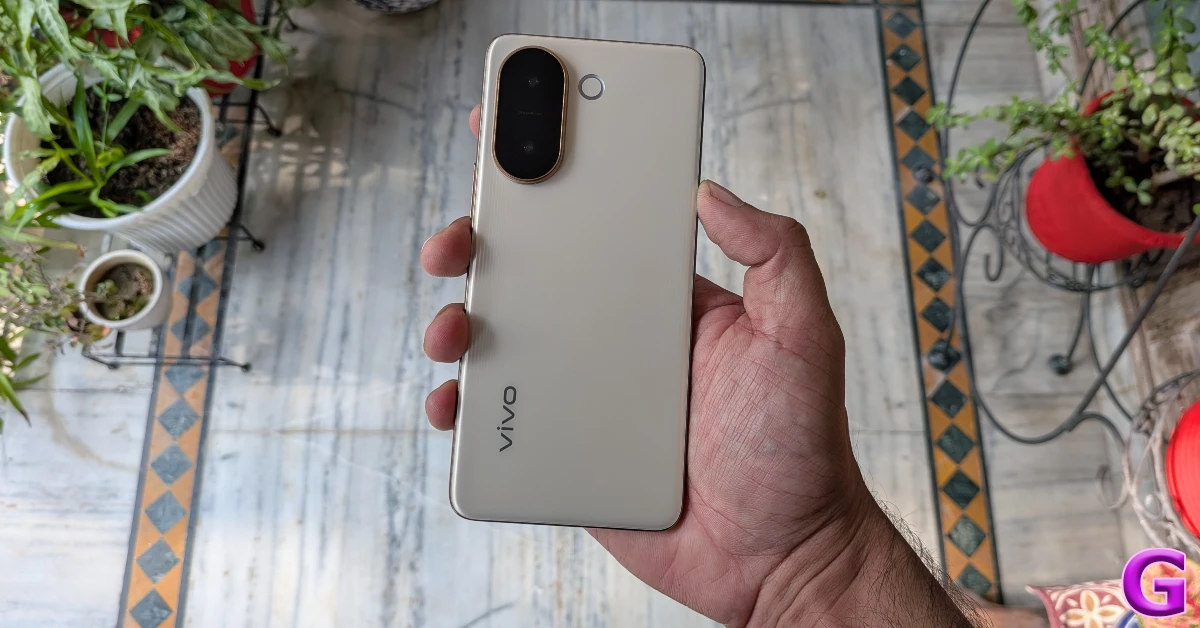
The Vivo V60e is priced just above Rs 30,000, but its splendid cameras make it worth the premium you’re paying. Its rear camera array comprises a 200MP primary shooter and an 8MP ultrawide lens. Powering this smartphone is the MediaTek Dimensity 7360 Turbo chipset. Software duties are handled by the Android 15-based Funtouch 15 OS. The 6.77-inch AMOLED display has a 120Hz refresh rate and can reach a peak brightness of 5,000 nits. The 6,500mAh Si/C battery pack supports 90W wired fast charging. Read our review of the Vivo V60e to find out how its camera performs in different lighting conditions.
Pros
- Bright display
- Amazing main camera
- IP68/IP69 rating
Cons
- Not the best audio output
Read Also: Infinix Note Edge India launch date announced
Final Thoughts
These are the top 10 smartphones priced under Rs 30,000 in February 2026. If you have more room in your budget, check out the best phones priced under Rs 40,000. Got any questions? Let us know in the comments!


