


The midrange smartphone market today is filled with exciting offerings that cater to a wide audience ranging from gamers to photography enthusiasts. If you’re looking for a reliable daily driver that can take good pictures and handle routine tasks without any hiccups, there is no need to spend more than Rs 40,000. These smartphones pack impressive processors while promising decent software support. Here are the top 10 smartphones priced under Rs 40,000 in April 2026.
Read Also: NYT Connections (#1032) April 8, 2026: Hints, Clues, and Answers Today
In This Article
OnePlus Nord 6
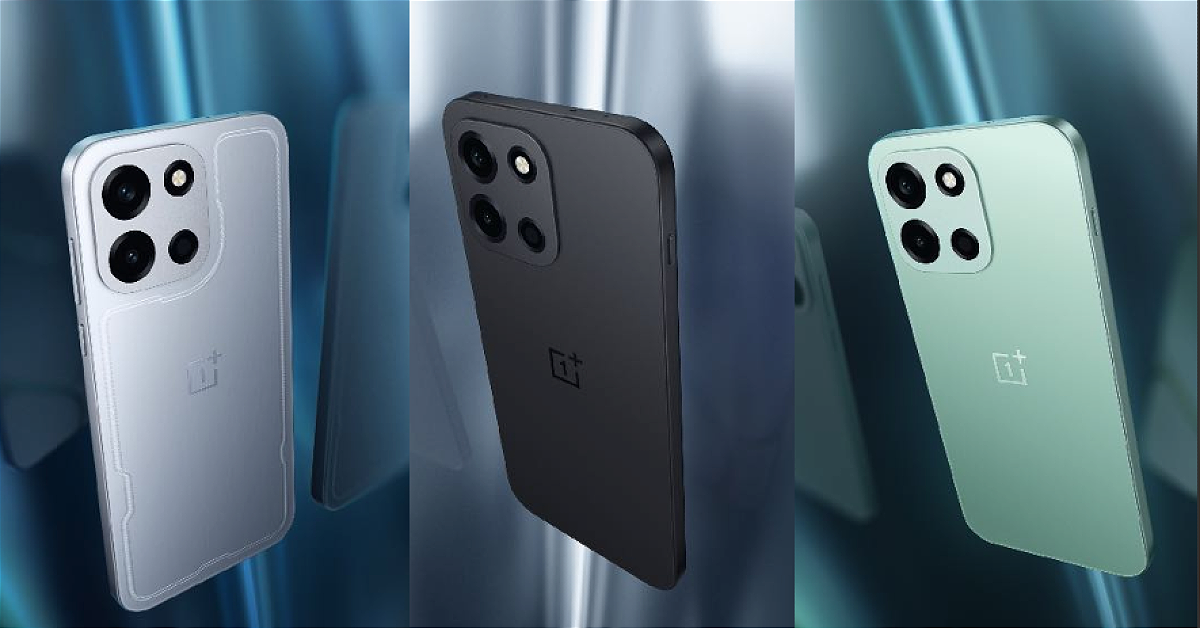
The newly-launched OnePlus Nord 6 boasts great specs for a smartphone priced under Rs 40,000. It is powered by the Snapdragon 8s Gen 4 chipset and runs the Android 16-based ColorOS 16 out of the box. Its 6.78-inch AMOLED display has a 165Hz refresh rate and can reach a peak brightness of 1,800 nits. The rear camera panel houses a 50MP primary shooter and an 8MP ultrawide lens. The massive 9,000mAh Si/C battery pack supports 80W wired and 27W reverse wired charging.
Pros
- Good processor
- Smooth display
- Big battery
Cons
- Lacks a telephoto lens
Nothing Phone (4a) Pro
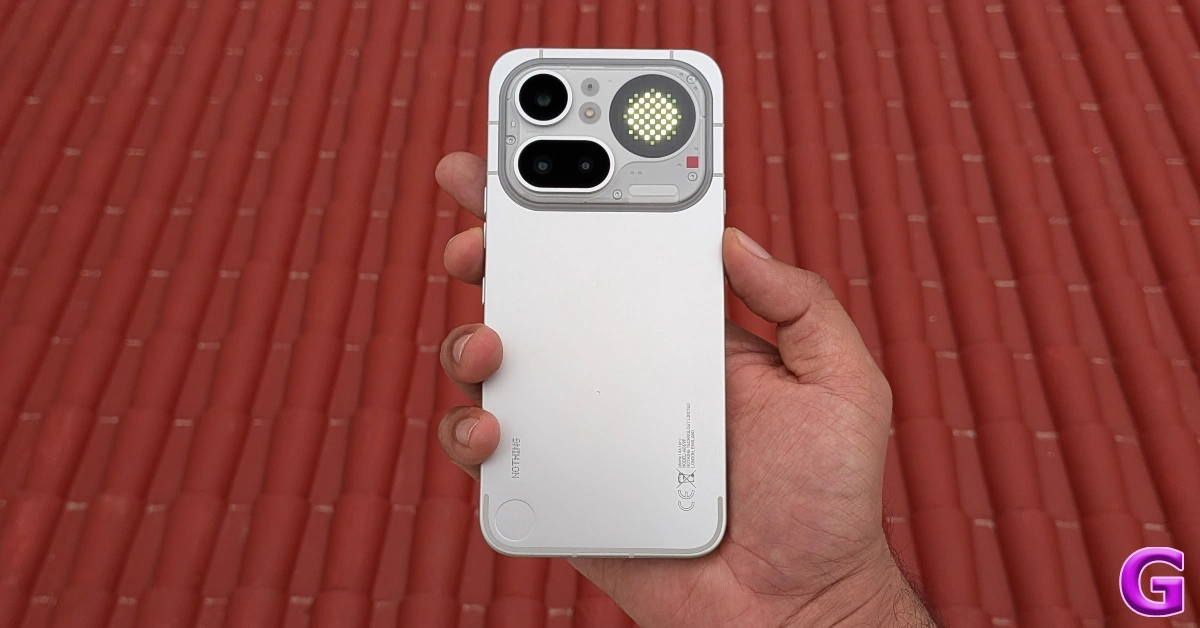
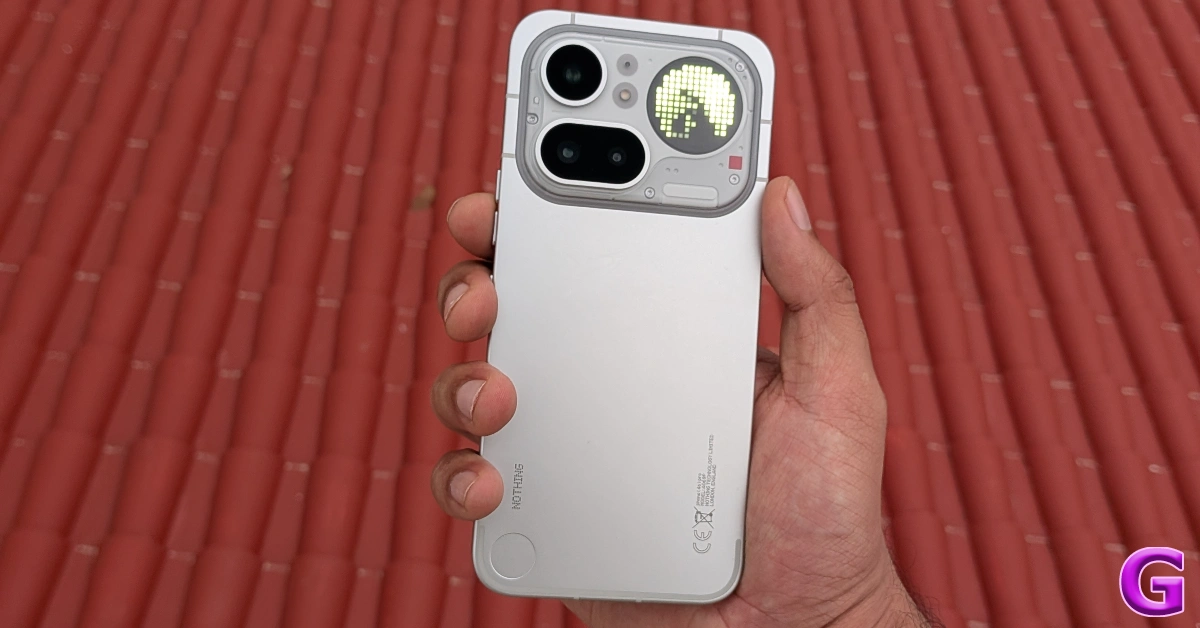
The Pro model in the Nothing Phone (4a) series features a totally revamped look. Its aircraft-grade aluminium unibody houses a wide camera plateau that carries the signature see-through design. This camera plateau houses a 50MP primary shooter, an 8MP ultrawide lens, a 50MP telephoto lens with 3.5x optical zoom, and the Glyph Matrix. The 6.83-inch AMOLED display has a 144Hz refresh rate and can reach a peak brightness of 5,000 nits. The 5,400mAh battery pack supports 50W wired charging. Read our Nothing Phone (4a) Pro review to learn more about the smartphone.
Pros
- Metal unibody
- Bright display
- Glyph Matrix
Cons
- Not the best processor in the segment
Realme 16 Pro
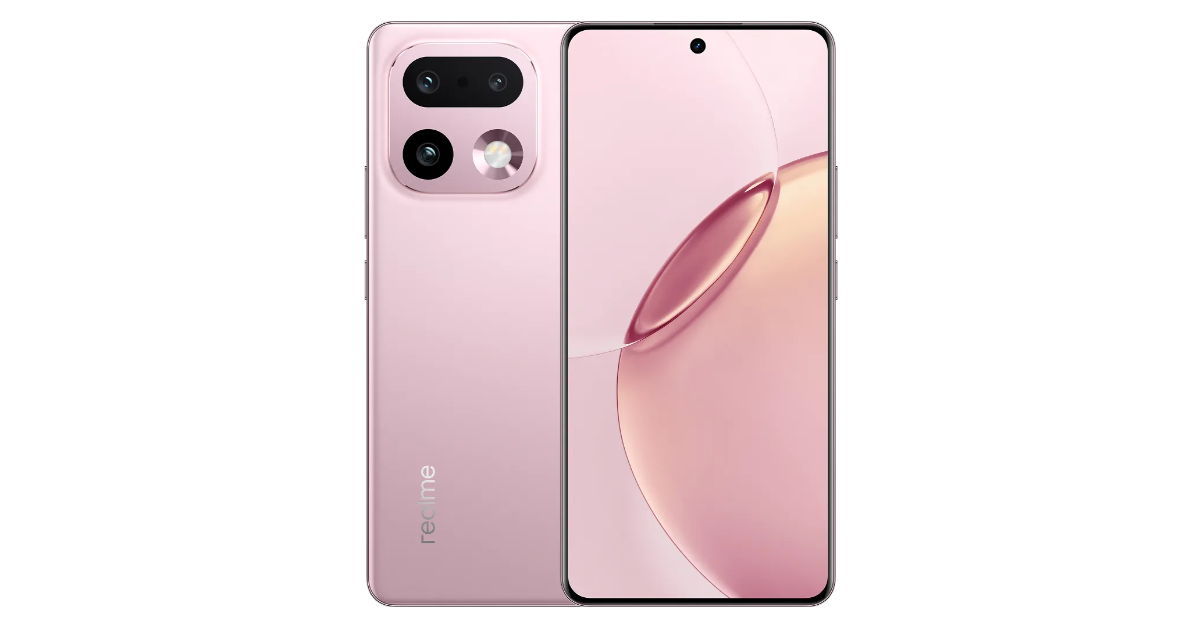
The Pro variant in the Realme 16 series is powered by the MediaTek Dimensity 7300 Max chipset. It runs the Android 16-based Realme UI 7 out of the box. Realme has promised 3 major OS upgrades for the smartphone. The 6.78-inch AMOLED display has a 144Hz refresh rate and can reach a peak brightness of 6,500 nits. The camera island on the back panel houses a 200MP primary shooter and an 8MP ultrawide lens. The 7,000mAh Si/C battery pack supports 80W wired charging.
Pros
- Bright display
- Good main camera
- Big battery
Cons
- Mediocre chipset
Samsung Galaxy A37
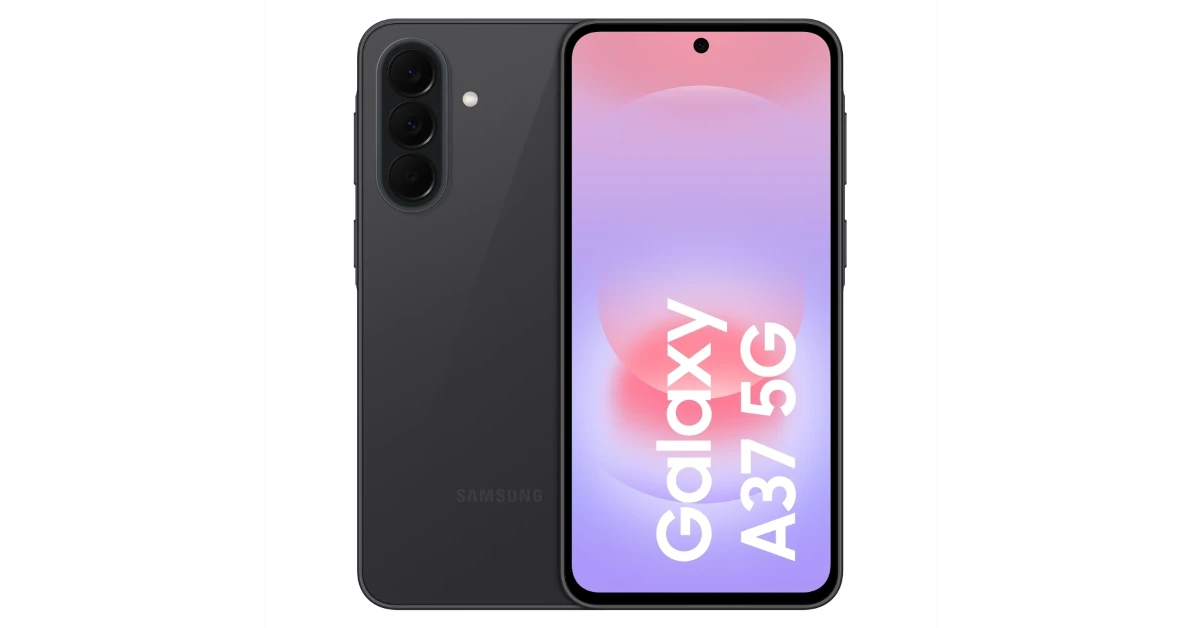
The Galaxy A37 slots nicely in the lower end of the sub-Rs 40,000 price bracket. It is powered by Samsung’s in-house Exynos 1480 chipset and runs the Android 16-based One UI 8 out of the box. Samsung has promised 6 major OS upgrades for this device. Its 6.7-inch Super AMOLED display has a 120Hz refresh rate and can reach a peak brightness of 1,900 nits. The rear camera array comprises a 50MP primary shooter, an 8MP ultrawide lens, and a 5MP macro sensor. The 5,000mAh battery pack supports 45W wired charging.
Pros
- Smooth display
- 6 major OS upgrades
- Nice design
Cons
- Unimpressive camera array
Nothing Phone (4a)
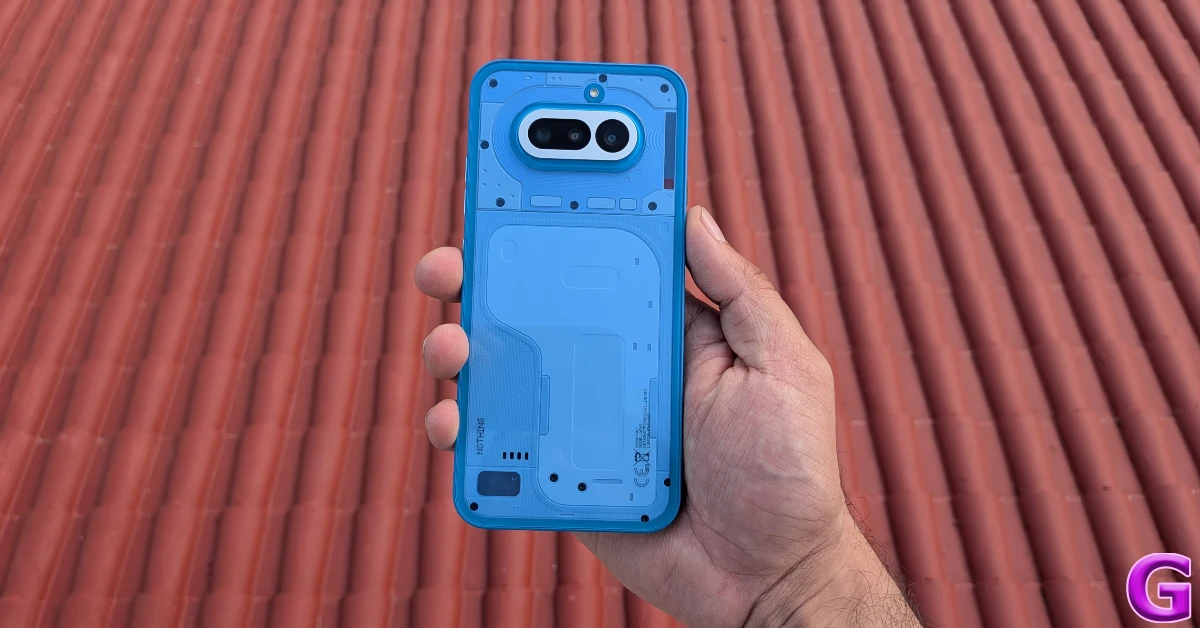
The base model in the Nothing Phone (4a) series retains the design language of its predecessor. However, instead of a segmented Glyph array, it features a Glyph bar. Powering the smartphone is the Snapdragon 7s Gen 4 chipset. The 6.78-inch AMOLED display has a 120Hz refresh rate and can reach a peak brightness of 4,500 nits. The camera bar on the back panel houses a 50MP primary shooter, a 50MP telephoto lens with 3.5x optical zoom, and an 8MP ultrawide lens. The 5,400mAh battery pack supports 50W wired charging. Dive into our Nothing Phone (4a) review to learn more about its everyday performance.
Pros
- See-through design
- Smooth display
- Clean OS
Cons
- Not the best processor in the segment
Vivo V60
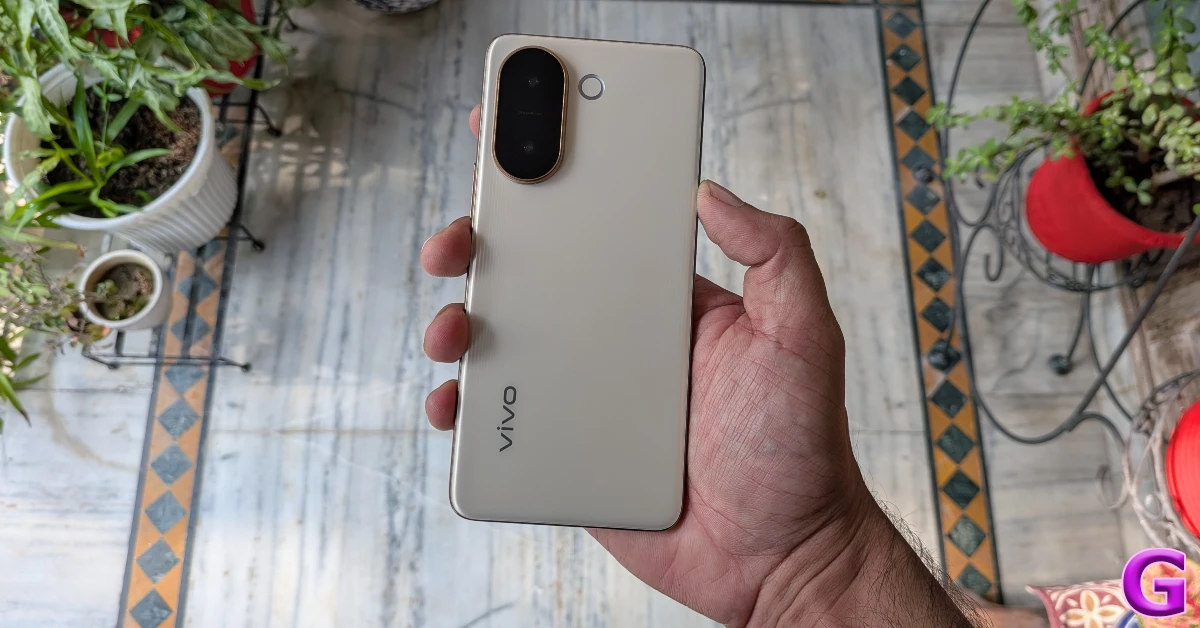
The Vivo V60 is a camera specialist that deserves your attention if you want to take good pictures in different lighting conditions. Its rear camera array comprises a 50MP primary shooter, a 50MP periscope telephoto lens with 3x optical zoom, and an 8MP ultrawide lens. These lenses are tuned by Zeiss. Powering the smartphone is the Snapdragon 7 Gen 4 chipset. The 6.77-inch AMOLED display has a 120Hz refresh rate and can reach a peak brightness of 5,000 nits. The 6,500mAh Si/C battery pack supports 90W wired charging. Read our Vivo V60 review to learn more about its cameras.
Pros
- Good cameras
- Bright display
- IP68/69 rating
Cons
- UFS 2.2 storage
Redmi Note 15 Pro+
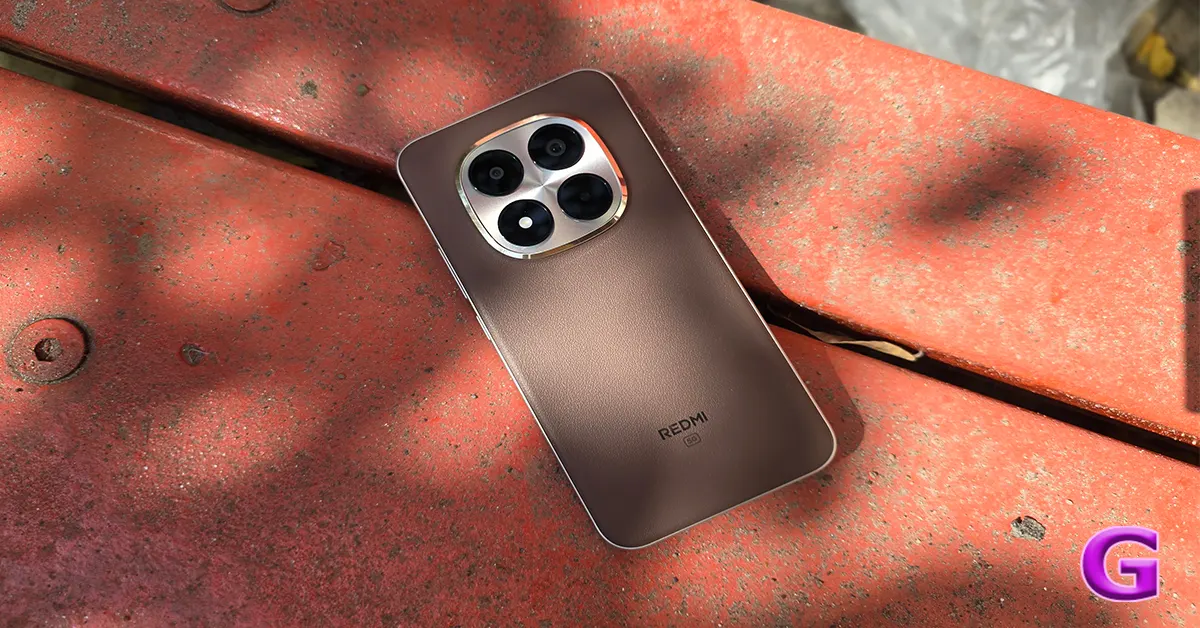
The top-spec model in the Redmi Note 15 lineup is powered by the Snapdragon 7s Gen 4 chipset. Its 6.83-inch AMOLED display has a 120Hz refresh rate and can reach a peak brightness of 3,200 nits. The smartphone is rated IP68/69K for protection against dust and water. The rear camera panel houses a 200MP primary shooter and an 8MP ultrawide lens. The 6,500mAh Si/C battery pack supports 100W wired fast charging. Dive into our Redmi Note 15 Pro+ review for a detailed analysis of the smartphone.
Pros
- Good main camera
- IP69/69K rating
- Fast charging
Cons
- Not the best chipset in the segment
Poco X8 Pro
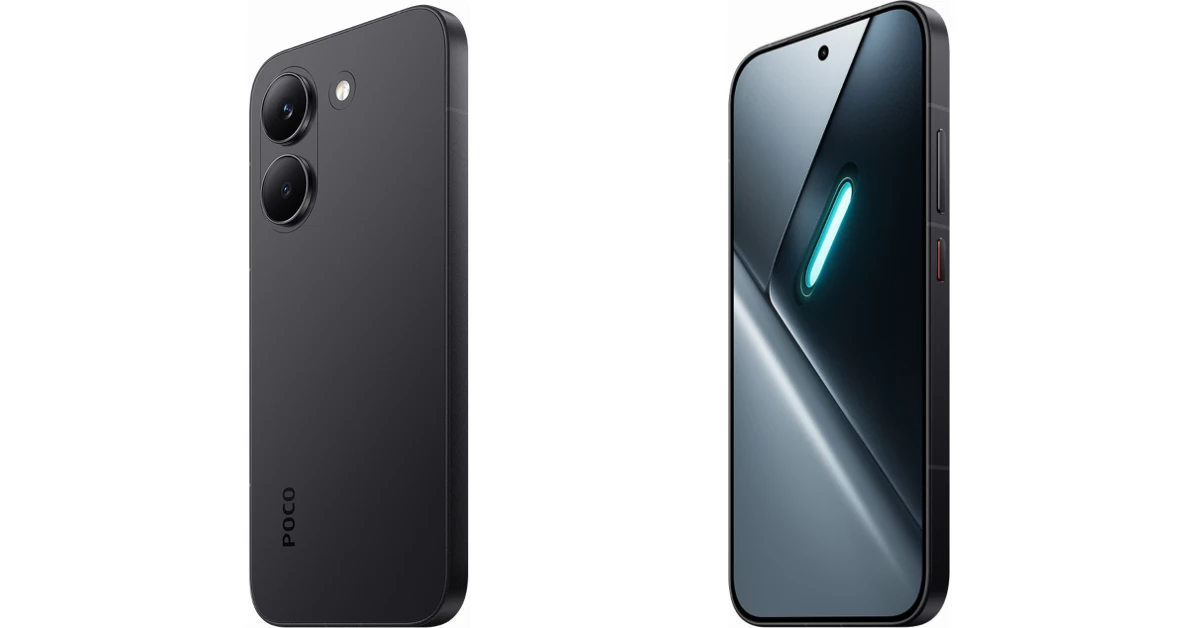
The newly-launched Poco X8 Pro is rated IP68/IP69K for dust and water resistance. At the heart of the device lies the MediaTek Dimensity 8500 Ultra chipset. Software duties are handled by the Android 16-based HyperOS 3. The 6.59-inch AMOLED display has a 120Hz refresh rate and can reach 3,500 nits of peak brightness. The rear camera panel houses a 50MP primary shooter and an 8MP ultrawide lens. The 6,500mAh Si/C battery pack supports 100W wired and 27W reverse wired charging.
Pros
- Good processor
- Big battery
- Bright display
Cons
- No telephoto lens
iQOO Neo 10
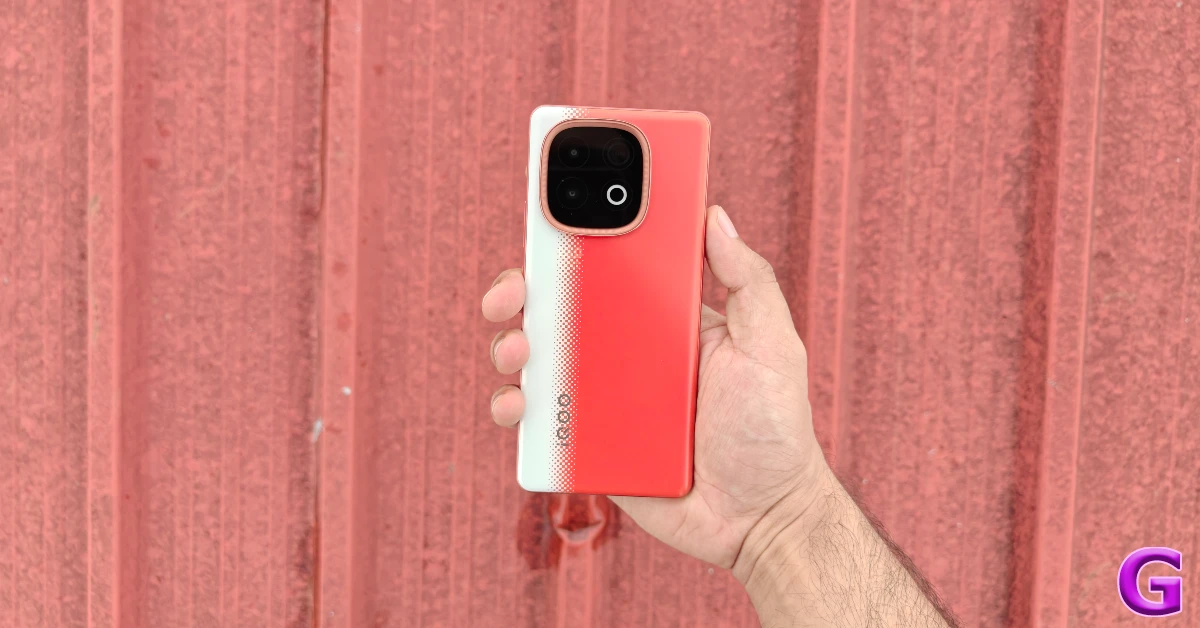
Looking for a good gaming phone under Rs 40,000? We highly recommend going for the iQOO Neo 10. This smartphone is powered by a combination of Qualcomm’s Snapdragon 8s Gen 4 SoC and iQOO’s in-house Supercomputing Chip Q1. The 7000mm² vapour chamber keeps things cool at all times. The 6.78-inch AMOLED display has a 144Hz refresh rate and can reach a peak brightness of 4,400 nits. The rear camera island houses a 50MP primary shooter and an 8MP ultrawide lens. The 7,000mAh Si/C battery pack supports 120W wired charging. Read our iQOO Neo 10 review to learn more about its gaming performance.
Pros
- Powerful processor
- 144Hz display
- Big battery
Cons
- Lacks an IP67 rating
Google Pixel 9a
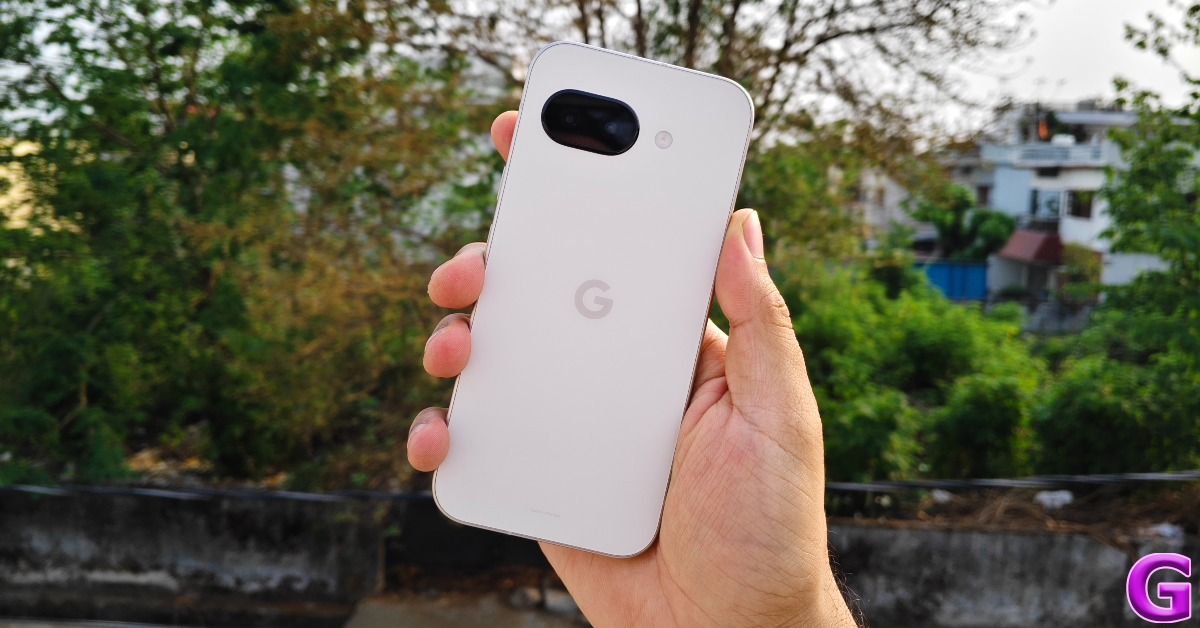
Ending this list is last year’s Google Pixel 9a. This smartphone is powered by Google’s in-house Tensor G4 SoC. This is the same chipset that powers the Pixel 10a. Software duties are handled by Android 15 out of the box. The 6.3-inch compact P-OLED display has a 120Hz refresh rate and can reach a peak brightness of 2,700 nits. The rear camera panel houses a 48MP primary shooter and a 13MP ultrawide lens. The 5,100mAh battery supports 23W wired and 7.5W wireless charging. Read our Google Pixel 9a review to learn more about the device.
Pros
- Compact form factor
- Good cameras
- Wireless charging
Cons
- No telephoto lens
Read Also: Understanding ECAD in Modern Electronics Design
Final Thoughts
These are the top 10 smartphones priced under Rs 40,000 in April 2026. If you have some more room in your budget, check out our top 10 picks under Rs 50,000. Got any questions? Let us know in the comments!


