


The sub-Rs 40,000 price bracket is home to well-balanced midrange smartphones that are able to accomplish a diverse range of tasks. These devices have resilient processors, impressive cameras, and big batteries. Needless to say, the performance put forward by these phones is very reliable. Here are the top 10 smartphones priced under Rs 40,000 in February 2026.
Read Also: Zebronics Juke Bar 9300C and ZEB-Juke Bar 9010C launched in India
In This Article
Google Pixel 9a
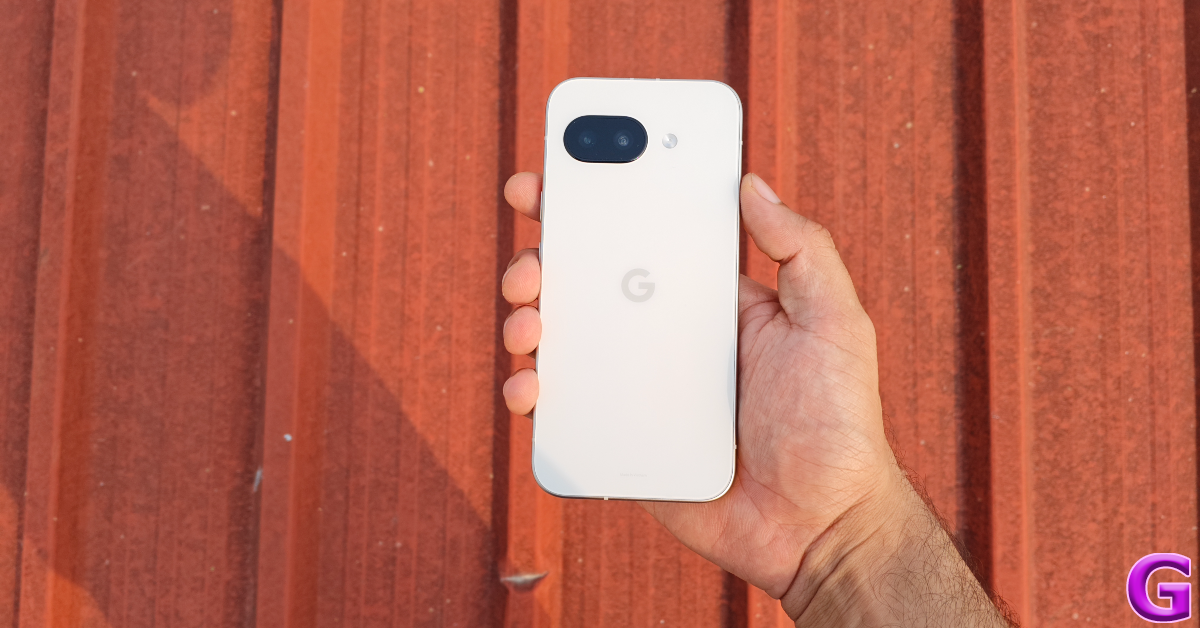
Google’s affordable A series model is priced under Rs 40,000 this month. It has a 6.3-inch compact P-OLED display with a 120Hz refresh rate and a peak brightness of 2,700 nits. Powering this phone is Google’s in-house Tensor G4 chipset. Software duties are handled by Android 15 out of the box. Google has promised 7 major OS upgrades for this device. The camera island on the back panel has virtually no bump. It houses a 48MP primary shooter and a 13MP ultrawide lens. The 5,100mAh battery pack supports 23W wired and 7.5W wireless charging. Read our Google Pixel 9a review for more details about the phone.
Pros
- Compact form factor
- No camera bump
- Wireless charging
Cons
- No telephoto lens
OnePlus 13R
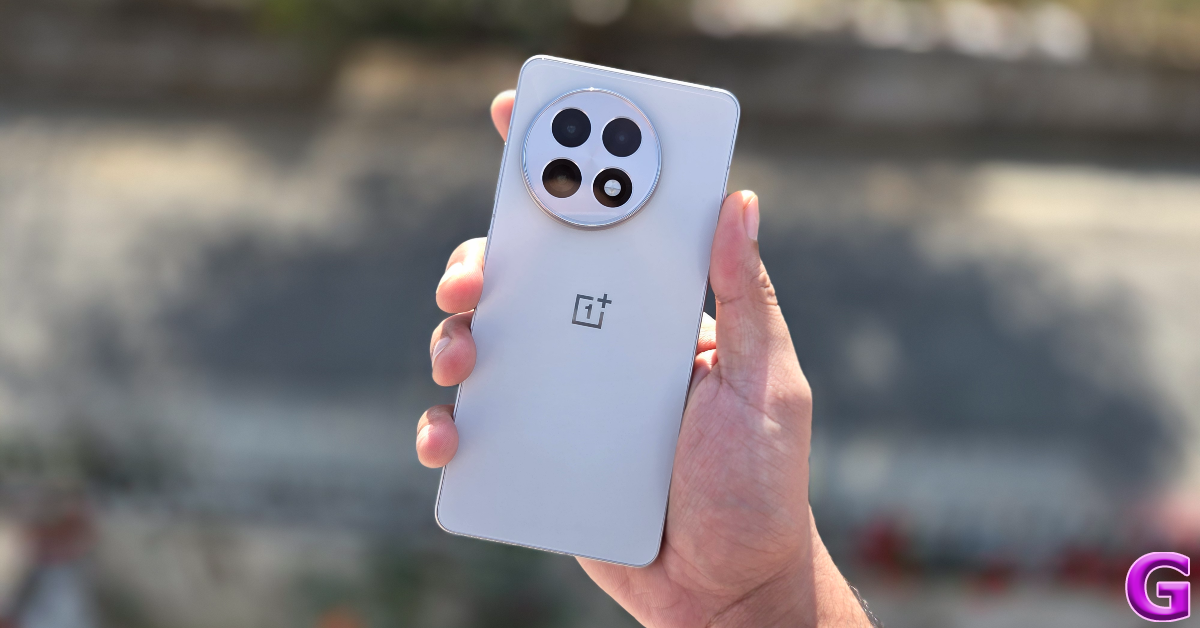
OnePlus’s flagship killer from 2025 is still an amazing phone in 2026. It is powered by the Snapdragon 8 Gen 3 chipset and runs the Android 15-based OxygenOS 15 out of the box. The 6.71-inch LTPO 4.1 AMOLED display has a 120Hz refresh rate and a peak brightness of 4,500 nits. The circular cutout on the back panel houses a 50MP telephoto lens with 2x optical zoom, and an 8MP ultrawide sensor. The massive 6,000mAh battery supports 80W wired charging. Check out our OnePlus 13R review for a deeper analysis of the device.
Pros
- Great hardware
- Powerful processor
- AI features
Cons
- Lacks an IP67 rating
Realme 16 Pro+
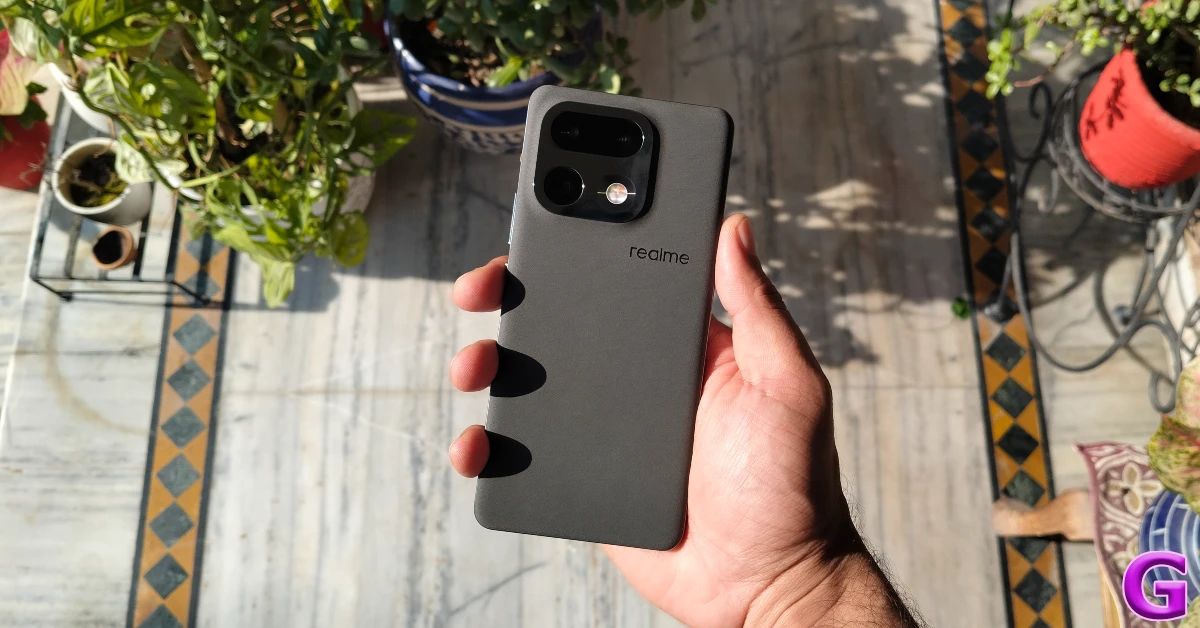
The newly-launched Realme 16 Pro+ is powered by the Snapdragon 7 Gen 4 SoC. Software duties are handled by the Android 16-based Realme UI 7 out of the box. The 6.8-inch AMOLED display has a 144Hz refresh rate and can reach a peak brightness of 6,500 nits. The camera island on the back panel houses a 200MP primary shooter, an 8MP ultrawide lens, and a 50MP periscope telephoto lens with 3.5x optical zoom. There is IP68/IP69K protection on board. The 7,000mAh Si/C battery pack supports 80W charging. Read our Realme 16 Pro+ review to learn how the smartphone performs in everyday use.
Pros
- Bright display
- IP68/IP69K rating
- Big battery
Cons
- Contains bloatware
OnePlus Nord 5
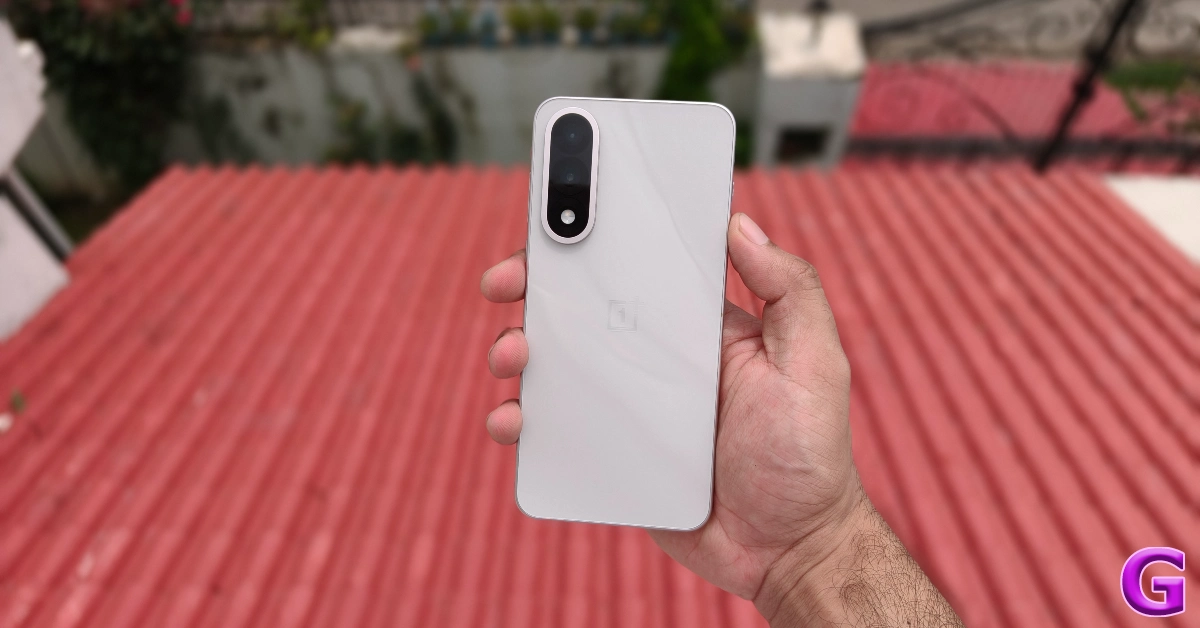
The OnePlus Nord 5 is powered by the Snapdragon 8s Gen 3 chipset. OS duties are handled by the Android 15-based OxygenOS 15. The 6.83-inch Swift AMOLED display has a 144Hz refresh rate and can reach a peak brightness of 1,800 nits. The Plus key on this device can be used to toggle the sound profiles or quickly save something to Mind Space. The rear camera array comprises a 50MP primary shooter and an 8MP ultrawide lens. The 6,800mAh battery pack supports 80W wired charging. Check out our OnePlus Nord 5 review for more details.
Pros
- Cool design
- Plus key
- Big battery
Cons
- Does not have an IP67 rating
Samsung Galaxy A56
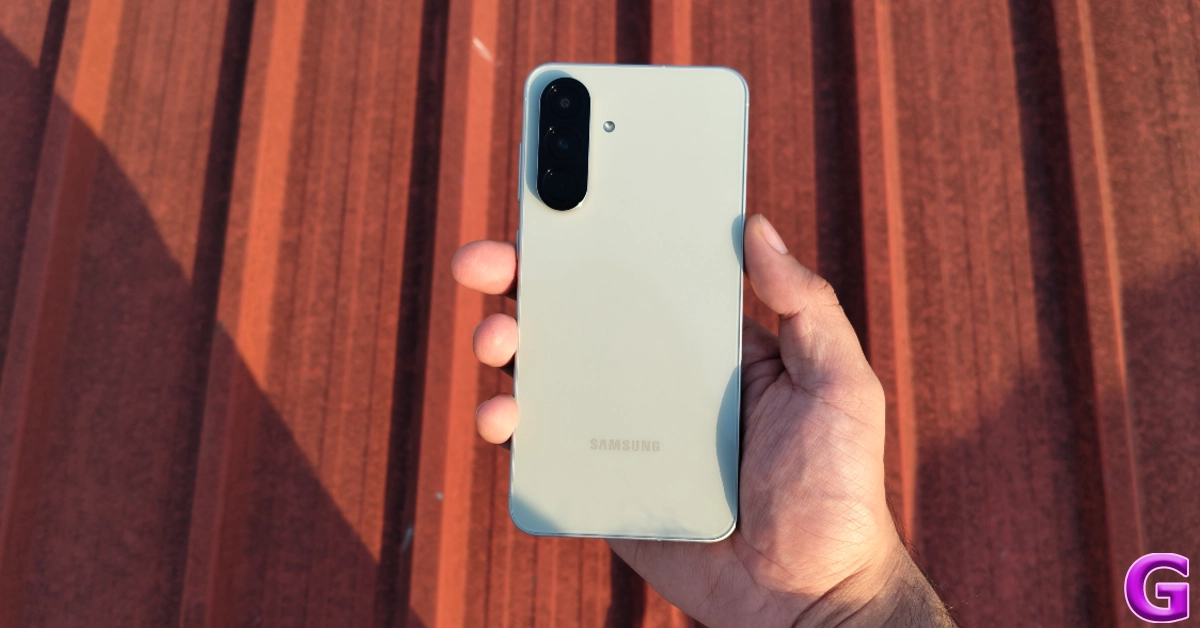
Samsung’s A series midranger is one of the best smartphones you can buy under Rs 40,000 in February 2026. At the heart of this device lies Samsung’s in-house Exynos 1580 chipset. Software duties are handled by Android 15 skinned with One UI 7. The 6.7-inch Super AMOLED display has a 120Hz refresh rate and can reach a peak brightness of 1,900 nits. The vertical rear camera array comprises a 50MP primary shooter, a 12MP ultrawide lens, and a 5MP macro lens. The 5,000mAh battery pack supports 45W wired charging. Check out our review of the Samsung Galaxy A56 for more details.
Pros
- Nice design
- Smooth display
- AI features
Cons
- Does not have a telephoto lens
Vivo V60
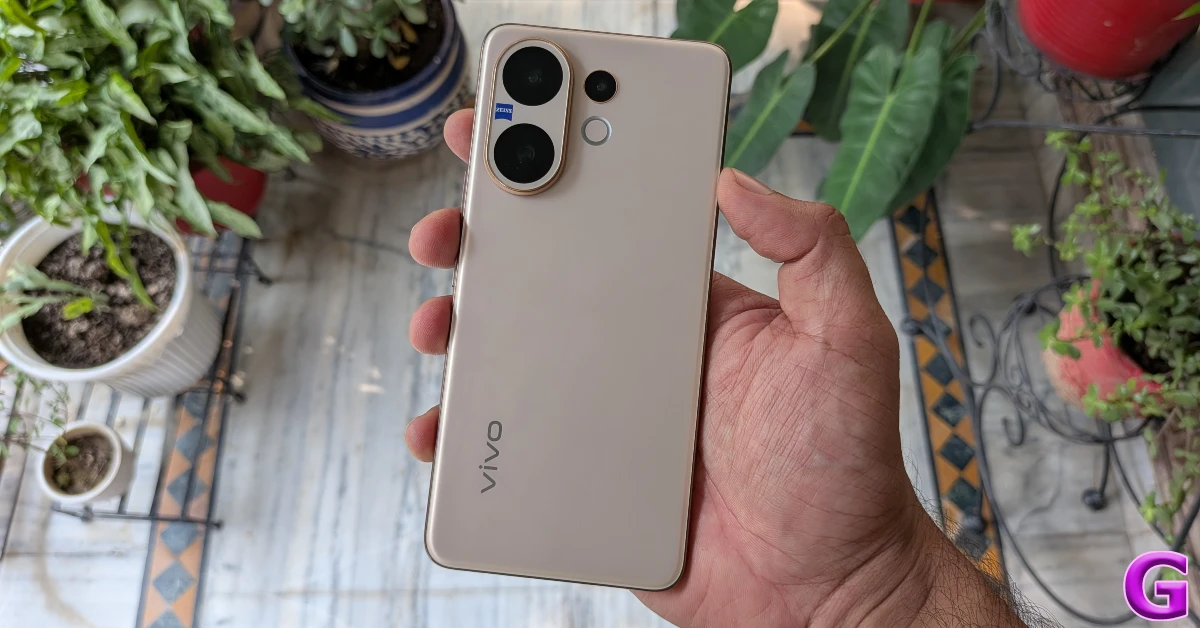
If you’re looking for a smartphone with good cameras, the Vivo V60 will not disappoint. Its rear camera panel houses a 50MP primary shooter, a 50MP periscope telephoto lens with 3x optical zoom, and an 8MP ultrawide lens. All cameras on this phone are tuned by Zeiss. Powering this device is the Snapdragon 7 Gen 4 chipset. The 6.77-inch AMOLED display has a 120Hz refresh rate and can reach a peak brightness of 5,000 nits. The device is rated IP68/IP69 for protection against dust and water. The 6,500mAh Si/C battery pack supports 90W wired fast charging. Read our Vivo V60 review to learn more about its cameras.
Pros
- Good cameras
- Bright display
- IP68/69 rating
Cons
- UFS 2.2 storage
Poco F7
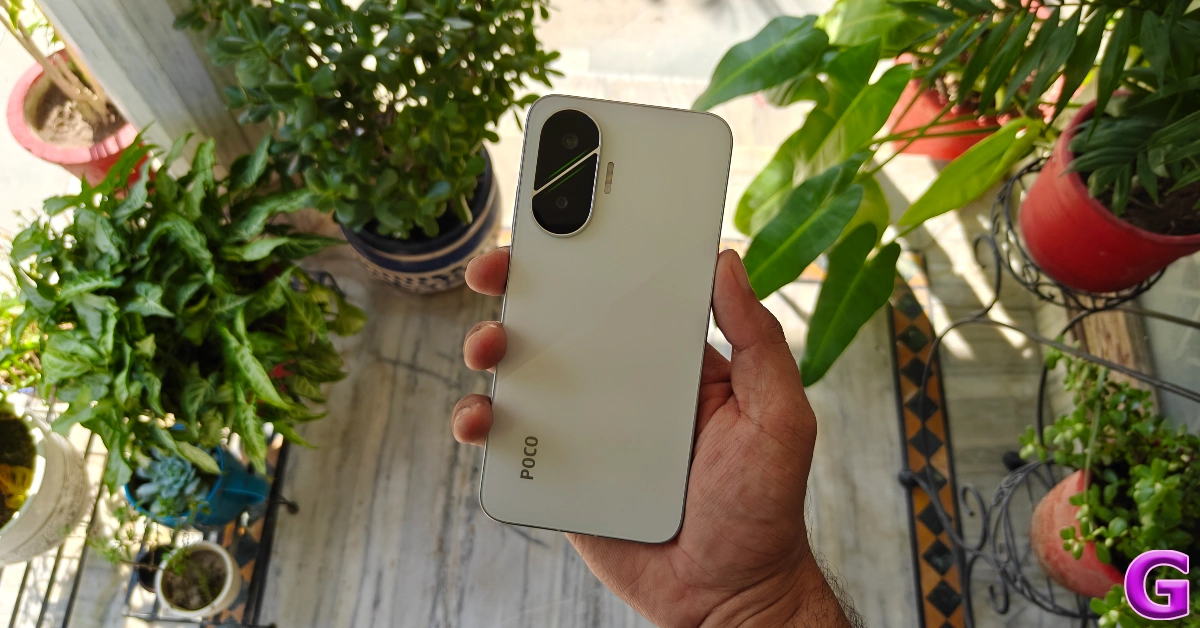
For those who prioritise gaming over everything else in a phone, the Poco F7 will make an excellent daily driver. It is powered by the Snapdragon 8s Gen 4 chipset and runs the Android 15-based HyperOS 2 out of the box. The 6.83-inch AMOLED display has a 120Hz refresh rate and 3,200 nits of peak brightness. The rear camera panel has a split layout and comprises a 50MP primary shooter and an 8MP ultrawide lens. The 7,550mAh battery pack supports 90W wired fast charging. Check out our Poco F7 review, where we dive deeper into its gaming performance.
Pros
- Cool design
- Powerful processor
- Big battery
Cons
- Portrait shots could be better
iQOO Neo 10
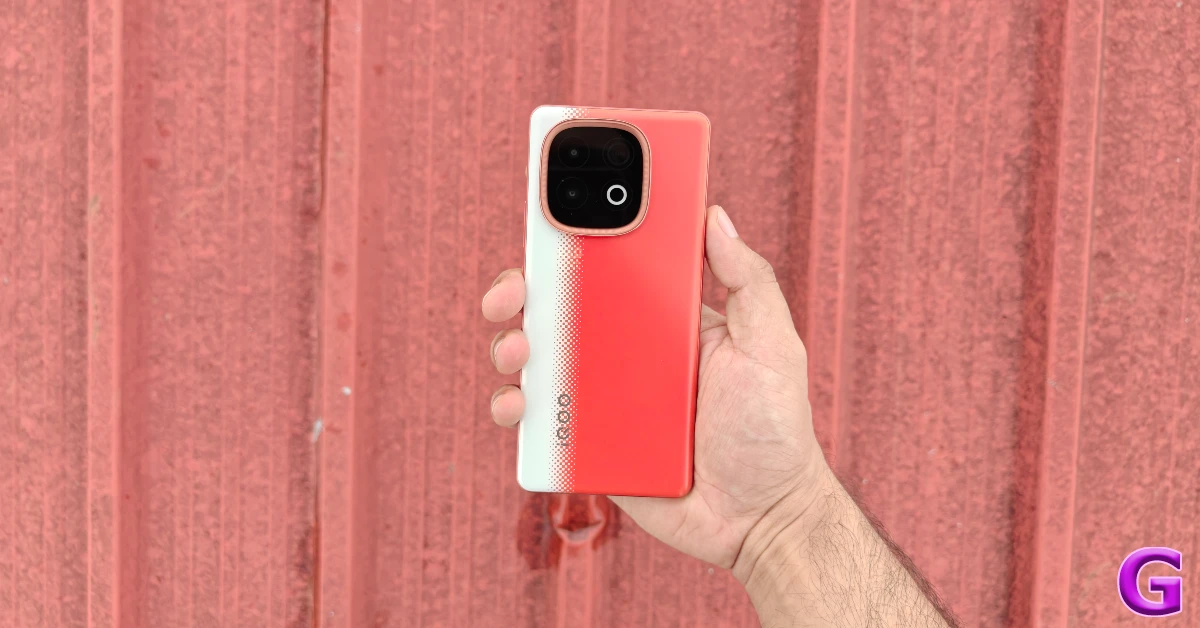
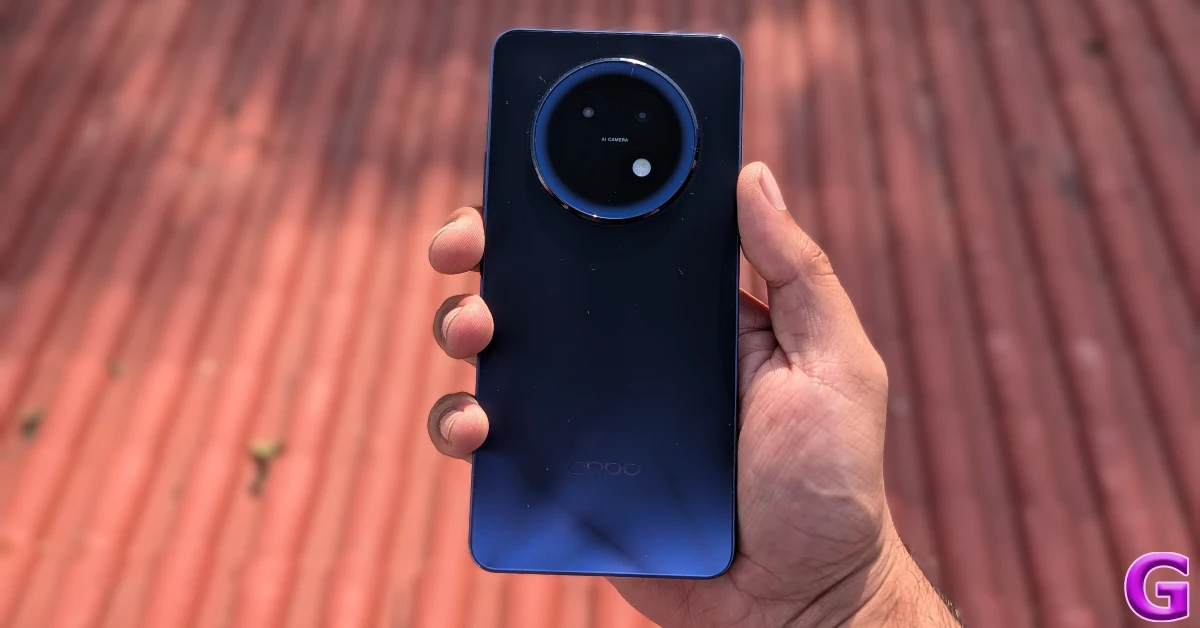
The iQOO Neo 10 is another great gaming smartphone in the sub-Rs 40,000 price bracket. It is powered by a dual processor comprising Qualcomm’s Snapdragon 8s Gen 4 SoC and iQOO’s in-house Supercomputing Chip Q1. There is a 7000mm² Vapour Chamber on board that does a phenomenal job of managing the phone’s internal temperature while gaming. The 6.78-inch AMOLED display has a 144Hz refresh rate and can reach a peak brightness of 4,400 nits. The camera island on the back panel houses a 50MP primary shooter and an 8MP ultrawide lens. The 7,000mAh Si/C battery pack supports 120W wired charging. Check out our iQOO Neo 10 review for a deeper analysis of its gaming performance.
Pros
- Powerful processor
- 144Hz display
- Big battery
Cons
- Lacks IP67 rating
Oppo F31 Pro+
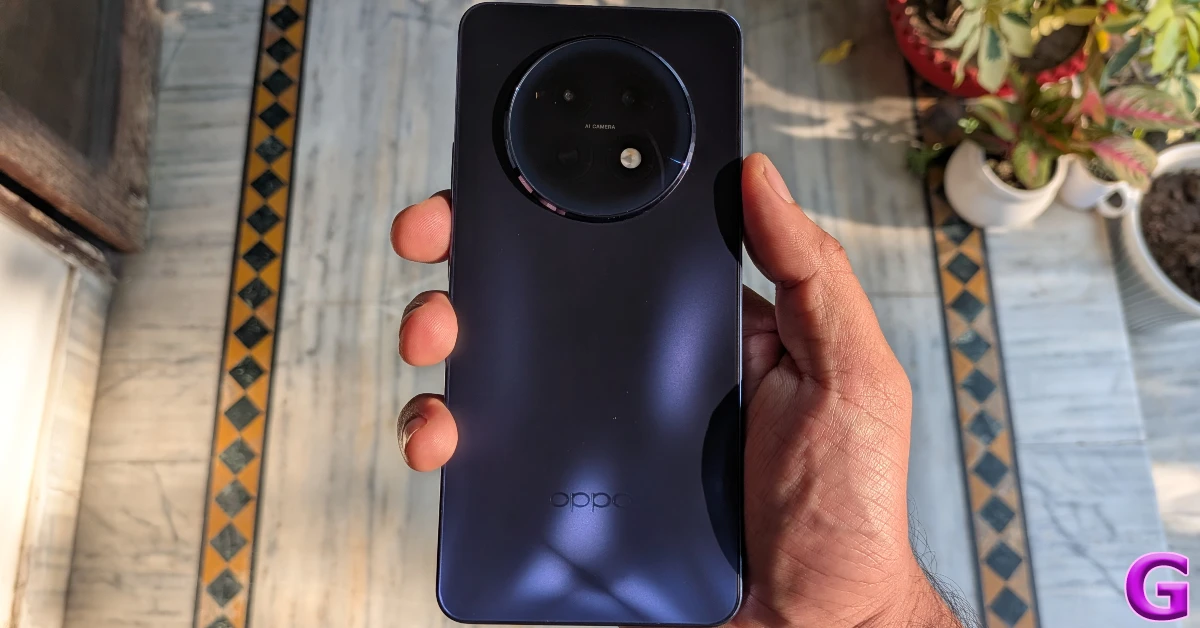
The Oppo F31 Pro+ is built like a tank. It is compliant with MIL-STD-810H durability standards. The smartphone’s back panel can absorb light knocks with ease. Internal components like cameras, speakers, battery, and vibration motors are protected by a layered ‘airbag’ system comprising foam and silicon pads. Furthermore, the device is rated IP68/IP69 for protection against dust and water. The 6.8-inch AMOLED display has a 120Hz refresh rate and can reach 1,800 nits in High Brightness Mode. The round camera island houses a 50MP primary shooter and an auxiliary lens. The 7,000mAh Si/C battery pack supports 80W wired charging. Read our Oppo F31 Pro+ review to learn more about the smartphone.
Pros
- Very durable
- Bright AMOLED display
- Big battery
Cons
- Lacks an ultrawide camera
Samsung Galaxy S24 FE
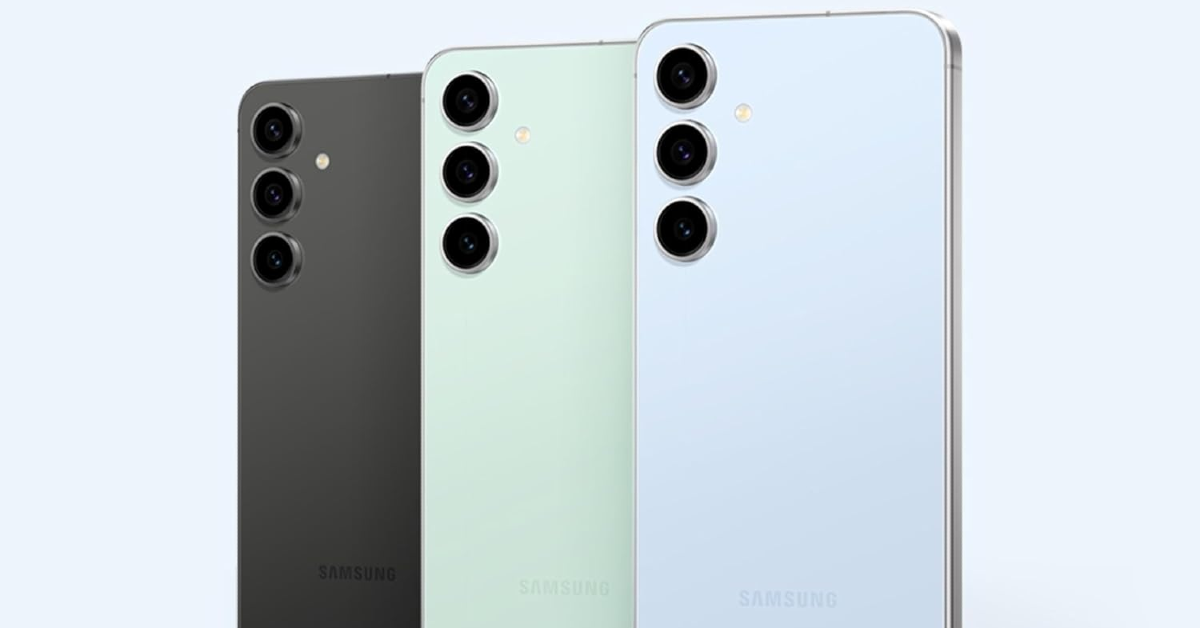
The Samsung Galaxy S24 FE is powered by the Exynos 2400e chipset. Its 6.7-inch Dynamic AMOLED 2x display has a 120Hz refresh rate and can reach a peak brightness of 1,600 nits. It runs the Android 14-based One UI 6 out of the box. Samsung has promised 7 major OS upgrades for this device. The triple camera setup on the back panel comprises a 50MP primary shooter, a 12MP ultrawide lens, and an 8MP telephoto lens with 3x optical zoom. The 4,700mAh battery pack supports 25W wired and 15W wireless charging.
Pros
- Smooth display
- 7 major OS upgrades
- Wireless charging
Cons
- Mediocre chipset
Read Also: boAt Hive Dashcam series with Sony STARVIS sensors and dual-channel FHD recording launched in India
Final Thoughts
These are the top 10 smartphones priced under Rs 40,000 right now. Got some extra room in your budget? Check out the best smartphones under Rs 50,000 too. If you have any questions, let us know in the comments!


