


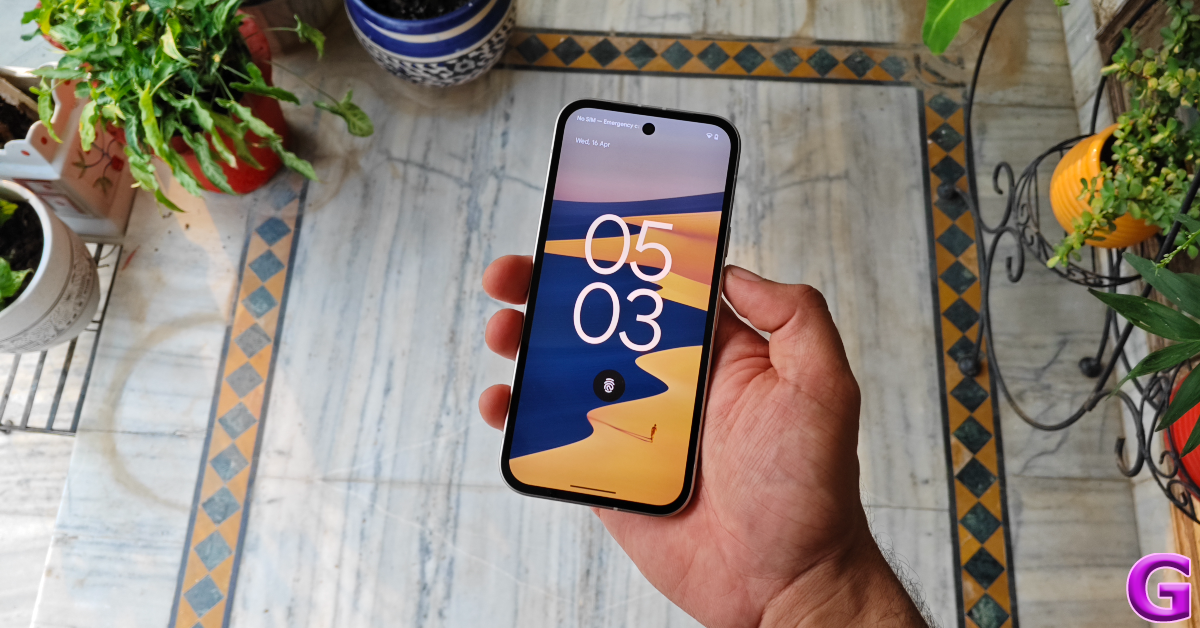
One of the biggest smartphone myths is that you need to spend big to get a premium phone. While flagships flaunt top-shelf specs across the board, midrange devices focus on certain aspects of performance while making compromises and tradeoffs in other areas. If you’re into gaming, you can find heavy-duty smartphones in the midrange segment. On the other hand, if good cameras are what you’re after, you can also find devices with amazing camera setups. Here are the top 10 smartphones you can buy under Rs 40,000 in January 2026.
Read Also: Blue Lock: Rivals Codes (January 2026)
In This Article
Samsung Galaxy A56
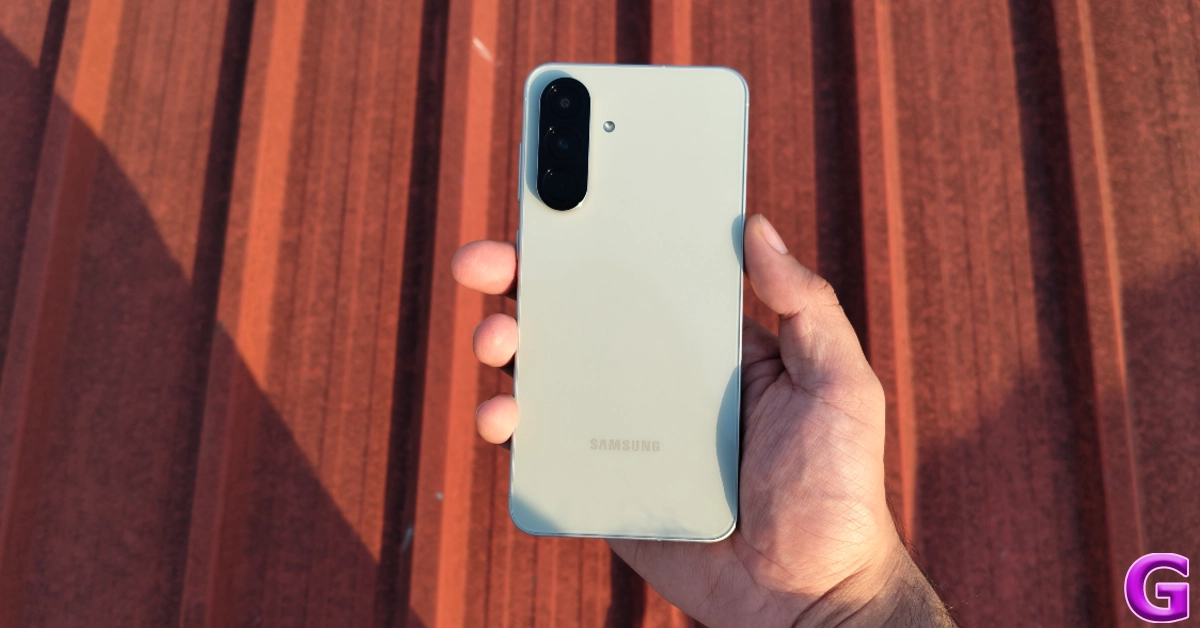
The Samsung Galaxy A56 is still one of the best phones in its price bracket, going into 2026. At the heart of this device lies Samsung’s in-house Exynos 1580 chipset. OS duties are handled by Android 15 with a One UI 7 skin. While it doesn’t get the full range of Galaxy AI features, it does rock an ‘Awesome Intelligence’ suite with all the essential AI features. The 6.7-inch Super AMOLED display has a 120Hz refresh rate and can reach a peak brightness of 1,900 nits. The rear camera setup comprises a 50MP primary shooter, a 12MP ultrawide lens, and a 5MP macro lens. The 5,000mAh battery pack supports 45W wired charging. Check out our Samsung Galaxy A56 review to learn more about the smartphone.
Pros
- Nice design
- Smooth display
- AI features
Cons
- Does not have a telephoto lens
Realme 16 Pro+
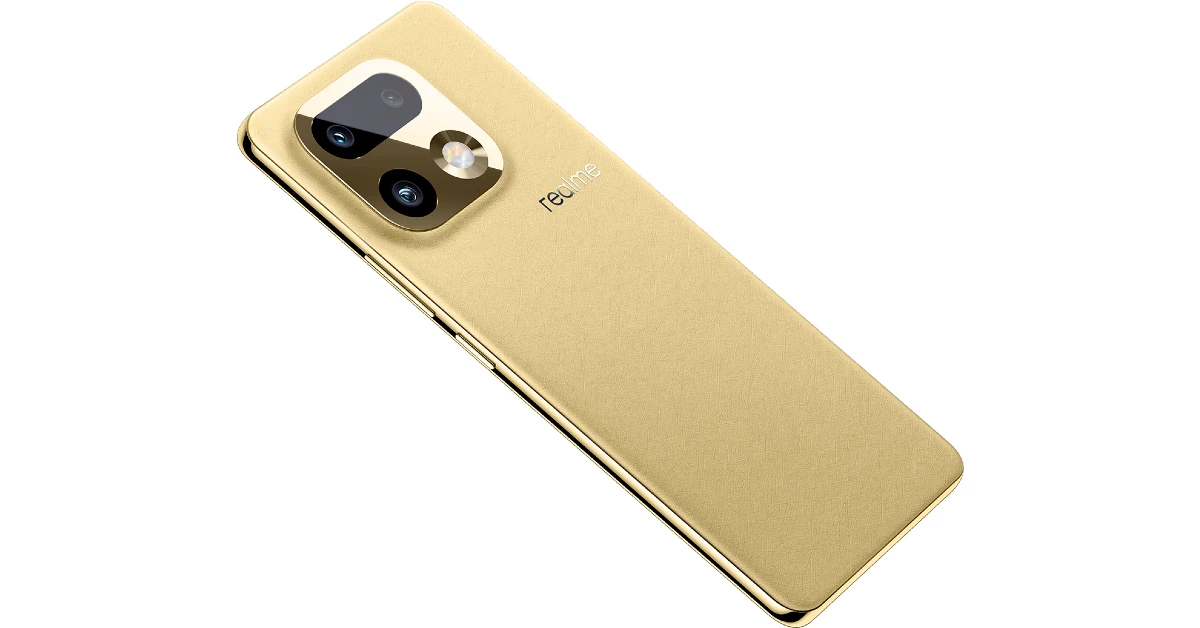
The newly-launched Realme 16 Pro+ is a great buy under Rs 40,000. It is rated IP68/IP69K for protection against dust and water. Its 6.8-inch AMOLED display has a 144Hz refresh rate and can reach a peak brightness of 6,500 nits. Powering the device is the Snapdragon 7 Gen 4 SoC. It runs the Android 16-based Realme UI 7 out of the box. The rear camera panel houses a 200MP primary shooter, an 8MP ultrawide lens, and a 50MP periscope telephoto lens with 3.5x optical zoom. The 7,000mAh Si/C battery pack supports 80W charging.
Pros
- Bright display
- IP68/IP69K rating
- Big battery
Cons
- Mediocre ultrawide lens
Google Pixel 9a
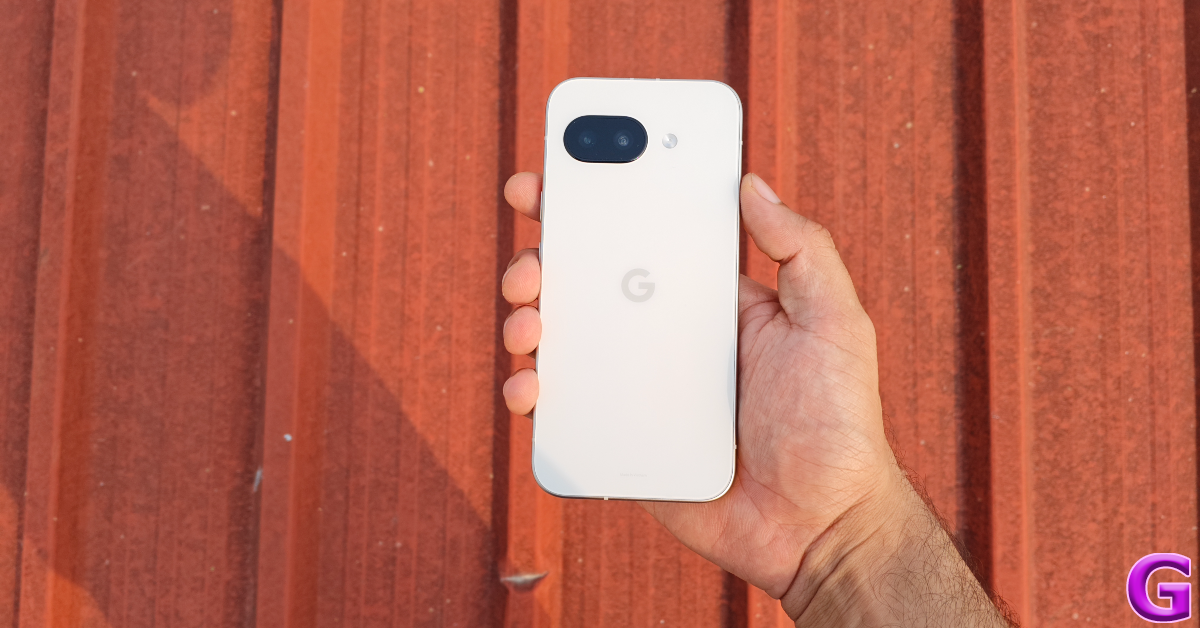
The Google Pixel 9a is available at its lowest price ever in January 2026. The smartphone is powered by Google’s in-house Tensor G4 chipset. It runs Android 15 out of the box. The 6.3-inch compact P-OLED display has a 120Hz refresh rate and can reach a peak brightness of 2,700 nits. The rear camera panel of this phone does not have an outward bump. It comprises a 48MP primary shooter and a 13MP ultrawide lens. Its 5,100mAh Li-Po battery pack supports 23W wired and 7.5W wireless charging. Read our Google Pixel 9a review to learn more about its everyday performance.
Pros
- Compact form factor
- Good cameras
- Wireless charging
Cons
- No telephoto lens
OnePlus 13R
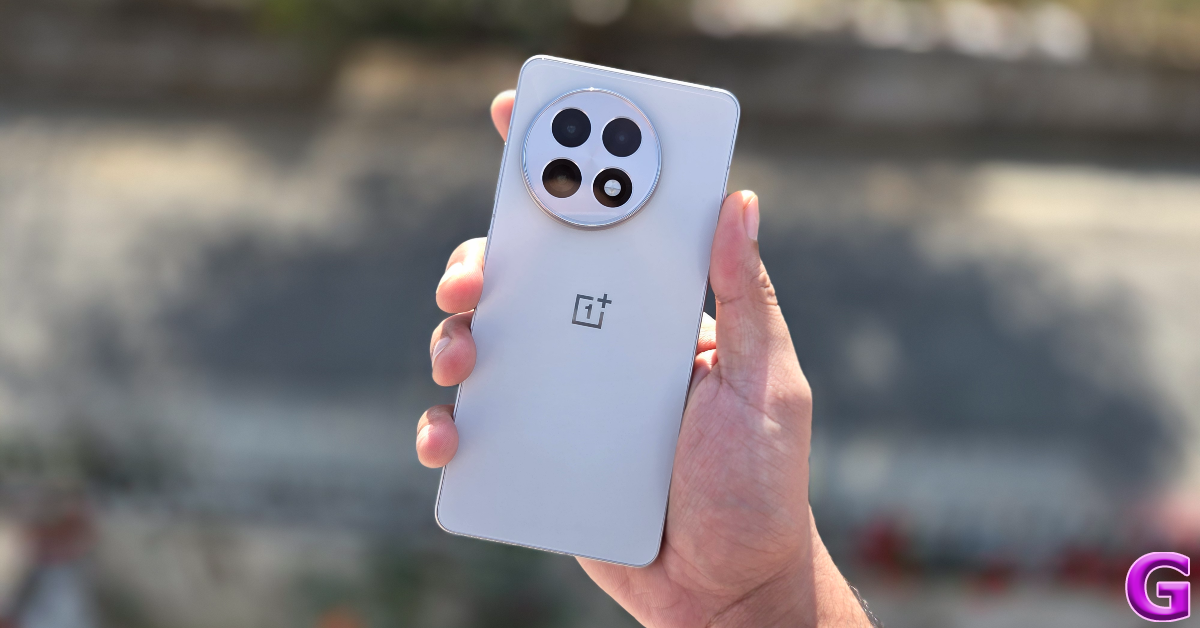
The OnePlus 13R is powered by the Snapdragon 8 Gen 3 SoC. Its 6.78-inch LTPO 4.1 AMOLED display has a 120Hz refresh rate and a peak brightness of 4,500 nits. It runs the Android 15-based OxygenOS 15 out of the box. The camera island on the back panel houses a 50MP primary shooter, an 8MP ultrawide lens, and a 50MP telephoto lens with 2x optical zoom. The 6,000mAh battery pack supports 80W fast charging. Check out our review of the OnePlus 13R to learn how it holds up in day-to-day use.
Pros
- Powerful chipset
- Smooth display
- Fast charging
Cons
- Lacks IP67 rating
Oppo Reno14
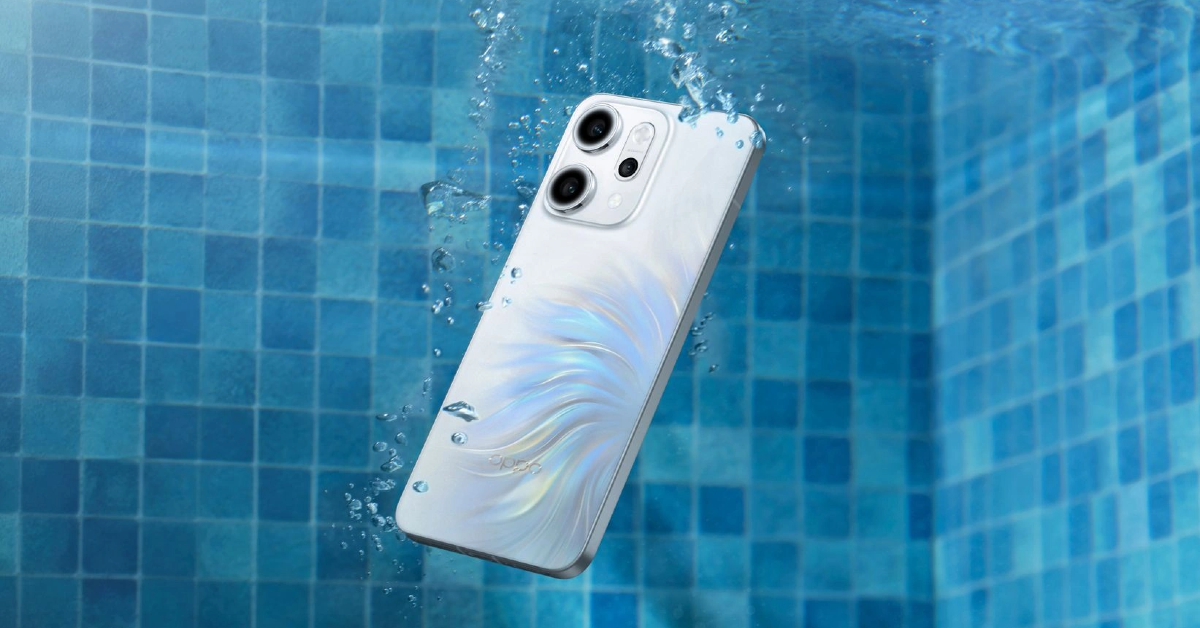
If you want stunning portrait shots, you should give the Oppo Reno14 a shot. The rear camera panel on this phone houses a 50MP primary shooter, a 50MP telephoto lens with 3.5x optical zoom, and an 8MP ultrawide lens. The 6.59-inch AMOLED display has a 120Hz refresh rate and can reach 1,200 nits in High Brightness Mode. The MediaTek Dimensity 8350 SoC powers this smartphone. Software duties are handled by the Android 15-based ColorOS 15. The device is rated IP68/IP69 for protection against dust and water. It can survive exposure to high-pressure water jets and is immersible up to 2m for 30 minutes. The 6,000mAh battery pack supports 80W fast charging.
Pros
- Good cameras
- Smooth display
- Big battery
Cons
- Contains bloatware
Vivo V60
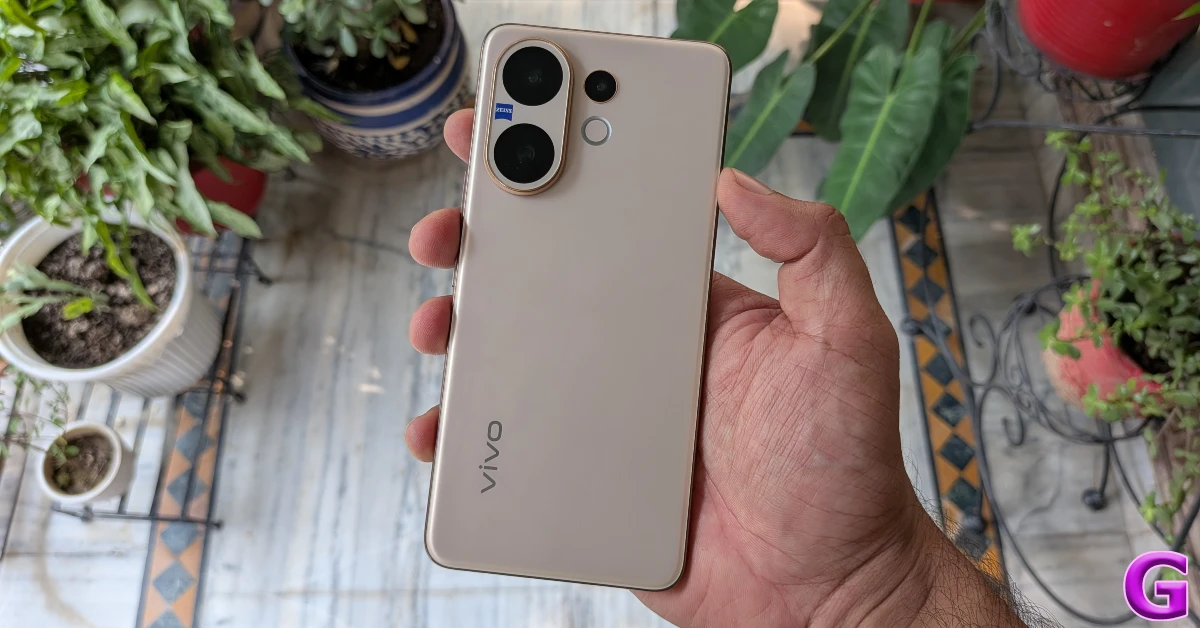
The Vivo V60 packs the Snapdragon 7 Gen 4 chipset under its hood. Its 6.77-inch AMOLED display has a 120Hz refresh rate and can reach a peak brightness of 5,000 nits. There’s IP68/IP69 protection on board. The sensational rear camera array of this phone comprises a 50MP primary shooter, a 50MP periscope telephoto lens with 3x optical zoom, and an 8MP ultrawide lens. All of these sensors are tuned by Zeiss. The 6,500mAh Si/C battery pack supports 90W wired fast charging. For a deeper analysis of the camera performance, check out our review of the Vivo V60.
Pros
- Good cameras
- Bright display
- IP68/69 rating
Cons
- UFS 2.2 storage
iQOO Neo 10
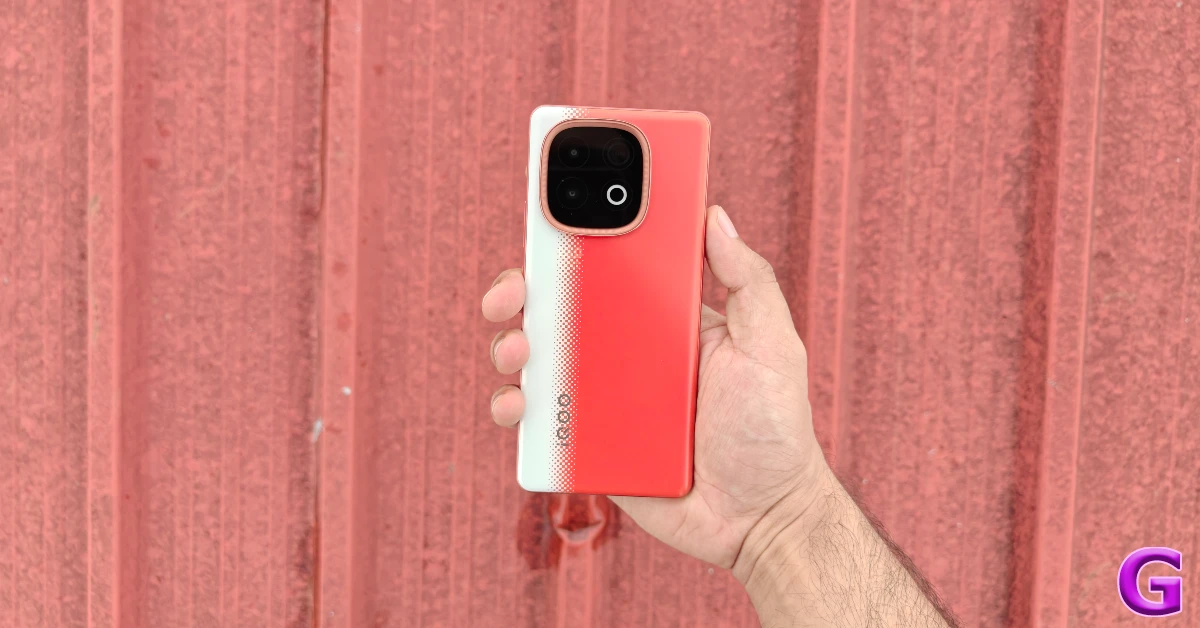
If you’re a serious gamer, the iQOO Neo 10 is made for you. This smartphone uses a dual processor comprising Qualcomm’s Snapdragon 8s Gen 4 SoC and iQOO’s in-house Supercomputing Chip Q1. The 7000mm² Vapour Chamber does a great job of dissipating the heat and keeping the phone cool. The 6.78-inch AMOLED display has a 144Hz refresh rate and can reach a peak brightness of 4,400 nits. The rear camera array comprises a 50MP primary shooter and an 8MP ultrawide lens. The 7,000mAh Si/C battery pack supports 120W wired charging. Check out our review of the iQOO Neo 10 to learn more about its gaming performance.
Pros
- Powerful processor
- 144Hz display
- Big battery
Cons
- Lacks IP67 rating
Poco F7
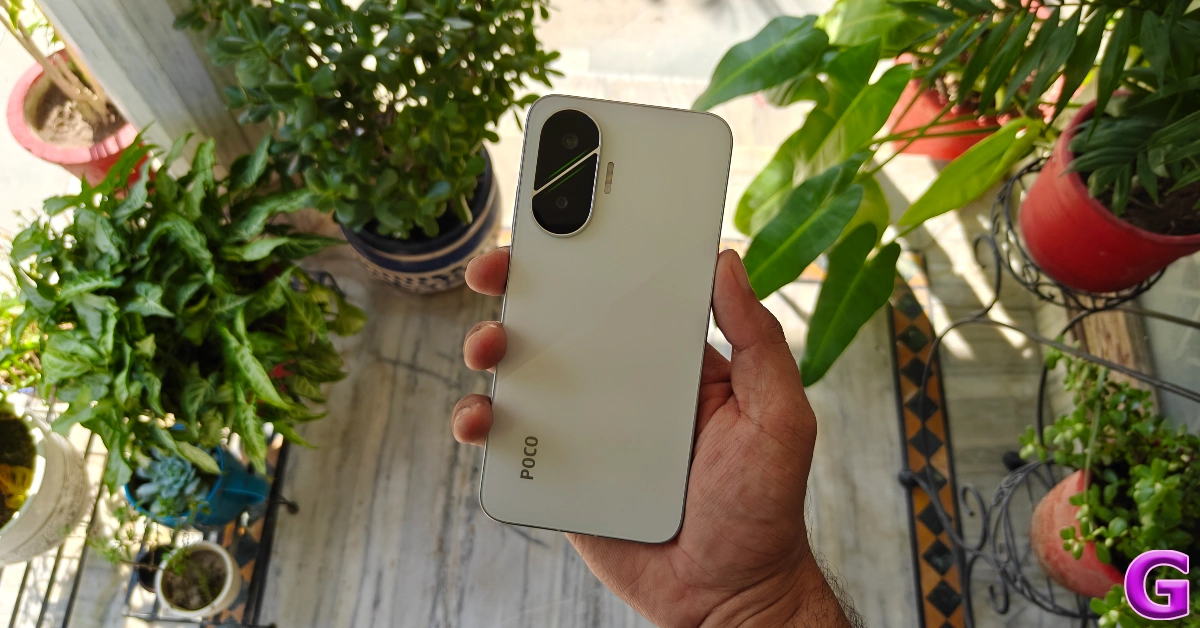
The Poco F7 remains one of the best gaming smartphones priced under Rs 40,000 in 2026. It is powered by the Snapdragon 8s Gen 4 chipset and runs the Android 15-based HyperOS 2 out of the box. Its 6.83-inch AMOLED display has a 120Hz refresh rate and 3,200 nits of peak brightness. The oval camera cutout on the back panel has a split layout. It houses a 50MP primary shooter and an 8MP ultrawide lens. The 7,550mAh battery pack supports 90W wired fast charging. Read our review of the Poco F7 for a deeper dive into its gaming performance.
Pros
- Cool design
- Powerful processor
- Big battery
Cons
- Portrait shots could be better
Samsung Galaxy S24 FE
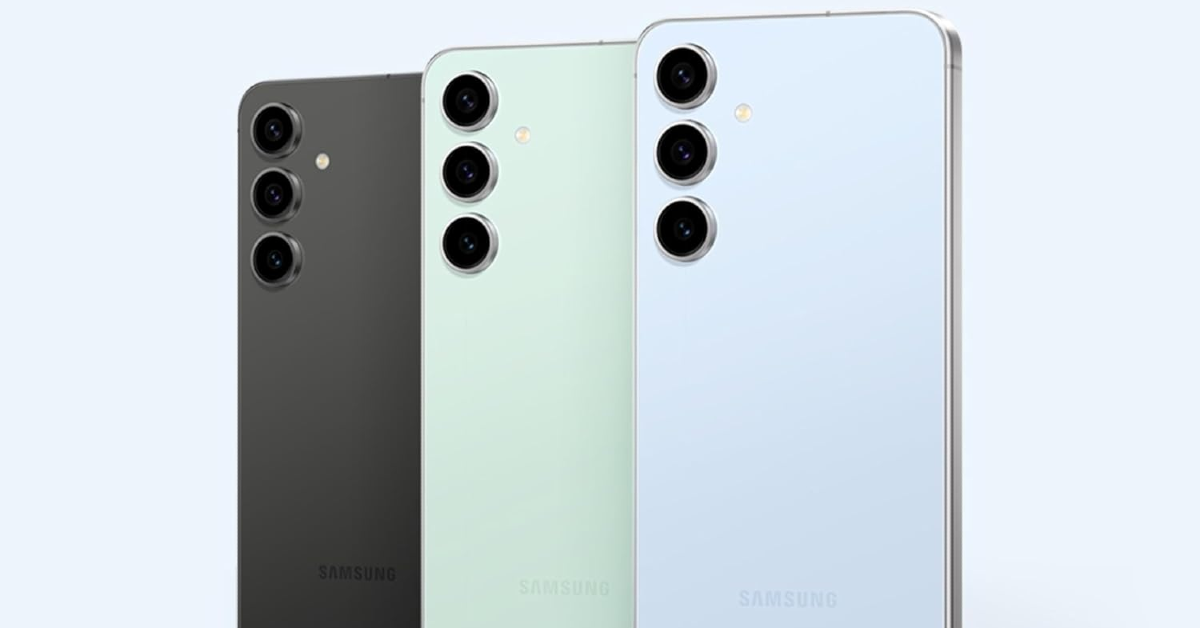
The FE model in the Galaxy S24 series is a great buy in January 2026. It flaunts a 6.7-inch Dynamic AMOLED 2x display with a 120Hz refresh rate and a peak brightness of 1,600 nits. At the heart of the device lies Samsung’s in-house Exynos 2400e chipset. Software duties are handled by the Android 14-based One UI 6 out of the box, but Samsung has promised 7 major OS upgrades for this device. The rear camera array comprises a 50MP primary shooter, a 12MP ultrawide lens, and an 8MP telephoto lens with 3x optical zoom. The 4,700mAh battery pack supports 25W wired and 15W wireless charging.
Pros
- Smooth display
- 7 major OS upgrades
- Wireless charging
Cons
- Mediocre chipset
Oppo F31 Pro+
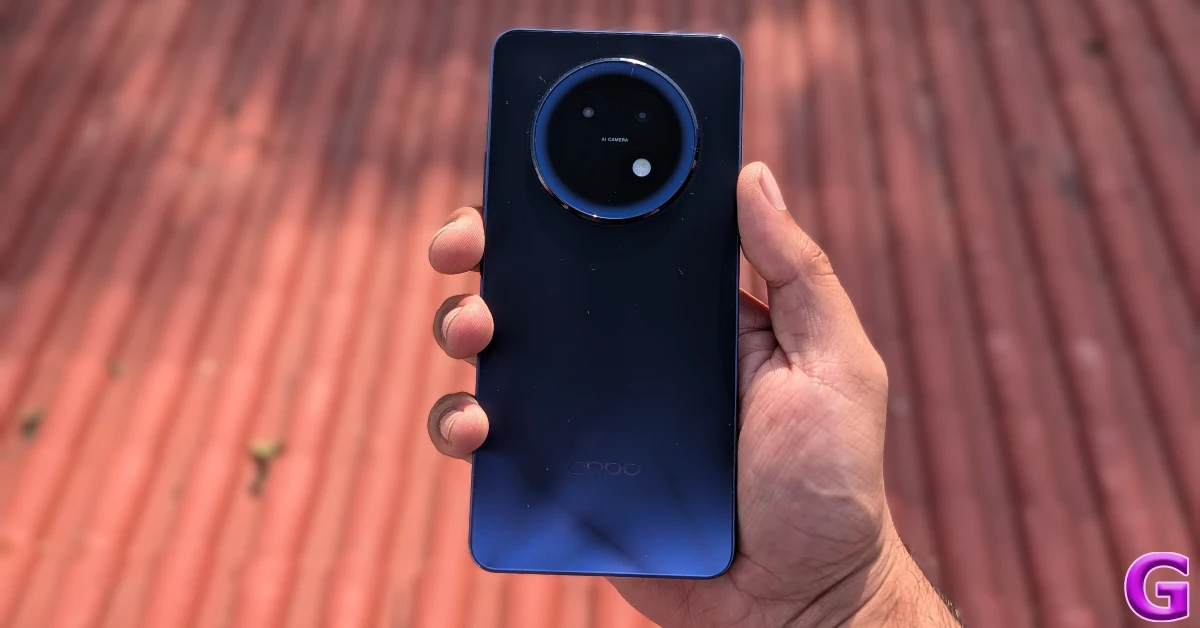
The Oppo F31 Pro+ is built like a tank. It is compliant with MIL-STD-810H durability standards and can absorb light knocks with ease. Critical components like the cameras, speakers, battery, and vibration motors are protected by a layered ‘airbag’ system comprising foam and silicon pads. The smartphone is IP68/IP69 for protection against dust and water. Its 6.8-inch AMOLED display has a 120Hz refresh rate and can reach 1,800 nits in High Brightness Mode. The rear camera panel houses a 50MP primary shooter and an auxiliary lens. The 7,000mAh Si/C battery pack supports 80W wired charging. Check out our Oppo F31 Pro+ review to learn more about the smartphone.
Pros
- Very durable
- Bright AMOLED display
- Big battery
Cons
- Lacks an ultrawide camera
Read Also: CES 2026 Roundup: Best car and automotive tech
Final Thoughts
These are our top 10 smartphones priced under Rs 40,000 in January 2026. If you have some more room in your budget, we recommend checking out our top picks in the Rs 50,000 price bracket as well. If you have any questions, let us know in the comments!


