


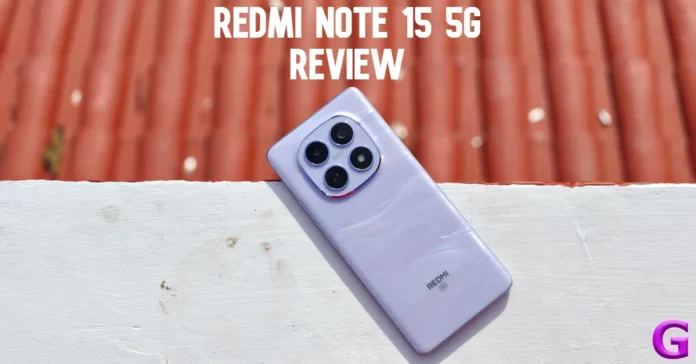
Over the years, Xiaomi’s budget sub-brand, Redmi, has faced tough competition from new players like Realme, Lava, and Infinix, but its Note series smartphones continue to dominate the midrange segment. On the Note 15 series, Redmi has stuck to its successful formula of putting out 3 variants – Base, Pro, and Pro+. The base model hit the market earlier this month, and we’ve been daily driving it for the last week. On paper, it promises a lot of action. Its rear camera panel houses a dazzling 108MP primary sensor, while the gritty Snapdragon 6 Gen 3 SoC chugs away at the heart of the device. The 3,200 nits AMOLED display is nothing to scoff at either. So, the question remains – is this the best smartphone you can get for Rs 23,000 in today’s market? Find out in our Redmi Note 15 5G review.
Read Also: OnePlus 15R Review: Performance Juggernaut
In This Article
Redmi Note 15 5G Review: Design and Display
Here’s what you get inside the Note 15’s retail box:
- Smartphone
- 45W power adapter
- USB-A to USB-C cable
- Silicone cover
- SIM ejector
- Phone seal stickers
- Quick start guide
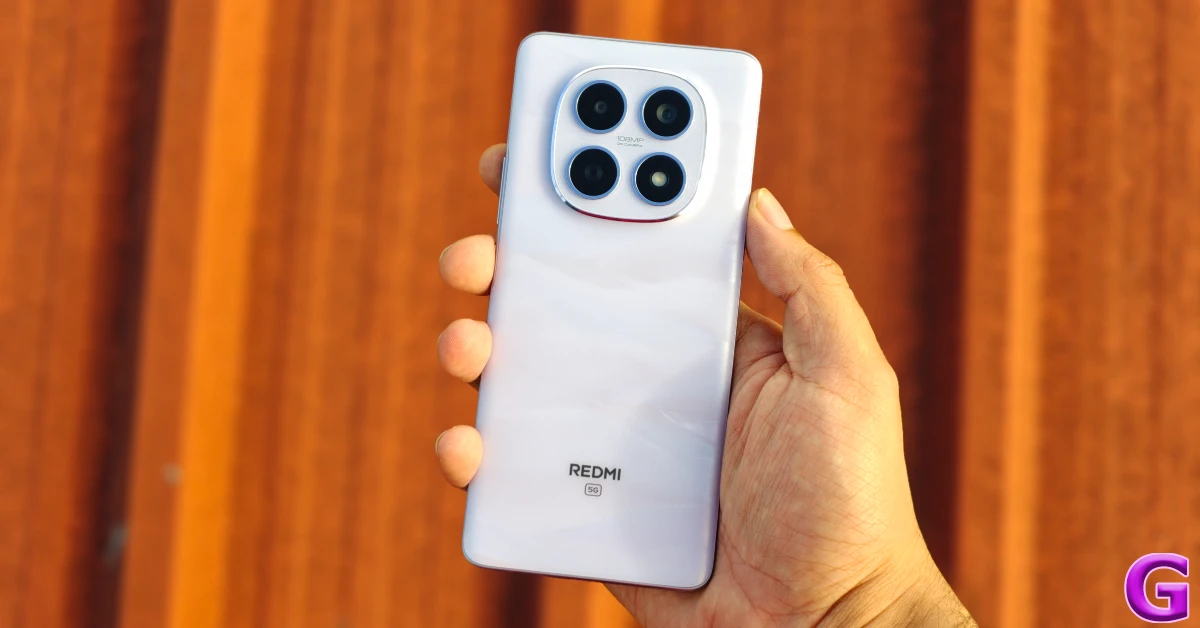
The base variant in the Note 15 series follows the design language of the Note 14 Pro (our review here). Its camera island is aligned along the centre of the plastic back panel. This square island has rounded corners. It houses the camera array as well as the LED flashlight. The back panel is made entirely out of plastic, but it doesn’t feel cheap. The smooth matte finish lends it a premium in-hand feel. There are 3 colour variants on offer – Black, Glacier Blue, and Mist Purple.
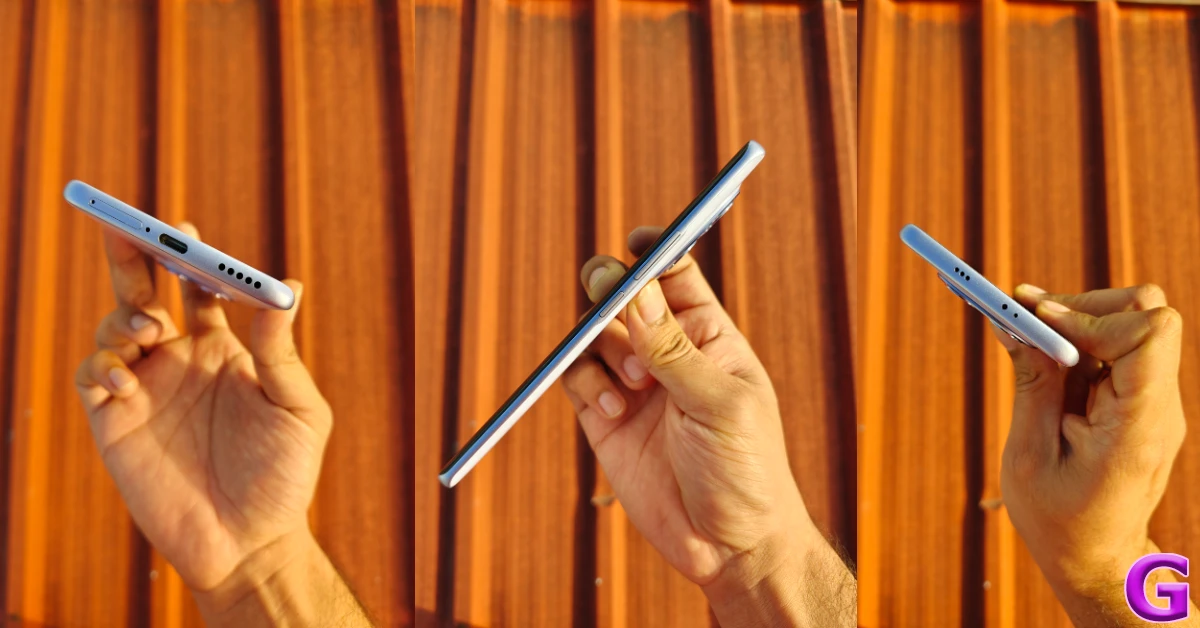
The back panel curves gently into the plastic frame. The left edge of this frame houses the volume rocker and the side button. At the bottom lies the SIM tray (with microSD slot), primary microphone, USB-C port, and speaker grille. The noise-cancelling microphone, IR blaster, and secondary speaker are positioned up top. The Note 15 is one of the last remaining smartphones to still offer expandable storage. It is also nice to see an IR blaster on this device, given how it’s vanishing from upper midrange and flagship phones.
The IP65/IP66 rating ensures protection against light water sprinkles. A full water dip can damage the device. This may not be the case when it comes to hard impact against solid ground, as the Note 15 is compliant with MIL-STD-810H durability standards. While we did not carry out a drop test, the smartphone was able to absorb light knocks with ease.
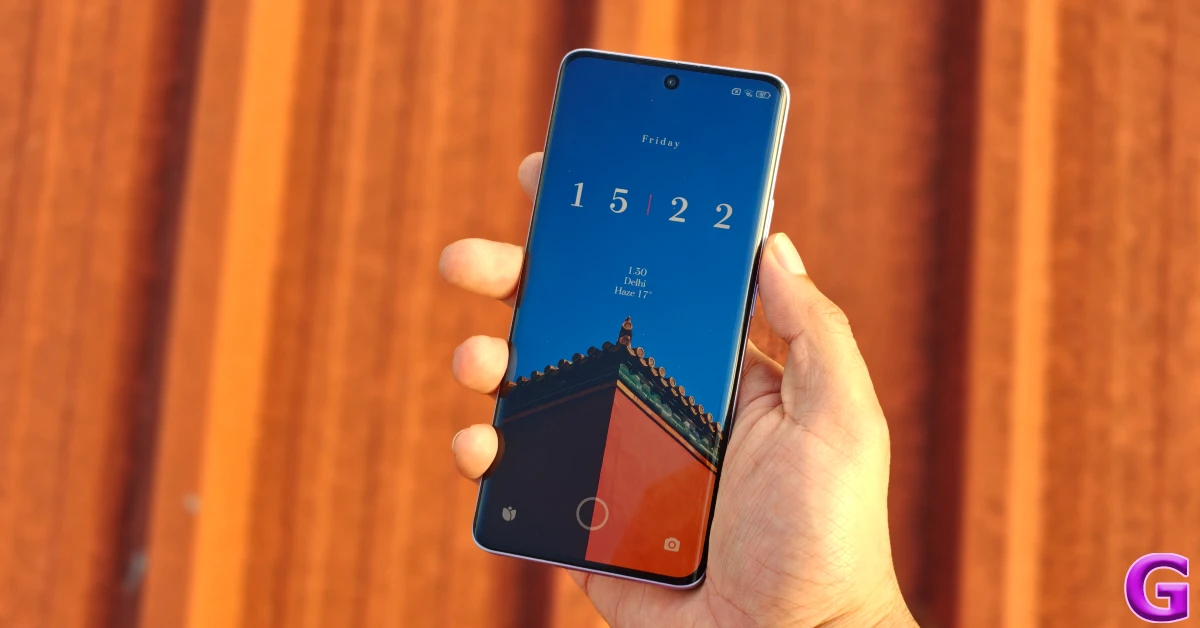
The 6.77-inch curved AMOLED display has a 120Hz refresh rate and can hit a peak brightness of 3,200 nits. It is able to overcome the surrounding brightness in outdoor conditions and maintain optimal legibility. The touch response on offer is pretty decent. The display is able to register the faintest of touches. The curved edges are prone to the odd accidental touch, but not to the point of annoyance. The optical fingerprint scanner is snappy and accurate.
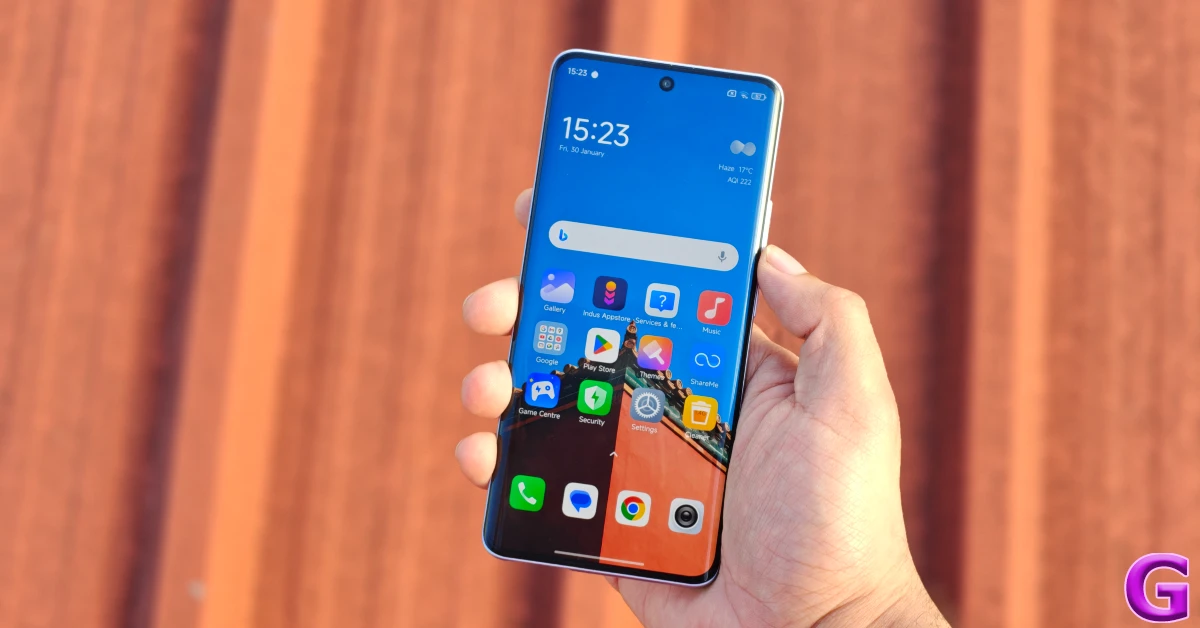
The 1,080 x 2,392p display curates a fine viewing experience. During the review period, we used the Redmi Note 15 as our primary media streaming device, watching titles across OTT apps like Netflix, Prime Video, and JioHotstar. The AMOLED display produced punchy visuals with rich colours and amazing contrast. However, the audio output left more to be desired. Despite having a dual-speaker setup, the smartphone produces a boxy output with a very weak low end.
Redmi Note 15 5G Review: Performance and Cameras
Qualcomm’s Snapdragon 6 Gen 3 chipset powers the Redmi Note 15. There’s 8GB LPDDR4X RAM on board. The smartphone comes in 2 storage (UFS 2.2) variants:
- 128GB: Rs 22,999
- 256GB: Rs 24,999
You can expand the storage up to 1TB using a microSD card.
We ran the Geekbench 6 and AnTuTu 3D tests on this device. Here’s how it performed.
- Geekbench 6: 1,016 (single-core) | 2,932 (multi-core)
- AnTuTu 3D: 863,069
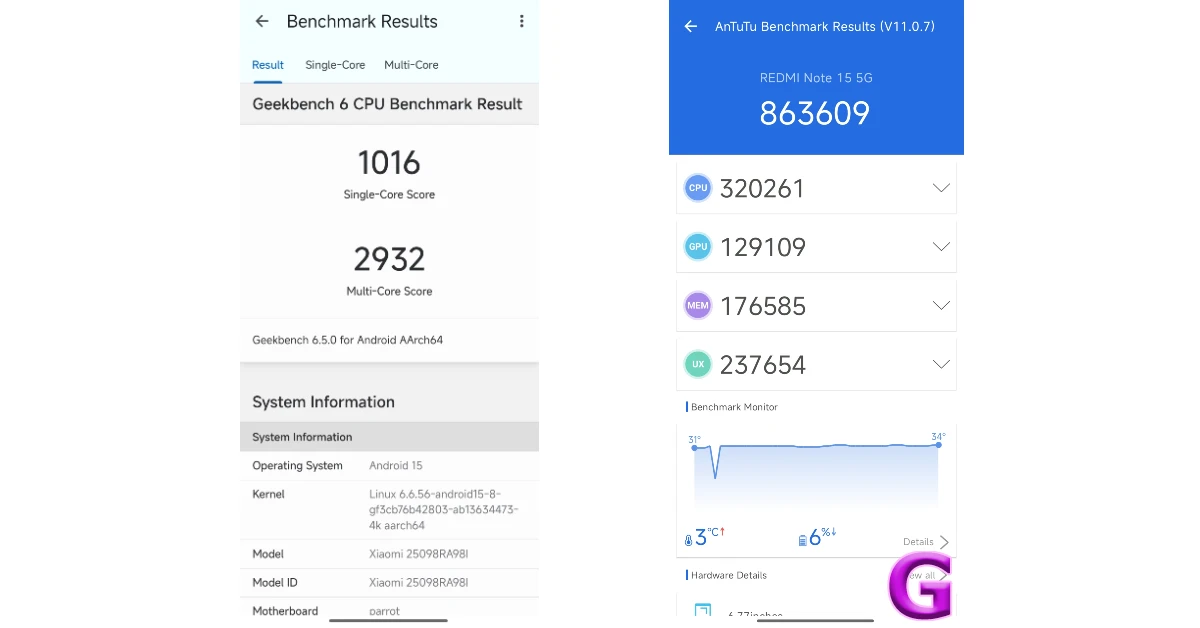
The benchmark numbers translate to reliable everyday performance. Routine tasks like calling, instant messaging, web browsing, media streaming, and navigation are handled with ease. It is very rare to come across a hiccup or stutter. The overall browsing experience is smooth and quick. However, the UFS 2.2 configuration for the internal storage is on the slower end – something that becomes apparent while launching apps. On the flipside, the LPDDR4X RAM does a good job of juggling multiple apps. The haptic motor could use some tuning, as the vibrational feedback was a bit too blunt for our liking.
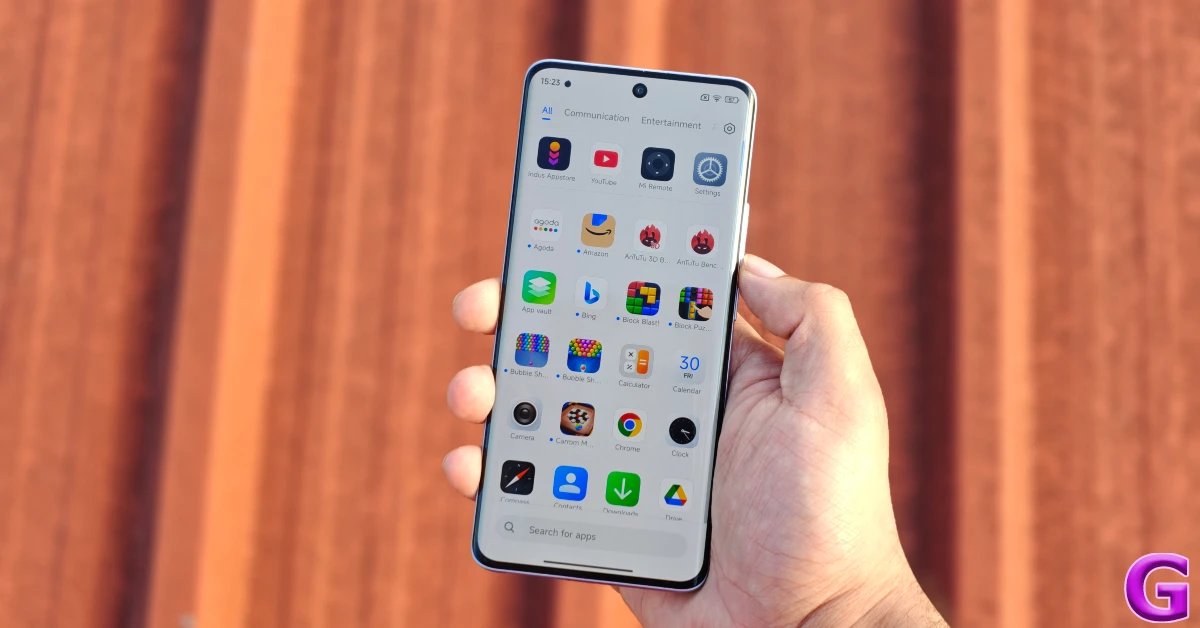
We played Call of Duty Mobile on the Note 15 to get a taste of its gaming performance. The smartphone delivered decent gameplay at a 60fps frame rate and medium graphics. You can push the frame rate to 90fps, but that means settling for low graphics. Either way, the gameplay was smooth and mostly lag-free. We did come across the odd frame drop, but it certainly wasn’t a recurring issue. The back panel got slightly warm after 20 minutes of gameplay, but there were no throttling issues to be seen. We should mention that we tested the phone in January, when the winter spell is at its peak.
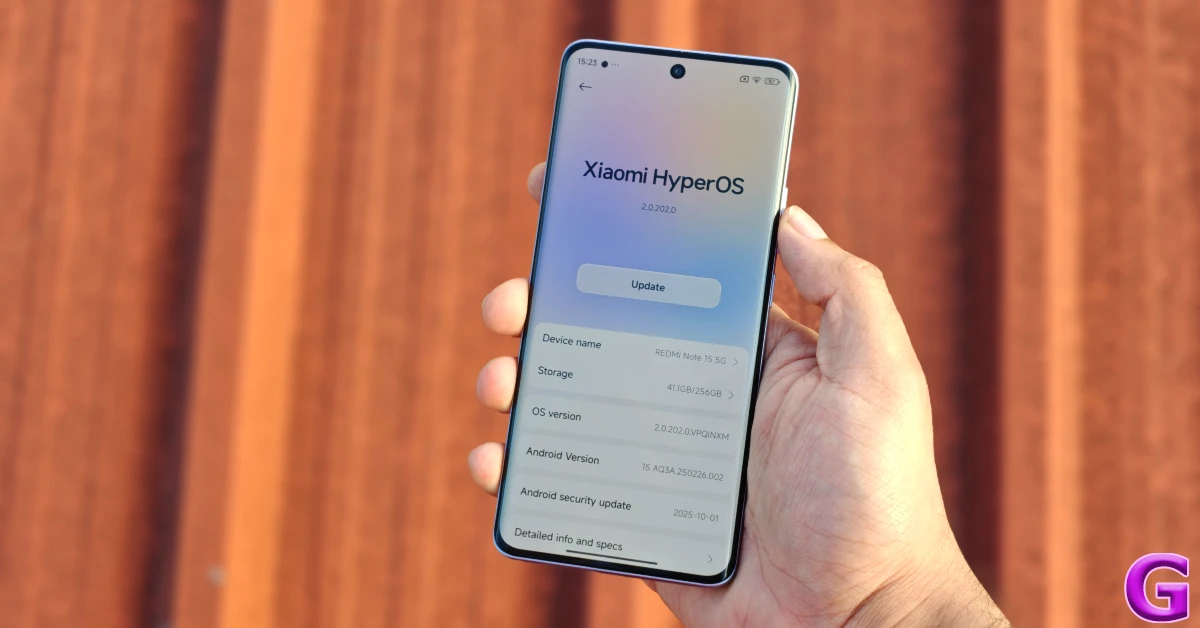
Software duties on this device are handled by the Android 15-based HyperOS 2. It is quite bewildering that it doesn’t run Android 16 out of the box, given how the OS has been out for several months at this point. Xiaomi has promised 4 major OS upgrades and 6 years of security patches for this phone, which does soften the blow a little bit.
When it comes to software experience, we like what HyperOS 2 brings to the table. It builds on the foundation set by its predecessor, adding fine optimisations to make the browsing experience even more seamless. The lockscreen and home page customisations remain our favourite thing about this Android skin. The cover library caters to a diverse range of aesthetic tastes. There are plenty of themes for the Always on Display as well. When it comes to AI features, the Redmi Note 15 packs Google’s Gemini Assistant and Circle to Search. There’s a handy object eraser in the native photo editor, which works fine while dealing with small objects.
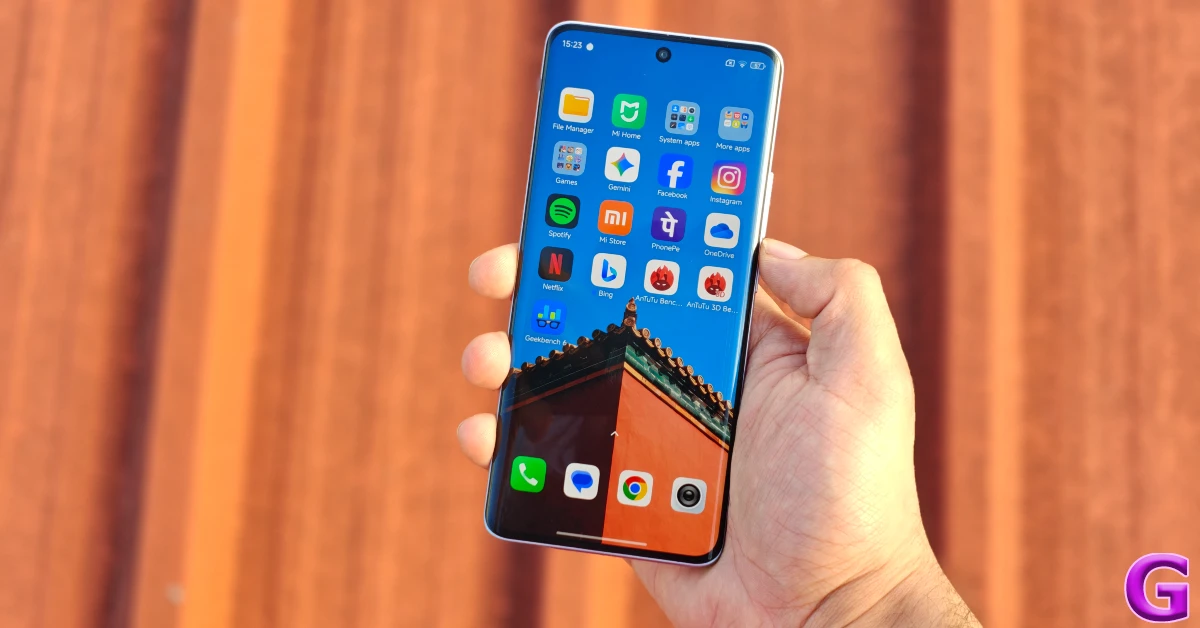
The 5,520mAh battery pack lasts an entire day with ease. During the review period, we recorded between 5-6 hours of daily screen time on the Redmi Note 15, and were left with ~20% charge in the tank each day. The 45W power adapter provided in the box took just over an hour to fully charge the device. This is a decent battery performance, but given the segment is rapidly moving to 7,000mAh Si/C battery packs, we expected Redmi to stay ahead of the curve.
The rear camera array comprises a 108MP primary shooter and an 8MP ultrawide lens. The punch-hole cutout on the display houses a 20MP selfie camera.

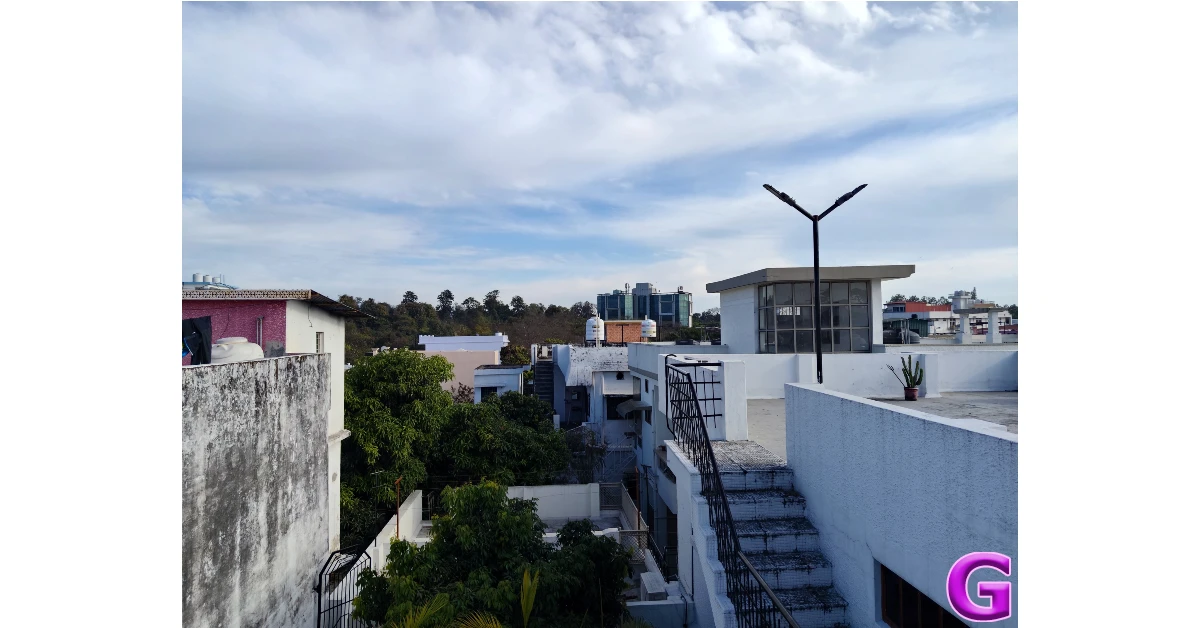
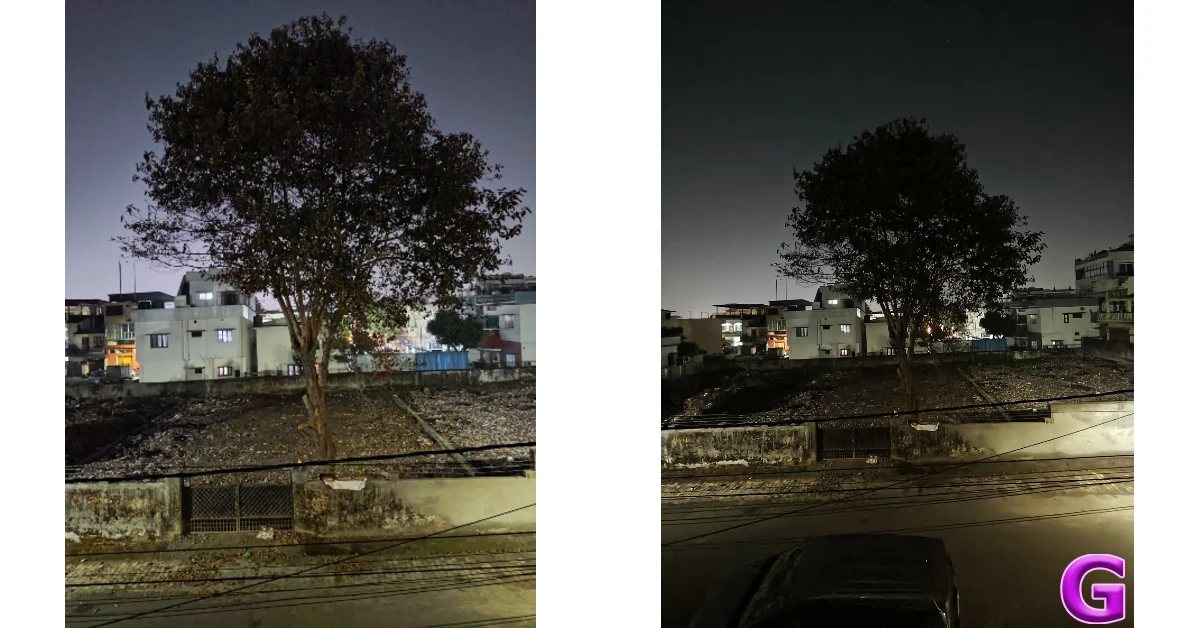
The 50MP primary shooter captures very good images in bright outdoor conditions. The colours are crisp, and the pictures pack a lot of detail. The tasteful contrast and dynamic range bring the best out of the images. The final results are certainly more ‘social media ready’, but they don’t look overprocessed. In limited lighting conditions, the primary shooter relies on Night Mode to get rid of the grain and illuminate the shot.
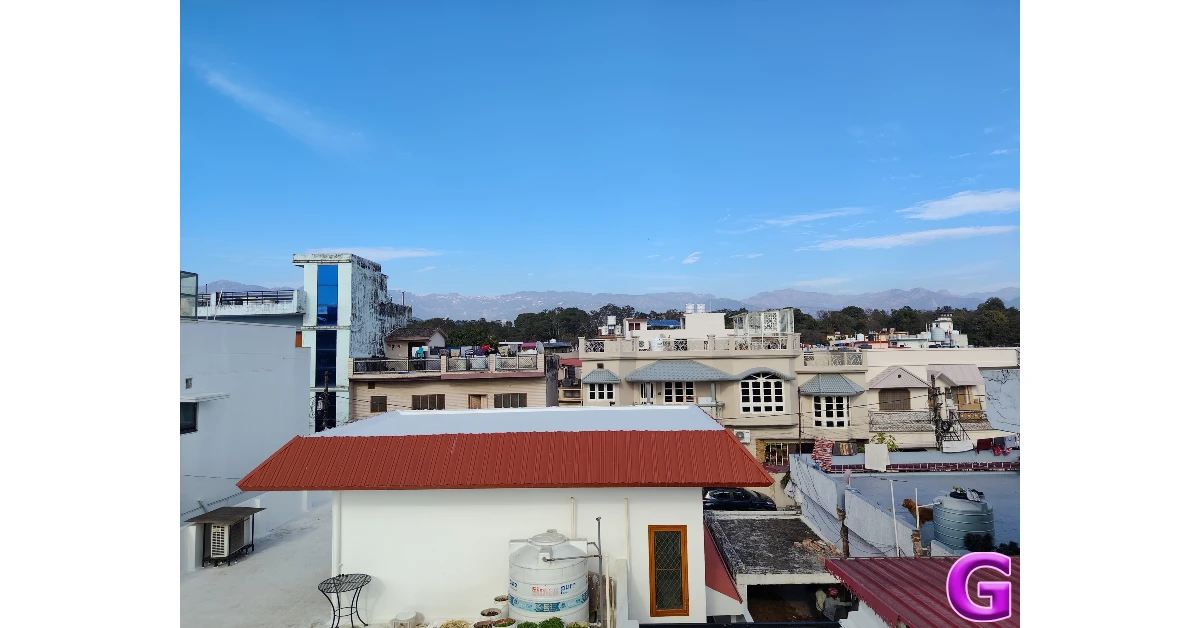

Images taken from the 8MP ultrawide lens are visibly softer compared to the primary shooter. However, the colour profile remains consistent, papering over the cracks left behind by the missing details. In limited lighting conditions, the Night Mode puts in a shift to curb the noise, but some grain manages to creep into the shots.

Portrait shoots taken by the Redmi Note 15 are vivid and well-focused. The smartphone does a good job of recognising the edges of the subject and separating it from the background. The background blur applied in the processing phase is a bit weak, but not a dealbreaker. The front-facing 20MP camera takes clear selfies without meddling with the skin tone and texture too much. The selfie and ultrawide cameras can record 1,080p videos at 30fps. Meanwhile, the primary lens can shoot 4K footage at 30fps.


Read Also: Top 3 ways to measure your heart rate using your smartphone
Verdict
The base model in Redmi’s Note series remains one of the most dependable smartphones around. The Redmi Note 15 has all the power an average user needs. It can handle routine tasks without getting out of the first gear. If you want to try a bit of casual gaming, this phone has you covered. The main camera can go toe-to-toe with some of the best camera phones in the segment, capturing great shots in natural lighting. On top of that, the Note 15 distinguishes itself with niche features like expandable storage and an IR blaster. Our only big gripe with this smartphone is that it runs Android 15 out of the box, but Redmi’s promise of 4 major OS upgrades makes up for it.
Pros
- Sleek profile
- Bright display
- Good main camera
- Expandable storage
- IR blaster
- 4 major OS upgrades and 6 years of security patches
Cons
- Boxy audio output
- Runs Android 15 out of the box


