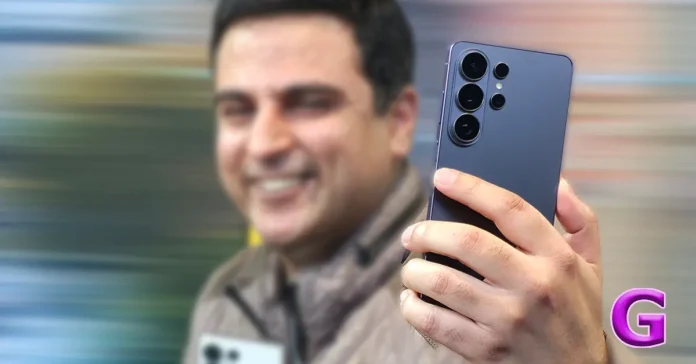
Look-wise, the Samsung Galaxy S26 Ultra can look almost suspiciously familiar. The 6.9-inch QHD+ display is still here. So is the 5,000mAh battery. The broad silhouette is recognisably Ultra. But live with it for a bit, shoot with it, edit on it, and let the new AI features quietly do their thing, and the phone starts making a stronger case for itself than the spec sheet initially suggests.
Samsung has built what can best be described as a compound-gains flagship. No single change screams revolution. Put together, though, the faster chip, better light intake, smarter on-device AI, cleaner imaging pipeline, faster charging, and privacy-first display create a phone that feels more polished, more aware, and more useful in everyday life.
In This Article
Design
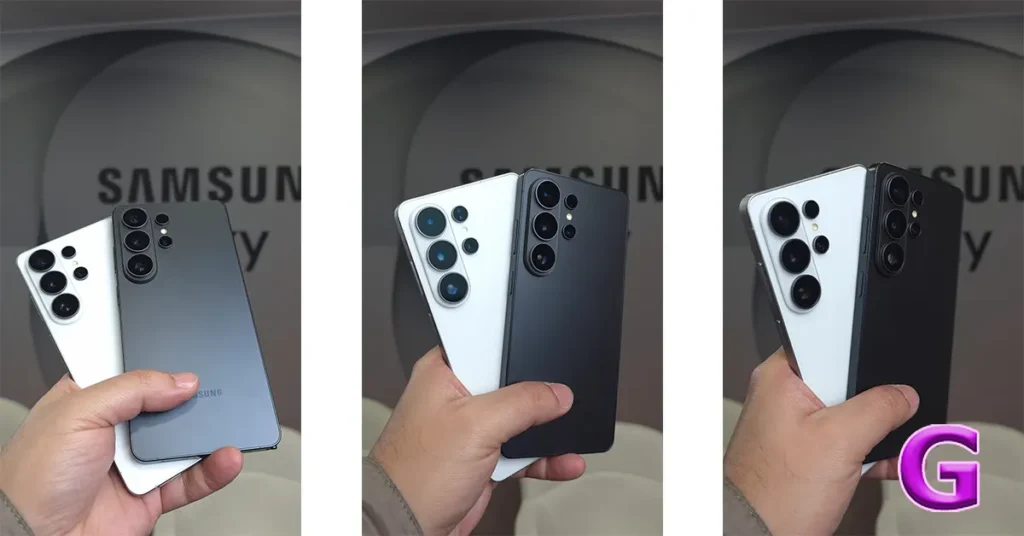
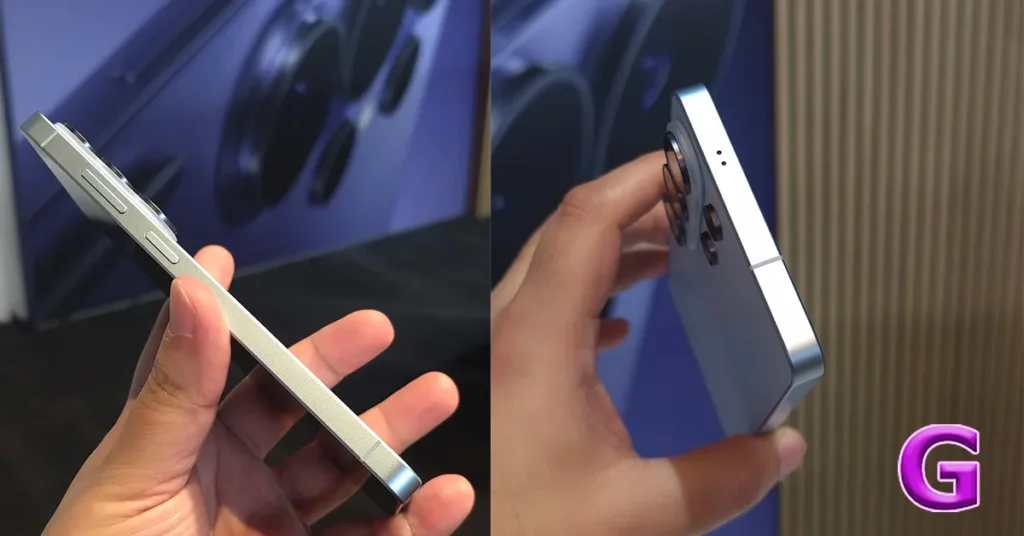
The design story is not one of visual shock. It is one of confidence. The Galaxy S26 Ultra keeps the premium, squared-off identity that has come to define Samsung’s top-end slab. That may disappoint anyone hoping for a radical exterior overhaul, but it also means Samsung has avoided fixing what was not broken.
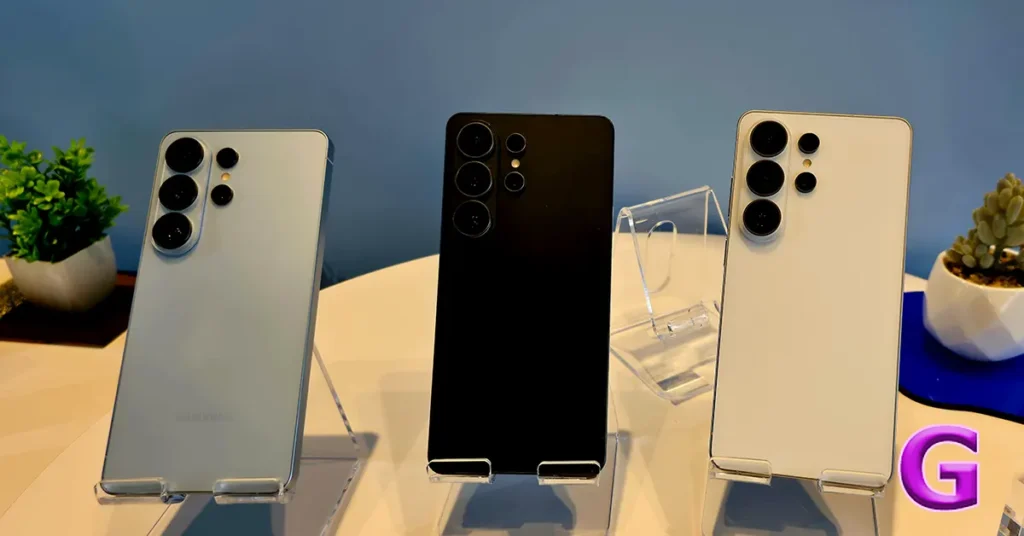
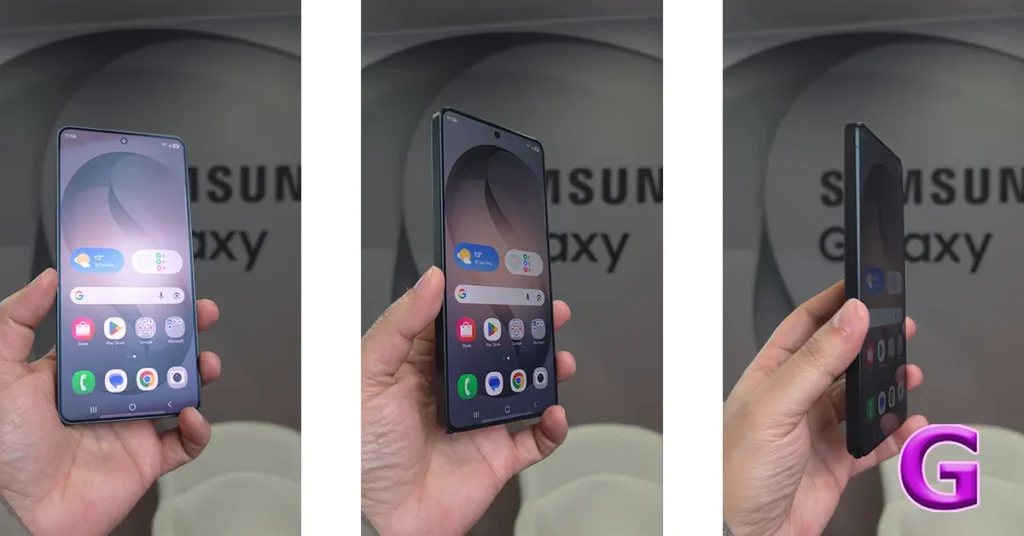
What matters more is how the Ultra separates itself through functionality. The most interesting hardware addition is the built-in Privacy Display, which narrows viewing angles when activated. From straight on, the display looks normal. From the side, it becomes dim and unreadable. That is far more elegant than the old stick-on privacy filters that usually ruin screen quality. Here, when the feature is off, there is no visible penalty.
In practical terms, this is one of the most useful new ideas on a flagship phone in a while. OTPs, banking apps, incoming notifications, crowded flights, packed cabs, busy press rooms, metro rides, coffee shop shoulder surfers, this feature has a real-world purpose. In India especially, where personal space is often an optimistic theory, the S26 Ultra privacy display feels less like a gimmick and more like common sense.
Performance
Under the hood sits the Snapdragon 8 Elite Gen 5 for Galaxy, tuned specifically for the Ultra. Samsung and Qualcomm claim 19 per cent better CPU performance, 24 per cent stronger GPU output, and 39 per cent higher NPU capability over the previous generation. Those numbers matter, but what matters more is where the gains are felt.
The S26 Ultra AI experience is the real headline here. Samsung’s move toward Agentic AI means the phone is increasingly trying to understand context instead of waiting for a direct command. Features like Now Nudge are meant to surface likely next actions before you ask. Someone messages for photos from last weekend, and the phone can identify the context and pull up relevant images before you begin replying. A meeting message arrives, and it checks your calendar for a conflict. It is proactive rather than merely reactive.
There is a limitation here. Some of this context-aware magic works with messages, but not necessarily with third-party platforms like WhatsApp. That matters because real-world utility always lives and dies by app compatibility. Even so, the direction is promising.
The best part is that much of this intelligence runs on the device. Personalisation, contextual awareness, and editing features such as Photo Assist are handled locally, protected through Knox Enhanced Encrypted Protection. That means less dependence on the cloud and less chance of key features becoming useless the moment your signal drops. Samsung has not been fully clear about where Indian user data will be stored, and that remains a fair caveat, but the on-device processing shift is still a meaningful architectural improvement.
View this post on Instagram
Day-to-day performance should be predictably flagship-grade. Apps open quickly, multitasking feels effortless, and AI-heavy features have the silicon headroom to work without making the phone feel like it is constantly catching its breath. The S26 Ultra performance story is not just speed for speed’s sake. It is speed in the service of smoother, more intelligent interaction.
On the AnTuTu tests, the Samsung Galaxy S26 Ultra got a boggling 39,02,117 points. This is remarkable!
Camera
The S26 Ultra camera continues to be central to the phone’s identity, but the most interesting upgrades are not only about megapixels. Yes, the 200MP main sensor now has an f/1.4 aperture, which should allow significantly more light than before. The 50MP 5x telephoto at f/2.9 also gets a light-gathering boost. In practice, that should translate into cleaner low-light detail, more usable shadows, and better night video.
But the invisible upgrades matter more. Samsung’s AI Image Signal Processor now extends its influence further across the imaging chain, including the selfie camera, improving skin tones and consistency in mixed lighting. Then there is mDNIe, Samsung’s mobile Digital Natural Image engine, which now processes colour with much higher precision.
The result, at least from the way Samsung is framing it, is an image that aims to be more honest than aggressively dramatic. That is a welcome shift. Too many phone cameras still confuse saturation with success. If the S26 Ultra really does deliver more natural colour and better tonal balance, that will matter to people who want their photos to look real, not algorithmically overexcited.
Photo Assist, meanwhile, is the flashy crowd-pleaser. It lets you request edits in plain language, remove distractions, change scenes, or even alter outfits. The encouraging bit is that edits remain continuous and reversible. That kind of non-destructive workflow inside the default gallery is genuinely useful, especially for journalists, creators, and social media teams working quickly on the move.
Samsung also says this is the first Galaxy device with APV support for professional-grade video capture stored directly to an external SSD. That could be a quietly important addition for serious mobile video users.
Display and battery
The 6.9-inch QHD+ panel remains one of the Ultra’s strongest assets. It was already excellent, and Samsung has wisely avoided tinkering for the sake of drama. The big story is how that display now doubles as a privacy tool when needed.
Battery capacity stays at 5,000mAh, which may look conservative in a market increasingly obsessed with headline numbers. Still, battery life is only half the story. Charging gets a lift with Super Fast Charging 3.0, with Samsung claiming 75 per cent in 30 minutes using the 60W adapter. The S26 Ultra battery setup may not sound radical, but the faster refill helps offset the unchanged cell size.
Read Also: Samsung Galaxy Buds 4 Pro Review: Cut Above The Noise
Verdict
The Samsung Galaxy S26 Ultra is not a makeover phone. It is a phone that has matured and become wiser. It refines what already worked and adds intelligence where it can genuinely reduce friction. The camera hardware improves, but the smarter story is the software behind it. The display remains excellent, but the privacy layer gives it a new edge. The chip is faster, yes, but more importantly, it makes the phone feel more context-aware.
At a starting price (Rs 1.39 lakh) that stretches all the way to Rs 1.9 lakh for the 1TB variant, this is still a premium purchase and not one that earns a casual recommendation. But if you value top-tier imaging, polished performance, practical AI, and a genuinely useful privacy feature, the Ultra makes a persuasive case for itself. If you do not mind the price tag, this phone is the pick of the season.
Buy Samsung Galaxy S26 Ultra here.
Pros
- Excellent display with genuinely useful built-in privacy mode
- Faster, smarter on-device AI with practical everyday value
- Improved low-light camera promise and more natural colour processing
- Strong flagship performance with better charging speeds
Cons
- Higher battery capacity would have been a boon
- Price might pinch a few