


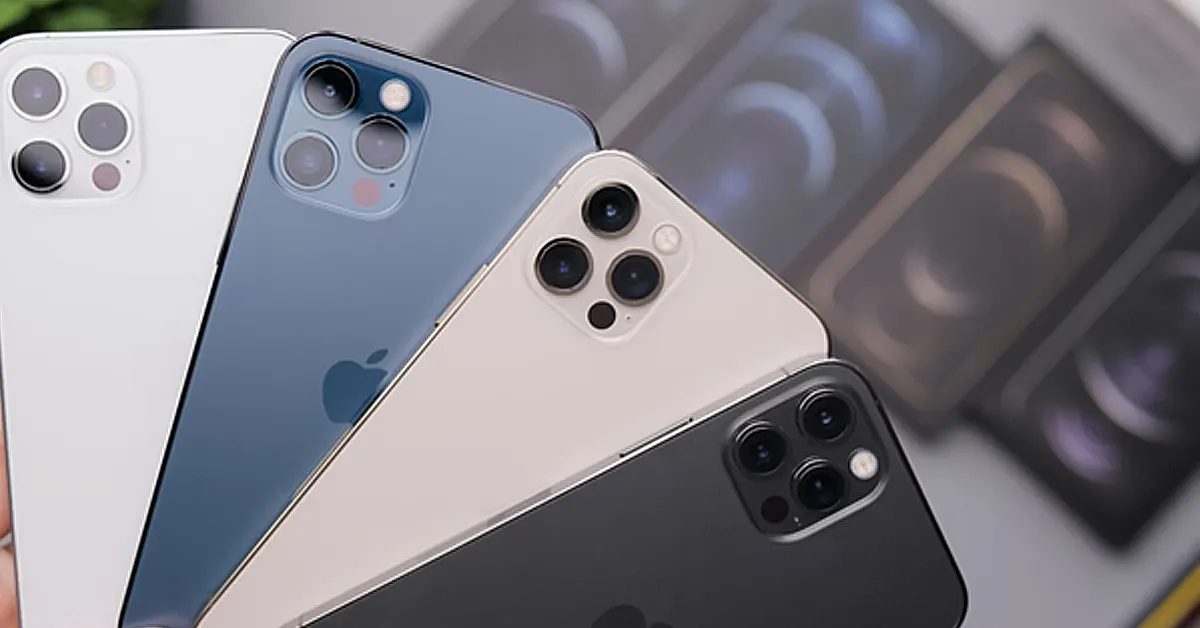
Smartphones are an item that nobody used to have – now pretty much everyone does. At first, they were just small devices that made calls. Now they sit at the centre of daily routines without drawing much attention. Checking messages happens automatically, and we rely on them for things like maps and navigation.
What makes smartphones interesting is not just what they can do, but how many small tasks they simplify. Life rarely changes through one giant leap. It changes through a hundred small conveniences added together. Those changes reshape habits completely.
Gaming Became Instant And Portable
Gaming is one of the biggest areas transformed by smartphones. Games used to require dedicated devices or a fixed setup at home. Entire libraries now fit in a pocket.
Mobile gaming removed the need for long sessions. Short bursts of play during a commute or while waiting in a queue became normal. Developers adapted quickly. Many games are now designed with mobile screens in mind from the beginning. Controls feel natural with touch gestures to make it easier to interact with the games.
Casino gaming shows this shift clearly – they went from clunky games in the 1990s to the slick interfaces we see now. Online casino platforms have moved toward mobile-first designs. Games load quickly. Menus fit smaller screens. Sessions can start almost instantly, while things like payments go through super quickly. People can choose how they engage in online gambling. This might include logging in on a mobile device and playing a few games on the train or while waiting to meet someone. It’s an industry that has evolved due to its popularity.
This change also influenced game design. Many titles are built around shorter rounds and clear progress tracking. The experience fits naturally into everyday moments rather than needing extra equipment or long stretches of time.
Photography Became Part Of Everyday Life
Lots of us don’t even think about how much photography has changed. There were days when we couldn’t just pull a camera out of our pocket (that was always with us).
Photography changed completely once smartphones added strong cameras. Carrying a separate camera is no longer necessary for most situations. Moments can be captured instantly without planning ahead. The cameras just kept getting better on smartphones – some even have 48 megapixels of quality. They are now a genuine alternative to DSLRs and expensive cameras.
This has changed how people think about memories. Everyday scenes that would once have gone unnoticed now get photographed. A meal or a quick group picture is easy to snap. Capturing these moments feels effortless. Not to mention the popularity of sites like Instagram, where we share these.
Editing tools also became easier. Filters and adjustments happen directly on the phone. What once required specialised software now happens in seconds. Sharing photos instantly adds another layer. Memories move from camera to conversation almost immediately.
The result is a world where photography feels casual rather than formal. There are estimates that there are now trillions of pictures taken every single year.
Communication Feels Constant And Simple
Phones obviously changed communication, but the shift runs deeper than just texting. Things like voice notes and video calls allow conversation to adapt to different situations and messages in a way that suits.
The speed of communication changed expectations. Waiting days for replies feels unusual now. Information moves faster and helps daily planning feel smoother.
Communication feels more flexible. A quick message replaces long calls when time is short. Voice notes fill gaps when typing feels slow.
Navigation And Travel Became Less Stressful
Finding directions used to involve printed maps or asking for help. Smartphones removed much of that uncertainty. Most people now use phones instead of SatNav devices.
Navigation apps provide turn-by-turn guidance. Traffic updates appear in real time in a way that people may not have imagined 10 or 20 years ago. Public transport schedules update automatically. Travel feels more manageable because information sits right there when needed.
Visiting a new city feels less intimidating when directions are always available. People wander more because getting lost feels temporary rather than stressful.
Shopping And Everyday Tasks Got Faster
Smartphones also simplified shopping. Comparing prices and ordering items all happen from one device.
Sites like online marketplaces or delivery services fit into everyday routines. Shopping no longer requires setting aside large blocks of time. Payment apps added another layer of convenience. Contactless phone payments mean leaving the house with fewer physical items.
Entertainment Is Always Close
Streaming services and sites like YouTube turned phones into portable entertainment hubs. Waiting time feels different now because content is always available.
People watch shows on trains or listen to their podcasts while walking. We can all discover and check out new music instantly (often for free on sites like YouTube). Entertainment became more personal and flexible. Netflix has been a prime example of one of these new platforms, and it is still growing to this day.
This shift also changed media habits. Instead of planning around schedules, entertainment fits around life.
Learning And Information Access
Smartphones made learning more casual. Tutorials and quick explainers appear instantly when curiosity strikes. Need to know how to boil an egg perfectly? There is probably a guide available. Want to learn a new language? It is a search away. DIY and even vehicle maintenance become easier as people search for “how-to” guides.
Knowledge feels more accessible because it is no longer tied to specific places or devices.


