


Yes, it is 100% correct! The Indian government implemented the Baggage Rules, 2026, into effect on February 2, 2026. These rules make it easier for travellers to bring electronic devices into the country’s borders. The new rules aim to streamline airport operations, reduce paperwork, and expedite the security process. Passengers can now declare their baggage electronically and ahead of time. The government has also revised the rules for temporary imports and pets to keep up with the growing number of travellers and their expectations.
These changes are intended to accommodate changing economic conditions and increased travel volume, thereby meeting the growing demands of international travellers.
In This Article
Customs duty on iPhone 17 in India
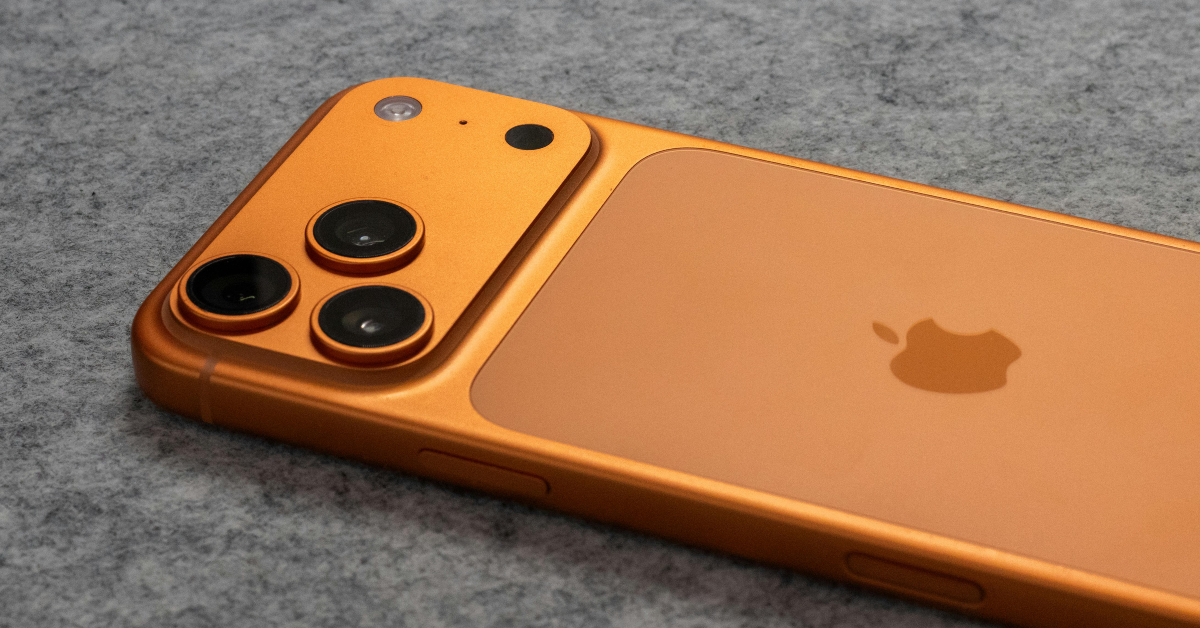
The upper limit for personal items that can be brought into the country without paying tax, including smartphones, has significantly increased a lot, from Rs 50,000 to Rs 75,000. This change applies to people who live in India, Non-Resident Indians (NRIs), and foreigners with valid visas, but not those who are in India on a tourist visa. Also, foreign tourists can now bring home up to Rs 25,000 worth of goods without paying taxes. However, there is one essential thing to keep in mind: depending on where you buy it and the current currency exchange rates, premium smartphones like the iPhone 17, especially the Pro or Max models, may still cost more than Rs 75,000. In these circumstances, duty will only apply to the amount that goes above the limit.
Also Read: Union Budget 2026: What’s getting cheaper in tech?
Customs duty on Laptops in India
This new rule for tech enthusiasts, which goes into force in 2026, outlines the rules for laptops. This policy says that people can bring one laptop or notebook into the nation without paying any duties. This laptop is in a different category and does not count toward the total Rs 75,000 general allowance for imports. This means that travellers can get a bigger benefit. People must be at least 18 years old and have the laptop as part of their “bona fide” baggage, which means they have to carry it themselves, in order to qualify for this exemption.
Exceeding the defined limit?
According to the 2026 Budget, the Basic Customs Duty (BCD) on personal imports has been cut from 20% to 10%. This means that the total effective charge on the extra amount is about 11%, which makes it cheaper than it was before.
Also Read: Indian Union Budget 2026 Highlights: What The Consumer Tech And Gadgets Industry Is Saying
If you go over your limit for bringing in an iPhone 17, you will simply have to pay taxes on the extra amount. You can use the whole allowance for the iPhone 17 because the laptop is not included. Let’s say you’re coming back to India from the US with an iPhone 17 Pro that costs about $999 (Rs 84,000). After stripping off the duty-free allowance, there is still Rs 9,000 that is taxable. The customs duty would be Rs 990 at an effective rate of 11%. A modest amount to pay for the newest technology.
Also Read: Union Budget 2026 Major Tech Announcements
Pro Tip
Travellers can put things in a box, but it’s safer to keep the phone in a pocket and the box in checked luggage to show that it’s for personal use. This is less important now because customs limits are higher. Customs determines the value of items by examining receipt conversions or by applying a higher value if no receipt is provided. It’s best to keep digital invoices handy because customs authorities may scan a QR code from electronically filed declarations, which speeds up the entire process.


