


Gaming in 2026 is driven by utility, not hype. The industry is tightening around technologies that remove friction, expand access, and reward serious engagement. Hardware dependency is fading. Skill development is becoming structured. Ownership and privacy are no longer optional features. Players know what they want, and they leave platforms that waste their time. Developers and publishers are responding by building systems that scale, last, and perform consistently. This is not a creative reset. It is an operational one. The technologies shaping gaming this year are the ones solving real problems at volume, not chasing attention with surface-level innovation.
In This Article
Competitive Gaming Drives Training Technology
Competitive gaming now demands preparation. Players improve through training systems that turn gameplay into data, tracking decisions, timing, accuracy, and consistency, so progress is measurable and repeatable. By 2026, this will be standard across ranked play. In titles like Valorant, League of Legends, and Rocket League, performance is reduced to clear actions such as aim efficiency, positioning, cooldown use, and execution. Players stop guessing why they lose. They see the issue and fix it.
The same structure carries into non-traditional competitive digital gaming environments. Digital Mahjong platforms in Asia sharpen memory and pattern recognition through repetition. In North America and Europe, online poker has long treated performance as measurable through hand histories and volume. That model is now extending into smaller, fast-growing markets like India poker sites, where frequent tournaments, diverse poker formats, generous bonuses, and fast payouts create more playing opportunities, increase feedback, and accelerate improvement. Across every format, the result is the same. Training technology turns play into data, and data into faster, more consistent improvement.
Cloud Gaming Rewrites the Hardware Model
Cloud gaming services are no longer a secondary option. It is core infrastructure. Games run remotely and stream to whatever device the player already owns. This removes hardware as the main gatekeeper. Players stop upgrading machines. Developers stop designing around minimum specs. Publishers reach users who were previously locked out by cost. In 2026, performance depends more on connection quality than local power. The old hardware cycle loses influence as computing shifts away from the player. Gaming becomes access-driven rather than device-driven.
DRM-Free Platforms Gain Player Trust
Players want clarity around ownership. DRM-free platforms are growing because they remove friction and uncertainty. Games can be downloaded, stored, and played without forced verification or hidden restrictions. This matters for longevity, offline access, and preservation. In 2026, DRM-free distribution signals respect for the customer rather than risk tolerance. It also supports modding and community maintenance, which extends a game’s relevance. Trust becomes leverage. Developers who offer clean ownership models attract players who invest deeper and stay longer.
Read Also: Top 10 Smartphones in February 2026
Esports Secures Its Mainstream Position
Esports is established. It runs on schedules, leagues, and contracts that mirror traditional sports. Viewership is consistent and global. Sponsorships come from outside gaming because the audiences are reliable. In 2026, esports shaped game design early. Balance, readability, and competitive integrity are built in, not patched later. Games designed for long-term competition last longer and monetise more cleanly. Esports is not a marketing channel. It is a structural pillar of modern gaming.
Gaming Becomes a Long-Term Lifestyle Investment
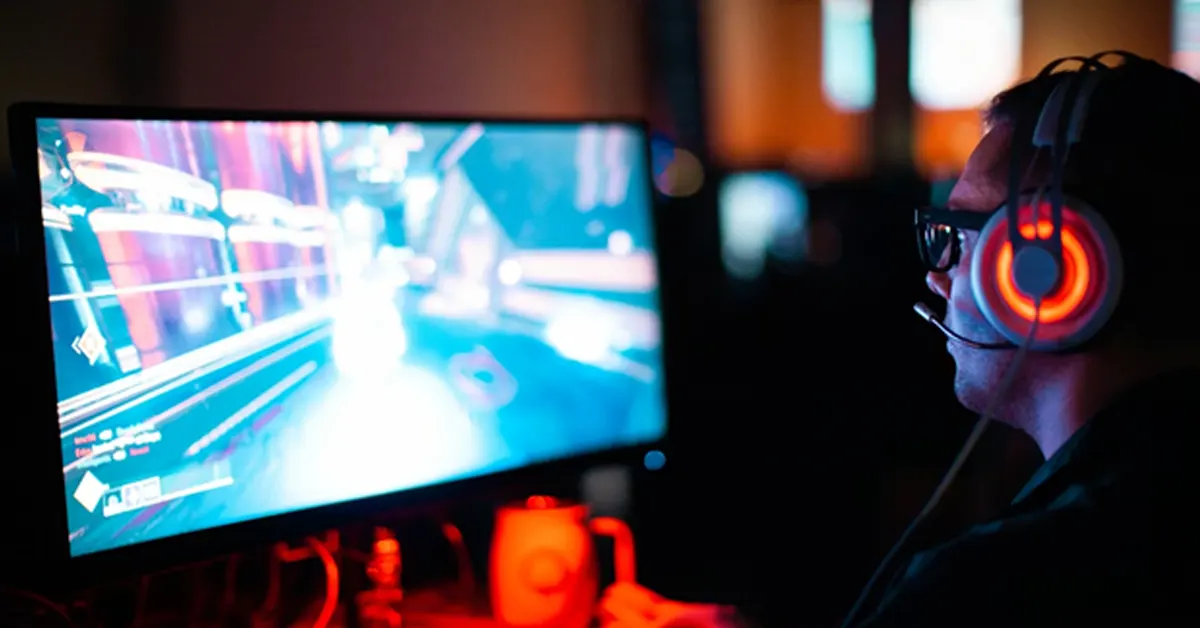
Players build setups for endurance, not novelty. Displays favour refresh rate and clarity. Furniture supports posture and long sessions. Audio and lighting are tuned for communication as much as immersion. This reflects how gaming fits into daily routines rather than spare time. In 2026, gaming spaces resemble workstations because usage patterns are similar. Comfort and consistency matter more than peak performance. The setup is no longer optional. It is part of sustained play.
Voice Technology Centres on Privacy and Control
Voice communication remains critical for players. On platforms like Steam, which at its peak has reached just over 40 million concurrent users, voice chat sits at the centre of how people coordinate, compete, and socialise. However, in 2026, what changes is the expectation of control. Players want the ability to manage how they sound, how much of their identity is exposed, and when voice is optional rather than forced.
Modern voice tech makes this possible by supporting modulation, filtering, and identity protection. This reduces harassment and lowers social friction. Players participate more when exposure is optional. In 2026, voice tools are designed to make communication functional without forcing vulnerability. Games that respect this see healthier communities and higher retention. Voice is no longer just a feature. It is an environment-shaping system.
Streaming Culture Shapes Gaming Audio
Gaming and streaming now overlap by default. Players move between playing and broadcasting without changing gear. Audio hardware has adapted. Lightweight earbuds and compact setups are favoured because they support long sessions, clear communication, and mobility. Sound quality still matters, but usability matters more. In 2026, audio is evaluated by how it performs live and over time. Hardware is built for visibility, not isolation.
Focus Boosters Target Gamers
Long sessions expose fatigue fast. Players who take performance seriously are addressing it head-on. Tools built to support focus and endurance are now part of standard setups. This includes ergonomic gaming gear that reduces strain, software that manages mental load, and supplements or routines aimed at sustained alertness. The goal is simple. Stay sharp longer without burning out. As competitive play and streaming demand consistency, players look for practical ways to maintain output over hours, not minutes. Focus is treated as a performance variable, not a personal flaw.
Focus and Performance Enhancement Go Mainstream
Sustained focus is a performance requirement. Long sessions expose fatigue and inconsistency. Players respond with tools that support mental endurance and physical comfort. Training software, posture aids, and fatigue reduction tools are now standard. In 2026, performance is treated as a long game. Mechanical skill without stamina does not hold up. Players optimise for consistency, not burnout. Longevity becomes a competitive edge.
Conclusion
Gaming in 2026 is shaped by systems that prioritise access, control, and durability. Cloud delivery weakens hardware barriers. Training tech formalises improvement. DRM-free platforms rebuild trust. Esports anchors gaming in mainstream culture. Lifestyle setups, privacy-focused voice tools, focus boosters that support endurance, streaming-driven hardware, and performance support reflect a more serious audience with clear standards. These are not cosmetic changes. They define how gaming operates at scale. The industry has moved past experimentation. It is now building infrastructure for players who are here to stay.


