


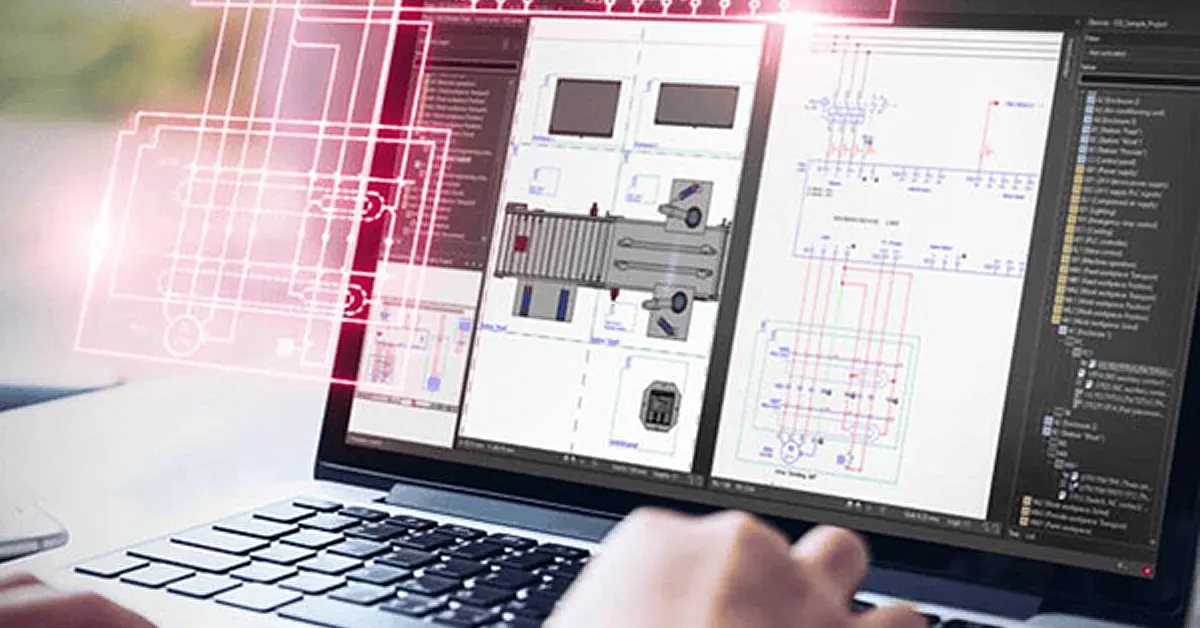
In today’s fast-moving tech world, electronic design plays a major role in building everything from smartphones to industrial machines. To understand this concept in detail, you can explore this resource: what is ecad. It explains how modern digital tools are reshaping electronics engineering through advanced design environments developed by companies like Dassault Systèmes. ECAD has become an essential part of product development because it allows engineers to design complex electronic systems with higher speed, accuracy, and reliability.
In This Article
What is ECAD?
ECAD (Electronic Computer-Aided Design) is a type of software used for creating and managing electronic circuit designs and printed circuit boards (PCBs). Instead of drawing circuits manually, engineers use ECAD tools to build digital schematics that represent how an electronic system will function. This makes the design process more efficient and reduces the chances of human error. ECAD software also allows simulation of circuits before they are physically manufactured, helping engineers test performance in a virtual environment.
Key Features of ECAD
Modern ECAD systems come with a wide range of powerful features that support electronic development. One of the main features is schematic capture, which helps engineers visually design circuits. Another important feature is PCB layout design, which ensures that components are placed correctly for optimal performance.
ECAD tools also include simulation capabilities that allow designers to test how circuits behave under different conditions. In addition, built-in component libraries provide ready-made electronic parts, making the design process faster and more standardized. Many advanced ECAD platforms also support automation, which helps in optimizing routing and reducing design complexity.
Benefits of Using ECAD
One of the biggest advantages of ECAD is improved accuracy. Since designs are created digitally, the chances of wiring mistakes or design flaws are significantly reduced. Another major benefit is time efficiency. Engineers can quickly modify and update designs without starting from scratch.
ECAD also improves teamwork and collaboration. Multiple engineers can work on the same project and share updates in real time. This is especially useful in large industries where hardware, software, and system teams must work together.
Another important benefit is cost reduction. By identifying issues early through simulation, companies can avoid expensive manufacturing errors and redesigns. This makes ECAD a valuable tool for reducing development risks.
Applications of ECAD
ECAD is widely used across many industries. In consumer electronics, it helps design smartphones, laptops, and wearable devices. In the automotive sector, it is used for creating control systems, sensors, and electric vehicle components.
It is also essential in aerospace and defense industries, where precision and reliability are critical. Medical device manufacturers use ECAD to design life-saving equipment such as monitoring systems and diagnostic tools. Additionally, ECAD is becoming increasingly important in renewable energy systems like solar inverters and smart grids.
Conclusion
ECAD has transformed the way electronic systems are designed and developed. It brings together accuracy, speed, and collaboration in a single digital environment, making it an essential tool for modern engineers. With continuous innovation from industry leaders such as Dassault Systèmes, ECAD technology is expected to become even more advanced, supporting the next generation of intelligent and connected devices.


