

In This Article
Vivo X300 Pro Review: Design and Display
Before we dive into the review, let’s take a look at what you get inside the X300 Pro’s retail box:- Smartphone
- 90W power adapter
- USB-A to USB-C cable
- Silicone cover
- SIM ejector
- Quick start guide
- Warranty card
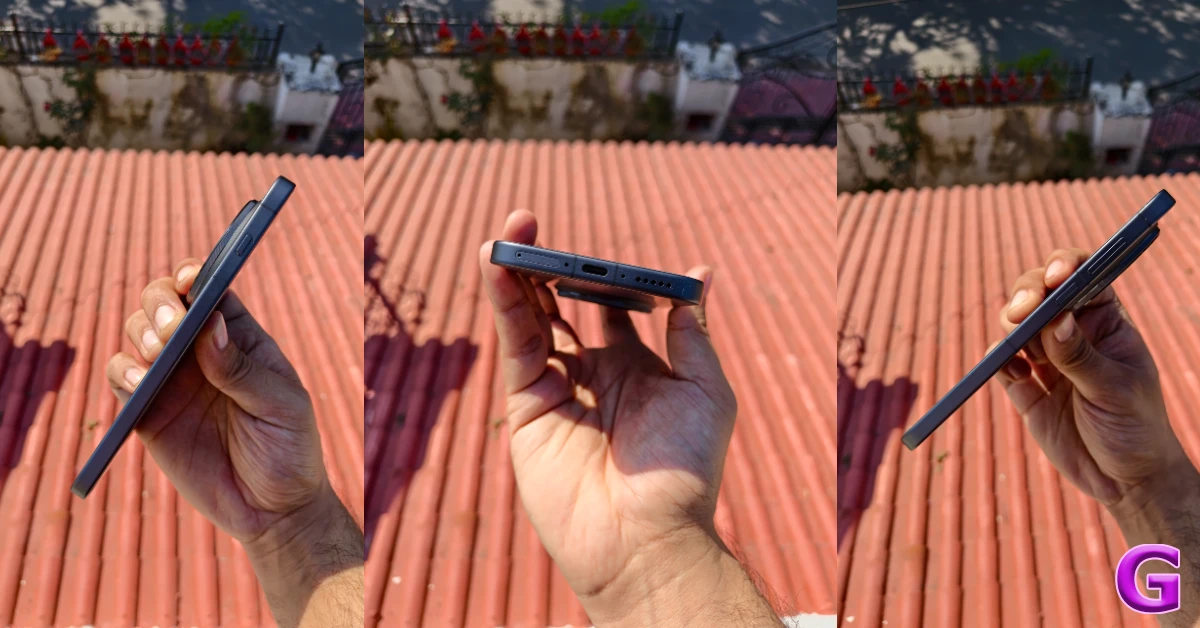
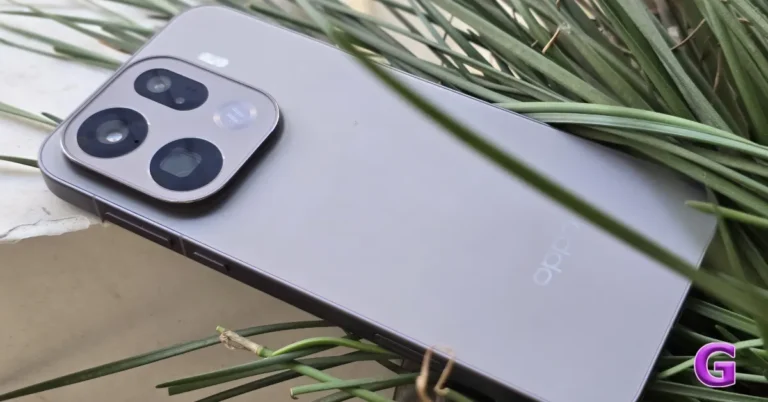
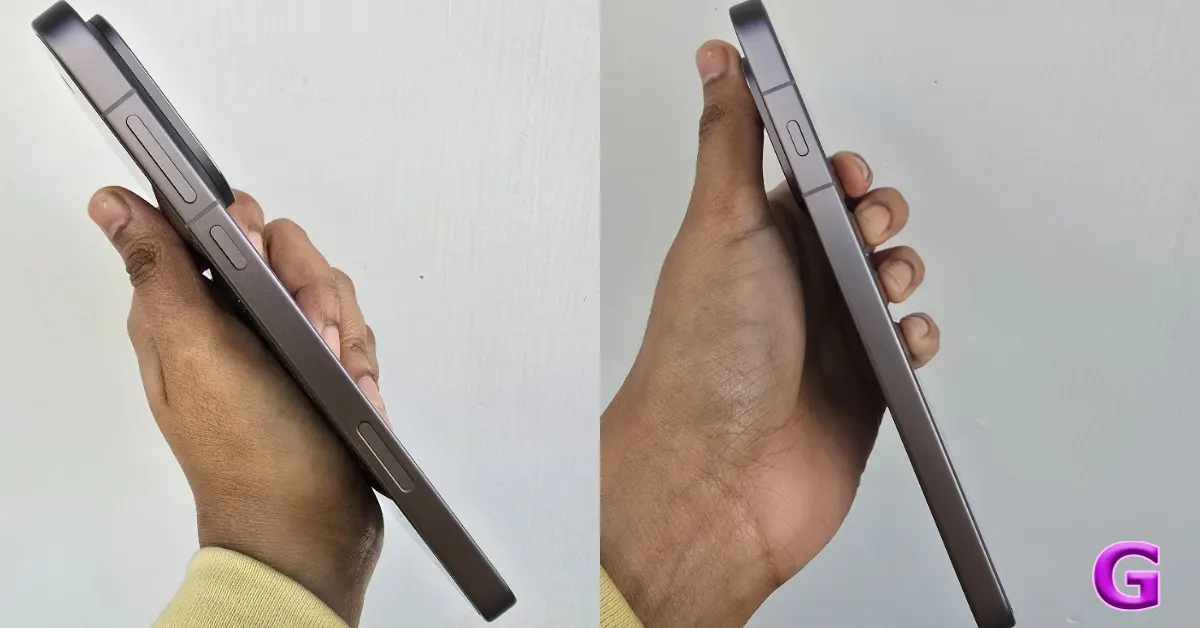
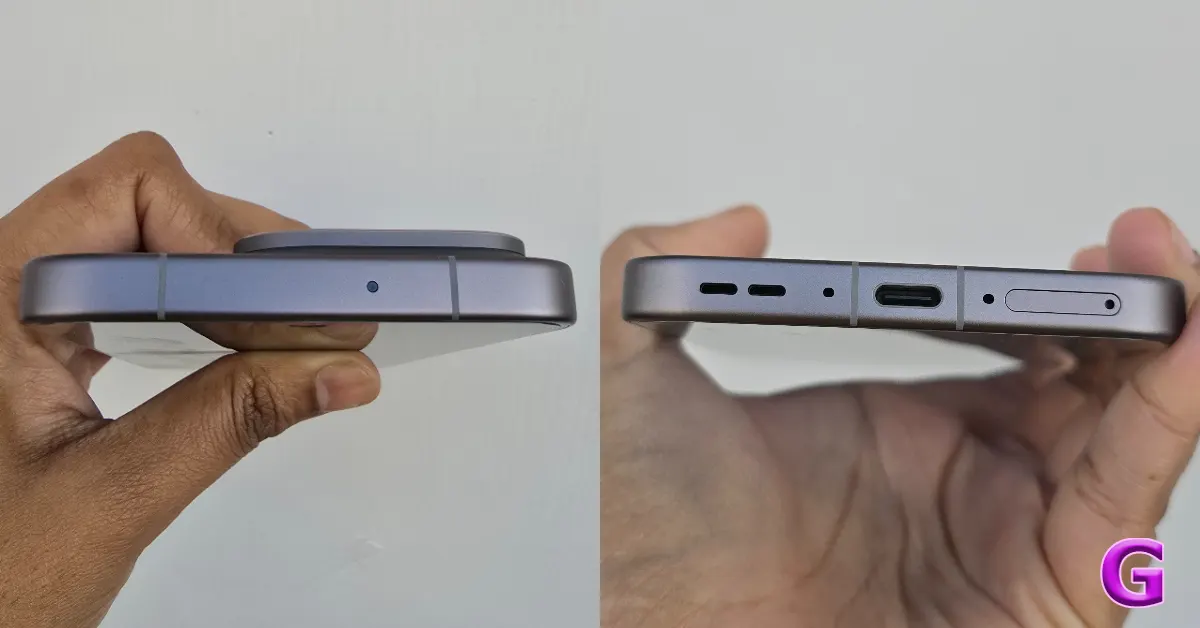
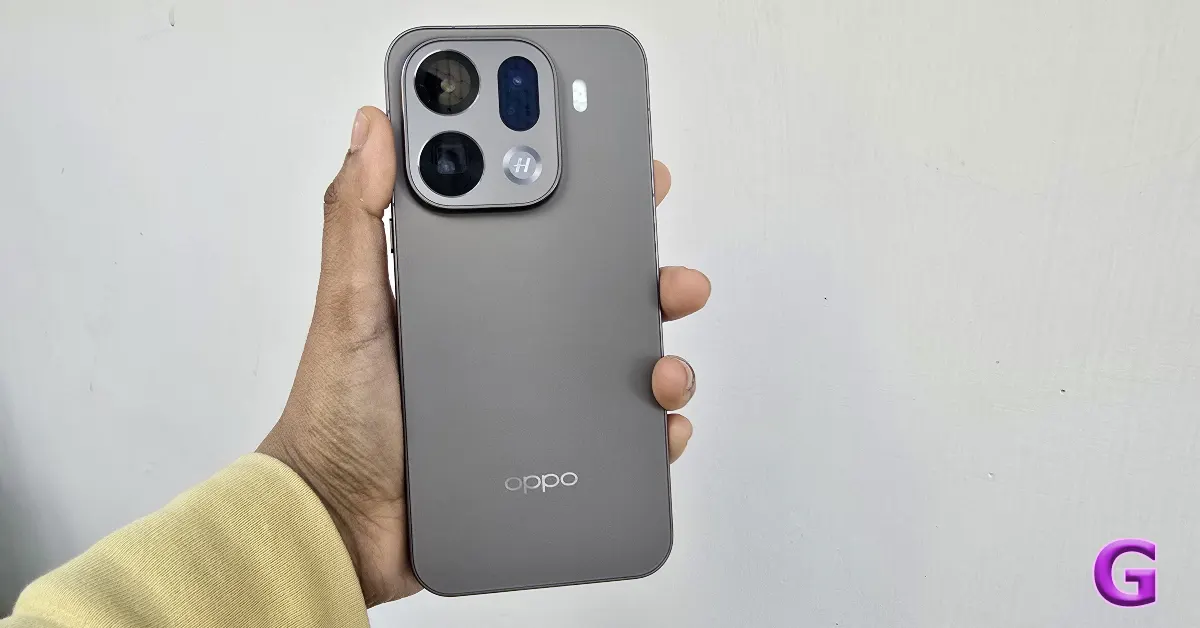
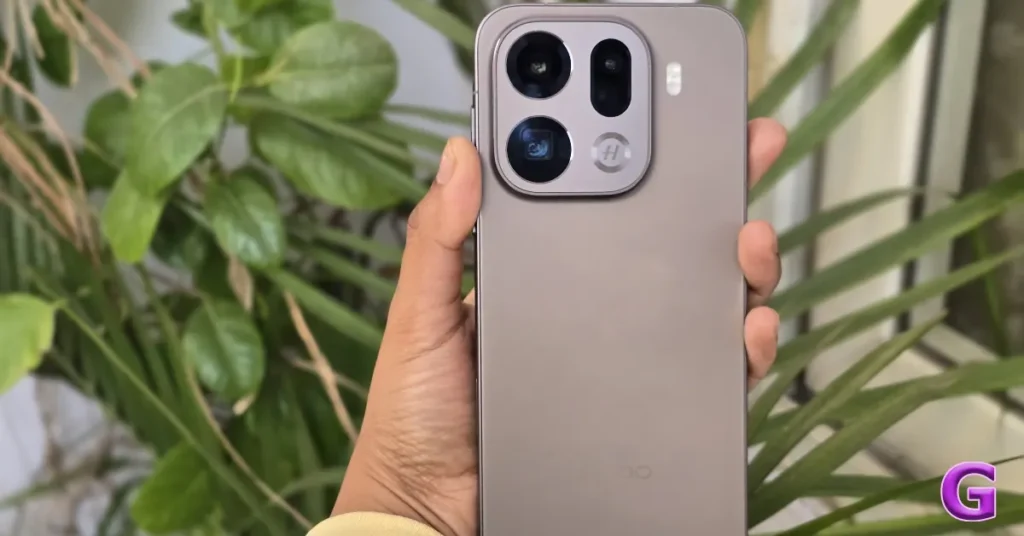
 The aluminium frame houses the volume rocker and the side button on its right edge. The customisable shortcut button is placed on the left edge. The primary speaker grille, SIM tray, USB-C port, and microphones find their way to the bottom. Up top lies the solitary secondary speaker. The IR blaster is placed on the rear camera panel. The X200 Pro is rated IP68/IP69 for protection against dust and water. It can take a dip in water as deep as 1.5 metres for up to 30 minutes and survive high-pressure water jets.
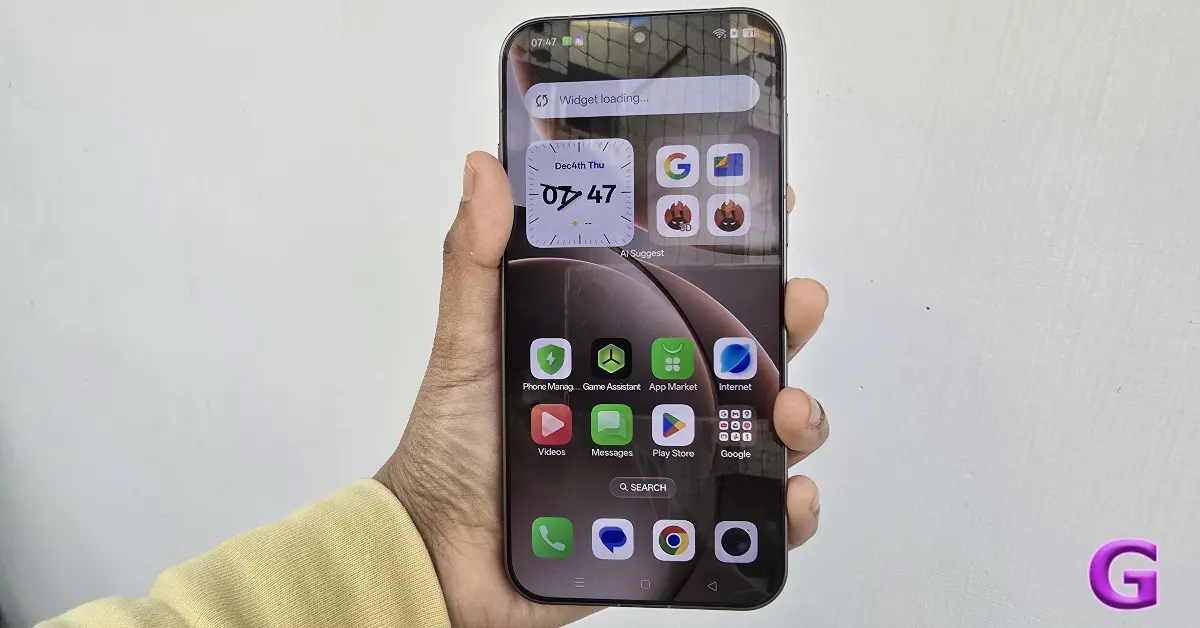
 The 6.78-inch LTPO AMOLED display on this phone is a sight to behold. It has a 120Hz refresh rate and can reach a peak brightness of 4,500 nits. In outdoor conditions, it gets bright enough to maintain legibility. Its touch response is as smooth as butter. The slim bezels surrounding the display are even on all sides. The ultrasonic fingerprint sensor is rapid, accurate, and leagues ahead of its optical counterparts.
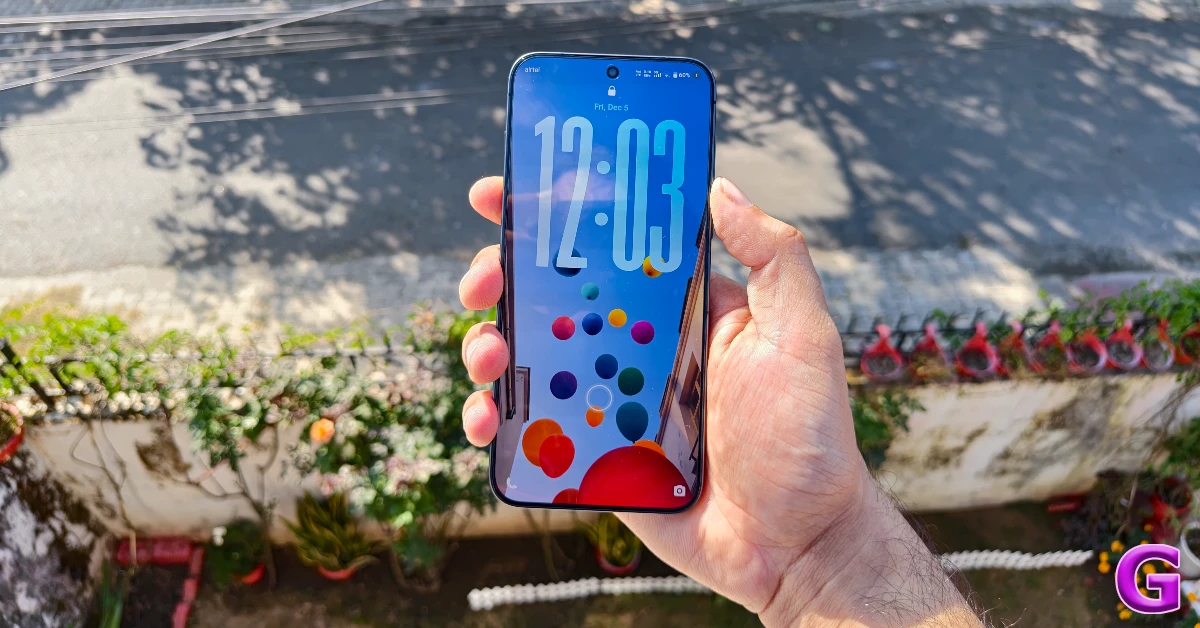 The viewing experience on this smartphone is an absolute treat. The 2,800 x 1,260p display relays vibrant colours and sharp details. The screen temperature and colour profile can be customised from the settings. During the review period, we used the Vivo X300 Pro as our primary media streaming device. It offered a good range of viewing angles for group watching sessions and produced a loud and well-rounded audio output.
Vivo X300 Pro Review: Performance and Cameras
The X300 Pro is powered by MediaTek’s newest flagship processor – Dimensity 9500. Working alongside this processor are Vivo’s in-house VS1 and V3+ imaging chips. The smartphone comes in a single 16GB RAM (LPDDR5X Ultra) + 512GB (UFS 4.1) storage configuration, priced at Rs 1,09,999. Here’s how this device performed in AnTuTu 3D and Geekbench 6 benchmark tests:- AnTuTu 3D: 3,456,814
- Geekbench 6: 3,318 (single-core) | 9,614 (multi-core)
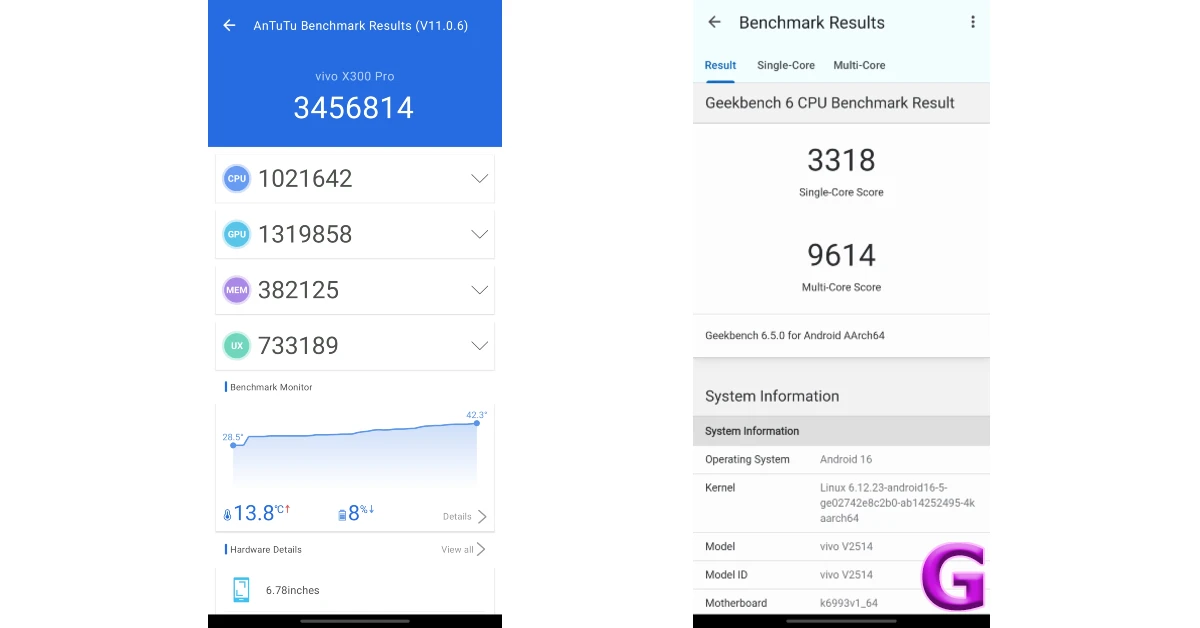 The Dimensity 9500 chipset churns out raw power whenever needed, handling routine tasks like calling, texting, web browsing, media streaming, and navigation with the utmost ease. Having UFS 4.1 storage on board means that apps do not take any time to load. The LPDDR5X Ultra RAM ensures that the device does not break a sweat with multiple apps running in the background. We launched a dozen apps at once and did not come across any lag. The smartphone even made light work of power-intensive tasks like photo and video editing.
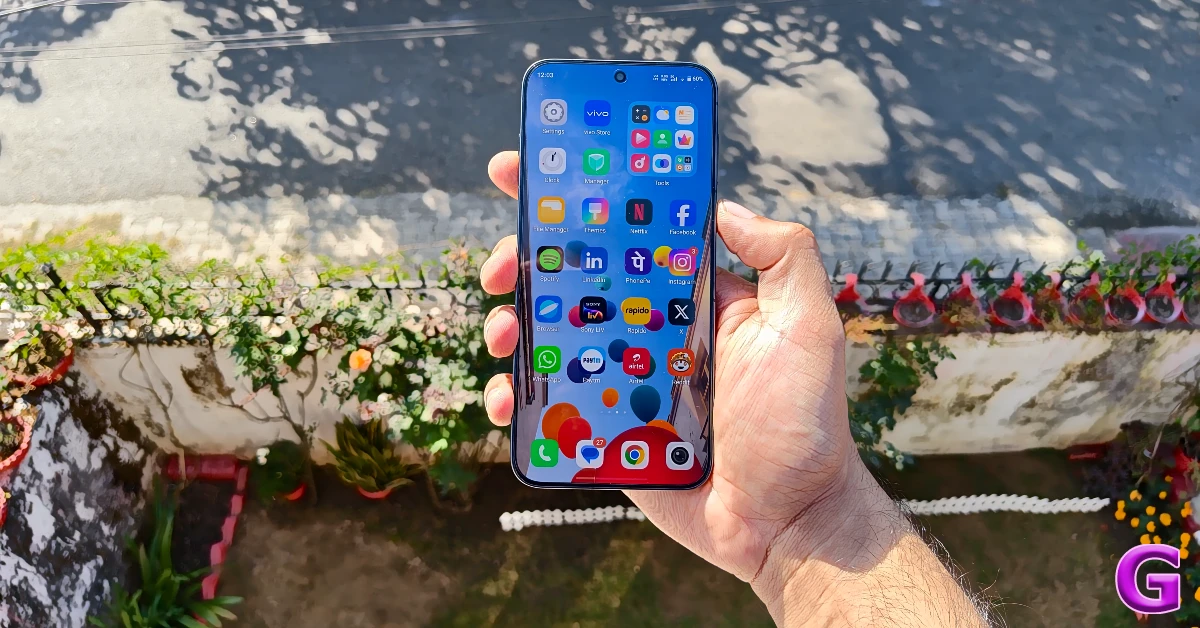 Vivo’s flagships don’t carry the ‘gaming phone’ reputation, but silently deliver a rock-solid performance in this aspect regardless. We played titles like Call of Duty Mobile, Dead Trigger 2, and Asphalt Legends on the Vivo X300 Pro during the review period. The smartphone delivered exemplary gameplay with no lag or frame drops at 120fps. Pushing the graphics to their maximum settings meant having to contend with a 60fps frame rate.
The touch response offered by the display was very fluid. We felt on top of the action at all times. The Liquid Cooling Vapour Chamber on this device isn’t as large as the ones on dedicated gaming devices, but it does a good job of managing the internal temperature. The first signs of warmth along the back panel became noticeable after we had passed 40 minutes of gameplay.
Vivo’s flagships don’t carry the ‘gaming phone’ reputation, but silently deliver a rock-solid performance in this aspect regardless. We played titles like Call of Duty Mobile, Dead Trigger 2, and Asphalt Legends on the Vivo X300 Pro during the review period. The smartphone delivered exemplary gameplay with no lag or frame drops at 120fps. Pushing the graphics to their maximum settings meant having to contend with a 60fps frame rate.
The touch response offered by the display was very fluid. We felt on top of the action at all times. The Liquid Cooling Vapour Chamber on this device isn’t as large as the ones on dedicated gaming devices, but it does a good job of managing the internal temperature. The first signs of warmth along the back panel became noticeable after we had passed 40 minutes of gameplay.
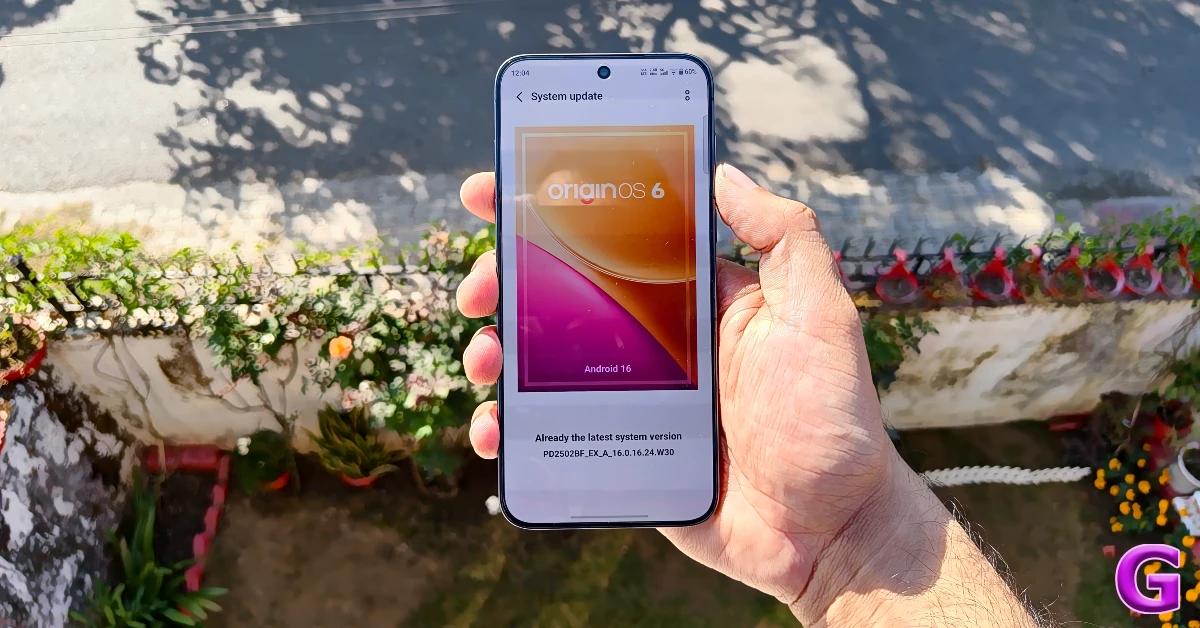 The X300 Pro is one of the first devices in India to come with Vivo’s OriginOS 6 (based on Android 16) out of the box. Vivo’s new custom skin retains the good parts of its predecessor, Funtouch OS, while making improvements in important areas.
The diverse range of customisation options, which Funtouch OS was known for, has been preserved on OriginOS 6. The ‘Dynamic Effects’ section in device settings lets you customise elements like screen transitions, fingerprint icon, ambient lights, charging animation, and more. The motion smoothness on this OS is very satisfying, even at a 60Hz refresh rate. The entry and exit animations for apps are very well optimised too. The ‘Flip Card’ effect simulation for the lock screen is a visual treat.
The X300 Pro is one of the first devices in India to come with Vivo’s OriginOS 6 (based on Android 16) out of the box. Vivo’s new custom skin retains the good parts of its predecessor, Funtouch OS, while making improvements in important areas.
The diverse range of customisation options, which Funtouch OS was known for, has been preserved on OriginOS 6. The ‘Dynamic Effects’ section in device settings lets you customise elements like screen transitions, fingerprint icon, ambient lights, charging animation, and more. The motion smoothness on this OS is very satisfying, even at a 60Hz refresh rate. The entry and exit animations for apps are very well optimised too. The ‘Flip Card’ effect simulation for the lock screen is a visual treat.
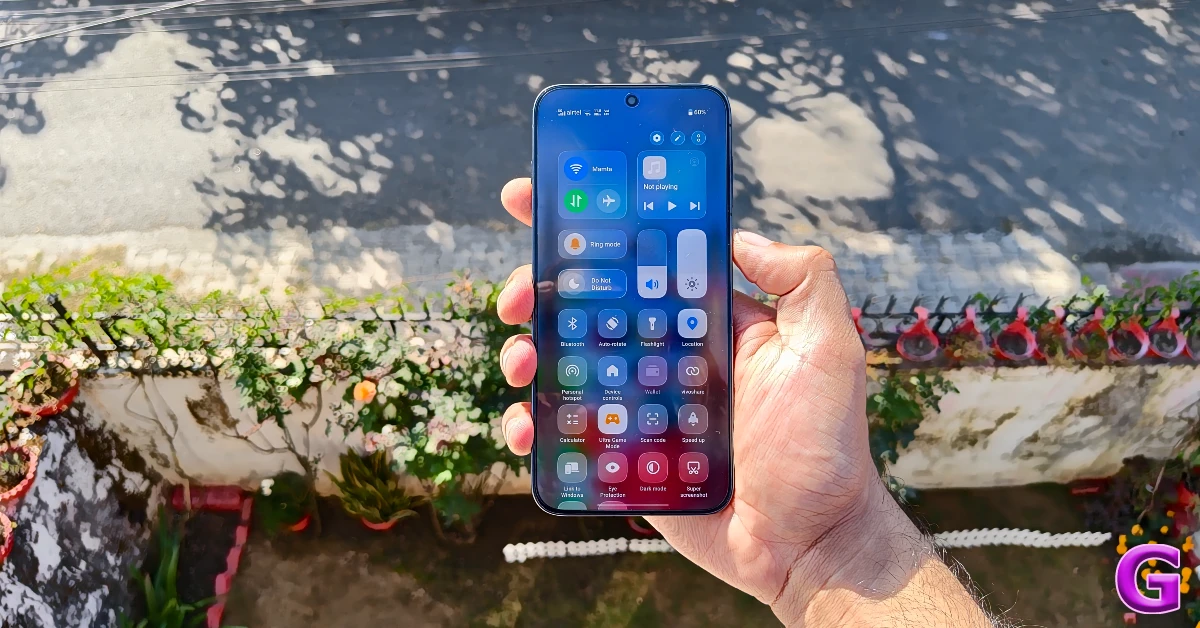 The new ‘Origin Island’ works similarly to the Dynamic Island on iPhone. It supports cards for personal hotspot, timer, charging, audio recording, and other native functions. It is also compatible with Google Maps, allowing you to follow turn-by-turn navigation without loading the app in full screen. The Origin Player is the central media control on this device. It pops up on the lock screen and Origin Island whenever you play a song. The controls are simple, accessible, and well-designed.
Vivo has promised 5 major OS upgrades and 7 years of security patches for the X300 Pro. This isn’t the worst software support we’ve seen for a flagship, but Vivo needs to catch up with brands like Samsung, Google, and Apple, which promise at least 7 OS upgrades for their premium devices.
The new ‘Origin Island’ works similarly to the Dynamic Island on iPhone. It supports cards for personal hotspot, timer, charging, audio recording, and other native functions. It is also compatible with Google Maps, allowing you to follow turn-by-turn navigation without loading the app in full screen. The Origin Player is the central media control on this device. It pops up on the lock screen and Origin Island whenever you play a song. The controls are simple, accessible, and well-designed.
Vivo has promised 5 major OS upgrades and 7 years of security patches for the X300 Pro. This isn’t the worst software support we’ve seen for a flagship, but Vivo needs to catch up with brands like Samsung, Google, and Apple, which promise at least 7 OS upgrades for their premium devices.
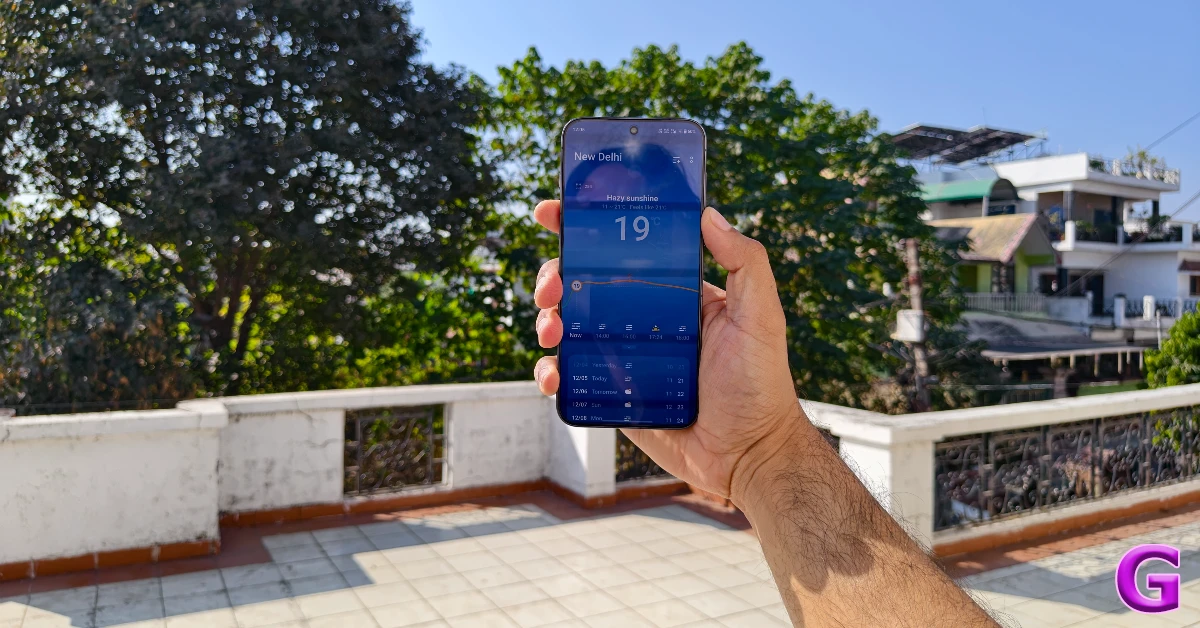 The X300 Pro packs a massive 6,510mAh battery pack. We were able to get 2 days of battery life on this device with 3 hours of daily screen time. On days with heavy use, we were left with ~30% charge in the tank. Safe to say, this phone completely eliminates any battery anxiety. The 90W power adapter provided in the box takes up to 50 minutes to an hour to fully charge the device.
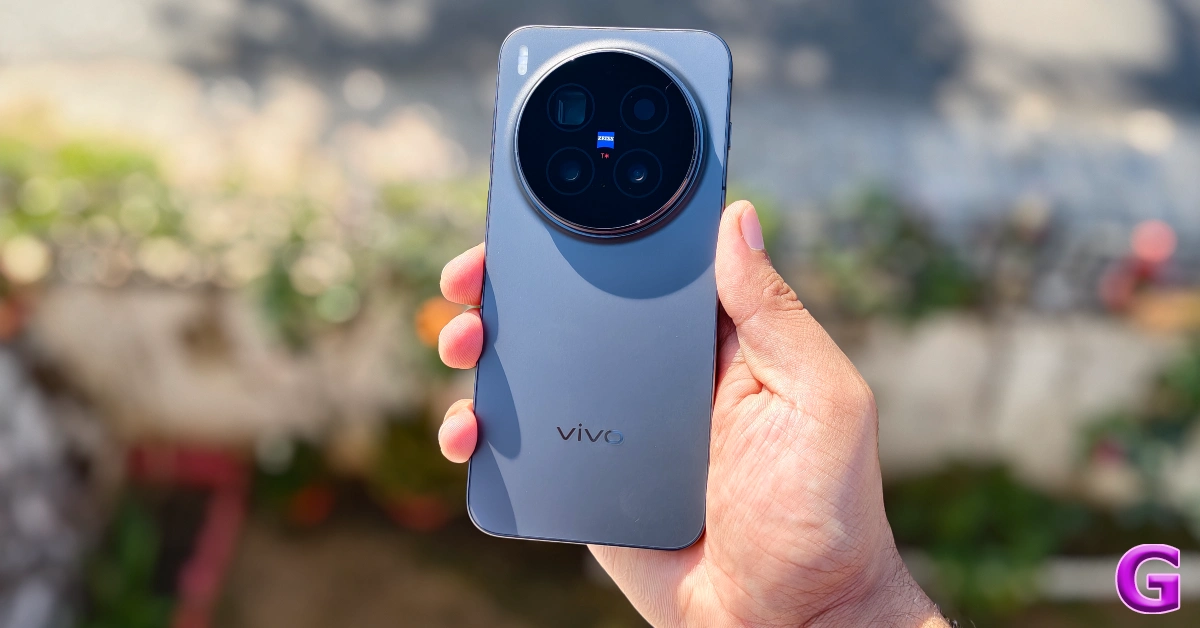
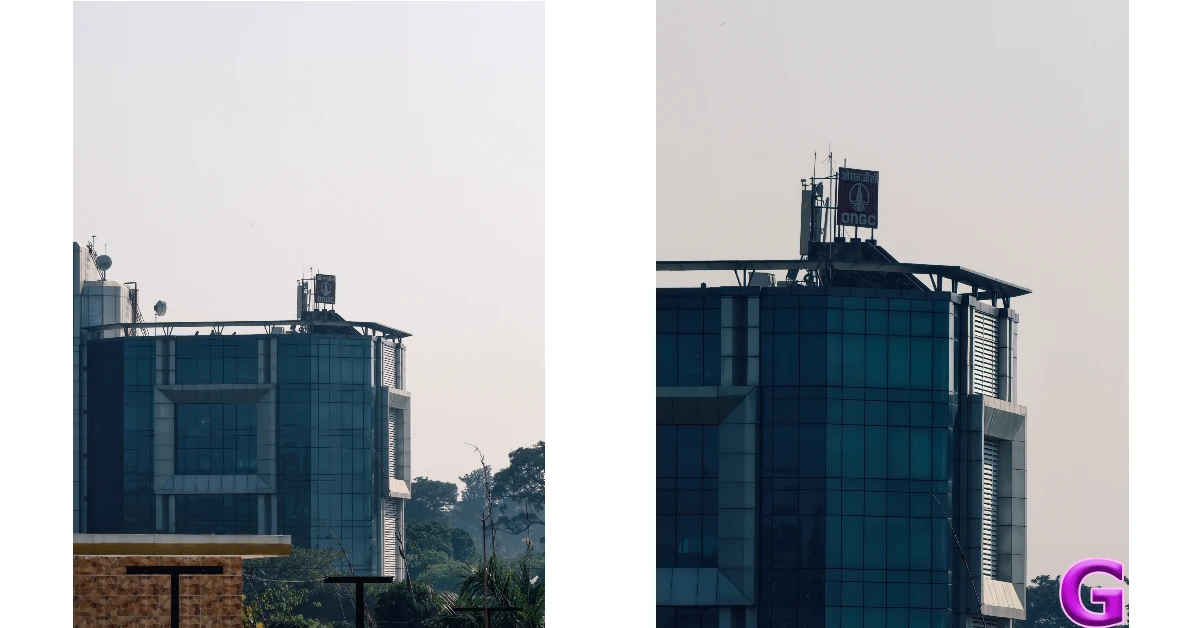
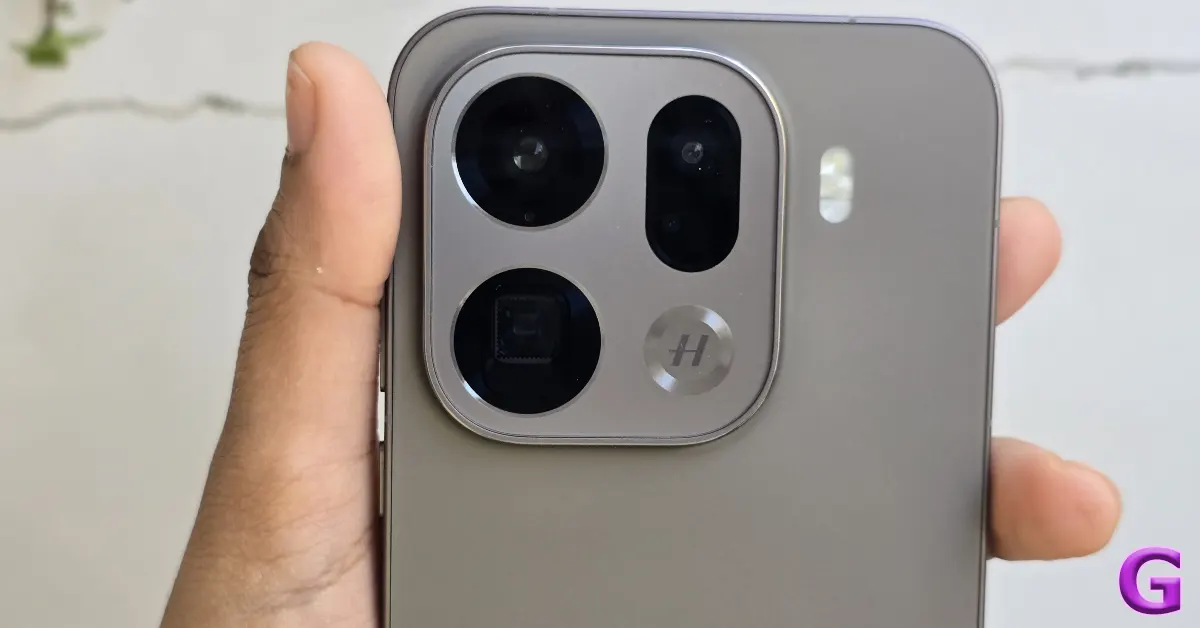
Now, let’s dive into the biggest highlight of the X300 Pro – its exquisite camera system. Compared to the X200 Pro, there are some decent upgrades on this phone’s rear camera panel. The 200MP HPB telephoto sensor from Samsung replaces the HP9 unit. The 50MP Sony LYT-818 primary shooter has been upgraded to the LYT-828 sensor on the new model. Both of these sensors have a CIPA stabilisation rating of 5.5, which is a slight upgrade over their CIPA 4.5-rated predecessors. The ultrawide and front-facing cameras use 50MP Samsung JN1 sensors with autofocus. All four cameras on this phone are tuned by Zeiss.
The X300 Pro packs a massive 6,510mAh battery pack. We were able to get 2 days of battery life on this device with 3 hours of daily screen time. On days with heavy use, we were left with ~30% charge in the tank. Safe to say, this phone completely eliminates any battery anxiety. The 90W power adapter provided in the box takes up to 50 minutes to an hour to fully charge the device.
Now, let’s dive into the biggest highlight of the X300 Pro – its exquisite camera system. Compared to the X200 Pro, there are some decent upgrades on this phone’s rear camera panel. The 200MP HPB telephoto sensor from Samsung replaces the HP9 unit. The 50MP Sony LYT-818 primary shooter has been upgraded to the LYT-828 sensor on the new model. Both of these sensors have a CIPA stabilisation rating of 5.5, which is a slight upgrade over their CIPA 4.5-rated predecessors. The ultrawide and front-facing cameras use 50MP Samsung JN1 sensors with autofocus. All four cameras on this phone are tuned by Zeiss.
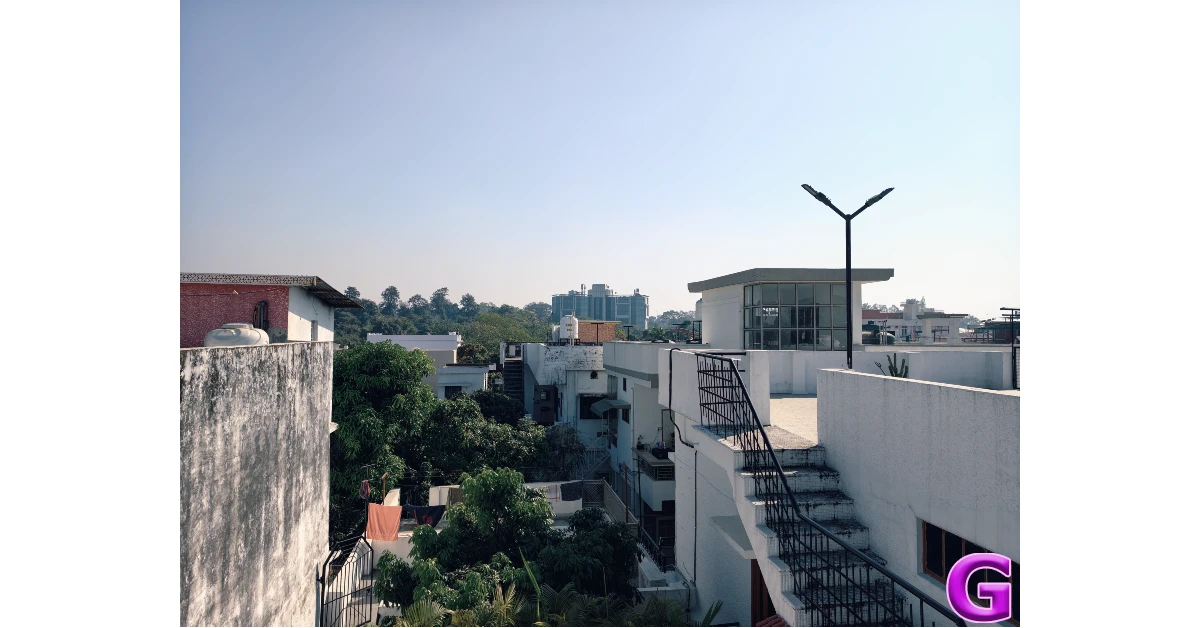
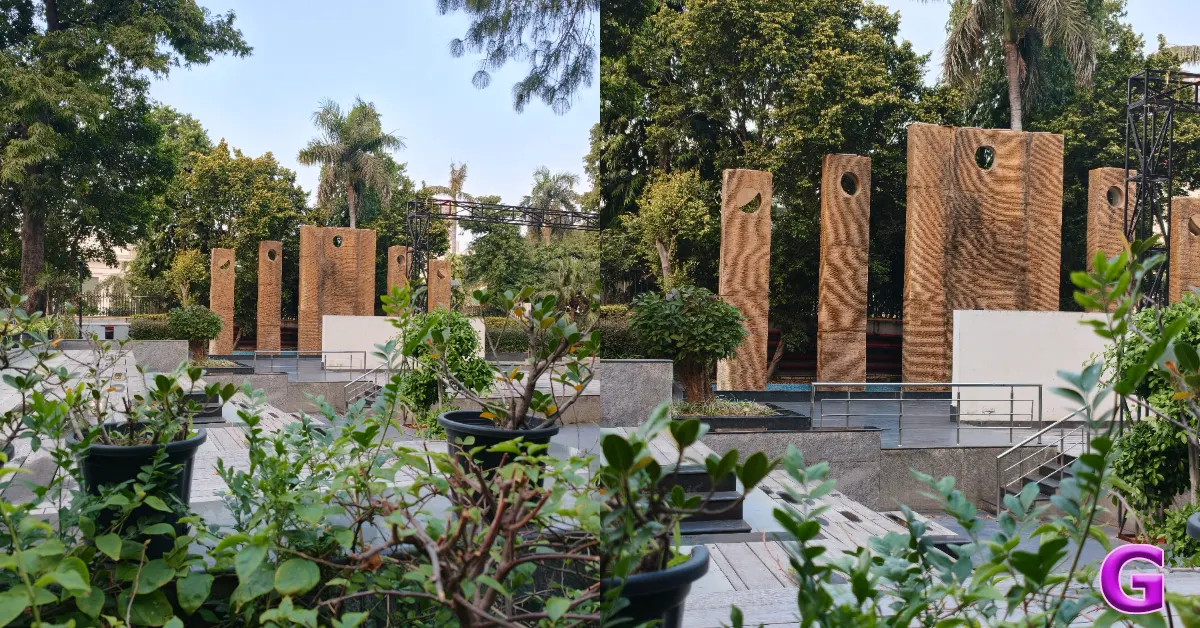
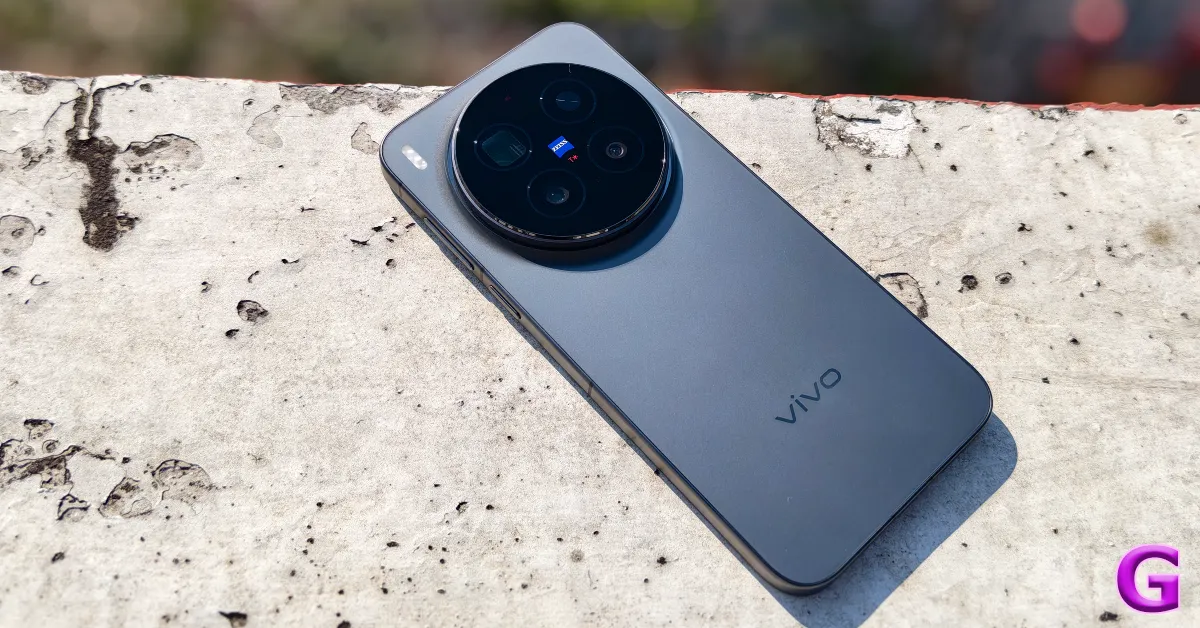 The 50MP primary shooter captures amazing pictures in outdoor daylight conditions. The images showcase balanced and natural-looking colours that do justice to the scene. Vivo’s VS1 and V3+ chips play a big role in pre- and post-processing stages. The details on the images are sharp and spectacular. The contrast and dynamic range levels are quite tasteful. In limited lighting conditions, the primary shooter retains the balance of colours. The Night Mode gets rid of the noise and makes the images ‘pop’.








Verdict
After the dominating camera performance of the X200 Pro, it was hard to imagine how Vivo could outperform itself. However, with minor but crucial upgrades to the camera system, the new X300 Pro is set to retain its spot in the upper echelon of camera phones. The photoprocessing engine in this device distinguishes it from its peers. You can juggle among the three rear lenses without worrying about a drop in quality. The top-notch performance is a constant, regardless of the lighting conditions. The Dimensity 9500 chipset on this phone handles routine, everyday tasks with ease. Its versatility is showcased by how well it runs power-intensive games. It goes without saying that this phone will never leave you hanging, no matter the task at hand. The bright AMOLED display remains unfazed under direct sunlight, maintaining legibility no matter the time of day. The elite viewing experience is made better by an amazing dual speaker setup. The 2-day battery life ties a neat bow to the overall experience.Pros
- Amazing cameras
- Powerful processor
- Bright display
- 2-day battery life
Cons
- Contains bloatware
- Camera bump causes wobble

 Step 1: Go
 Step 1: Launch

 Step 1: Launch













 Step 1: Launch
 Step 4:
 Step 5:

 Step 4:
 Step 5:
 Step 6:
 Step 7:





 Step 1: Join
 Step 1: Launch