


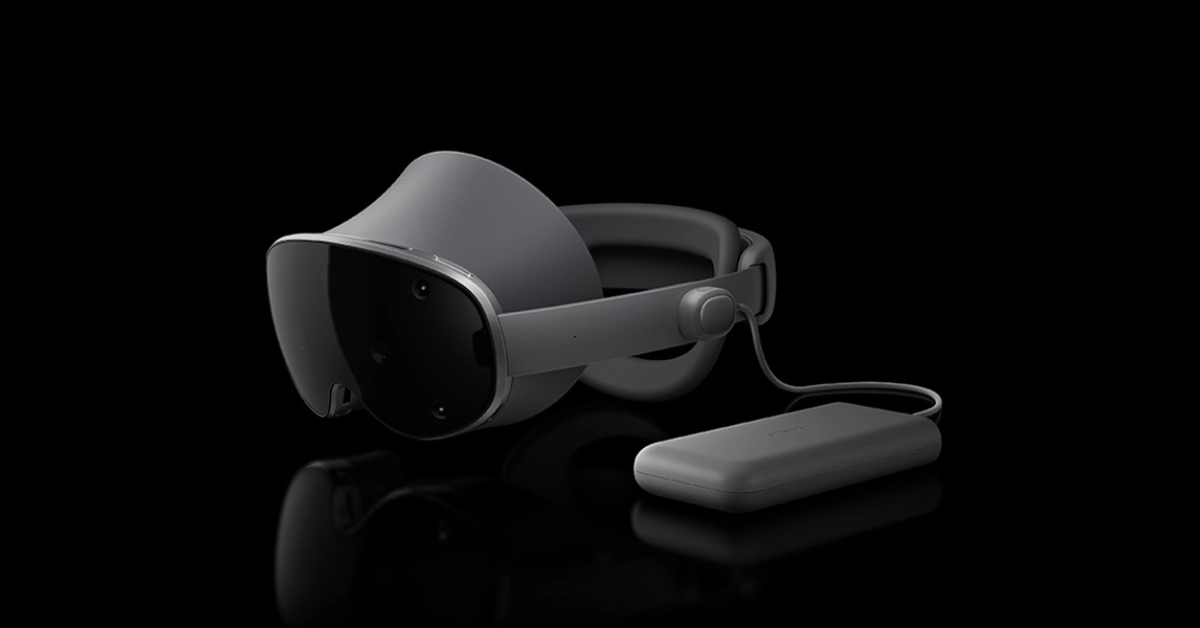

Samsung has released the Galaxy XR headset, which incorporates augmented reality (AR) features into real-world settings via two lenses on the inside. The headgear weighs around 545g, includes a forehead cushion, and has two pass-through cameras. It is Samsung’s first extended reality (XR) headset, powered by Qualcomm’s Snapdragon XR2+ Gen 2 processor, and the first to ship with Android XR preinstalled.
The Samsung Galaxy XR headset has Gemini incorporated at the system level. It is the first product to be created on this platform, and it will change the way people interact with the world through technology. Galaxy XR is more than simply a tool that responds to human commands; it is a new form of AI companion that manages tasks via voice, vision, and gestures. As a headset, it recognises users’ surroundings and responds in conversational ways that feel natural and human, providing new ways to communicate with technology.
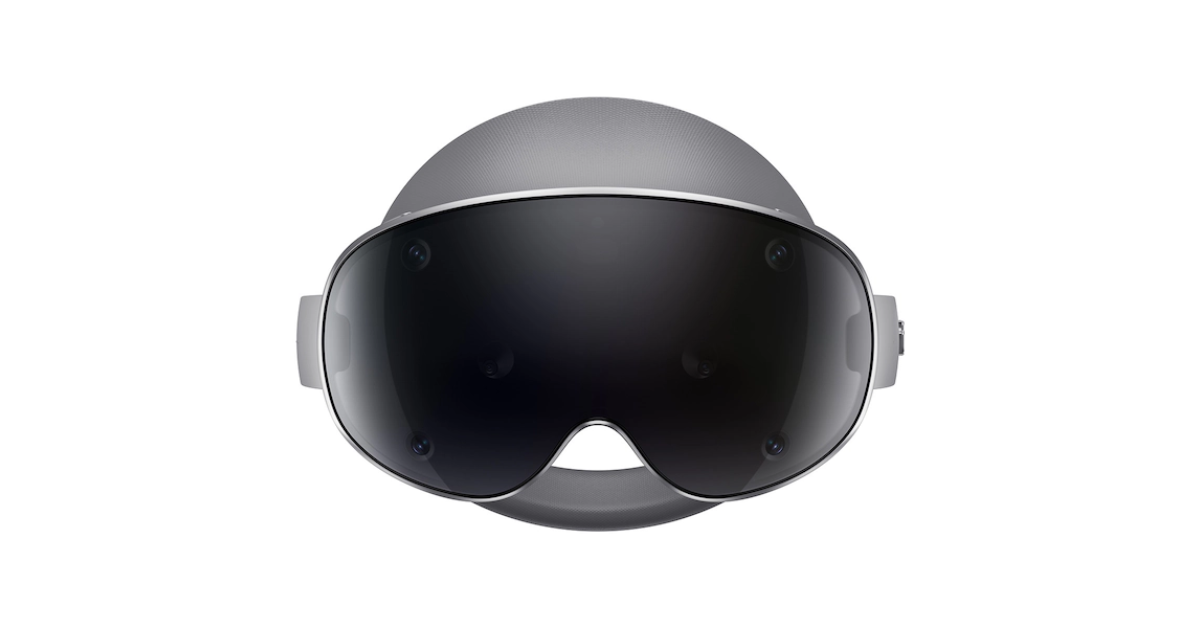
Samsung has created a new XR environment in collaboration with Google and Qualcomm, with AI at the heart of the experience. Android XR, a powerful platform co-developed with Google and Qualcomm, is designed to expand across a variety of form factors, including headsets and artificial intelligence glasses. The Galaxy XR benefits from an open, scalable ecosystem that enables all Android apps to run out of the box. The platform is based on OpenXR standards, allowing developers to easily bring their experiences to Galaxy XR, increasing scalability and user choice.
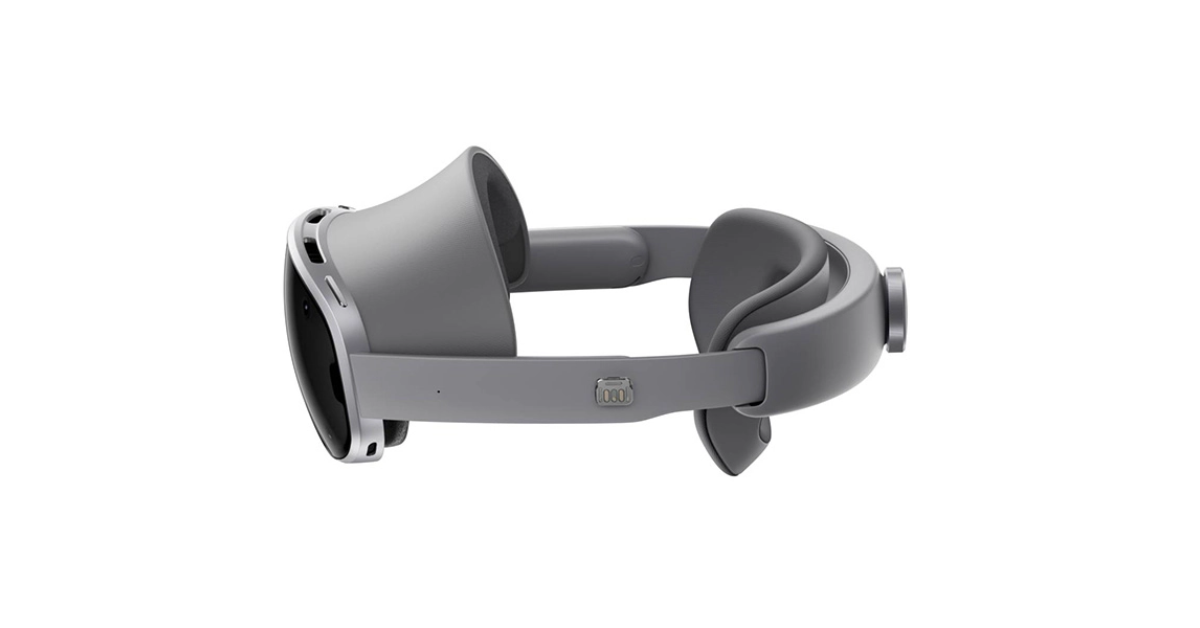
Its ergonomically balanced frame distributes pressure evenly over the forehead and back, reducing face discomfort while offering consistent support. The headset’s battery pack is detachable, making it more compact and lightweight. It also has a retractable light shield for further comfort and immersion, allowing users to fully engage in XR experiences.
Also Read: Google looking for Pixel Superfans to test and design upcoming Pixel 11
The Galaxy XR supports a variety of immersive experiences, including Google Maps, YouTube, Circle to Search, and Google Photos. Users may utilise Gemini as a guide to browse and search in 3D, while AI can assist users in finding desired content on YouTube. Pass-through mode allows users to see the actual environment and create a circle to quickly search for information. Furthermore, the gadget can automatically spatialize videos and photographs into 3D, changing memories into immersive experiences or rethinking them in novel ways. These capabilities provide people with a new way to explore and experience the world around them.
The Galaxy XR, which has powerful sensors, cameras, and technology, provides immersive experiences by monitoring users’ head, hand, and eye motions. Its microphones effectively record the wearer’s voice while filtering out extraneous noise. Gemini’s support allows users to explore virtual and real worlds via XR-specialised apps through natural physical contact.
Also Read: Google October 2025 Android update rolled out: Details
The Galaxy XR provides immersive entertainment experiences like sports and gaming. Users may stream their favourite shows on a 4K Micro-OLED screen, feel like they’re in the stadium, and watch many games at once. AI-enhanced gameplay enables players to communicate with Gemini for real-time coaching and assistance. Adobe’s Project Pulsar simplifies cinematic video editing by allowing users to create 3D depth and layer captions or icons behind subjects.
Samsung’s Galaxy XR, powered by Snapdragon XR2+ Gen 2, provides immersive experiences with high visual clarity and advanced AI. It has a battery life of 2.5 hours, letting users enjoy content without interruption. The gadget also has immersive acoustics and ultra-high-resolution screens. Samsung has collaborated with Samsung Heavy Industries to employ Galaxy XR for virtual shipbuilding instruction, and Qualcomm Technologies to tap into an Enterprise ISV ecosystem, allowing developers to create Android XR apps. These partnerships enable enterprise-ready XR features such as improved training, solution co-design, and secure remote collaboration.
The headset is available in the US and South Korea via the company’s online store and has yet to be launched in India. The Samsung Galaxy XR headset is priced at $1,799 in the US for a 16GB RAM with 256GB storage model, and KRW 2,690,000 in South Korea for the same model.


 features into real-world settings via two lenses on the inside.)