


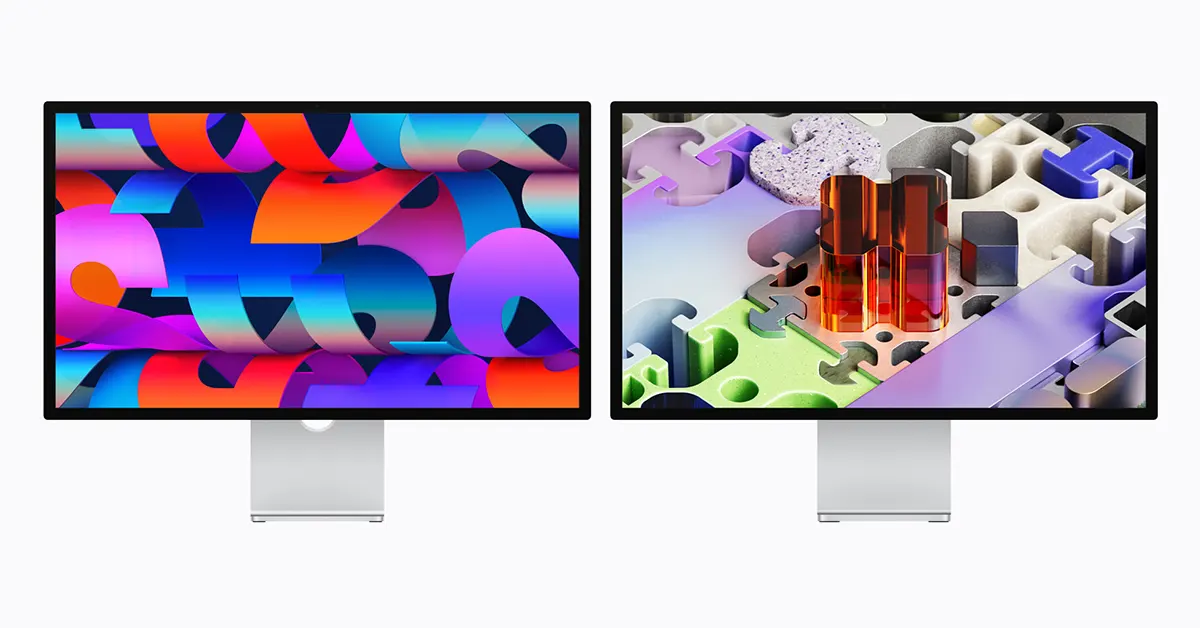

Apple has announced a refreshed Studio Display and an all-new Studio Display XDR, and yes, the Studio Display XDR price will be the first thing many creators will check right after “does it do proper HDR?”. The pitch is simple: a cleaner one-cable desk setup for Macs, plus a higher-end option that brings mini-LED backlighting, higher brightness, and faster motion handling to Apple’s 27-inch 5K display family.
Pre-orders open March 4, with availability starting March 11 in select markets and regions.
Read Also: Motorola Signature Review: Is this the best flagship killer of 2026?
In This Article
What’s new in the Studio Display lineup
This update splits the range into two clear choices:
-
Studio Display: the familiar 27-inch 5K Retina monitor, upgraded where people actually notice it day-to-day.
-
Studio Display XDR: a new pro-grade option designed for HDR workflows, colour-critical work, and smoother motion.
- Advertisement -
Both models aim to reduce desk clutter by doubling down on Thunderbolt 5 monitor connectivity, while keeping the “plug in one cable and get display plus charging” convenience Mac users tend to love.
Studio Display: familiar, but finally faster on the port side
The refreshed Studio Display keeps the headline basics that made the original popular:
-
27-inch 5K display with 5120×2880 resolution
-
600 nits brightness
-
P3 wide colour and 1 billion colours
Where it moves forward is on the “work-from-anywhere” and “clean setup” bits:
-
12MP Centre Stage Desk View support for video calls and overhead-style demos
-
A three-mic array tuned for clearer voice pickup
-
A six-speaker system with Spatial Audio, with deeper bass than the previous generation
-
Thunderbolt 5 plus extra USB-C ports for accessories, storage, and charging
In plain English: it’s still your crisp, everyday pro-friendly 5K screen, but it behaves more like a modern docking monitor without needing an extra hub.
Studio Display XDR: mini-LED, real HDR punch, and smoother motion
The new Studio Display XDR is the bigger story, mainly because it shifts Apple’s pro display strategy into a smaller, brighter, more modern form factor. It also positions itself as a Pro Display XDR replacement for many creators who wanted XDR-level performance without the old “separate stand, separate decisions” drama.
Key highlights include:
Mini-LED Retina XDR and serious brightness
-
Mini-LED Retina XDR backlight with 2,304 local dimming zones
-
Up to 1000 nits SDR brightness
-
Up to 2000 nits peak HDR brightness
-
1,000,000:1 contrast ratio
That matters for HDR editing, lighting-heavy photography, and motion projects where shadow detail and highlight control are not “nice-to-have,” they are the job.
Read Also: Redmi Note 15 Pro+ Full Review: Built like a tank
120Hz with Adaptive Sync for creators (and yes, gamers too)
A 5K pro display is not usually where you go looking for gaming talk, but higher refresh rates help far beyond games.
-
120Hz Adaptive Sync support
-
Variable refresh range that can adjust between 47Hz and 120Hz
For editors, it can mean smoother timeline scrubbing and playback. For animators and 3D artists, it can mean a more responsive feel while moving around complex scenes. For anyone who occasionally unwinds with a controller, it can mean less judder and lower perceived latency.
Wider colour support for mixed workflows
Studio Display XDR adds Adobe RGB alongside P3, a detail that print and design professionals will actually care about. If your day includes switching between digital-first colour and print-ready work, having both in a reference display reduces the “looks great here, looks odd everywhere else” problem.
Thunderbolt 5: why it matters on a monitor
Thunderbolt 5 is not just a spec flex. The practical benefits are simple:
-
More bandwidth for high-resolution displays and high-speed drives
-
Better hub-style behaviour for a single-cable workstation
-
More flexible multi-display setups and daisy-chaining possibilities
If your desk has a MacBook, a couple of SSDs, and enough accessories to qualify as a small electronics store, Thunderbolt 5 can reduce the cable chaos.
Pricing and availability (US and India)
-
Studio Display starts at Rs 1,89,900 in India.
-
Studio Display XDR starts at Rs 3,99,900 in India.
-
US pricing starts at $1,599 for Studio Display and $3,299 for Studio Display XDR (regional pricing varies).
-
Both offer standard or nano-texture glass options, plus different stand and mount configurations.
-
Pre-orders begin March 4, with sales and deliveries starting March 11.
Who should buy which
Pick Studio Display if you want a premium 5K screen for office work, editing, coding, and everyday creative projects, plus modern connectivity and better call hardware.
Pick Studio Display XDR if your work involves HDR grading, colour-critical output, print design, 3D rendering, or if you simply want the brightest and most responsive 27-inch 5K Apple display with mini-LED and 120Hz.
This launch feels like Apple finally decided that “pro display” should not automatically mean “giant screen, giant price, giant compromises.” Studio Display XDR sounds like the monitor for people who live in timelines, layers, and colour charts, while the regular Studio Display remains the cleaner, calmer choice for everyone else who just wants a beautiful 5K workspace without turning their desk into a cable documentary.


