


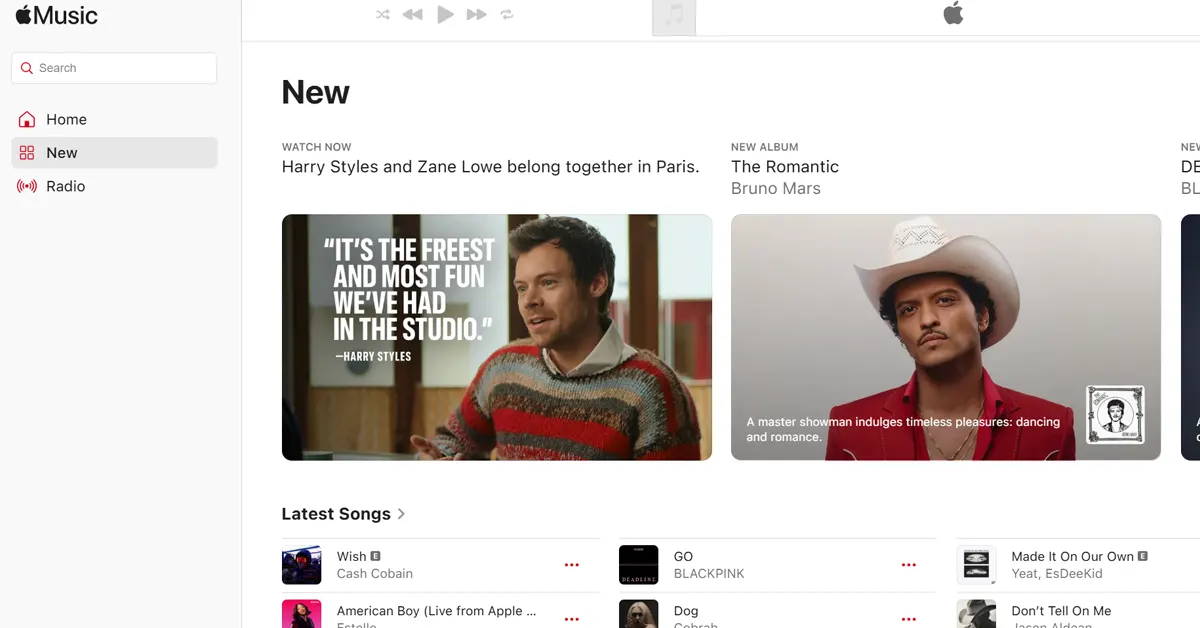
Artificial intelligence is quietly reshaping the music industry. Now, Apple Music AI transparency tags are stepping into the conversation. The streaming platform has introduced a new metadata framework designed to label AI-created elements across music releases, marking what it calls a first step toward clearer disclosure of synthetic content.
The announcement was shared with music industry partners in a newsletter on March 4, 2026. The idea is simple on the surface. Labels and distributors can now tag songs, artwork, lyrics, and videos that contain AI-generated elements when delivering content to Apple Music.
However, there is a notable twist. Apple Music is not actively detecting AI music itself. Instead, it is relying on music distributors and record labels to declare it.
In This Article
Apple Music Introduces AI Transparency Tags
The newly launched tagging system focuses on four major creative components within a music release. Each element can receive a specific label if artificial intelligence played a meaningful role in its creation.
The framework includes:
-
Artwork tag for album artwork generated partly by AI
-
Track tag for AI-created portions of sound recordings
-
Composition tag for AI-generated lyrics or musical structure
-
Music video tag for visuals created with AI assistance
The artwork label applies at the album level and highlights when AI generates a material portion of cover art or motion graphics. The track tag operates at the song level and flags AI-generated elements within the recording itself.
Meanwhile, the composition tag identifies AI involvement in songwriting, including lyrics or musical arrangement. The music video tag covers any visual content that accompanies an album or is distributed independently.
Multiple tags can be applied to a single release when necessary. This allows labels to provide more granular disclosure around how AI tools were used during production.
Responsibility Falls On Labels And Distributors
One of the most interesting aspects of this move is where the responsibility lies.
Apple Music has made it clear that labels and distributors will determine what qualifies as AI-generated content. The system works similarly to genre classification or metadata credits already used across the music industry.
In other words, Apple Music is not verifying whether AI was used. It is trusting content providers to disclose it accurately.
The company believes proper tagging is the first step toward building better industry standards. With clearer data, the music ecosystem could eventually develop policies around licensing, royalties, and ethical AI use.
Still, the absence of platform-level detection has raised questions across the industry.
How Deezer Is Taking A Different Approach
While Apple Music is relying on self-reporting, another streaming platform has taken a more technical route.
The music streaming service Deezer has spent the past year building an internal AI detection system that analyses tracks to identify synthetic content automatically.
The scale of AI music uploads has grown dramatically. According to Deezer, tens of thousands of fully AI-generated songs are being uploaded every day. At one point, the company reported roughly 50,000 such tracks arriving daily, representing around a third of total uploads.
More recent estimates suggest the number has climbed even higher.
Deezer says it has already detected millions of AI-generated songs across its catalogue. Its detection system can reportedly identify music produced using generative AI tools such as Suno and Udio.
Another concern has emerged alongside this growth. A large share of AI-generated tracks appears linked to streaming fraud rather than artistic experimentation.
In some cases, platforms have reported that up to 85 per cent of streams on AI-created tracks were fraudulent attempts to generate royalties.
Read Also: Apple’s new MacBook Air with M5 brings faster on-device AI, 512GB base storage, and Wi-Fi 7
Spotify Focuses On AI Tools For Artists
Elsewhere in the streaming world, Spotify is approaching AI from a different angle. Instead of focusing primarily on detection, the company is investing in Spotify artist-first AI tools that aim to help musicians use artificial intelligence responsibly.
Spotify has established a generative AI research lab that collaborates with artists, producers, and songwriters. The goal is to build AI tools that prioritize consent, attribution, and fair compensation.
Music executives have echoed similar views. Many argue that licensing agreements and artist approvals should remain central to AI innovation in the music business.
A First Step, But Not The Final Word
Apple Music’s transparency framework signals that the streaming industry is taking AI disclosure seriously. Still, the system currently depends on voluntary reporting from labels and distributors.
That means its effectiveness will ultimately depend on how consistently the industry adopts these tags.
From a listener’s perspective, transparency around AI-created music could soon become as common as genre labels or production credits. The bigger question is whether platforms will eventually move beyond disclosure and begin verifying AI content independently.
For now, Apple Music has opened the door to transparency. Whether it leads to stronger oversight remains the next chapter in the evolving story of AI in music.


