


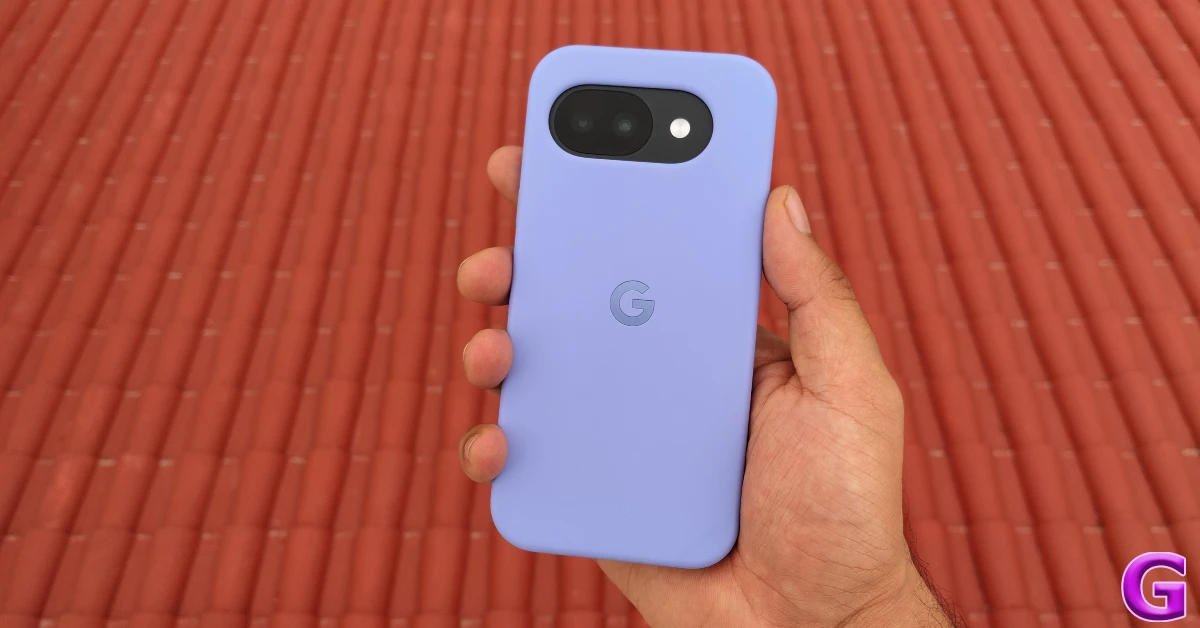

Rs 50,000 in today’s market gets you a rock-solid smartphone with some flagship-grade specs. From dedicated gaming phones equipped with high-end chipsets to camera-focused devices with stunning main cameras, this segment has something for everyone. If you don’t want to break the bank on a flagship phone, but don’t want to compromise on certain non-negotiable specs depending on your use-case, this is the price bracket you should be shopping in. So, without further ado, here are the top 10 smartphones priced under Rs 50,000.
Read Also: Stuffcool Zeno 100W desktop charging station introduced in India
In This Article
Vivo V70
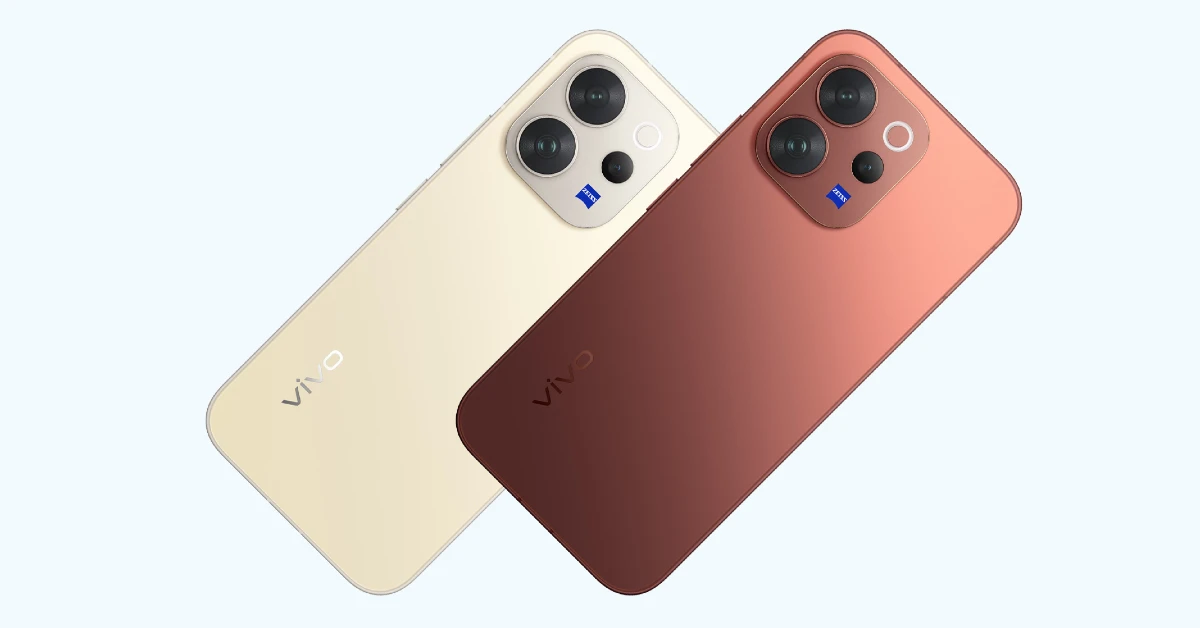
The Vivo V70 is one of the finest smartphones you can buy under Rs 50,000 right now. Its biggest highlight is its splendid camera system that comprises a 50MP primary shooter, an 8MP ultrawide lens, and a 50MP telephoto lens with 3x optical zoom. All of these sensors are tuned by Zeiss. The 6.59-inch FHD+ AMOLED display has a 120Hz refresh rate and can reach 1,800 nits in High Brightness Mode. At the heart of the smartphone lies the Snapdragon 7 Gen 4 SoC. Software duties are handled by the Android 16-based OriginOS 6. The 6,500mAh Si/C battery pack supports 90W wired charging.
Pros
- Great cameras
- Bright display
- Fast charging
Cons
- Could’ve used a more powerful processor
OnePlus 15R
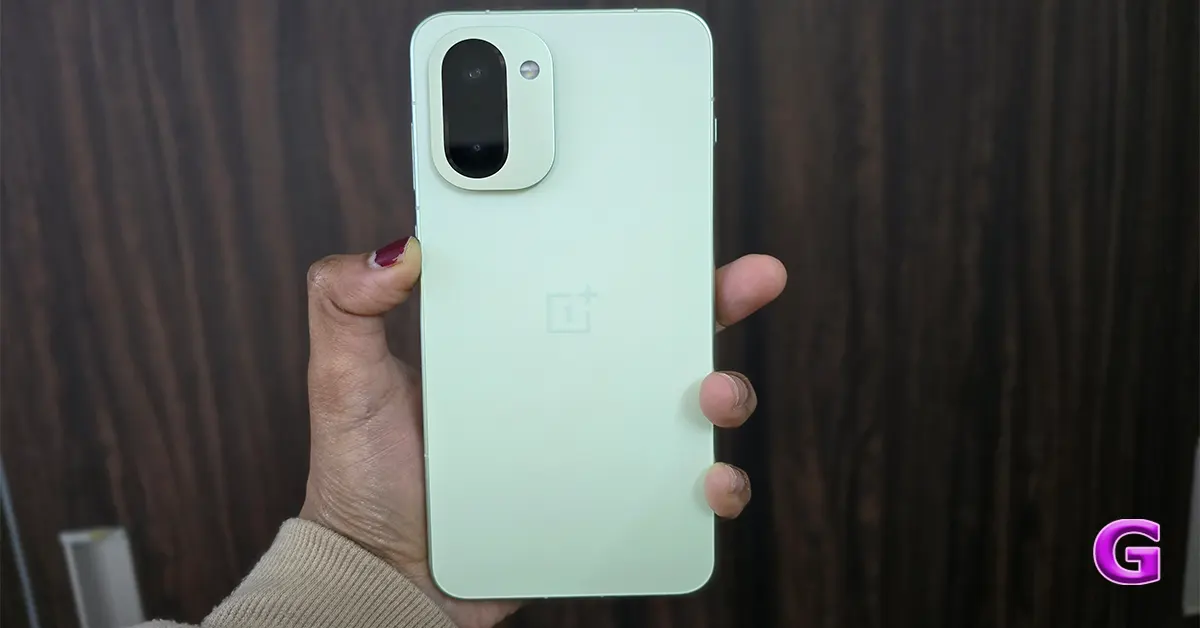
The OnePlus 15R does justice to its ‘flagship killer’ title. Powered by the Snapdragon 8 Gen 5 SoC, this smartphone runs the Android 16-based OxygenOS 16 out of the box. Its 6.83-inch AMOLED display has a 165Hz refresh rate and can reach a peak brightness of 3,600 nits. Like its flagship counterpart, this phone has a Micro-Arc Oxidation coating on its back panel that guards it against scuffs and scratches. The rear camera panel houses a 50MP primary shooter and an 8MP ultrawide lens. The 7,400mAh Si/C battery pack supports 80W wired charging. Read our review of the OnePlus 15R to learn more about its performance in everyday use.
Pros
- Powerful
- Bright display
- Durable
Cons
- Lacks a telephoto camera
iQOO 15R
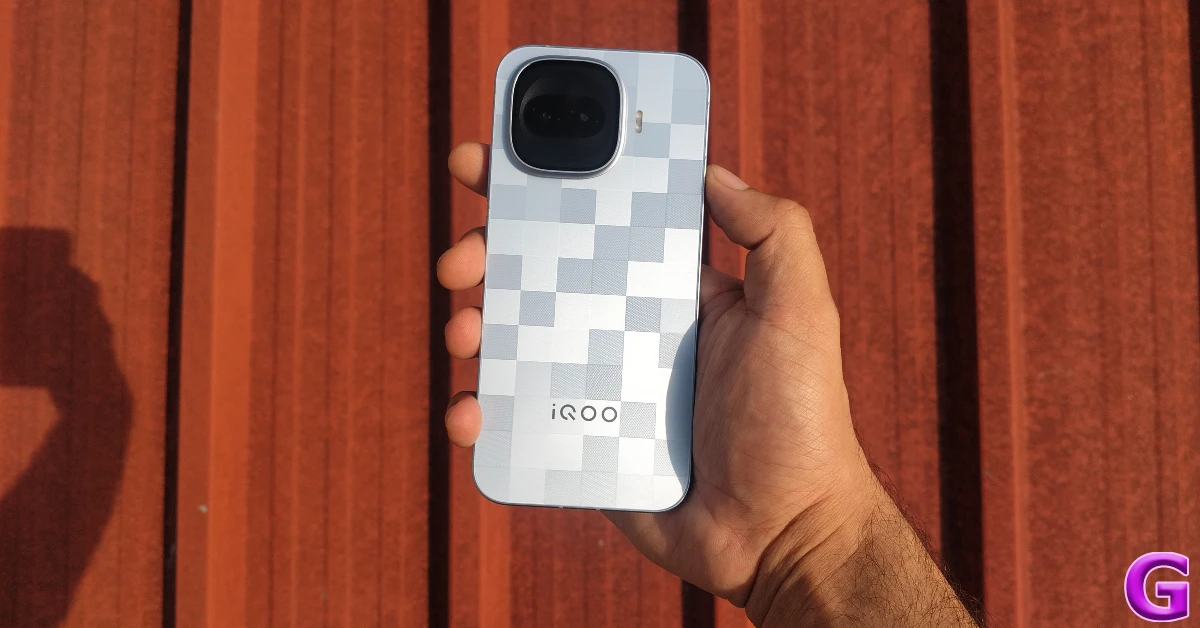
The iQOO 15R is also powered by the Snapdragon 8 Gen 5 chipset. Software duties are handled by the Android 16-based OriginOS 6. The 6.59-inch AMOLED display has a 144Hz refresh rate and can hit a peak brightness of 5,000 nits. The rear camera panel houses a 50MP primary shooter and an 8MP ultrawide lens. The smartphone is rated IP68/IP69 for protection against dust and water. Its 7,600 Si/C battery pack supports 100W wired charging. Read our iQOO 15R review to learn more about its gaming performance.
Pros
- Good processor
- Bright display
- Fast charging
Cons
- No telephoto lens
Google Pixel 10a
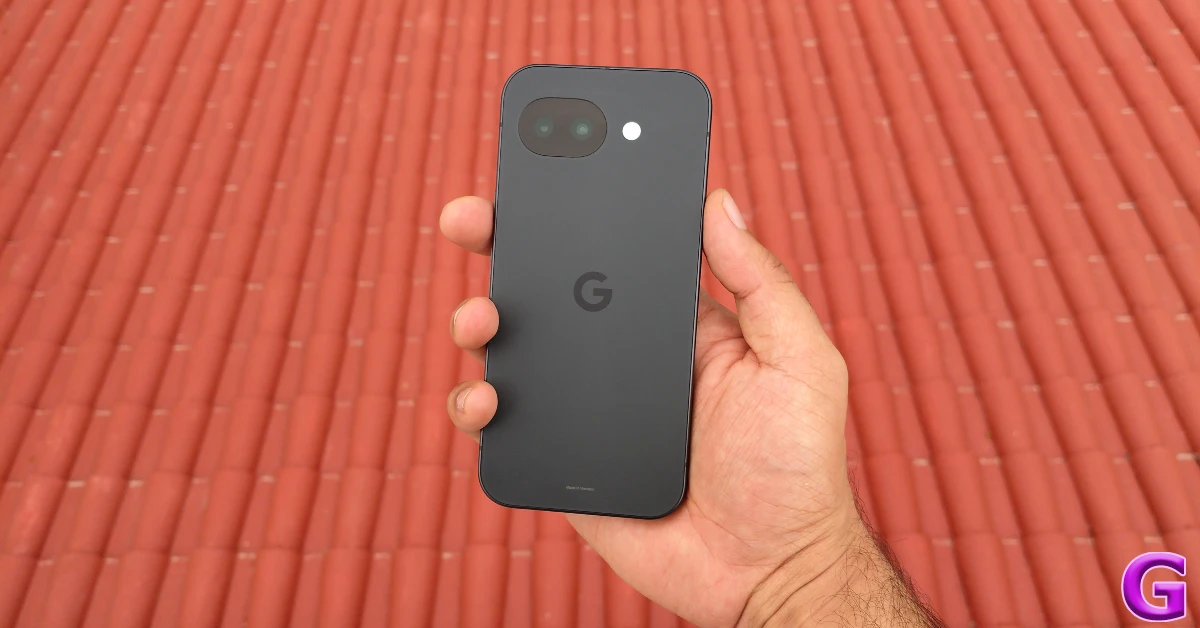
The newest model in Google’s Pixel A series retains the design and form factor of its predecessor. One of our favourite things about this smartphone is that it does not have a camera bump. The rear camera array houses a 48MP primary shooter and a 13MP ultrawide lens. Powering this smartphone is Google’s in-house Tensor G4 chipset. The 6.3-inch OLED display has a 120Hz refresh rate and can reach 3,000 nits of peak brightness. The 5,100mAh battery pack supports 30W wired and 10W wireless charging. Dive into our Google Pixel 10a review for an in-depth analysis of its performance.
Pros
- Nice design
- Bright display
- Wireless charging
Cons
- Mediocre processor
Samsung Galaxy S25 FE
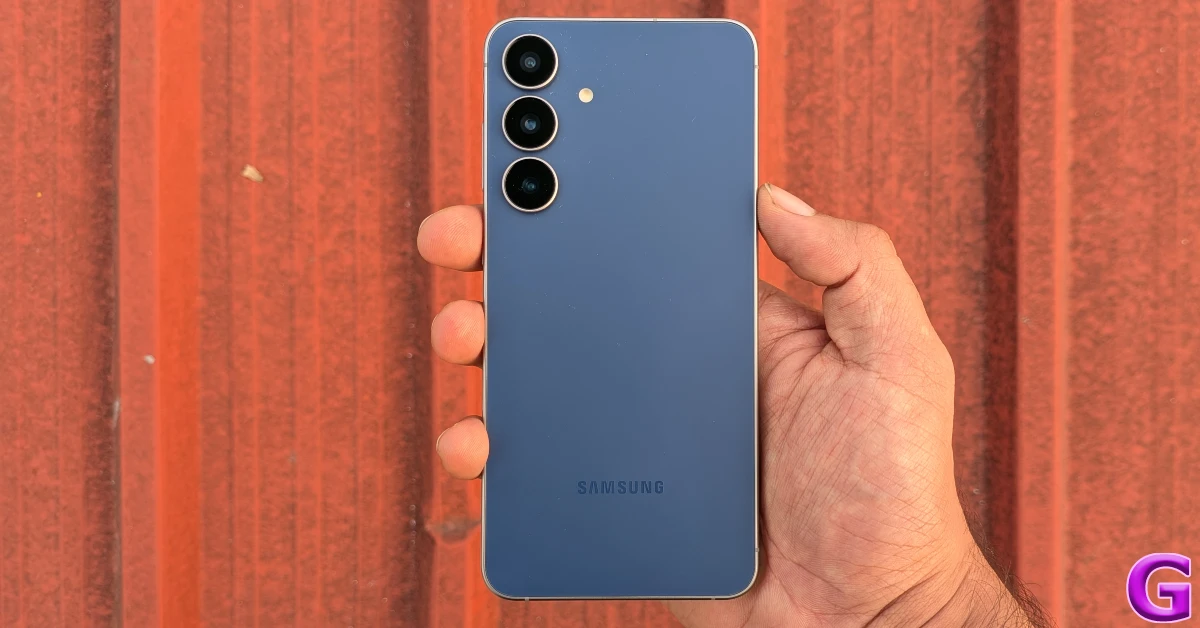
The FE variant in the Galaxy S25 lineup is currently priced just above Rs 50,000. It is powered by Samsung’s in-house Exynos 2400 chipset and runs the Android 16-based One UI 8 out of the box. Samsung has promised 7 major OS upgrades for this device. Its 6.7-inch Dynamic LTPO 2X AMOLED display has a 120Hz refresh rate and can reach a peak brightness of 1,900 nits. The rear camera array comprises a 50MP primary shooter, a 12MP ultrawide lens, and an 8MP telephoto lens with 3x optical zoom. The 4,900mAh battery pack supports 45W wired and 15W wireless charging. Read our Samsung Galaxy S25 FE review for more details about the smartphone.
Pros
- Smart design
- Smooth display
- Galaxy AI
Cons
- Not the most powerful processor in the segment
Poco X8 Pro Max
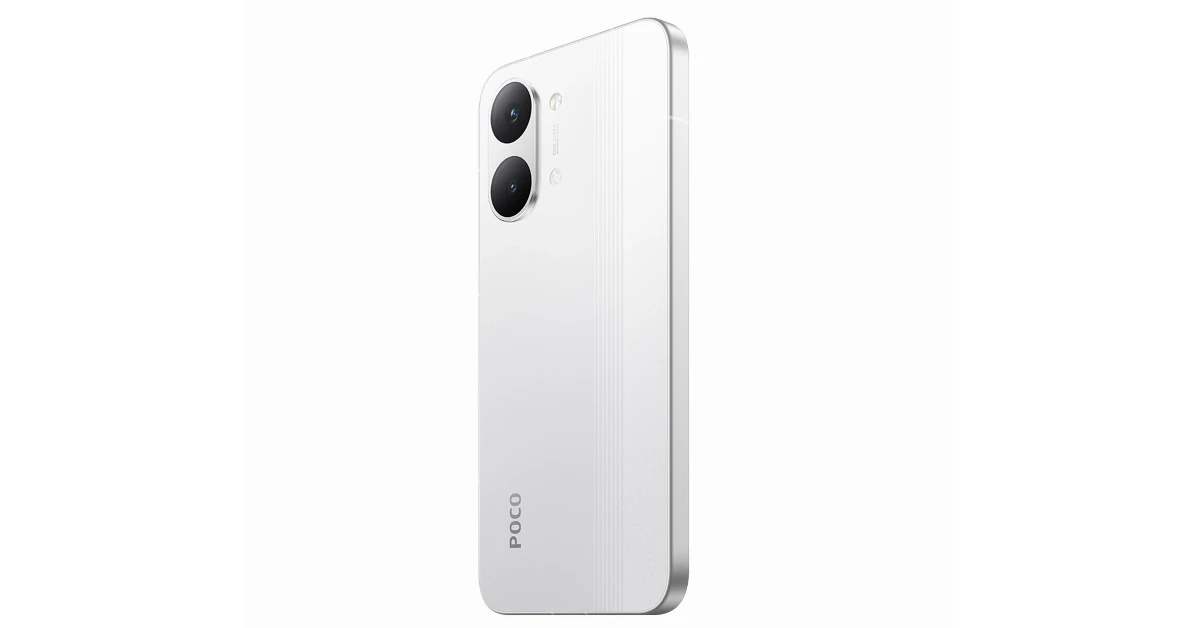
The newly-launched Poco X8 Pro Max is a great pick for gamers. At the heart of the device lies the MediaTek Dimensity 9500s chipset. Software duties are handled by the Android 16-based HyperOS 3. The 6.83-inch AMOLED display has a 120Hz refresh rate and can reach a peak brightness of 3,500 nits. The rear camera array houses a 50MP primary shooter and an 8MP ultrawide lens. There is IP68/IP69K protection on board against exposure to dust and water. The 9,000mAh battery pack supports 100W wired charging.
Pros
- Good processor
- Big battery
- Fast charging
Cons
- Mediocre ultrawide lens
Oppo Reno15
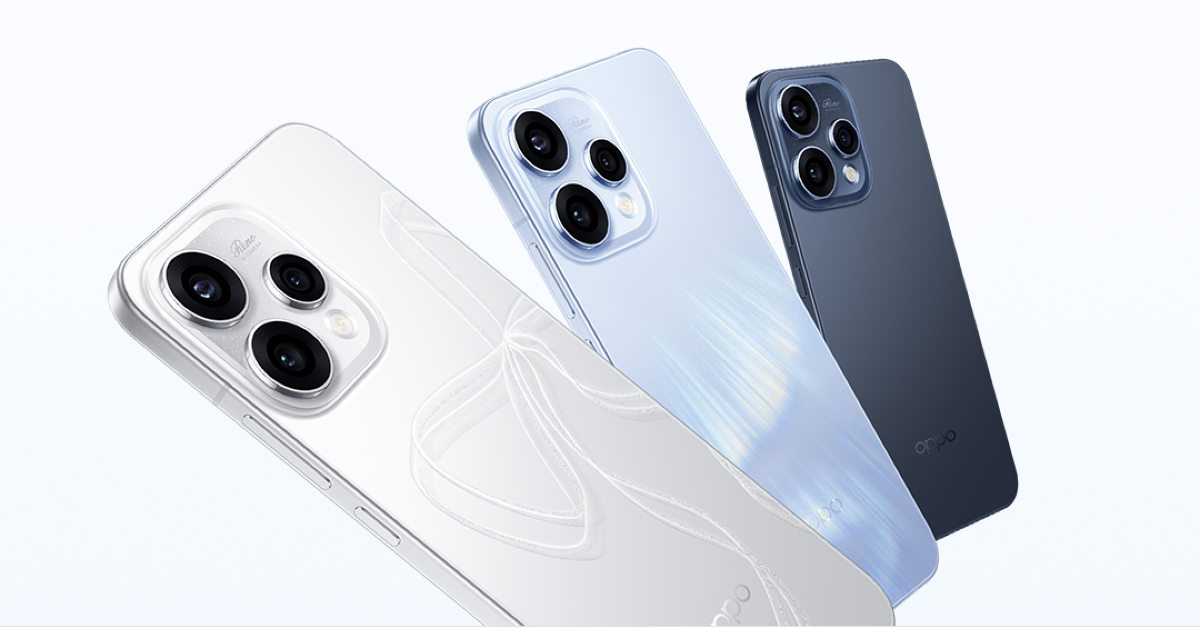
The portrait-master, Oppo Reno15, is powered by the Snapdragon 7 Gen 4 SoC under its hood. Software duties are handled by the Android 16-based ColorOS 16 out of the box. The device is rated IP68/IP69 for protection against dust and water. It flaunts a 6.59-inch AMOLED display with a 120Hz refresh rate. This display can reach 1,200 nits in High Brightness Mode. The rear camera panel houses a 50MP primary shooter, a 50MP telephoto lens with 3.5x optical zoom, and an 8MP telephoto lens. The 6,500mAh battery pack supports 80W charging.
Pros
- Smooth display
- Nice design
- Big battery
Cons
- Not the most powerful processor in the segment
Realme 16 Pro+
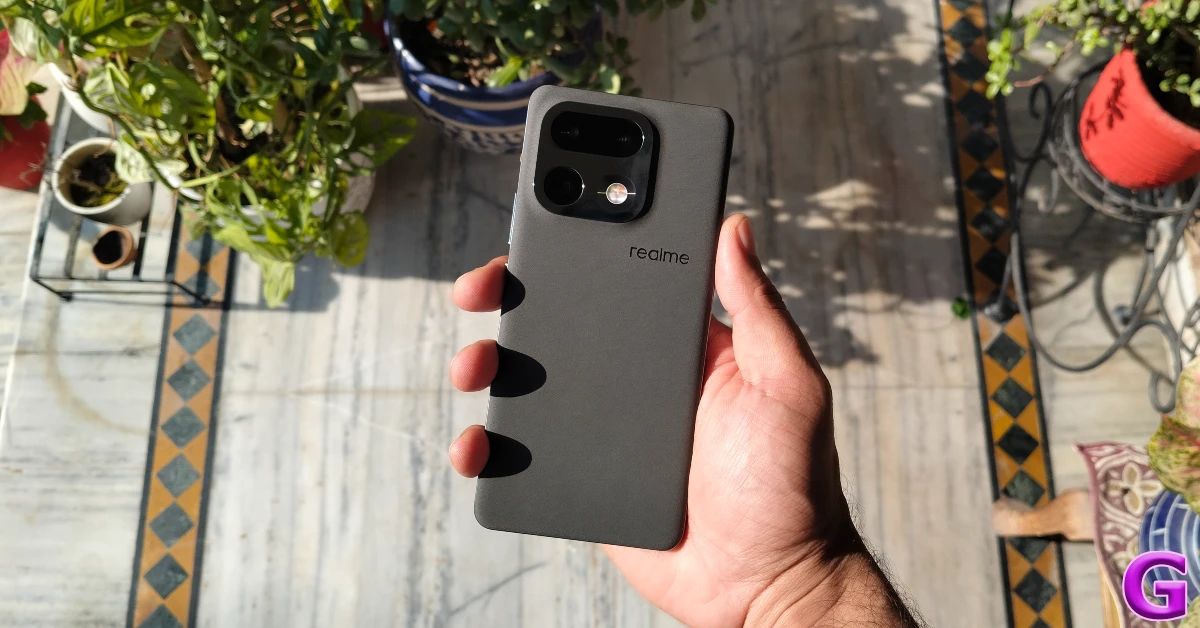
The Realme 16 Pro+ has an eco leather finish, which lends it a great in-hand feel. Its 6.8-inch AMOLED display has a 144Hz refresh rate and can reach a peak brightness of 6,500 nits. There is IP68/IP69 protection on board against dust and water. At the heart of the device lies the Snapdragon 7 Gen 4 SoC. Software duties are handled by the Android 16-based Realme UI 7. The rear camera panel houses a 200MP primary shooter, a 50MP periscope telephoto lens with 3.5x optical zoom, and an 8MP ultrawide lens. The 7,000mAh battery pack supports 80W wired charging. Dive into our Realme 16 Pro+ review for more details about the smartphone.
Pros
- Bright display
- Great primary camera
- Big battery
Cons
- Mediocre ultrawide lens
Samsung Galaxy A57
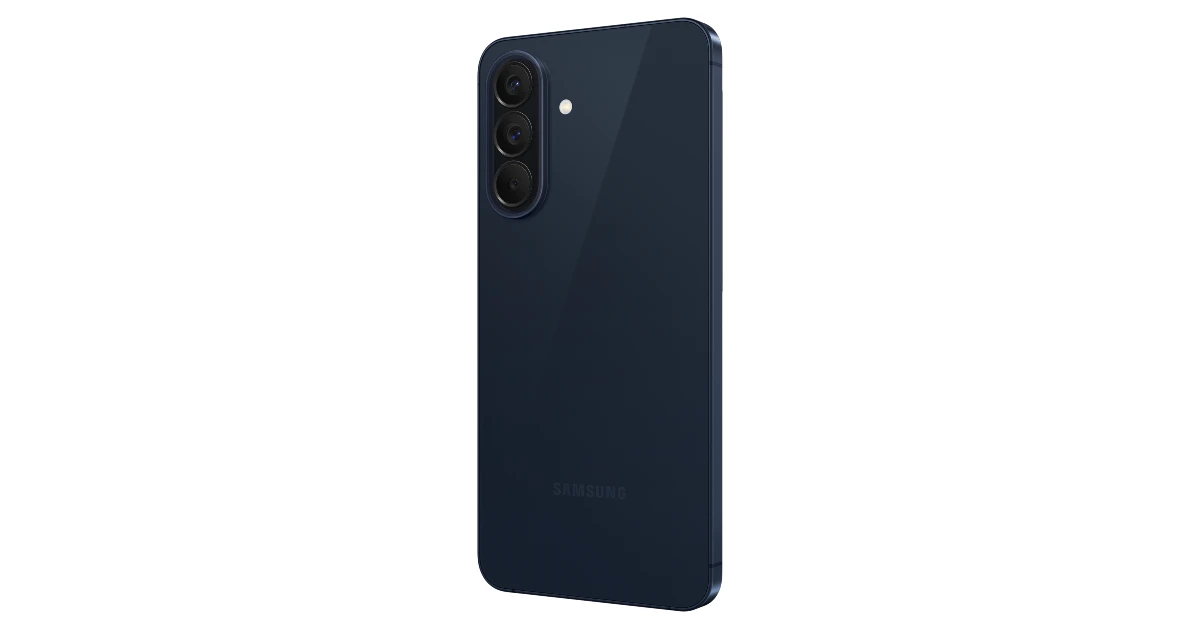
The newly-launched Samsung Galaxy A57 is powered by the Exynos 1680 chipset. It runs the Android 16-based One UI 8 out of the box. The smartphone has been promised 6 major OS upgrades. Its 6.7-inch Super AMOLED+ display has a 120Hz refresh rate and can reach 1,900 nits of peak brightness. The rear camera array houses a 50MP primary shooter, a 12MP ultrawide lens, and a 5MP macro lens. The 5,000mAh battery pack supports 45W wired charging.
Pros
- Smooth display
- IP68 protection
- Good main camera
Cons
- Mediocre chipset
Motorola Signature
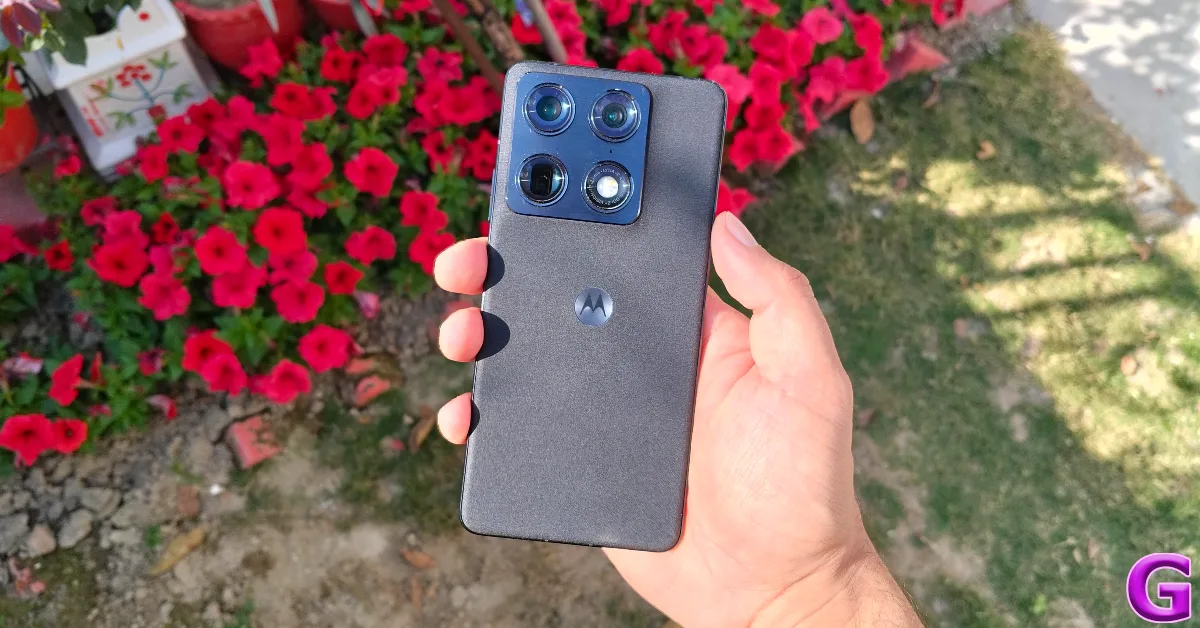
Ending this list is the Motorola Signature. This smartphone is powered by the Snapdragon 8 Gen 5 SoC and runs Android 16 skinned with Hello UI out of the box. Its 6.8-inch LTPO AMOLED display has a 165Hz refresh rate and can reach a peak brightness of 6,200 nits. The rear camera panel houses three 50MP sensors, one each for the primary shooter, ultrawide lens, and telephoto lens with 3x optical zoom. The 5,200mAh battery pack supports 90W wired and 50W wireless charging. Read our Motorola Signature review to learn more about the device.
Pros
- Bright display
- Good chipset
- Clean OS
Cons
- Not the best cooling system for gaming
Read Also: Redmi A7 Pro 5G India launch teased, release set for next week
Final Thoughts
These are our top 10 picks for smartphones priced under Rs 50,000 in April 2026. If you’re looking for something more premium, check out our top 10 flagship phones this month. Got any questions? Let us know in the comments!


