


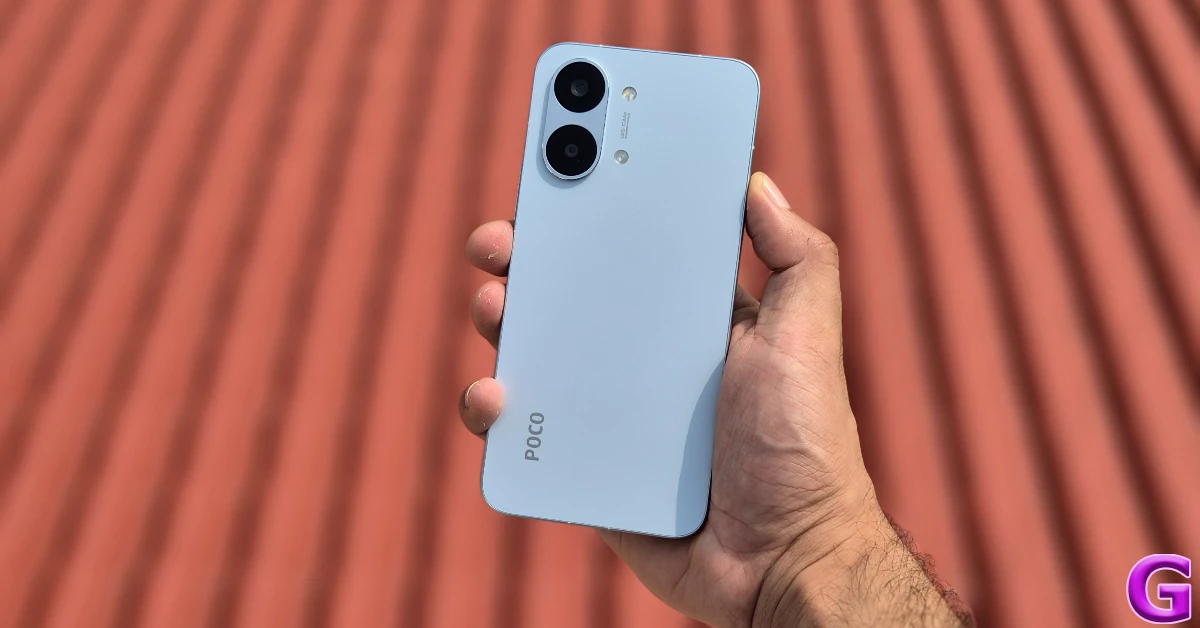
Smartphone prices are rising across the board due to the worldwide RAM shortage. The good news is that you can still get a respectable daily driver that can match the performance of flagship phones without spending more than Rs 50,000. These devices have powerful processors, smooth displays, and good main cameras. They also get long-lasting software coverage. Here are the top 10 smartphones priced under Rs 50,000 in June 2026.
Read Also: Wordle Answer Today #1815 Hints, Clues and the Solution for Monday, June 8, 2026
In This Article
OnePlus 15R
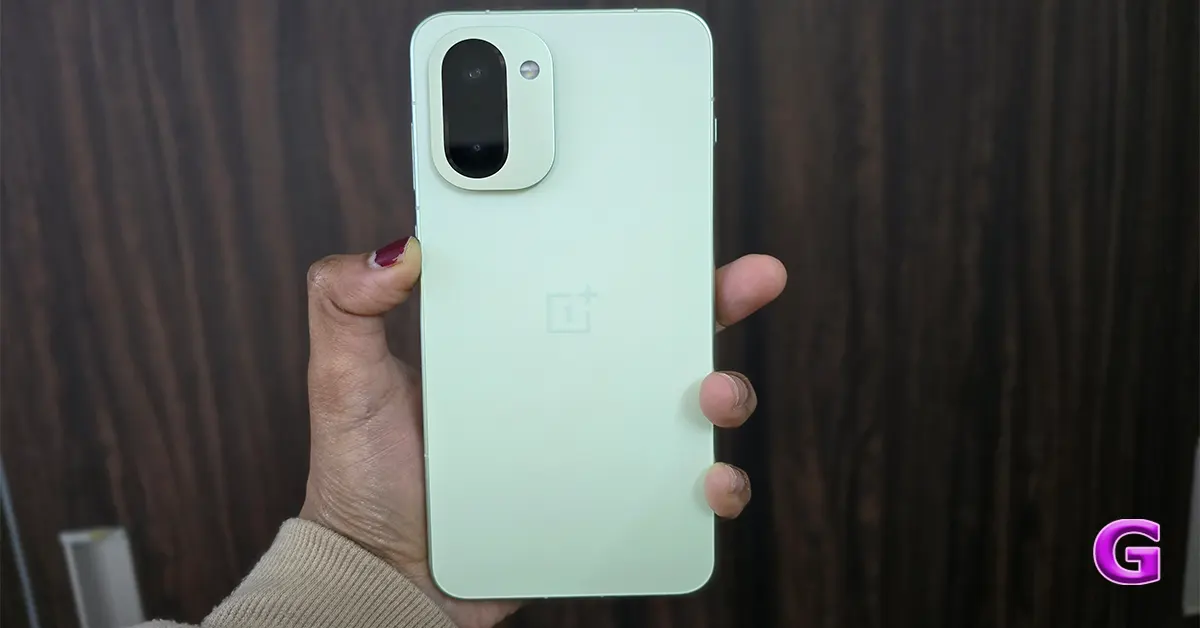
The OnePlus 15R remains one of the finest smartphones you can buy under Rs 50,000 in June 2026. Widely regarded as a flagship killer, the smartphone is powered by the Snapdragon 8 Gen 5 chipset. Software duties are handled by the Android 16-based OxygenOS 16. The 6.83-inch AMOLED display has a 165Hz refresh rate and a peak brightness of 3,600 nits. Like its flagship counterpart, this phone has a Micro-Arc Oxidation coating on its back panel. The rear camera island houses a 50MP primary shooter and an 8MP ultrawide lens. The 7,400mAh Si/C battery pack supports 80W wired charging. Check out our OnePlus 15R review to learn more about its everyday performance.
Pros
- Powerful
- Bright display
- Durable
Cons
- Mediocre ultrawide lens
Nothing Phone (4a) Pro
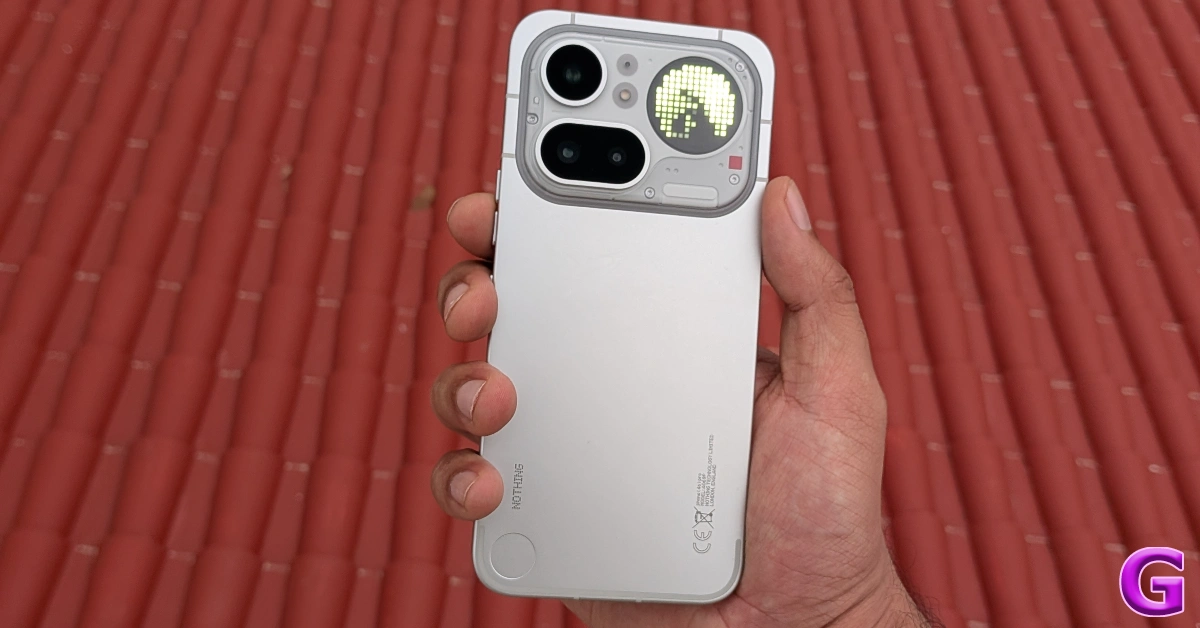
The Nothing Phone (4a) Pro ditches the brand’s see-through design language for a metallic finish. Its wide camera plateau gets a Glyph Matrix that’s similar to the one on Nothing’s flagship offering. This plateau also houses a 50MP primary shooter, an 8MP ultrawide lens, and a 50MP periscope telephoto lens with 3.5x optical zoom. The smartphone’s 6.83-inch AMOLED display has a 144Hz refresh rate and can hit a peak brightness of 5,000 nits. At the heart of the device lies the Snapdragon 7 Gen 4 SoC. The 5,400mAh battery pack supports 50W charging. Read our Nothing Phone (4a) Pro review to learn more about the device.
Pros
- Nice design
- Clean OS
- Glyph Matrix
Cons
- Selfie camera can’t record 4K videos
iQOO 15R
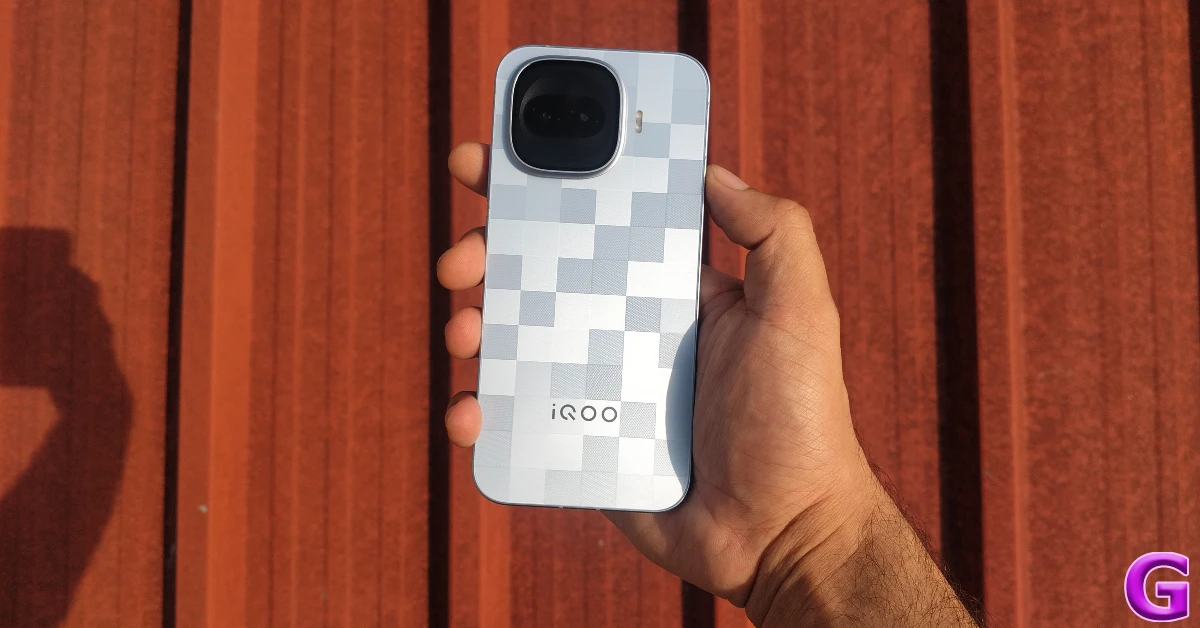
Designed for gamers, the iQOO 15R rocks the Snapdragon 8 Gen 5 chipset under its hood. Its 6.59-inch AMOLED display has a 144Hz refresh rate and can reach a peak brightness of 5,000 nits. The smartphone is rated IP68/IP69 for dust and water resistance. The rear camera island houses a 50MP primary shooter and an 8MP ultrawide lens. Up front, a 32MP selfie lens lies inside a punch-hole cutout on the display. The 7,600mAh battery pack supports 100W wired charging. Go through our iQOO 15R review to learn more about its gaming performance.
Pros
- Bright display
- Powerful processor
- Big battery
Cons
- Mediocre portrait shots
Google Pixel 10a
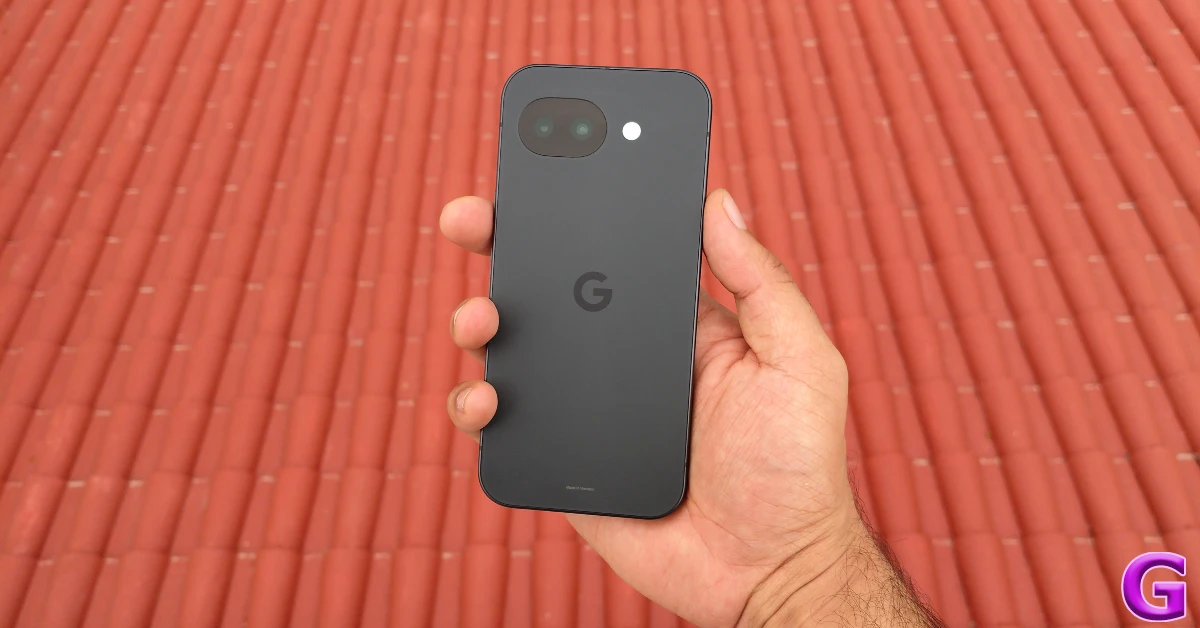
The new A series Pixel retains the design and form factor of its predecessor. Its rear camera island does not have a protruding bump. This island houses a 48MP primary shooter and a 13MP ultrawide lens. Powering the device is Google’s in-house Tensor G4 processor. Software duties are handled by Android 16 out of the box. The smartphone has been promised 7 major OS updates. The 6.3-inch OLED display has a 120Hz refresh rate and can reach 3,000 nits of peak brightness. The 5,100mAh battery pack supports 30W wired and 10W wireless charging. Read our Google Pixel 10a review for a deeper analysis.
Pros
- Nice design
- Bright display
- Wireless charging
Cons
- Mediocre processor
Vivo V70
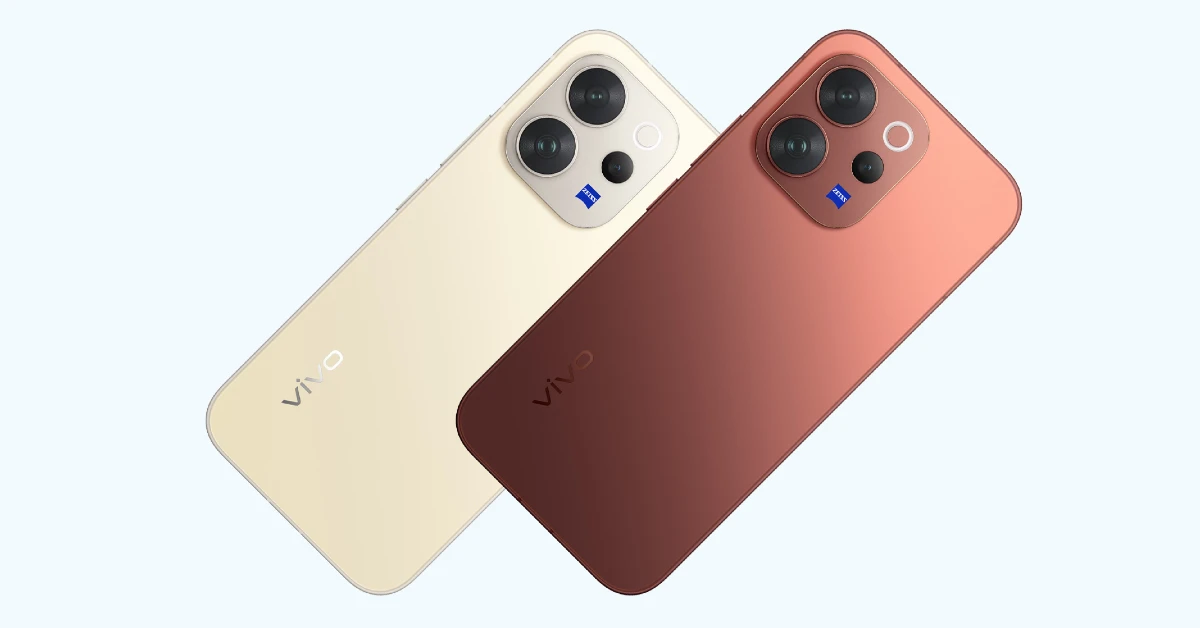
If you’re a photography enthusiast, the Vivo V70 should be at the top of your list. The cameras on this phone are tuned by Zeiss. The rear camera island houses a 50MP primary shooter, an 8MP ultrawide lens, and a 50MP telephoto lens with 3x optical zoom. The 6.59-inch FHD+ AMOLED display has a 120Hz refresh rate and can reach 1,800 nits in High Brightness Mode. Powering this phone is the Snapdragon 7 Gen 4 SoC. Software duties are handled by the Android 16-based OriginOS 6 out of the box. The 6,500mAh Si/C battery pack supports 90W wired charging.
Pros
- Great cameras
- Bright display
- Fast charging
Cons
- Could’ve used a more powerful processor
Motorola Edge 70 Pro+
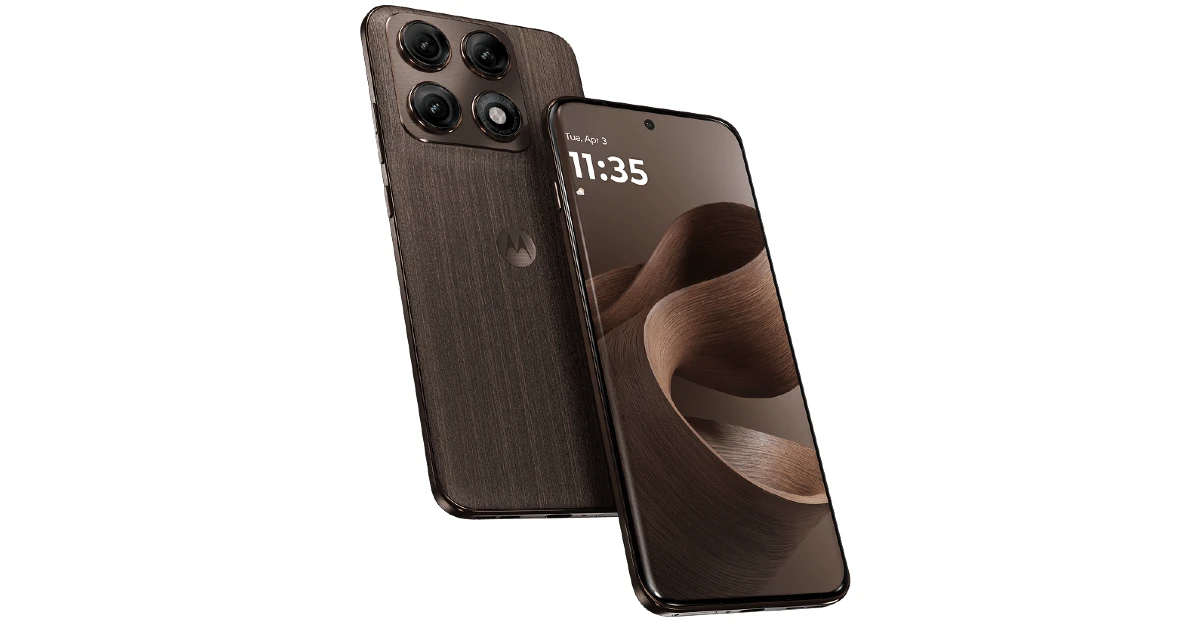
The Pro+ model in the Motorola Edge 70 lineup is one of the best smartphones priced under Rs 50,000 right now. It is powered by the MediaTek Dimensity 8500 Extreme chipset and runs Android 16 out of the box. The device is rated IP68/IP69 for dust and water resistance. Its 6.78-inch AMOLED display has a 144Hz refresh rate and can reach a peak brightness of 5,200 nits. The rear camera array comprises three 50MP sensors, one each for the primary shooter, ultrawide lens, and 3.5x periscope telephoto lens. The 6,500mAh battery pack supports 90W wired and 15W wireless charging.
Pros
- Smooth display
- Wireless charging
- Good cameras
Cons
- Mediocre thermal efficiency
OnePlus Nord 6
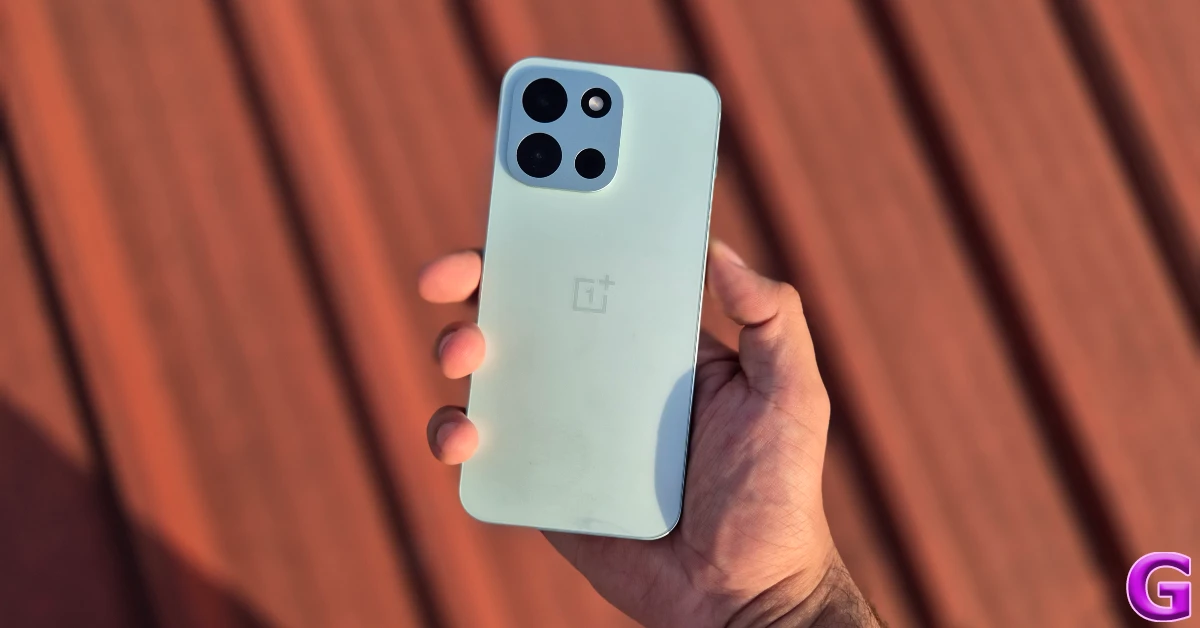
The new Nord series model from OnePlus checks all of the essential boxes. Its 6.78-inch AMOLED display has a 165Hz refresh rate and can reach a peak brightness of 3,600 nits. The smartphone is rated IP68/IP69 for dust and water resistance and is compliant with MIL-STD-810H durability standards. The powerful Snadragon 8s Gen 4 SoC lies at the core of the device. The rear camera island houses a 50MP primary shooter and an 8MP ultrawide lens. The 9,000mAh battery pack supports 80W wired charging. Read our OnePlus Nord 6 review to learn more about the phone.
Pros
- Nice design
- Powerful processor
- Big battery
Cons
- Lacks a telephoto lens
Poco X8 Pro Max
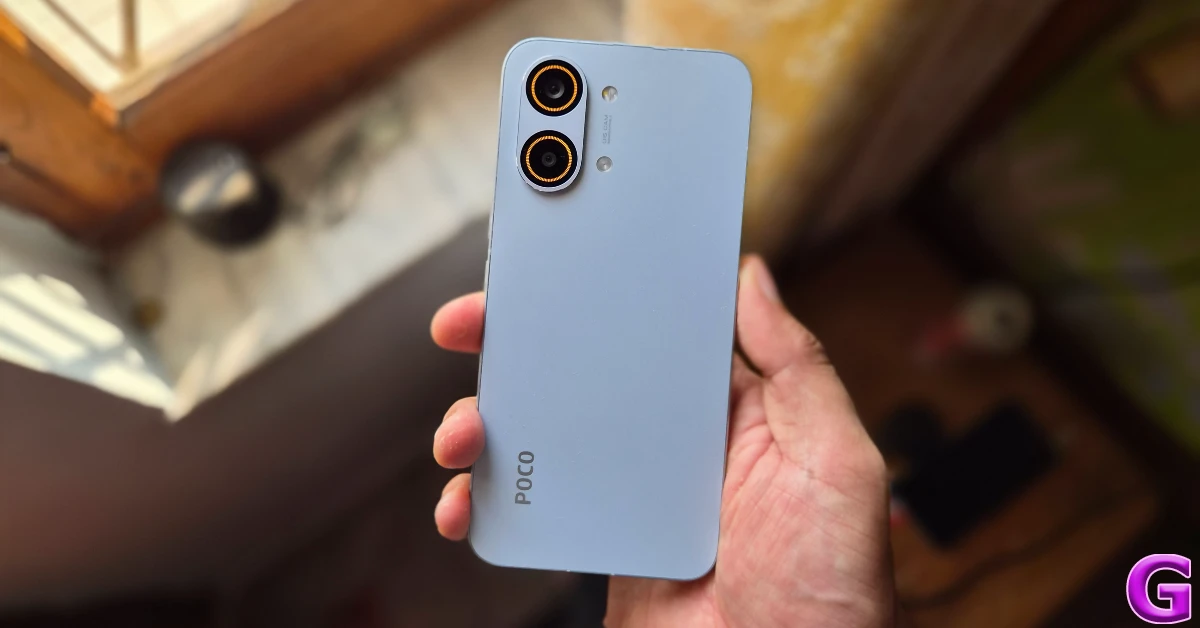
Poco X8 Pro Max is made for gamers. It is powered by the MediaTek Dimensity 9500s chipset and runs the Android 16-based HyperOS 3 out of the box. The 6.83-inch AMOLED display has a 120Hz refresh rate and can reach a peak brightness of 3,500 nits. The rear camera panel houses a 50MP primary shooter and an 8MP ultrawide lens. The 9,000mAh battery pack supports 100W wired charging. Dive into our Poco X8 Pro Max review for a detailed account of its gaming performance.
Pros
- Powerful processor
- Bright display
- Ultrasonic fingerprint sensor
Cons
- No telephoto lens
Realme 16 Pro+
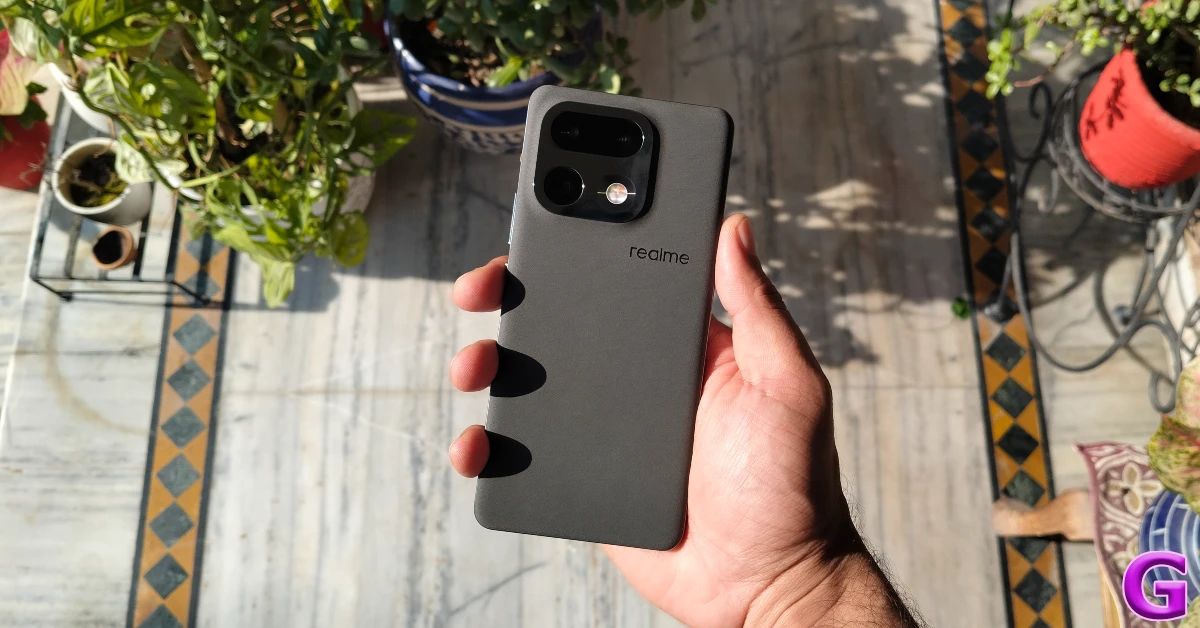
The Realme 16 Pro+ is powered by the Snapdragon 7 Gen 4 SoC. Software duties on this phone are handled by the Android 16-based Realme UI 7 out of the box. The 6.8-inch AMOLED display has a 144Hz refresh rate and a peak brightness of 6,500 nits. The rear camera array comprises a 200MP primary shooter, a 50MP periscope telephoto lens with 3.5x optical zoom, and an 8MP ultrawide lens. The 7,000mAh battery pack supports 80W wired charging. Check out our Realme 16 Pro+ review to learn more about the device.
Pros
- Bright display
- Great primary camera
- Big battery
Cons
- Mediocre ultrawide lens
Samsung Galaxy A57
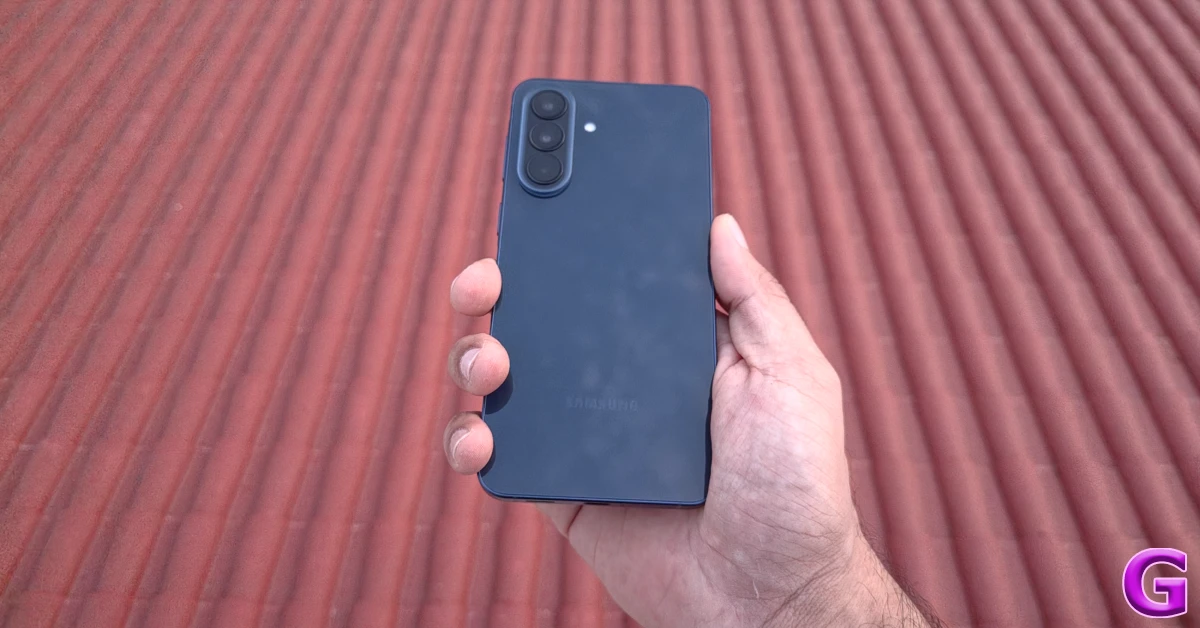
The top-spec model in the Galaxy A series is priced just above Rs 50,000, but it’s worth a look. Powering this device is Samsung’s in-house Exynos 1680 processor. You get the Android 16-based One UI 8 out of the box. The 6.7-inch Super AMOLED+ display has a 120Hz refresh rate and can reach a peak brightness of 1,900 nits. The triple camera arrangement on the back panel comprises a 50MP primary shooter, a 12MP ultrawide lens, and a 5MP macro lens. The 5,000mAh battery pack supports 45W wired charging. Dive into our review of the Samsung Galaxy A57 for an in-depth analysis.
Pros
- Smooth display
- IP68 protection
- Good main camera
Cons
- Mediocre chipset
Read Also: Xiaomi Pad 8 price increased by Rs 2,000 in India: Details
Final Thoughts
These are the top 10 smartphones you can buy under Rs 50,000 in June 2026. If you have more room in your budget, check out our list of the best flagships around right now. Got any questions? Let us know in the comments!


