


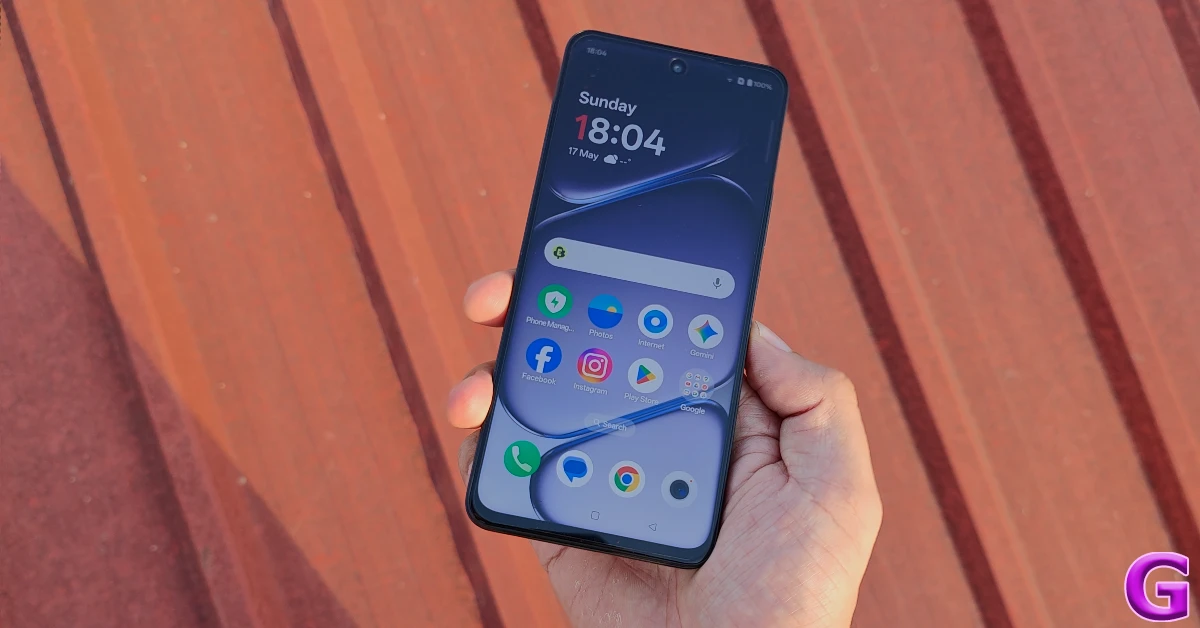
The RAM-ageddon has considerably driven up the cost of smartphones across the board. If you’re in the market for a midrange phone, the pickings are pretty slim in the current landscape. To make your task easier, we’ve compiled a list of the best midrange devices suited for a varied range of tasks and use cases. In this list, you will find camera-centric devices as well as performance beasts. So, without further ado, here are the top 10 smartphones priced under Rs 30,000 in June 2026.
Read Also: Wordle #1830 Hints and Clues: Today’s Wordle Answer for Tuesday, June 23
In This Article
OnePlus Nord CE6 Lite
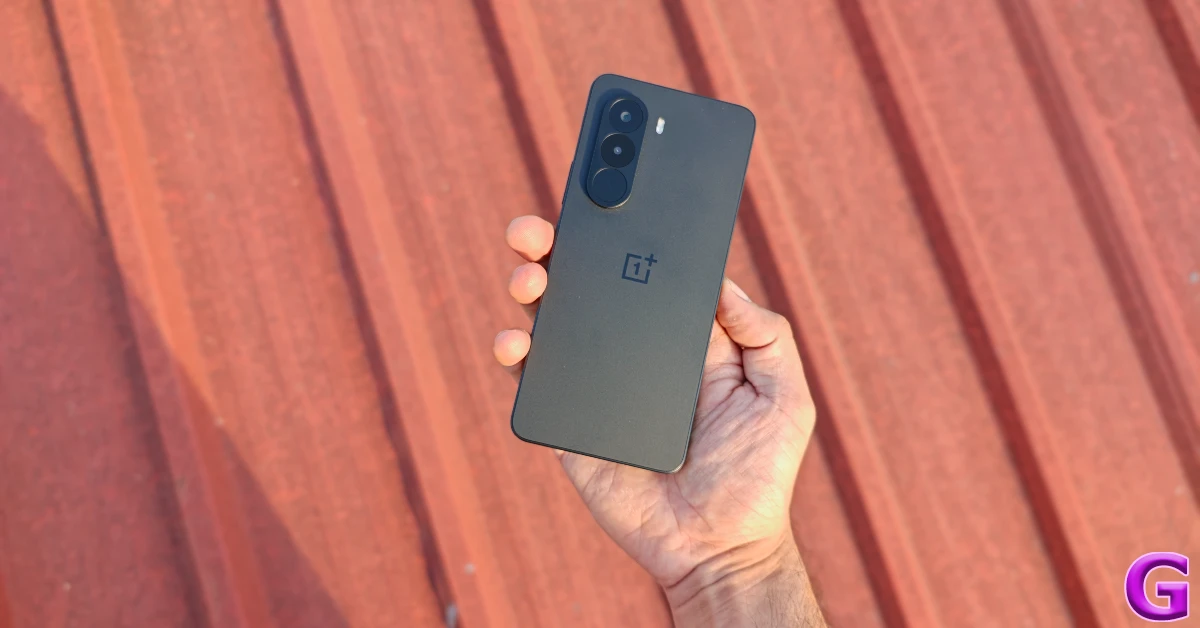
The OnePlus Nord CE6 Lite is one of the finest smartphones you can buy under Rs 30,000 right now. It is powered by the MediaTek Dimensity 7400 Apex chipset and runs the Android 16-based OxygenOS 16 out of the box. Its 6.72-inch IPS LCD panel has a 144Hz refresh rate and can reach 1,000 nits in High Brightness Mode. The rear camera island houses a 50MP primary shooter and an auxiliary lens. An 8MP front-facing camera is positioned inside a punch-hole cutout on the display. The 7,000mAh battery pack supports 45W wired charging. Read our OnePlus Nord CE6 Lite review to learn more about the smartphone.
Pros
- Looks great
- Big battery
- 90fps support for BGMI and Call of Duty Mobile
Cons
- LCD instead of AMOLED display
Motorola Edge 70 Fusion
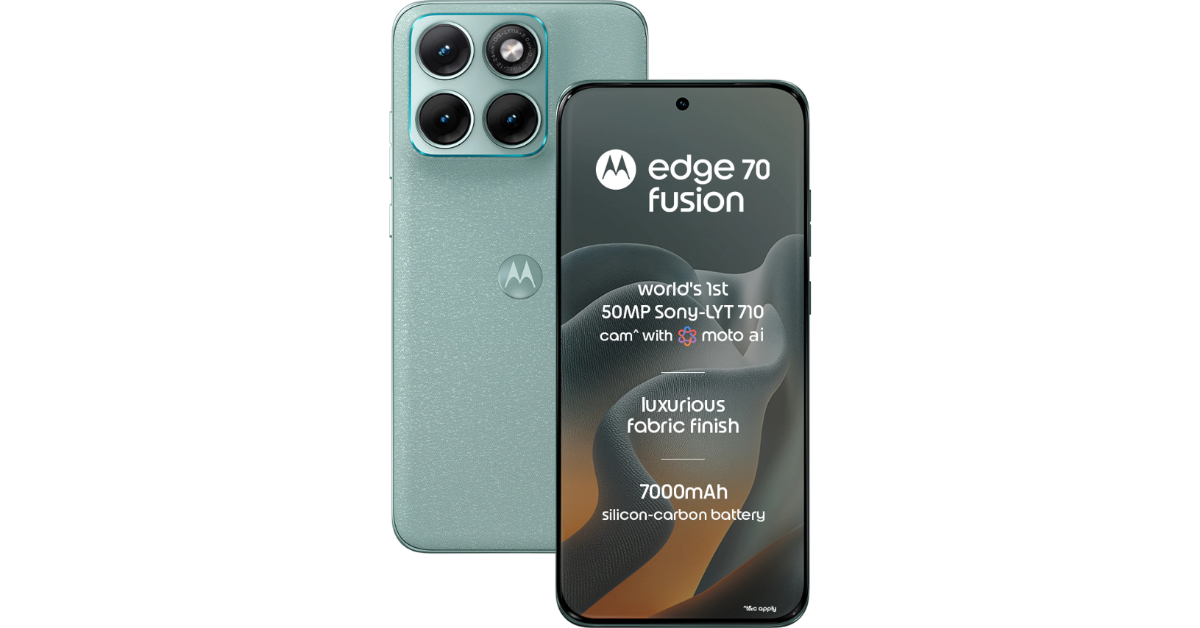
At the core of the Motorola Edge 70 Fusion lies the Snapdragon 7s Gen 3 processor. Software duties are handled by Android 16 out of the box. The 6.78-inch AMOLED display has a 144Hz refresh rate and can reach a peak brightness of 5,200 nits. The device is rated IP68/IP69 for protection against dust and water. It is compliant with MIL-STD-810H standards, taking durability to another level. The raised surface forming the camera island on the back panel houses a 50MP primary shooter and a 13MP ultrawide lens. The 7,000mAh battery pack supports 68W wired charging.
Pros
- Good cameras
- Slim design
- Big battery
Cons
- Needs a better cooling system
Samsung Galaxy M56
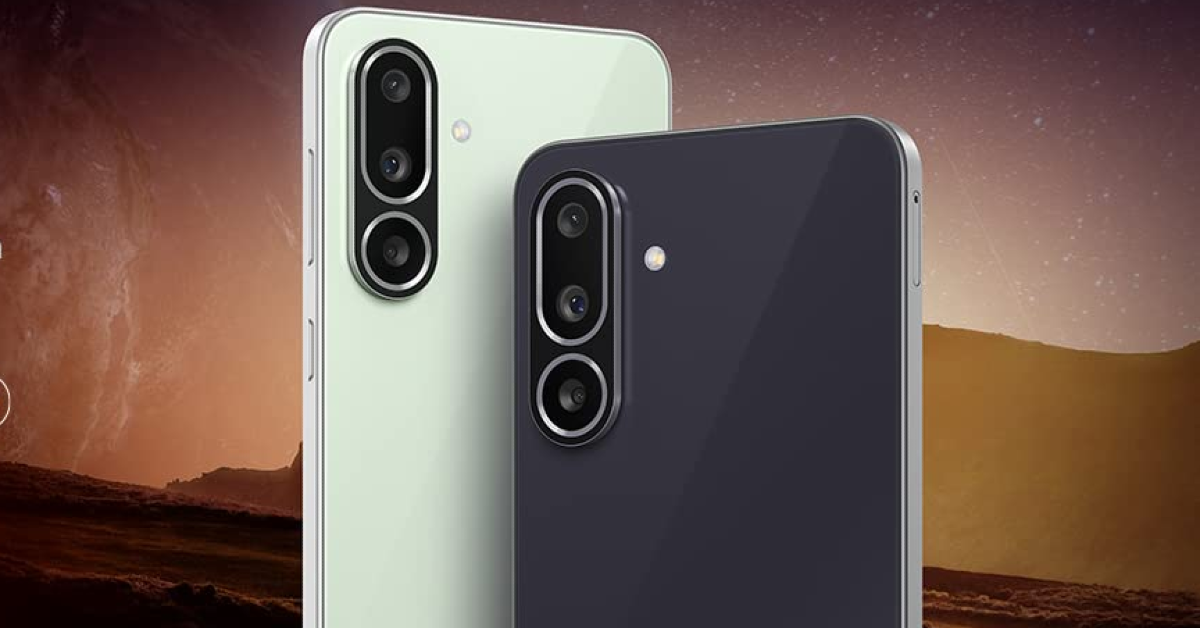
The Samsung Galaxy M56 packs the brand’s in-house Exynos 1480 chipset under its hood. Software duties are handled by the Android 15-based One UI 7 OS out of the box. Samsung has promised 6 major OS updates for this phone, which is the best software coverage you’ll get on any device in this price bracket. The Galaxy M56’s 6.74-inch Super AMOLED display has a 120Hz refresh rate. Its triple camera array comprises a 50MP primary shooter, an 8MP ultrawide lens, and a 2MP macro sensor. The 5,000mAh battery pack supports 45W charging.
Pros
- Nice design
- Smooth display
- Good main camera
Cons
- Not the best chipset for gaming
Vivo T5x
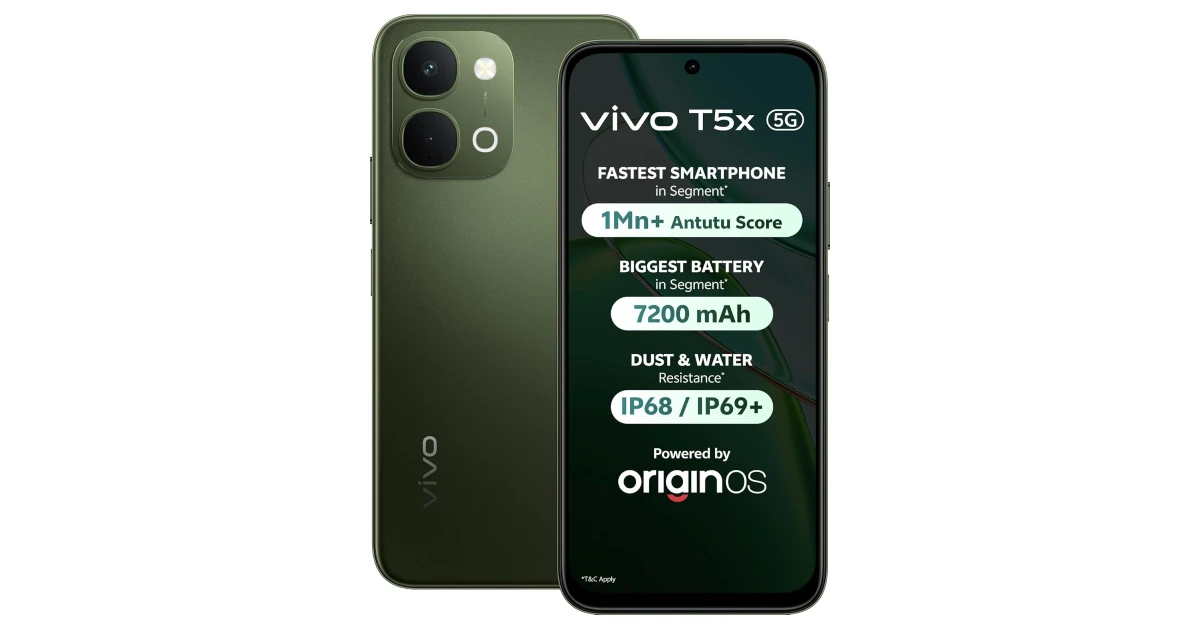
The latest iteration in Vivo’s midrange T series is powered by the MediaTek Dimensity 7400 Turbo chipset and runs the Android 16-based OriginOS 6 out of the box. Its 6.76-inch IPS LCD panel has a 120Hz refresh rate and can reach 1,200 nits in High Brightness Mode. There’s IP68/IP69 protection on board against exposure to dust and water. The device is also compliant with MIL-STD-810H standards. The rear camera panel houses a 50MP primary shooter and an auxiliary lens. The 7,200mAh battery pack supports 44W wired charging.
Pros
- Big battery
- IP69/IP69 rating
- Good performance
Cons
- LCD instead of AMOLED display
Nothing Phone (3a) Lite
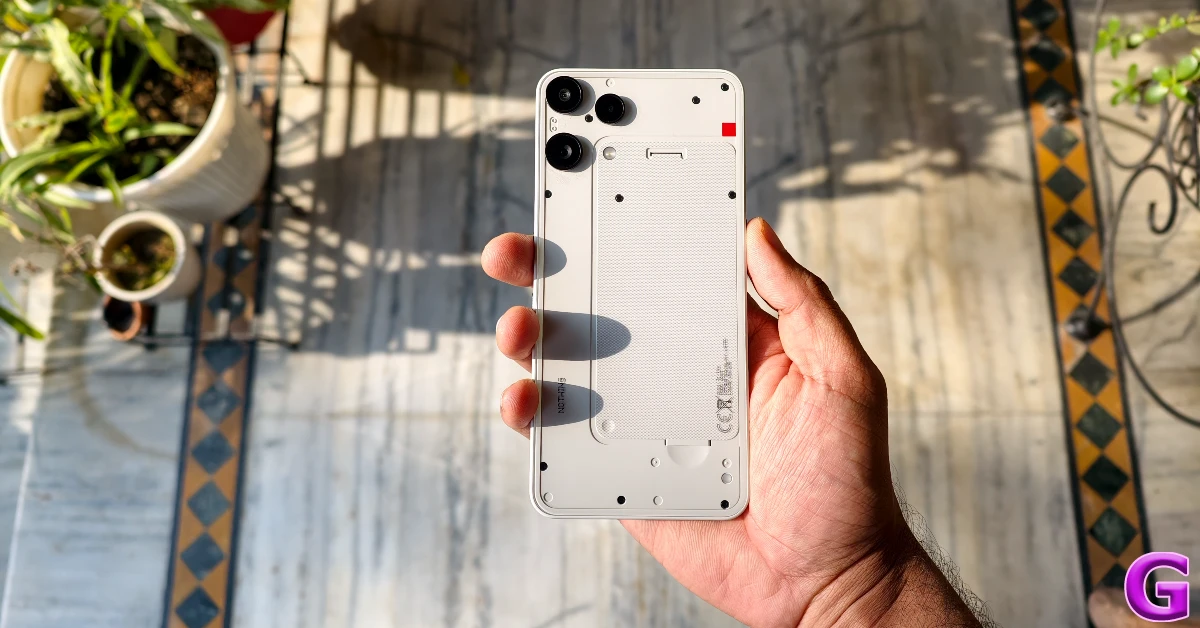
The entry-level offering in Nothing’s catalogue retains its see-through design philosophy. Instead of an elaborate Glyph lighting setup, it gets a small Glyph light on its back panel. At the heart of the device lies the MediaTek Dimensity 7300 Pro chipset. Its 6.77-inch AMOLED display has a 120Hz refresh rate and can hit 1,300 nits in High Brightness Mode. The rear camera array comprises a 50MP primary shooter, an 8MP ultrawide lens, and a 2MP macro sensor. The 5,000mAh battery pack supports 33W wired charging. Check out our Nothing Phone (3a) Lite review to learn more about the device.
Pros
- Great design
- Smooth display
- Reliable processor
Cons
- Lacks a secondary speaker
Redmi Note 15
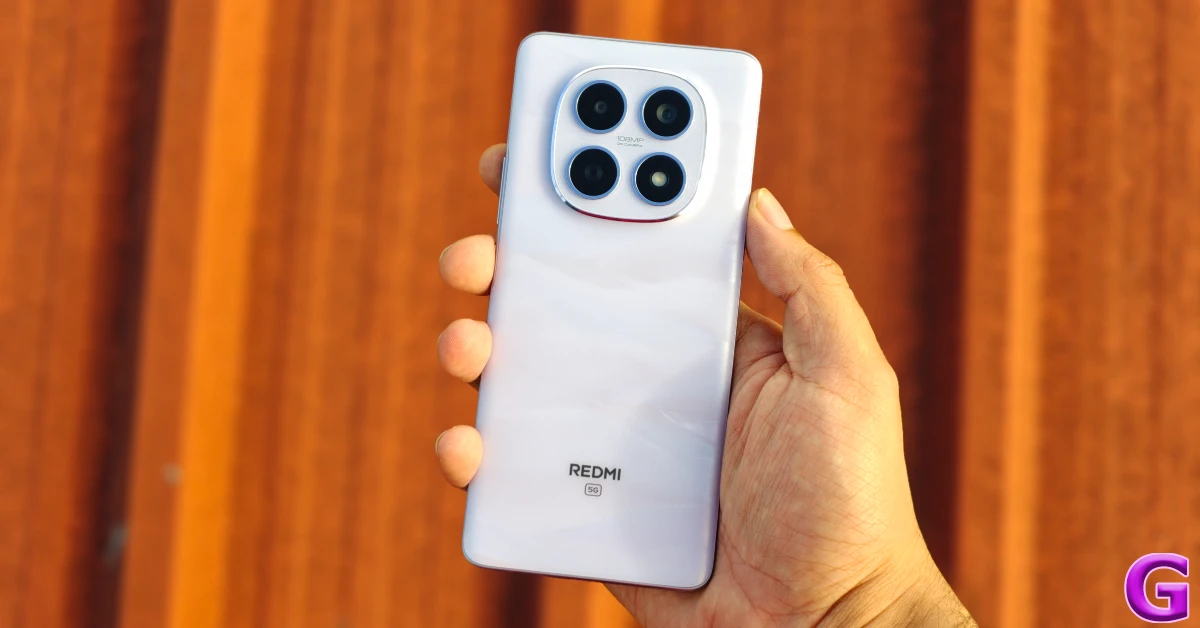
The base model in the Redmi Note 15 series is powered by the Snapdragon 6 Gen 3 chipset. Its 6.77-inch AMOLED display has a 120Hz refresh rate and can reach a peak brightness of 3,200 nits. The smartphone is rated IP66 for dust and water resistance. It is compliant with MIL-STD-810H standards and drop-resistant up to 1.7m. The rear camera island houses a 108MP primary shooter and an 8MP ultrawide lens. The 5,520mAh battery pack supports 45W wired charging. Dive into our Redmi Note 15 review to learn more about the smartphone.
Pros
- Bright display
- Good main camera
- Expandable storage
Cons
- Runs Android 15 out of the box
Realme P4 Power
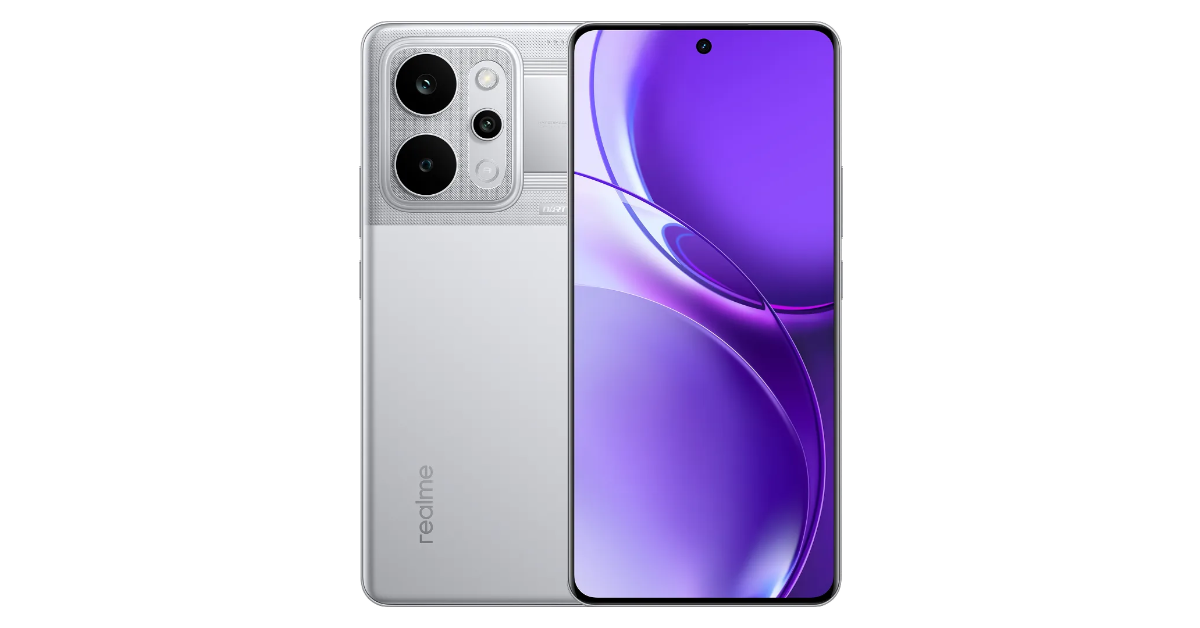
If you want a smartphone that can easily last you 2 days on a full charge, look no further than Realme P4 Power. This device packs a massive 10,001mAh battery under its hood. There’s support for 80W wired charging and 27W reverse wired charging. Powering the phone is the MediaTek Dimensity 7400 Ultra chipset. It is rated IP69 for dust and water resistance. The 6.8-inch AMOLED display has a 144Hz refresh rate and can reach a peak brightness of 6,500 nits. The rear camera island houses a 50MP primary shooter and an 8MP ultrawide lens.
Pros
- Big battery
- Reverse wired charging
- Bright display
Cons
- Single, bottom-firing speaker
Motorola Edge 70
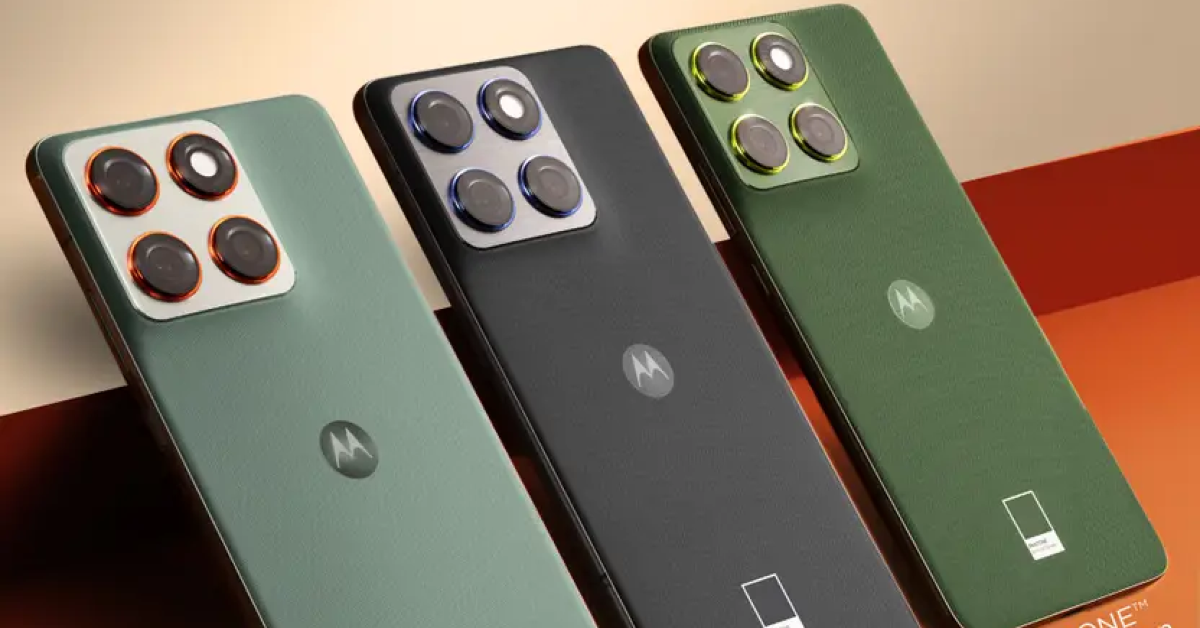
Motorola Edge 70 was launched in October 2025, but it remains one of the best smartphones you can buy under Rs 30,000 in June 2026. It is powered by the Snapdragon 7 Gen 4 chipset and runs Android 16 out of the box. Its 6.7-inch p-OLED display has a 120Hz refresh rate and can reach a peak brightness of 4,500 nits. The square camera island houses a 50MP primary shooter and a 50MP ultrawide lens. The 4,800mAh battery pack supports 68W wired and 15W wireless charging.
Pros
- Nice design
- IP68/IP69 protection
- Wireless charging
Cons
- Needs better speakers
Infinix Note Edge
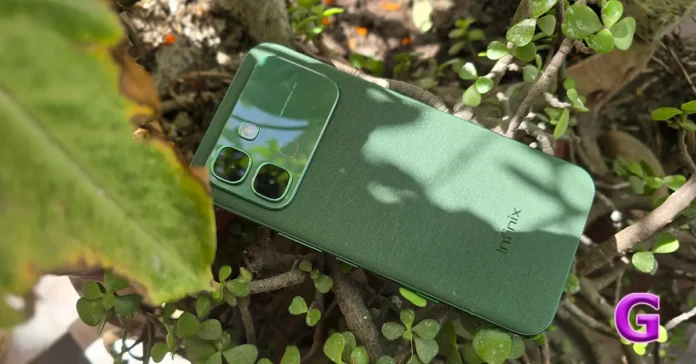
The Infinix Note Edge follows the design language of the Infinix Note 60 Pro. It flaunts a 6.78-inch AMOLED display with a 120Hz refresh rate and a peak brightness of 4,500 nits. It is powered by the MediaTek Dimensity 7100 chipset and runs the Android 16-based XOS 16 out of the box. It has been promised 3 major OS updates. The rear camera plateau houses a 50MP primary shooter. The 6,500mAh battery supports 45W wired charging. Read our Infinix Note Edge review to learn more about the phone.
Pros
- Nice design
- Smooth display
- Good main camera
Cons
- No ultrawide lens
Tecno Pova Curve 2
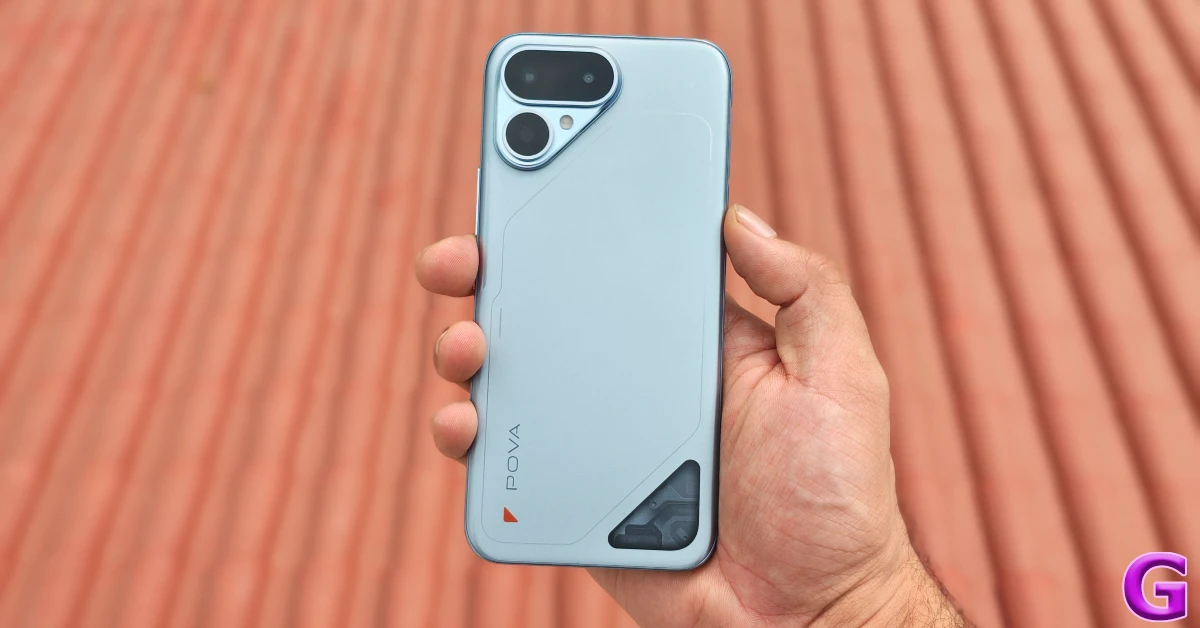
Ending this list is Tecno’s sleek marvel, Pova Curve 2. This smartphone is powered by the MediaTek Dimensity 7100 chipset and runs Android 16 out of the box. Its 6.78-inch AMOLED display has a 144Hz refresh rate and can reach a peak brightness of 4,500 nits. The rear camera array comprises a 50MP primary shooter and a 2MP macro lens. The 8,000mAh battery pack supports 45W wired charging. Check out our Tecno Pova Curve 2 review for an in-depth analysis of the phone.
Pros
- Cool design
- Good build quality
- Smooth display
Cons
- Mediocre processor
Read Also: Oppo Enco Air5 Pro Review: Delectable audio served with impressive ANC on the side
Final Thoughts
These are the top 10 smartphones priced under Rs 30,000 in June 2026. If you have some more room in your budget, check out our top 10 picks under Rs 40,000. Got any questions? Let us know in the comments!


