


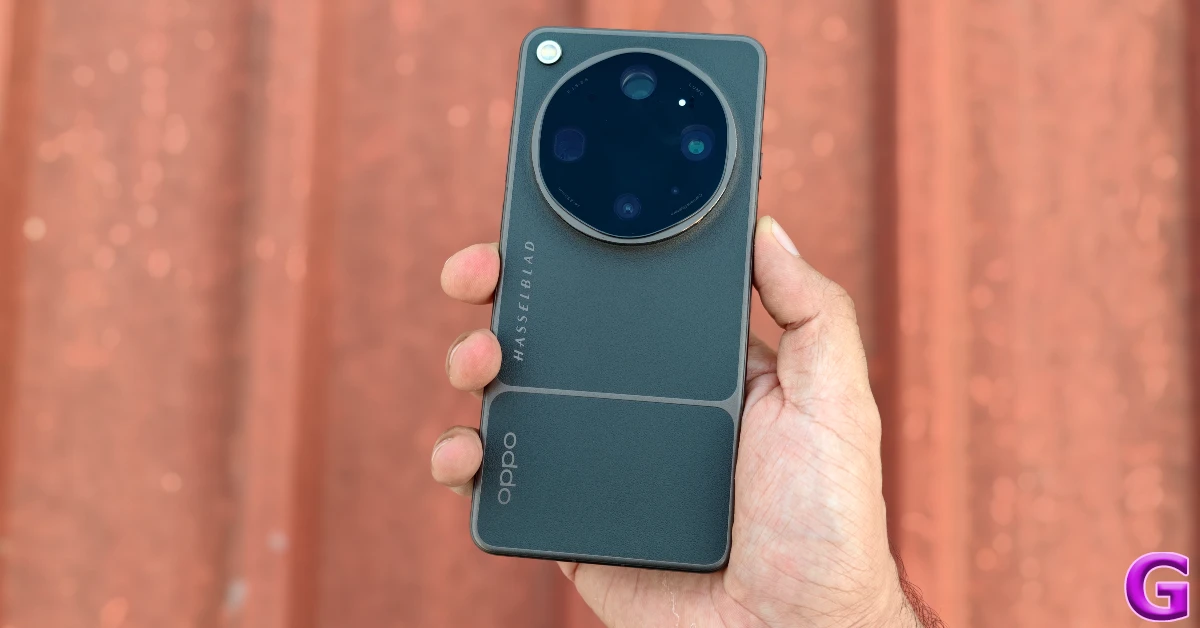

There are many advantages to buying a flagship phone over a mid-ranger. To begin with, you immediately notice the amount of power at your disposal. You can play your favourite FPS games without coming across a single frame drop. Power-intensive tasks like photo/video editing on these devices are a breeze. You also get early access to some of the best software features before they trickle down to midrange devices. So, let’s take a look at the best flagship phones you can buy in September 2026.
Read Also: Sony Tells Publishers Disc Reorders Will Survive 2028, New Games Will Not
In This Article
iPhone 18 Pro Max

Key Specs
| Display | 6.9-inch LTPO Super Retina XDR OLED |
| Processor | Apple A20 Pro |
| Cameras | 48MP primary | 48MP Ultrawide | 48MP 4x Periscope Telephoto | 18MP Selfie |
| Battery | 5,391mAh, 50W wired | 25W wireless charging |
| RAM | 12GB |
| Storage | 256GB, 512GB, 1TB, 2TB |
Unsurprisingly, the top-spec model in Apple’s iPhone 18 series is one of the best flagship phones you can buy in September 2026. It is powered by the brand’s in-house A20 Pro chipset and runs iOS 26 out of the box. It flaunts a massive 6.9-inch LTPO Super Retina XDR OLED display with a 120Hz refresh rate and a peak brightness of 3,000 nits. The camera array on the unibody back panel houses a primary shooter, an ultra-wide lens, and a 4x periscope telephoto lens, each equipped with a 48MP sensor. The 5,391mAh battery pack supports 50W wired and 25W wireless (MagSafe/Qi2) charging.
Pros
- Bright display
- Powerful processor
- Good camera
Cons
- Not the best AI suite around
Samsung Galaxy S26 Ultra
Key Specs
| Display | 6.9-inch Dynamic LTPO AMOLED 2X |
| Processor | Snapdragon 8 Elite Gen 5 |
| Cameras | 200MP Primary | 50MP Ultrawide | 10MP 3x Telephoto | 50MP 5x Periscope Telephoto | 12MP Selfie |
| Battery | 5,000mAh, 60W wired | 25W wireless charging |
| RAM | 12GB, 16GB |
| Storage | 256GB, 512GB, 1TB |
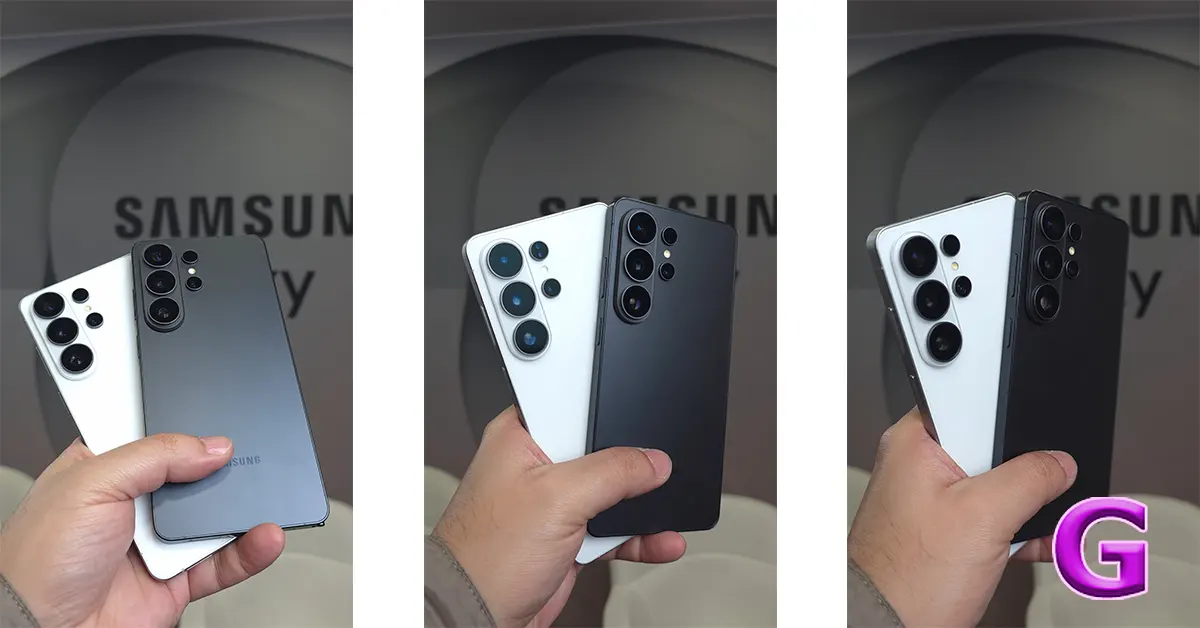
If you’re an Android loyalist, Samsung’s flagship Ultra offering is still one of the finest phones you can get your hands on in September 2026. It is powered by Qualcomm’s flagship Snapdragon 8 Elite Gen 5 chipset. Software duties are handled by Android 16 skinned with Samsung’s custom One UI 8 skin. The 6.9-inch Dynamic LTPO AMOLED 2X display has a 120Hz refresh rate and can reach a peak brightness of 2,600 nits. The flamboyant rear camera array comprises a 200MP primary shooter, a 50MP ultrawide lens, a 10MP telephoto lens with 3x optical zoom, and a 50MP periscope telephoto lens with 5x optical zoom. The 5,000mAh battery pack supports 60W wired and 25W wireless charging. Check out our Samsung Galaxy S26 Ultra review to learn more about the phone.
Pros
- Privacy display
- Powerful processor
- AI suite
Cons
- Could have used a bigger battery
Oppo Find X9 Ultra
Key Specs
| Display | 6.82-inch LTPO AMOLED |
| Processor | Snapdragon 8 Elite Gen 5 |
| Cameras | 200MP Primary | 200MP 3x Periscope | 50MP 10x Periscope | 50MP Ultrawide | 50MP Selfie |
| Battery | 7,050mAh, 100W wired | 50W wireless charging |
| RAM | 12GB |
| Storage | 512GB |
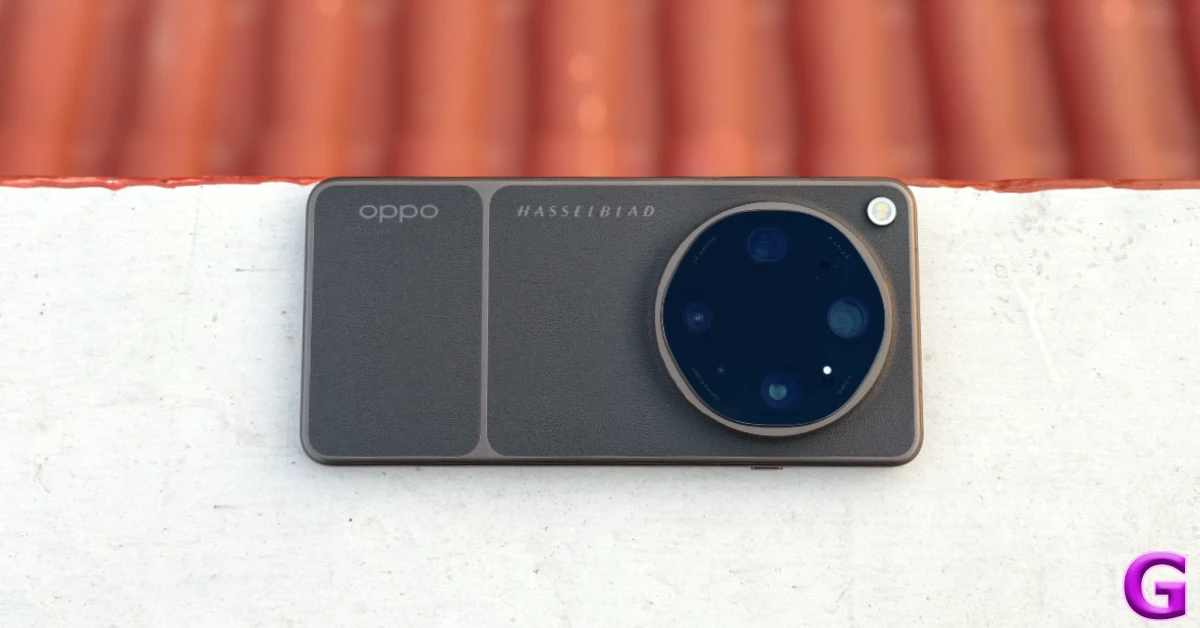
Oppo’s Ultra juggernaut is loaded with breathtaking specs. At the heart of this device lies the Snapdragon 8 Elite Gen 5 processor. Considered by many as the best camera phone around, it houses a 200MP primary shooter, a 200MP periscope telephoto lens with 3x optical zoom, a 50MP periscope telephoto lens with 10x optical zoom, and a 50MP ultrawide lens inside a giant cutout on the back panel. These lenses are tuned by Hasselblad. The 6.82-inch LTPO AMOLED display has a 144Hz refresh rate and can reach a peak brightness of 3,600 nits. The 7,050mAh battery pack supports 100W wired and 50W wireless charging. Dive into our Oppo Find X9 Ultra review to find out what it’s like to daily-drive this device.
Pros
- Powerful chipset
- Bright display
- Great cameras
Cons
- Pricey
Google Pixel 11 Pro XL

Key Specs
| Display | 6.8-inch LTPO OLED |
| Processor | Google Tensor G6 |
| Cameras | 50MP Primary | 48MP 5x Periscope Telephoto | 48MP Ultrawide | 42MP Selfie |
| Battery | 5,115mAh, 45W wired | 25W wireless charging |
| RAM | 12GB, 16GB |
| Storage | 256GB, 512GB |
Google Pixel is the home of Android. It may not be the most powerful of all flagships, but its clever software tricks and balanced camera processing make it the enthusiast’s favourite. The new Pixel 11 Pro XL is powered by Google’s in-house Tensor G6 chipset. It runs Android 17 out of the box, with Pixel-exclusive features like Call Screen, Hold for Me, Now Playing, Add Me, Magic Cue, and more. Google has promised 7 major OS updates for this phone. The 6.8-inch LTPO OLED display has a 120Hz refresh rate and can reach a peak brightness of 3,600 nits. The iconic camera bar on the back panel now has a notification light on it. It houses a 50MP primary shooter, a 48MP periscope telephoto lens with 5x optical zoom, and a 48MP ultrawide lens. The 5,115mAh Li-ion battery pack supports 45W wired and 25W wireless charging.
Pros
- Cool design
- Bright display
- Great software experience
Cons
- Heating issues
Buy on Flipkart for Rs 1,34,999
Xiaomi 17 Ultra
Key Specs
| Display | 6.9-inch LTPO AMOLED |
| Processor | Snapdragon 8 Elite Gen 5 |
| Cameras | 50MP Primary | 50MP Ultrawide | 200MP 3.2-4.3x Telephoto | 50MP Selfie |
| Battery | 6,000mAh, 90W wired | 50W wireless charging |
| RAM | 16GB |
| Storage | 512GB, 1TB |
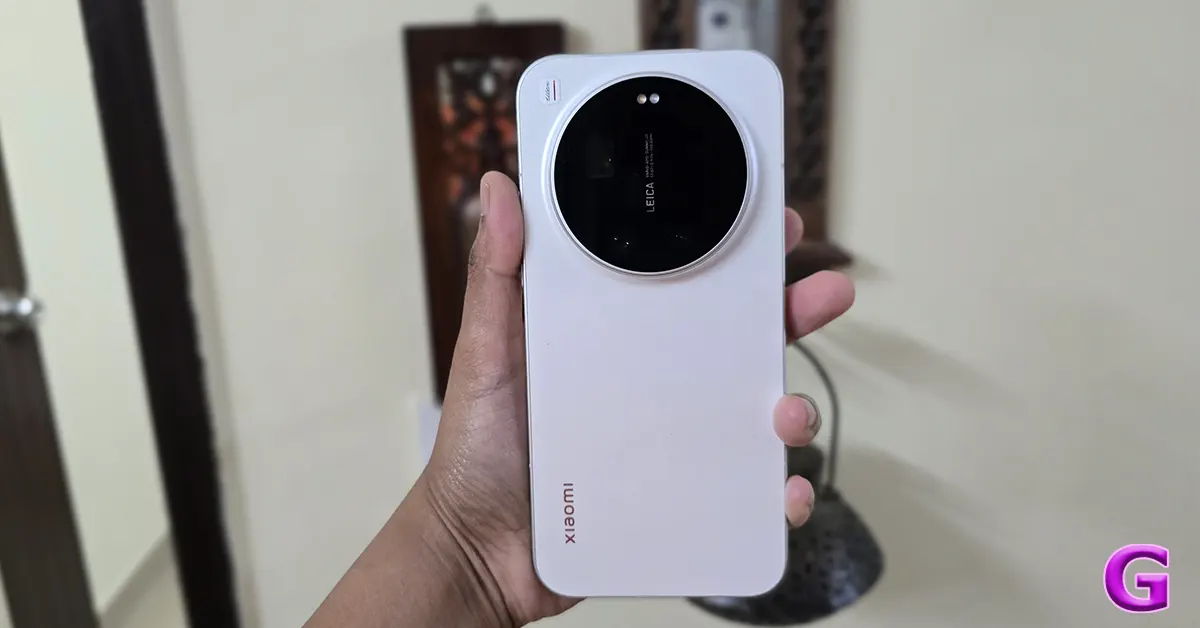
The Ultra model in Xiaomi’s flagship series does not get a mini display on the back panel, but its extravagant camera module more than makes up for it. The smartphone packs a 50MP primary shooter with a 1-inch sensor, a 50MP ultrawide lens, and a 200MP telephoto lens with 3.2-4.3x continuous optical zoom. The 6.9-inch LTPO AMOLED display has a 120Hz refresh rate and can reach a peak brightness of 3,500 nits. Powering the device is the Snapdragon 8 Elite Gen 5 chipset. The 6,000mAh Si/C battery pack supports 90W wired and 50W wireless charging. Read our Xiaomi 17 Ultra review for a deeper analysis.
Pros
- Amazing cameras
- Zoom ring
- Powerful processor
Cons
- Bit pricey
Vivo X300 Ultra
Key Specs
| Display | 6.82-inch LTPO AMOLED |
| Processor | Snapdragon 8 Elite Gen 5 |
| Cameras | 200MP Primary | 200MP 3.7x Periscope Telephoto | 50MP Ultrawide | 50MP Selfie |
| Battery | 6,600mAh, 100W wired | 40W wireless charging |
| RAM | 16GB |
| Storage | 512GB |
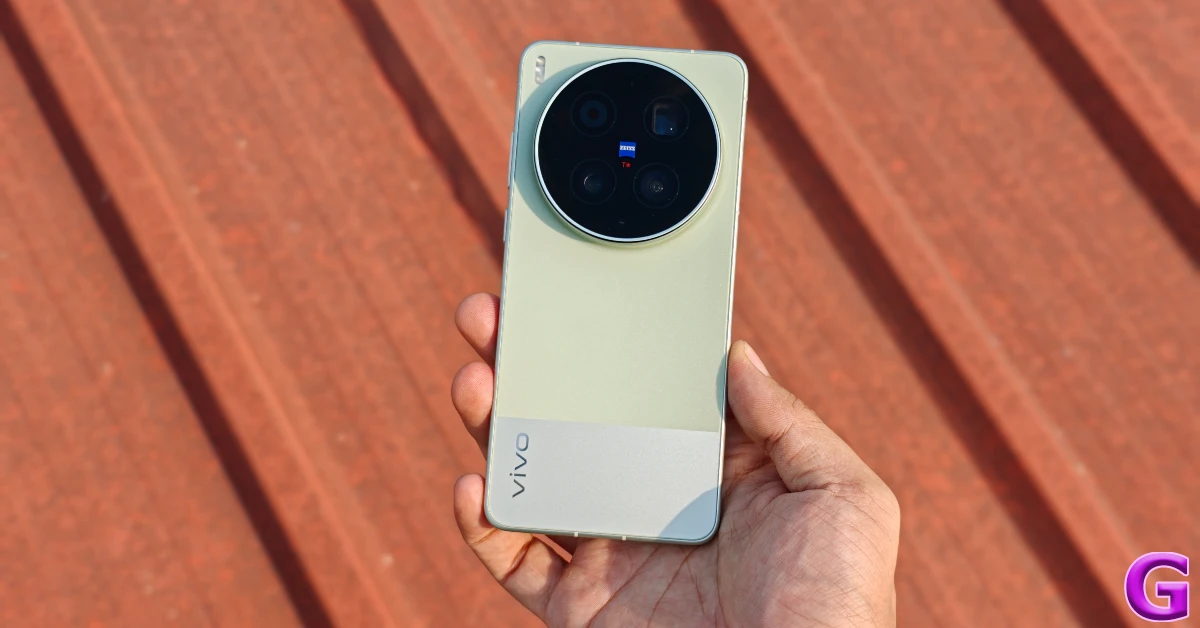
The X300 Ultra is a photography enthusiast’s dream. Vivo has partnered with Zeiss to tune its camera module, which comprises a 200MP primary shooter, a 200MP periscope telephoto lens with 3.7x optical zoom, and a 50MP ultrawide lens. The 6.82-inch LTPO AMOLED display has a 144Hz refresh rate and can reach a peak brightness of 4,500 nits. The smartphone packs the Snapdragon 8 Elite Gen 5 SoC under its hood and runs the Android 16-based OriginOS 6 out of the box. Its 6,600mAh battery pack supports 100W wired and 40W wireless charging. Dive into our Vivo X300 Ultra review for a deeper analysis of its camera system.
Pros
- Brilliant cameras
- Premium build quality
- Smooth display
Cons
- No Shortcut key or Camera button
OnePlus 15

Key Specs
| Display | 6.78-inch LTPO AMOLED |
| Processor | Snapdragon 8 Elite Gen 5 |
| Cameras | 50MP Primary | 50MP Ultrawide | 50MP 3.5x Telephoto | 32MP Selfie |
| Battery | 7,3000mAh, 120W wired | 50W wireless charging |
| RAM | 12GB, 16GB |
| Storage | 256GB, 512GB |
Unlike other flagship phones dominating the market in 2026, the OnePlus 15 does not cost a ridiculous amount of money. It keeps its price tag in check without compromising any of the flagship-grade hardware. The smartphone is powered by the Snapdragon 8 Elite Gen 5 chipset. Its 6.78-inch LTPO AMOLED display has a 165Hz refresh rate and can reach 1,800 nits in High Brightness Mode. The device carries IP68/69/69K for dust and water protection. The compact camera island houses a 50MP primary shooter, a 50MP ultrawide lens, and a 50MP telephoto lens with 3.5x optical zoom. The 7,3000mAh Si/C battery pack supports 120W wired and 50W wireless charging. Read our OnePlus 15 review to learn more about the device.
Pros
- Tough exterior
- Powerful chipset
- Fast charging
Cons
- Cameras need more work
iQOO 15
Key Specs
| Display | 6.85-inch LTPO AMOLED |
| Processor | Snapdragon 8 Elite Gen 5 + Supercomputing Chip Q3 |
| Cameras | 50MP Primary | 50MP Ultrawide | 50MP 3x Telephoto | 32MP Selfie |
| Battery | 7,000mAh, 100W wired | 40W wireless charging |
| RAM | 12GB, 16GB |
| Storage | 256GB, 512GB |
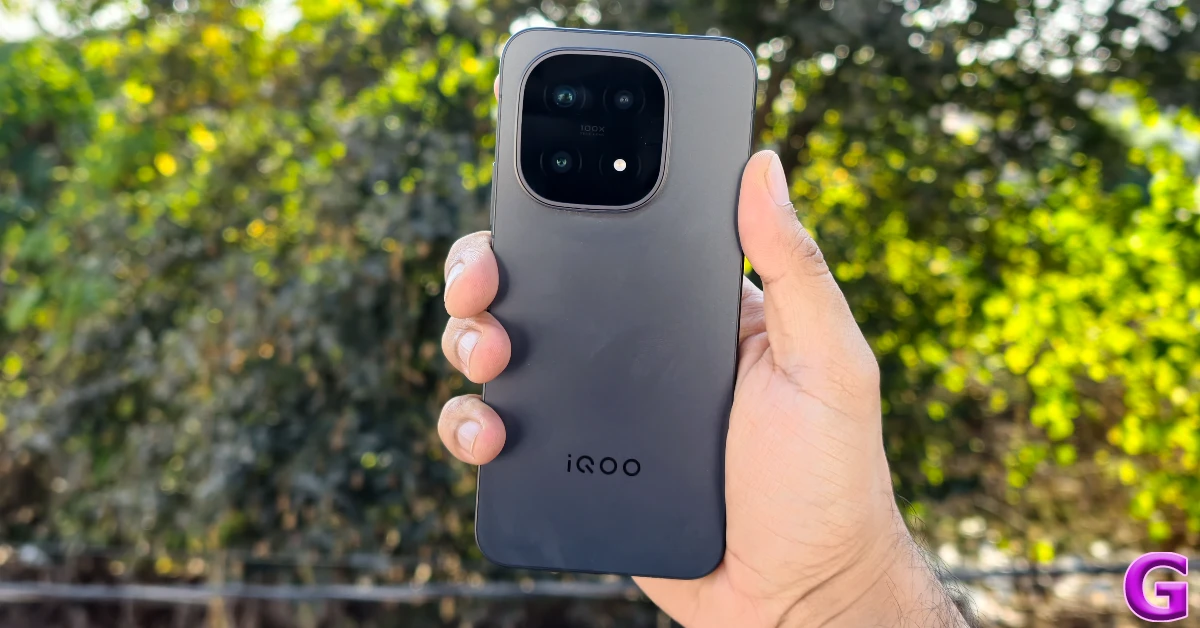
The iQOO 15 is designed for serious gamers. Its dual chipset combination of Qualcomm’s Snapdragon 8 Elite Gen 5 SoC and iQOO’s in-house Supercomputing Chip Q3 puts forward a rock-solid performance. The 8K single-layer VC cooling system ensures that the device always remains cool, even while playing heavy-duty games at their maximum settings. The 6.85-inch LTPO AMOLED display has a 144Hz refresh rate and can reach a peak brightness of 6,000 nits. The square camera island houses a 50MP primary shooter, a 50MP ultrawide lens, and a 50MP telephoto lens with 3x optical zoom. The 7,000mAh Si/C battery pack supports 100W wired and 40W wireless charging. Want to know how this device handles games like BGMI and Call of Duty: Mobile? Read our iQOO 15 review.
Pros
- Powerful processor
- Smooth display
- Big battery
Cons
- Native refresh rate for games is capped at 60fps
Realme GT 8 Pro
Key Specs
| Display | 6.79-inch AMOLED |
| Processor | Snapdragon 8 Elite Gen 5 |
| Cameras | 50MP Primary | 200MP 3x Periscope Telephoto | 50MP Ultrawide | 32MP Selfie |
| Battery | 7,000mAh, 120W wired | 50W wireless charging |
| RAM | 12GB, 16GB |
| Storage | 256GB, 512GB |
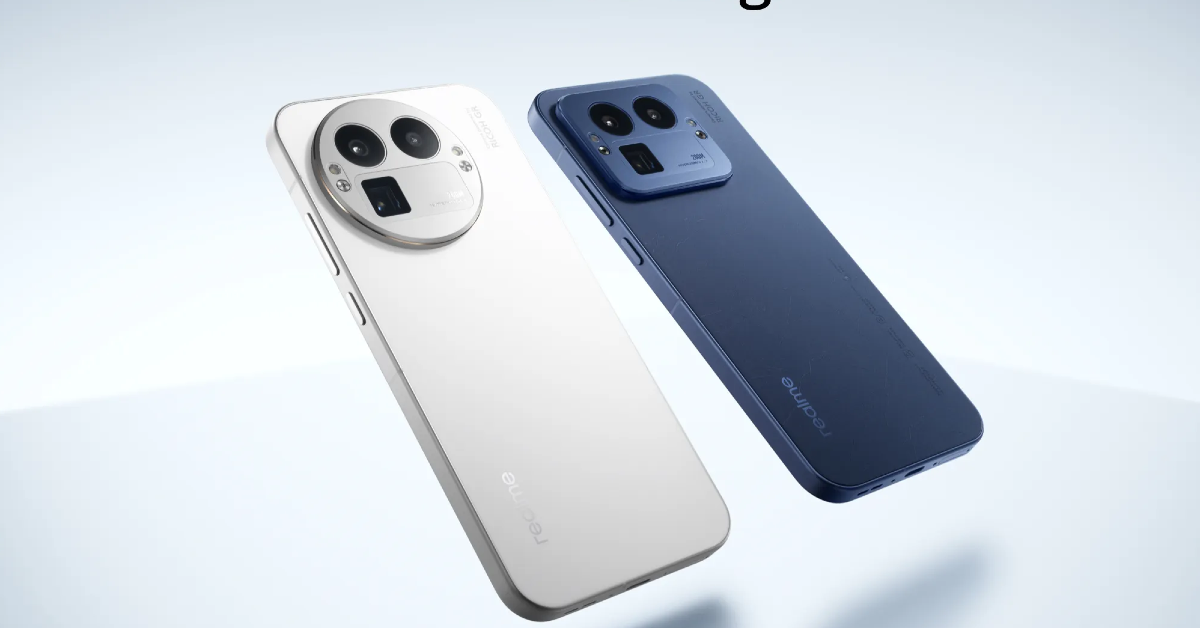
The Realme GT 8 Pro is another ‘sensible flagship’ that you must consider if you don’t want to break the bank on a phone. It is powered by the Snapdragon 8 Elite Gen 5 SoC and runs the Android 16-based Realme UI 7 out of the box. Its 6.79-inch AMOLED display has a 144Hz refresh rate and can reach a peak brightness of 7,000 nits. The customisable camera panel houses a 50MP primary shooter, a 200MP periscope telephoto lens with 3x optical zoom, and a 50MP ultrawide lens. The 7,000mAh battery pack supports 120W wired and 50W wireless charging.
Pros
- Bright display
- Powerful processor
- Massive battery
Cons
- Only 4 major OS upgrades
Motorola Signature
Key Specs
| Display | 6.8-inch LTPO AMOLED |
| Processor | Snapdragon 8 Gen 5 |
| Cameras | 50MP Primary | 50MP Ultrawide | 50MP 3x Telephoto | 50MP Selfie |
| Battery | 5,200mAh, 90W wired | 50W wireless charging |
| RAM | 12GB, 16GB |
| Storage | 256GB, 512GB, 1TB |
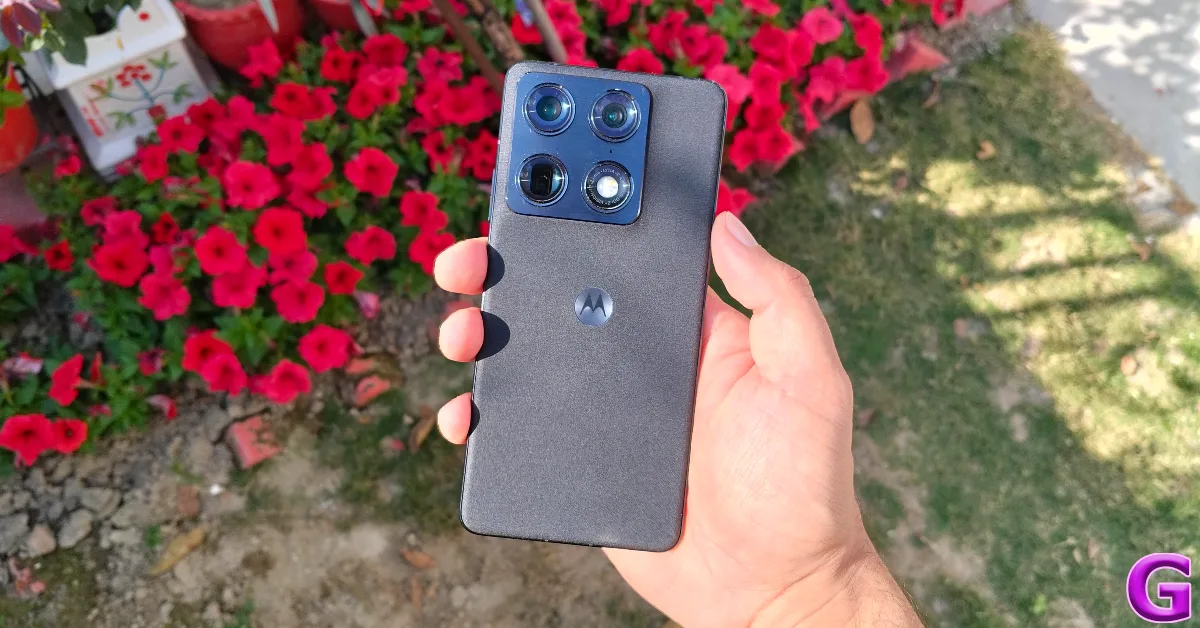
The finest offering in Motorola’s catalogue is not powered by Qualcomm’s flagship chipset, but it still manages to deliver flagship-grade performance. The Snapdragon 8 Gen 5 SoC may not carry the ‘Elite’ moniker, but it is still one of the most powerful processors around. The upside of this tradeoff is that you don’t have to splurge a ridiculous amount of money on the device. The 6.8-inch LTPO AMOLED display has a 165Hz refresh rate and can reach a peak brightness of 6,200 nits. The camera island comprises three 50MP sensors, one each for the primary shooter, ultrawide lens, and telephoto lens with 3x optical zoom. The 5,200mAh battery pack supports 90W wired and 50W wireless charging. Read our Motorola Signature review to find out why it is as good as any other flagship phone on this list.
Pros
- Bright display
- Good chipset
- Clean OS
Cons
- Not the best cooling system for gaming
Read Also: ARC launches a waitlist for its first handheld gaming gadget in India
Final Thoughts
This wraps up our list of the best flagship phones in September 2026. If you don’t need to urgently buy a new phone, we recommend waiting for Apple’s upcoming iPhone 18 series before making your decision. Got any questions? Let us know in the comments!


