




Redmi’s new midrange offering is almost identical to its Poco cousin, the X8 Pro. The only point of difference is the larger battery pack on the Redmi Turbo 5. Priced at Rs 37,999, it is one of the better deals around at a time when smartphones are getting pricier due to the ongoing RAMageddon. It rocks the powerful MediaTek Dimensity 8500 Ultra under its hood, flaunts a bright 6.59-inch AMOLED display, and pushes the battery life past the 1-day limit with its massive 7,540mAh battery pack. We used the smartphone for a week and went through its ins and outs. Here is our in-depth review of the Redmi Turbo 5.
Read Also: Samsung CEO TM Roh Teases Thinner, Lighter Foldables and an AI That Actually Knows You
In This Article
Redmi Turbo 5 Review: Design and Display
Box Contents
- Smartphone
- 100W power adapter
- USB-A to USB-C cable
- Silicone cover
- SIM ejector
- Quick guide
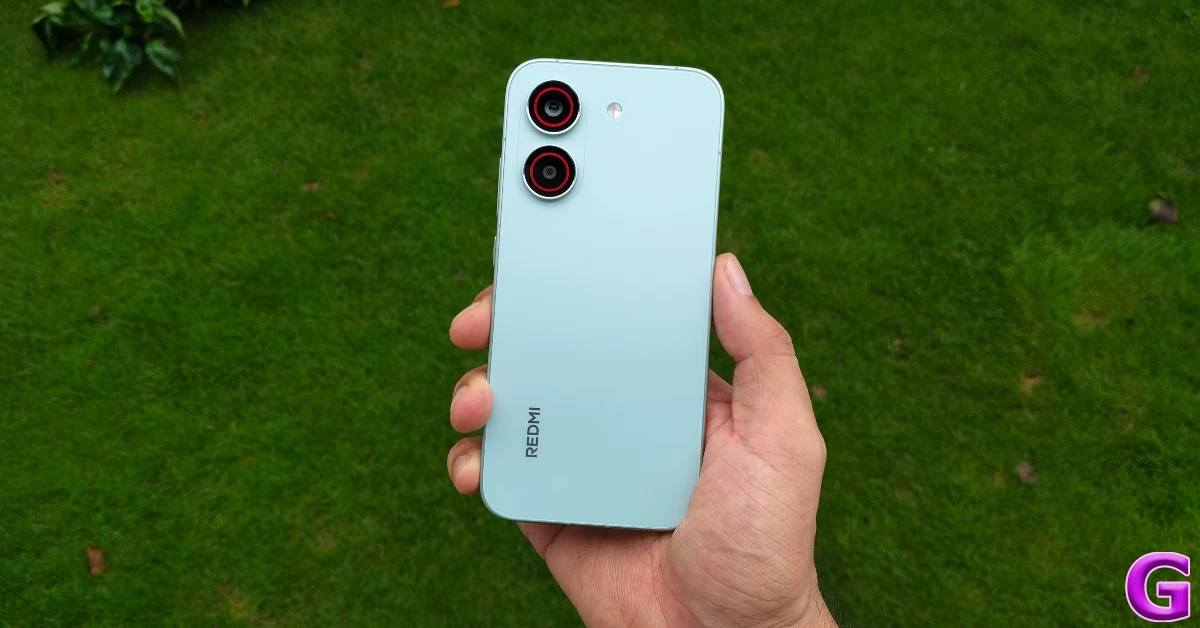
Redmi Turbo 5 has a simple, elegant design. Its flat glass back panel has a smooth matte finish, which keeps fingerprints at bay. There are two individual cutouts for the primary shooter and ultrawide lens. These cutouts are integrated with Redmi Pixel Matrix ring lights, which come alive when you receive incoming calls, launch a game, play a song, or perform other relevant tasks. The lighting effect adds a fun accent to an otherwise subtle look.
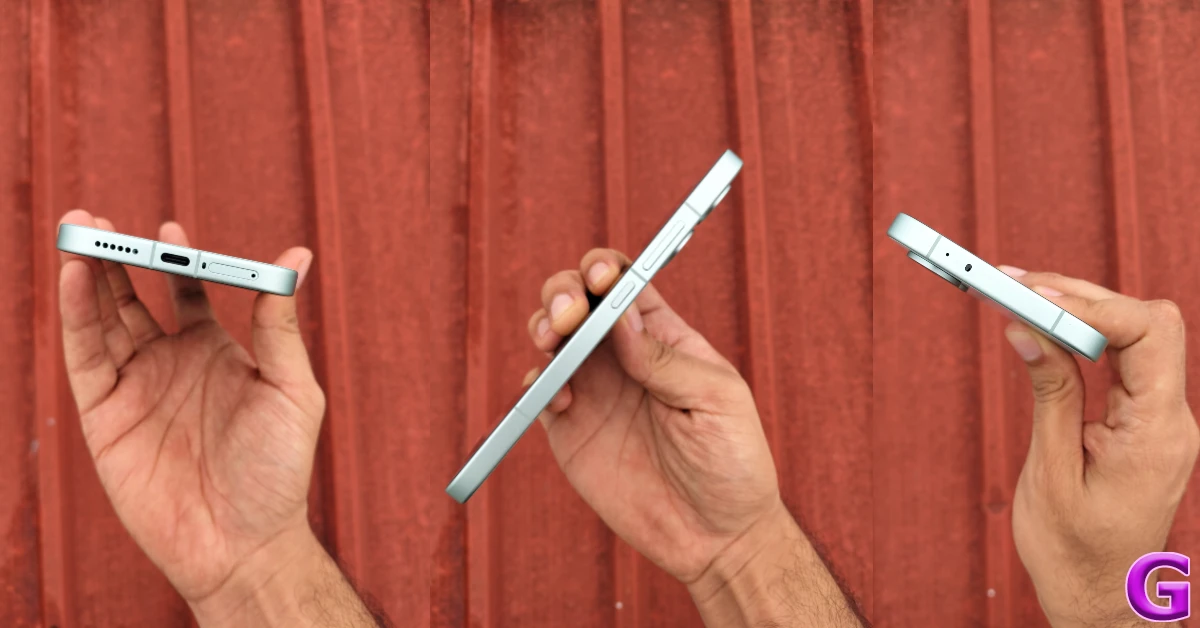
The aluminium frame houses the volume rocker and the side button on its right edge. The SIM tray, primary microphone, USB-C port, and speaker grille are positioned at the bottom. The IR blaster and secondary microphone find their way up top. The earpiece doubles as the secondary speaker. The smartphone is rated IP68/IP69K for dust and water resistance.
The 6.59-inch AMOLED display has a 120Hz refresh rate and can reach a peak brightness of 3,500 nits. It is able to maintain perfect legibility under harsh sunlight. The bezels surrounding the screen are thin and uniform. The touch response is super smooth. The optical fingerprint scanner is not as quick as ultrasonic units, but it puts up a fine display.
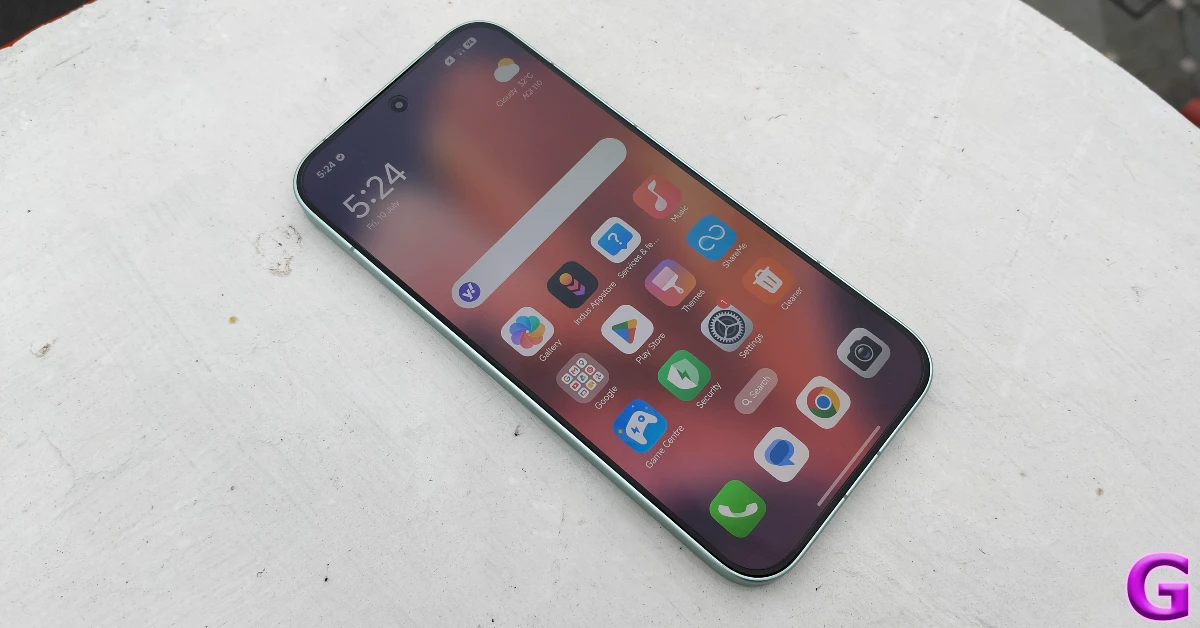
Content viewing experience on the Redmi Turbo 5 was a delight during the time we spent reviewing it. The AMOLED panel produced brilliant visuals with rich colours and sharp details. The contrast of the images was on point, thanks to the deep blacks. The dual speaker setup produced a loud output without causing any noticeable boxiness.
Redmi Turbo 5 Review: Performance and Cameras
Powering the Redmi Turbo 5 is the MediaTek Dimensity 8500 Ultra chipset. There are 2 RAM and storage (UFS 4.1) variants on offer:
- 8GB (LPDDR5X) + 256GB: Rs 37,999
- 12GB (LPDDR5X Ultra) + 512GB: Rs 40,999
We ran a couple of benchmark tests on this device. Here is how it performed.
- AnTuTu 3D: 2,113,544
- Geekbench 6: 1,735 (single core) | 6,636 (multi-core)
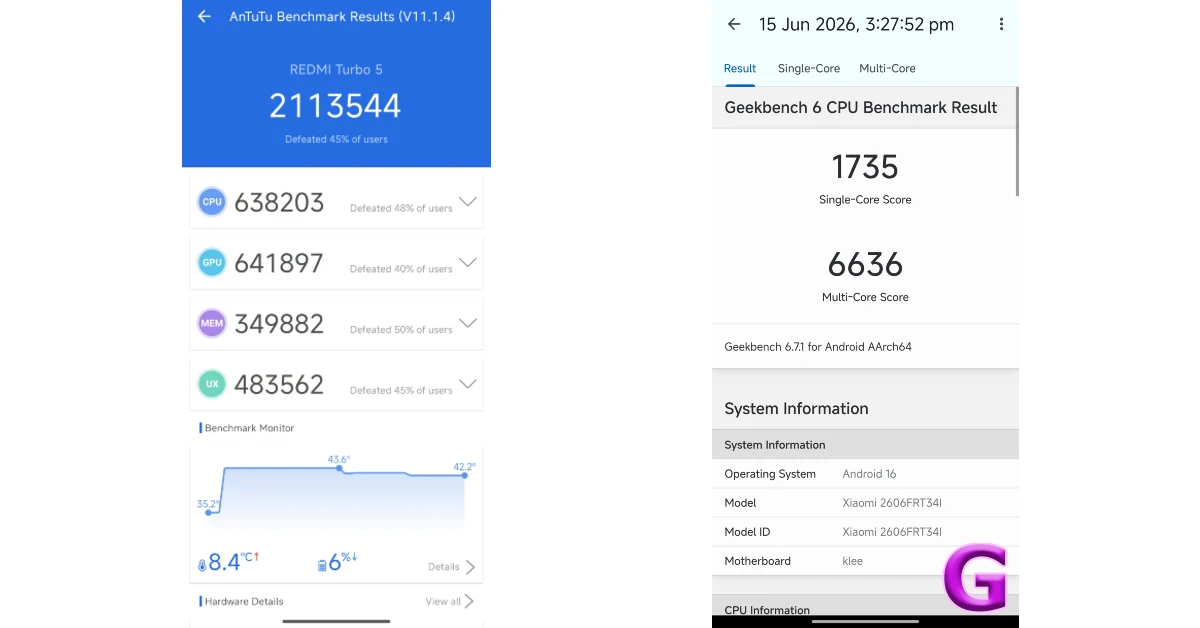
Xiaomi claims that the Turbo 5 is the fastest Redmi phone ever. And it isn’t wrong. The smartphone goes through regular tasks like texting, calling, web browsing, and media streaming like a hot knife through butter. Apps load almost instantly, thanks to the UFS 4.1 storage configuration. The LPDDR5X/Ultra RAM makes quick work of multitasking, juggling among half a dozen apps without a hiccup. The vibrational feedback from the haptic motor could have been a little sharper, but that is more of a nitpick on our part than a scathing critique.
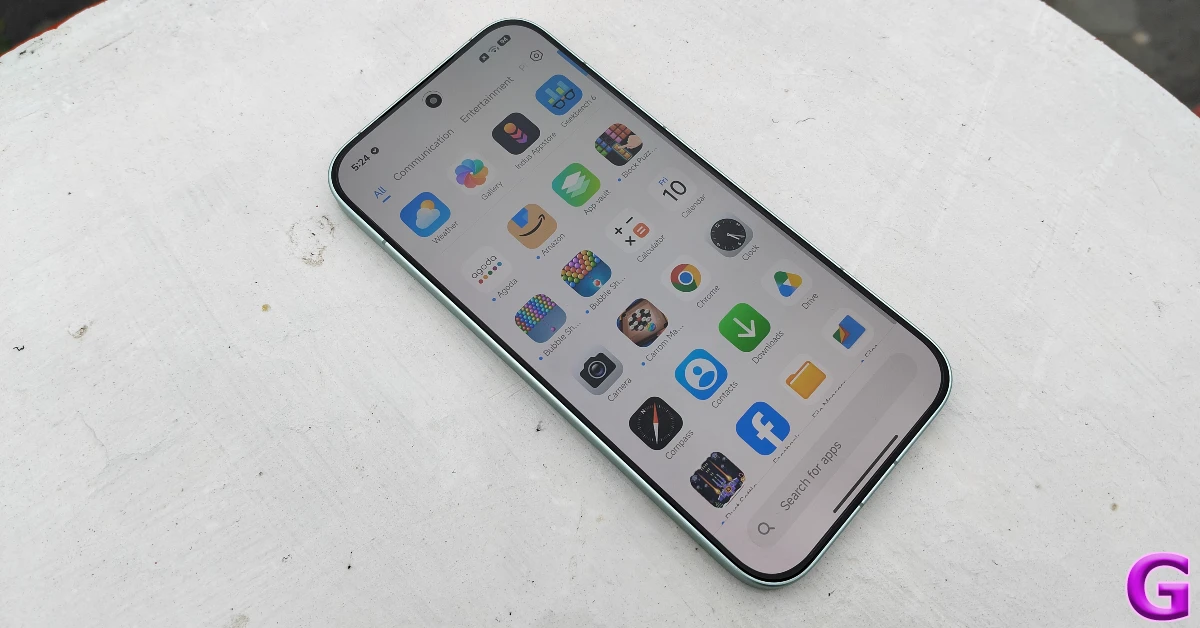
Being the most powerful Redmi device yet, the Turbo 5 is able to handle power-intensive games like BGMI and Call of Duty: Mobile. Both of these titles can be enjoyed at a 120fps frame rate. We did not come across a single frame drop during our time with the device. The 5,300mm² 3D IceLoop cooling system did a decent job of managing the internal temperature. The back panel got moderately warm after 30 minutes of gameplay.
The Android 16-based HyperOS 3 handles the software duties on this phone. You get a handful of bloatware apps, most of them games, but they can be permanently removed from the device. Xiaomi has promised 4 major OS updates and 6 years of security patches for the Turbo 5.
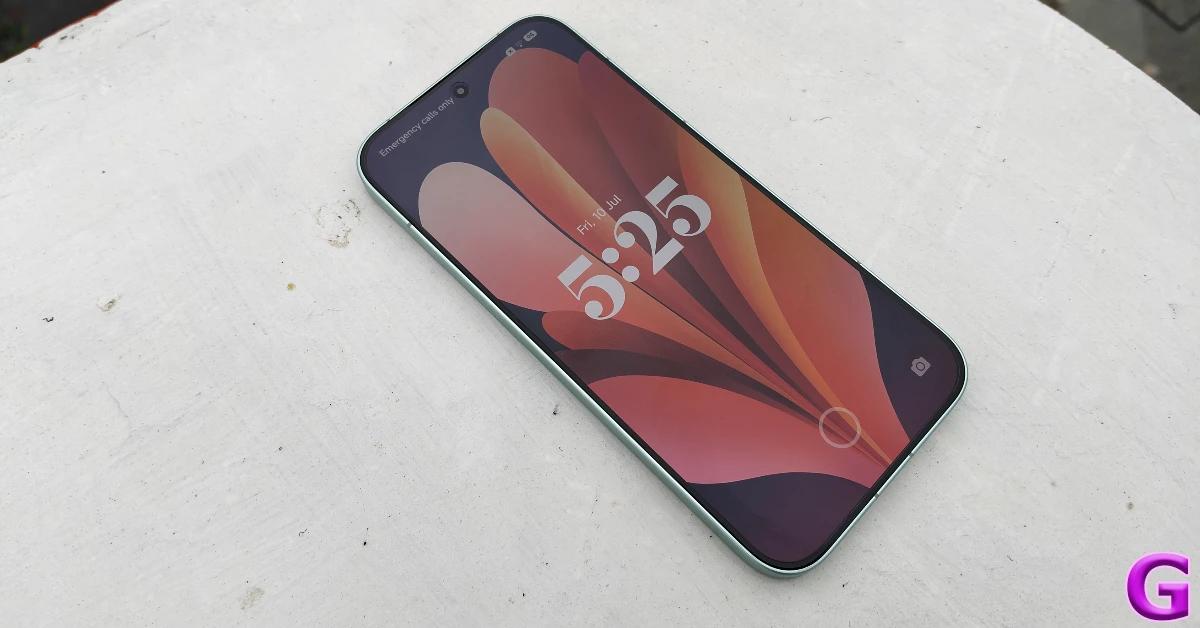
The software experience is light, smooth, and intuitive. HyperOS 3 feels well optimised for the platform. It borrows some design elements from iOS, including a Dynamic Island-style animation for the punch-hole camera cutout on the display. The translucent effect for the Quick Settings pane feels inspired by iOS, too. We like that the software lets you customise the app drawer. Instead of app folders, you get app categories. If you feel like they’re cluttering the page, you can get rid of them for a cleaner look. We also like that the smartphone lets you adjust the transparency of the app drawer background.
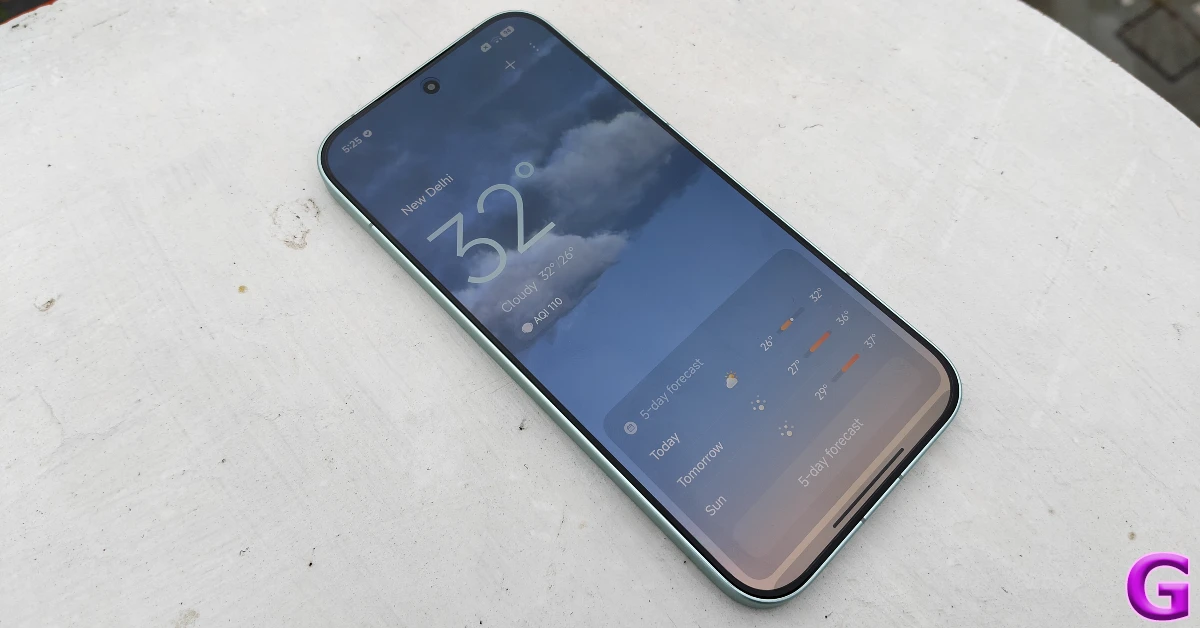
AI features are the talk of the town, and Xiaomi wants to have a say in the conversation. Its HyperAI suite, while not the best in the game, packs all the essentials you need for routine use. It can generate wallpapers, create email drafts, proofread your notes, translate your calls and in-person conversations, and generate subtitles for on-screen content on command. The photo editor in the native Gallery app has tools for erasing unwanted objects from your images, boosting the details, ‘beautifying’ the subjects, and a whole lot more.
The massive 7,540mAh battery pack can get you through a day of heavy use with plenty of charge left to spare. If your screen time doesn’t exceed 5 hours, you can get almost 2 days’ worth of battery life out of the Si/C unit. The 100W power adapter provided in the box takes the phone from 0 to 100% in 70 minutes. This is an impressive feat when you consider the size of the battery.
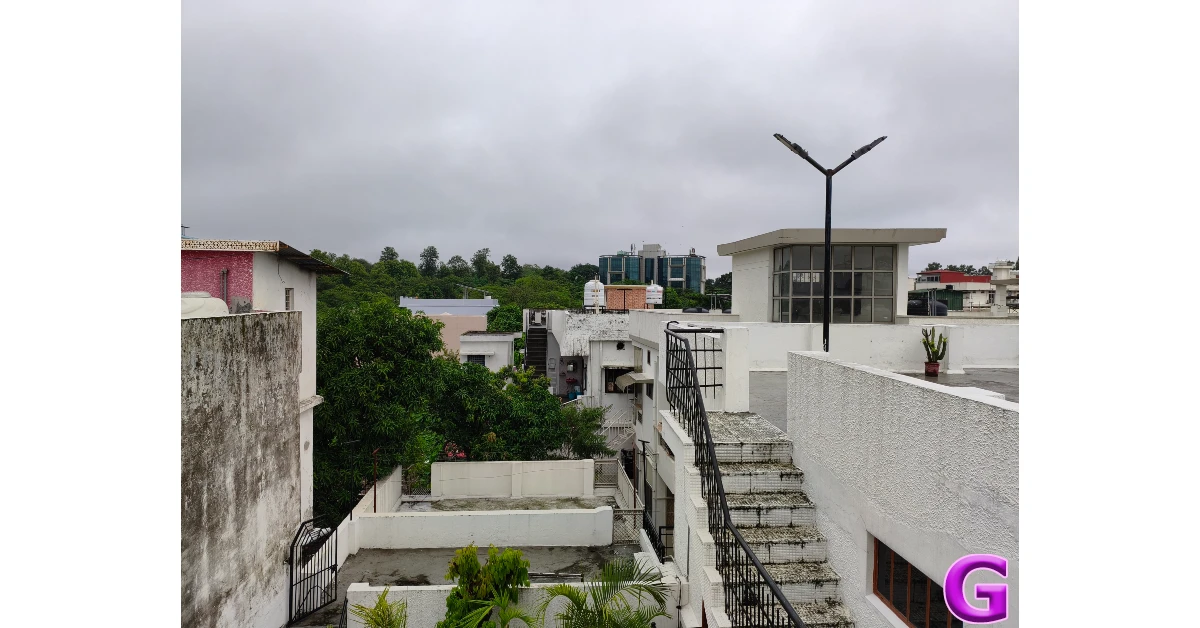

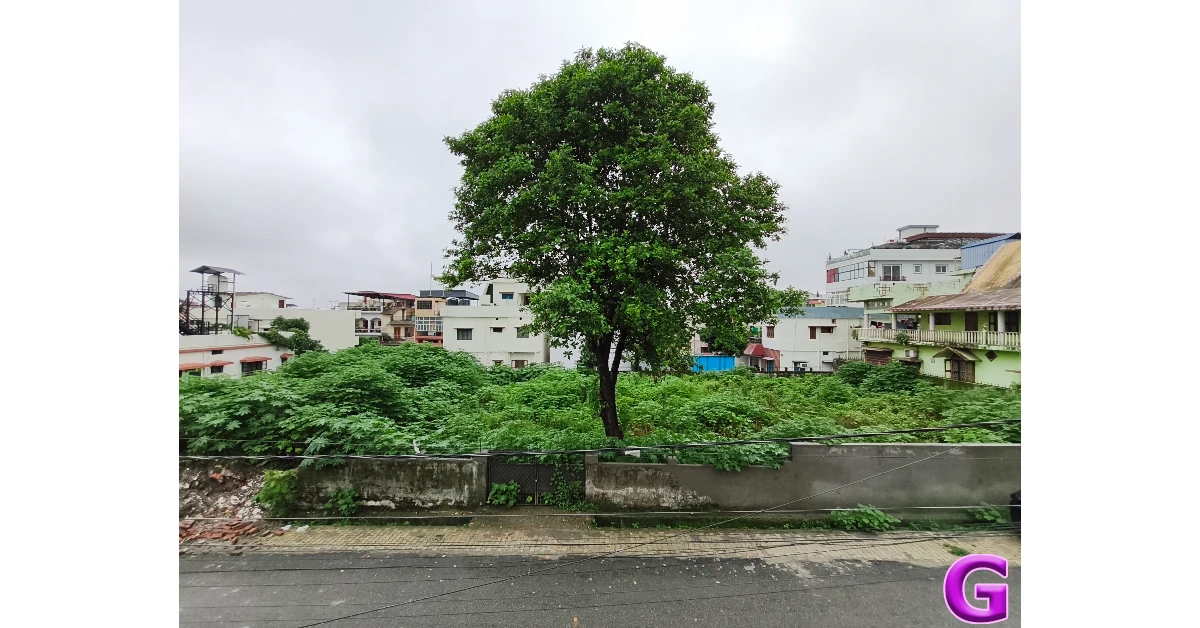
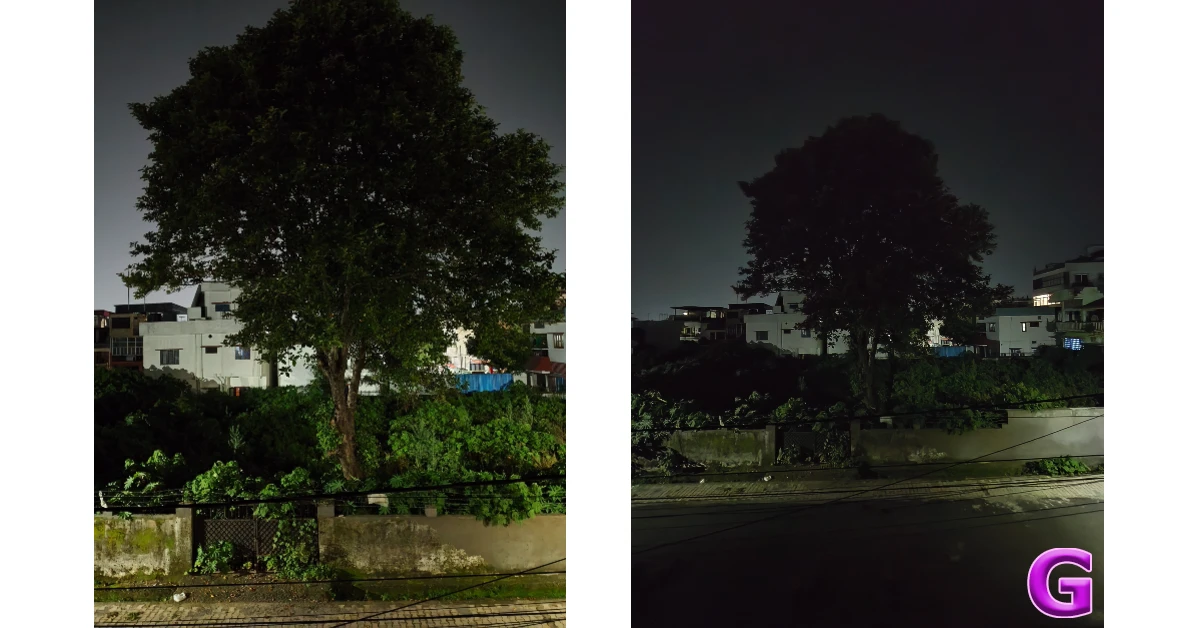
The rear camera array comprises a 50MP primary shooter and an 8MP ultrawide lens. The primary shooter captures good pictures in outdoor daylight conditions. The images showcase vibrant colours that are well-tuned and realistic. We like that the smartphone doesn’t go overboard while processing the images. The results look balanced and close to the scene in front of the camera. In limited lighting, the camera relies on Night Mode to illuminate the shot and get rid of the grain.

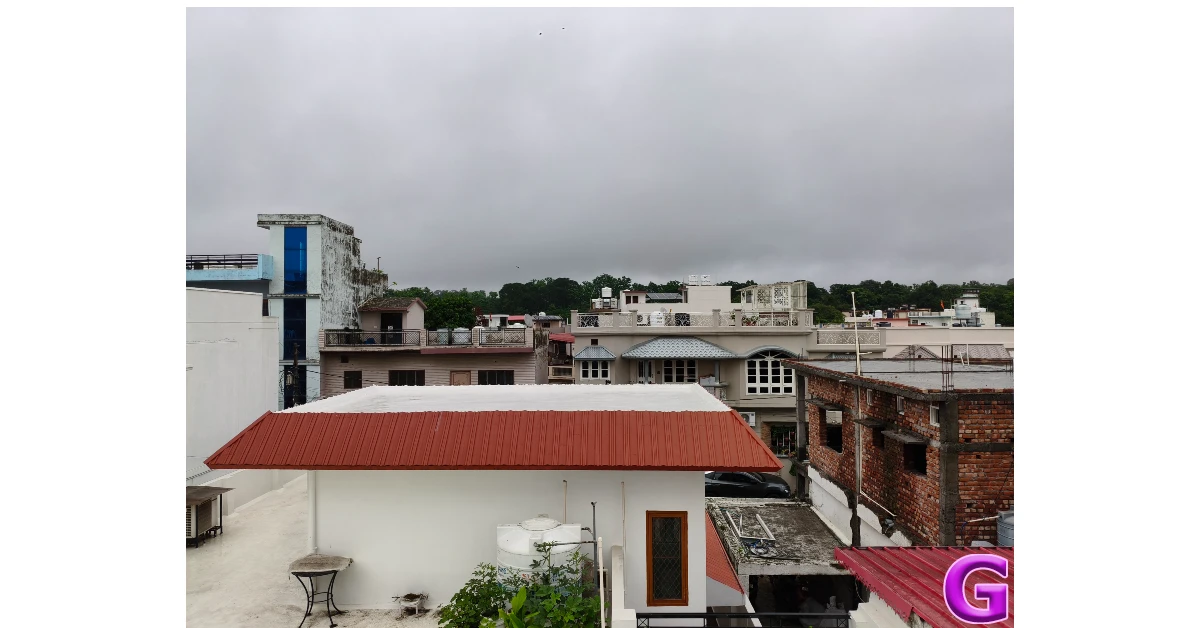
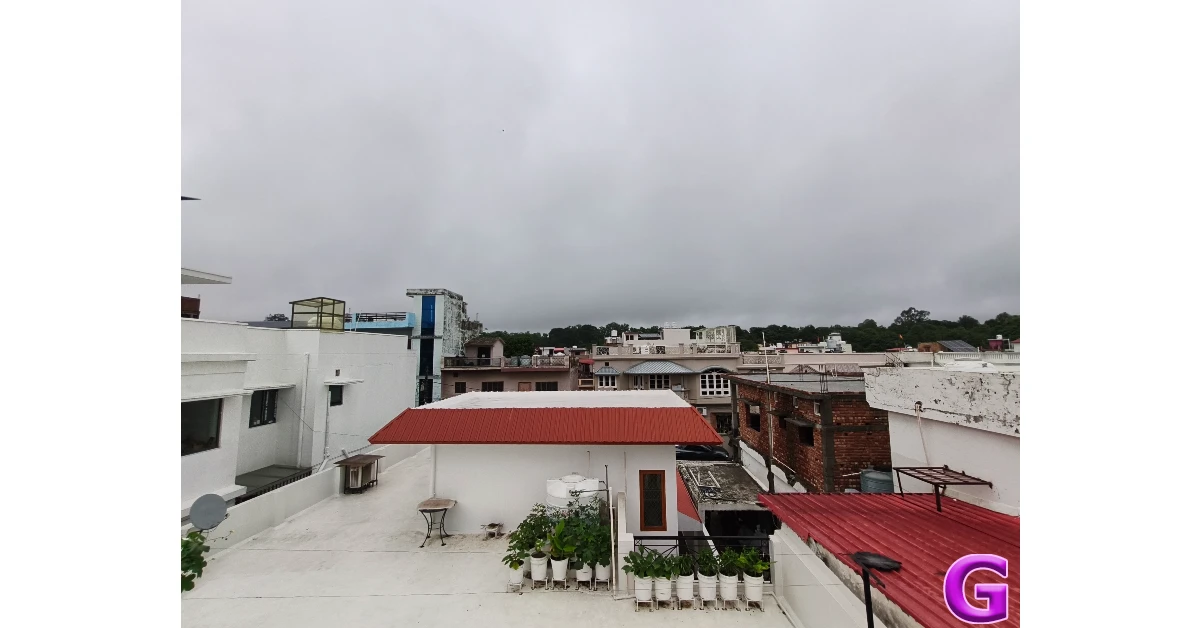
Pictures taken from the 8MP ultrawide lens are visibly softer, but what they lack in detail, they make up for in colour. The images appear balanced without losing their ‘pop’. The camera earns its place in the array without coming across as a filler lens. In limited lighting, the ultrawide images appear a bit dim and grainy, but that’s a recurring issue in almost every phone in this price bracket.
Portraits taken by the Turbo 5 are vivid and well-focused. The Camera app gives you 2 focal length options in Portrait Mode – 26mm and 35mm. We prefer the 35mm shots because of their sharp focus and stronger background blur. The 20MP front-facing camera captures clear and sharp selfies. It can record 1,080p videos at 30/60 fps. The ultrawide lens can record 1,080p videos at 30fps only. Meanwhile, the main camera can shoot 4K footage at 30/60fps.


Read Also: vivo T5 Lite 44W To Launch On July 16 With A 6,500mAh Battery And A Serious Durability Upgrade
Verdict
The Redmi Turbo 5 is one of the best ‘value for money’ phones in the sub-Rs 40,000 price bracket. Sure, it is Rs 3,000 pricier than its Poco counterpart, but the larger battery pack and the ensuing 2-day battery life are worth splurging the extra cash. The smartphone’s MediaTek Dimensity 8500 Ultra SoC is the most powerful chipset we’ve seen on a Redmi phone so far. Not only does it crush routine tasks without breaking a sweat, but it can also run demanding gaming titles. The 6.59-inch AMOLED display, along with the dual-speaker setup, curates a highly enjoyable viewing experience. The camera setup doesn’t disappoint either. We would have liked a telephoto camera in the array, but given the soaring smartphone prices, it is an understandable tradeoff.
Pros
- Bright display
- Powerful processor
- Good battery life
- IP68/IP69K rating
Cons
- No telephoto lens


