


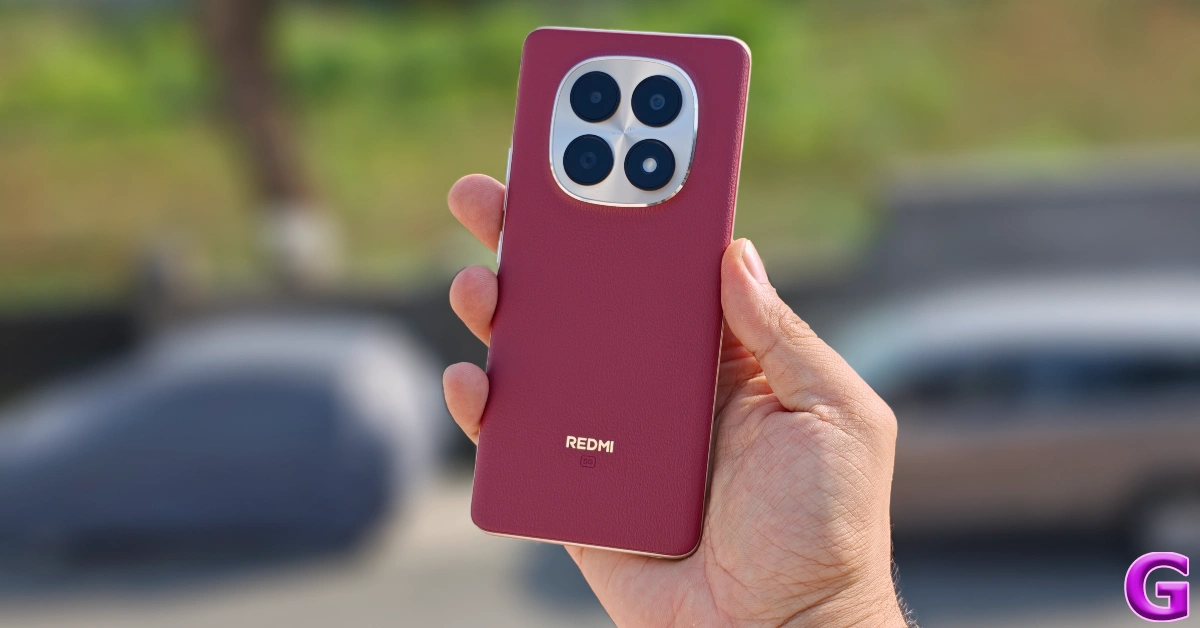
If you’re in the market for a reasonably priced smartphone that doesn’t demand breaking the bank, your options are pretty slim. Phone prices are soaring to new levels due to the ongoing global RAM shortage. However, you can still find some decent and reliable daily drivers without spending a lot of money. Here are the top 10 phones priced under Rs 30,000 in September 2026.
In This Article
Nothing Phone (3a) Pro
Key Specs
| Display | 6.77-inch AMOLED |
| Processor | Snapdragon 7s Gen 3 |
| Cameras | 50MP Primary | 50MP 3x Periscope Telephoto | 8MP Ultrawide | 50MP Selfie |
| Battery | 5,000mAh, 50W wired charging |
| RAM | 8GB, 12GB |
| Storage | 128GB, 256GB |
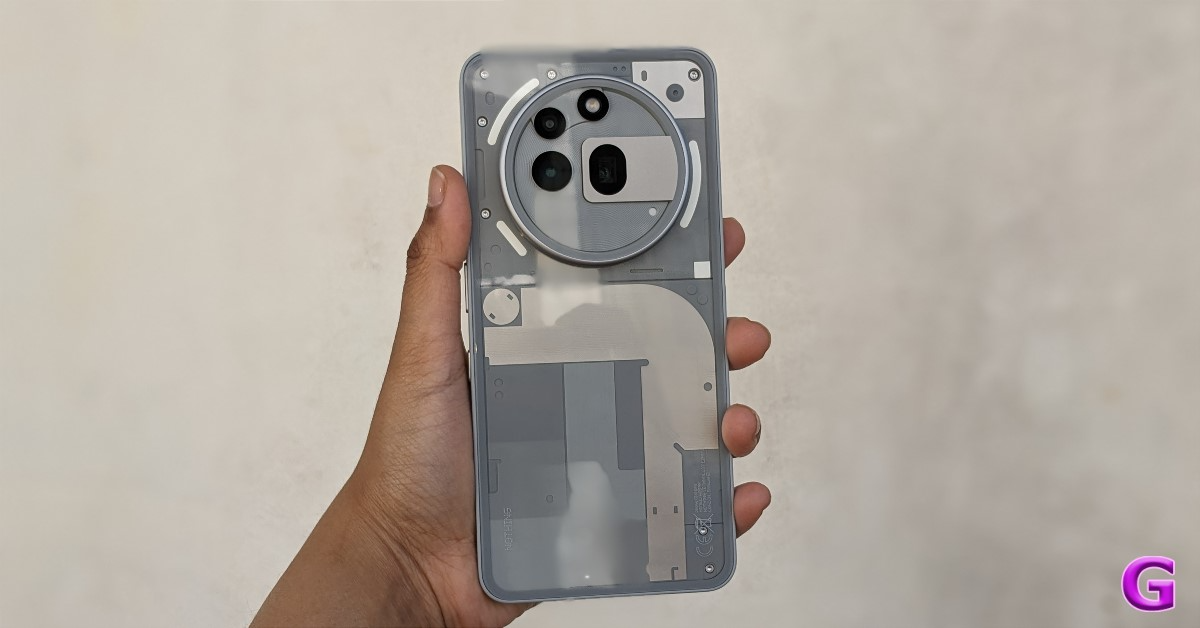
Last year’s Nothing Phone (3a) Pro remains one of the best phones you can buy under Rs 30,000 in September 2026. It is powered by the Snapdragon 7s Gen 3 chipset and runs Android 15 skinned with Nothing OS 3 out of the box. Its 6.77-inch AMOLED display has a 120Hz refresh rate and can reach a peak brightness of 3,000 nits. The giant camera cutout on the back panel houses a 50MP primary shooter, a 50MP periscope telephoto lens with 3x optical zoom, and an 8MP ultrawide lens. The 5,000mAh battery pack supports 50W charging. Dive into our review of the Nothing Phone (3a) Pro for a deeper analysis.
Pros
- Unique design
- Telephoto lens
- Great software
Cons
- Mediocre ultrawide lens
Samsung Galaxy M47
Key Specs
| Display | 6.7-inch Super AMOLED |
| Processor | Snapdragon 6 Gen 3 |
| Cameras | 50MP Primary | 5MP Ultrawide | 2MP Macro | 12MP Selfie |
| Battery | 6,000mAh, 45W wired charging |
| RAM | 6GB, 8GB |
| Storage | 128GB, 256GB |
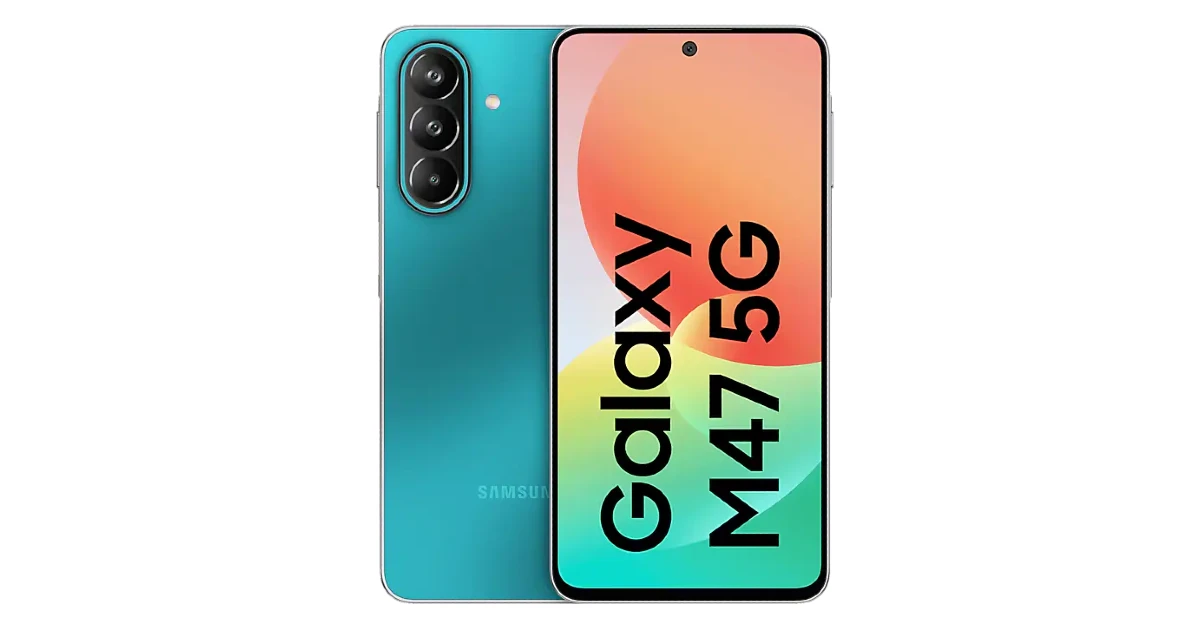
Samsung’s M series midranger is one of our favourite phones under Rs 30,000. It rocks Qualcomm’s Snapdragon 6 Gen 3 chipset under its hood. You get Android 16 with the One UI 8 skin out of the box. The device has been promised to receive 6 major OS updates. The 6.7-inch Super AMOLED display has a 120Hz refresh rate. The triple rear camera arrangement comprises a 50MP primary shooter, a 5MP ultrawide lens, and a 2MP macro sensor. The 6,000mAh battery pack supports 45W charging.
Pros
- Nice design
- Smooth display
- Good main camera
Cons
- Not the best chipset for gaming
OnePlus Nord CE6 Lite
Key Specs
| Display | 6.72-inch IPS LCD |
| Processor | MediaTek Dimensity 7400 Apex |
| Cameras | 50MP Primary | 8MP Selfie |
| Battery | 7,000mAh | 45W wired charging |
| RAM | 6GB, 8GB |
| Storage | 128GB, 256GB |
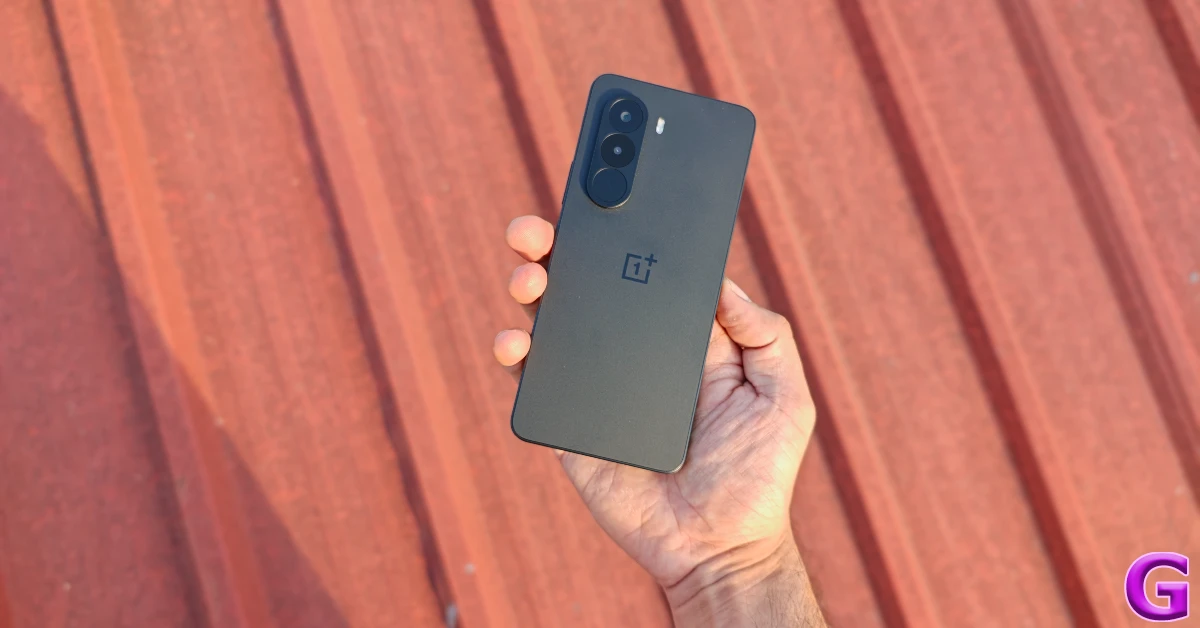
The Nord CE6 Lite sits just above the entry-level N6 in OnePlus’ portfolio. It draws power from the MediaTek Dimensity 7400 Apex chipset. Software duties are handled by the Android 16-based OxygenOS 16. The 6.72-inch IPS LCD panel has a 144Hz refresh rate and can reach 1,000 nits in High Brightness Mode. The vertical camera island on the back panel houses a 50MP primary shooter and an auxiliary lens. The 7,000mAh battery pack supports 45W wired charging. Check out our OnePlus Nord CE6 Lite review to find out what it’s like to daily-drive the phone.
Pros
- Looks great
- Big battery
- 90fps support for BGMI and Call of Duty Mobile
Cons
- LCD instead of AMOLED display
Redmi Note 15
Key Specs
| Display | 6.77-inch AMOLED |
| Processor | Snapdragon 6 Gen 3 |
| Cameras | 108MP Primary | 8MP Ultrawide | 20MP Selfie |
| Battery | 5,520mAh, 45W wired charging |
| RAM | 8GB |
| Storage | 128GB, 256GB |
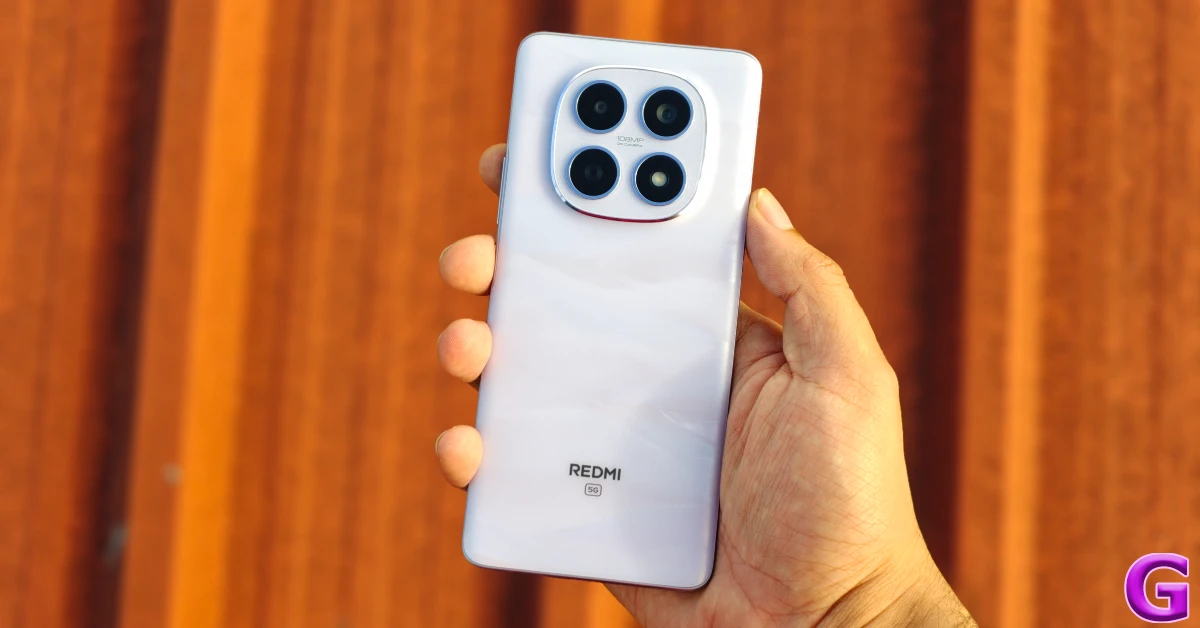
The base variant in Redmi’s Note 15 series makes a great daily driver. It is powered by the Snapdragon 6 Gen 3 chipset and runs the Android 15-based HyperOS 2 out of the box. The smartphone flaunts a 6.77-inch AMOLED display with a 120Hz refresh rate and a peak brightness of 3,200 nits. It is rated IP66 for dust and water resistance. Furthermore, the device is compliant with MIL-STD-810H durability standards. It is drop-resistant up to 1.7m. The centre-aligned camera panel houses a 108MP primary shooter and an 8MP ultrawide lens. The 5,520mAh battery pack supports 45W wired charging. Read our Redmi Note 15 review for more details.
Pros
- Bright display
- Good main camera
- Expandable storage
Cons
- Runs Android 15 out of the box
Realme Narzo 90x
Key Specs
| Display | 6.8-inch IPS LCD |
| Processor | MediaTek Dimensity 6300 |
| Cameras | 50MP Primary | 8MP Selfie |
| Battery | 7,000mAh, 60W wired charging |
| RAM | 6GB, 8GB |
| Storage | 128GB |
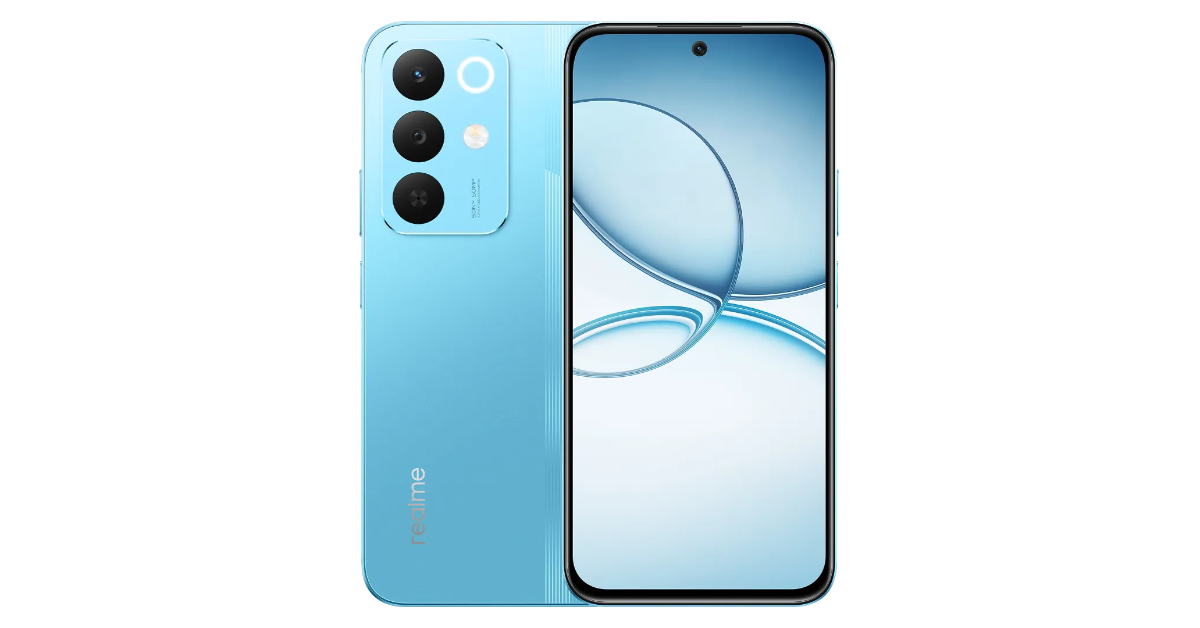
The Realme Narzo 90x is powered by the MediaTek Dimensity 6300 chipset and runs Android 15-based Realme UI 6 out of the box. Its 6.8-inch IPS LCD panel has a 144Hz refresh rate and can reach 1,200 nits in High Brightness Mode. The device is rated IP65 for dust and water resistance. Its 7,000mAh battery pack supports 60W wired charging. The rear camera panel houses a 50MP primary shooter. The 8MP front-facing camera is positioned in a punch-hole cutout on the display.
Pros
- Nice design
- Big battery
- Fast charging
Cons
- No ultrawide lens
Motorola G57 Power
Key Specs
| Display | 6.72-inch IPS LCD |
| Processor | Snapdragon 6s Gen 4 |
| Cameras | 50MP Primary | 8MP Ultrawide | 8MP Selfie |
| Battery | 7,000mAh, 33W wired charging |
| RAM | 8GB |
| Storage | 128GB |
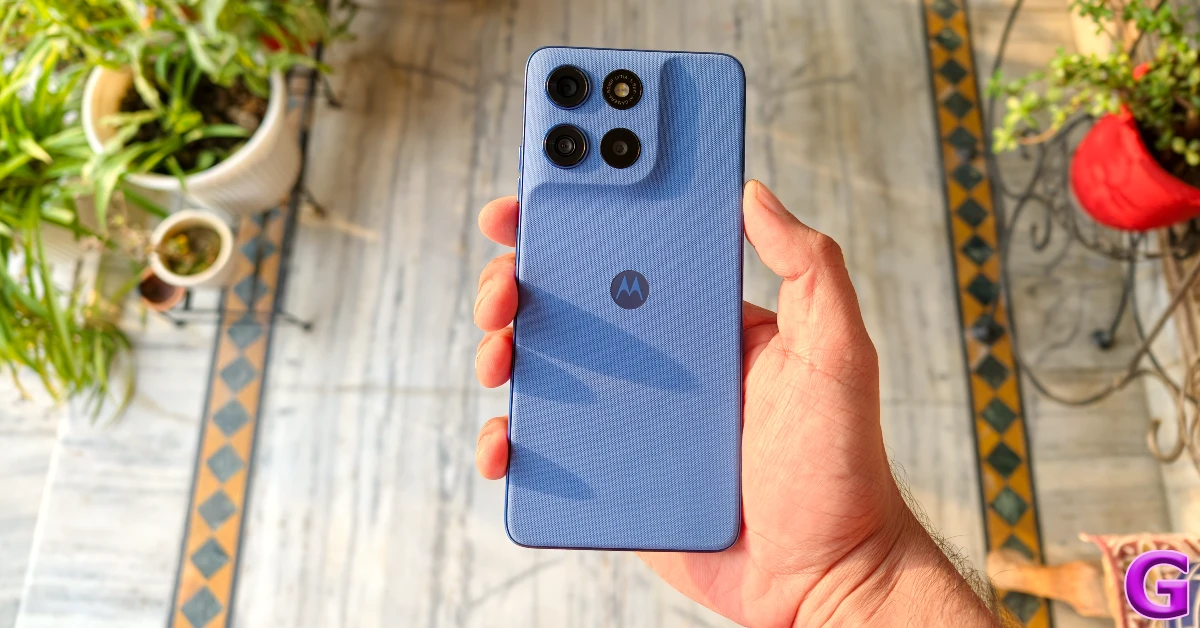
The plastic back panel of the Motorola G57 Power has a nice texture that enhances its in-hand feel. It is powered by the Snapdragon 6s Gen 4 chipset and runs Android 16 out of the box. Its rear camera panel houses a 50MP primary shooter and an 8MP ultrawide lens. The 6.72-inch IPS LCD panel has a 120Hz refresh rate and can reach a peak brightness of 1,050 nits. The 7,000mAh battery pack supports 33W wired charging. Read our Motorola G57 Power review to learn how it performs in everyday use.
Pros
- Durable
- Big battery
- Good main camera
Cons
- No 256GB variant
Motorola Edge 70 Fusion
Key Specs
| Display | 6.78-inch AMOLED |
| Processor | Snapdragon 7s Gen 3 |
| Cameras | 50MP Primary | 13MP Ultrawide | 32MP Selfie |
| Battery | 7,000mAh, 68W wired charging |
| RAM | 8GB, 12GB |
| Storage | 128GB, 256GB, 512GB |
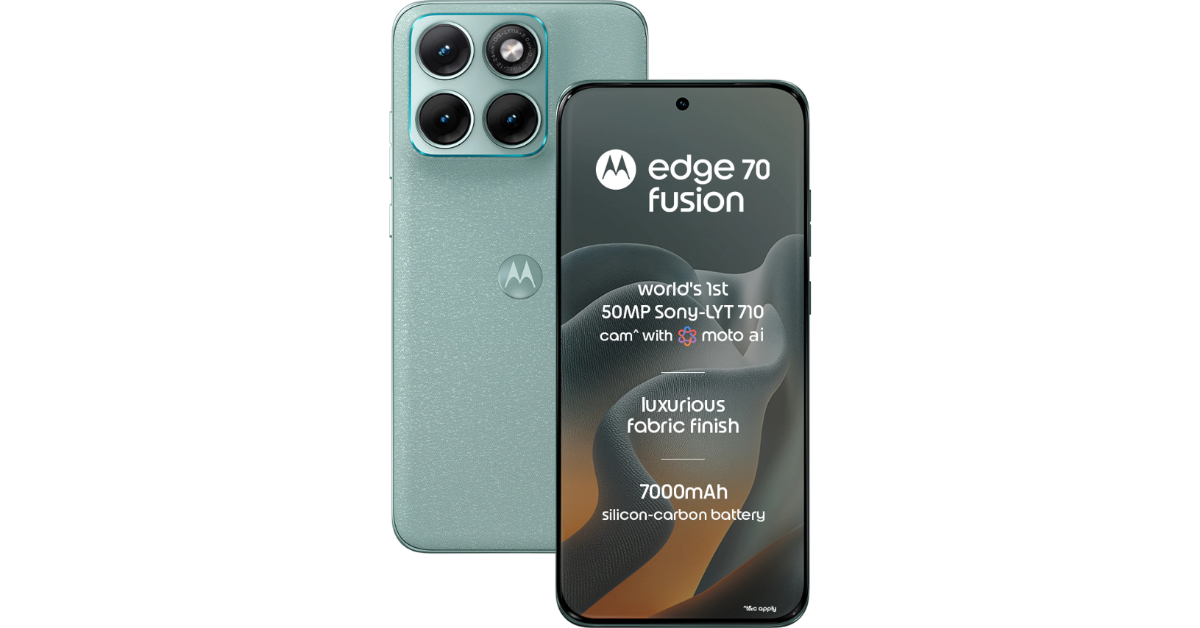
The Fusion model in the Edge 70 series also deserves your attention. It is powered by the Snapdragon 7s Gen 3 processor and runs Android 16 out of the box. Its 6.78-inch AMOLED display has a 144Hz refresh rate and can reach a peak brightness of 5,200 nits. There’s IP68/IP69 protection on board. The device is also compliant with MIL-STD-810H durability standards. The camera island houses a 50MP primary shooter and a 13MP ultrawide lens. The 7,000mAh battery pack supports 68W wired charging.
Pros
- Good cameras
- Slim design
- Big battery
Cons
- Needs a better cooling system
Vivo T5x
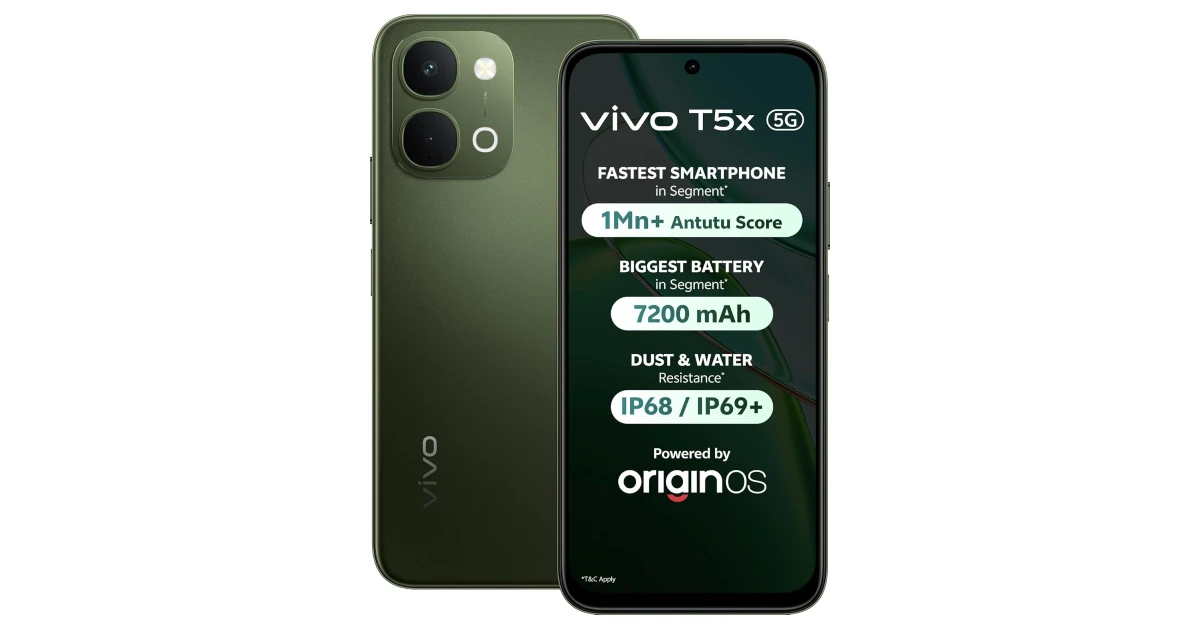
Key Specs
| Display | 6.76-inch IPS LCD |
| Processor | MediaTek Dimensity 7400 Turbo |
| Cameras | 50MP Primary | 32MP Selfie |
| Battery | 7,200mAh, 44W wired charging |
| RAM | 6GB, 8GB |
| Storage | 128GB, 256GB |
The Vivo T5x packs the MediaTek Dimensity 7400 Turbo chipset under its hood. Its 6.76-inch IPS LCD panel has a 120Hz refresh rate and can reach 1,200 nits in High Brightness Mode. The device is rated IP68/IP69 for protection against dust and water. It is also compliant with MIL-STD-810H durability standards. The rear camera setup comprises a 50MP primary shooter and an auxiliary lens. The 7,200mAh battery pack supports 44W wired charging.
Pros
- Big battery
- IP69/IP69 rating
- Good performance
Cons
- LCD instead of AMOLED display
Redmi Note 15 SE
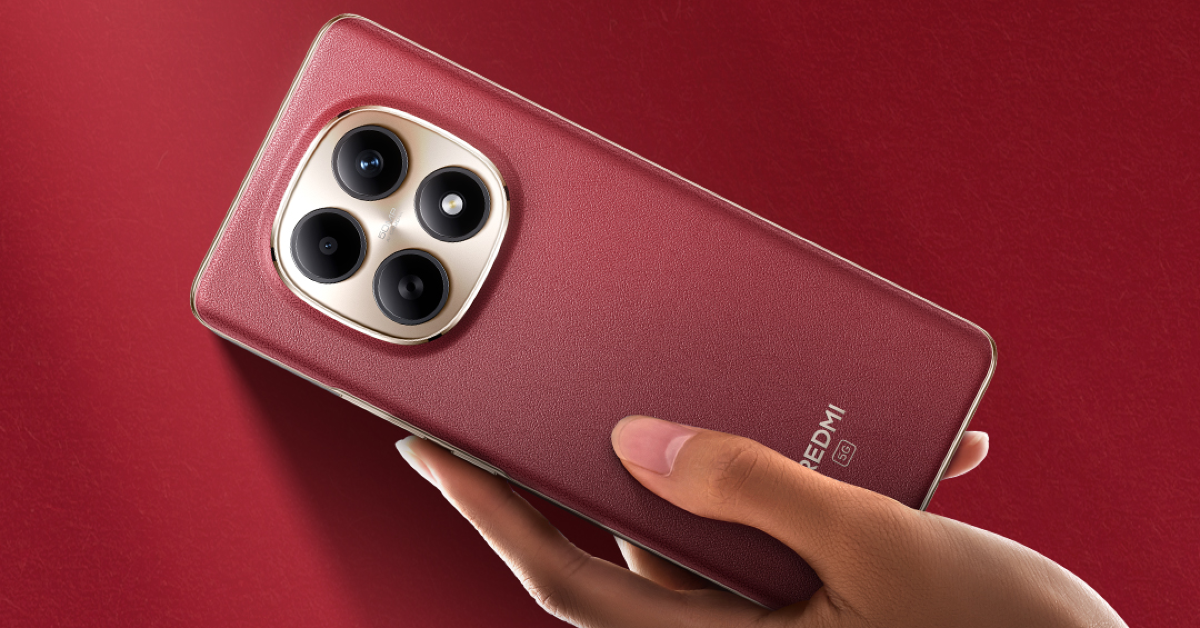
Key Specs
| Display | 6.77-inch AMOLED |
| Processor | Snapdragon 6 Gen 3 |
| Cameras | 50MP Primary | 20MP Selfie |
| Battery | 5,800mAh, 45W wired charging |
| RAM | 6GB, 8GB |
| Storage | 128GB, 256GB |
The ‘Special Edition’ Redmi Note 15 uses the Snapdragon 6 Gen 3 chipset under its hood. Its 6.77-inch AMOLED display has a 120Hz refresh rate and can reach a peak brightness of 3,200 nits. The device is rated IP66 for dust and water resistance. It is compliant with MIL-STD-810H durability standards. The rear camera panel houses a 50MP primary shooter and an auxiliary lens. The 5,800mAh battery pack supports 45W wired charging. Read our Redmi Note 15 SE review for more details.
Pros
- Bright display
- Sleek profile
- Good main camera
Cons
- No ultrawide lens
Infinix Note Edge
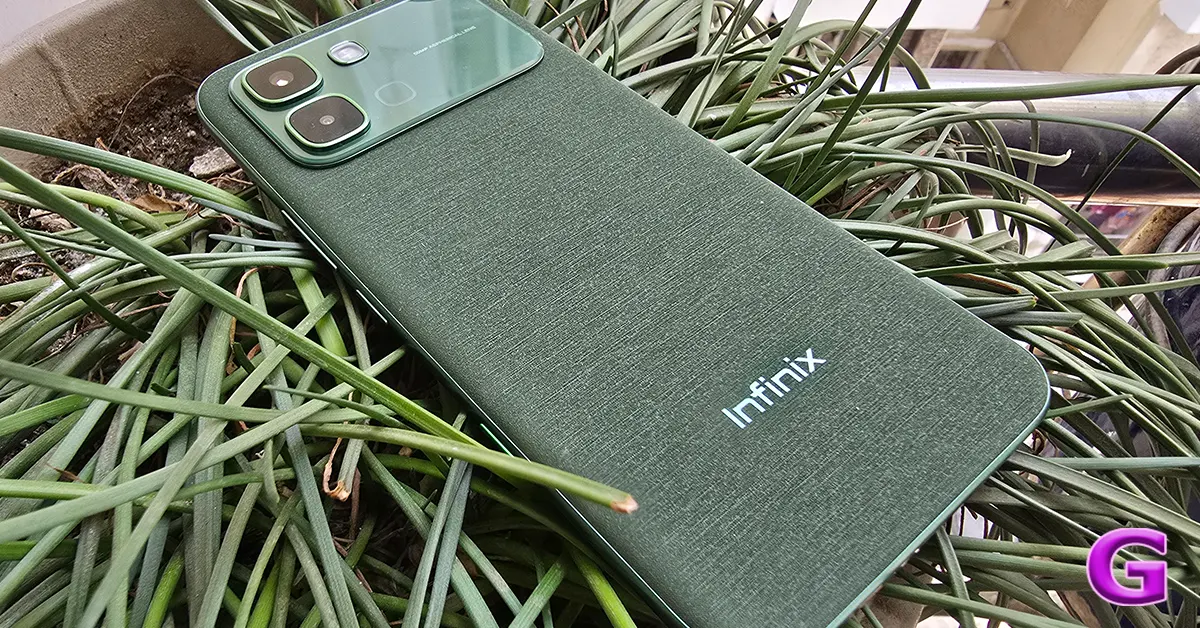
Key Specs
| Display | 6.78-inch AMOLED |
| Processor | MediaTek Dimensity 7100 |
| Cameras | 50MP Primary | 13MP Selfie |
| Battery | 6,500mAh, 45W wired charging |
| RAM | 6GB, 8GB |
| Storage | 128GB, 256GB |
Ending this list is the Infinix Note Edge. At the heart of this phone lies the MediaTek Dimensity 7100 chipset. Software duties are handled by the Android 16-based XOS 16 out of the box. Infinix has promised 3 major OS updates for this phone. The 6.78-inch AMOLED display has a 120Hz refresh rate and can reach a peak brightness of 4,500 nits. The rear camera panel gets a 50MP primary shooter. The 6,500mAh battery supports 45W wired charging. Dive into our Infinix Note Edge review for more details.
Pros
- Nice design
- Smooth display
- Good main camera
Cons
- No ultrawide lens
Final Thoughts
These are the top 10 phones priced under Rs 30,000 right now. Got some more room in your budget? Check out our top 10 picks under Rs 40,000. If you have any questions, let us know in the comments!


