


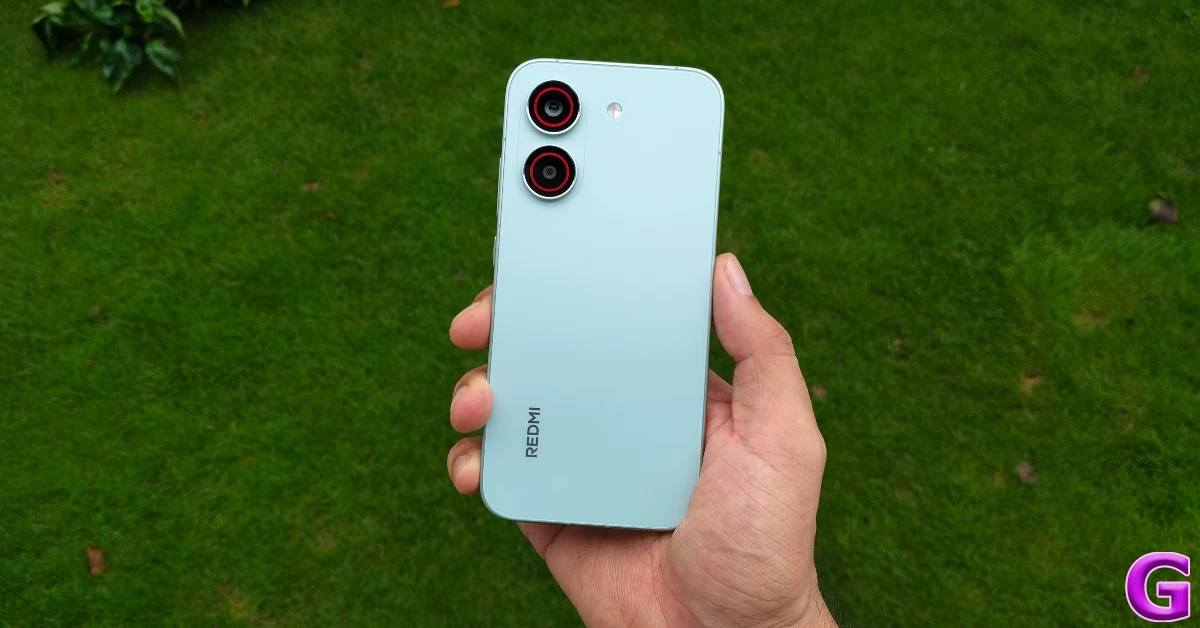

If you’ve been looking to buy a smartphone recently, you must be aware of the soaring prices due to the global RAM shortage. If you need a solid, reliable daily driver, you need to be shopping in the Rs 30,000 – Rs 40,000 price bracket. These devices rock powerful chipsets, bright displays, and good main cameras. Let’s dive into our list of the top 10 phones priced under Rs 40,000 in September 2026.
Read Also: Galaxy Z Fold 8 Ultra Leaked Video Reveals a Crease So Faint You Will Squint to Find It
In This Article
Samsung Galaxy A37
Key Specs
| Display | 6.7-inch Super AMOLED |
| Processor | Exynos 1480 |
| Cameras | 50MP Primary | 8MP Ultrawide lens | 5MP Macro | 12MP Selfie |
| Battery | 5,000mAh battery, 45W wired charging |
| RAM | 8GB, 12GB |
| Storage | 128GB, 256GB |
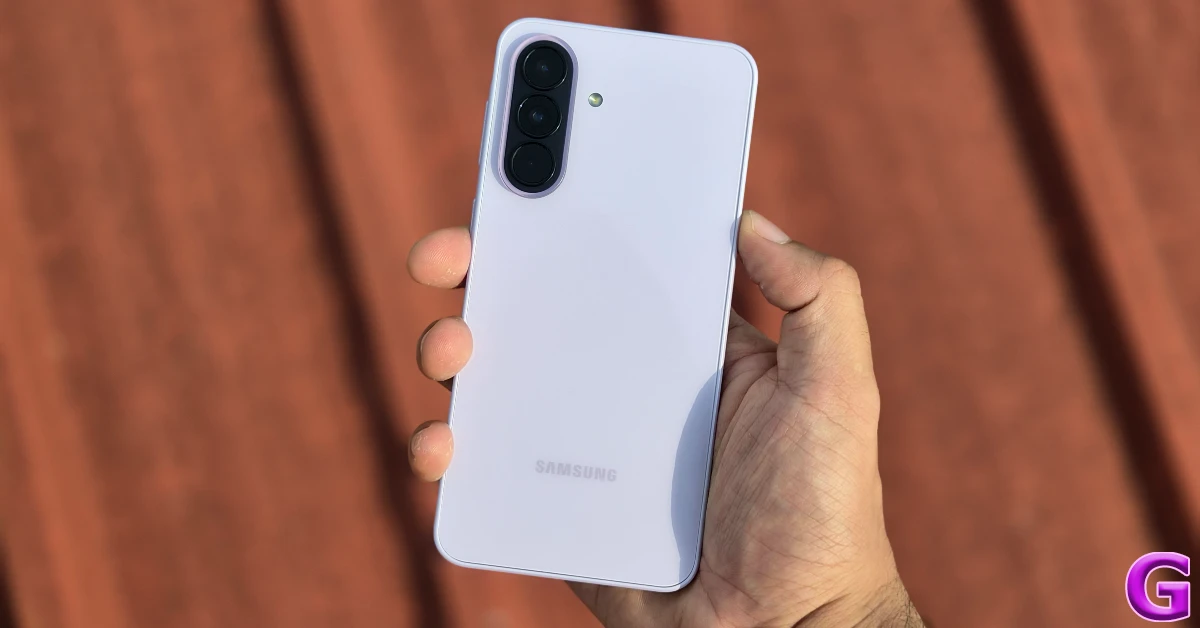
Samsung’s mid-tier A series model slots nicely in the Rs 40,000 price bracket. It packs the brand’s Exynos 1480 chipset under its hood. Software duties are handled by Android 16 skinned with One UI 8. This phone has been promised 6 major OS updates, which is the best software support you can get in this segment. The 6.7-inch Super AMOLED display has a 120Hz refresh rate and can reach a peak brightness of 1,900 nits. The camera module on the back panel comprises a 50MP primary shooter, an 8MP ultrawide lens, and a 5MP macro sensor. The 5,000mAh battery pack supports 45W wired charging. Dive into our review of the Samsung Galaxy A37 for a deeper analysis.
Pros
- Smooth display
- Good main camera
- 6 major OS upgrades
Cons
- The ultrawide lens lacks autofocus
OnePlus Nord CE6
Key Specs
| Display | 6.78-inch AMOLED |
| Processor | Snapdragon 7s Gen 4 |
| Cameras | 50MP Primary | 32MP Selfie |
| Battery | 8,000mAh, 80W wired charging |
| RAM | 8GB |
| Storage | 128GB, 256GB |
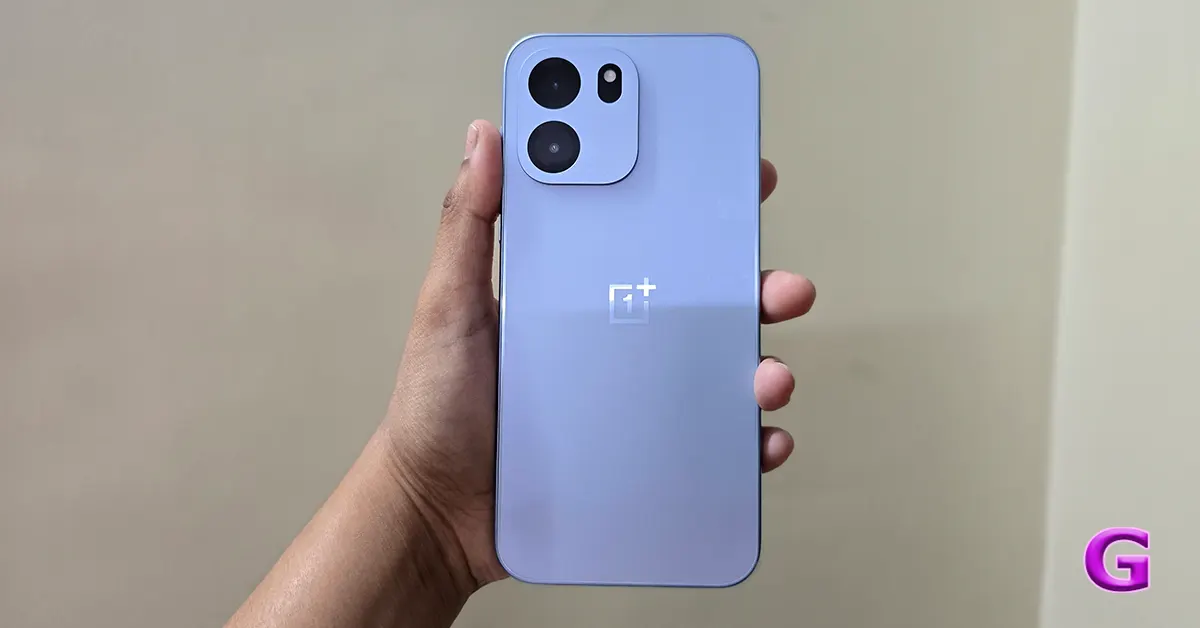
The Nord CE6 sits above the entry-level CE6 Lite in OnePlus’ portfolio. It is powered by the Snapdragon 7s Gen 4 chipset. Software duties are handled by the Android 16-based OxygenOS 16 out of the box. The 6.78-inch AMOLED display has a 144Hz refresh rate and can reach a peak brightness of 3,600 nits. There’s IP68/IP69K protection on board. The camera island on the back panel houses a 50MP primary shooter and an auxiliary lens. The 8,000mAh battery pack supports 80W charging. Check out our OnePlus Nord CE6 review to find out what it’s like to daily-drive this phone.
Pros
- Bright display
- Big battery
- Clean OS
Cons
- No ultrawide lens
Poco X8 Pro
Key Specs
| Display | 6.59-inch AMOLED |
| Processor | MediaTek Dimensity 8500 Ultra |
| Cameras | 50MP Primary | 8MP Ultrawide | 20MP Selfie |
| Battery | 6,500mAh, 100W wired charging |
| RAM | 8GB, 12GB |
| Storage | 256GB, 512GB |
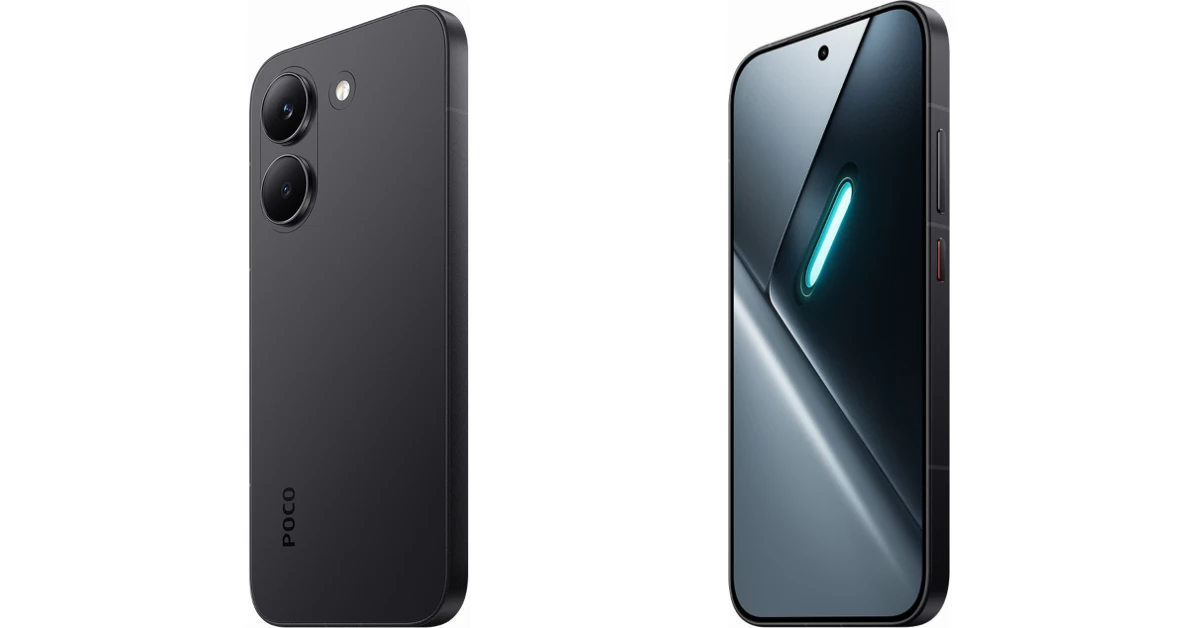
The Poco X8 Pro is almost identical to the Redmi Turbo 5. The only distinguishing factor is the battery pack, with the former packing a smaller 6,500mAh Si/C battery pack. Powering the device is the MediaTek Dimensity 8500 Ultra chipset. The 6.59-inch AMOLED display has a 120Hz refresh rate and can reach 3,500 nits of peak brightness. The smartphone is rated IP68/IP69K for dust and water resistance. The camera array on the back panel comprises a 50MP primary shooter and an 8MP ultrawide lens.
Pros
- Good processor
- Big battery
- Bright display
Cons
- No telephoto lens
Nothing Phone (4a)
Key Specs
| Display | 6.78-inch AMOLED |
| Processor | Snapdragon 7s Gen 4 |
| Cameras | 50MP Primary | 50MP 3.5x Telephoto | 8MP Ultrawide | 32MP Selfie |
| Battery | 5,400mAh, 50W wired charging |
| RAM | 8GB, 12GB |
| Storage | 128GB, 256GB |
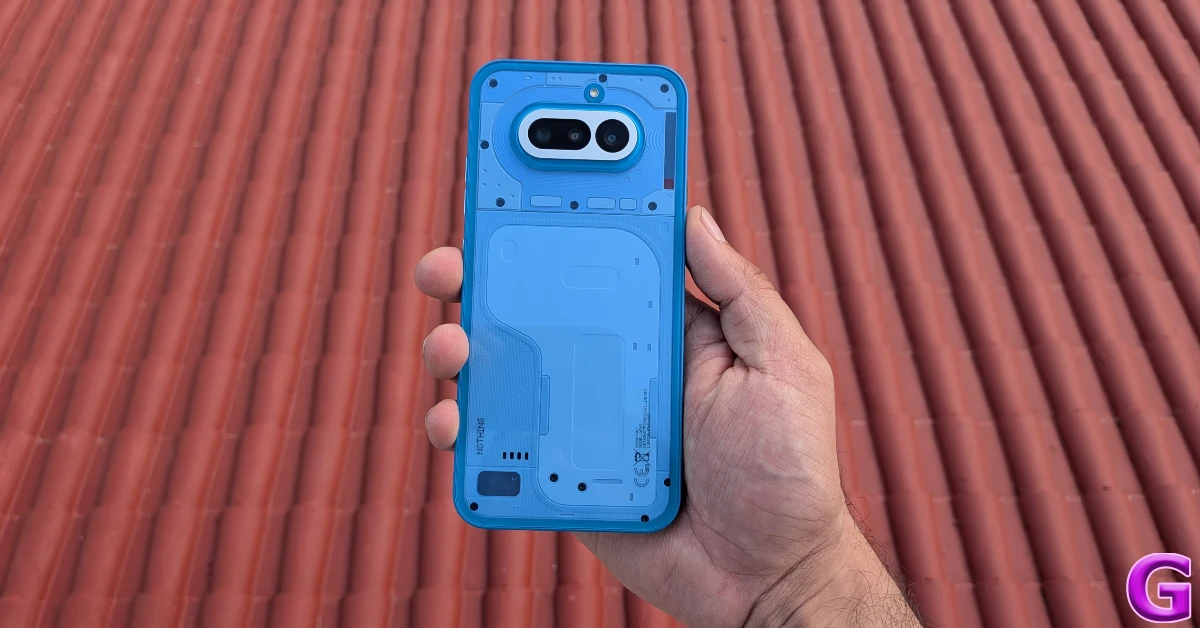
The Phone (4a) retains Nothing’s see-through design language and Glyph interface. It is powered by the Snapdragon 7s Gen 4 chipset and runs Android 16 skinned with Nothing OS 4. Its 6.78-inch AMOLED display has a 120Hz refresh rate and can reach a peak brightness of 4,500 nits. The rear camera bar seems inspired by the Pixel. It houses a 50MP primary shooter, a 50MP telephoto lens with 3.5x optical zoom, and an 8MP ultrawide lens. The 5,400mAh battery pack supports 50W wired charging. Read our Nothing Phone (4a) review to learn more about the phone.
Pros
- Bright display
- Good main camera
- Big battery
Cons
- Mediocre chipset
iQOO Z11
 Key Specs
| Display | 6.83-inch AMOLED |
| Processor | MediaTek Dimensity 7500 Turbo |
| Cameras | 50MP Primary | 8MP Ultrawide | 32MP Selfie |
| Battery | 7,050mAh, 44W wired charging |
| RAM | 6GB, 8GB, 12GB |
| Storage | 128GB, 256GB |
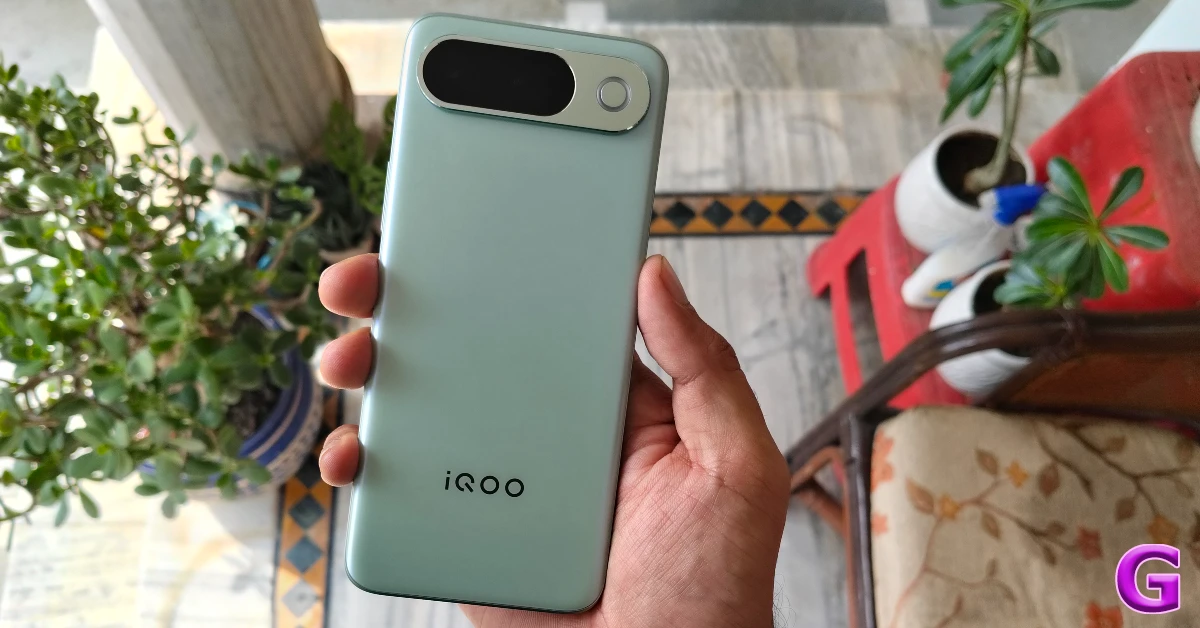
One of the most fascinating things about the iQOO Z11 is its Pixel-inspired camera bar. This bar houses a 50MP primary shooter, an 8MP ultrawide lens, and a ring LED flash that also serves as a notification light. The smartphone is powered by the MediaTek Dimensity 7500 Turbo chipset. Its 6.83-inch curved AMOLED display has a 144Hz refresh rate and a peak brightness of 3,000 nits. The 7,050mAh battery pack supports 44W wired charging. Read our iQOO Z11 review for more details about the phone.
Pros
- Nice design
- Good chipset
- Curved AMOLED display
Cons
- No telephoto lens
Nothing Phone (4b)
Key Specs
| Display | 6.77-inch AMOLED |
| Processor | Snapdragon 6 Gen 4 |
| Cameras | 50MP Primary | 8MP Ultrawide | 16MP Selfie |
| Battery | 6,000mAh, 33W wired charging |
| RAM | 8GB |
| Storage | 128GB, 256GB |
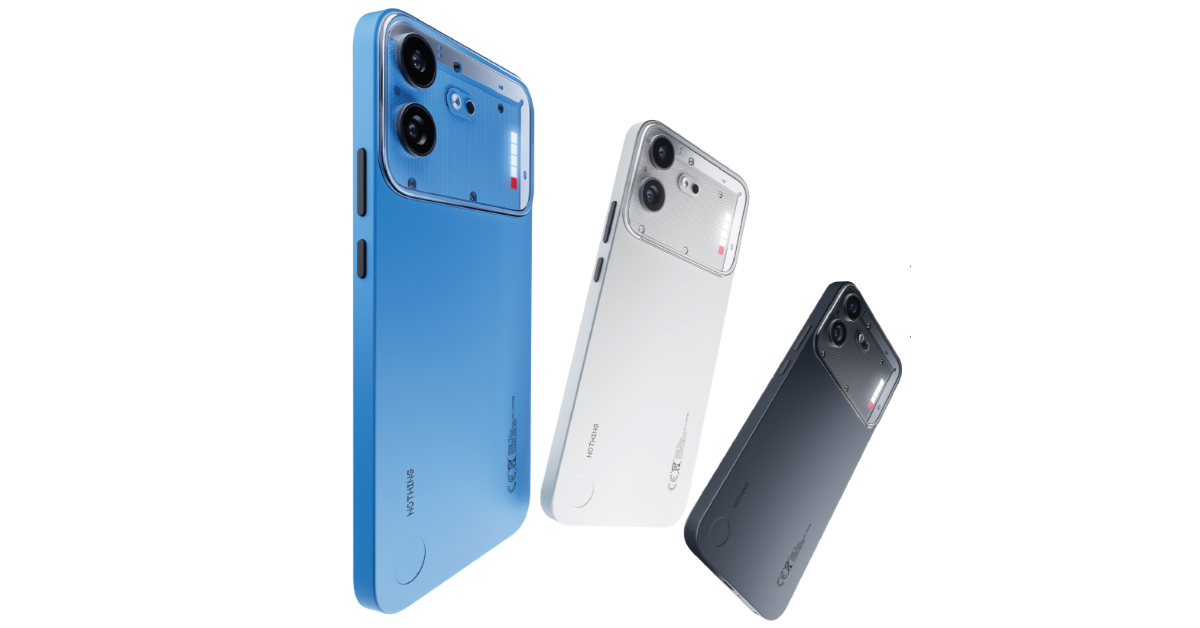
Nothing’s latest offering, Phone (4b), is the most affordable smartphone in its portfolio. Powering this device is the Snapdragon 6 Gen 4 chipset. The 6.77-inch AMOLED display has a 120Hz refresh rate and can reach 2,000 nits of peak brightness. There’s IP64 protection on board against dust and water. Like the Phone (4a), this device also gets a small Glyph bar. Its rear camera array comprises a 50MP primary shooter and an 8MP ultrawide lens. The 6,000mAh battery pack supports 33W wired charging.
Pros
- Nice design
- Bright display
- Clean OS
Cons
- Mediocre ultrawide lens
Motorola Edge 70 Pro
Key Specs
| Display | 6.78-inch curved AMOLED |
| Processor | MediaTek Dimensity 8500 Extreme |
| Cameras | 50MP Primary | 50MP Ultrawide | 50MP 3.5x Telephoto | 50MP Selfie |
| Battery | 6,500mAh, 90W wired charging |
| RAM | 8GB, 12GB |
| Storage | 256GB |
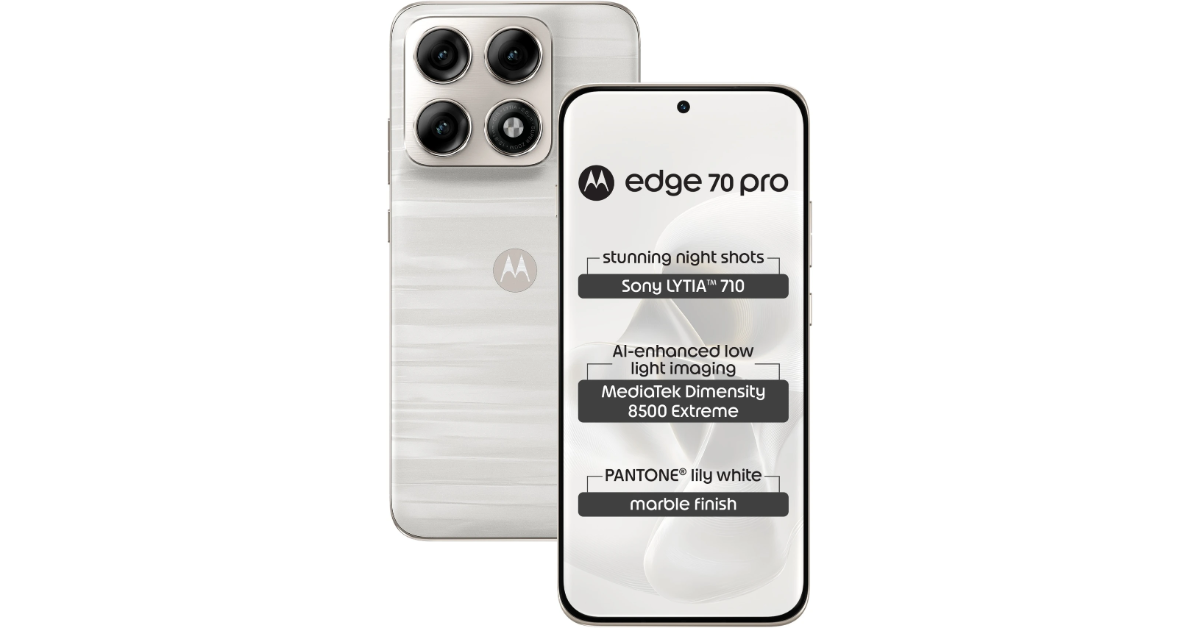
The Motorola Edge 70 Pro is one of the best phones you can get under Rs 40,000 in September 2026. It draws power from the MediaTek Dimensity 8500 Extreme chipset. Software duties are handled by Android 16 skinned with Motorola’s custom Hello UI. The 6.78-inch curved AMOLED display has a 144Hz refresh rate and can reach a peak brightness of 5,200 nits. The device is rated IP68/IP69K for protection against dust and water. The camera bump on the back panel houses a 50MP primary shooter, a 50MP ultrawide lens, and a 50MP telephoto lens with 3.5x optical zoom. The 6,500mAh Si/C battery pack supports 90W wired and 15W wireless charging.
Pros
- Durable
- Good cameras
- Wireless charging
Cons
- Curved display may not be for everyone
Redmi Note 15 Pro+
Key Specs
| Display | 6.83-inch AMOLED |
| Processor | Snapdragon 7s Gen 4 |
| Cameras | 200MP Primary | 8MP Ultrawide | 32MP Selfie |
| Battery | 6,500mAh, 100W wired charging |
| RAM | 8GB, 12GB |
| Storage | 256GB, 512GB |
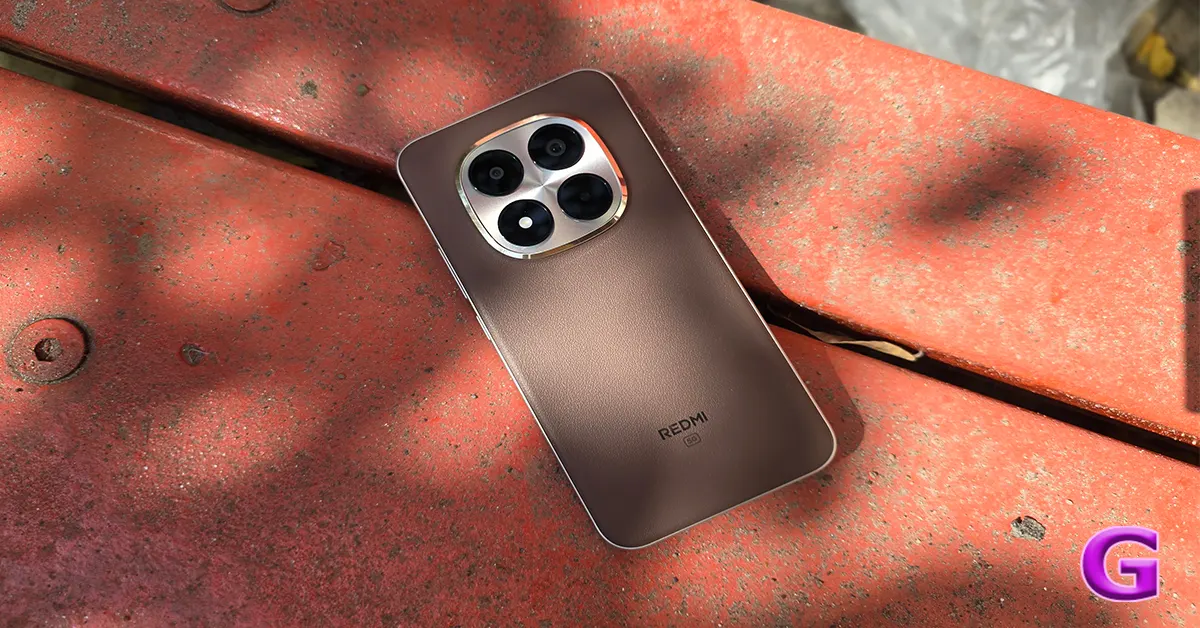
The top-spec model in the Note 15 lineup is decked with great features and hardware. For starters, it is powered by the Snapdragon 7s Gen 4 chipset. Its 6.83-inch AMOLED display has a 120Hz refresh rate and can reach a peak brightness of 3,200 nits. The square camera island has rounded edges and corners. It houses a 200MP primary shooter and an 8MP ultrawide lens. The 6,500mAh Si/C battery pack supports 100W wired fast charging. Read our Redmi Note 15 Pro+ review to learn more about its everyday performance.
Pros
- Good main camera
- IP69/69K rating
- Fast charging
Cons
- Not the best chipset in the segment
Infinix Note 60 Pro
Key Specs
| Display | 6.78-inch AMOLED | Active Matrix Display (back panel) |
| Processor | Snapdragon 7s Gen 4 |
| Cameras | 50MP Primary | 8MP Ultrawide | 13MP Selfie |
| Battery | 6,500mAh. 90W wired | 30W wireless charging |
| RAM | 8GB |
| Storage | 128GB | 256GB |
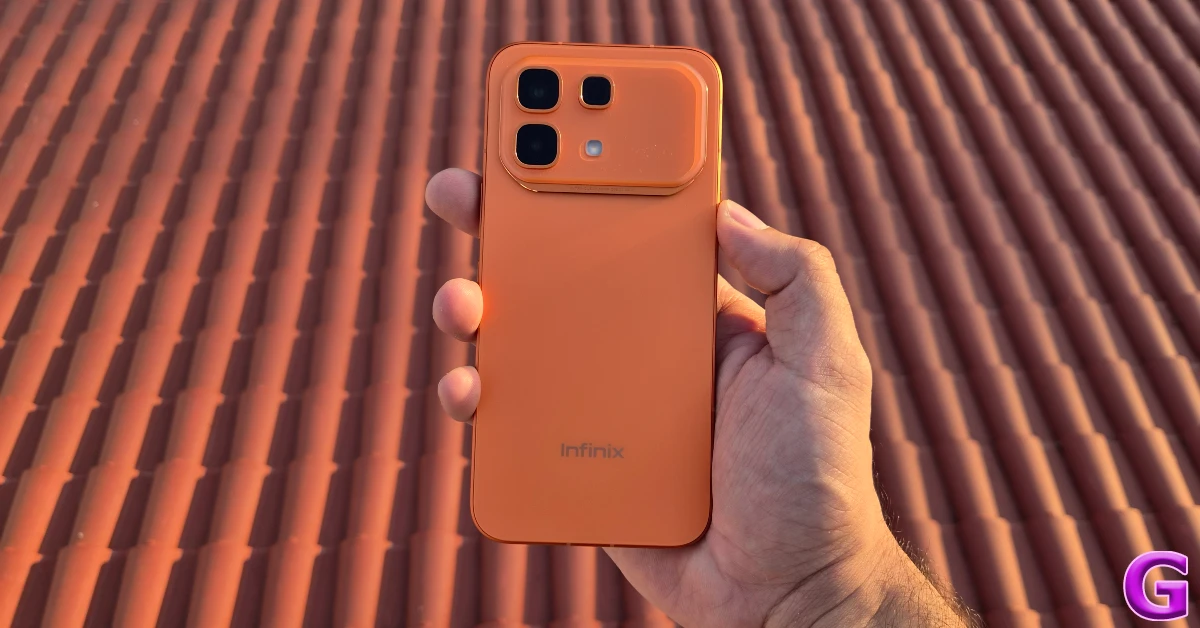
The Note 60 Pro is one of the finest Infinix phones ever, and one of the best you can buy under Rs 40,000 in September 2026. It takes design inspiration from the iPhone 17 Pro, rocking a similar camera plateau and back panel. This plateau houses a 50MP primary shooter and an 8MP ultrawide lens. You also get an RGB light and a customisable Active Matrix Display next to the camera array. The smartphone is powered by the Snapdragon 7s Gen 4 SoC. Its 6.78-inch AMOLED display has a 144Hz refresh rate and can reach a peak brightness of 4,500 nits. The 6,500mAh battery pack supports 90W wired and 30W wireless charging. Read our review of the Infinix Note 60 Pro to learn more about this device.
Pros
- Bright display
- Good performance
- Wireless charging
Cons
- UFS 2.2 storage
Oppo F33 Pro
Key Specs
| Display | 6.57-inch AMOLED |
| Processor | MediaTek Dimensity 6360 Max |
| Cameras | 50MP Primary | 50MP Selfie |
| Battery | 7,000mAh, 80W wired charging |
| RAM | 8GB |
| Storage | 128GB, 256GB |
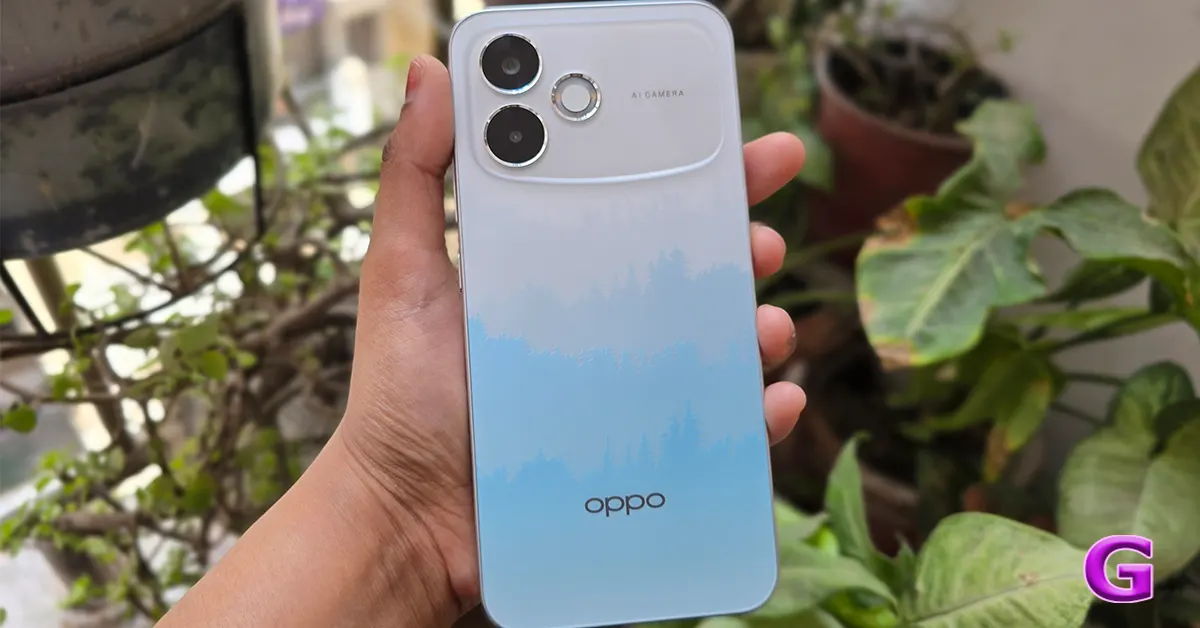
Need something more rugged and durable? The Oppo F33 Pro is rated IP68/IP69K for dust and water resistance and is compliant with MIL-STD-810H durability standards. Its 6.57-inch AMOLED display has a 120Hz refresh rate and can reach 1,400 nits in High Brightness Mode. The MediaTek Dimensity 6360 Max chipset lies at the core of this phone. The rear camera island houses a 50MP primary shooter and an auxiliary lens. The 7,000mAh battery pack supports 80W wired charging. Dive into our Oppo F33 Pro review for more details.
Pros
- Nice design
- Big battery
- Durable
Cons
- Mediocre chipset
Special Mention: Redmi Turbo 5
Key Specs
| Display | 6.59-inch AMOLED |
| Processor | MediaTek Dimensity 8500 Ultra |
| Cameras | 50MP Primary | 8MP Ultrawide | 20MP Selfie |
| Battery | 7,540mAh, 100W wired charging |
| RAM | 8GB, 12GB |
| Storage | 256GB |
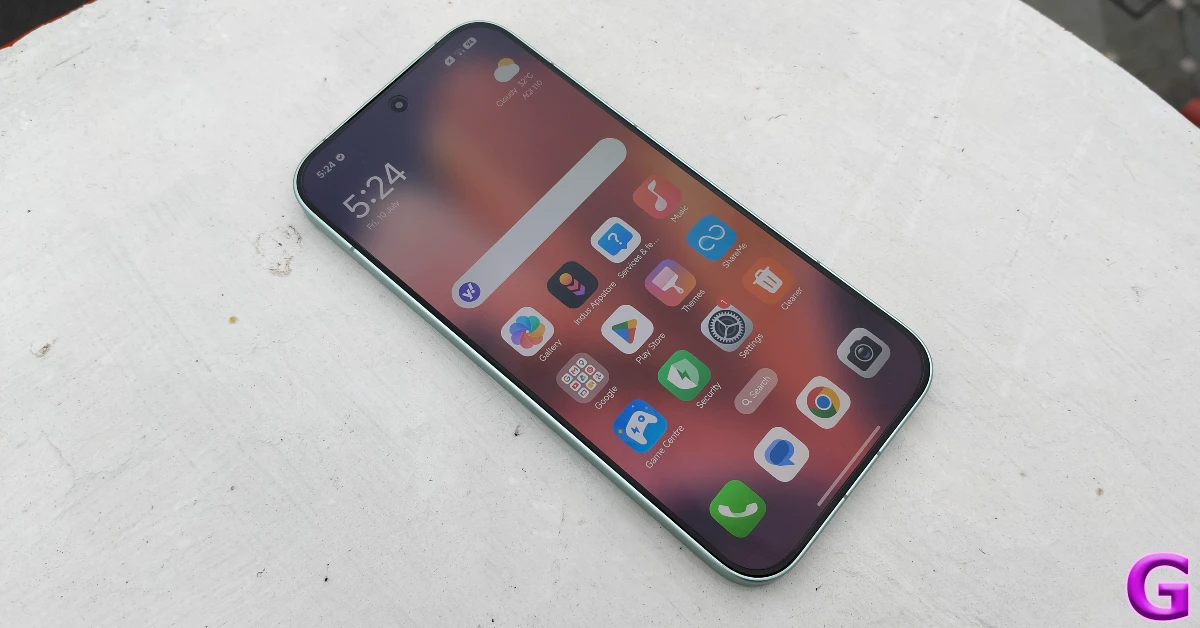
The Turbo 5 is the fastest phone that Xiaomi has ever put out under its Redmi umbrella. It is powered by the MediaTek Dimensity 8500 Ultra chipset and runs HyperOS 3 (Android 16) out of the box. Its 6.59-inch AMOLED display has a 120Hz refresh rate and can reach a peak brightness of 3,500 nits. The rear camera array comprises a 50MP primary shooter and an 8MP ultrawide lens. The 7,540mAh battery pack supports 100W wired charging. Check out our review of the Redmi Turbo 5 to learn more about the smartphone.
Pros
- Bright display
- Powerful processor
- Good battery life
Cons
- No telephoto lens
Read Also: Vijay Sales Open Box Clearance Sale Is Live With Up to 70 Percent Off on TVs, Appliances and Gadgets
Final Thoughts
This wraps up our list of the top 10 phones priced under Rs 40,000 in September 2026. If you have some more money to spare, we highly recommend taking a look at our list of the top 10 phones under Rs 50,000 this month. Got any questions? Let us know in the comments!


