



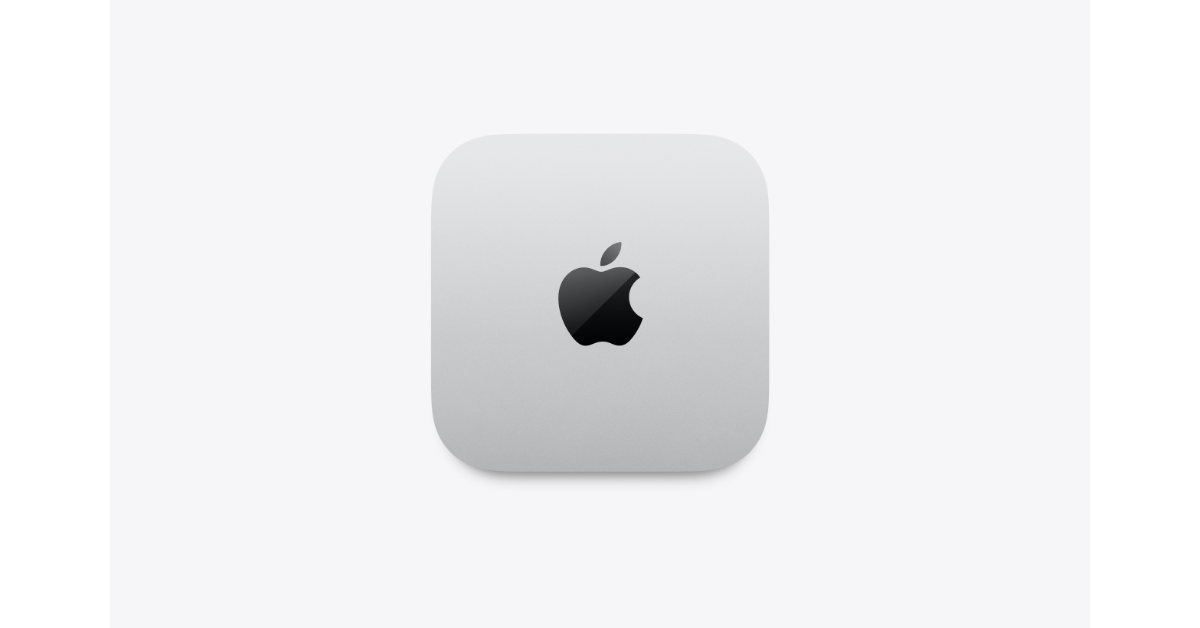
The latest Mac mini models have arrived, boasting M6 and M5 Pro CPUs. The Mac mini integrates the power of macOS 27 with next-gen Apple Intelligence, including Siri AI. These new versions bring substantial improvements, such as up to 4x faster AI processing, double the speed of graphics and storage, and a 40% boost in CPU performance. They’re built to tackle not just the everyday, but also demanding processes like video editing and game creation. Connectivity has been boosted also, with Wi-Fi 7, Bluetooth 6, and better 2.5 Gb Ethernet (10Gb is an option).
In This Article
Price in India and Availability
The newly introduced Mac mini models feature the M6 and M5 Pro chips, enhancing performance and efficiency. The Mac mini with the M6 chip is priced starting at INR 99,900, while educational users can access a reduced price of INR 88,900. The more powerful Mac mini with the M5 Pro chip starts at INR 2,09,900, with an educational discount bringing it down to INR 1,97,900. Pre-orders for these models are available immediately, and sales will officially begin on September 22.
Specifications and Features
The newest Mac mini models, with M6 and M5 Pro, are now available, providing improved performance and capabilities to meet a range of customer demands. The Mac mini with M6 brings a 12-core CPU and a big single-threaded speed improvement to the Mac mini, making it great for work and creative tasks alike and giving the user a smooth experience. The new 12-core GPU (with Neural Accelerators) delivers up to four times the AI performance and twice the graphics speed of the previous M4 model. The device has 16GB of unified memory, configurable up to 32GB, with a memory speed of 170GB/s for increased multitasking. Performance benchmarks showcase what it can do. It offers up to 13.5x quicker LLM prompt processing in LM Studio against M1, 2.3x faster spreadsheet computations in Excel versus M1, and double the gaming performance in “Cyberpunk 2077” versus M4.
The Mac mini with M5 Pro is targeted at professional users, with an 18-core CPU and a 20-core GPU that’s built for heavy-duty operations, such as app development and video processing. The model boasts advanced GPU capabilities such as upgraded shader cores and third-generation ray tracing providing the perfect fit for detailed 3D design and game development. It’s also got support for up to 64GB of unified memory and 307GB/s of memory bandwidth, so it can take on bigger AI models and more complicated 3D scenes. In terms of performance indicators, it can execute LLM prompts in LM Studio up to 8.5 times quicker, render (Blender with ray tracing) 4.5 times faster and process images (Affinity) 2.1 times faster than the M2 Pro.
Also Read: Nester Launched Home Cook 6.2L Glass Air Fryer with SteamLock Technology: Price Details
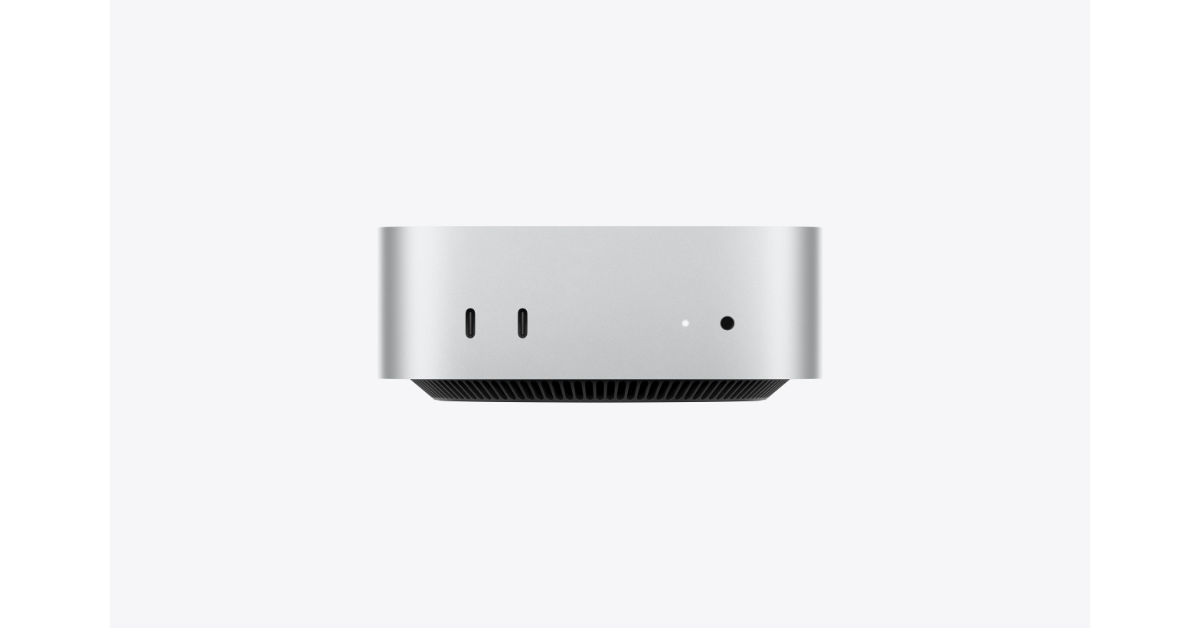
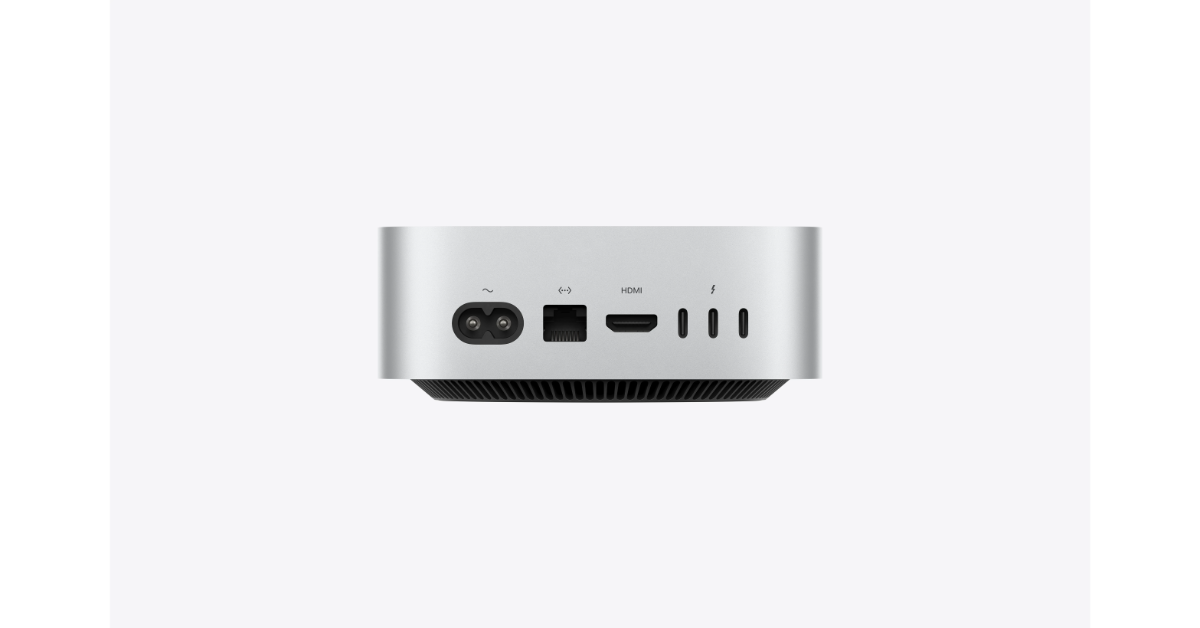
Connectivity options include Wi-Fi 7, Bluetooth 6 and 2.5Gb Ethernet with a 10Gb option available. The units come with several USB and Thunderbolt connections. The M6 comes with Thunderbolt 4, while the M5 Pro comes with Thunderbolt 5, enabling clustering of many Mac mini computers for bigger AI models. The new Mac minis also include genlock support via USB-C for syncing displays and cameras, and it works with the newest iPhone 17 Pro.
Also Read: Samsung Galaxy S26 Ultra price in India dropped massively: Here is everything
Besides the new hardware, macOS 27 is also bringing Siri AI to the table, as an enhanced personal assistant that can access personal context in texts, emails and photographs to help users efficiently. This upgrade brings Spotlight Visual Intelligence and context menus throughout the system for improved usability. You can write and edit in many apps using Siri. The company has updated Apple Intelligence to make apps even better — with smarter browsing in Safari and automation tools for shortcuts. The Photos app also gets new photo-editing capabilities, along with speed and search improvements to important features. The Liquid Glass refinements include increased readability, consistent toolbars and updated visuals, providing more opportunities to personalise the user experience.


