



Key Takeaways
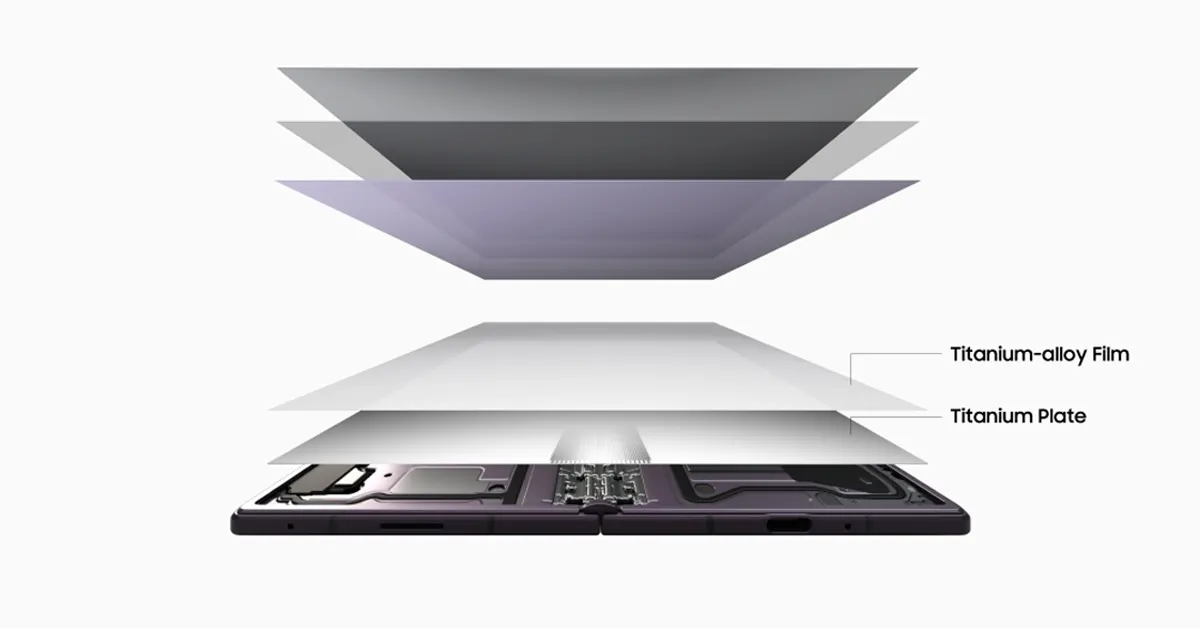
- Samsung's Galaxy Z Fold8 series incorporates Flex Titanium technology, rebuilding the display structure with a two-layer titanium build to make the phones thinner and reduce crease visibility.
- The Galaxy Z8 lineup consists of three models: the Z Fold8 Ultra (flagship productivity), the standard Z Fold8 (everyday use), and the Z Flip8 (compact clamshell).
- The new foldables feature a silicon-carbon anode battery, enabling higher energy density, with the Z Fold8 Ultra reaching 5,000mAh, and support 45W charging.
Samsung’s Galaxy Z Fold8 Flex Titanium technology is the kind of detail that sounds like marketing fluff until you actually hold the phone, and then it very much isn’t. At a roundtable session with Sunghoon Moon, Samsung’s EVP and Senior Executive for Mobile R&D Hardware, the company walked through exactly why its newest foldables look and feel so different from anything it has shipped before. The short version is that Samsung spent seven generations of foldable phones collecting complaints, and the Galaxy Z8 series is what happens when a company actually listens.
In This Article
What Changed Across the Z8 Lineup
The Galaxy Z8 series is really three phones wearing one family name. The Galaxy Z Fold8 Ultra is the flagship productivity machine. The standard Z Fold8 is built around everyday viewing and content consumption, and the Z Flip8 keeps the compact clamshell format that has become Samsung’s answer to people who want a foldable without the size and price of a mini tablet. Samsung unveiled all three in London on July 22, 2026, a notable break from its usual US or South Korean venues, and the phones went on sale worldwide on August 7. Pricing landed at 1,899.99 dollars for the Z Fold8, 2,099.99 dollars for the Z Fold8 Ultra, and 1,199.99 dollars for the Z Flip8, each about 100 dollars pricier than last year’s equivalents, thanks in part to the ongoing global memory chip shortage.
Read Also: Samsung Galaxy Watch Ultra2 Review: Sleeker, Smarter, and More Powerful Than Ever!
The Titanium Trick Behind the Thinner Design
According to Moon, the entire display structure was rebuilt from scratch to solve one very stubborn problem: making the phone thinner without turning the OLED panel into something that cracks if you look at it wrong. The answer is a two-layer titanium build. A titanium plate absorbs shock and smooths out surface unevenness, while a separate titanium alloy film sits just beneath the display to reduce crease visibility. That film is processed down to roughly one-third the thickness of a human hair, which is either impressive engineering or a slightly unsettling thing to think about while scrolling through Instagram. The payoff is real, though. The Z Fold8 Ultra now measures 4.1mm at its slimmest point, and the standard Z Fold8 weighs just 201 grams, making it the lightest fold Samsung has ever produced.
A Bigger Battery Without the Extra Bulk
Samsung also switched to a silicon-carbon anode for the Galaxy Z8 series battery, which allowed for higher energy density in the same or smaller physical space freed up by the thinner titanium display. That combination pushed the Z Fold8 Ultra’s battery capacity to 5,000mAh, a meaningful jump for a phone that folds in half. Charging tops out at 45W across the Fold8 and Fold8 Ultra, Samsung’s fastest yet for this line, though it is worth noting that several rival phone makers already offer charging speeds well above 100W. When pressed on that gap, Moon’s response was less about chasing bigger numbers and more about real-world charging efficiency, which is a diplomatic way of saying Samsung is playing a different game entirely.
Read Also: Upcoming Smartphones in September 2026
Durability Testing and the Questions Samsung Didn’t Fully Dodge
Samsung says the Z8 series went through more than 100 reliability validation tests covering drops, repeated folding, pressure, compression, and sweat-like moisture exposure. That is a genuinely thorough testing regime for a device category still known for hinge anxiety. What Samsung did not budge on, however, is dust resistance. The new foldables remain rated IP48, the same rating as before, meaning full dust resistance still isn’t part of the package despite years of user requests. Moon’s explanation leaned on internal validation standards rather than chasing a higher number for its own sake, an answer that will satisfy some buyers and frustrate others who wanted a cleaner spec sheet win.


