


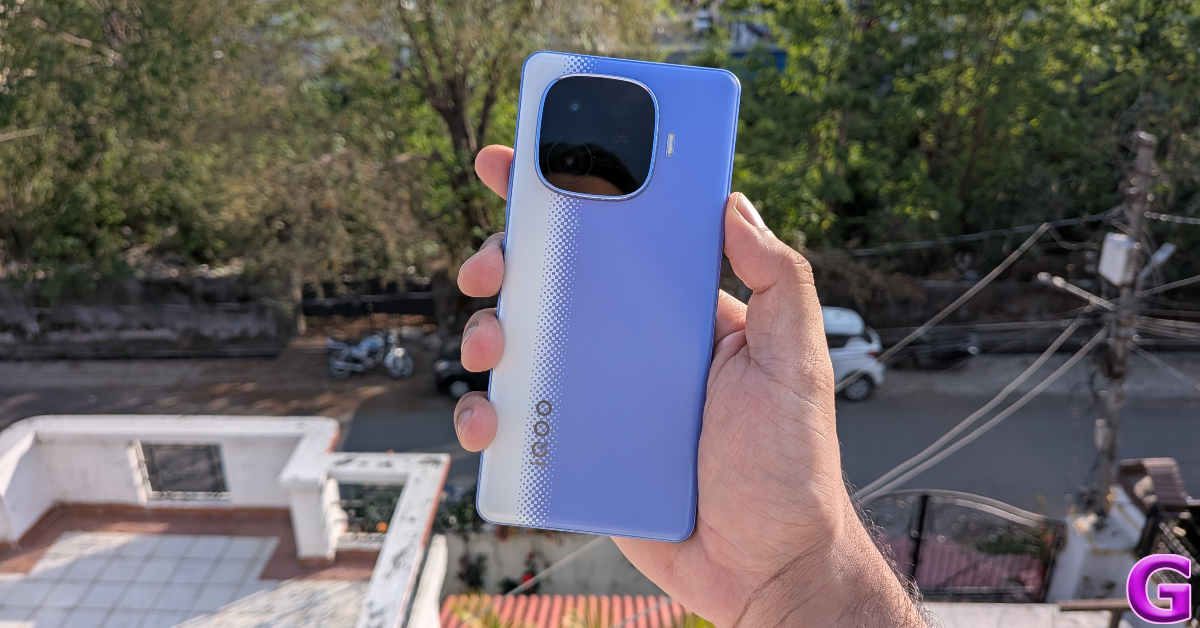
The sub-Rs 30,000 price bracket sees a lot of activity from brands like Realme, Vivo, Nothing, and Samsung. This cutting-edge competition leads to products that deliver the most value for money. These smartphones rock powerful processors, versatile batteries, and good camera systems. If you need something reliable to use as a daily driver, these devices will not disappoint. Here are the top 10 smartphones priced under Rs 30,000 in January 2026.
Read Also: CMF Headphone Pro launches in India with modular cushions, 100-hour battery claim, and 40dB ANC
In This Article
OnePlus Nord CE5
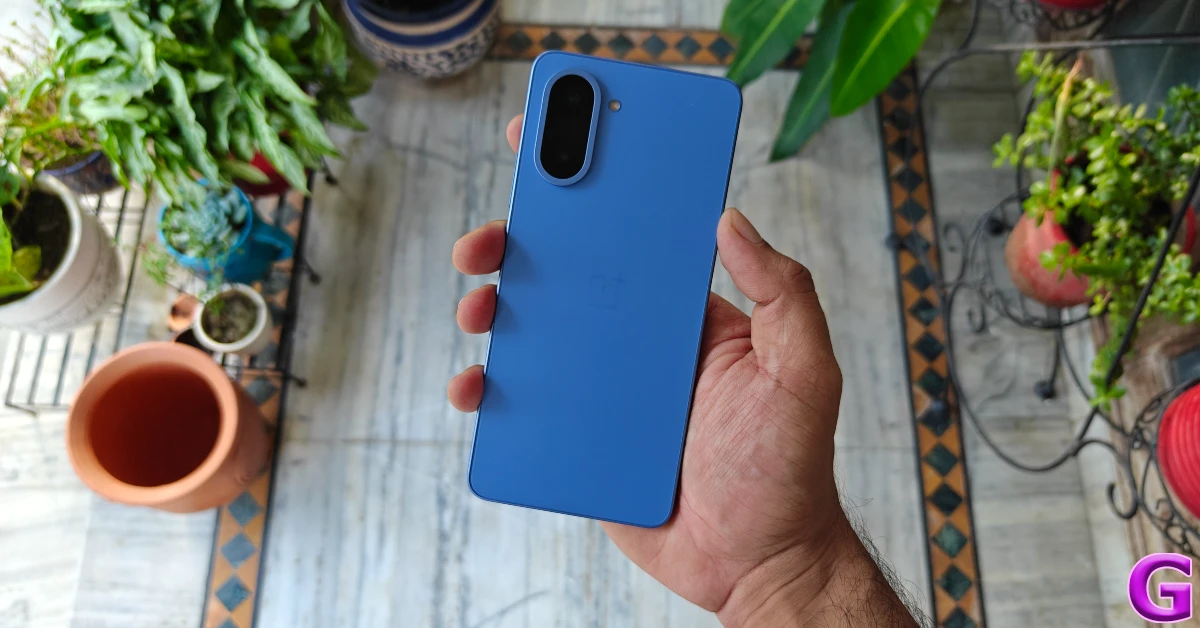
The OnePlus Nord CE5 is one of our favourite smartphones priced under Rs 30,000. It is powered by the MediaTek Dimensity 8350 chipset and runs the Android 15-based OxygenOS 15 OS out of the box. Its 6.77-inch Fluid AMOLED display has a 120Hz refresh rate and a peak brightness of 1,430 nits. The smartphone comes with the new ‘Plus Key’ instead of the tri-alert slider. It can be customised to change the sound profile. The camera panel at the back houses a 50MP primary shooter and an 8MP ultrawide lens. The 7,100mAh battery pack supports 80W wired fast charging. Check out our review of the OnePlus Nord CE5 for more details about the phone.
Pros
- Smooth display
- AI features
- Expandable storage
Cons
- Lacks a secondary speaker
Nothing Phone (3a) Pro
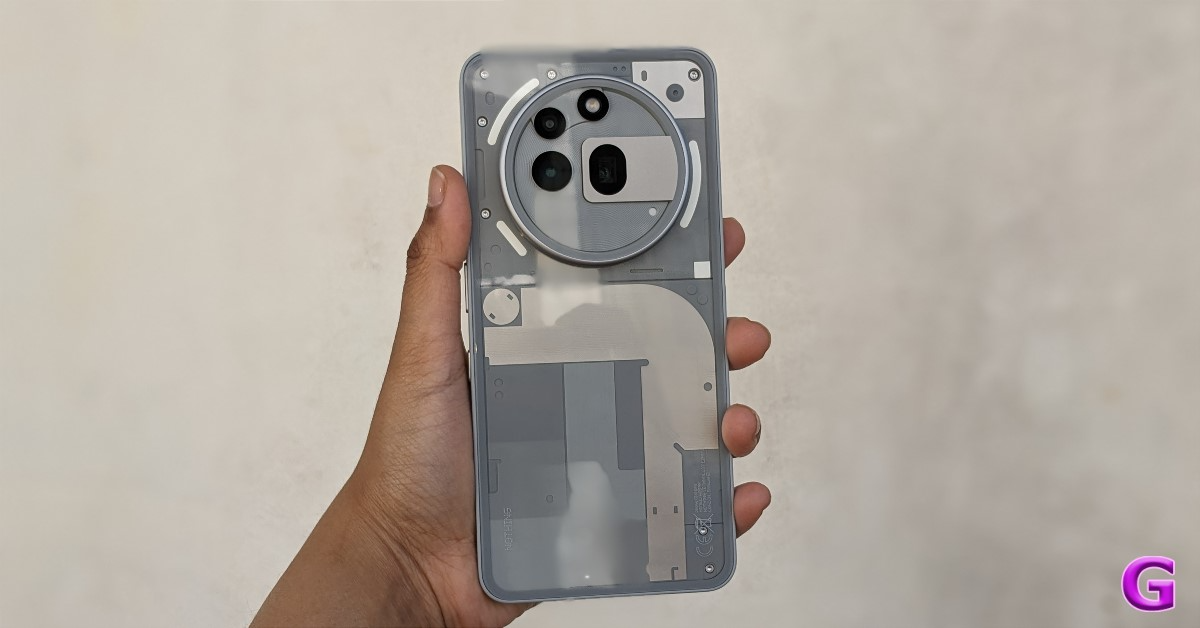
Nothing’s midrange offering retains the two essential elements of the brand’s design philosophy – see-through back panel and Glyph lighting. The latter is no longer a part of the brand’s flagship product. The Phone (3a) Pro is powered by the Snapdragon 7s Gen 3 chipset. It runs the Android 15-based Nothing OS 3 out of the box. Its 6.77-inch AMOLED display has a 120Hz refresh rate and a peak brightness of 3,000 nits. The circular camera island on the back panel houses a 50MP primary shooter, a 50MP periscope telephoto lens with 3x optical zoom, and an 8MP ultrawide lens. The 5,000mAh battery pack supports 50W charging. Check out our Nothing Phone (3a) review for a deeper dive into its performance.
Pros
- Unique design
- Telephoto lens
- Great software
Cons
- Mediocre ultrawide lens
Vivo V60e
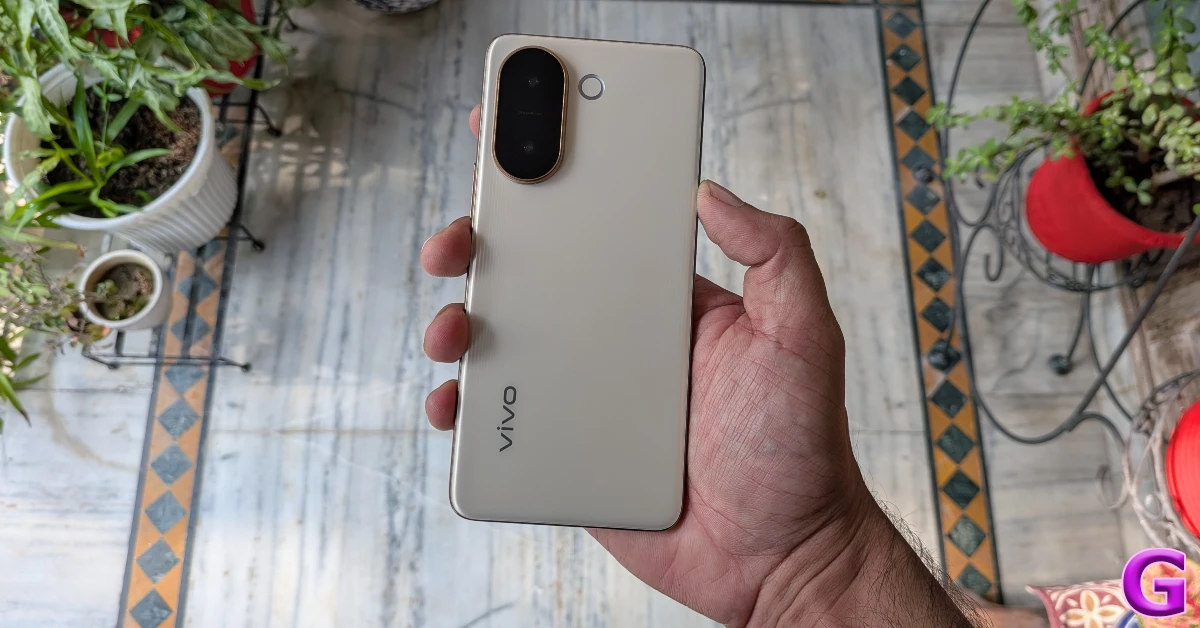
If it’s good cameras you’re after, look no further than the Vivo V60e. The rear camera panel of this smartphone packs a breathtaking 200MP primary shooter alongside an 8MP ultrawide lens. Powering the device is the MediaTek Dimensity 7360 Turbo chipset. Software duties are handled by Android 15-based Funtouch 15 OS out of the box. The 6.77-inch AMOLED display has a 120Hz refresh rate and can reach a peak brightness of 5,000 nits. The 6,500mAh Si/C battery pack supports 90W wired fast charging. Check out our Vivo V60e review to learn more about its photography skills.
Pros
- Bright display
- Amazing main camera
- IP68/IP69 rating
Cons
- Not the best audio output
Samsung Galaxy A36
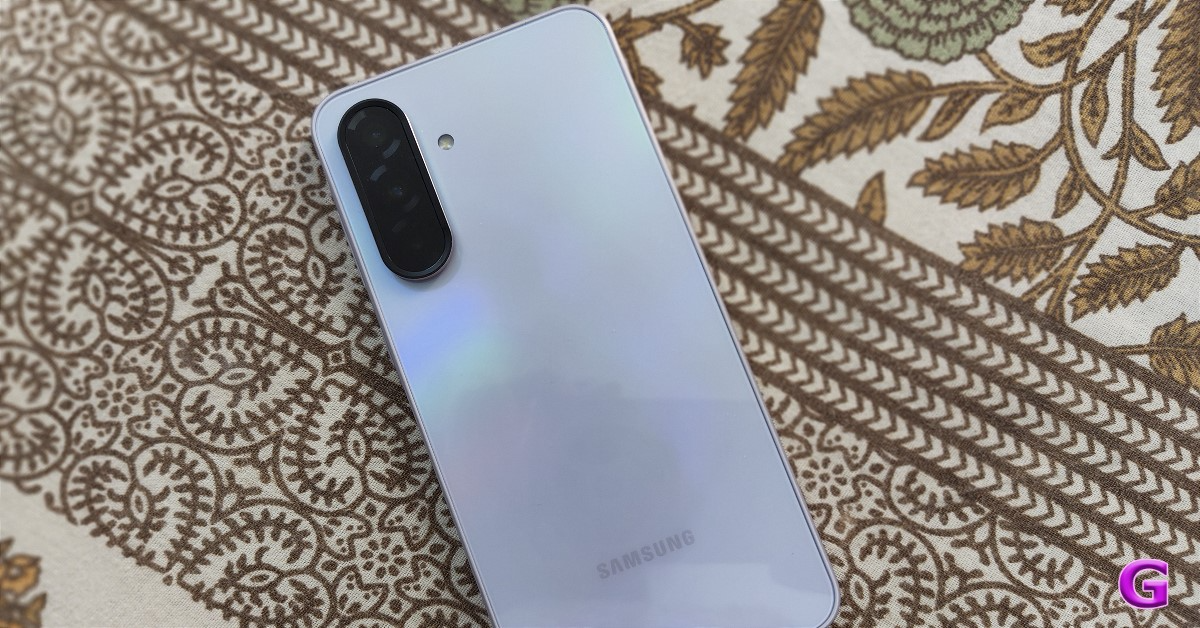
The Samsung Galaxy A36 is powered by the Snapdragon 6 Gen 3 chipset. Software duties are handled by the Android 15-based One UI 7 out of the box. This device is set to receive 6 major OS upgrades. It flaunts a 6.7-inch Super AMOLED display with a 120Hz refresh rate and a peak brightness of 1,900 nits. The triple rear camera array comprises a 50MP primary shooter, an 8MP ultrawide lens, and a 5MP macro sensor. The 5,000mAh battery pack supports 45W wired charging. For a deeper dive into its everyday performance, read our review of the Samsung Galaxy A36.
Pros
- Fluid display
- Lightweight
- Good cameras
Cons
- Heats up while gaming
Lava Agni 4

The India-made Lava Agni 4 is the dark horse of the sub-Rs 30,000 price bracket. It is powered by the MediaTek Dimensity 8350 SoC and runs Android 15 out of the box. Lava has promised 3 major OS upgrades for the smartphone. The 6.67-inch AMOLED display has a 120Hz refresh rate and can reach a peak brightness of 2,400 nits. The rear camera panel houses a 50MP primary shooter and an 8MP ultrawide lens. The 5,000mAh Li-Po battery pack supports 66W wired charging. There’s IP64 protection against dust particles and water splashes. Read our Lava Agni 4 review to learn more about the device.
Pros
- Clean design
- Great build quality
- Bright display
Cons
- Poor haptic feedback
Realme P4 Pro
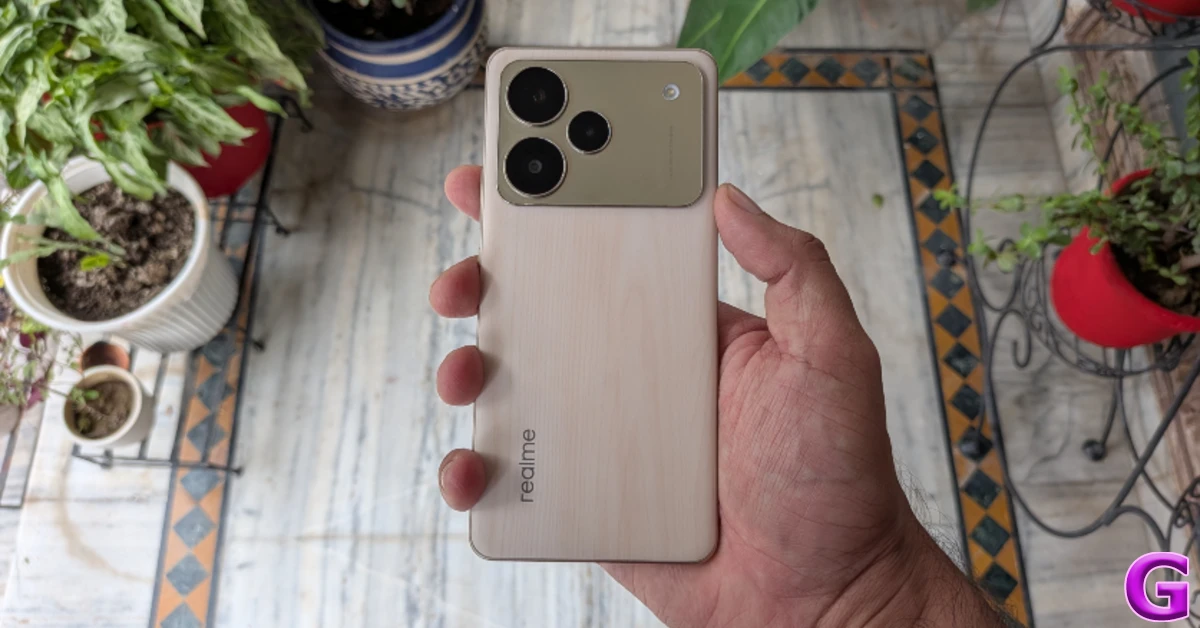
The Realme P4 Pro flaunts a wooden texture on its back panel. This finish keeps the fingerprints and smudges at bay. At the heart of the device lies the Snapdragon 7 Gen 4 processor. Working alongside this chipset is Realme’s Hyper Vision AI chip. Software duties are handled by the Android 15-based Realme UI 6. The 6.8-inch AMOLED display has a 144Hz refresh rate and a peak brightness of 6,500 nits. The rear camera panel houses a 50MP primary shooter and an 8MP ultrawide lens. The 7,000mAh battery pack supports 80W wired charging. Read our Realme P4 Pro review for more details.
Pros
- Nice design
- Bright display
- Fast charging
Cons
- Mediocre ultrawide lens
Poco X7 Pro
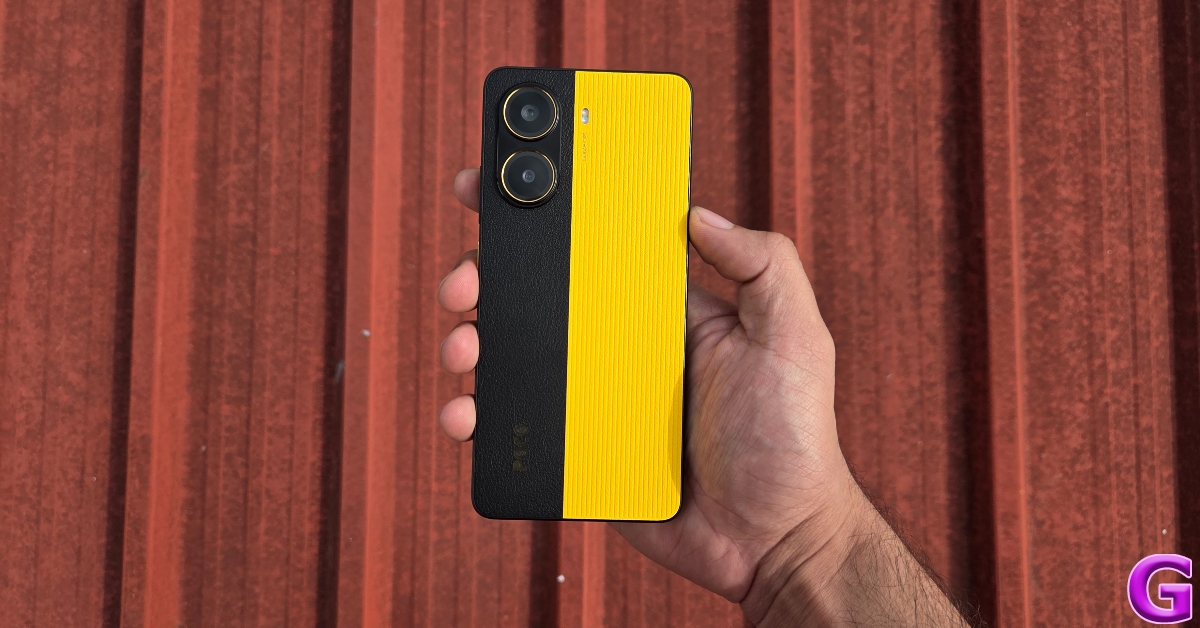
The Poco X7 Pro checks all the essential boxes. It is powered by the MediaTek Dimensity 8400 Ultra chipset and runs the Android 15-based HyperOS 2 out of the box. Its 6.67-inch AMOLED display has a 120Hz refresh rate and can reach a peak brightness of 3,200 nits. The back panel has a ridged texture and a dual-tone finish. The camera panel houses a 50MP primary shooter and an 8MP ultrawide lens. The 6,550mAh battery pack supports 90W wired fast charging. Read our Poco X7 Pro review for more details about its everyday performance.
Pros
- Fast charging
- Good chipset
- IP69 rating
Cons
- The dual-tone colour theme may not be for everyone
iQOO Neo 10R
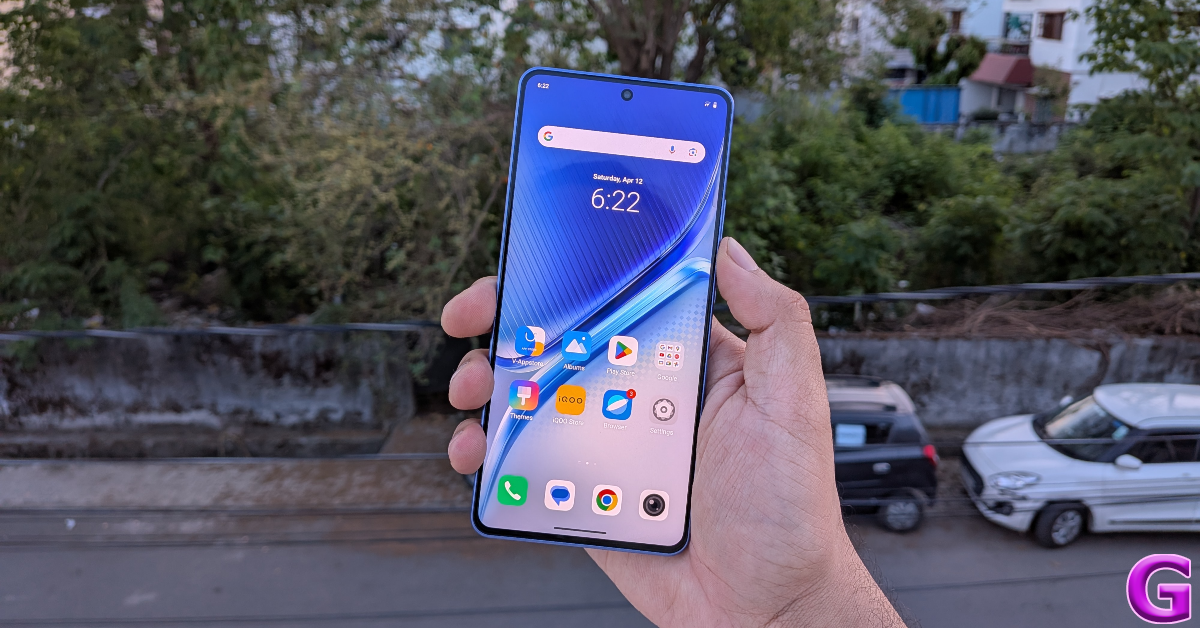
If you’re looking for a dedicated gaming phone that delivers a powerful performance, give the iQOO Neo 10R a shot. This smartphone packs the Snapdragon 8s Gen 3 chipset under its hood. Software duties are handled by the Android 15-based Funtouch 15 OS out of the box. The 6.78-inch AMOLED display has a 144Hz refresh rate and can reach a peak brightness of 4,500 nits. The camera island on the back panel houses a 50MP primary shooter and an 8MP ultrawide lens. The 6,400mAh Si/C battery pack supports 80W wired charging. To learn about its gaming performance, read our review of the iQOO Neo 10R.
Pros
- 144Hz display
- Powerful processor
- Fast charging
Cons
- Lacks an IP67 rating
Infinix GT 30 Pro
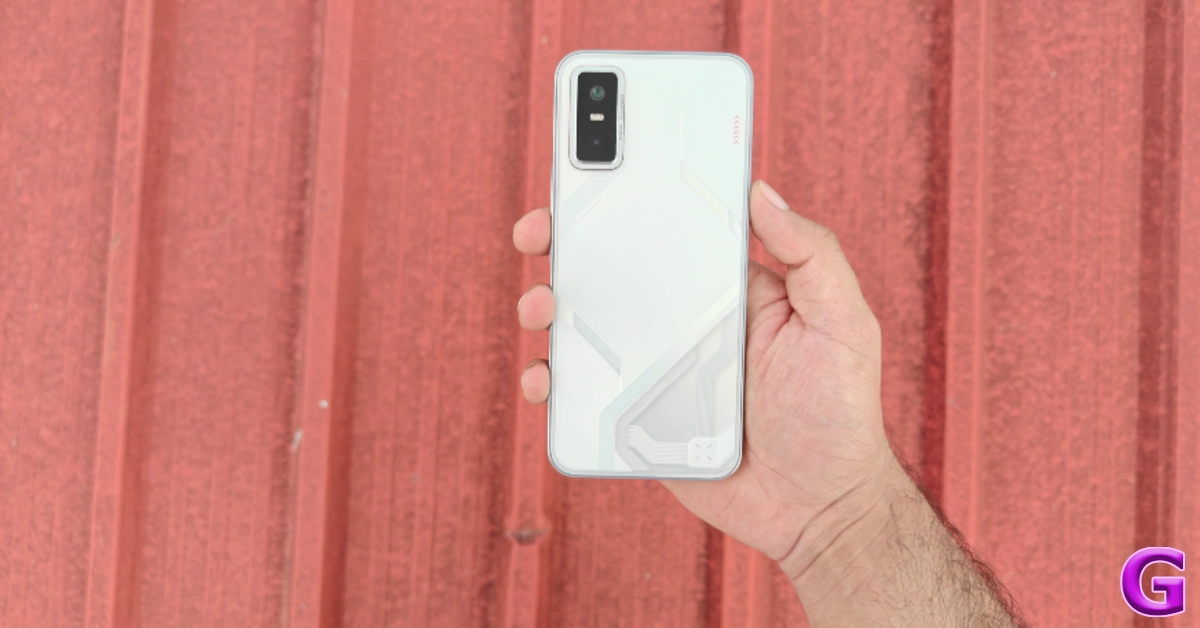
The Pro model in Infinix’s GT series has touch-sensitive shoulder triggers on its frame. You can assign in-game controls to these triggers to get the edge in intense scenarios. The smartphone is powered by the MediaTek Dimensity 8350 chipset and runs the Android 15-based XOS 15 out of the box. Its 6.78-inch AMOLED display has a 144Hz refresh rate and can reach a peak brightness of 4,500 nits. The rear camera array comprises a 108MP primary shooter and an 8MP ultrawide lens. The 5,500mAh battery pack supports 45W wired and 30W wireless charging. Read our Infinix GT 30 Pro review for a detailed analysis of its gaming performance.
Pros
- 144Hz display
- Shoulder triggers
- Wireless charging
Cons
- Mediocre ultrawide lens
Oppo K13 Turbo
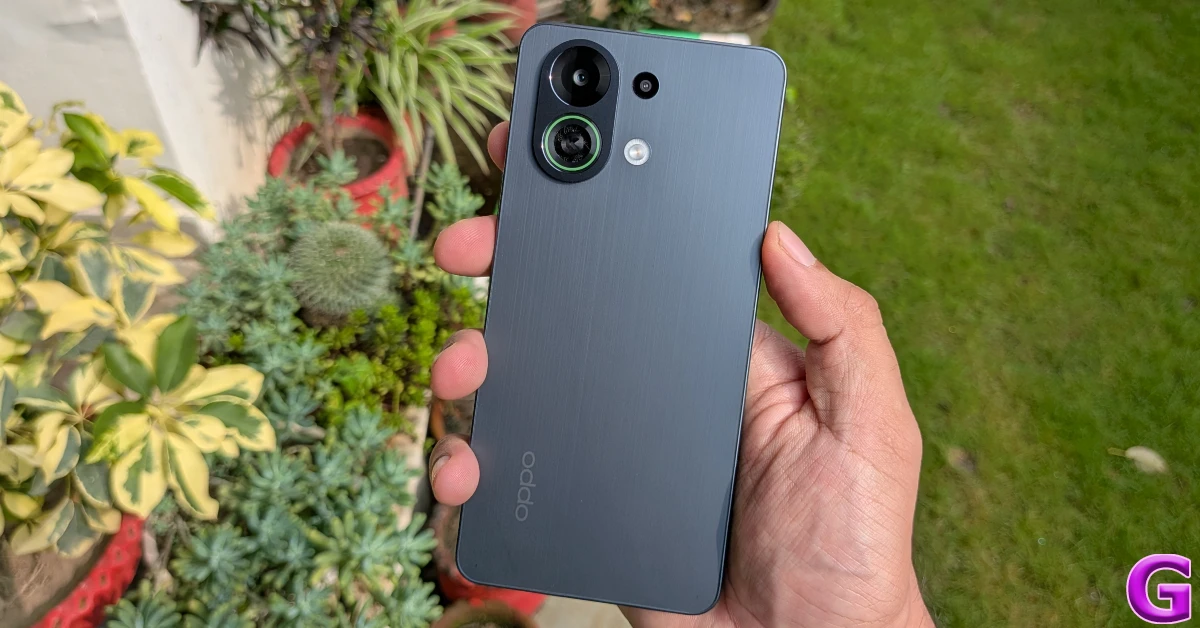
The Oppo K13 Turbo has an external fan that channels the heat from the back panel to the vents on the frame. Powering this device is the MediaTek Dimensity 8450 chipset. It runs the Android 15-based ColorOS 15 out of the box. The 6.79-inch AMOLED display has a 120Hz refresh rate and can reach 1,600 nits in High Brightness Mode. The rear camera array comprises a 50MP primary shooter and a 2MP monochrome lens. The 7,000mAh battery pack supports 80W wired fast charging. Check out our Oppo K13 Turbo review for more details about its gaming performance.
Pros
- Cooling fan
- Big battery
- Good chipset
Cons
- No ultrawide lens
Read Also: Apple and Google team up: Gemini is coming to Siri
Final Thoughts
These are our 10 favourite smartphones priced under Rs 30,000 in January 2026. If you’re willing to expand your budget, we highly recommend checking out the top 10 smartphones priced under Rs 40,000 as well. If you have any questions, let us know in the comments!


