


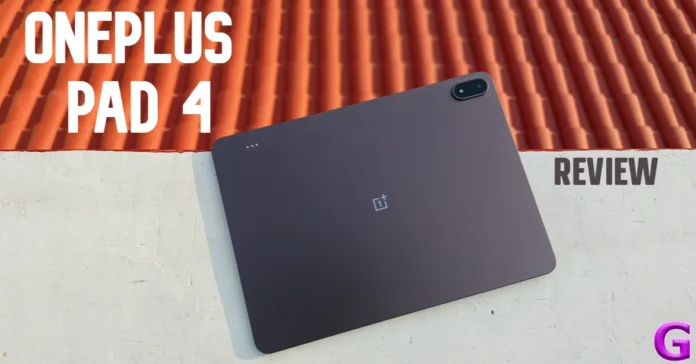
The new OnePlus Pad 4 went on sale last month at a starting price of Rs 59,999. Compared to its predecessor (our review here), which was introduced last year at a starting price of Rs 48,000, the Pad 4 packs a more powerful processor, a brighter display, and a bigger battery. It is also a smidge slimmer than the Pad 3. When the tablet crossed our desk, we were interested in seeing whether these upgrades are worth dishing out an extra Rs 12,000. After using the device for a couple of weeks, we have some answers. Here is our in-depth review of the OnePlus Pad 4.
Read Also: Dreame L50s Pro Ultra and L50 Ultra CE Launched With 30,000Pa Suction And 100°C Mop Cleaning
In This Article
OnePlus Pad 4 Review: Design and Display
Box Contents
- Tablet
- 80W power adapter
- USB-A to USB-C cable
- User guide and safety booklet
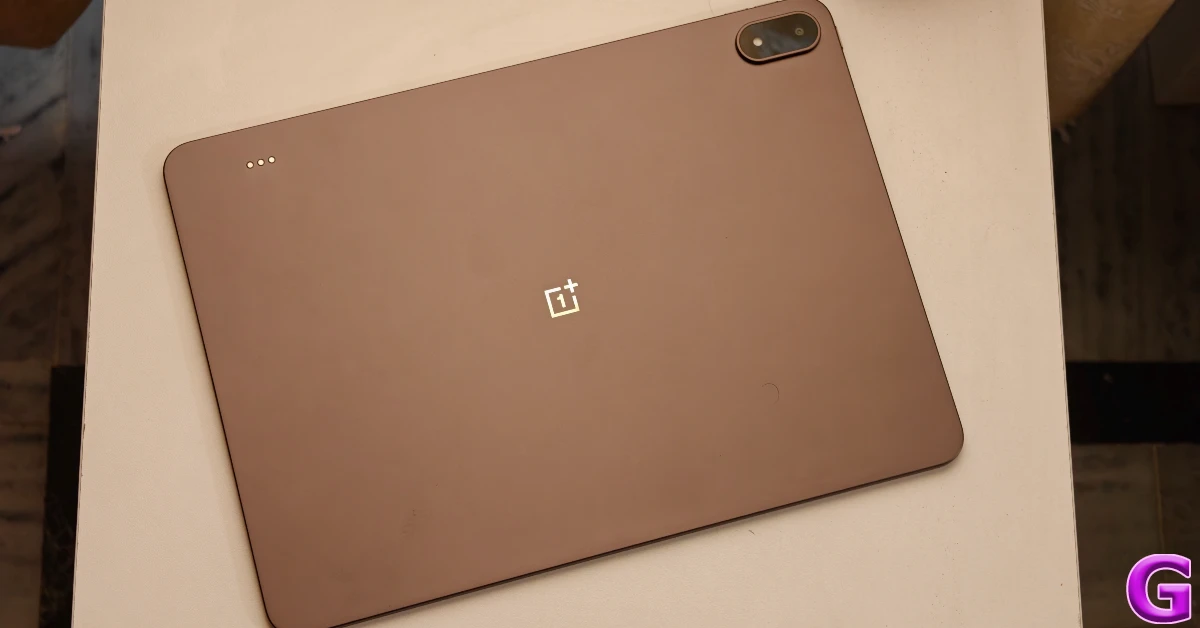
The OnePlus Pad 4 follows the design language of its predecessor. The only distinguishing factor is the placement of the pogo pin connectors on the back panel. On the new model, the magnetic connectors are placed in the top-left section. The pill-shaped camera island lies on the opposite end. The OnePlus logo is embossed at the centre. The smooth matte finish on the aluminium panel does a better job of warding off fingerprints and smudges than the Pad 3.
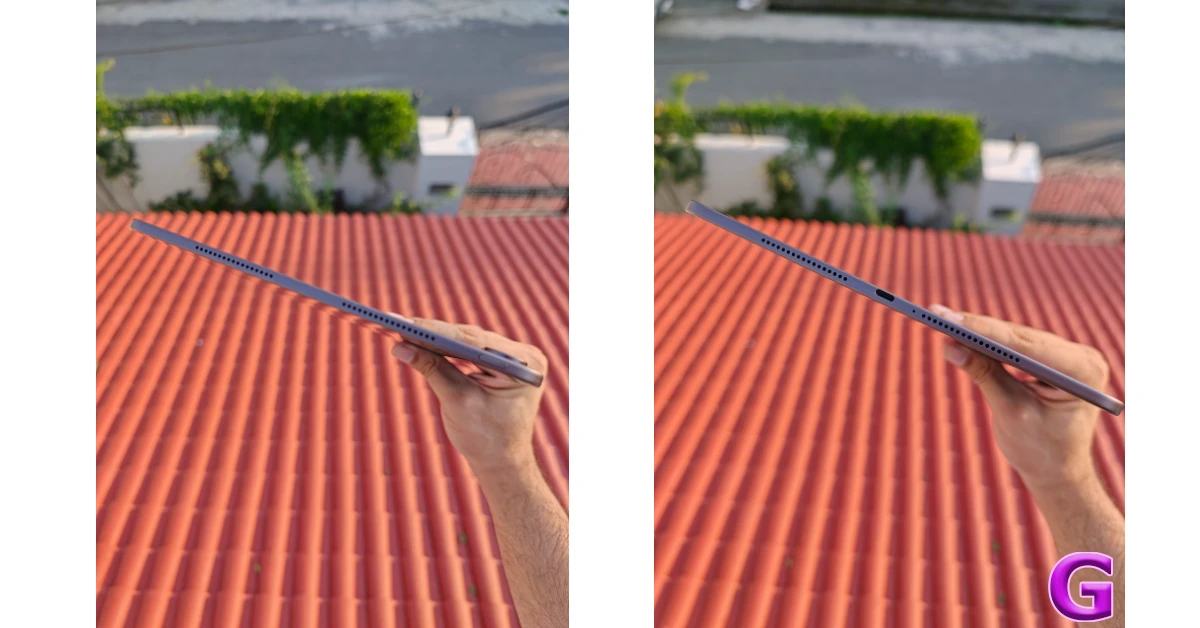
The aluminium frame houses the octa-speaker setup (2 tweeters + 2 woofers) along its vertical edges. The USB-C port and primary microphone are sandwiched between the 2 speaker grilles on the right edge. There’s a secondary microphone on the top edge, right next to the volume rocker. The side button is positioned on the top end of the left edge. The tablet is just 5.9mm thick along its sides. Compared to the previous model, it is only 0.1mm sleeker, but it is an impressive feat when you consider that it also comes with a bigger battery.
Under-display fingerprint sensors are hard to come by on tablets, but this device doesn’t have a side-mounted fingerprint scanner either. Your unlocking options are limited to password/code/pattern or face scan.
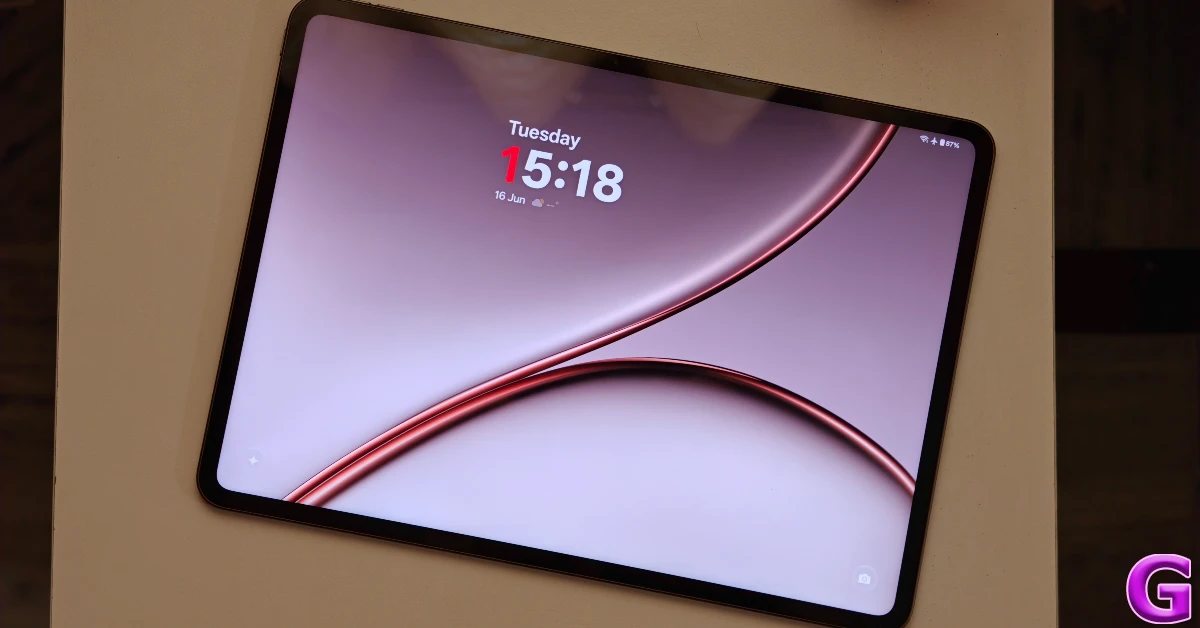
The 13.82-inch IPS LCD panel has a 144Hz refresh rate and can reach 1,000 nits in High Brightness Mode. The touch response offered by this display is very smooth. It is able to maintain optimum brightness both indoors and outdoors. The bezels surrounding the display make the tablet easier to hold by eliminating accidental touches. The 7:5 aspect ratio is fine for reading ebooks, going through documents, and scrolling social media feeds in portrait orientation. The landscape mode lets you enjoy visual content with a good level of immersion.
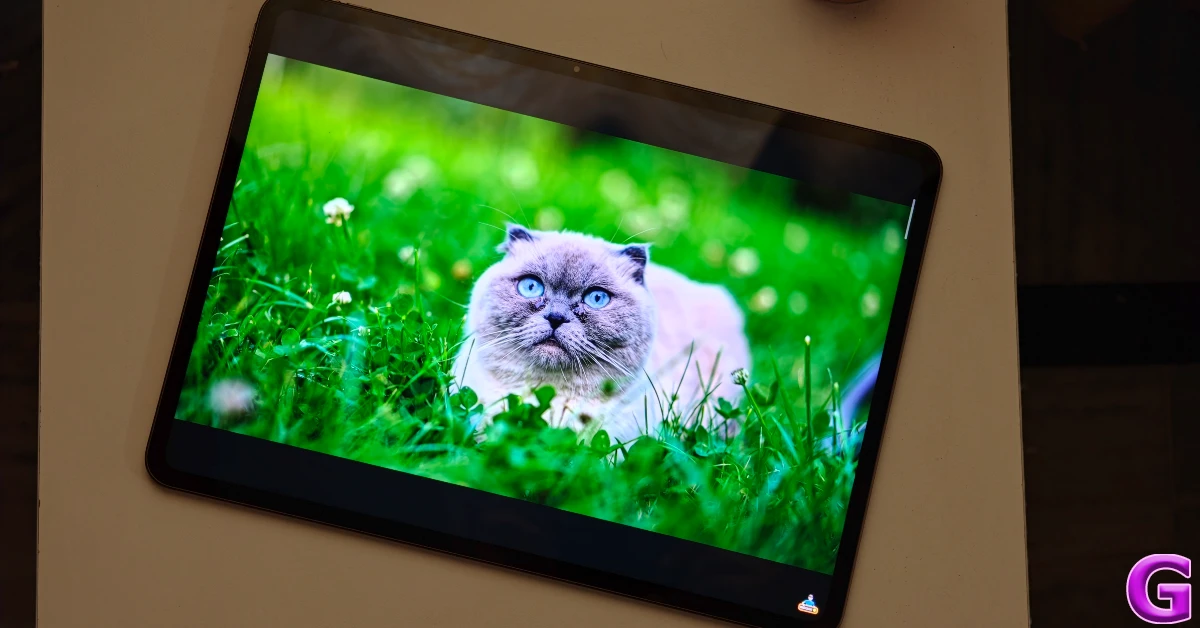
The viewing experience offered by the Pad 4 is top-notch. If watching content across major OTT apps is going to be your primary task on this tablet, then you won’t be disappointed. The visuals produced by the LCD panel are rich and packed with fine details. Of course, tablets with OLED displays are remarkably better, but they also cost nearly twice the Pad 4’s price. The octa-speaker setup on this device produces a clear and well-rounded audio output. It isn’t loud enough to fill the room, but it gets the job done if the audience is limited to 2-3 people. The bass units come through and deliver a strong low-end output – arguably the best we’ve seen on a tablet.
OnePlus Pad 4 Review: Performance and Cameras
The OnePlus Pad 4 is powered by Qualcomm’s flagship mobile processor – Snapdragon 8 Elite Gen 5. The tablet comes in 2 RAM (LPDDR5X) and storage (UFS 4.1) variants:
- 8GB + 256GB: Rs 59,999
- 12GB + 512GB: Rs 64,999
We ran a couple of benchmark tests on the device. Here’s how it performed.
- AnTuTu 3D: 3,936,867
- Geekbench 6: 3,265 (single core) | 9,656 (multi-core)
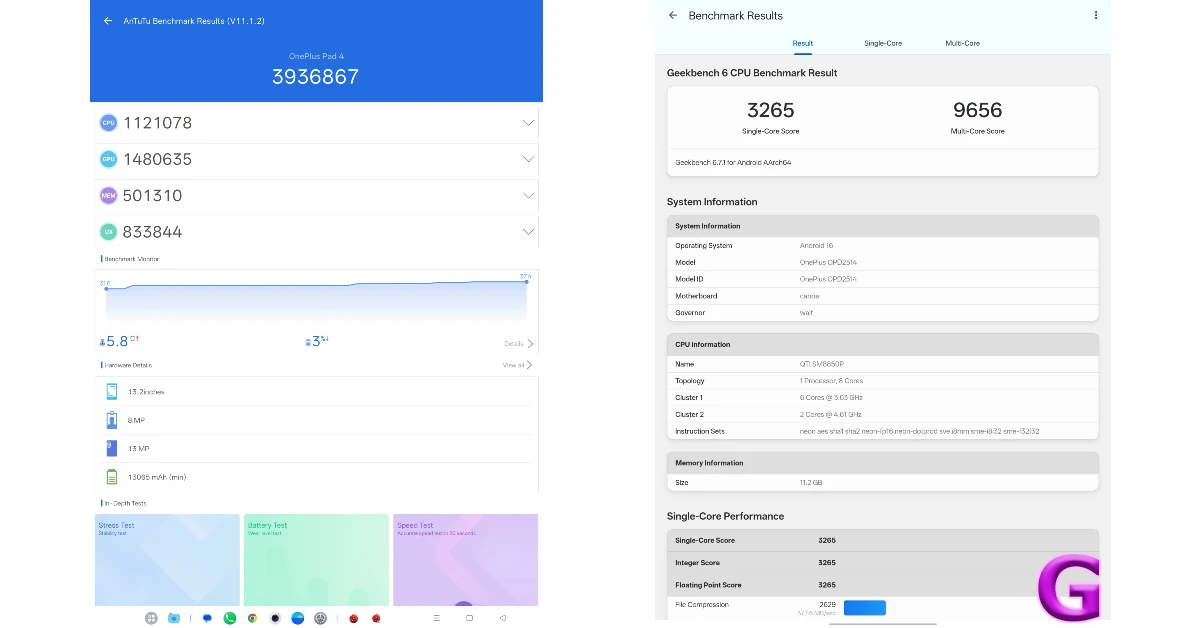
The Snapdragon 8 Elite Gen 5 chipset does not leave you hanging for power. Whether you’re doomscrolling or editing videos, the tablet backs you up with the necessary juice. The general browsing experience feels very smooth. Apps don’t take any time to load, and the device does a good job of managing them in the background. During our time with the device, we did not come across a single lag or hiccup.
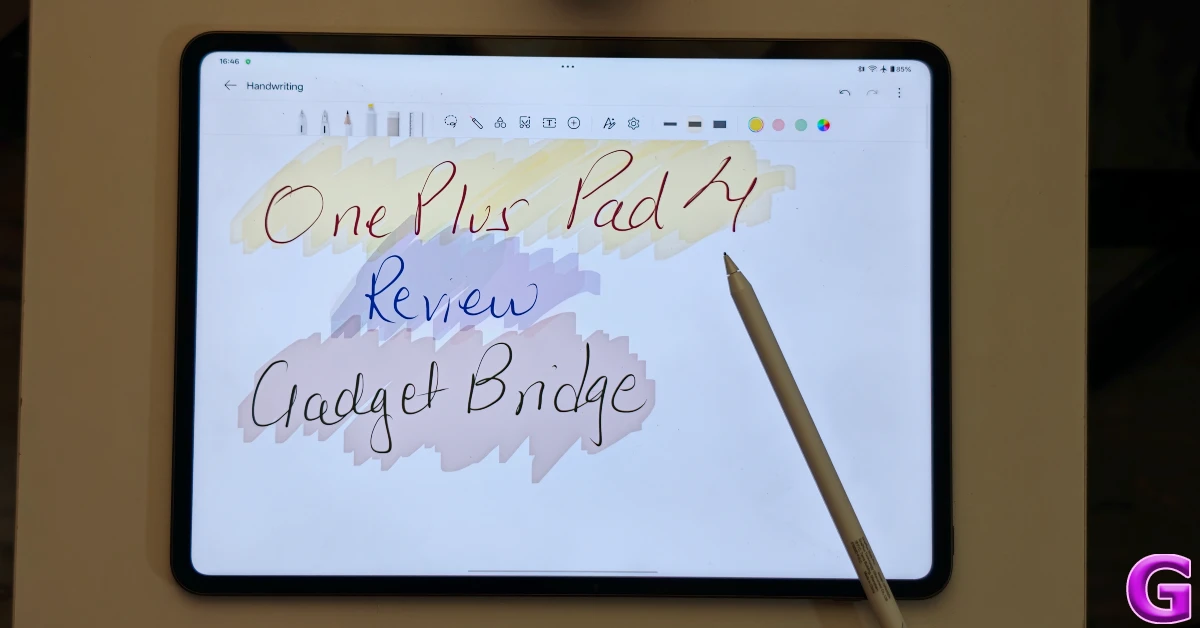
We also got our hands on the OnePlus Stylo Pro, which costs an additional Rs 5,499. We found it to be a worthy addition, especially if you want to jot down notes on the tablet or create digital art pieces. The lack of any real latency makes scribbling on the tablet a seamless experience. We also like the subtle feedback offered by the tablet while using the Stylo. It gives you the feeling of writing on a real piece of paper. Trying our hand at making rough sketches, we found the quick controls to be quite useful.
If you’re more interested in gaming, the Pad 4 has your back. It runs titles like BGMI and Call of Duty Mobile with absolute ease. We did not come across any stutter or frame drop even after pushing the graphics to their highest possible settings. Of course, the touch controls don’t feel as intuitive due to the wide form factor of the tablet. We recommend pairing a wireless controller or keyboard with the device in order to maximise your gaming experience. When it comes to internal heat management, the 40,760mm² vapour chamber does a splendid job of dissipating the heat and keeping the tablet cool at all times.
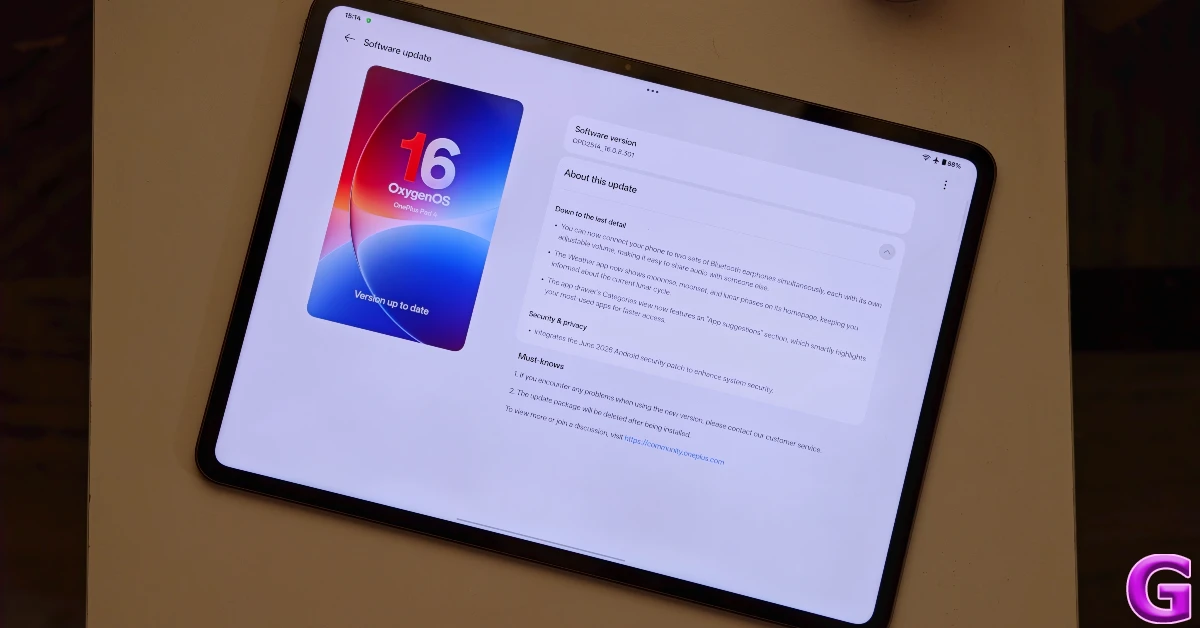
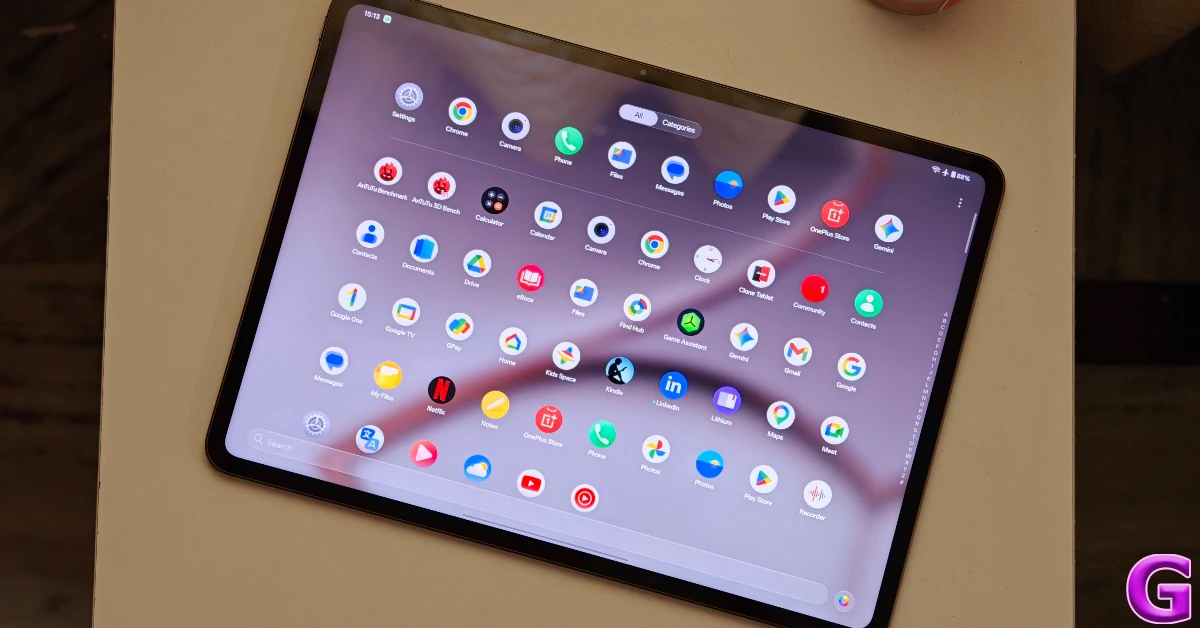
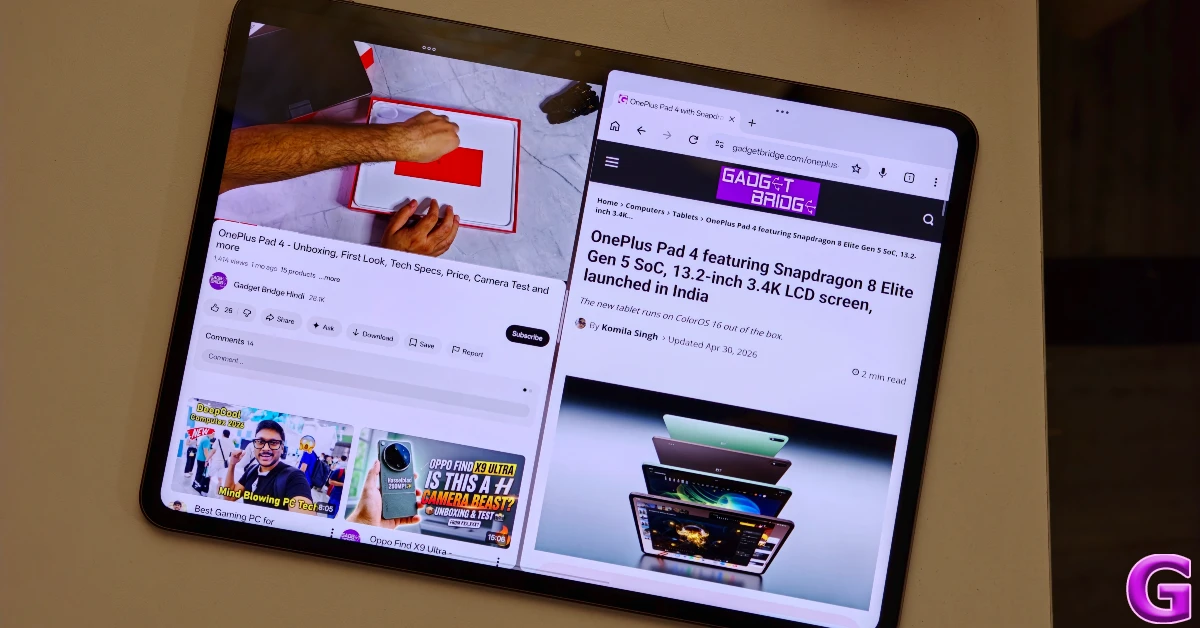
Software duties on the OnePlus Pad 4 are handled by the Android 16-based OxygenOS 16. The software experience is clean right out of the box. Apart from Netflix and LinkedIn, there aren’t any bloatware apps on the device. The tablet-exclusive features offered by OxygenOS 16 get the most out of this device’s hardware. You can open up to 3 apps in split-screen mode and 5 apps in floating windows. The tablet does a great job of juggling these tasks without throwing any hiccups your way. You can watch a football match in one pane and follow its match thread on Reddit in the other. The possibilities are endless.
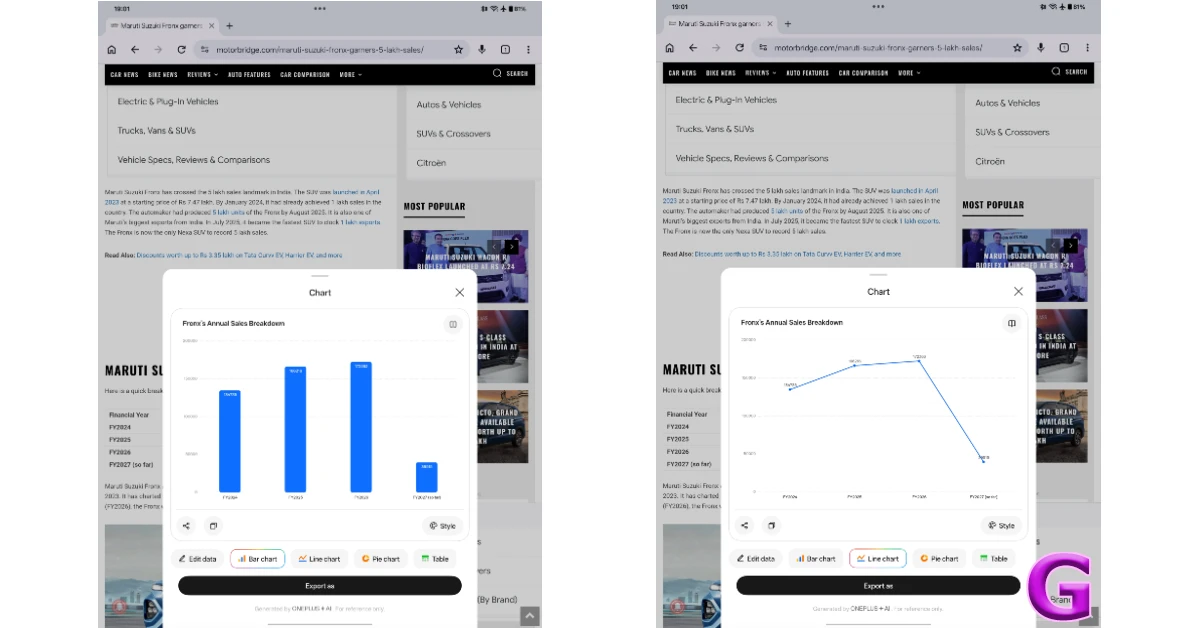
The OnePlus AI suite is packed with useful tools like AI Writer, AI Translate, AI VoiceScribe, and AI Painter. The latter generates images and charts based on the data you’ve selected. OnePlus’s Mind Space acts as a central intelligence hub. You also get Google’s Circle to Search and Gemini Assistant.
The 13,380mAh Si/C battery pack puts up a fine display. Even if you’re a heavy user, it’ll take you up to 2 days to completely kill the battery. You can binge-watch movies and TV shows on this tablet without worrying about plugging in the charger. The 80W power adapter provided in the box takes up to 2 hours to fully charge the device.
OnePlus hasn’t made any changes to the camera system on the Pad 4. The tablet uses a 13MP rear shooter and an 8MP selfie camera. The rear camera captures good pictures which showcase tasteful colours, contrast, and dynamic range. These images are a bit soft, but that’s what we expect from most tablets. In limited lighting, the tablet struggles to illuminate the shot and remove the noise.


The front-facing 8MP camera captures clear selfies. This camera finds a lot of mileage in video calls and online meetings. It is reliable for these tasks. When it comes to video recording, this camera can shoot 1080p footage at 30fps. Meanwhile, the rear camera can record 4K videos at 30fps.

Read Also: realme P4R 5G First Sale Begins 17th June
Verdict
The OnePlus Pad 4 may have received incremental updates, but they are significant enough to cement its position as one of the best Android tablets around. Of course, there are OLED tablets that may contest that, but if you don’t want to splurge a ridiculous amount of money, this is as good as it gets. The Snapdragon 8 Elite Gen 5 processor delivers a rock-solid performance, leaving no room for complaints. The 13.82-inch LCD panel, along with the octa-speaker setup, produces a brilliant viewing experience. The multi-tasking features offered by OxygenOS 16 get the most out of the tablet’s canvas. The 2-day battery life is the icing on the cake.
Pros
- Sleek form factor
- Big display
- Great software experience
- Big battery
Cons
- Not available in a cellular variant
- Bit pricey


