In This Article
Design and Display
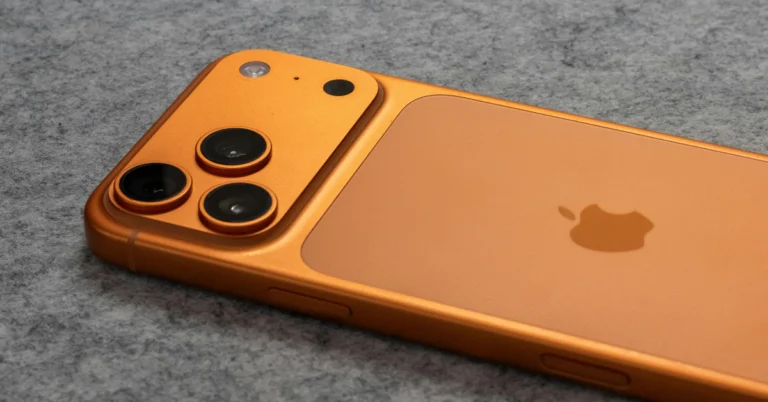
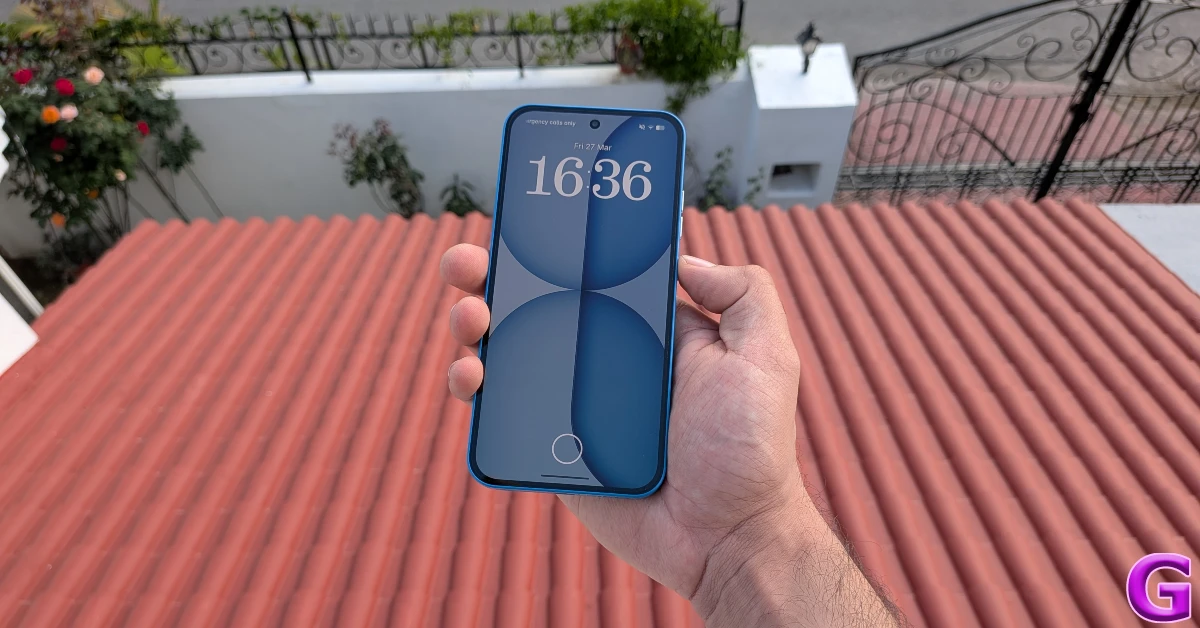
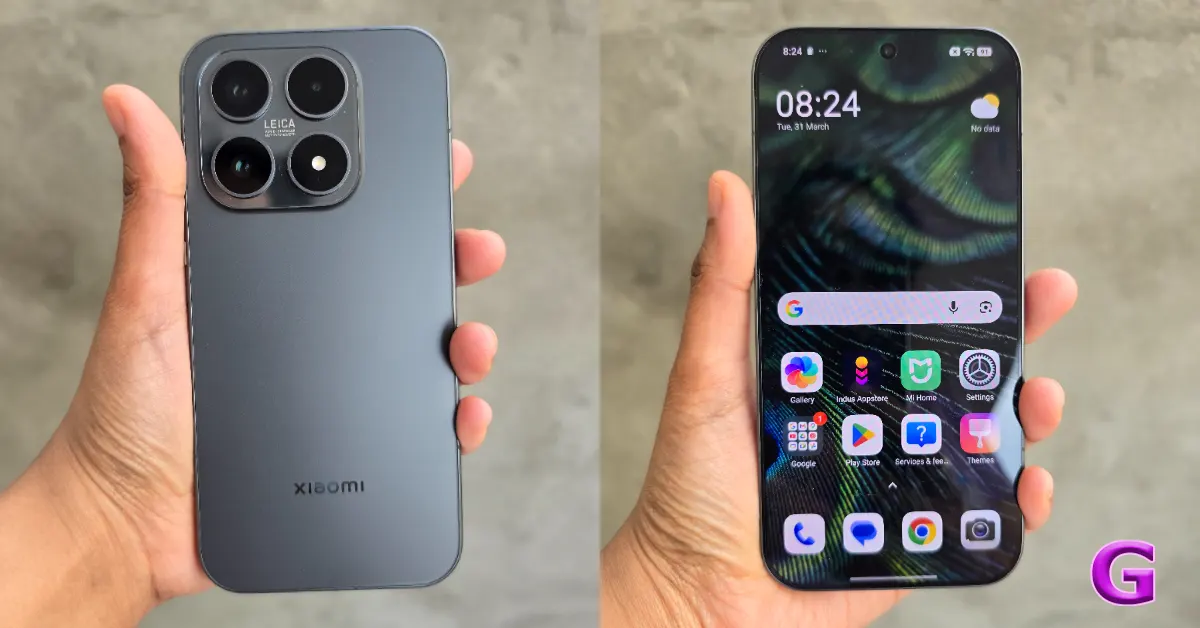
The Xiaomi 17 looks a lot like the iPhone 17 Pro series. It has a flat aluminium frame and rounded sides that let it fit comfortably in your hand.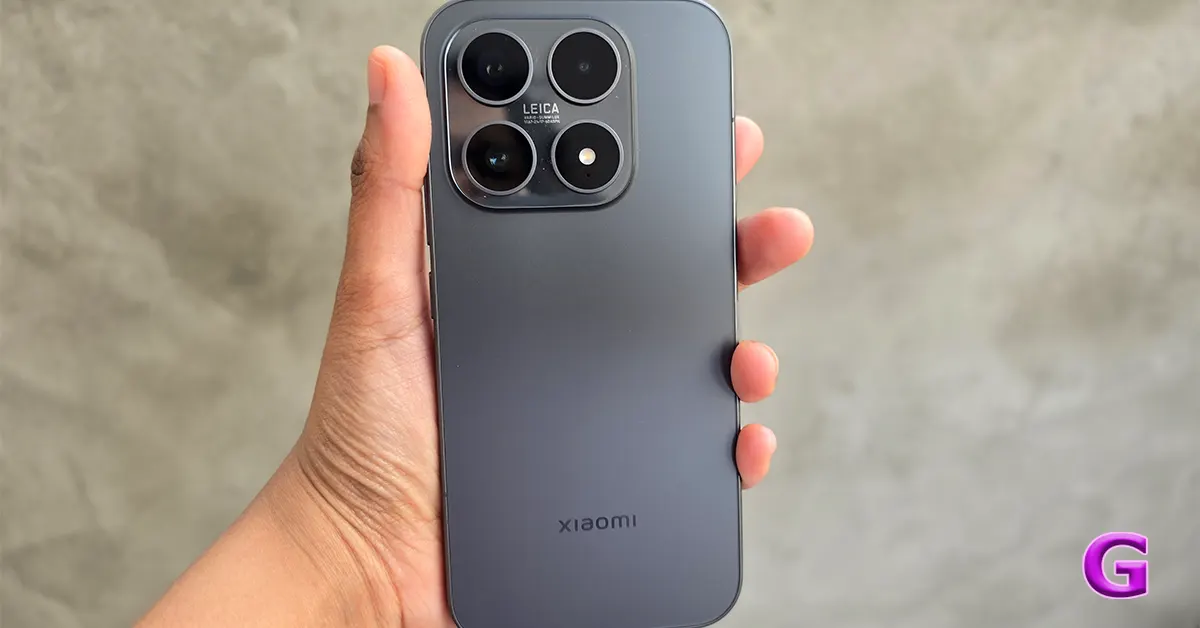 Xiaomi has kept the phone’s weight about the same as the last iteration, which makes it easier to carry around. The smartphone’s size is ideal, and the way the weight is distributed evenly makes it seem more premium and easier to use with one hand. The matte glass back not only looks appealing, but it also keeps fingerprints from smearing, which is a regular problem in other phones.
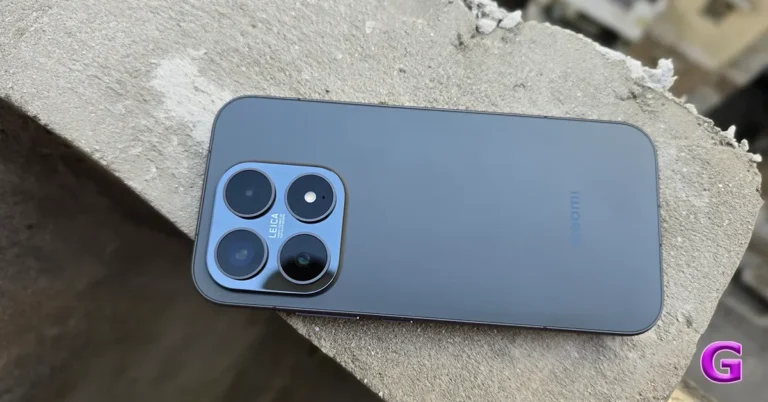
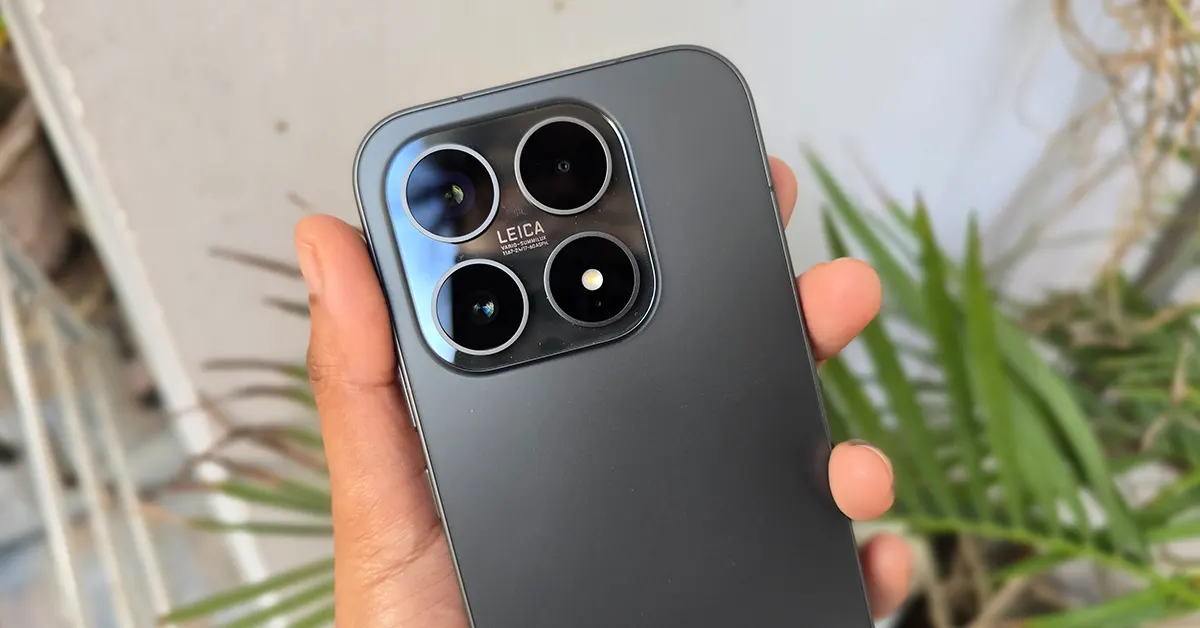
The back camera module has a rounded square design like iPhones. It’s sleek but less distinctive than the Xiaomi 14 or Leica-inspired 17 Ultra, making it look very regular for a premium phone. Dust can collect in the gaps between lenses, especially with the transparent cover, quickly making the phone look dirty. So, our suggestion is to keep a cloth handy.
Xiaomi has kept the phone’s weight about the same as the last iteration, which makes it easier to carry around. The smartphone’s size is ideal, and the way the weight is distributed evenly makes it seem more premium and easier to use with one hand. The matte glass back not only looks appealing, but it also keeps fingerprints from smearing, which is a regular problem in other phones.
The back camera module has a rounded square design like iPhones. It’s sleek but less distinctive than the Xiaomi 14 or Leica-inspired 17 Ultra, making it look very regular for a premium phone. Dust can collect in the gaps between lenses, especially with the transparent cover, quickly making the phone look dirty. So, our suggestion is to keep a cloth handy.
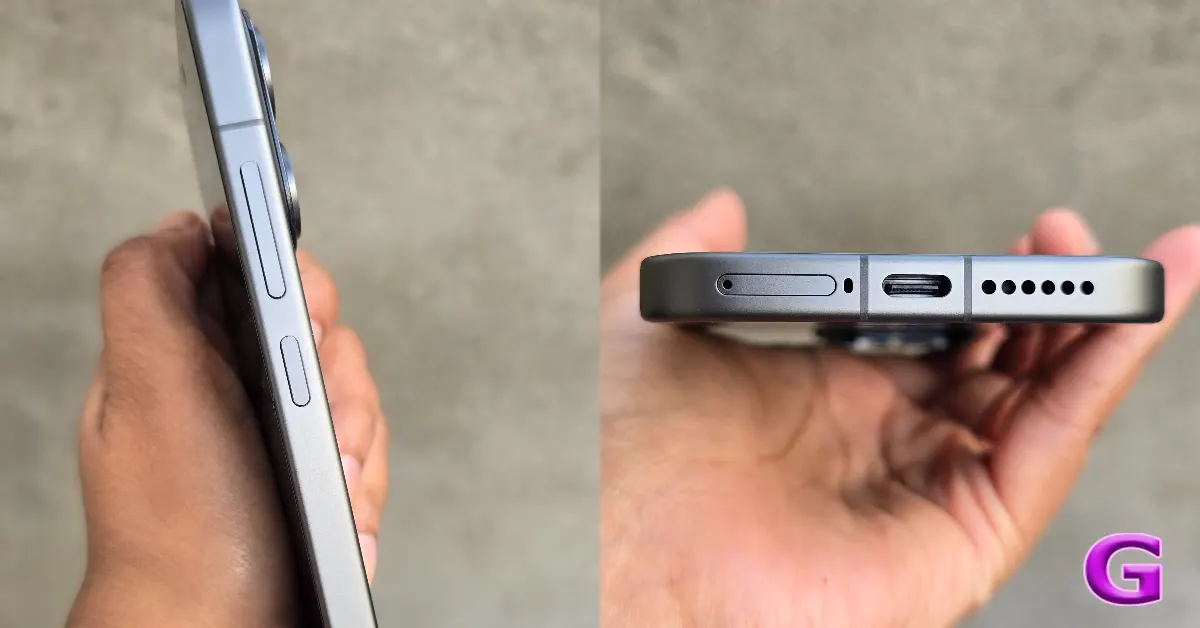
 The Xiaomi 17 features a classic, easy-to-operate one-handed layout but lacks some advanced physical features of the Ultra edition. It has a single long volume rocker on the right side instead of individual buttons.
The power button is easy to reach, positioned beneath. But this setup makes it more likely that you may accidentally take a screenshot when adjusting the volume. The bottom side has a USB Type-C port in the middle that works with USB 3.2 Gen 1, but it is incompatible with the Ultra’s faster 10Gbps Gen 2. It also has a main speaker grille, a dual-slot SIM card tray for nano-SIM and eSIM, and a tiny microphone.
The Xiaomi 17 features a classic, easy-to-operate one-handed layout but lacks some advanced physical features of the Ultra edition. It has a single long volume rocker on the right side instead of individual buttons.
The power button is easy to reach, positioned beneath. But this setup makes it more likely that you may accidentally take a screenshot when adjusting the volume. The bottom side has a USB Type-C port in the middle that works with USB 3.2 Gen 1, but it is incompatible with the Ultra’s faster 10Gbps Gen 2. It also has a main speaker grille, a dual-slot SIM card tray for nano-SIM and eSIM, and a tiny microphone.
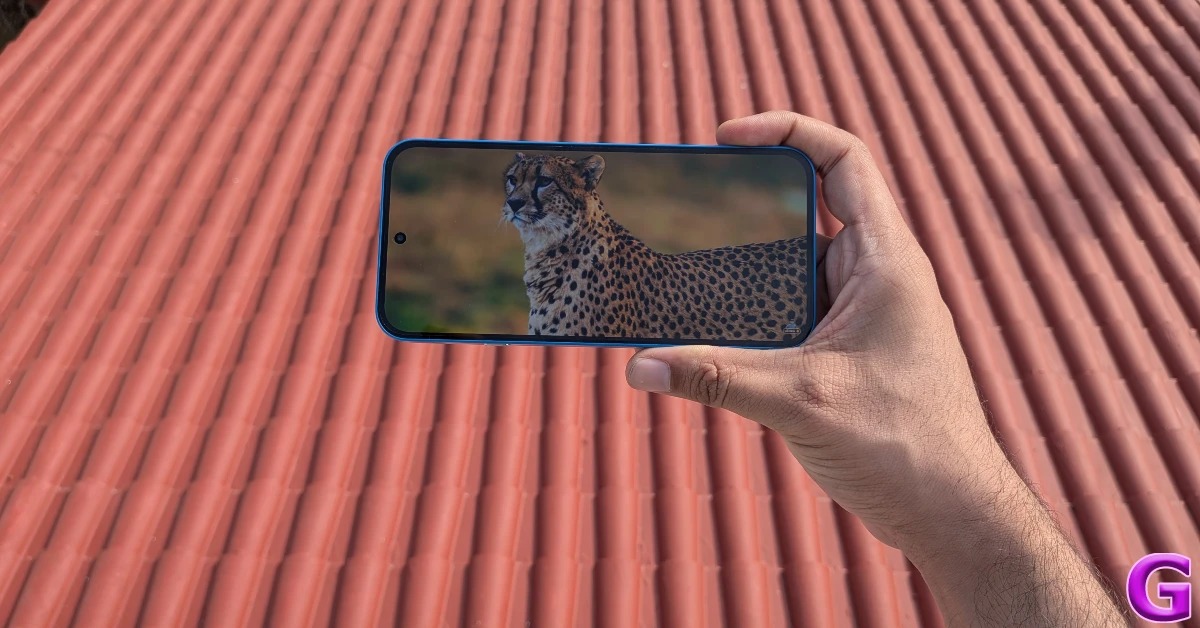
 One disadvantage of gaming in landscape mode is that users may accidentally block the speaker, resulting in muffled audio unless headphones are used. The top side has a sleek appearance. The IR blaster is concealed beneath the glass and works with the Mi Remote app.
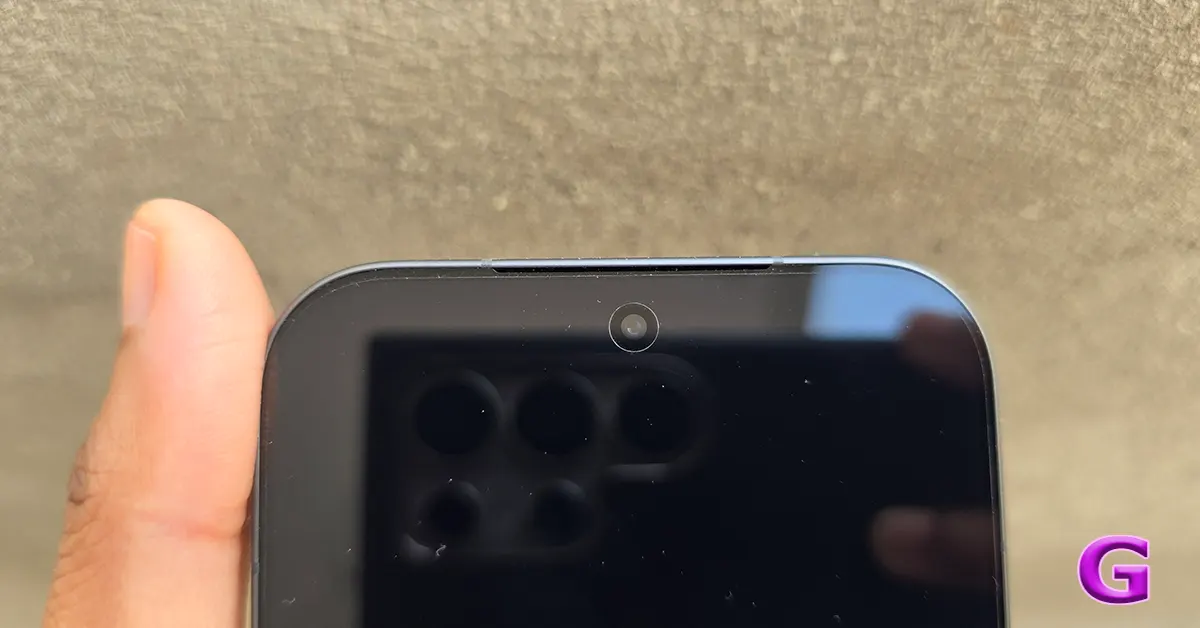 It employs sound-on-display technology and a micro-slit design for the second speaker/earpiece, though this may create an uneven soundstage. The left side features no buttons or ports, only a smooth aluminium rail. Some might consider this space wasted and think it could be used for additional controls to enhance the device’s functionality.
Overall, the gadget is ergonomically designed, making it quite pleasant to use.
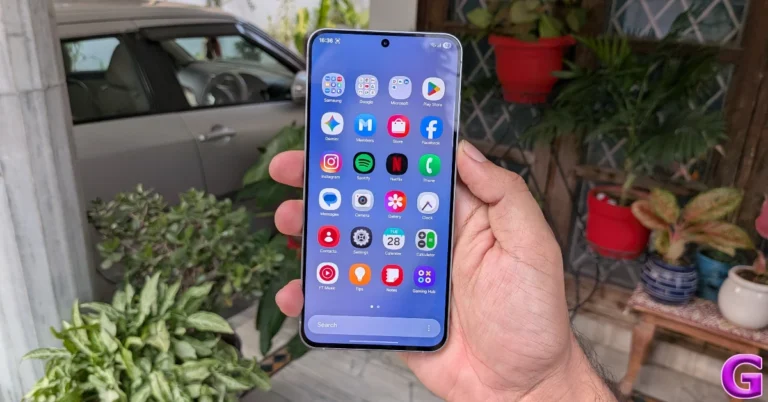
The Xiaomi gadget features a lovely display, perfect for those with smaller hands who might find larger screens a bit challenging. It boasts a 6.3-inch OLED screen with a crisp 1.5K resolution (2,656 x 1,220) and a smooth 120 Hz refresh rate. The touch sampling rate can reach up to 300 Hz, offering a responsive experience. With a 19.6:9 aspect ratio and a peak brightness of 3,500 nits, it’s designed to provide a stunning viewing experience.
It employs sound-on-display technology and a micro-slit design for the second speaker/earpiece, though this may create an uneven soundstage. The left side features no buttons or ports, only a smooth aluminium rail. Some might consider this space wasted and think it could be used for additional controls to enhance the device’s functionality.
Overall, the gadget is ergonomically designed, making it quite pleasant to use.
The Xiaomi gadget features a lovely display, perfect for those with smaller hands who might find larger screens a bit challenging. It boasts a 6.3-inch OLED screen with a crisp 1.5K resolution (2,656 x 1,220) and a smooth 120 Hz refresh rate. The touch sampling rate can reach up to 300 Hz, offering a responsive experience. With a 19.6:9 aspect ratio and a peak brightness of 3,500 nits, it’s designed to provide a stunning viewing experience.
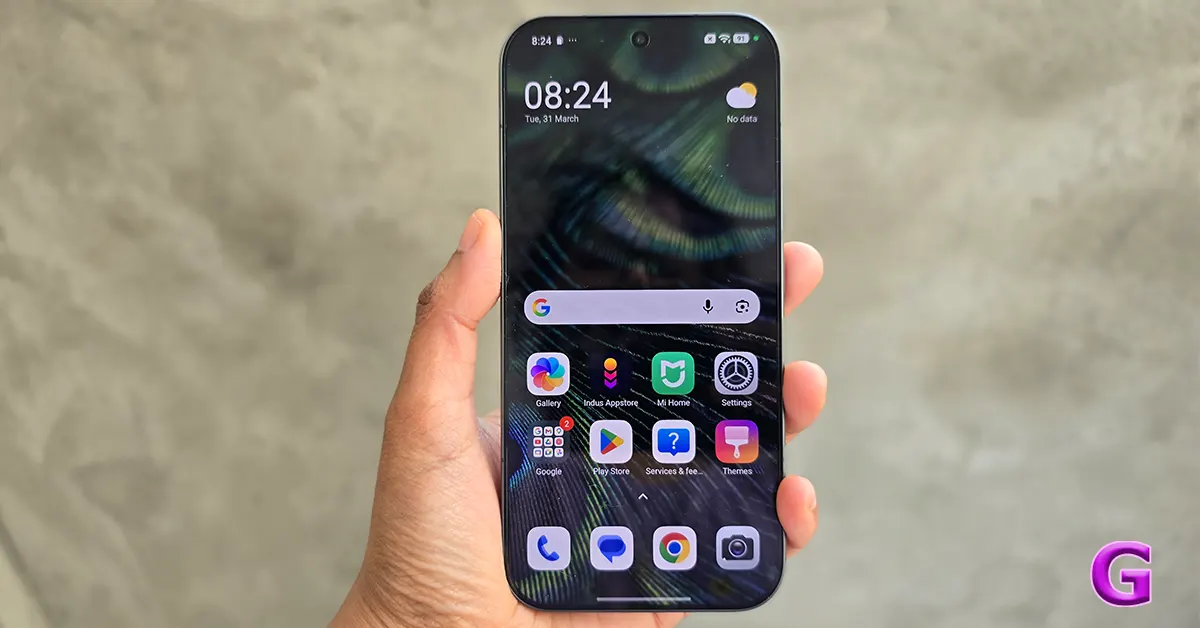 The DCI-P3 colour gamut makes sure that the colours are bright. The display has also been certified by TÜV Rheinland, which means that it emits very little blue light and doesn’t flicker, making it an excellent option for long-term usage and viewing that aligns with circadian rhythms.
Furthermore, the Xiaomi 17 supports HDR10+ and Dolby Vision, which increase picture quality by changing the range and contrast.
Xiaomi’s display features a 12-bit panel, setting it apart from most competitors that use 10-bit screens. This advanced 12-bit display can render up to 68.7 billion colours, greatly enhancing the visual experience. When viewing movies or shows with Dolby Vision or HDR10+, especially on platforms like Netflix or YouTube, the colour transitions are smooth. Additionally, the display is engineered to reduce banding, a common issue with lower-quality displays.
Also Read: Nothing Phone (4a) Review: Smart design, smarter performance
The display also performed well under direct sunlight. This display is designed for late-night use, providing a more comfortable experience for users who scroll at night. It features 2,160Hz PWM dimming, which minimises flickering at low brightness levels, and includes a new Circadian Friendly mode, enhancing visual comfort. The screen’s sharpness is notable, making text look printed and allowing for extraordinarily precise detail in images, thus improving the overall clarity and quality of the viewing experience.
We also noticed that the screen dimmed suddenly in a well-lit room or remained overly bright in a dark one, necessitating a manual override. The gadget uses LTPO technology (1-120Hz) for Adaptive Refresh Rate Pro, which allows smooth 120Hz peaks but reduces battery life. When switching between 1Hz and 120Hz refresh rates in the default Smart mode, there may be some microstuttering.
The DCI-P3 colour gamut makes sure that the colours are bright. The display has also been certified by TÜV Rheinland, which means that it emits very little blue light and doesn’t flicker, making it an excellent option for long-term usage and viewing that aligns with circadian rhythms.
Furthermore, the Xiaomi 17 supports HDR10+ and Dolby Vision, which increase picture quality by changing the range and contrast.
Xiaomi’s display features a 12-bit panel, setting it apart from most competitors that use 10-bit screens. This advanced 12-bit display can render up to 68.7 billion colours, greatly enhancing the visual experience. When viewing movies or shows with Dolby Vision or HDR10+, especially on platforms like Netflix or YouTube, the colour transitions are smooth. Additionally, the display is engineered to reduce banding, a common issue with lower-quality displays.
Also Read: Nothing Phone (4a) Review: Smart design, smarter performance
The display also performed well under direct sunlight. This display is designed for late-night use, providing a more comfortable experience for users who scroll at night. It features 2,160Hz PWM dimming, which minimises flickering at low brightness levels, and includes a new Circadian Friendly mode, enhancing visual comfort. The screen’s sharpness is notable, making text look printed and allowing for extraordinarily precise detail in images, thus improving the overall clarity and quality of the viewing experience.
We also noticed that the screen dimmed suddenly in a well-lit room or remained overly bright in a dark one, necessitating a manual override. The gadget uses LTPO technology (1-120Hz) for Adaptive Refresh Rate Pro, which allows smooth 120Hz peaks but reduces battery life. When switching between 1Hz and 120Hz refresh rates in the default Smart mode, there may be some microstuttering.
Performance and Cameras
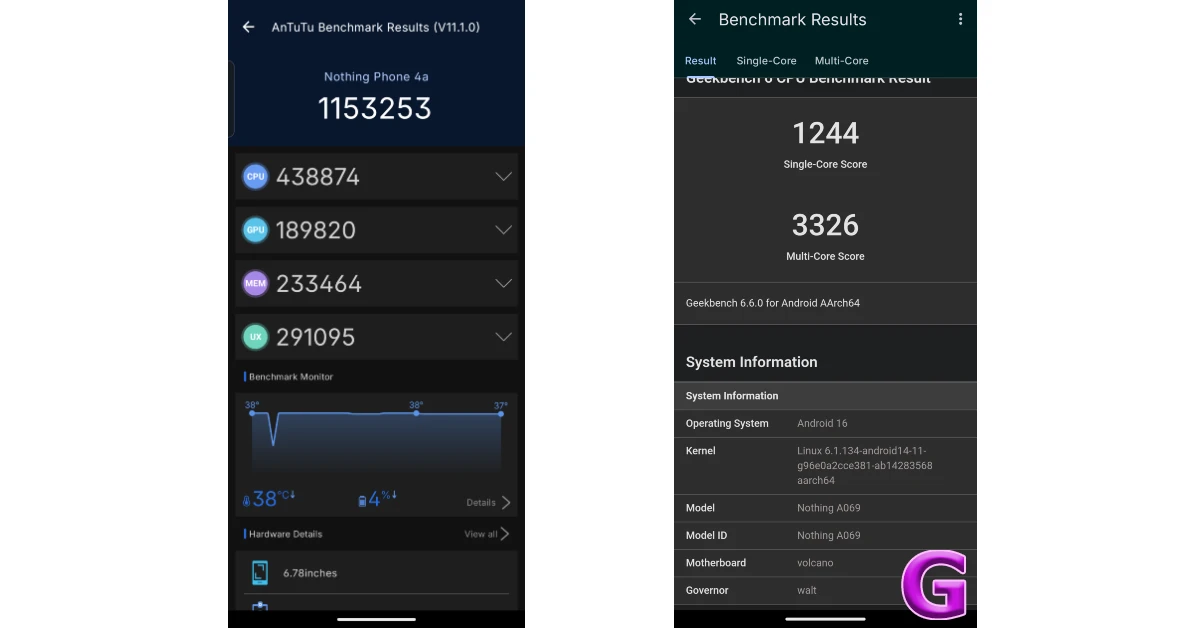
The Xiaomi 17 is the first smartphone in India to use Qualcomm’s Snapdragon 8 Elite (Gen 5) CPU. Its desktop-class architecture, notably the Oryon CPU manufactured on 3.0 nm technology, achieves AnTuTu V11 scores of about 3.5 million, outperforming many older laptops. The gadget has a 3D IceLoop cooling technology that improves thermal management during heavy usage. Notably, it retains great gaming performance, maintaining around 120 fps in popular games such as BGMI and COD Mobile, while Genshin Impact keeps a constant frame rate of 60 fps in the highest settings for 30-40 minutes. Furthermore, the HyperOS 3 optimisation prioritises foreground applications, substantially reducing frame drops during high-demand tasks. The Xiaomi 17 faces drawbacks, including heat dissipation issues due to its small size, risking overheating and performance slowdown during long gaming sessions. Outdoors, heat can disable features like 8K recording and 120Hz refresh. Additionally, it uses LPDDR5X RAM, while competitors may upgrade to LPDDR6, giving Xiaomi a slight multitasking power disadvantage. Geekbench 6 Results- Single-core score- 3500
- Multi-core score- 10253
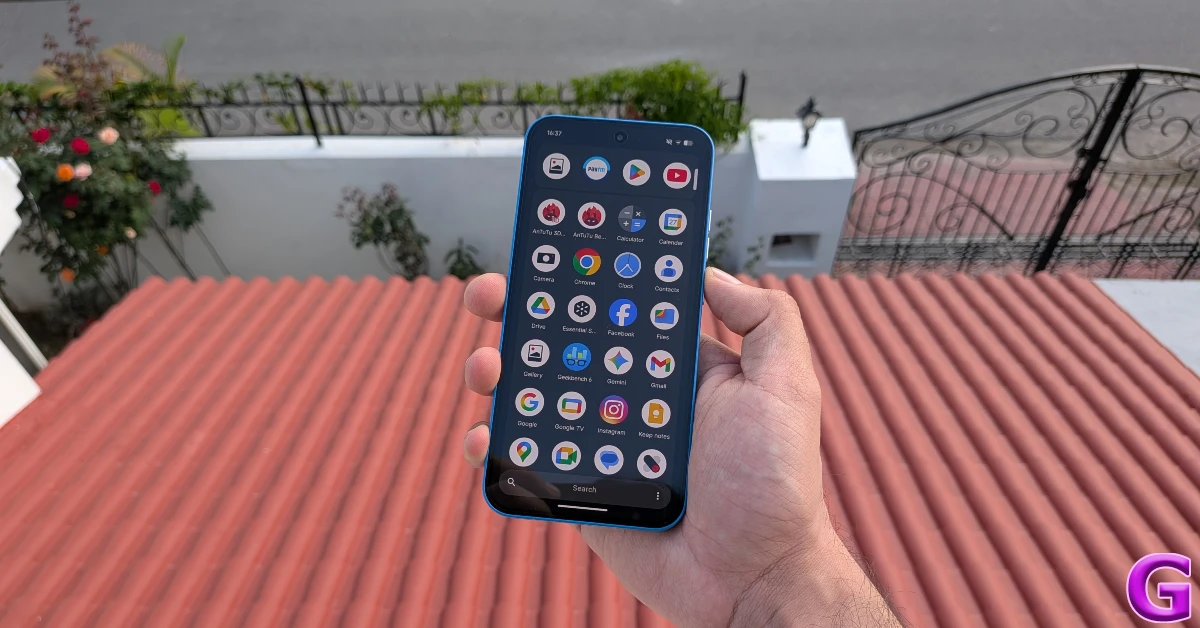
 It also provides convenient features for sharing files across devices and mirroring screens, making connections smoother. Xiaomi shows a real commitment to its users by offering five years of major operating system upgrades and six years of security support, highlighting its dedication to long-term support. Of course, the Xiaomi 17 isn’t perfect; it comes with quite a bit of pre-installed bloatware, which can make it feel less like a premium device at Rs 89,999. Additionally, some of HyperAI’s features might not always perform as expected, but overall, it’s a solid choice worth considering.
For example, AI writing may produce phrases that sound strange in Indian English, while AI dynamic wallpapers can have trouble with subject detection and edge clarity. The dual-island design for the control centre and status bar also poses a learning challenge, particularly for those who are used to stock Android systems like Google Pixel or Samsung smartphones, since it requires more navigation to get to basic settings.
It also provides convenient features for sharing files across devices and mirroring screens, making connections smoother. Xiaomi shows a real commitment to its users by offering five years of major operating system upgrades and six years of security support, highlighting its dedication to long-term support. Of course, the Xiaomi 17 isn’t perfect; it comes with quite a bit of pre-installed bloatware, which can make it feel less like a premium device at Rs 89,999. Additionally, some of HyperAI’s features might not always perform as expected, but overall, it’s a solid choice worth considering.
For example, AI writing may produce phrases that sound strange in Indian English, while AI dynamic wallpapers can have trouble with subject detection and edge clarity. The dual-island design for the control centre and status bar also poses a learning challenge, particularly for those who are used to stock Android systems like Google Pixel or Samsung smartphones, since it requires more navigation to get to basic settings.


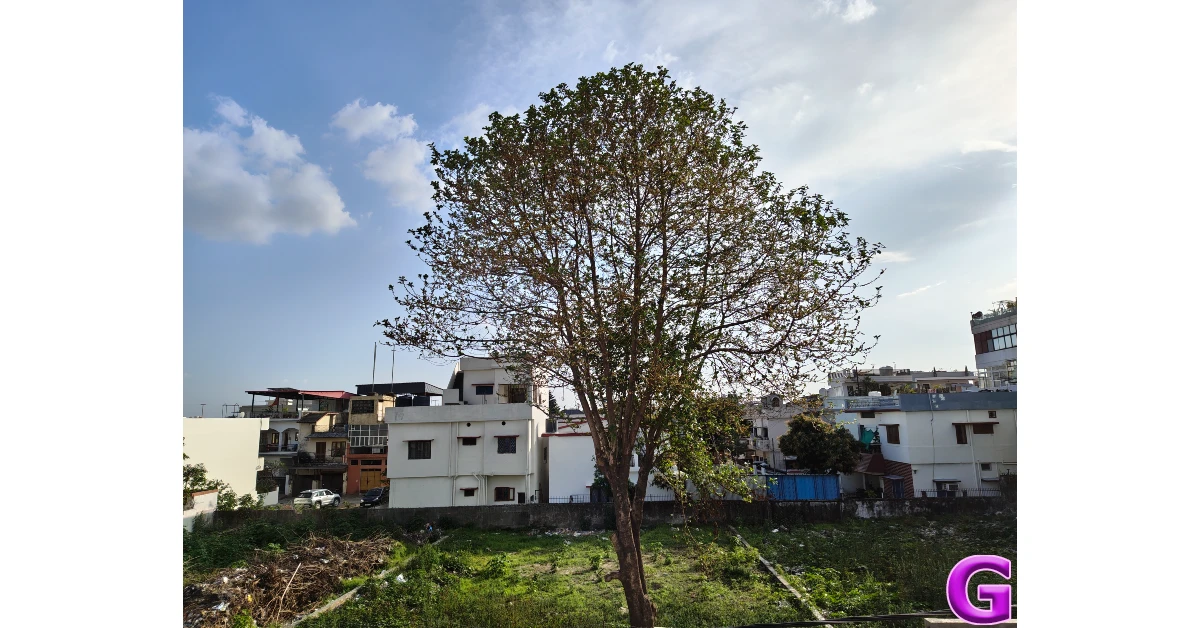
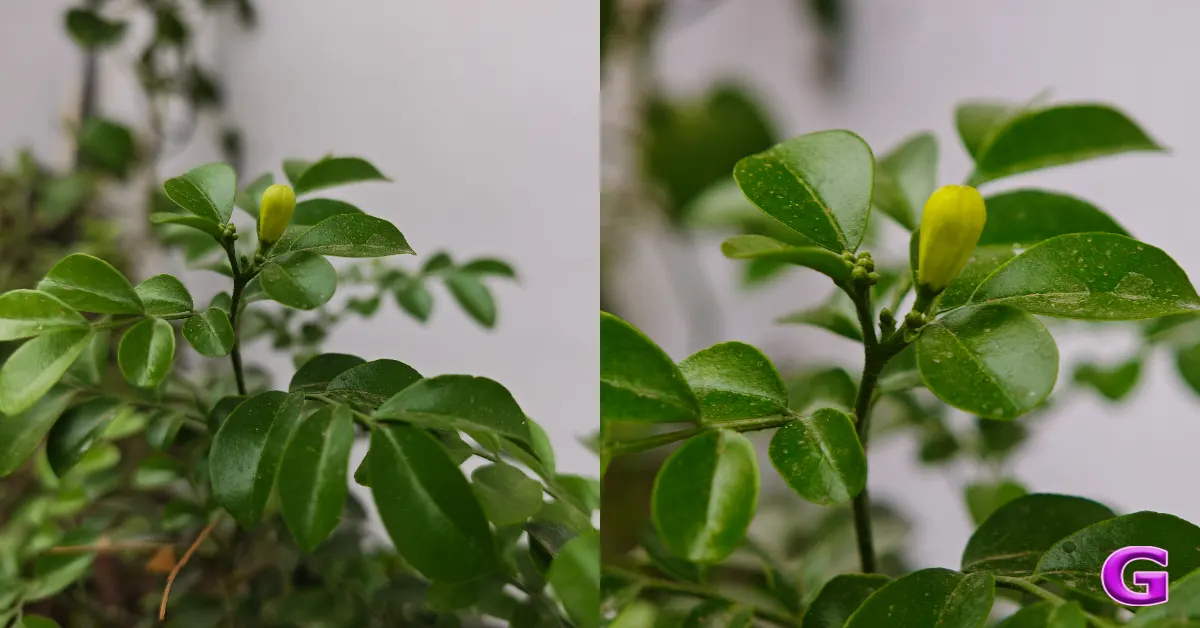
 The camera’s big primary sensor makes the background blurry, so you don’t need a portrait mode for close-up shots. This is excellent for getting close-up shots of things like coffee, flowers, or pets. Although shutter lag is minimal, the processing time may become noticeable when capturing many rapid photos. During this time, users may see a ‘Processing…’ message displayed when the Leica colour science is applied.


 Also Read: Realme Narzo Power Review: Enough juice for 2 days!
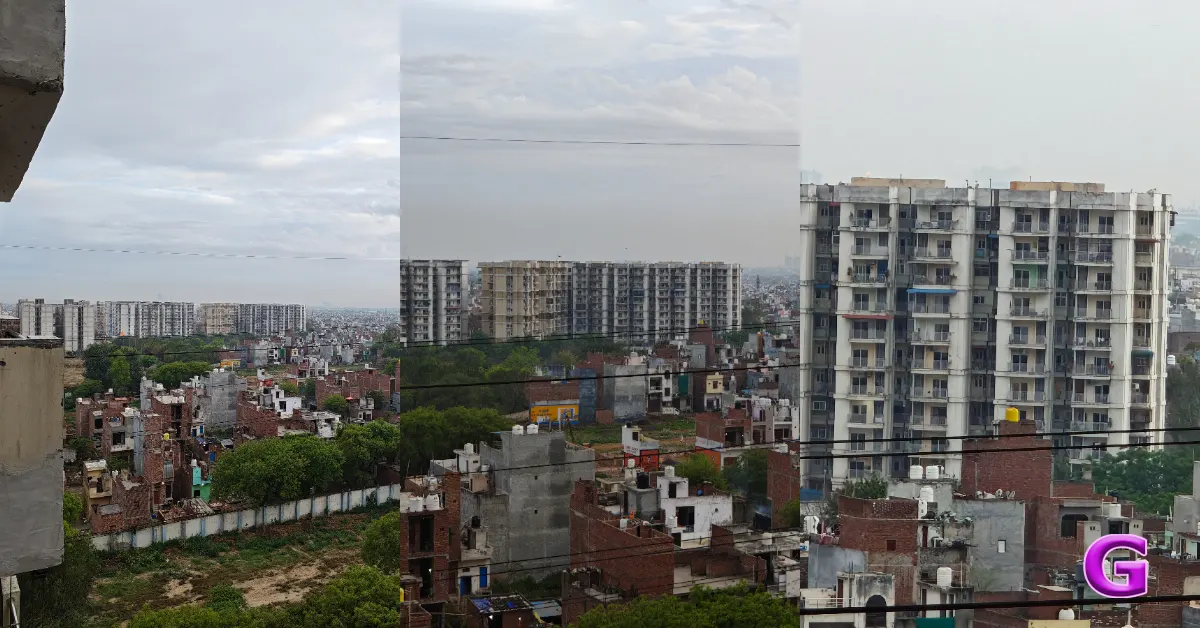
The ultrawide lens works well during the daytime, delivering colours that match the primary camera. However, it doesn’t work as well at night since it doesn’t have optical image stabilisation (OIS), which makes it less dependable in such settings.
Also Read: Realme Narzo Power Review: Enough juice for 2 days!
The ultrawide lens works well during the daytime, delivering colours that match the primary camera. However, it doesn’t work as well at night since it doesn’t have optical image stabilisation (OIS), which makes it less dependable in such settings.

 The Xiaomi 17 has a bigger battery than the 17 Ultra, with a capacity of 6,330mAh instead of 6,000mAh. Xiaomi was able to add 20% more battery capacity to the same physical size as last year’s model by using 16% more silicon. The Xiaomi 17 has excellent battery life, lasting 9 to 10 hours of screen time under normal use. This makes it a full-day battery gadget. Amazingly, this compact phone has a longer battery life than the Xiaomi 17 Ultra.
It also has quick charging options, including wired charging at 100 watts and wireless charging at 50 watts, making it even more useful. It takes around 35 to 37 minutes for the gadget to go from 1% to 100% charge. Also, a quick 10-minute emergency charge could offer you about 40% of a charge, which is great for those who need to charge immediately.
The Xiaomi 17 has a bigger battery than the 17 Ultra, with a capacity of 6,330mAh instead of 6,000mAh. Xiaomi was able to add 20% more battery capacity to the same physical size as last year’s model by using 16% more silicon. The Xiaomi 17 has excellent battery life, lasting 9 to 10 hours of screen time under normal use. This makes it a full-day battery gadget. Amazingly, this compact phone has a longer battery life than the Xiaomi 17 Ultra.
It also has quick charging options, including wired charging at 100 watts and wireless charging at 50 watts, making it even more useful. It takes around 35 to 37 minutes for the gadget to go from 1% to 100% charge. Also, a quick 10-minute emergency charge could offer you about 40% of a charge, which is great for those who need to charge immediately.
Verdict
Xiaomi wants to break into the ultra-premium market with its latest flagship range. The Xiaomi 17 aims to deliver a flagship experience in a compact form. It has great battery life, and the Snapdragon 8 Elite CPU gives it good performance, but it tends to heat up when you play games for a long time. Also Read: Xiaomi 17 Ultra Review: A camera phone that shoots like a DSLR The camera works well with Leica for portrait and macro shots, but the long-range zoom is less impressive compared to other flagship models offering better zoom. HyperOS 3 has a user-friendly interface and runs smoothly, though it includes many extra apps. The device features a 6,330mAh battery that lasts long and charges quickly at 100W. Some high-end features, such as an IP69 certification and the newest Gorilla Glass, are missing, which could upset some customers. On the flipside, it charges faster than many of Apple’s and Samsung’s latest flagship models. The Xiaomi 17 is a great choice for anyone who wants a compact phone with decent performance and battery life. It’s especially suitable for people who love taking pictures. But that may not be enough for anyone who wants long-range zoom or a stock Android experience or who thinks the Rs 90,000 price tag is too high compared to other options. Buy via AmazonPros
- Comfortable for one-handed use
- Massive battery
- fast charging
- Great display
Cons
- Pre-installed bloatware
- Limited zoom range
- Heats a little during sustained 4K recording or heavy gaming sessions
- Pricing might pinch some