


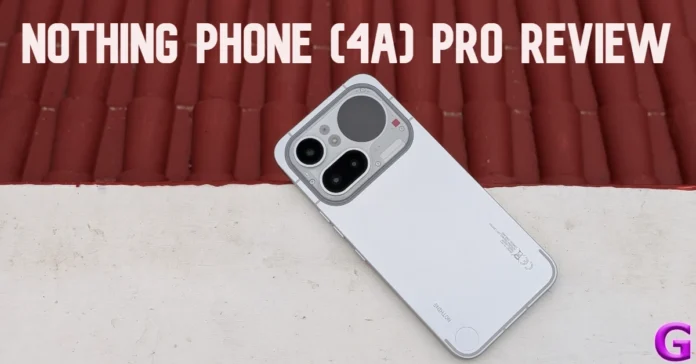
Nothing’s new midrange smartphone series comes at a turbulent time when rising RAM costs are pushing manufacturers to drive up the prices of their latest releases. While the new Phone (4a) Pro costs a premium over its predecessor, it does have something to show for it. The smartphone flaunts a completely new design while rocking a brighter display and a more powerful chipset than the Phone (3a) Pro (our review here). The battery capacity has received a nifty bump, too. Interested in checking out what will be Nothing’s most premium smartphone this year (the brand has confirmed that it won’t release a flagship device in 2026), we used the Phone (4a) Pro as our daily driver for a week; here is our in-depth review of the smartphone.
Read Also: HyperX Cloud Jet review: Smooth operator
In This Article
Nothing Phone (4a) Pro Review: Design and Display
Box contents
- Smartphone
- USB-C to USB-C cable
- Clear plastic cover
- SIM ejector
- Safety booklet
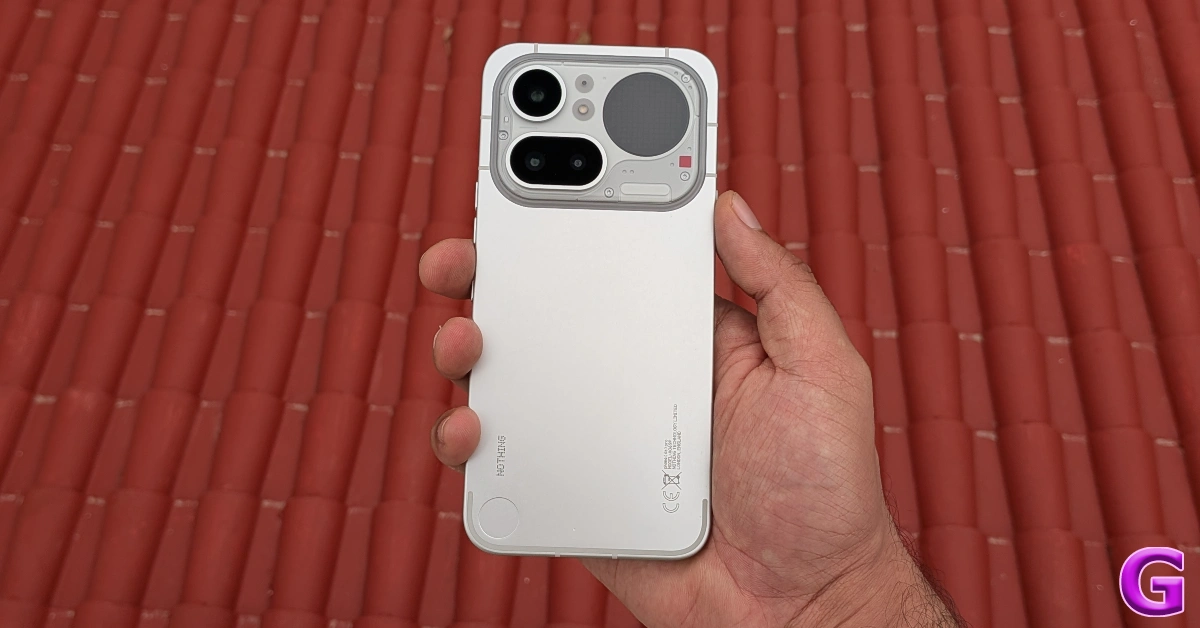
While compelling design language has always been Nothing’s forte, the stylistic shake-up on its midrange offerings every year deserves props. The Phone (4a) Pro looks nothing like its predecessor. The glass back panel has been replaced by a metal unibody. The see-through design is limited to the wide camera plateau. Instead of Glyph lighting, the smartphone gets the Glyph Matrix from the Phone (3) (our review here). The Phone (4a) Pro is most definitely a looker — arguably the most aesthetically pleasing smartphone in the market, not just the midrange segment.
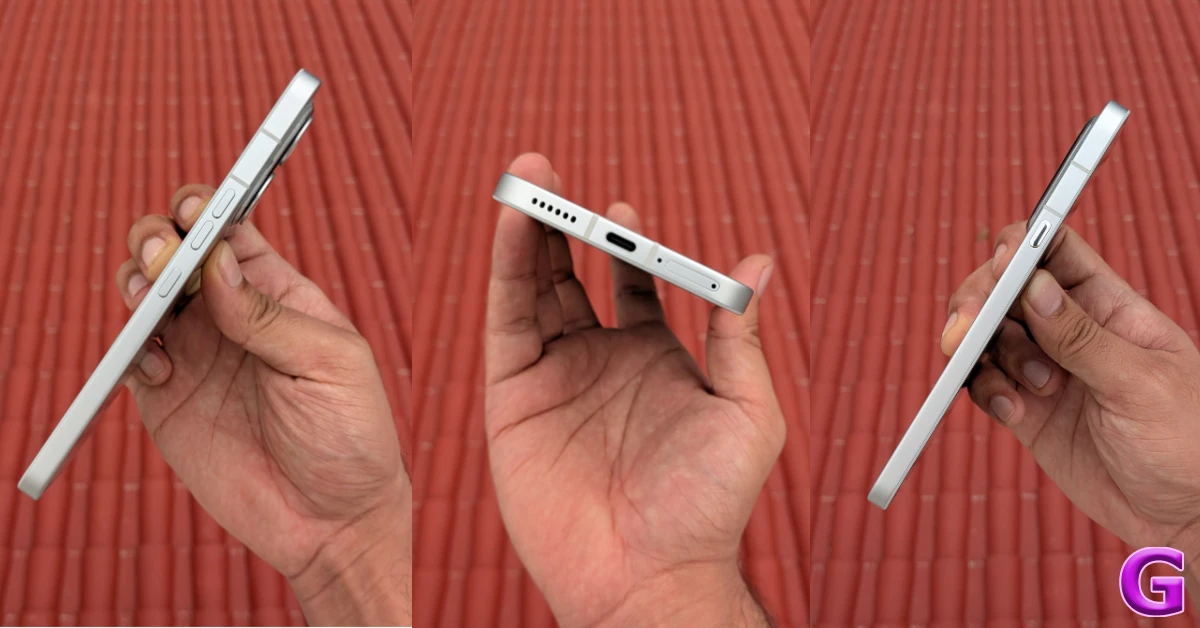
The right edge of the aluminium unibody houses the volume rocker and the side button. The Essential key makes its way to the right. At the bottom lie the SIM tray, primary microphone, USB-C port, and speaker grille. The noise-cancelling microphone is positioned up top. The earpiece doubles up as the secondary speaker. The Phone (4a) Pro is rated IP65 for dust and water resistance. While this isn’t the best IP rating in the segment, the smartphone can ward off water splashes without taking any damage. Nothing claims that it can survive being submerged up to 25cm in water for 20 minutes.
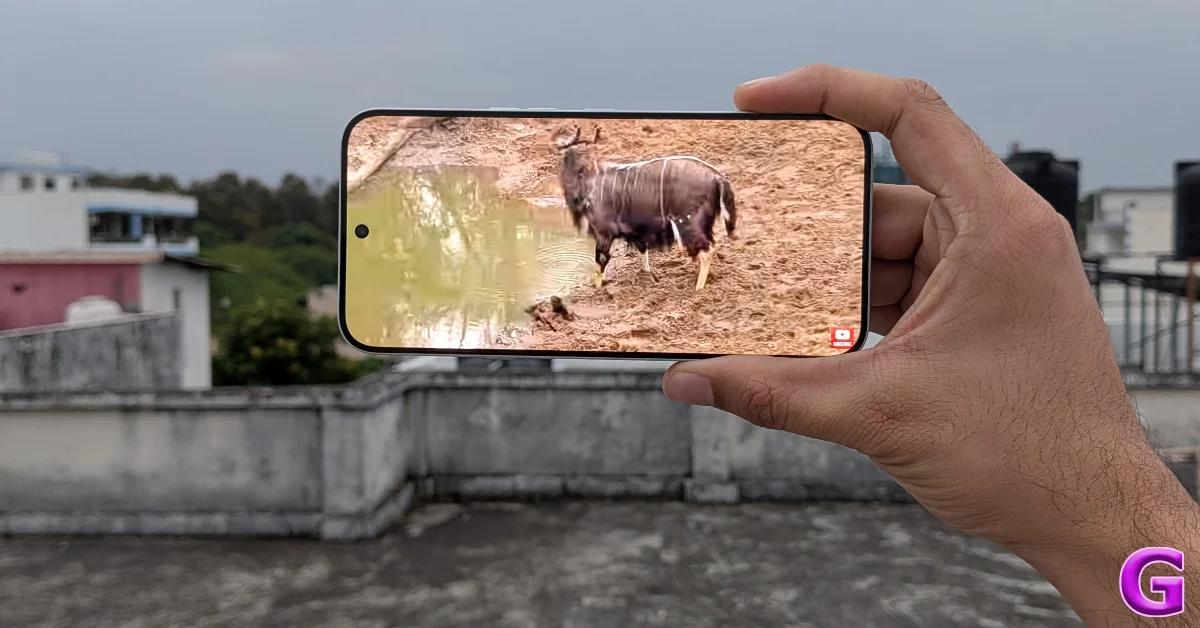
The 6.83-inch AMOLED display is surrounded by thin, uniform bezels. It can hit 1,600 nits in High Brightness Mode and reach a peak brightness of 5,000 nits while playing HDR content. The display requires little effort to overcome bright outdoor conditions and maintain optimal legibility. Its 144Hz refresh rate is limited to 120Hz in most scenarios, but the touch response is smooth as butter. The optical fingerprint scanner under the display is snappy and accurate.
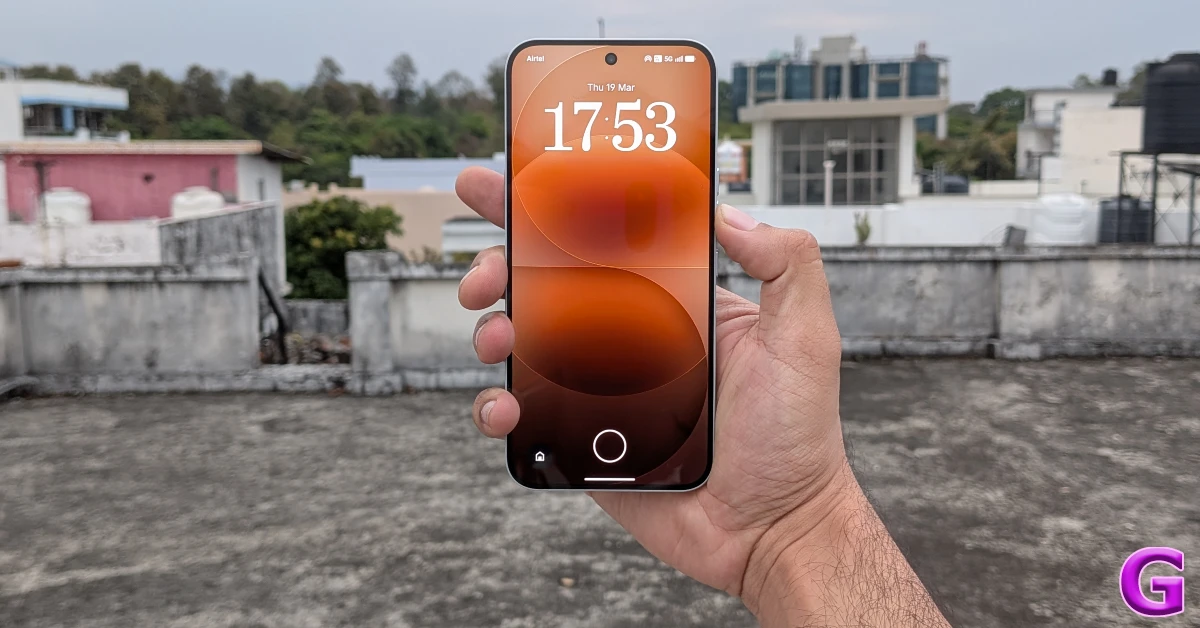
We used the Nothing Phone (4a) as our primary media streaming device during the review period. The 1.5k AMOLED display relayed brilliant visuals packed with exceptional details and vibrant colours. The deep blacks added to the tasteful contrast. The audio output was loud and well-rounded – exceeding our expectations from a setup using the earpiece as the secondary speaker.
Nothing Phone (4a) Pro Review: Performance and Cameras
The Phone (4a) Pro gets an incremental processor upgrade in the form of the Snapdragon 7 Gen 4 SoC. Here are its benchmark numbers.
- AnTuTu 3D: 1,395,831
- Geekbench 6: 1,298 (single-core) | 4,001 (multi-core)
There are 3 RAM (LPDDR5X) and storage (UFS 3.1) variants on offer:
- 8GB + 128GB: Rs 39,999
- 8GB + 256GB: Rs 42,999
- 12GB + 256GB: Rs 45,999
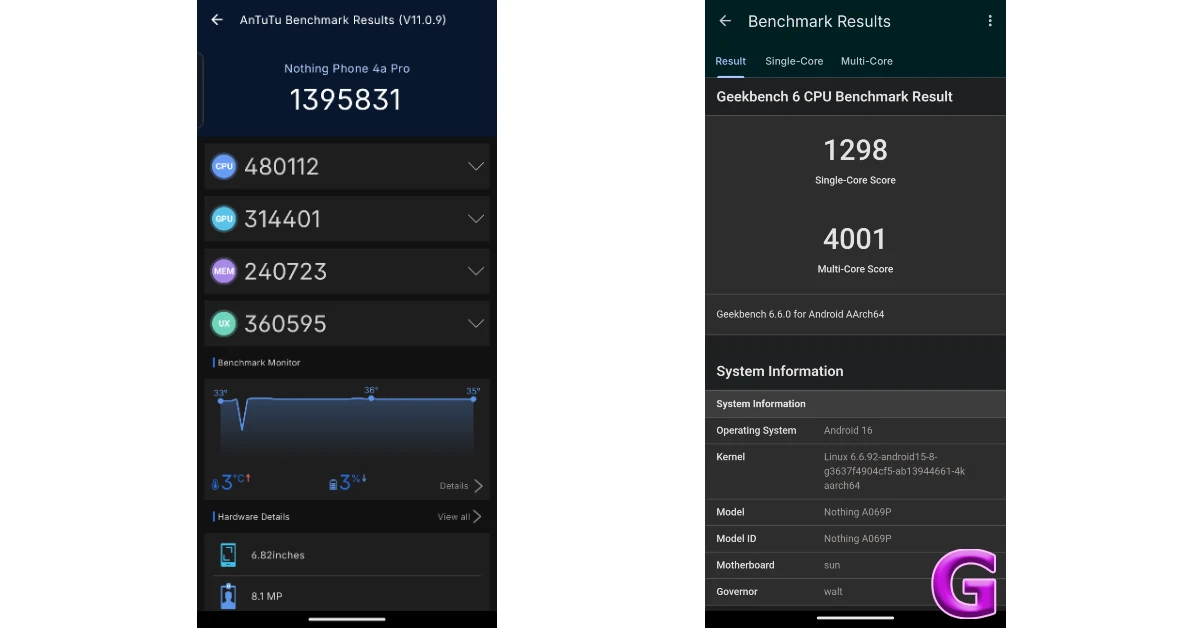
Now that the Phone (4a) Pro has moved up a price bracket, the Snapdragon 7 series chipset is outmuscled by some of its peers when you compare their benchmark numbers. However, this divide does not necessarily translate into everyday use as the Phone (4a) Pro expertly handles routine tasks like calling, instant messaging, web browsing, media streaming, and more. As a daily driver, the smartphone leaves no room for complaints. Even demanding tasks like photo and video editing do not leave you wanting more power.
Speaking of demanding tasks, we ran gaming titles like BGMI and Call of Duty Mobile on the Phone (4a) Pro. With the graphics and refresh rate limited to medium settings, we were able to get consistent, stutter-free gameplay out of both titles. You can push the frame rate to 120fps in supported titles. The 5,300mm² vapour chamber efficiently dissipates the internal heat, ensuring that thermal throttling is not an issue in extended gaming sessions.
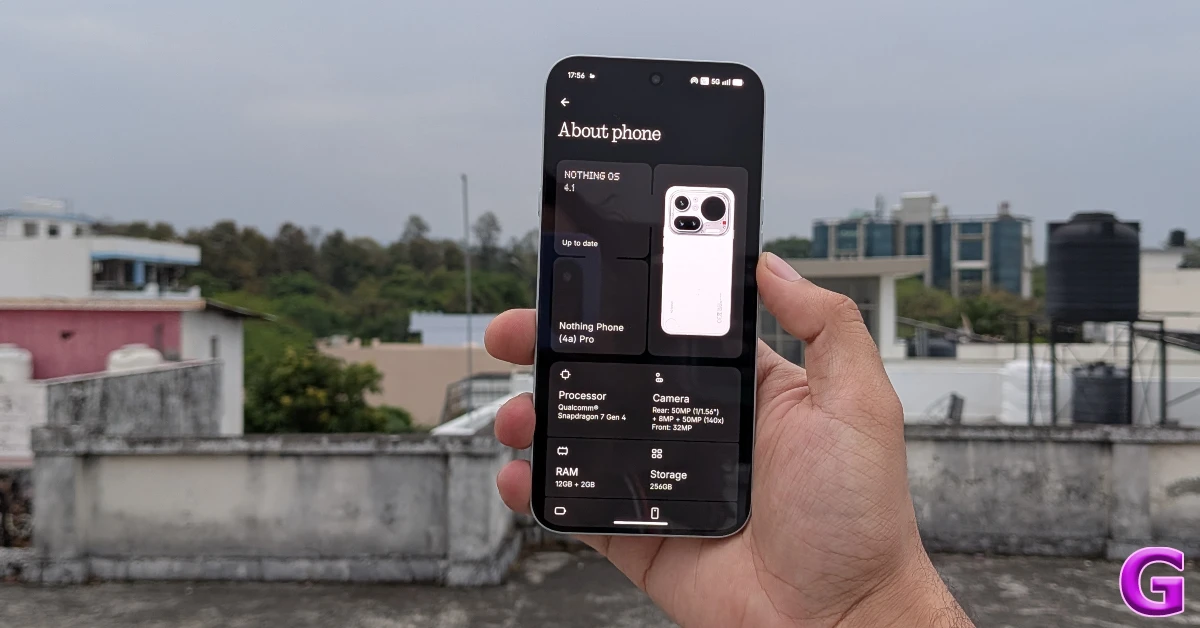
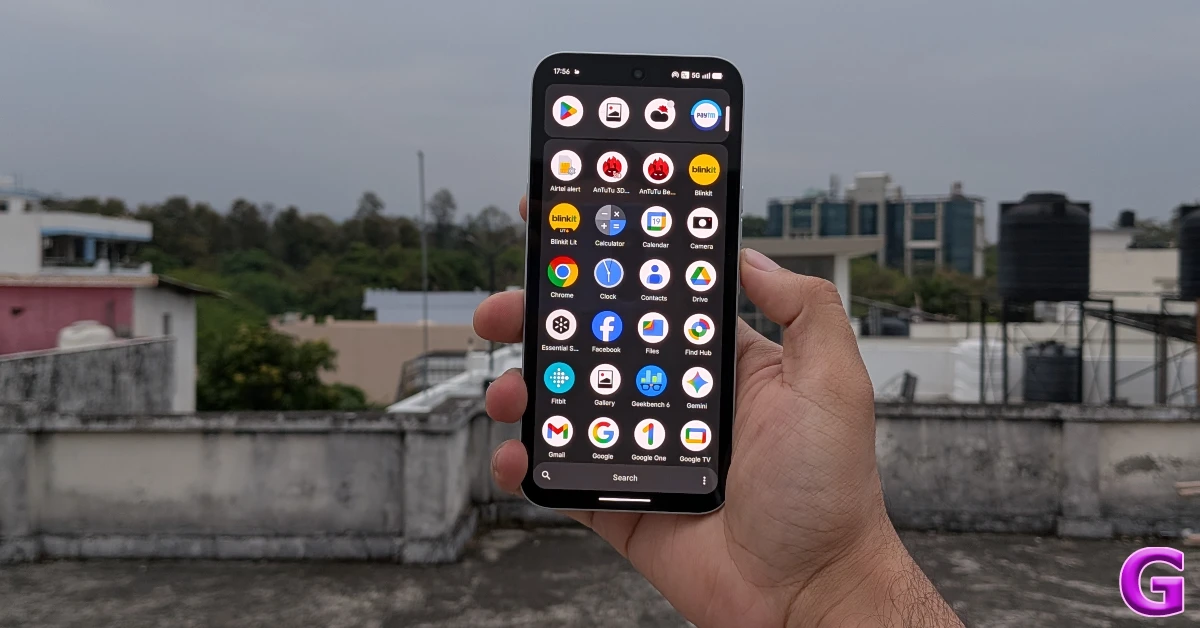
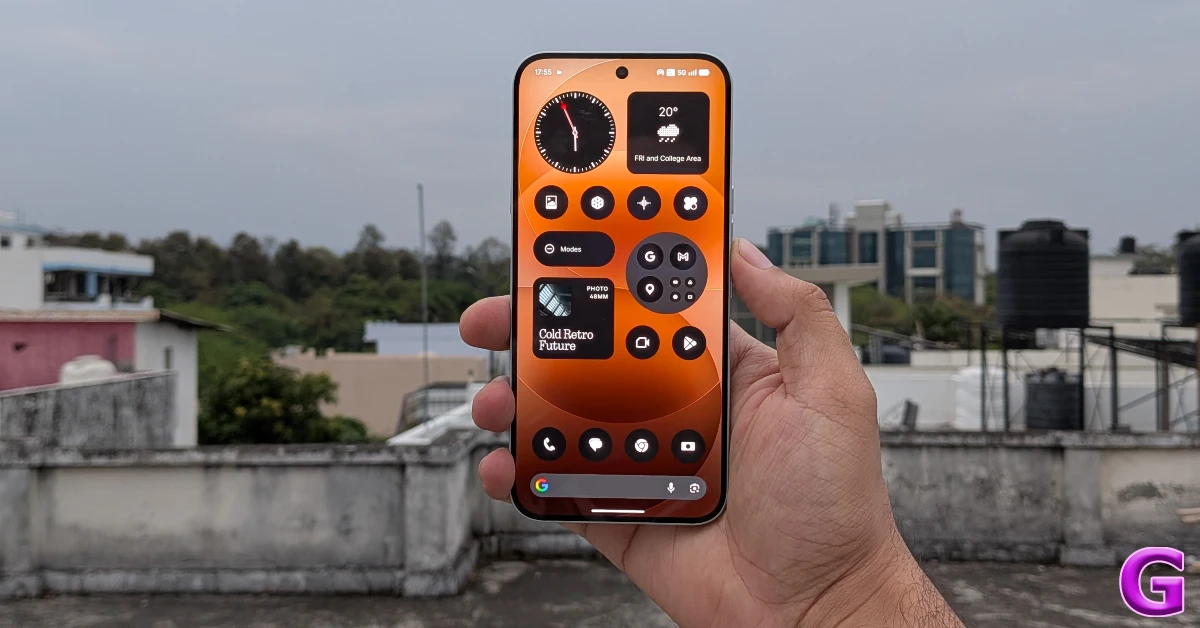
Nothing’s custom Android skin remains one of our favourites in the game. For starters, Nothing OS 4.1 gets the most out of the processor with its clever optimisations. The screen transitions, app animations, and other smooth refreshes make you feel like you’re always on top of things. Aesthetically, Nothing OS has grown into its own over the years. While it still rests on the foundation of stock Android 16, its native home page widgets, dark app icons, and dot matrix font bring a unique flair to the overall software experience.
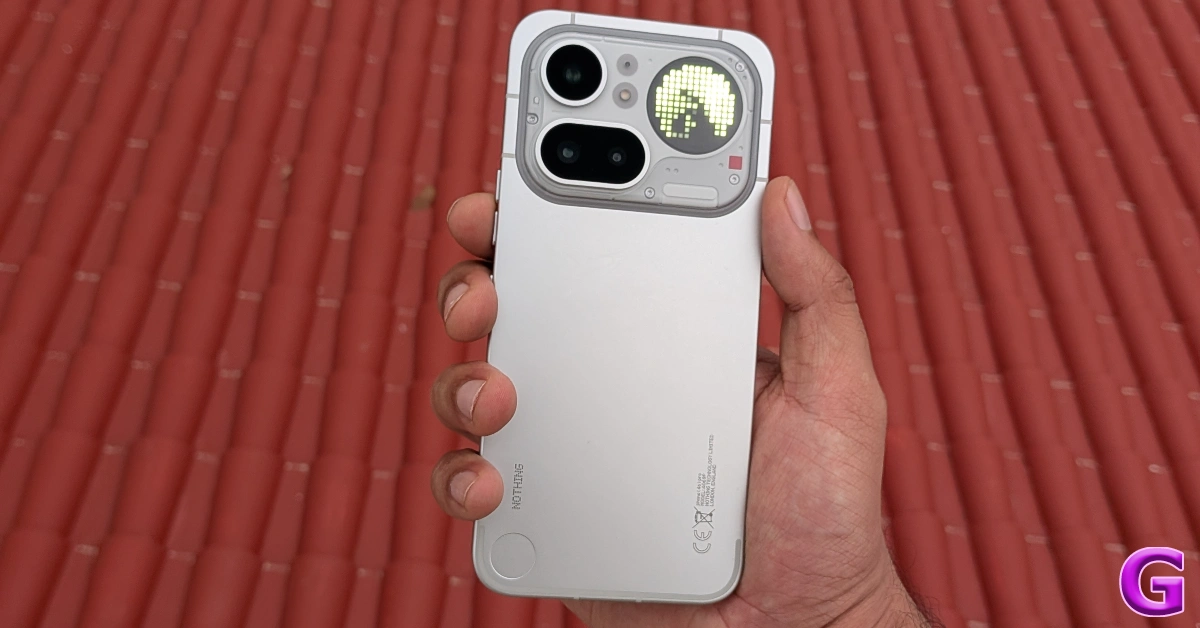
Nothing OS 4.1 taps into the potential of the Glyph Matrix by letting you assign ‘Essential Notifications’ to specific apps and contacts. Not only can you get it to light up for messages received from certain contacts, but also for specific keywords. If you don’t like the native library of Glyph icons, you can create one using an image in your gallery. Apart from notification alerts, this matrix can also track your Zomato orders and Uber car rides. It doesn’t get the full set of Glyph Toys from the Phone (3), but there are 4 Always-on Glyph Toys that you can pin on the matrix – Digital Clock, Battery/Charging Status, Solar Path, and Moon Phase. We also recommend checking out the community-driven Nothing Playground for more cool stuff.
In the age of massive Si/C batteries, the Nothing Phone (4a) Pro packs a humble 5,400mAh unit under its hood. It gives you a standard 1-day battery life that spills over to the next day if you’re conservative with your usage. On days with 5-6 hours of screen time, we were left with ~25% charge in the tank. Needless to say, the smartphone kept any kind of battery anxiety at bay. The retail box does not come with a power adapter, but the smartphone supports 50W wired charging. It took us just over an hour to fully charge the device.
The rear camera plateau houses a 50MP primary shooter, an 8MP ultrawide lens, and a 50MP periscope telephoto lens with 3.5x optical zoom. The red square on this plateau isn’t just an accent – it starts blinking when you start a video recording. Up front, a 32MP sensor is housed in a punch-hole cutout.
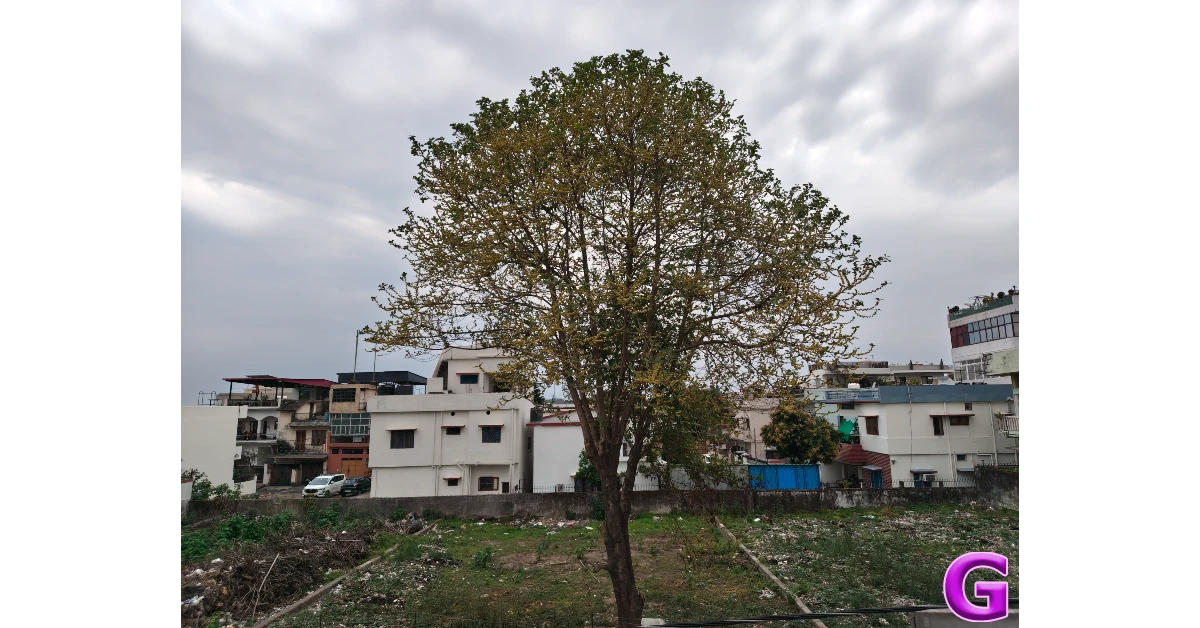
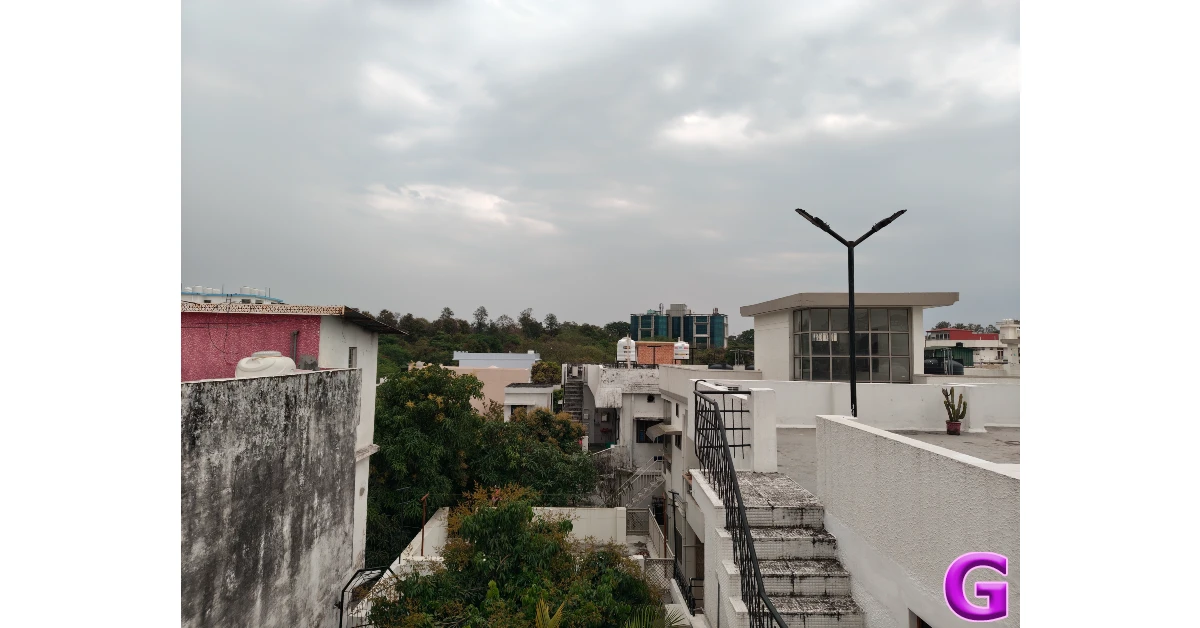
The 50MP primary shooter takes good shots in outdoor daylight conditions. The images showcase good details and balanced colours. The preset filters in the native Camera app are fun to play with. In limited lighting conditions, the camera relies on Night Mode to light up the shot and resolve the noise. We like how the smartphone assigns accurate colours to the shot without overexposing any details.
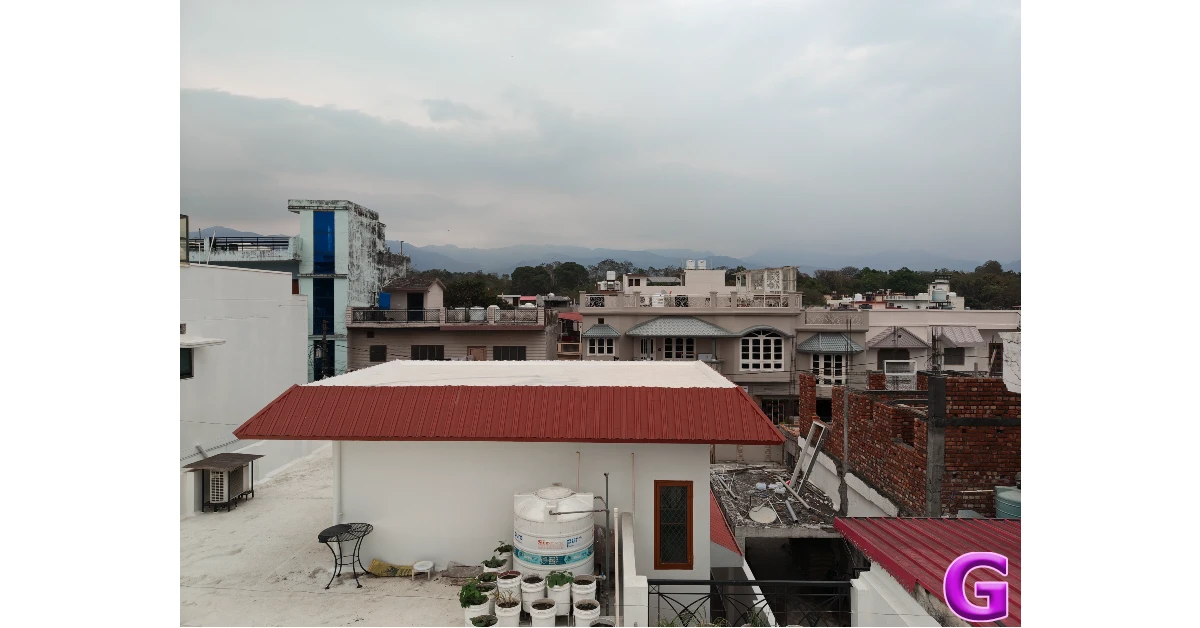
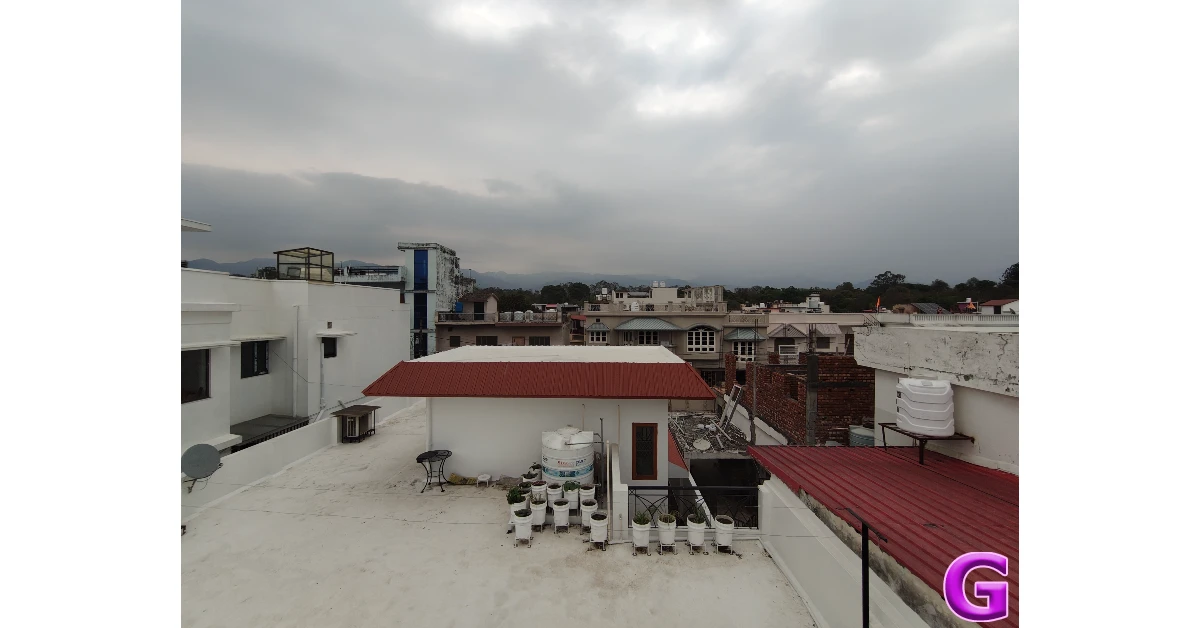
The 8MP ultrawide lens takes relatively softer shots with a slight tonal shift, but the final results are still passable. You can rely on this camera in outdoor daylight conditions. However, in limited lighting, it struggles to get rid of the grain, leading to noisy shots. On the other hand, the 50MP telephoto lens takes pleasing images with 3.5x optical zoom. These shots are much closer to the ones taken by the primary shooter.
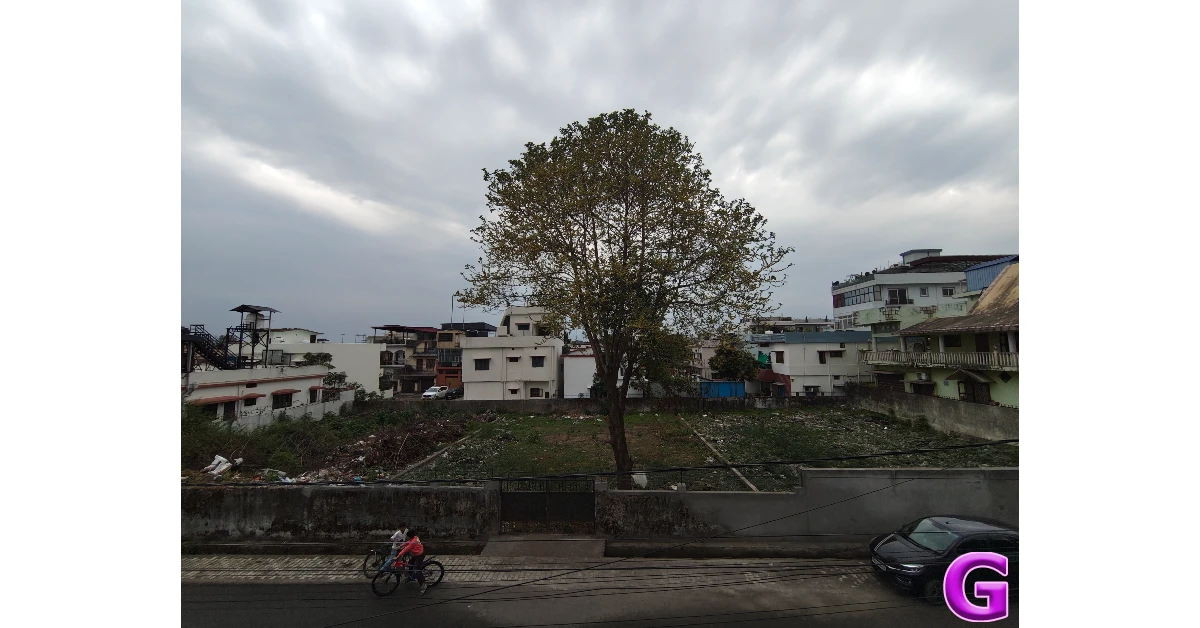

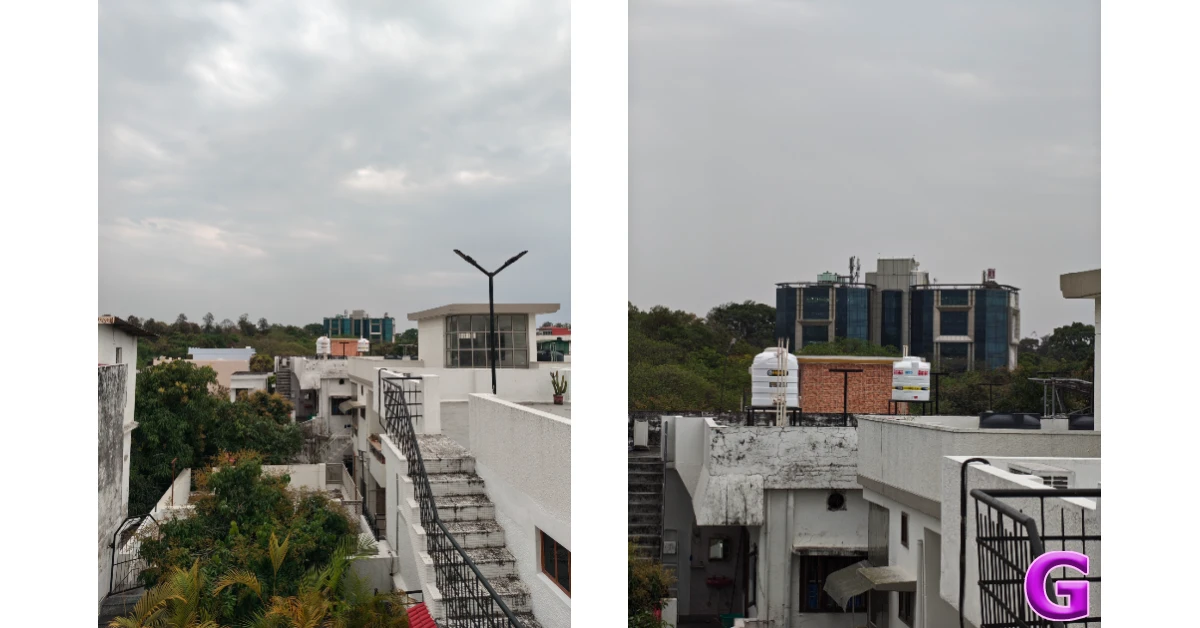
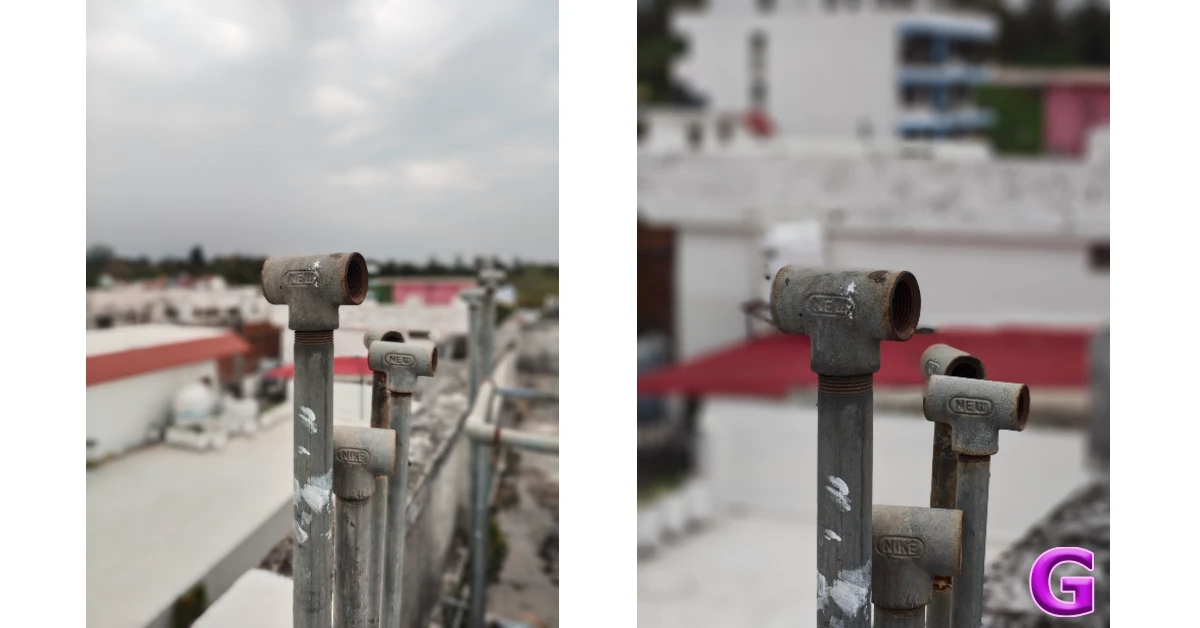
Portrait shots taken by the Phone (4a) Pro are detailed and well-focused. You can choose from 3 zoom levels – 1x, 2x, and 3.5x. We stuck to the 3.5x telephoto lens due to its shallow depth of field. The primary shooter often struggled with edge detection while taking portrait shots. The front-facing 32MP camera takes clear and detailed selfies. It keeps tone and texture correction to a minimum, which results in natural-looking shots. This camera can record 1,080p videos at 30 and 60fps. The lack of 4K recording is a bit of a letdown. The ultrawide lens cannot record 4K footage either. This resolution is exclusively available on the primary camera.
Read Also: Realme P4 Lite 5G with 7,000mAh battery launched in India
Verdict
The Nothing Phone (4a) Pro feels like a breath of fresh air in a segment that has been stylistically stagnated for several years. At a time when most manufacturers choose to take the safer route when it comes to design, Nothing has routinely shown that it isn’t afraid to experiment. In the Phone (4a) Pro’s case, this philosophy has paid off massively. It is a looker, but it can also back it up in terms of performance. Sure, it may not rock the most powerful chipset in the segment, but the software does a splendid job of ensuring you don’t notice the gap in benchmark numbers in everyday use. In our books, it is a great deal at Rs 40,000.
Pros
- Cool design
- Smooth display
- Amazing software experience
Cons
- Selfie camera cannot record 4K videos


 Pro for a week, here is our in-depth review of the smartphone. Its prices start at Rs 39,999.)