


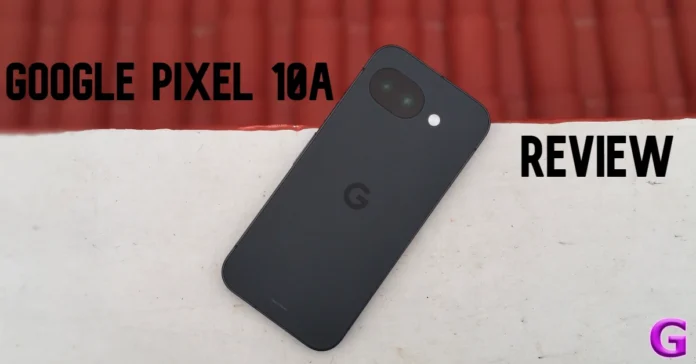
Last year, Google reinvented its ‘A’ series with the Pixel 9a. The smartphone got rid of the camera bump and embraced a compact form factor without sacrificing significant battery capacity. Its successor, Pixel 10a, is understandably an iterative update. It gets a slightly brighter display, faster charging, upgraded Gorilla Glass (7i) protection, and new colour options. It retains the processor and camera array of its predecessor (our review here). We used the smartphone for a week to find out if it’s worth the Rs 49,999 price tag. Dive into our Google Pixel 10a review to learn the answer.
Read Also: Lava Bold N2 Pro with a 50-megapixel back camera launched in India
In This Article
Google Pixel 10a Review: Design and Display
Box Contents
- Smartphone
- USB-C to USB-C cable
- SIM ejector
- Safety guide
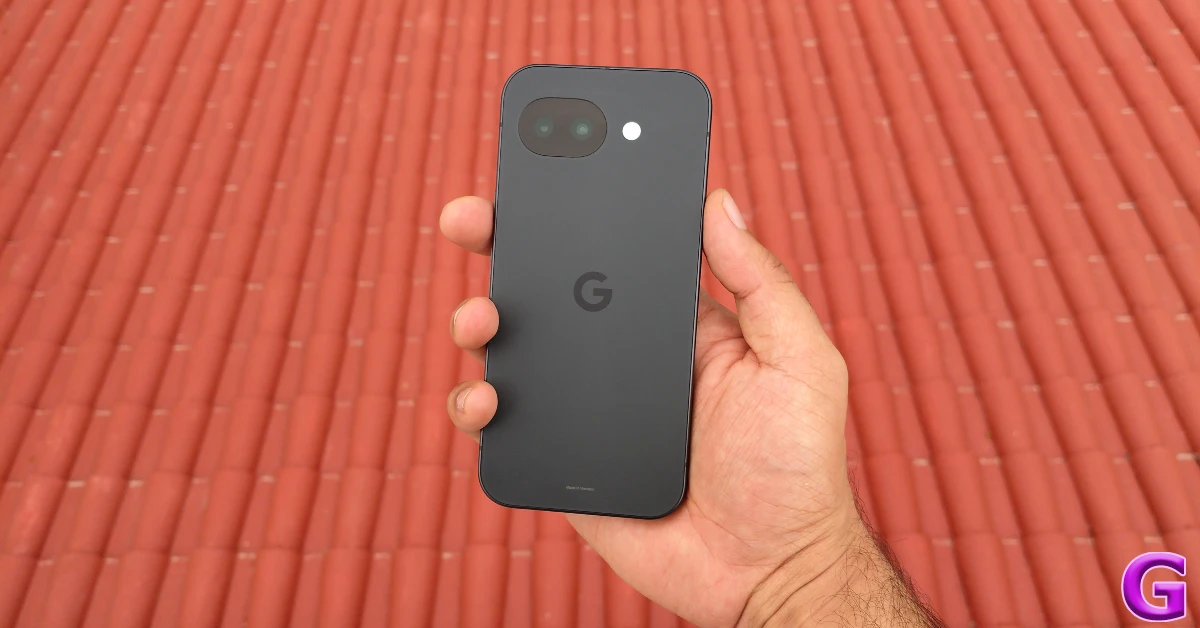
The Pixel 10a looks identical to its predecessor. The oval-shaped camera cutout sits flush on the back panel with the LED flash right next to it. It no longer has an outer frame, which makes it all the more even. The flat back panel is made out of plastic, but its matte finish lends it a nice in-hand feel. The Google logo lies right in the middle of this panel. We also got our hands on the official silicone case for this smartphone. It does a good job of keeping smudges and fingerprints at bay while protecting the device against scuffs, scratches, and light knocks. The only drawback is that it doesn’t support Pixelsnap.
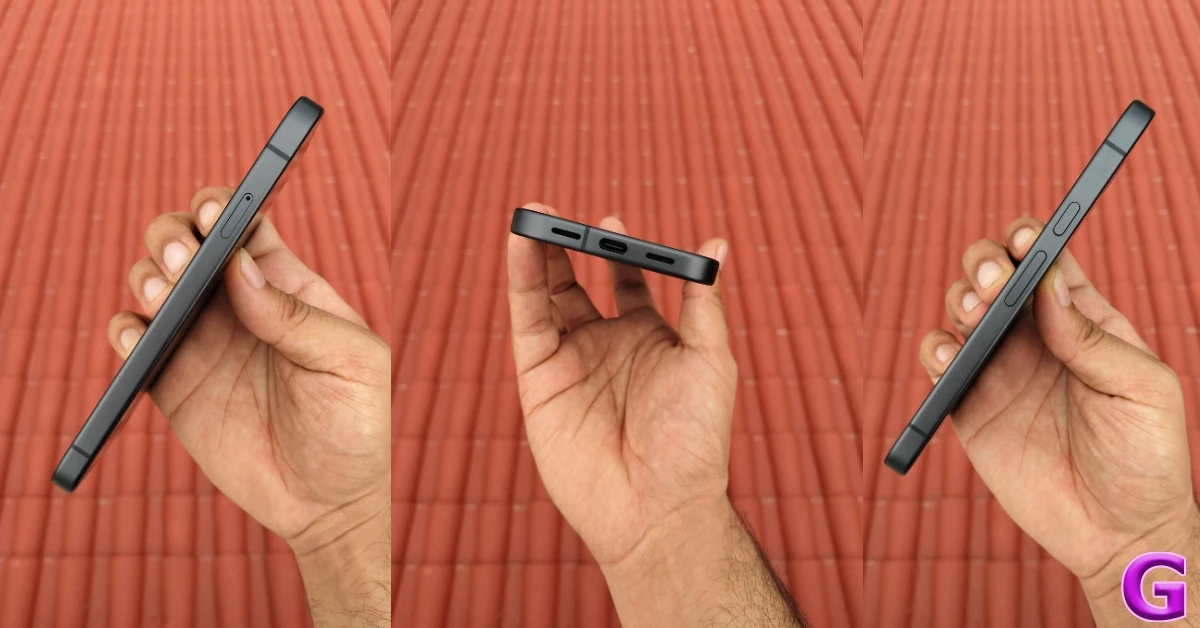
Instead of housing the SIM tray at the bottom, Google has placed it on the left edge of the Pixel 10a’s aluminium frame. The bottom edge has two slits for the microphone and speaker, with a USB-C port in the middle. The earpiece acts as the secondary speaker. The noise-cancelling microphone is placed on the top edge. The right edge accommodates the side key and the volume rocker. The smartphone is rated IP68 for protection against dust and water. It is immersible in water for up to 1.5m for 30 minutes.
The familiar 6.3-inch p-OLED is still surrounded by chunky bezels on all sides. However, it is able to reach 2,000 nits in High Brightness Mode, while hitting a peak brightness of 3,000 nits while playing HDR content. This makes it slightly brighter than the Pixel 9a’s display, which reached 1,800 nits and 2,700 nits of high and peak brightness, respectively. With a 120Hz refresh rate, this display is smooth to the touch. The optical fingerprint scanner is placed at the ideal spot for natural thumb movement – something of a rarity these days, as most midrange smartphones go for a lower placement.
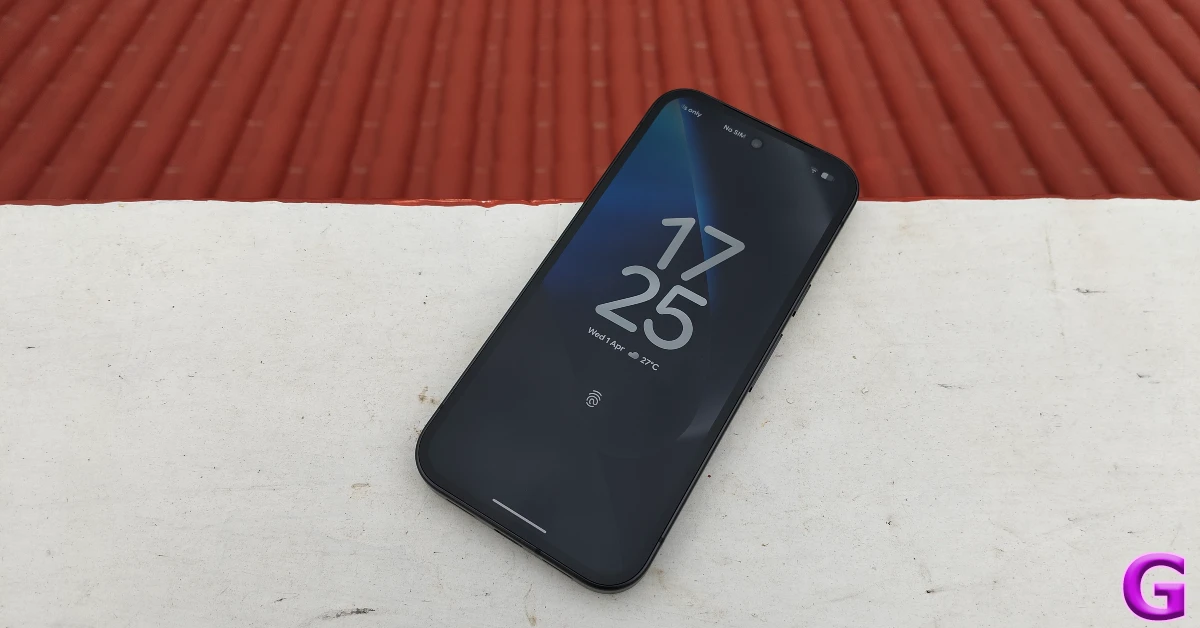
We used the Google Pixel 10a to stream content across major OTT platforms like Netflix, JioHotstar, and Prime Video. The 1,080p display did a good job of relaying HD content, packing the visuals with rich colours and delectable contrast. The thick bezels were distracting at first, but we got used to them over time. The stereo speaker setup produced a warm audio output with minimal distortion even at the maximum volume limit.
Google Pixel 10a Review: Performance and Cameras
The Pixel 10a remains unchanged under the hood. It carries forward the Google Tensor G4 processor of its predecessor. The smartphone comes in a single 8GB LPDDR5X RAM and 256 GB UF3.1 storage variant, priced at Rs 49,999.
We ran a couple of benchmark tests on the Pixel 10a. Here is how it performed.
- AnTuTu 3D: 1,290,470
- Geekbench 6: 1,663 (single-core) | 3,836 (multi-core)
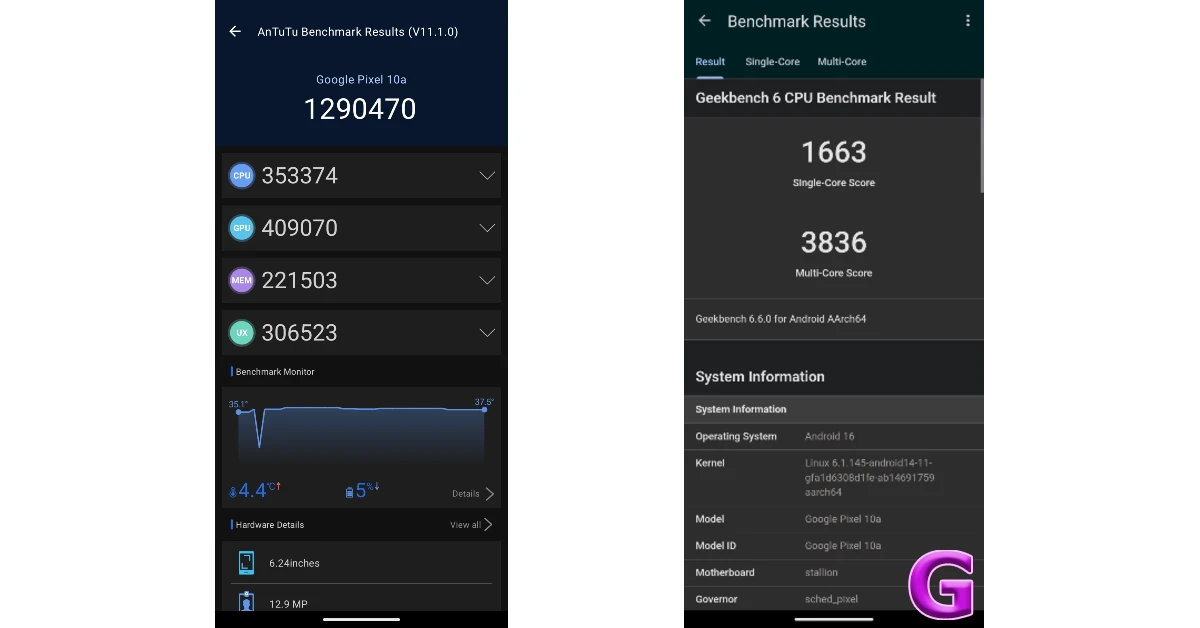
Unsurprisingly, the Pixel 10a’s benchmark numbers didn’t stray too far from its predecessor’s. It retained the rock-solid everyday performance, handling routine tasks like calling, instant messaging, web browsing, emailing, media streaming, and navigation with ease. The apps loaded instantly and were managed intelligently in the background. The haptic motor produced a satisfying vibrational feedback that made the overall experience all the more fun.
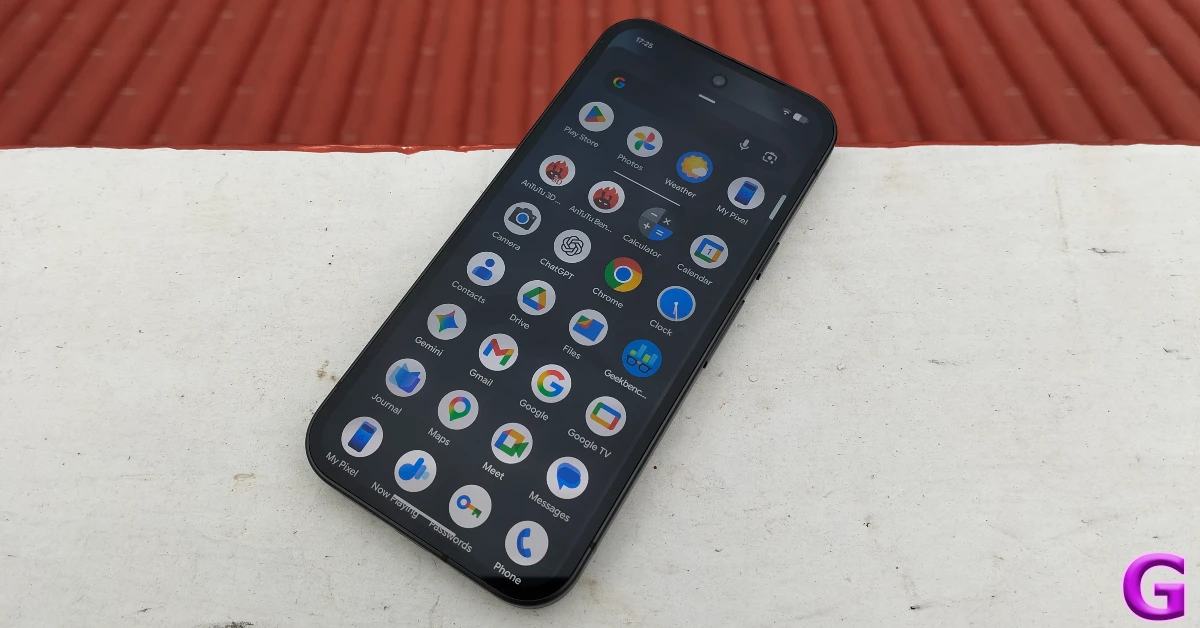
If the benchmark numbers don’t make it abundantly clear, the Pixel 10a isn’t a gaming powerhouse. This doesn’t mean that it can’t handle titles like BGMI and Call of Duty Mobile. We got a consistent, stutter-free gameplay experience at 60fps frame rate and low graphics settings. Choosing better graphics means settling for a lower frame rate. The back panel starts warming up after 20 minutes of gaming. This is the kind of baseline gaming performance that we’ve come to expect from Google’s midrange smartphone series. It isn’t out of the world, which is fine because the Pixel 10a doesn’t have any pretensions of being a gaming beast.
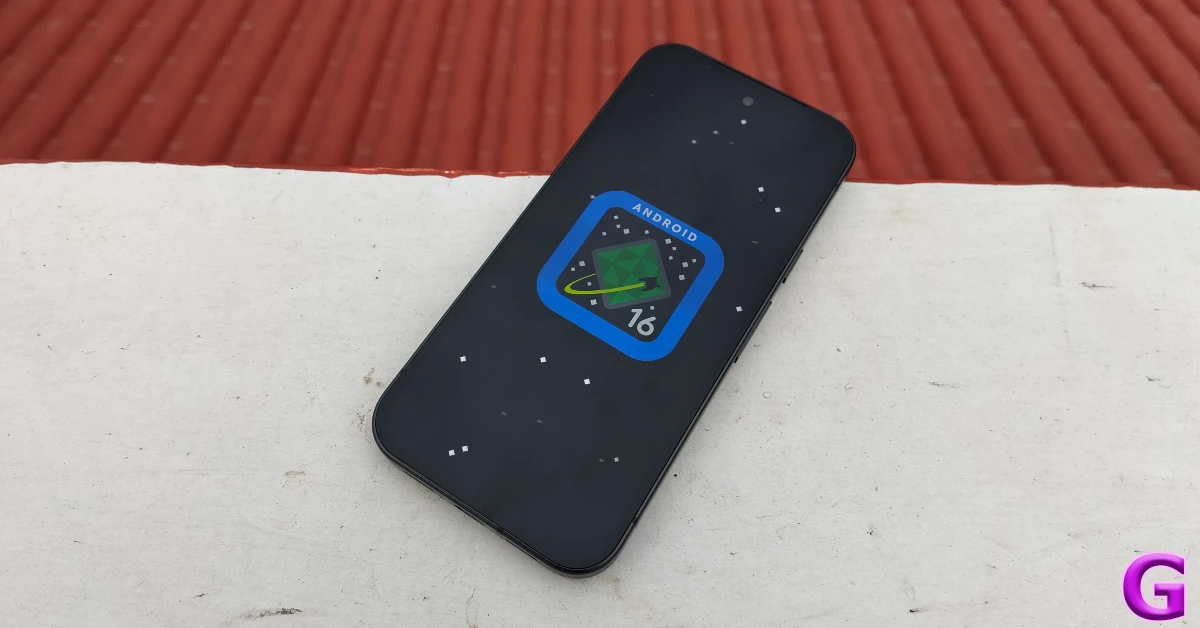
What the Pixel 10a boldly professes is its smart software experience. You get bloatware-free, stock Android 16 out of the box. Google has promised 7 major OS upgrades out of the box. Aesthetically, Android 16 pleases with its Material 3 Expressive design language and smooth animations. You always feel over the top of your tasks, even though the Tensor G4 isn’t the fastest processor out there.
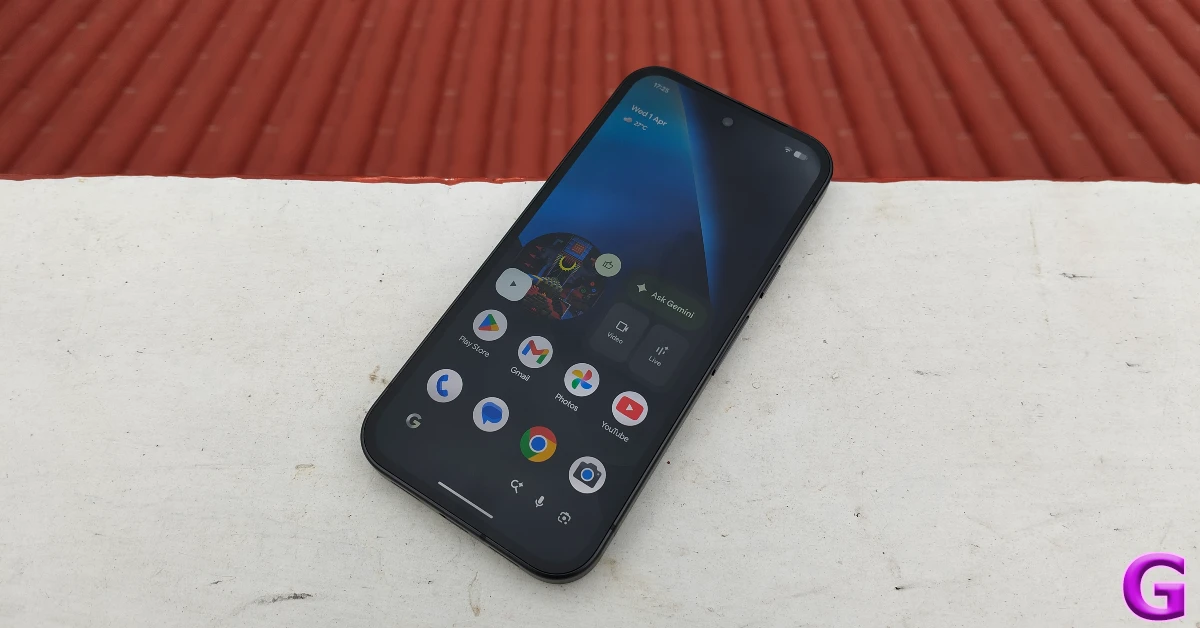
On the AI front, you get Magic Cue, which is one of the most exciting features from Google’s labs in a while. It quietly gathers key information across Google services and apps and presents it wherever necessary. For example, you could be chatting with your friend about your impending visit, and Magic Cue will immediately pop up with your flight details. It is a handy tool that feels ‘magical’ or dystopian – depending on where you lie on the ethical AI usage spectrum.
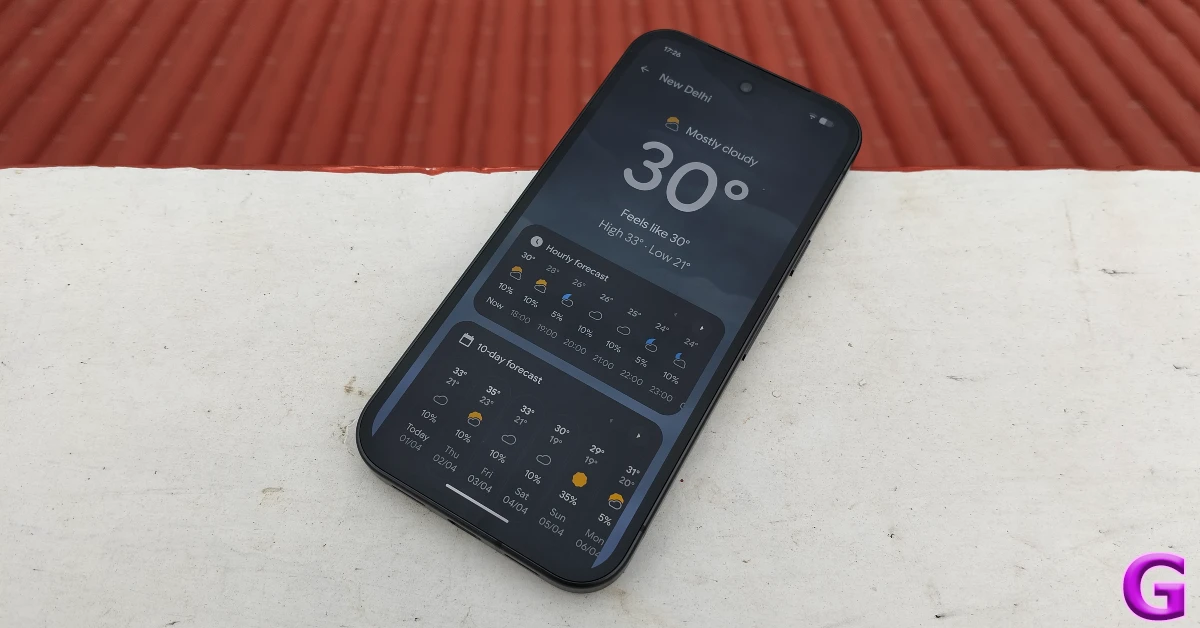
The 5,100mAh battery pack can get you through a day of heavy use without a top-up. We found ourselves with a 20-30% charge left in the tank after racking up 5-6 hours of screen time. Google has upgraded the Pixel 10a’s wired charging speed to 30W. This allows it to reach a 50% charge in 30 minutes. A full charge takes up to 80 minutes. The wireless charging speed is capped at 10W, but the smartphone does not support Pixelsnap.
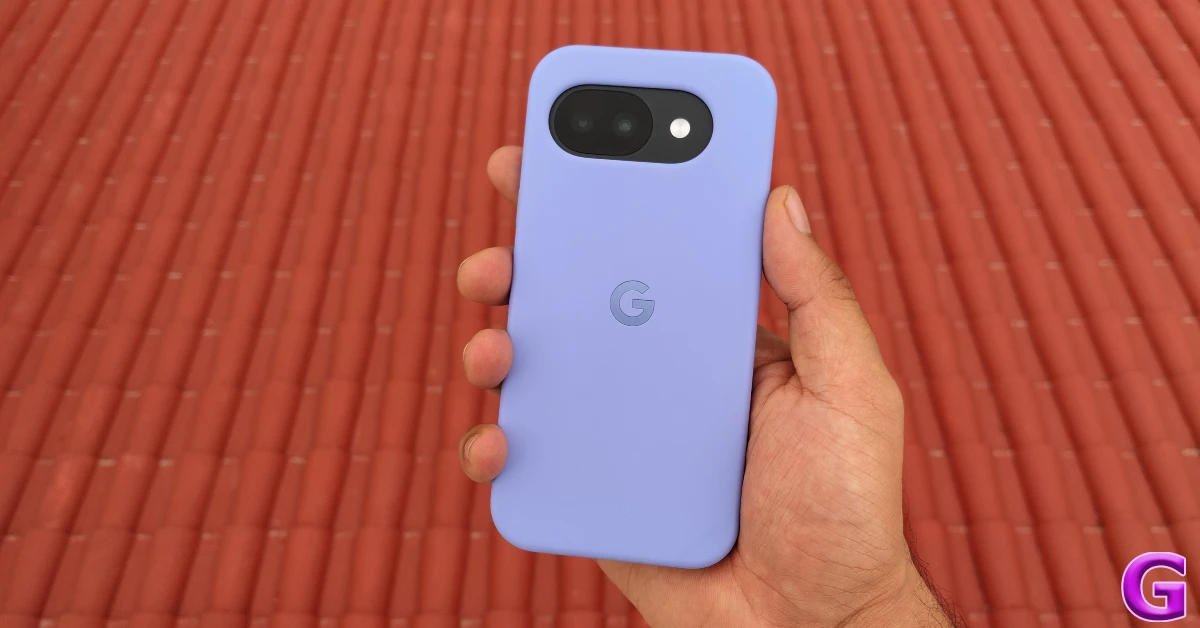
Things remain unchanged on the camera front as well. The rear camera array comprises a 48MP primary shooter and a 13MP ultrawide lens. The 13MP front-facing camera is nestled inside a punch-hole cutout on the display.
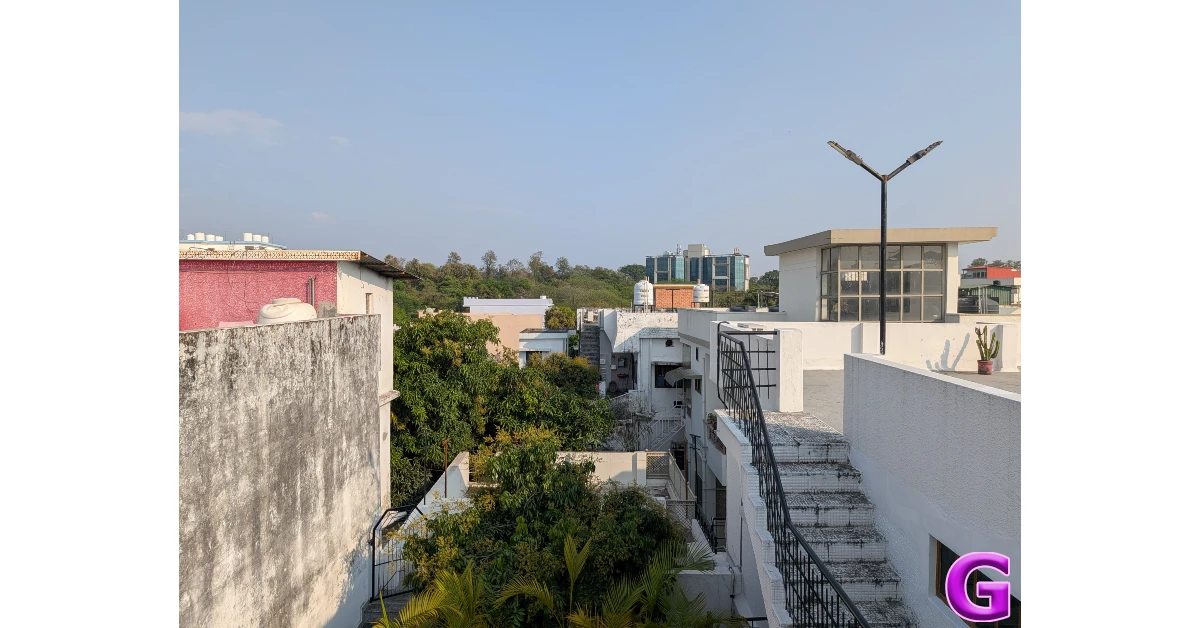
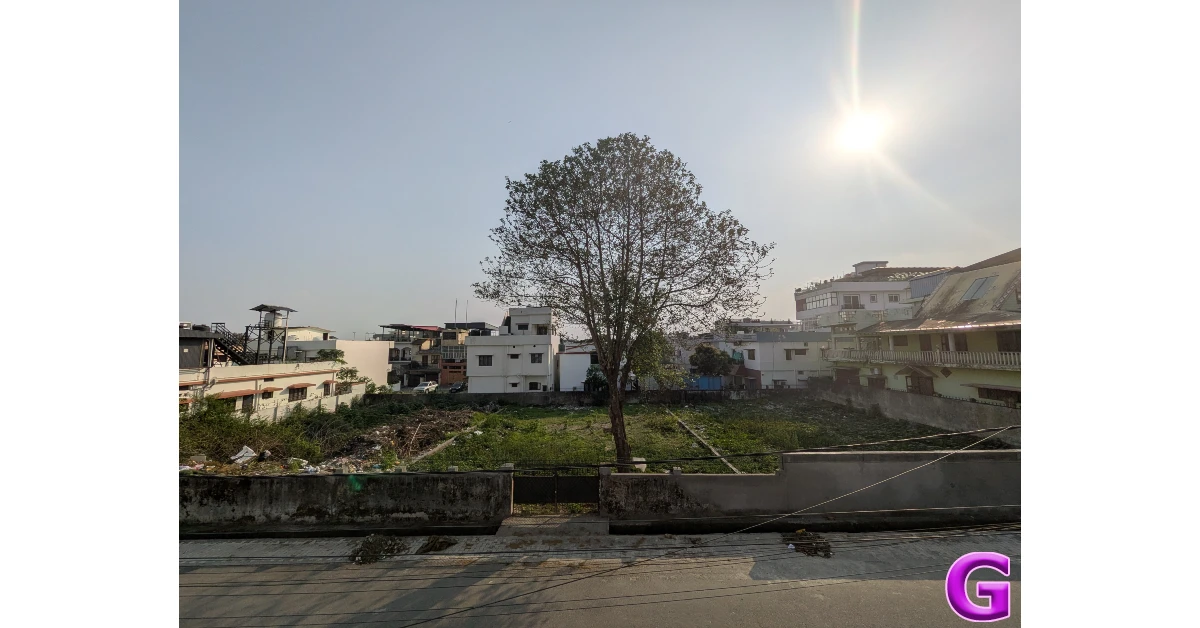
The 40MP primary shooter captures balanced, natural-looking pictures in outdoor daylight conditions. The crisp images showcase vibrant colours with tasteful contrast and dynamic range. In limited lighting conditions, the smartphone does a good job of assigning accurate colours to the images without overblowing the results.
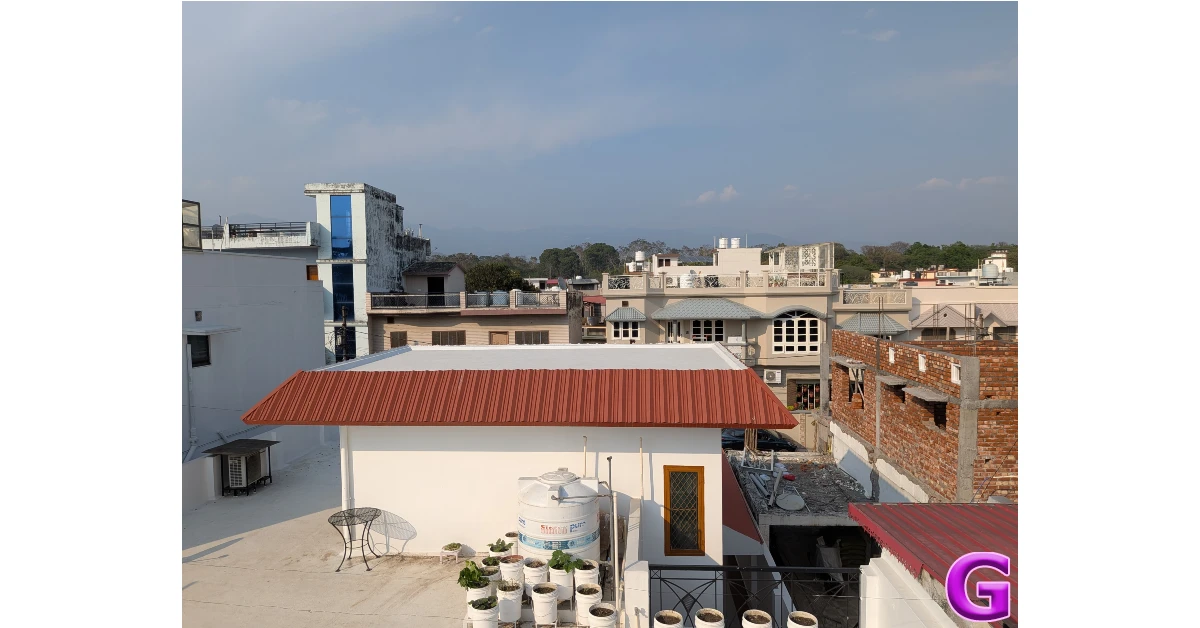
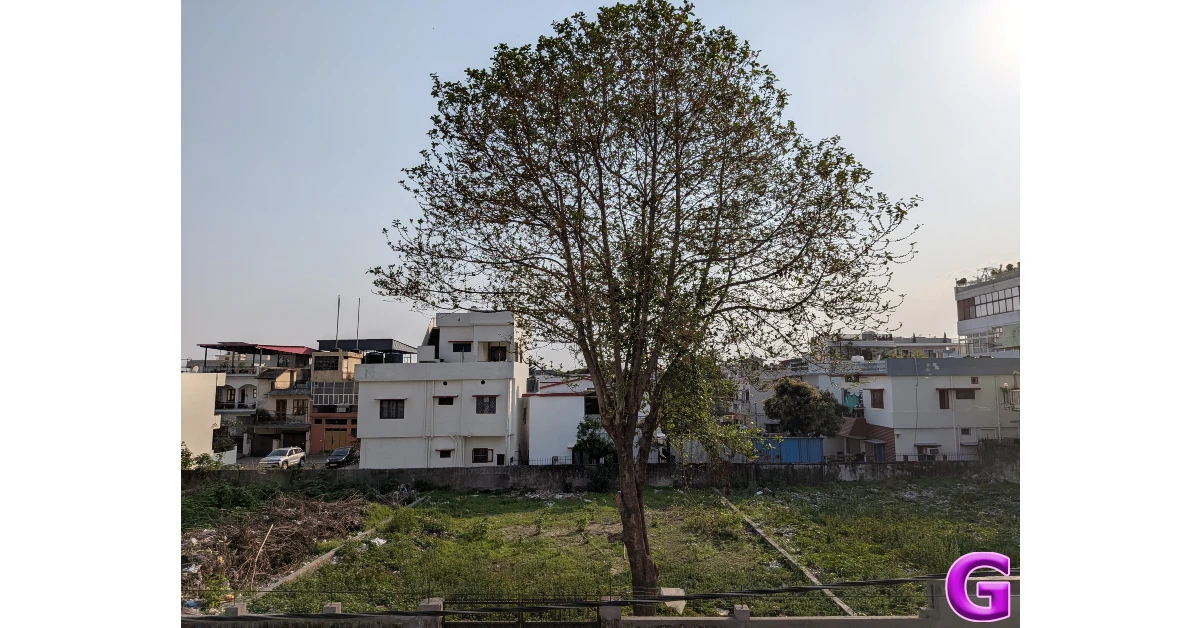
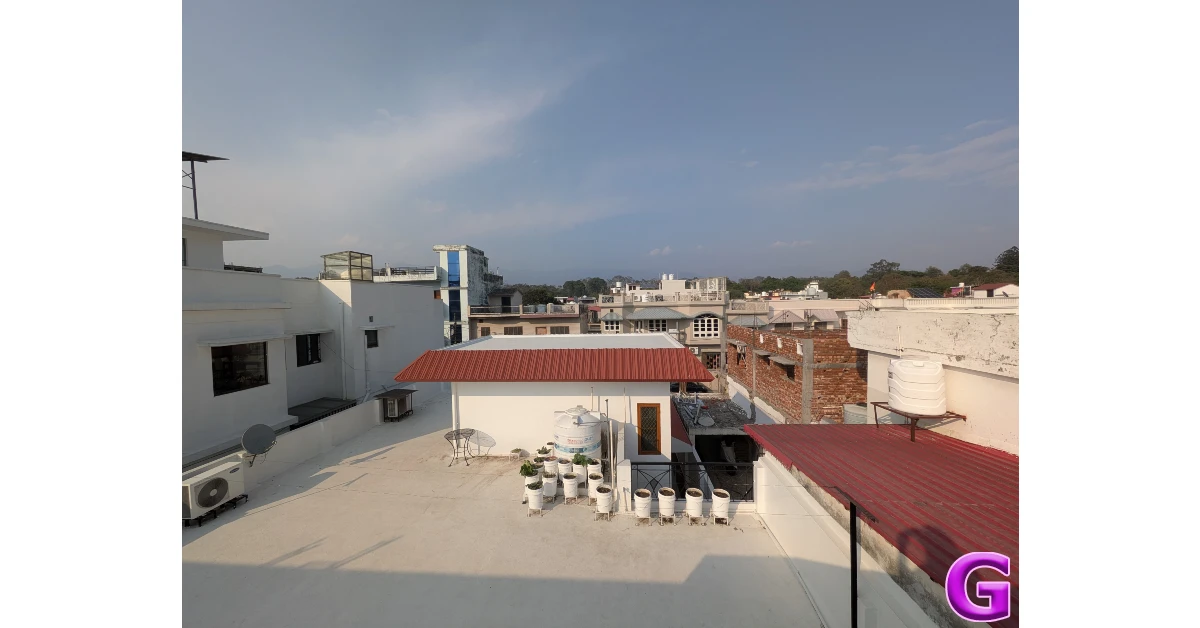
Images taken with the 13MP ultrawide lens are a tad softer compared to the shots from the primary shooter. However, these images bridge the gap in details with tasteful and vibrant colours. In limited lighting conditions, the Night Mode kicks in to save the day, but the results are noticeably grainy.
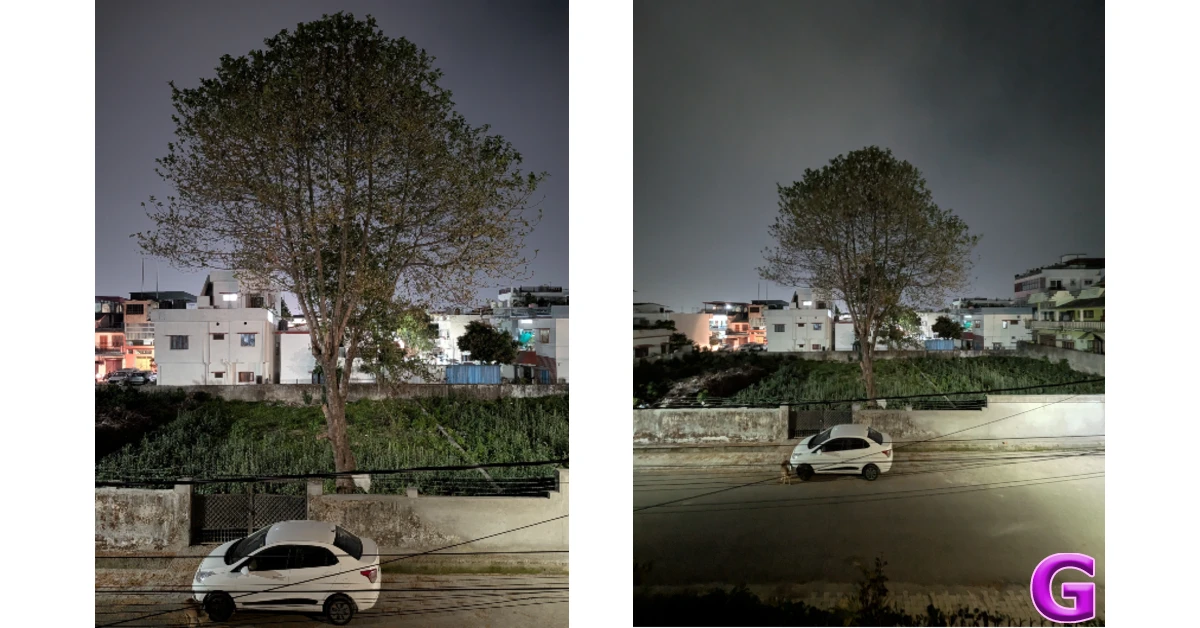
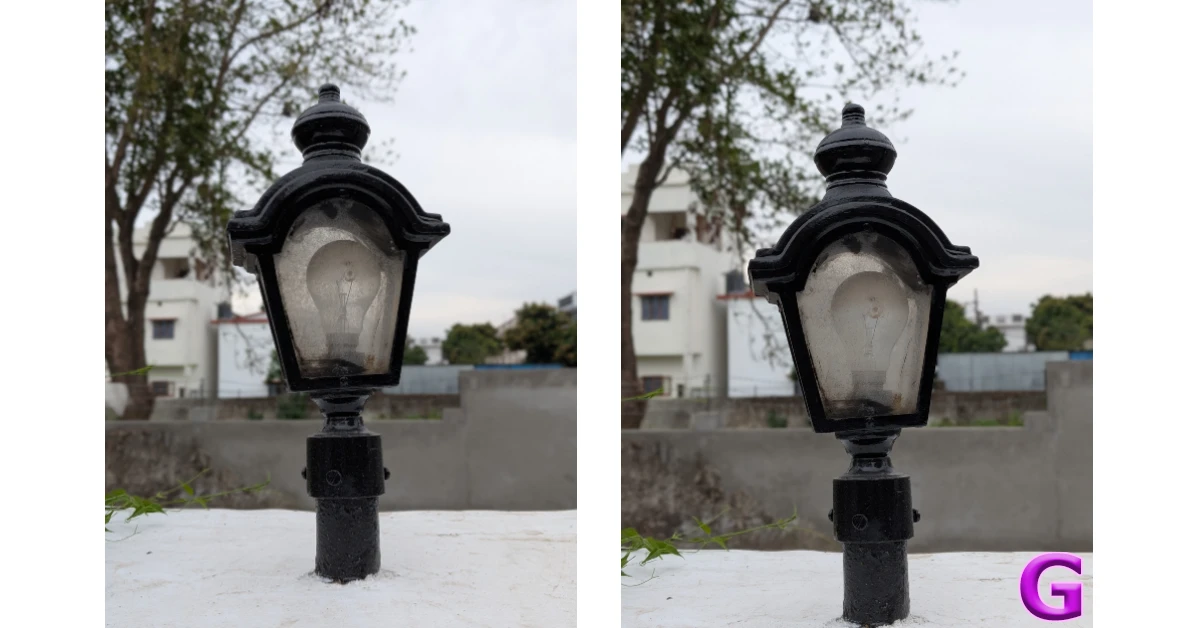
Portraits taken by the primary shooter are clear and well-focused, but the background blur leaves more to be desired. Even though the rear camera array lacks a telephoto lens, the Portrait Mode allows you to take 2x shots. The 13MP front-facing camera takes clear selfies without overcorrecting the skin tone and texture. These results are some of the best we’ve seen from a smartphone in this price bracket. The selfie and ultrawide cameras can record 4K videos at 30fps. Meanwhile, the main lens can shoot 4K footage at 30 and 60fps.
Read Also: Xiaomi TV S Mini LED 2026 India launch teased: launch date, specs
Verdict
Despite receiving an incremental upgrade, the Pixel 10a remains one of the most reliable smartphones in its price category. Its compact form factor is impressive when you consider the kind of mileage you can get out of its 5,100mAh battery. The p-OLED display is brighter than before and offers a good viewing experience. Google’s in-house Tensor G4 can handle routine tasks and light gaming without any hiccups. The primary, ultrawide, and selfie cameras produce good results in a range of lighting conditions. The software experience offered by Android 16 remains ahead of the curve. The addition of Pixelsnap magnetic charging would have been nice, but the Pixel 10a is still a great deal at Rs 49,999.
Pros
- Compact form factor
- No camera bump
- Clean software experience
- Good battery life
Cons
- Lacks Pixelsnap
- Thick bezels around the display


