


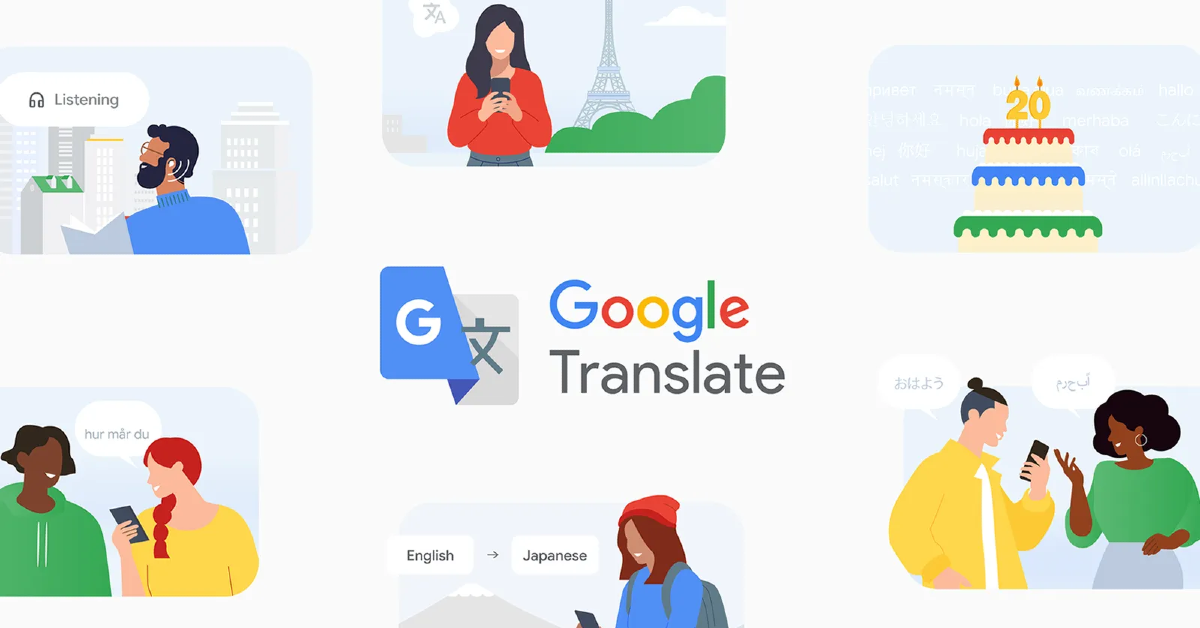

As Google Translate turns 20 this month, the company is celebrating its anniversary by introducing a new function that users have been requesting. It has gained a feature that will help you fix your pronunciation using Gemini.
Translate has launched a new pronunciation tool as part of its 20th anniversary celebrations. This function allows users to successfully practice pronunciation on the Android version of the Translate app.
The function is presently available in the United States and India and supports three languages – English, Spanish and Hindi.
Users may readily access this feature by tapping on the “ask” and “understand” choices, which give contextual information and other pronunciations. The application uses AI-powered technology to analyse users’ voices and provide quick feedback to help them improve their pronunciation abilities. This programme is designed to better prepare users for pronunciation and communication in real-world situations.
Also Read: Samsung Wallet brings the Trips feature for compatible Galaxy mobile phones
The company, via blog post, said, “Twenty years ago, Google Translate began with a profound mission to help people understand one another, regardless of the language they speak. In the two decades since, we’ve worked to turn the science of language into the magic of connection. What started as a small experiment is now a global tool that helps people every day, from connecting with new people while travelling to learning a new language to support their career.”
Also Read: Garena Free Fire Max Redeem Codes Today 29 April 2026: Here is how to claim them
Google Translate, an artificial intelligence project that began in 2006, has come a long way in over two decades. Since its official introduction on April 28, 2006, the service has grown to serve almost 250 languages, showing vast expansion and development from the beginning. This trajectory highlights the progress in AI and machine learning that has changed translation technology.
Also Read: Amazon Quiz Answers Today 29 April 2026: Participate to win Up To Rs 500 Amazon Pay Balance
In 2016, Google made a significant advancement by transitioning to neural networks. This helped them to overcome the challenges of literal translation. This novel technique used sequence-to-sequence models and Tensor Processing Units (TPUs) and demonstrated the wider potential of deep learning to improve translation services. Translate continues to gain ground, with the addition of AI and Gemini models and the latest Tensor Processing Unit hardware developments that will enhance and extend its translation capabilities.


