



Key Takeaways
- OpenAI has introduced a new Dreaming memory architecture for ChatGPT, enhancing its ability to recall user preferences and personal details.
- This new memory system aims to address issues of staleness, accuracy, and scalability, supporting millions of users over extended periods.
- The 'dreaming' feature, launched in April 2025, allows ChatGPT to autonomously construct memories from conversation history, improving personalization and overcoming previous memory limitations.
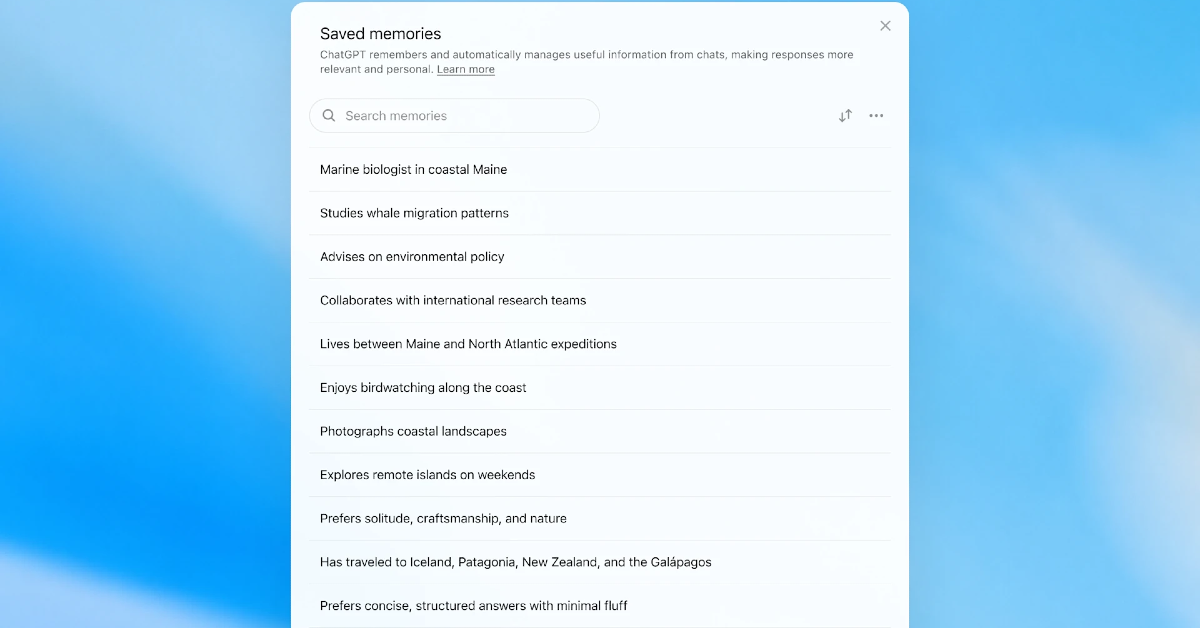
OpenAI has rolled out an update to ChatGPT’s memory features with a new Dreaming memory architecture. It enhances the chatbot’s ability to recall user preferences and personal details, alleviating the problem of old memories and trying to perform better. The technology is also built to help with improved memory management at scale, with a new summary page for users to look back on their memories.
A new memory synthesis system for ChatGPT is being developed to address concerns of staleness, accuracy, and scalability while supporting millions of users over long periods of time. This memory feature enables ChatGPT to remember specific user preferences, projects, and limitations, improving the contextuality of interactions. Its progress is critical for increasing ChatGPT’s value by enhancing its comprehension of user context over time. This upgrade is now accessible to Plus and Pro users in the United States, with plans to expand to additional countries as well as Free and Go users in the coming weeks.
Also Read: Amazon Quiz Answers Today June 6, 2026: Participate to win Up To Rs 500 Amazon Pay Balance
ChatGPT’s memory feature was launched in April 2024, enabling the model to remember information for future conversations. Initially, this memory was dependent on specific cues for activation, and so stored memories might become stale or useless as time passed. In April 2025, an upgrade introduced a feature known as “dreaming,” which empowered ChatGPT to draw from its conversation history and autonomously construct memories, dramatically boosting personalisation and tackling the staleness issues associated with the original memory system. The dreaming function, however, was not a stand-alone solution from the start.
Recent advances in design that use ideas from the dreaming process have made improvements in memory abilities and efficiency. Now, users can go back to their memories on a dedicated summary page, where they can also edit their information and specify their preferences about how ChatGPT recalls events and facts during conversations. But this continual evolution is a major step towards a more natural and personalised user experience with the AI.
ChatGPT evaluates memory based on the continuity of beneficial context, adherence to user preferences, and the retention of up-to-date information over time. It lays out three big targets for memory: the ability to keep stored memories by 2024, the introduction of a ‘Dreaming V0’ feature in 2025, and a more advanced version dubbed ‘Dreaming V3’ in 2026.
Also Read: Garena Free Fire MAX Redeem Codes Today, June 6: Claim Weekend Evo Vault Weapon Crates and Rewards
In the context of carrying forward, ChatGPT exhibits how it can remember previous information from the user, which helps continue the discussion. This feature may be especially helpful in guiding more complex projects, such as suggesting the right camera gear after a discussion about camera equipment.
In addition, the ability to remember user preferences is a major feature of the ChatGPT’s memory. This capability makes replies more relevant, for example, in developing personalised holiday plans based on earlier conversations about wildlife photography and eating preferences.
Time-sensitive memory systems are critical for ensuring proper interactions, particularly because previous methods may become obsolete. For instance, if ChatGPT learns about an upcoming trip, it should subsequently update its memory to provide relevant suggestions. The “dreaming” system automatically refreshes memories over time, ensuring that replies stay relevant as circumstances change.
The dreaming memory function has been accessible in the past for Plus and Pro customers, but new upgrades have made it possible for free users to access a quality version of it while greatly reducing the computational expenses. Future improvements are expected to improve free users’ dreaming capabilities and memory for Plus and Pro users to make the experience more complex and responsive.


