


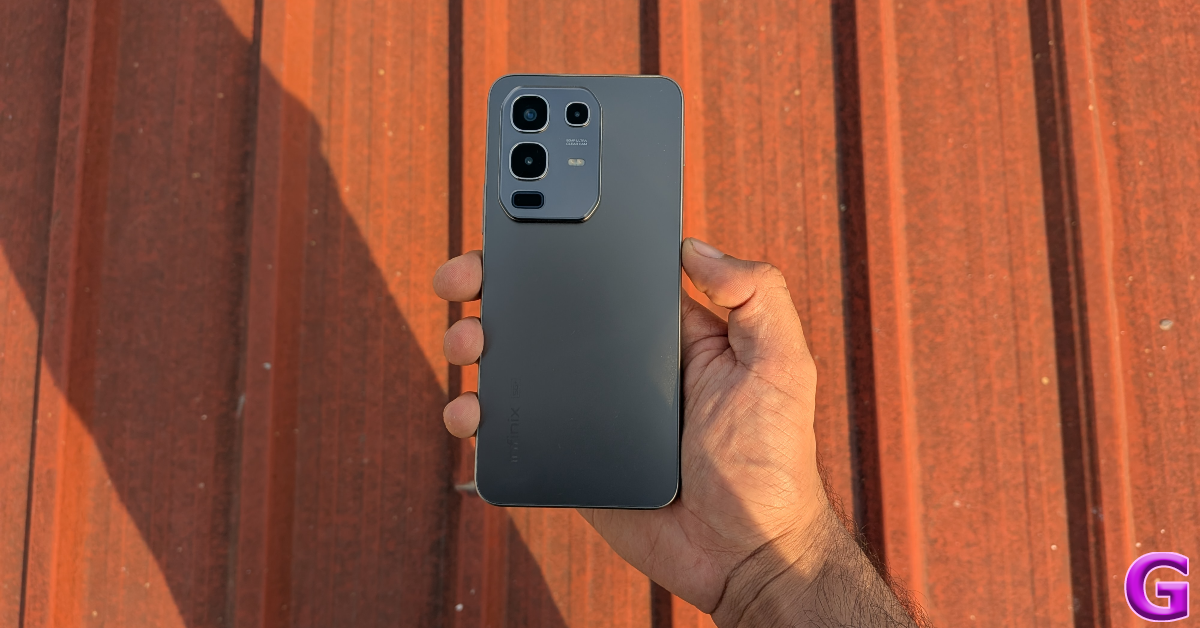
The global RAM shortage (or RAMageddon, as some folks prefer to call it) has driven smartphone prices through the roof. If you’re in the market for a budget phone, finding a reliable daily driver can be an uphill battle. To help you in this quest, we’ve collated some of the best devices from the last 2 years. Here are the top 10 phones priced under Rs 15,000 in September 2026.
In This Article
Samsung Galaxy F16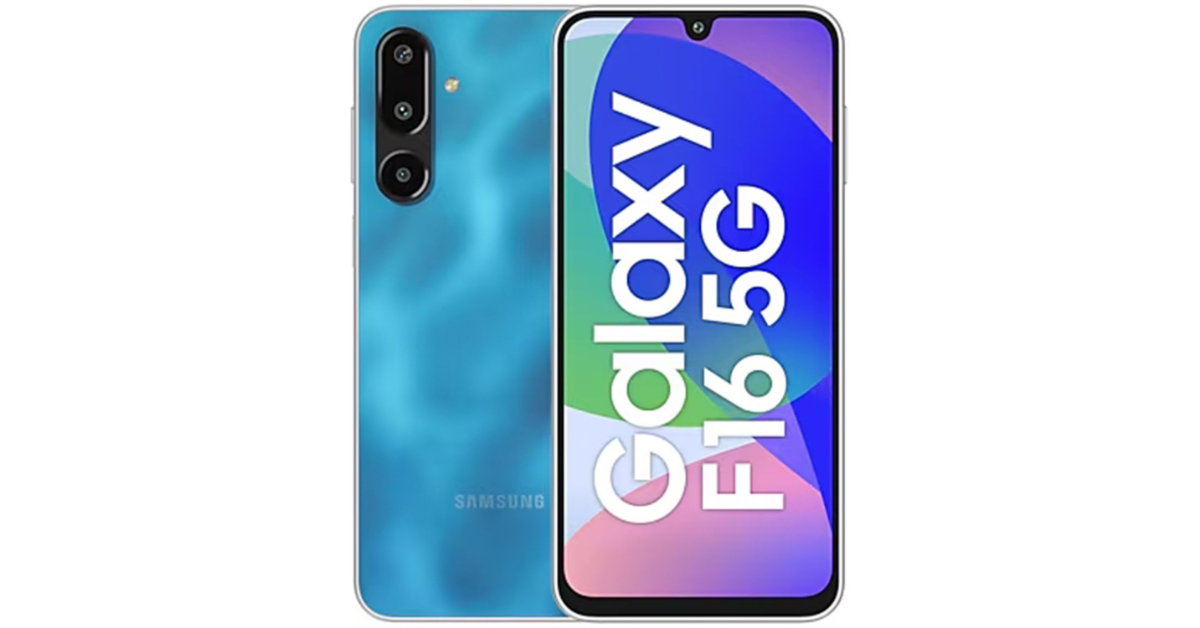
The Samsung Galaxy F16 is one of the finest phones you can buy under Rs 15,000 right now. Infact, it is one of the few smartphones with an AMOLED display in this price bracket. The 6.7-inch panel has a 90Hz refresh rate and can reach a peak brightness of 800 nits. At the core of the device lies the MediaTek Dimensity 6300 chipset. Software duties are handled by the Android 15-based One UI 8. The rear camera array comprises a 50MP primary shooter, a 5MP ultrawide lens, and a 2MP macro sensor. The 5,000mAh battery pack supports 25W wired charging.
Pros
- AMOLED display
- Ultrawide lens
- 6 OS updates
Cons
- Waterdrop notch on display
Moto G35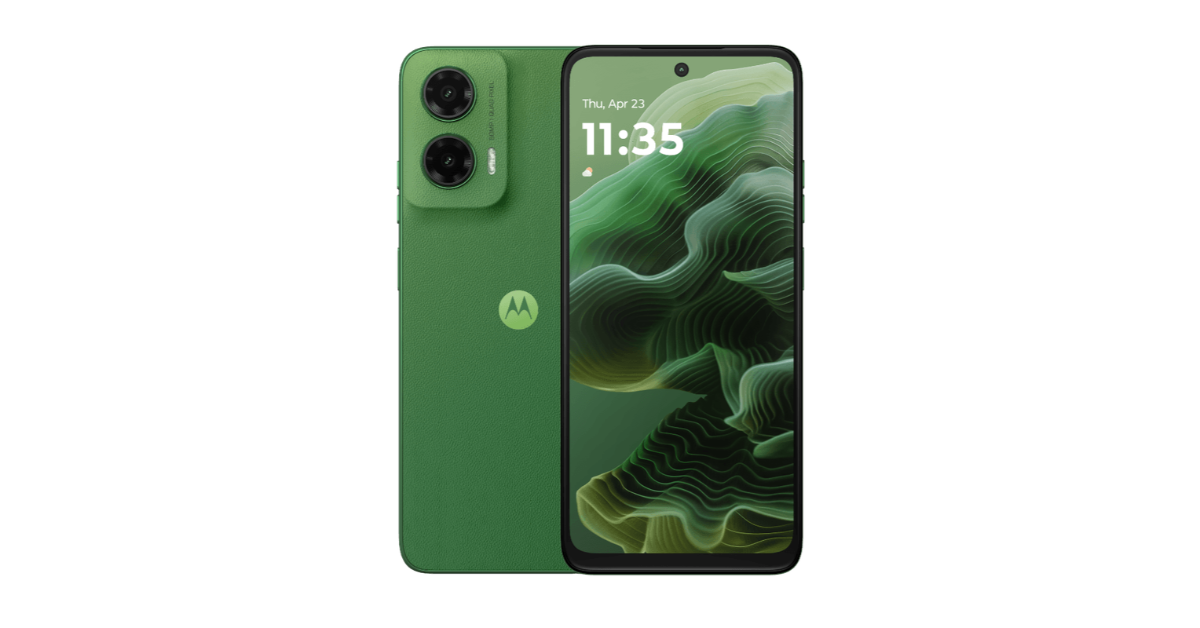
Moto G35 was launched at the tail end of 2024, but it is still one of the finest phones priced under Rs 15,000. It is powered by the Unisoc T760 processor and runs Android 14 out of the box. The 6.72-inch IPS LCD panel has a 120Hz refresh rate and can reach a peak brightness of 1,000 nits. The elevated camera island on the back panel houses a 50MP primary shooter and an 8MP ultrawide lens. The 16MP front-facing camera is housed inside a punch-hole cutout on the display. The 5,000mAh battery pack supports 18W charging.
Pros
- Nice design
- Ultrawide camera
- Expandable storage
Cons
- No IP rating
Redmi A7 Pro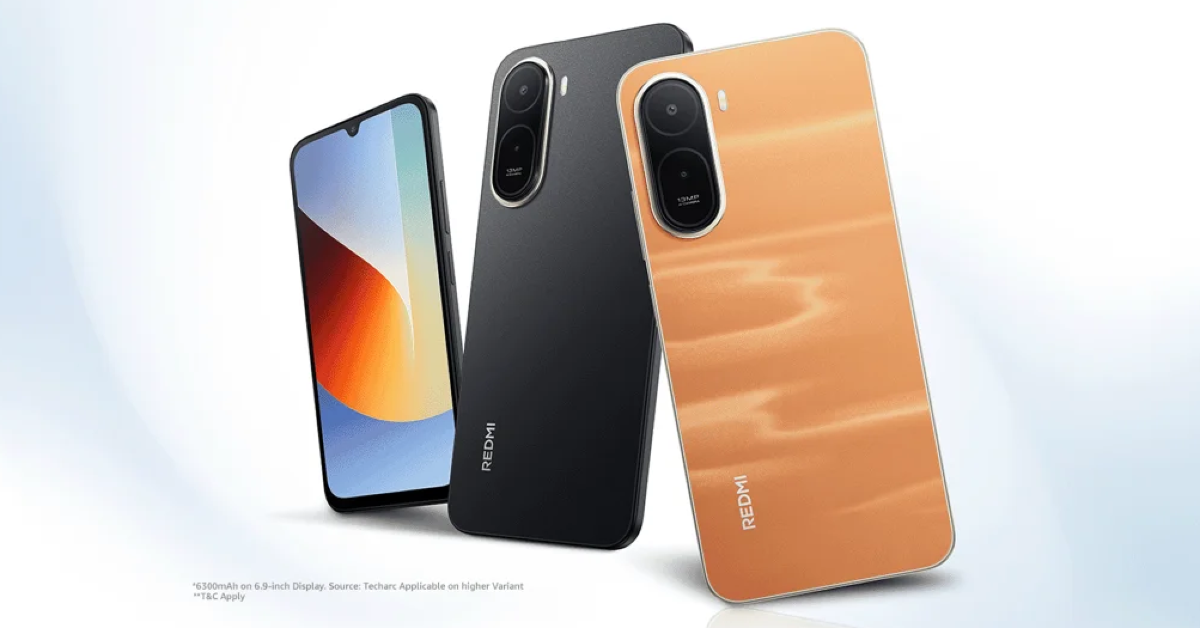
The Redmi A7 Pro is a relatively new offering in the sub-Rs 15,000 price bracket. This 5G smartphone packs the Unisoc T8300 chipset under its hood. Software duties are handled by the Android 16-based HyperOS 3. The 6.9-inch IPS LCD panel has a 120Hz refresh rate and can reach a peak brightness of 800 nits. The pill-shaped camera cutout on the back panel houses a 32MP primary shooter. An 8MP selfie camera is nestled inside a waterdrop notch on the display. The 6,300mAh battery pack supports 15W charging. Read our Redmi A7 Pro review to learn more about the phone.
Pros
- Big display
- Big battery
- Expandable storage
Cons
- Slow charging
Poco M7 Pro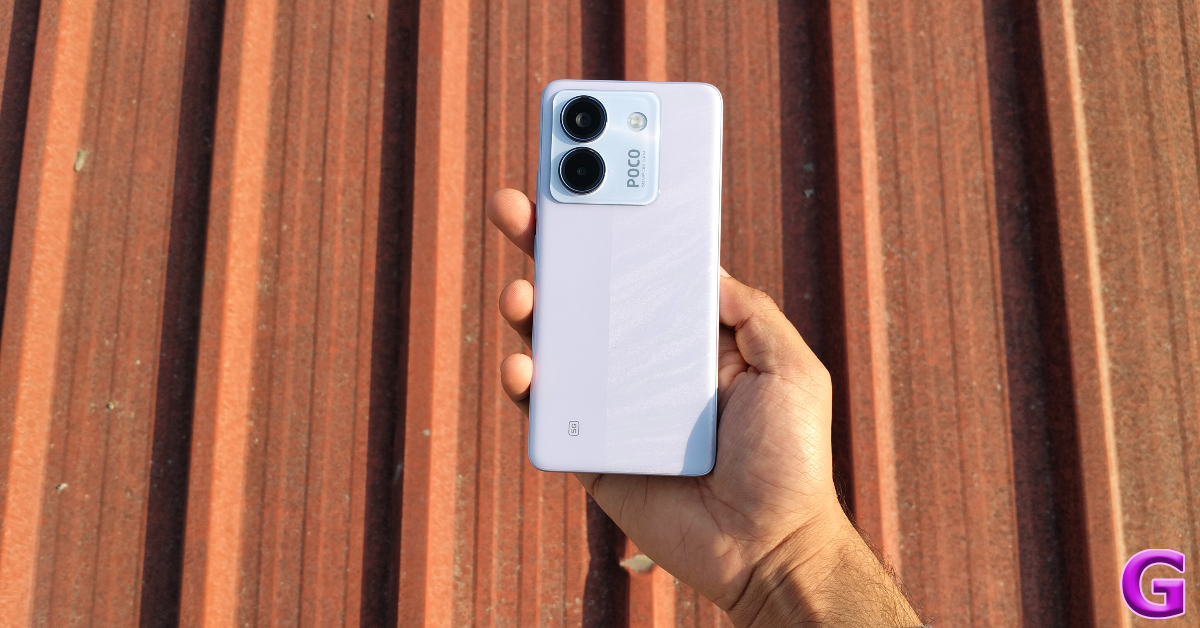
The M7 Pro is powered by the MediaTek Dimensity 7025 Ultra chipset. It runs Android 14 skinned with HyperOS out of the box. The 2 software updates promised for this phone will take it up to Android 16/HyperOS 3. Its 6.67-inch AMOLED display has a 120Hz refresh rate and can reach a peak brightness of 2,100 nits. The camera island houses a 50MP primary shooter. The 5,110mAh battery pack supports 45W wired charging. Read our Poco M7 Pro review for a deeper analysis.
Pros
- AMOLED display
- Fast charging
- Good chipset
Cons
- Does not support Android 17
Samsung Galaxy M07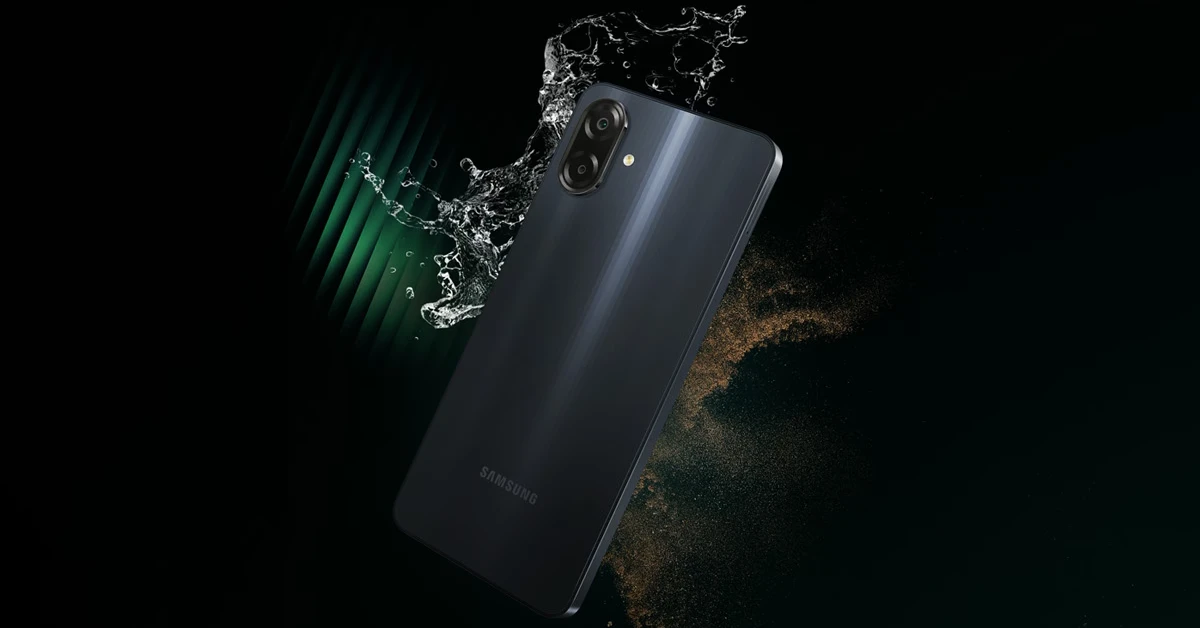
The Galaxy M07 packs the MediaTek Helio G99 chipset under its hood. Its 6.7-inch PLS LCD panel has a 90Hz refresh rate. Software duties are handled by Android 15 skinned with One UI 7. Samsung has promised 6 major OS updates for this phone. There’s IP54 protection on board to protect the device against light water splashes. The back panel houses a 50MP primary shooter, while an 8MP selfie lens is nestled in a waterdrop notch on the display. The 5,000mAh battery pack supports 25W charging.
Pros
- 6 major OS updates
- Big battery
- IP54 protection
Cons
- Looks dated
Moto G06 Power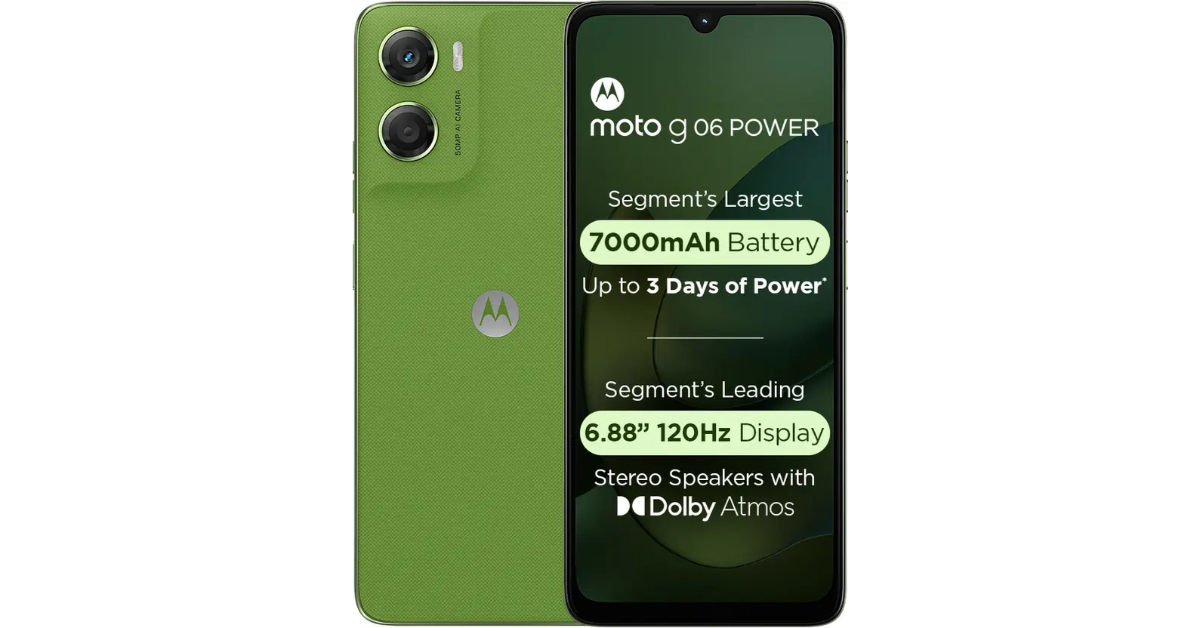
The Moto G06 Power has the MediaTek Helio G81 Ultra running at its core. Software duties are handled by Android 15 out of the box. The 6.88-inch PLS LCD panel has a 120Hz refresh rate. The rear camera panel houses a 50MP primary shooter. The waterdrop notch on the display houses an 8MP selfie lens. The star of the show is the massive 7,000mAh battery pack. This battery supports 18W wired charging. The smartphone is rated IP64 for dust and water resistance.
Pros
- Big battery
- IP64 rating
- Smooth display
Cons
- No reverse wired charging support
Lava Bold N2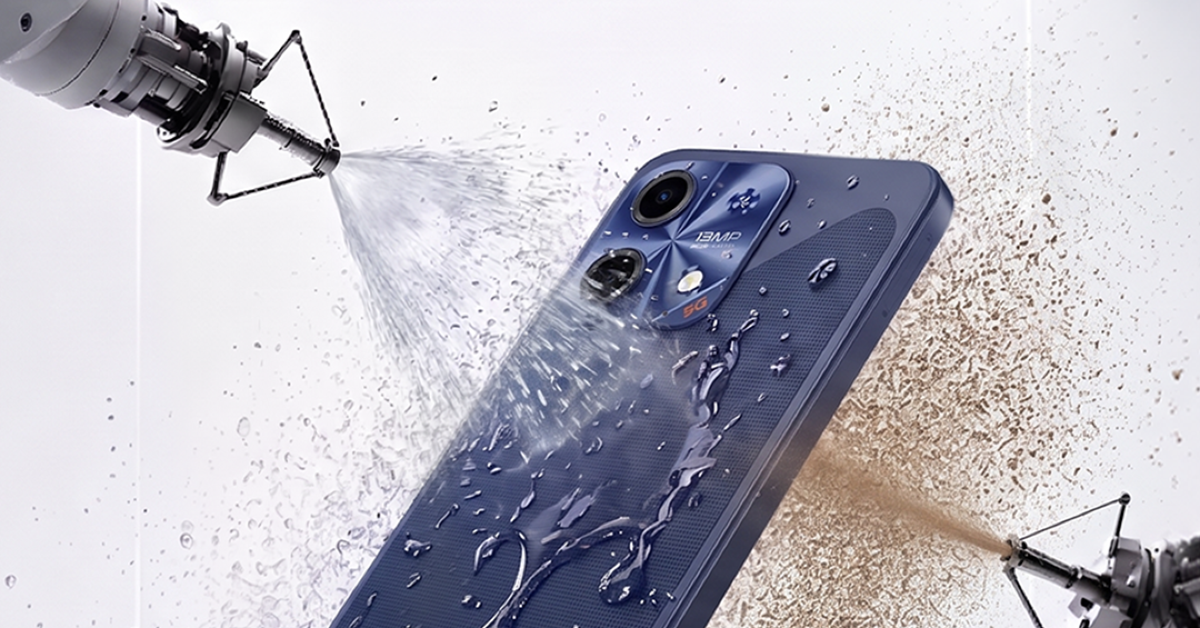
India’s homegrown brand Lava specialises in budget phones. The 5G model in its Bold N2 range is powered by the Unisoc T8200 octa-core processor. The bloatware-free Android 16 OS is one of the big highlights of this phone. The 6.75-inch HD+ LCD panel has a 120Hz refresh rate. The back panel houses a 13MP primary shooter. There’s a 5MP selfie lens up front. The 6,000mAh battery pack supports 10W wired charging. The smartphone is rated IP64 for dust and water resistance.
Pros
- Clean software
- Good battery life
- IP64 rating
Cons
- Slow charging
Lava Virat V1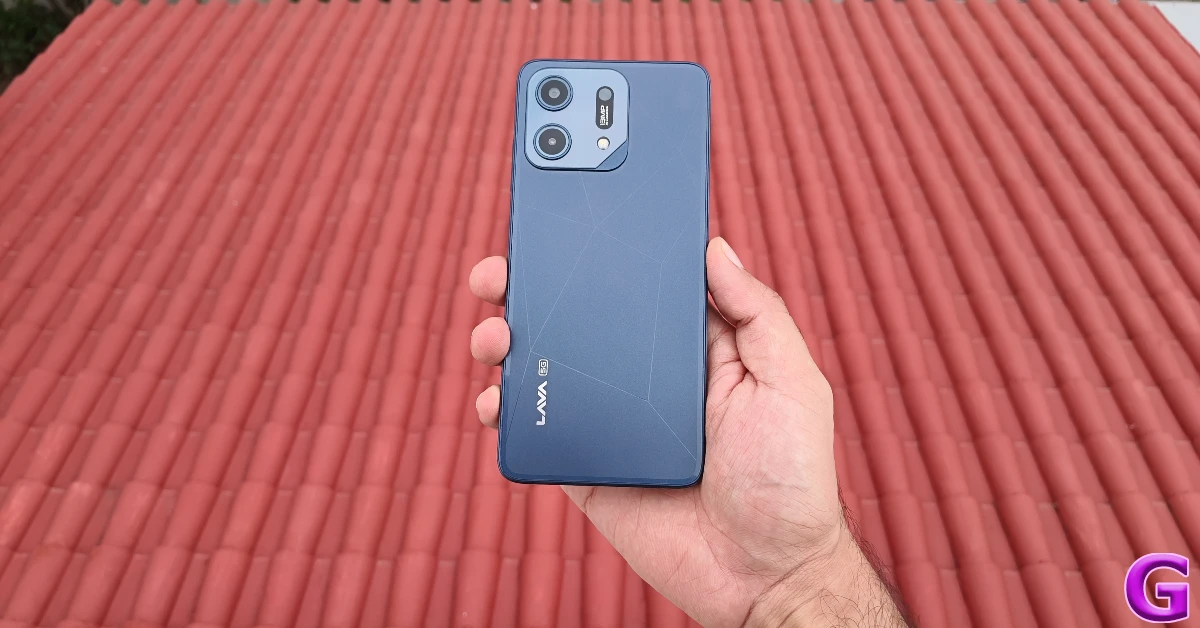
The new Virat V1 from Lava is powered by the Unisoc T8200 chipset and runs Android 16 out of the box. Its 6.75-inch IPS LCD panel has a 120Hz refresh rate. The device is rated IP64 for dust and water resistance. The camera island on the back panel houses a 13MP primary shooter. There’s a 5MP selfie lens inside the waterdrop notch on the display. The 6,000mAh battery pack supports 10W wired charging. Dive into our Lava Virat V1 review to learn more about its everyday performance.
Pros
- Nice design
- IP64 rating
- Big battery
Cons
- Slow charging
Infinix Note 50x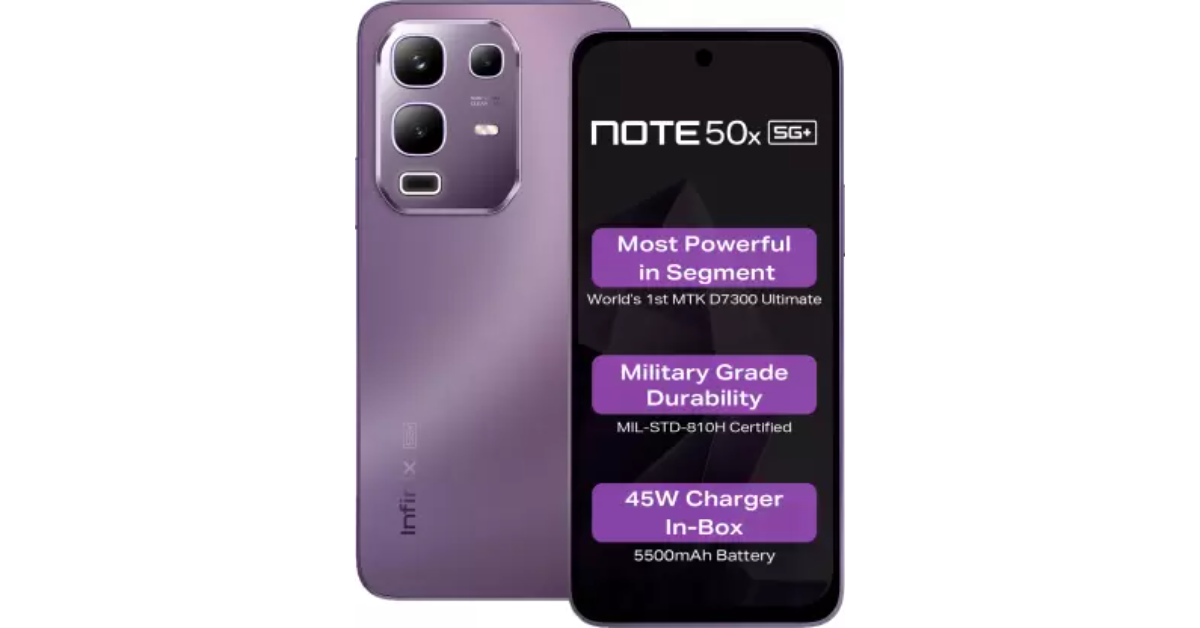
The Infinix Note 50x is the last 5G smartphone on this list. For a smartphone launched in 2025, it still has pretty impressive specs. For starters, it is powered by the MediaTek Dimensity 7300 Ultimate chipset – an amazing processor for the price. The 6.67-inch IPS LCD panel has a 120Hz refresh rate and can reach 560 nits of typical brightness. The 50MP primary shooter on this phone can record 4K videos at 30fps. Selfie duties are handled by an 8MP front-facing camera. The 5,500mAh battery pack supports 45W wired charging and 10W reverse wired charging. Read our review of the Infinix Note 50x for more details.
Pros
- Nice design
- Great processor
- Fast charging
Cons
- Mediocre display
Realme Narzo 80 Lite 4G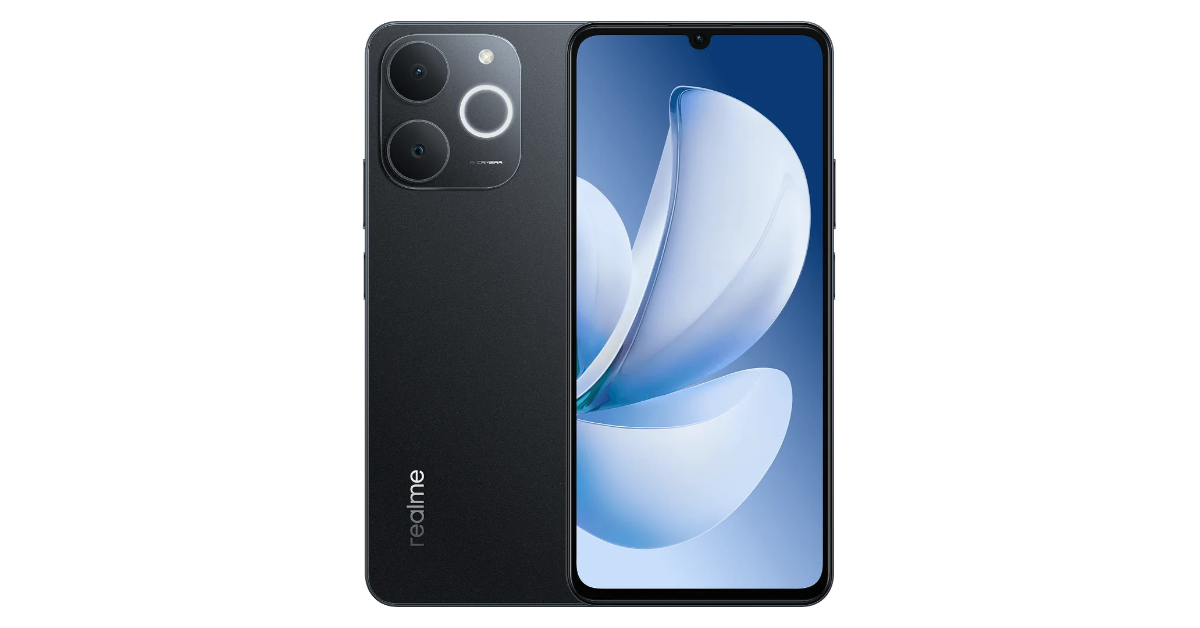
The Narzo 80 Lite 4G came out last year, but it’s still a great deal in September 2026. It is powered by the Unisoc T7250 chipset and runs the Android 15-based Realme UI 5 out of the box. The 6.74-inch LCD panel has a 90Hz refresh rate and can reach a maximum brightness of 563 nits. There’s a 13MP primary shooter on the back panel and a 5MP selfie camera inside a waterdrop notch on the display. The 6,300mAh battery pack supports 15W charging and 6W reverse wired charging. The device is compliant with MIL-STD-810H durability standards.
Pros
- Durable
- Big battery
- Reverse wired charging
Cons
- Lacks 5G connectivity
Read Also: Canon EOS R8 Mark II with RF45mm f/1.2 STM launched in India
Final Thoughts
These are the top 10 phones that you can buy under Rs 15,000 in September 2026. If you have some more room in your budget, check out our top picks under Rs 20,000 as well. Got any questions? Let us know in the comments!


