


Flagship phones may be getting pricier every passing year, but midrange phones are still offering amazing value for money. The devices in the sub-Rs 30,000 price bracket may not flaunt loaded spec sheets, but they pack reliable processors, big displays, and good primary shooters. This is pretty much all you need for routine use. Here are the top 10 smartphones priced under Rs 30,000 in March 2026.
Read Also: Samsung introduced 2026 Bespoke AI WindFree lineup, reducing power use by up to 30%
In This Article
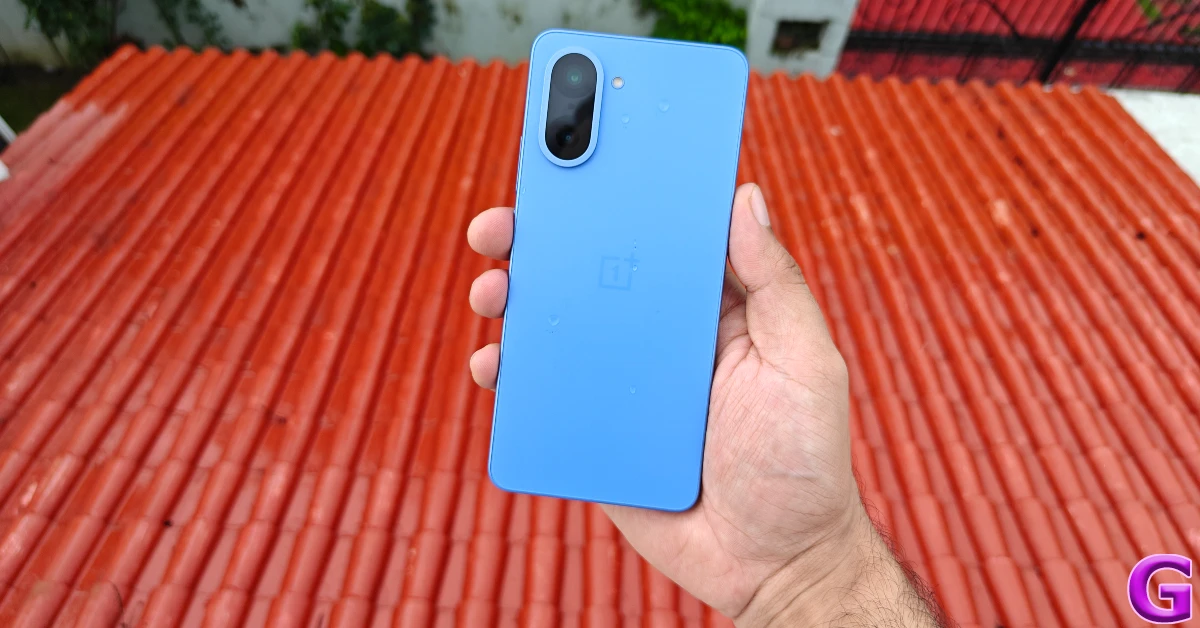
OnePlus Nord CE5
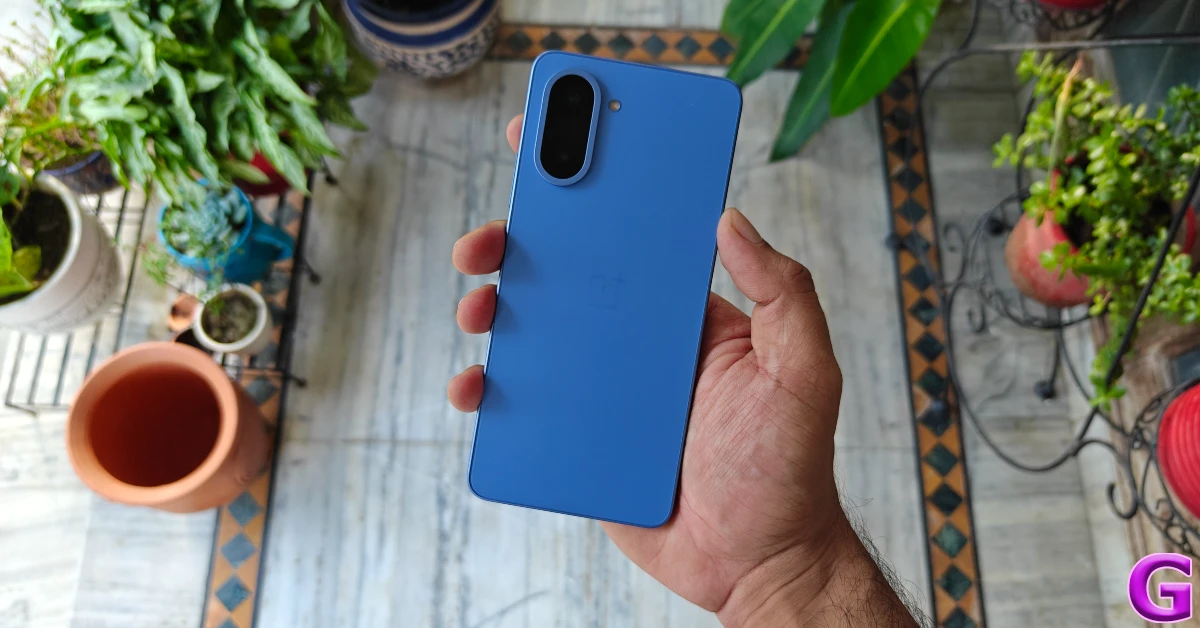
The OnePlus Nord CE5 is one of the finest smartphones priced under Rs 30,000 right now. It is powered by the MediaTek Dimensity 8350 chipset and runs the Android 15-based OxygenOS 15 OS out of the box. The 6.77-inch Fluid AMOLED display has a 120Hz refresh rate and a peak brightness of 1,430 nits. The vertical camera array on the back panel comprises a 50MP primary shooter and an 8MP ultrawide lens. The 7,100mAh battery pack supports 80W wired fast charging. Dive into our review of the OnePlus Nord CE5 to learn more about the smartphone.
Pros
- Smooth display
- AI features
- Expandable storage
Cons
- Lacks a secondary speaker
Motorola Edge 70 Fusion
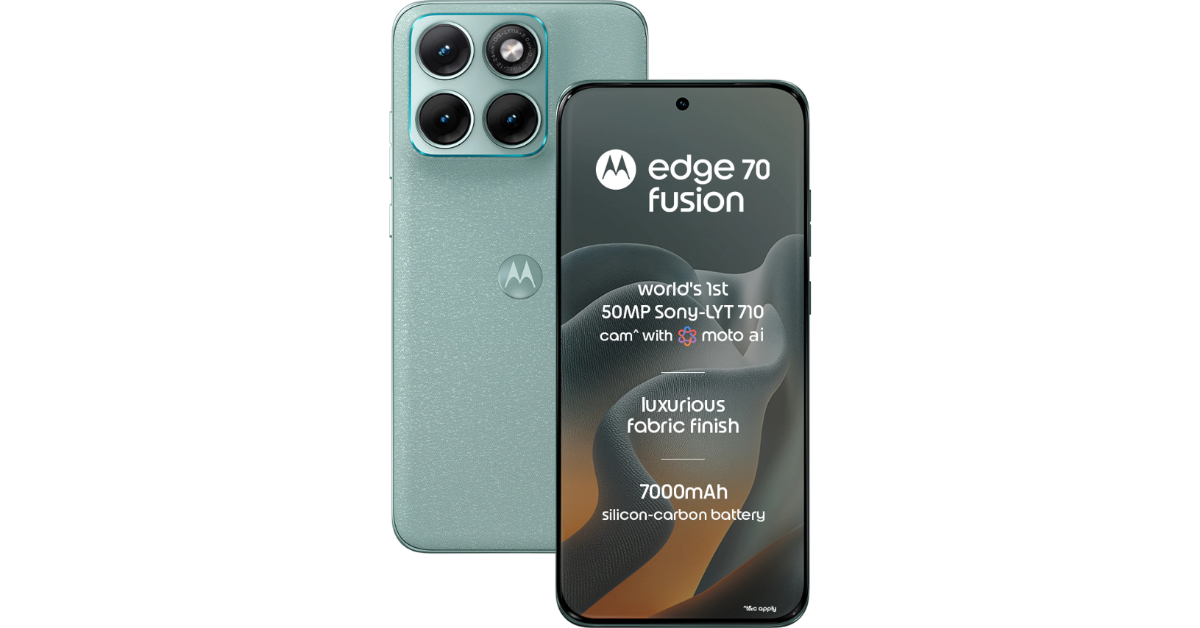
The newly launched Motorola Edge 70 Fusion is powered by the Snapdragon 7s Gen 3 processor. It features a 6.78-inch AMOLED display with a 144Hz refresh rate and a peak brightness of 5,200 nits. The smartphone is rated IP68/IP69 for protection against dust and water. It is compliant with MIL-STD-810H durability standards as well. The rear camera panel houses a 50MP primary shooter and a 13MP ultrawide lens. The 7,000mAh battery pack supports 68W wired charging.
Pros
- Good cameras
- Slim design
- Big battery
Cons
- Needs a better cooling system
Nothing Phone (3a) Lite
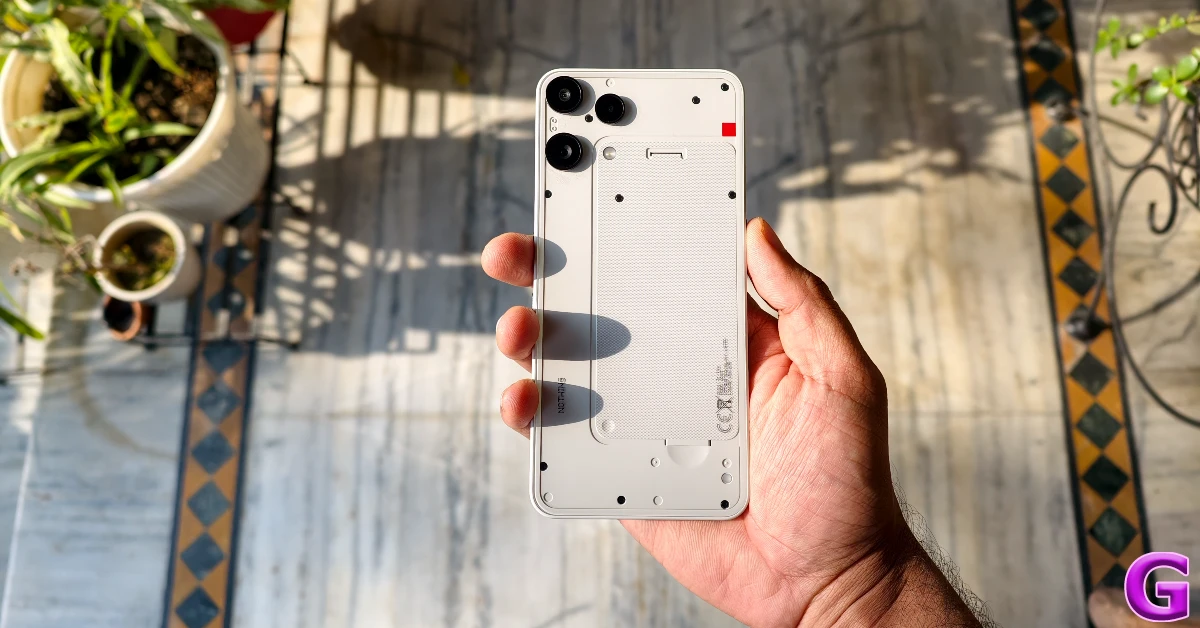
The most affordable smartphone in Nothing’s catalogue, Phone (3a) Lite, follows the design language of its flagship counterpart. Its see-through back panel houses three individual cuts for the camera lenses. The 6.77-inch AMOLED display has a 120Hz refresh rate and can hit 1,300 nits in High Brightness Mode. Powering this device is the MediaTek Dimensity 7300 Pro chipset. It runs the Android 16-based Nothing OS 3.5 out of the box. The triple camera array comprises a 50MP primary shooter, an 8MP ultrawide lens, and a 2MP macro sensor. The 5,000mAh battery pack supports 33W wired charging. Check out our Nothing Phone (3a) Lite review to learn more about its everyday performance.
Pros
- Great design
- Smooth display
- Reliable processor
Cons
- Lacks a secondary speaker
Realme P4 Power
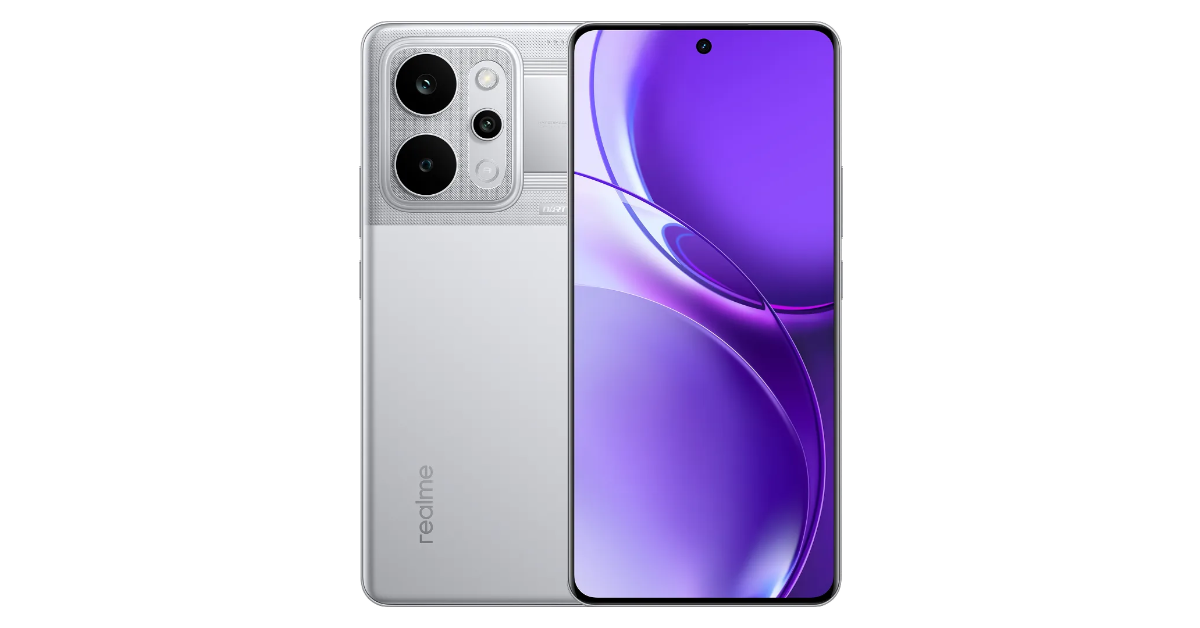
The Realme P4 Power’s 10,001mAh battery pack made the headlines when the smartphone launched in January. This massive battery can hold enough juice to last multiple days. It supports 80W wired charging. The 6.8-inch AMOLED display has a 144Hz refresh rate and can reach a peak brightness of 6,500 nits. At the heart of the device lies the MediaTek Dimensity 7400 Ultra chipset. The rear camera panel houses a 50MP primary shooter and an 8MP ultrawide lens. There’s IP69 protection onboard for protection against dust and water. On top of that, the smartphone meets the MIL-STD-810H standards of durability.
Pros
- Big battery
- Smooth display
- Durable
Cons
- Single speaker
Redmi Note 15 Pro
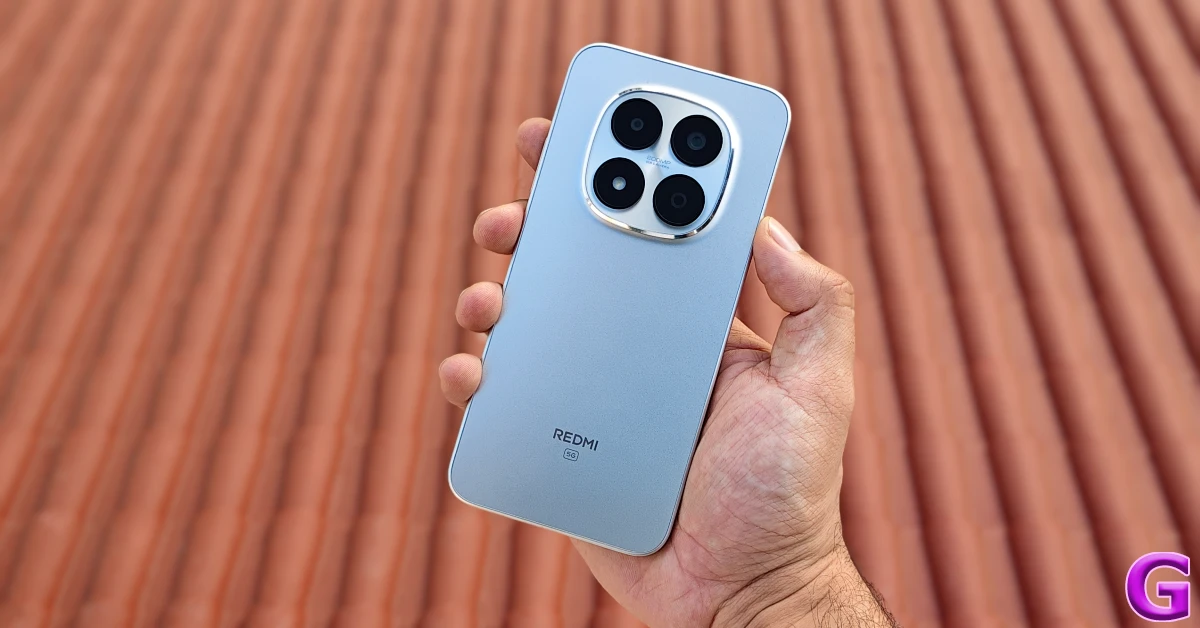
The Redmi Note 15 Pro flaunts a 6.83-inch AMOLED display with a 120Hz refresh rate and a peak brightness of 3,200 nits. It is powered by the MediaTek Dimensity 7400 Ultra chipset. Software duties are handled by the Android 15-based HyperOS 2 out of the box. The rear camera panel houses a 200MP primary shooter and an 8MP ultrawide lens. The 6,580mAh battery pack supports 45W wired charging. Read our Redmi Note 15 Pro review to learn more about the smartphone.
Pros
- Bright display
- Good main camera
- Big battery
Cons
- Does not run Android 16 out of the box
Samsung Galaxy M56
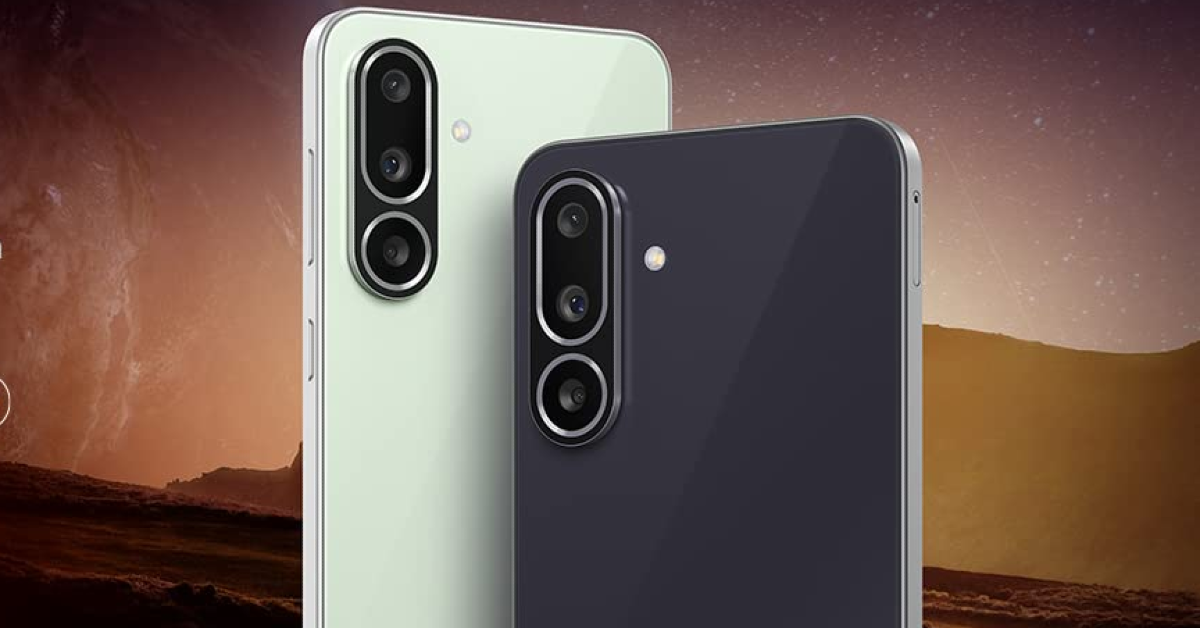
Samsung’s M series midranger is powered by its in-house Exynos 1480 chipset. The Android 15-based One UI 7 handles the software duties. Samsung has promised 6 major OS upgrades for this phone. Its 6.74-inch Super AMOLED display has a 120Hz refresh rate. The camera array on the back panel comprises a 50MP primary shooter, an 8MP ultrawide lens, and a 2MP macro sensor. The 5,000mAh battery pack supports 45W charging.
Pros
- Nice design
- Smooth display
- Good main camera
Cons
- Not the best chipset for gaming
Vivo T4 Pro
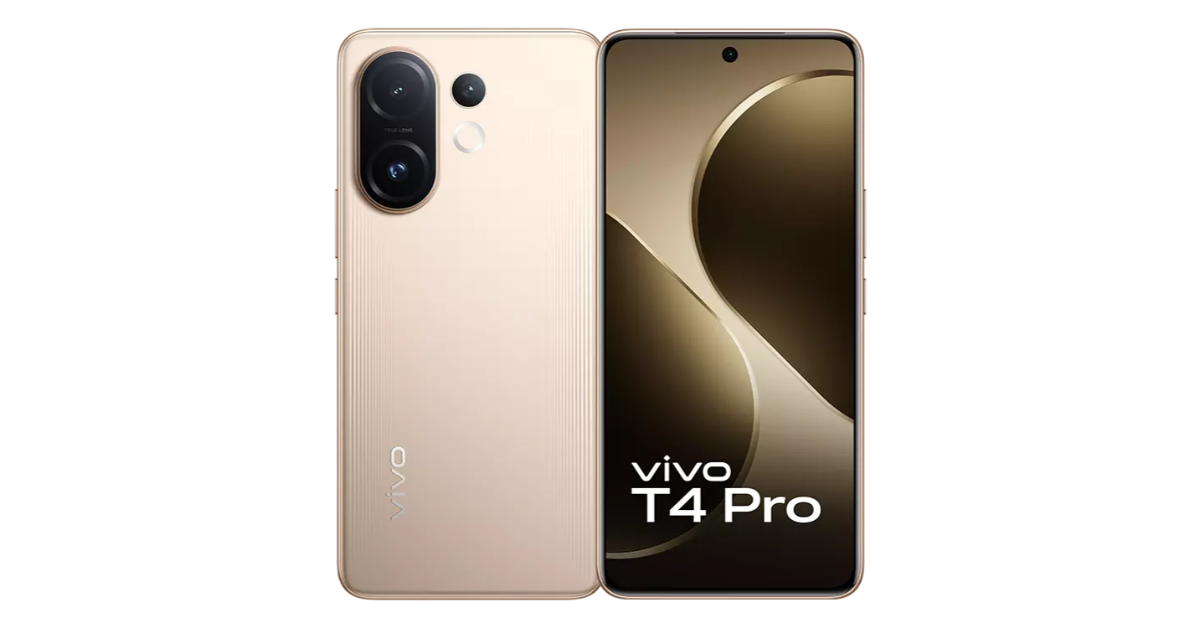
The Vivo T4 Pro features a massive 6.77-inch AMOLED display. This panel supports HDR10+ and has a 120Hz refresh rate. It can hit 1,500 nits in High Brightness Mode and reach a peak brightness of 5,000 nits while playing HDR content. Powering this device is the Snapdragon 7 Gen 4 SoC. Software duties are handled by the Android 15-based Funtouch 15 OS. The rear camera panel houses a 50MP primary shooter and a 50MP telephoto lens with 3x optical zoom. The 6,500mAh battery pack supports 90W charging.
Pros
- Bright display
- Good main camera
- Big battery
Cons
- Lacks an ultrawide lens
Poco X7 Pro
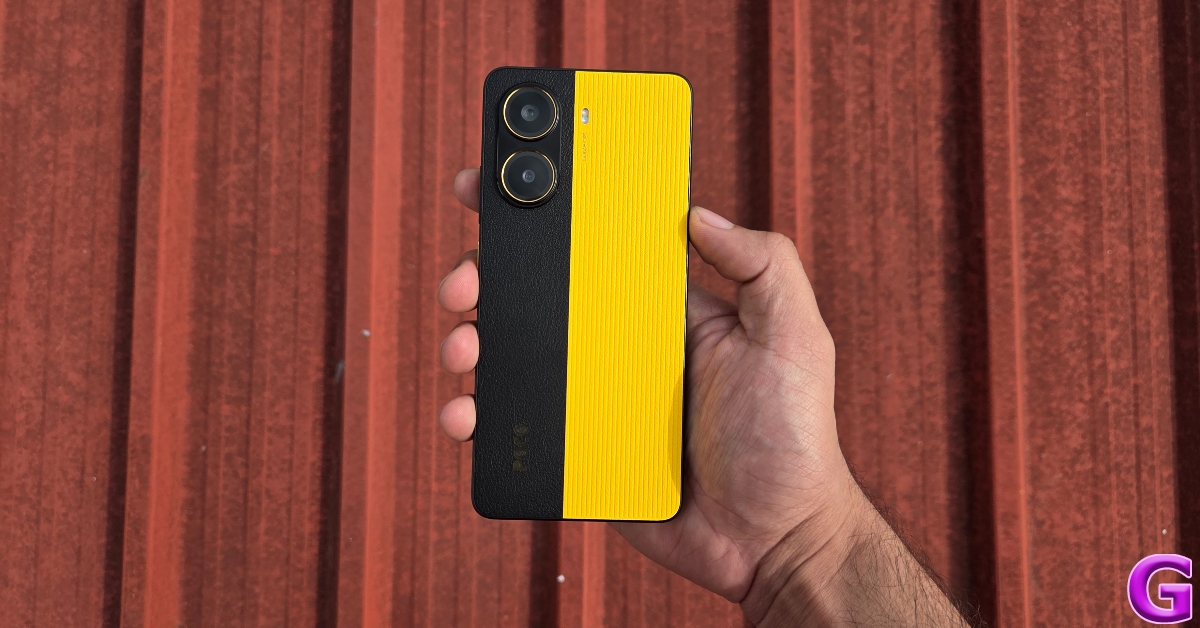
The Poco X7 Pro checks all of the essential boxes for a reliable midrange smartphone. It is powered by the MediaTek Dimensity 8400 Ultra chipset and runs the Android 15-based HyperOS 2 out of the box. It flaunts a 6.67-inch AMOLED display with a 120Hz refresh rate and a peak brightness of 3,200 nits. The back panel of this device has a ridged texture and a dual-tone colour scheme. The rear camera array comprises a 50MP primary shooter and an 8MP ultrawide lens. The 6,550mAh battery pack supports 90W wired fast charging. Read our Poco X7 Pro review for a deeper analysis of its everyday performance.
Pros
- Fast charging
- Good chipset
- IP69 rating
Cons
- The dual-tone colour theme may not be for everyone
Infinix GT 30 Pro
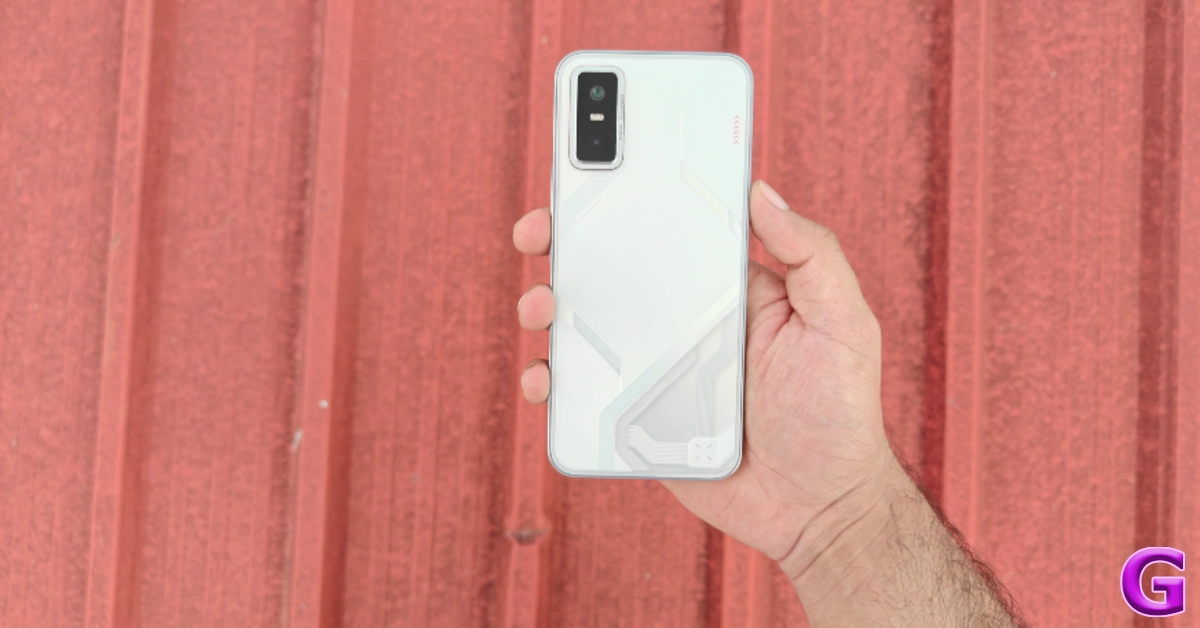
Designed for gamers, the Infinix GT 30 Pro has special touch-sensitive shoulder triggers on its right edge. It lets you map the controls of your favourite games on these triggers for easier access. At the heart of the device lies the MediaTek Dimensity 8350 Ultimate chipset. Software duties are handled by the Android 15-based XOS 15. The 6.78-inch AMOLED display has a 144Hz refresh rate and can reach a peak brightness of 4,500 nits. The rear camera panel houses a 108MP primary shooter and an 8MP ultrawide lens. The 5,500mAh battery pack supports 45W wired and 30W wireless charging. Read our Infinix GT 30 Pro review to learn more about its gaming skills.
Pros
- 144Hz display
- Shoulder triggers
- Wireless charging
Cons
- Mediocre ultrawide lens
Oppo K13 Turbo
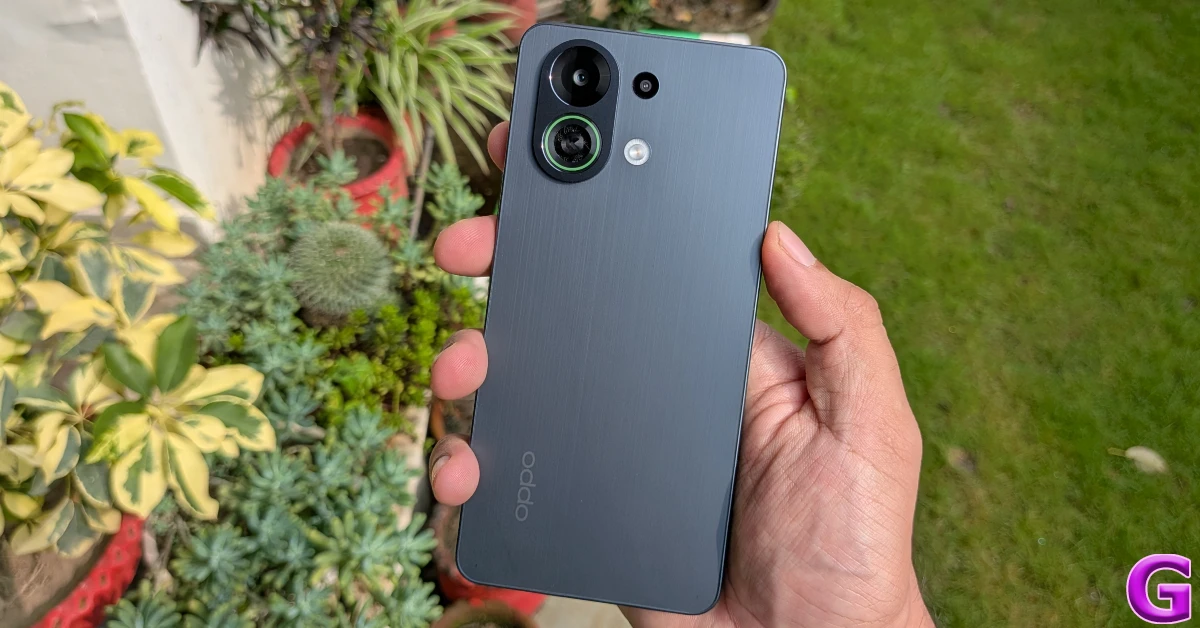
Ending this list is another gaming smartphone. The Oppo K13 Turbo has an external fan that channels internal heat out of the smartphone through a small vent located on the right edge of the frame. The fan is placed in the camera panel alongside the 50MP primary shooter. There’s a 2MP monochrome lens just outside this panel. The smartphone is powered by the MediaTek Dimensity 8450 chipset. Its 6.79-inch AMOLED display has a 120Hz refresh rate and can reach 1,600 nits in High Brightness Mode. The 7,000mAh battery pack supports 80W wired fast charging. Check out our Oppo K13 Turbo review to find out how it manages gaming titles like Call of Duty Mobile and BGMI.
Pros
- Cooling fan
- Big battery
- Good chipset
Cons
- No ultrawide lens
Read Also: Xiaomi 17 Ultra, featuring Leica’s 1-inch LOFIC sensor, launched in India
Final Thoughts
These are the top 10 smartphones you can buy in March 2026 under Rs 30,000. If you have some more room in your budget, check out our top picks under Rs 40,000 as well. Got any questions? Let us know in the comments!


