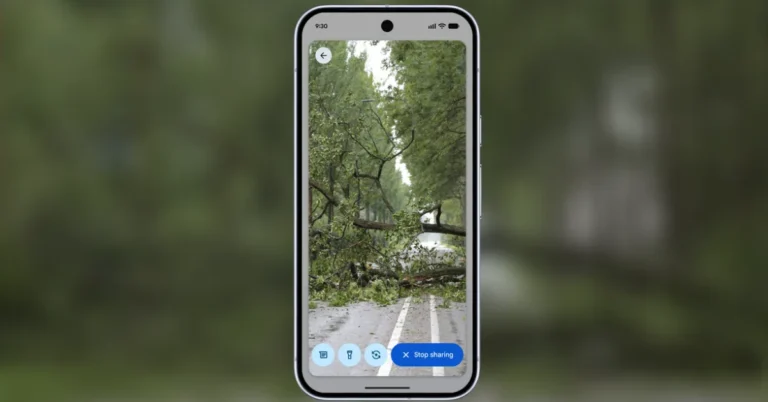
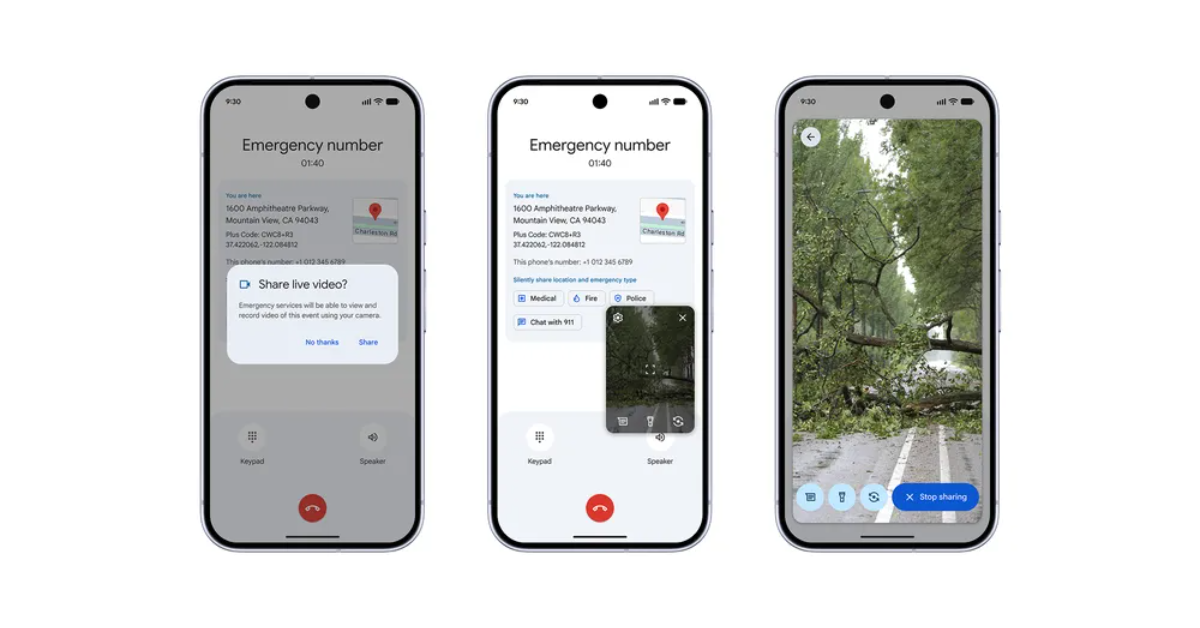
Google has added a new feature to Android handsets called Emergency Live Video, which allows users to share a real-time video stream with emergency services while calling or texting. This feature enables dispatchers to request a live feed from the user’s phone, allowing responders to assess issues quickly.
Emergency Live Video is available for Android. During an emergency call or text, dispatchers may request live video from your phone. With a single tap, you may stream from your camera, allowing responders to swiftly assess the situation and advise you through life-saving procedures until help arrives. The implementation seeks to improve communication and assistance during crises, resulting in more rapid and effective response operations.
This capability allows responders to immediately assess the emergency situation, give necessary assistance, and guide users through life-saving actions like CPR. When an emergency call or text is received, responders can evaluate the scene’s visibility and, if suitable and safe, issue a request to the user’s smartphone for live camera feed access. A pop-up will appear on the user’s screen, enabling them to start sharing their camera’s live video with just one click. Importantly, this function is encrypted by default, so users have total control over their video sharing. They may easily start and stop sharing at any moment, ensuring both security and user autonomy.
Android Emergency Live Video improves the process of requesting help and providing comfort to users by including various new features such as Emergency Location Service, Car Crash and Fall Detection, and Satellite SOS.
The company says this feature is now available in the US, Germany, and Mexico. It is compatible with Android smartphones running Android 8 or later that support Google Play services.
“We are closely working with public safety organisations around the world to expand this capability to more regions,” the firm said.
Not only are gaming smartphones getting better every year, but they are also reaching a bigger niche of users. These devices rock some of the most powerful processors on the market and flaunt state-of-the-art cooling systems. In 2025, there was a lot of interesting activity in the midrange price bracket as well. These smartphones didn’t cost as much as their flagship counterparts, but delivered similar performances. Here is our list of the top 10 gaming smartphones released in 2025 across all price brackets.
The OnePlus 15 is a performance beast. Powered by Qualcomm’s flagship mobile chipset, Snapdragon 8 Elite Gen 5, this smartphone can handle any task you throw at it. This includes running power-intensive games like Call of Duty Mobile and Apex Legends. Its 6.78-inch LTPO AMOLED display has a 165Hz refresh rate, which facilitates an ultra-smooth gaming experience. This display can reach 1,800 nits in High Brightness Mode. The massive 7,300mAh Si/C battery pack supports 120W wired and 50W wireless charging. The 360° Cryo Velocity Cooling System on this device does a phenomenal job of managing the internal temperature. Read our OnePlus 15 review for a deeper analysis.
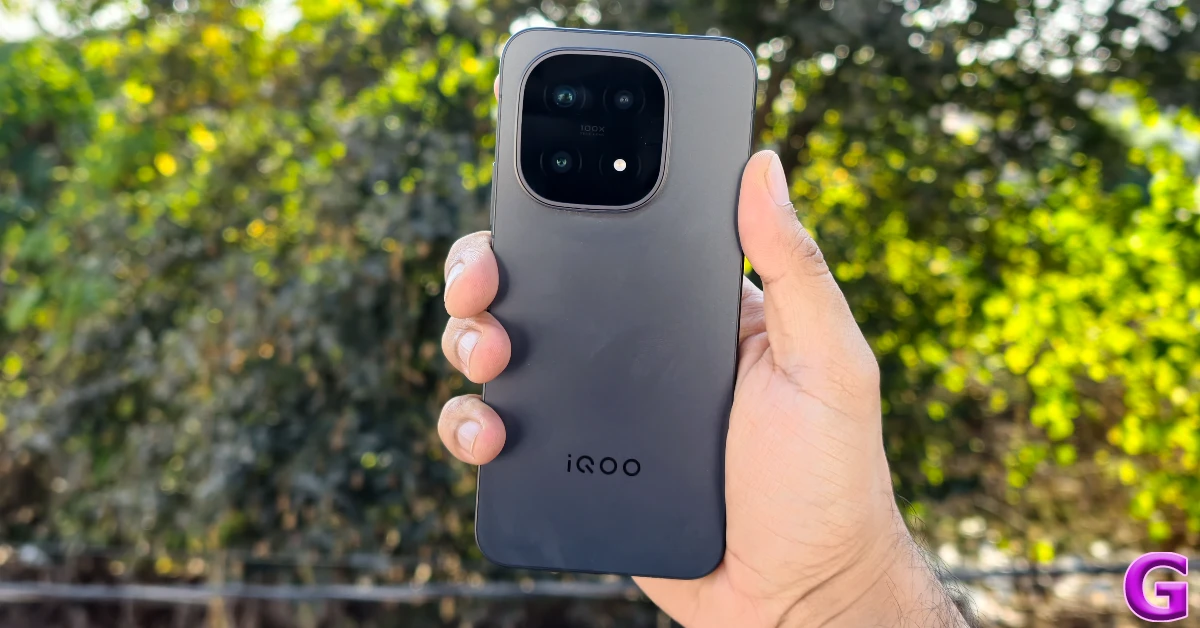
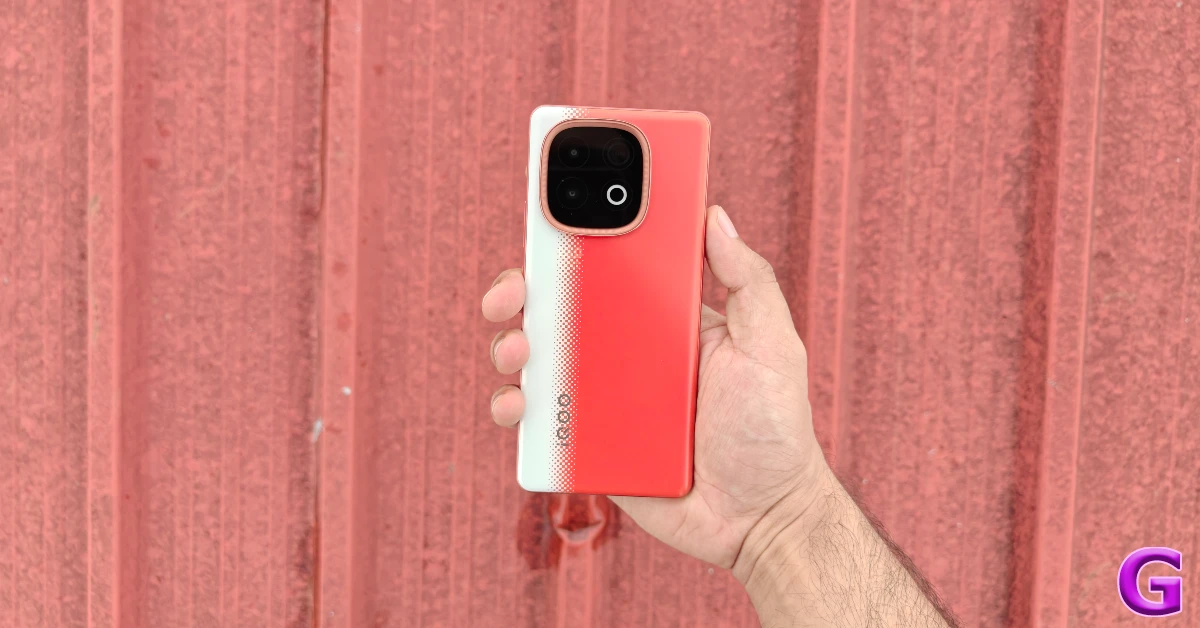
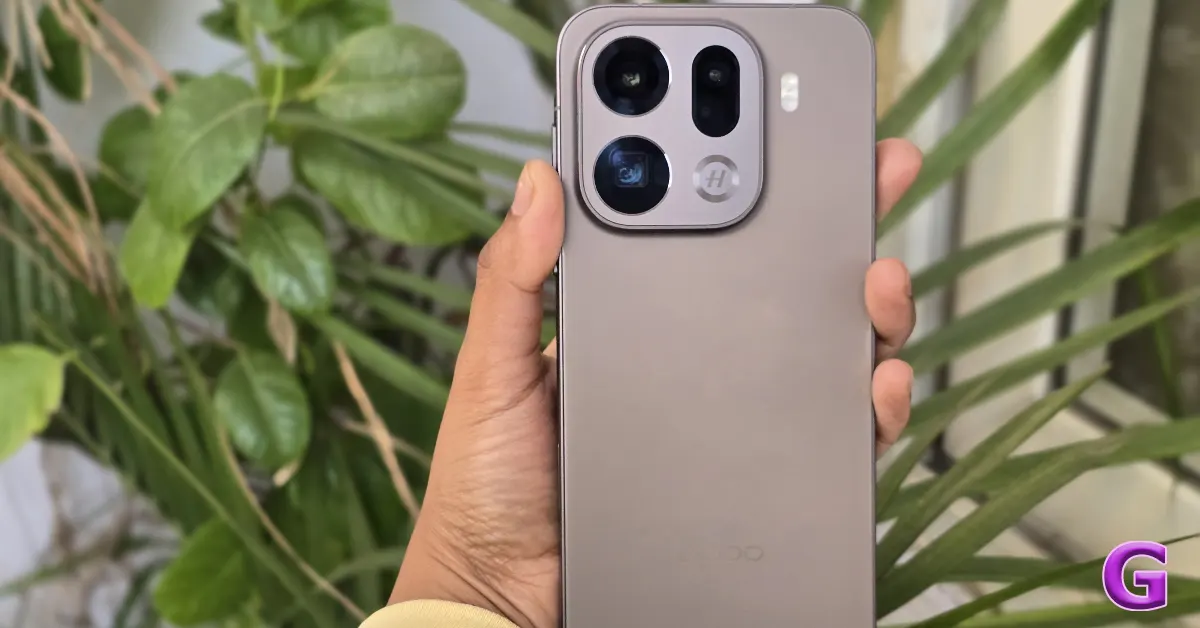
The iQOO 15 has a dual chipset combination at its core. It comprises Qualcomm’s Snapdragon 8 Elite Gen 5 SoC and iQOO’s in-house Supercomputing Chip Q3. The latter improves ray tracing and pushes the frame rate and resolution while gaming. The 8K VC Cooling System makes sure that thermal throttling is not an issue on this device. The 6.85-inch LTPO AMOLED display has a 144Hz refresh rate with a peak brightness of 6,000 nits. The 7,000mAh battery pack supports 100W wired charging. The LPDDR5X Ultra RAM and UFS 4.1 storage types make sure that the general performance always remains fast and snappy. For more details, read our iQOO 15 review.
Realme’s flagship smartphone this year continued the tradition of offering a power-packed performance at a relatively affordable price. It is powered by the Snapdragon 8 Elite Gen 5 SoC. On top of that, it uses a Hyper Vision+ AI chip to deliver up to 2.4x smoother and 4x sharper gameplay. You can play games like Genshin Impact on this device with full FPS. The 6.79-inch AMOLED display has a 144Hz refresh rate and can reach a peak brightness of 7,000 nits. The 7,000mAh battery pack supports 120W wired and 50W wireless charging.
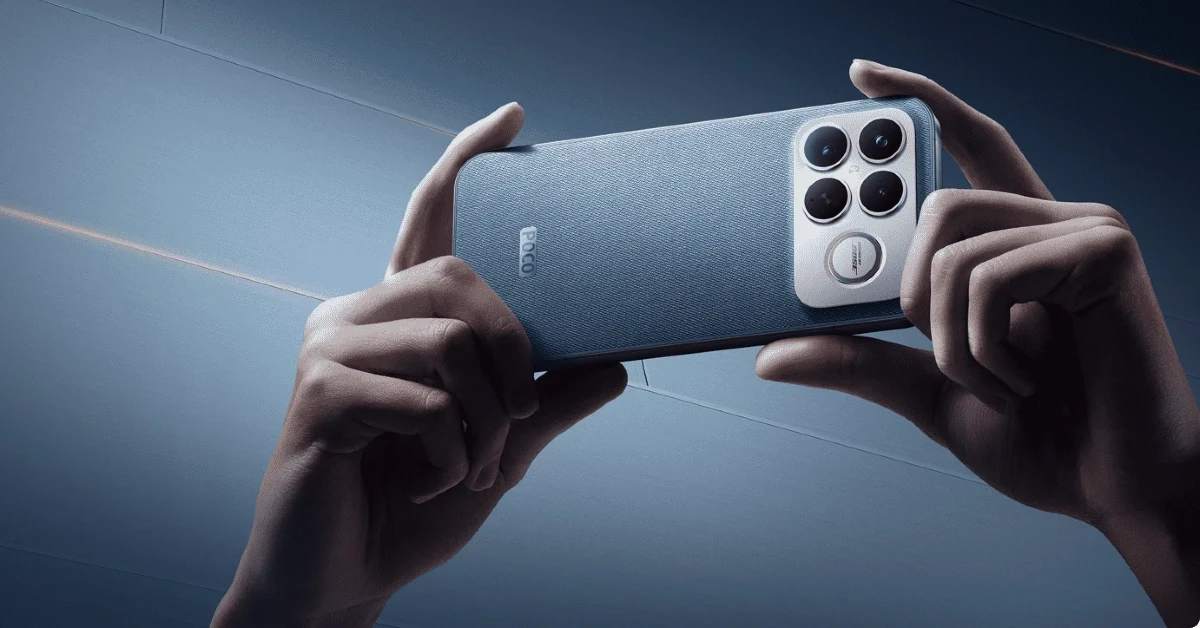
The Poco F8 Ultra has not arrived in India yet, but it is undoubtedly one of the best gaming smartphones of 2025. The Snapdragon 8 Elite Gen 5 chipset pumps raw power through the veins of this device. The VisionBoost D8 chipset uses pre-trained AI models to deliver high-quality graphics and smoother visuals. The 6700mm² 3D dual-channel, dual-layer IceLoop system ensures that the internal temperature of the device never reaches a problematic level. The 6.9-inch AMOLED display has a 120Hz refresh rate and can reach a peak brightness of 3,500 nits. The 6,500mAh battery pack supports 100W wired and 50W wireless charging.
Samsung Galaxy S25 Ultra
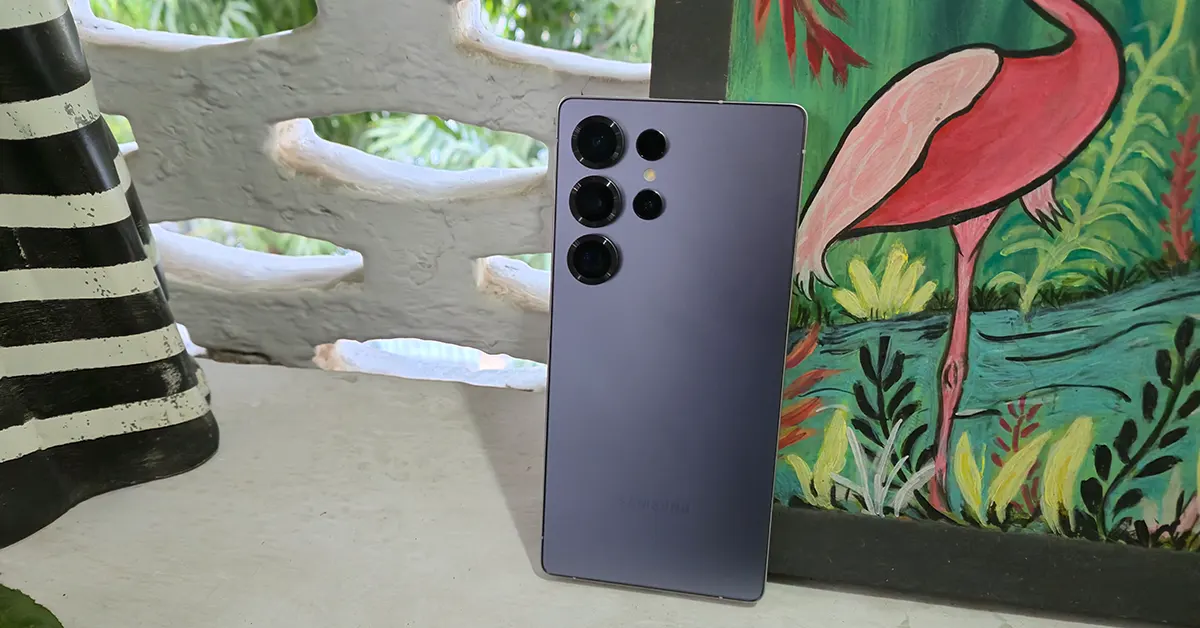
This year, the top-spec Ultra model in Samsung’s flagship Galaxy S series proved that it can handle any task you throw at it. The smartphone puts up an excellent display in every aspect of performance. This includes gaming as well. At the heart of the device lies the Snapdragon 8 Elite chipset. The 6.9-inch Dynamic LTPO AMOLED 2X display has a 120Hz refresh rate and can reach a peak brightness of 2,600 nits. The 5,000mAh Li-ion battery pack supports 45W wired and 15W wireless charging. There’s support for Bypass Charging as well. This feature channels the current directly to the chipset instead of charging the battery. This enables the user to keep their phone charged while gaming without generating any additional heat. Read our Samsung Galaxy S25 Ultra review to learn more about the device.
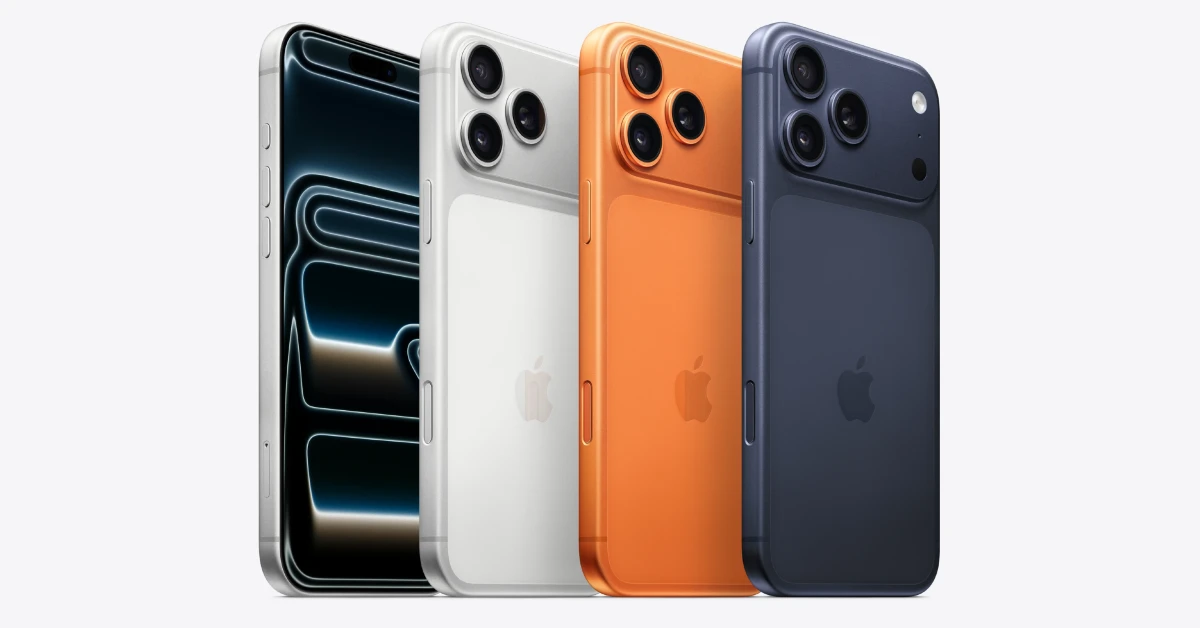
Apple’s in-house A19 Pro chipset is one of the best in the business today. This processor puts up an amazing performance in the iPhone 17 Pro Max. The smartphone can handle titles like Genshin Impact and Apex Legends with absolute ease. It features Apple’s first-ever vapor chamber cooling system. Its 6.9-inch LTPO Super Retina XDR OLED display has a 120Hz refresh rate and can reach a peak brightness of 3,000 nits. Software duties on this device are handled by iOS 26. The 4,823mAh battery pack supports USB-C and MagSafe/Qi2 charging.
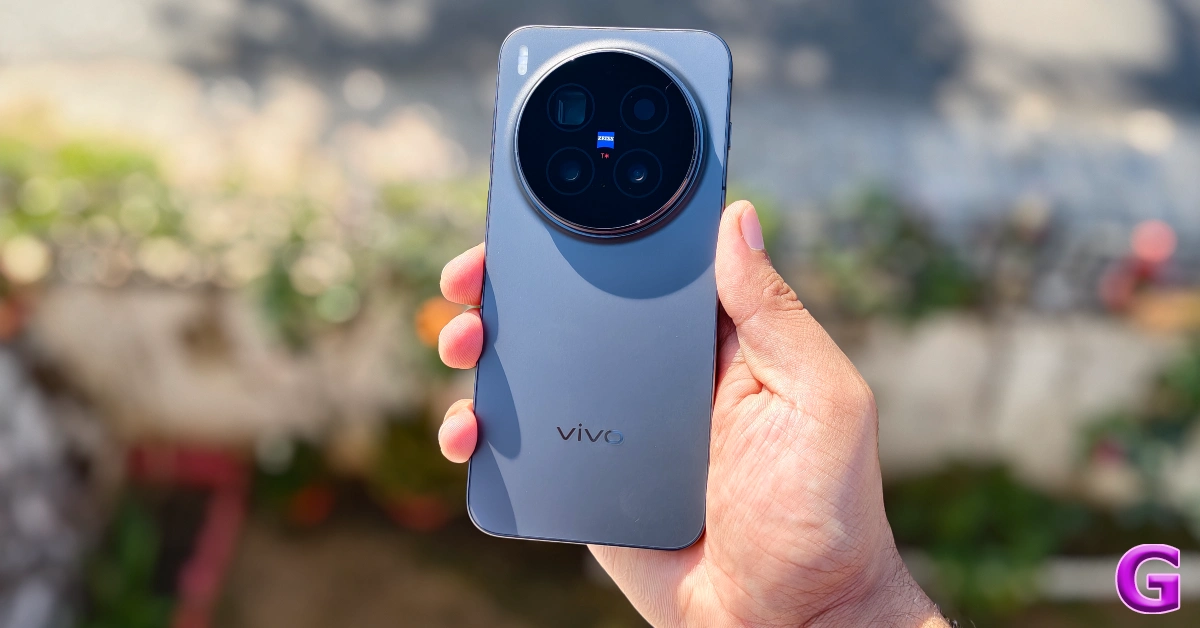
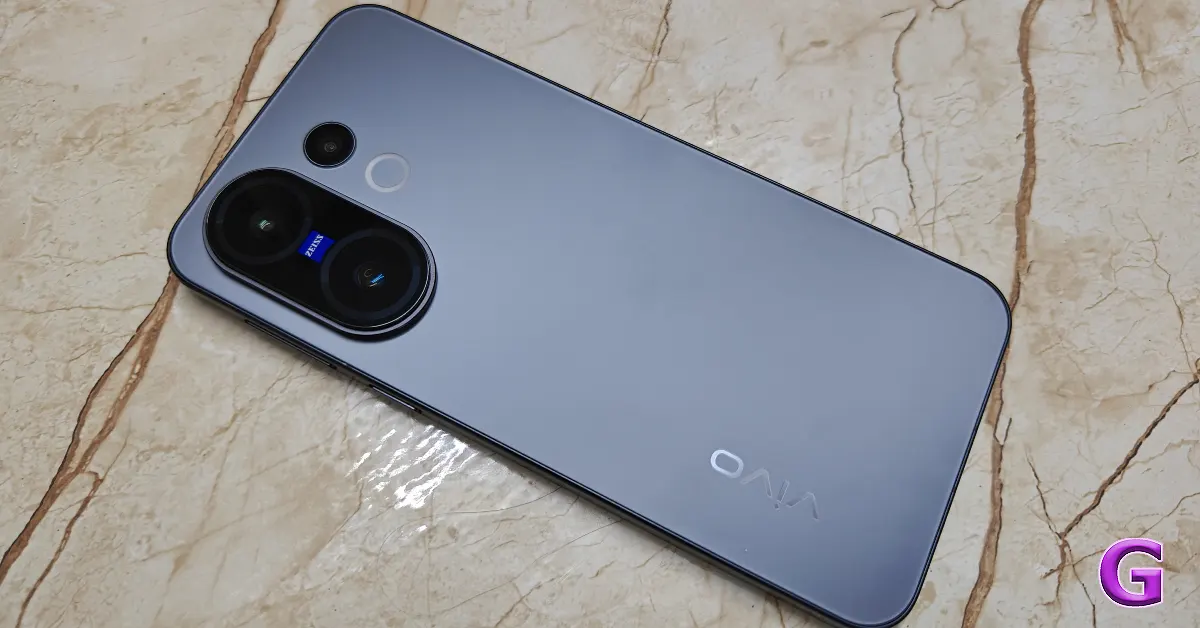
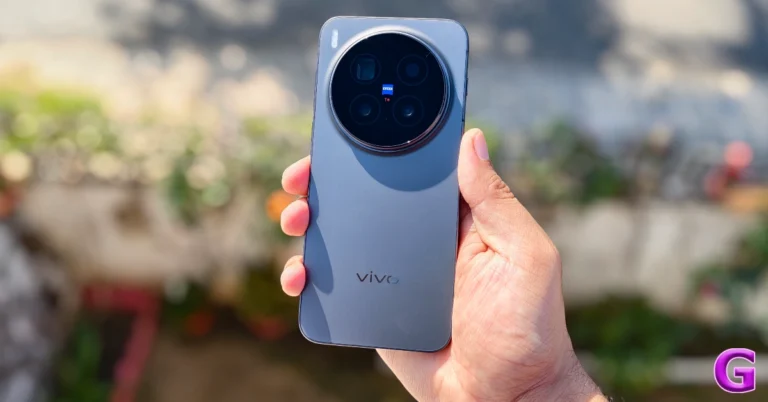
The Vivo X300 Pro has a reputation for being the photography champ, but it does not put all its eggs in one basket. The MediaTek Dimensity 9500 chipset powering this device is more than capable of handling demanding gaming titles. The liquid cooling vapor chamber on this device does a good job of dissipating the internal heat and making sure it doesn’t cause any lag or frame drops while gaming. The 6,510mAh Si/C battery pack supports 90W wired and 40W wireless charging. Read our Vivo X300 Pro review to learn more about the device.
The midrange gaming smartphone segment this year had some great devices that cannot be ignored. iQOO’s Neo 10 impressed us with its powerful chipset combination and relatively affordable price tag. At the heart of this phone lies the Snapdragon 8s Gen 4 SoC and iQOO’s in-house Supercomputing Chip Q1. The latter enables 144fps gaming. The LPDDR5X Ultra RAM and UFS 4.1 storage on this phone are flagship-grade. The 6.78-inch AMOLED display has a 144Hz refresh rate and can reach a peak brightness of 4,400 nits. The 7,000mAh Si/C battery pack supports 120W wired charging. The 7000 mm² Ultra-Large Vapor Chamber keeps things cool at all times. Read our iQOO Neo 10 review for a deeper dive into its gaming performance.
The Infinix GT 30 Pro brought the X factor to the midrange gaming segment this year with its unique shoulder triggers. The smartphone allows you to map gaming controls and macros to these triggers and deploy them whenever necessary. Powering this phone is the MediaTek Dimensity 8350 chipset. Its 6.78-inch AMOLED display has a 144Hz refresh rate and a peak brightness of 4,500 nits. The 5,500mAh battery pack supports 45W wired and 30W wireless charging. Check out our Infinix GT 30 Pro review for more details about the smartphone.
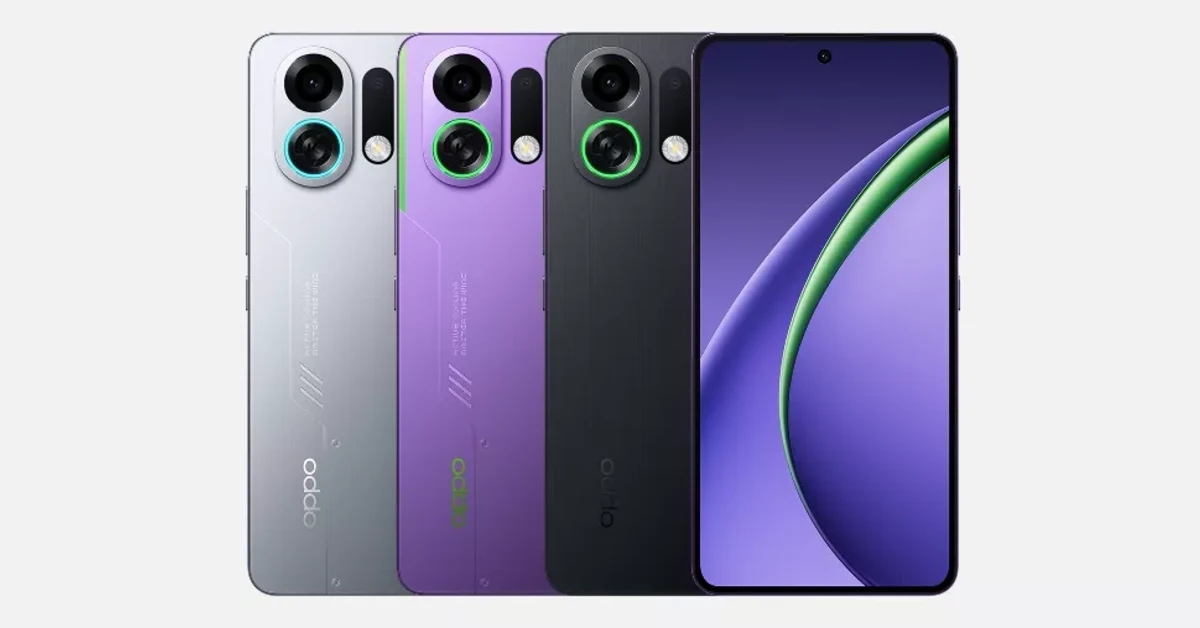
The Oppo K13 Turbo Pro takes cooling to the next level with its external fan. Located right below the camera array, this fan channels the heat generated by the battery out through the small vents placed on the frame. This smartphone is powered by the Snapdragon 8s Gen 4 chipset. Its 6.8-inch AMOLED display has a 120Hz refresh rate and can reach a peak brightness of 1,600 nits. The 7,000mAh battery pack supports 80W wired charging.
These were our 10 favourite gaming smartphones that came out in 2025. While you’re here, check out our list of the best smartphones of 2025, too. If you have any questions, let us know in the comments!
MediaTek’s evolution as a powerhouse has been impressive to witness. Over the years, the brand has grown into its own, venturing out of the midrange segment to capture a big market share in the premium category as well. Some of the most popular flagship smartphones today are powered by MediaTek chipsets. These processors can handle any task you throw at them – be it high-fps gaming or video editing on the go. If you’re looking for a dependable device that doesn’t ever fall short on power, here are the top 7 phones with MediaTek processors under their hoods!
Vivo’s newest flagship series is powered by MediaTek’s finest chipset yet – Dimensity 9500. Its 3rd-gen ‘All Big Core’ design incorporates a new 4.21GHz C1 Ultra core alongside the C1-Premium (3x) and C1-Pro (4x) processors. As a result, the octa-core chipset delivers a 10% IPC uplift compared to its predecessor. Furthermore, it is up to 32% faster when it comes to single-core performance and has up to 55% improved Ultra-core peak power efficiency. The L1 and L3 caches are bigger by 100% and 33%, leading to visibly faster speeds.
The Pro model in this series also packs Vivo’s in-house V3+ imaging chip. The smartphone flaunts an elite camera system, comprising a 50MP primary shooter, a 200MP periscope telephoto lens with 3.7x optical zoom, and a 50MP ultrawide lens. Up front, a 50MP selfie camera is housed in a punch-hole cutout on the display. The 6.78-inch LTPO AMOLED display has a 120Hz refresh rate and can reach a peak brightness of 4,500 nits. The 6,510mAh battery pack supports 90W and 40W wireless charging. Check out our Vivo X300 Pro review for more details about its performance.
Oppo’s flagship Find X9 series is also powered by the MediaTek Dimensity 9500 chipset. Reaping the benefits of the ‘All Big Core’ design and the new C1-Ultra core we mentioned earlier, this smartphone proves itself as one of the heavy hitters on the market. If you need more power in intense gaming situations, this chipset’s new Arm Mali-G1 Ultra MC12 GPU can back you up whenever necessary. Its 2x raytracing units can render gaming textures, shadows, and other details with the utmost precision. It is capable of providing smooth gameplay at 120fps with up to 119% faster raytracing performance. You get 33% greater peak performance with 42% better power efficiency.
The Pro model in the series has a 6.78-inch LTPO AMOLED display that can reach a peak brightness of 3,600 nits. If you want to conserve battery life, the Dimensity 9500’s transparency compensation technology can scale down the brightness to as low as 1 nit. The 120Hz display offers a smooth and fluid scrolling experience. The device is rated IP68/IP69 for dust and water resistance. Its rear camera panel houses a 50MP primary shooter, a 200MP periscope telephoto lens with 3x optical zoom, and a 50MP ultrawide lens. The 7,500mAh battery pack supports 80W wired and 50W wireless charging. Read our Oppo Find X9 Pro review for more details about its everyday performance.
Last year’s Vivo X200 Pro is still a great pick in 2025. It is powered by the mighty Dimensity 9400 SoC, which was MediaTek’s flagship mobile processor until the Dimensity 9500 arrived. This octa-core processor comprises 1x Arm Cortex-X925, 3x Arm Cortex-X4, and 4x Arm Cortex-A720 cores alongside 12MB L3 cache and 10MB SLC.
The X200 Pro has a 6.78-inch LTPO AMOLED display with a 120Hz refresh rate and a peak brightness of 4,500 nits. Its Zeiss-tuned camera array comprises a 50MP primary shooter, a 200MP periscope telephoto lens with 3.7x optical zoom, and a 50MP ultrawide lens. The 6,000mAh battery pack supports 90W wired and 30W wireless charging. For a deeper analysis of its performance, read our review of the Vivo X200 Pro.
The smart and compact Vivo X200 FE runs on the gritty MediaTek Dimensity 9300+ chipset. This processor packs a punch on the FE model. It comprises 1X Cortex-X4 (3.4GHz), 3X Cortex-X4 (2.85GHz), and 4X (2.0 GHz) Cortex-A720 cores. Gamers can look forward to ultra-smooth 90fps gameplay in HDR. Compared to other processors in its class, the Dimensity 9300+ is 20% more efficient with power.
The 6.31-inch LTPO AMOLED display on this phone has a 120Hz refresh rate and can reach a peak brightness of 5,000 nits. OS duties are handled by the Android 15-based Funtouch 15. The rear camera panel houses a 50MP primary shooter, a 50MP periscope telephoto lens with 3x optical zoom, and an 8MP ultrawide lens. There’s IP68/IP69 protection on board. The 6,500mAh battery pack supports 90W wired charging. For more details about its everyday performance, we recommend giving our Vivo X200 FE review a read.
The Oppo Find X8 Pro from 2024 uses the MediaTek Dimensity 9400 SoC. This octa-core chipset supports LPDDR5X RAM and UFS 4.0 storage configurations. The result is noticeable in minimal app-loading time and seamless multitasking. The 2nd-gen ‘All Big Core’ design of this processor incorporates the Arm Cortex-X925 core, which registers a 15% IPC increase over its previous-gen Cortex-X counterpart.
The smartphone runs the Android 15-based ColorOS 15 out of the box. Its 6.78-inch LTPO AMOLED display has a 120Hz refresh rate and can reach a peak brightness of 4,500 nits. Rated IP69/IP69 for protection against dust and water, this phone can survive being immersed up to 1.5m for 30 minutes. Its rear camera panel houses four 50MP sensors – one each for the primary shooter, 3x periscope telephoto lens, 6x periscope telephoto lens, and ultrawide lens. The 5,910mAh battery pack supports 80W wired and 50W wireless charging. Read our Oppo Find X8 Pro review for more details about its photography skills.
The portrait-master Oppo Reno14 Pro uses MediaTek’s efficient Dimensity 8450 chipset under its hood. This premium chipset uses the ‘All Big Core’ design, which makes room for 8 powerful Arm Cortex-A725 cores. It delivers up to 41% higher multi-core performance and is up to 44% more power-efficient compared to its previous-generation counterpart. The Arm Mali-G720 MC7 GPU on this chipset delivers over 24% higher peak performance.
The smartphone flaunts a 6.83-inch AMOLED display with a 120Hz refresh rate. This display can reach 1,200 nits in High Brightness Mode. Software duties are handled by the Android 15-based ColorOS 15. There’s IP68/IP69 protection against dust and water on board. The rear camera island houses three 50MP sensors – one each for the primary shooter, 3.5x periscope telephoto lens, and ultrawide lens. The 6,200mAh battery pack supports 80W wired and 50W wireless charging. Read our Oppo Reno14 Pro review for a deeper dive into the smartphone’s performance.
The Realme GT 7 is equipped with the MediaTek Dimensity 9400e chipset. This flagship-grade chipset has 1x Arm Cortex-X4 (3.4GHz), 3x Arm Cortex-X4 (2.85GHz), and 4x Arm Cortex-A720 (2.0GHz) cores baked into its ‘All Big Core’ design. Additionally, the 8MB L3 and 10MB SLC caches improve the power efficiency of this SoC.
The GT 7’s 6.78-inch LTPO AMOLED display has a 120Hz refresh rate and can reach a peak brightness of 6,000 nits. OS duties are handled by the Android 15-based Realme UI 6. The rear camera panel houses a 50MP primary shooter, a 50MP telephoto lens with 2x optical zoom, and an 8MP ultrawide lens. The 7,000mAh Si/C battery pack supports 120W wired charging.
These are our favourite MediaTek-powered premium phones in the market right now. These devices can back up their high benchmark numbers with a powerful performance. Got any questions? Let us know in the comments!
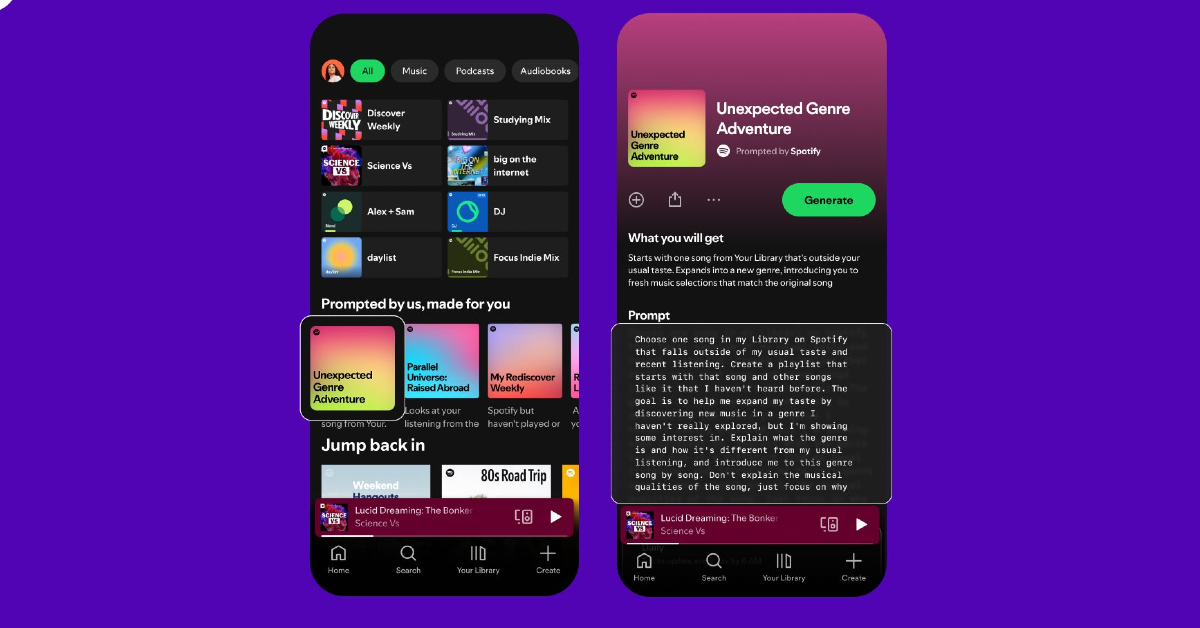
Prompted Playlist, a new beta feature from Spotify, is currently rolling out in select regions. It gives users greater control over song suggestions. This feature allows listeners to express their musical tastes, allowing for the building of personalised playlists based on their listening history. Spotify also aims to include preset prompts in the personalised playlists available on the Home page.
According to Spotify’s blog, Premium subscribers in New Zealand will get early access to the new beta feature, Prompted Playlist. This new feature allows users to manage the algorithm and improve the Spotify experience by describing their music preferences and creating personalised playlist rules. It utilises the user’s entire Spotify listening history, guaranteeing that each playlist includes current favourites and reflects the growth of the user’s musical tastes. Spotify regularly curates these playlists to keep them up to date with regard to listening habits and worldwide trends.
Users can tailor music requests by providing criteria, such as looking for songs by top artists from the last five years or incorporating lesser-known pieces. They may also request playlists tailored to certain activities, such as high-energy pop and hip-hop for a run, followed by relaxing songs for a cool-down, as well as music from recent films and TV shows that relate to them.
Users may personalise their playlists by modifying prompts or beginning over, and each music selection comes with context to enhance the listening experience. Playlists may be updated daily or monthly to stay current. Users can also tap “Ideas” to get prompts to create playlists based on specific themes, such as tracks by famous touring artists.
To provide further inspiration, music editors and culture experts created various amusing and inventive prompts, as well as English language algorithms. The Home interface will incorporate these into personalised playlists. As this service is still in beta, its capabilities and experience are expected to evolve and improve as more listeners interact with it.
Garena Free Fire (GFF) Max is a battle royale game with regular awards and tournaments to keep players interested. If you play GFF, you should be aware of the redeem codes that are released on a daily basis. However, because the battle royale game is banned in India, players from other countries can use theFree Fire Redeem codes daily. If you’re unfamiliar with the codes or don’t know how to get them, we’ve put together a step-by-step guide to help youredeem them. Check out Garena Free Fire Max Redeem Codes for 12 December 2025.
These codes are a great way to get free items in the game. The 12-digit codes contain letters and numbers, as well as an expiration date and time. Because the Garena FF redeem codes cannot be used more than once, you should hurry to the redemption page to claim your free reward before someone else does. To get a free reward, all you have to do is go toreward.ff.garena.com/en, which is the official redemption page. Also, keep an eye on this space for daily updates on Gadget Bridge on GFF Max redemption codes and rewards.
Amazon Quiz 12 December 2025: The New Daily Quiz is now available. Customers from different parts of the country are participating in the daily quiz. The quiz starts at midnight today and will be live until 11:59 PM tonight. By successfully answering every question, participants in the quiz have the chance to win wonderful rewards. Up to Rs 500 Amazon Pay Balance is up for grabs to participants today.
One wrong answer could eliminate you from the quiz. You have a chance to win up to Rs 500 Amazon Pay Balance if you successfully answer every question. Users of the app only have the opportunity to take the quiz. Check Out the 12 December 2025 Quiz.
In This Article
Are you not able to find Amazon FunZone? Click below and participate.
We have written an explainer above; you can refer to that.
When are the winners of the Quiz and contest announced or declared?
The announcement of today’s quiz winner will take place Tomorrow. As for the Special Quiz and “Spin & Win” Contest, the winners will be declared once the Quiz Contest comes to an end. To find out who the lucky winner is, you can refer to the Winners List or visit the Amazon Winners tab in the Amazon App.
How to participate in the Daily Amazon Quiz?
That is very easy, just got to the Amazon app and scroll to the bottom of the page and you will find the Quiz section. Click on it (usually it is called the fun zone) and you can enter the Amazon Today Quiz Contest.
Are there any other quizzes or contests running on Amazon daily?
Yes, there are many running daily. These range from spinning the wheel to answering the questions correctly. All are located in the Fun Zone.
What are the criteria for selecting a winner in the Daily Amazon Quiz?
When a qualified player submits correct answers to all the questions, they will automatically be entered into a lucky draw. This draw will include all participants who answered all the questions correctly. Amazon randomly selects the final winners from the pool of eligible participants who gave the right answers.
Which Types of Questions are asked within the Amazon Daily Quiz?
These are very simple and straightforward questions. These are mainly related to general knowledge.
Where should I look for Amazon Daily Quiz answers?
You can bookmark our website www.gadgetbridge.com as we will help you every day with the Amazon Daily Quiz. We bring you fresh answers every day for the Amazon Daily Quiz and Contest.
What time does Amazon announce previous winners?
The previous winner’s name will be announced today at 12 PM (noon).
Are you looking for today’s Wordle answer for December 12, 2025? The problem is difficult to solve, so if you need assistance, we’ve included hints and the clue to today’s Wordle Quiz. Below, we have made it simple for everyone to understand how to get to the Wordle Answer today.
In This Article
Hints and Answers for Today’s Wordle December 12
Before answering directly, please check the Wordle Hints first.
Hint 1: Today’s Wordle answer includes a vowel. Hint 2: The answer for today has no repeating letters. Hint 3: Meaning- a large vehicle for carrying heavy loads by road
What word does today’s Wordle begin with?
Do you need help with today’s Wordle answer’s initial letter?
The first letter in today’s Wordle is “T”
Today’s Wordle Answer
The answer to Wordle #1637 on December 12, 2025, is — TRUCK
Wordle: A Five-Letter Word Guessing Game • The game allows six guesses of a five-letter word. • Provide feedback on the guessed letters’ placement in the puzzle. • The New York Times purchased the game in 2022. • Created by Josh Wardle for his partner, narrowing down 12,000 English words to 2,500. • Named after the word “word.”
How To Play Wordle?
Wordle is a New York Times word puzzle game that allows users to guess a five-letter word in six attempts. The letters are highlighted in Yellow and Green, indicating whether the word is present in the answer or not, and Green letters indicate the correct guess.
Select a powerful starting word: Avoid using unusual words, as they frequently do not match common letters. A good opening word has plenty of benefits.
Repeating letters: Don’t be afraid of repeating letters; they appear frequently in words. The answer may contain one or two repeated letters.
Use the Wordlebot: The NYT’s Wordlebot analyses and compares replies to itself. This challenge can assist you in enhancing your guessing skills and highlighting areas for development.
The days of hunting for sketchy executable files on random websites are largely behind us. By 2025, the Windows software ecosystem will have matured into something far more centralised. However, while downloading apps has become easier, the “where” and “how” still matter greatly for the speed and security of your machine.
Before you even begin building your software library, you need to consider the security of the network you are using. If you are setting up a laptop at a coffee shop or using a shared workspace, your download activity can be visible to others on the network. A primary step for privacy-conscious users is to enable a VPN for Windows prior to connecting to public repositories. This makes sure that your connection is encrypted and your location is masked, allowing you to download your tools without exposing your data to local snoops or man-in-the-middle attacks.
Once your connection is secure, you have three primary avenues for acquiring software in 2025. These range from user-friendly stores to power-user command lines.
In This Article
The Modern Microsoft Store
For a long time, the Microsoft Store was the butt of many jokes. However, recent iterations have transformed it into the on of the most reliable sources for users. Microsoft now allows traditional Win32 apps (the .exe files you are used to) to be listed directly in the Store.
Why use it: It handles background updates automatically and keeps apps sandboxed. This means they can’t easily corrupt your system registry.
What to get here: Mainstream apps like Spotify, Netflix, WhatsApp, and the MS Office Suite.
Winget: The Power User’s Choice
If you wish to simply install 20 apps in the time it takes to drink a coffee, the Windows Package Manager (Winget) is the standard in 2025. This is a command-line tool pre-installed on Windows.
Instead of clicking ‘Next’ on five different installation wizards, you simply open the Terminal and type a command. For example, winget install Google. Chrome automatically fetches the official installer from Google and checks its hash for security before ultimately installing it.
For those who want to master this method, the official Microsoft Winget documentation provides a list of commands that can help you script your entire PC setup. You can literally create a text file that installs your browser, media player, and office suite all in one go.
Bulk Installers for Efficiency
If the command line feels too technical but you still hate downloading individual files, ‘repository aggregators’ are the best middle ground. Services like Ninite are incredibly relevant in 2025.
Ninite allows you to check boxes on a website for the free software you want (like VLC, Chrome, 7-Zip, or Zoom) and gives you a single installer file. When you run that one file, it downloads and installs the latest versions of everything you selected, automatically saying ‘No’ to any toolbar offers or bloatware.
Direct Developer Downloads (The Old School Way)
Sometimes, the app you need isn’t on the Store or a package manager. In these cases, downloading directly from the developer is necessary. However, this method requires the most vigilance.
Verify the URL: Ensure you are on the actual vendor site (e.g., adobe.com not get-adobe-free-update.com).
Check the Extension: In 2025, you should be downloading .msi, .msix, or .exe files. Be extremely wary if a download is a .js or .vbs file.
Managing Your Software Ecosystem
Downloading the apps is the easy part; keeping your system clean requires maintenance. Over time, installed apps can leave behind “ghost files” that clutter your storage and registry.
If you are testing out new software, you might eventually need to remove it. Sometimes, Windows’ default ‘Add or Remove Programs’ fails to do the job completely. In those instances, you may need to look at specific techniques to force uninstall programs in Windows 10 and 11 to make sure that no corrupt files remain.
Summary Checklist for 2025
Follow this hierarchy to keep your Windows machine fast and secure:
Check the Microsoft Store first. It is the safest and easiest to update.
Use Winget or Ninite for bulk installing free utilities (browsers, media players).
Download from the web last, and only for niche software.
Once you have your method sorted, the challenge is knowing what to install to stay productive. If you are setting up a home office, you should prioritise tools that facilitate remote collaboration. You can review this guide on must-have Windows 10 apps to work from home efficiently to make sure you don’t miss out on any critical utilities.
Instagram has unveiled the ‘Your Algorithm’ feature to give users more control over the content displayed in the Reels tab. This feature enables users to go over and customise the topics that influence their reel feed, allowing AI to provide more personalised suggestions. The tool will first be available in the United States before expanding to an English-speaking worldwide audience in the following weeks, with plans for further integration into the Explore tab and other app sections.
While announcing the feature, the company said, “Today, we’re excited to announce a new way to control your Instagram experience, starting with the Reels tab. Your interests change – and now using AI, your algorithm can change with you.”
“Instagram has always been a place to dive deep into your interests and connect with friends. As your interests evolve over time, we want to give you more meaningful ways to control what you see on Instagram, starting with Reels. Using AI, you can now more easily view and personalise the topics that shape your Reels, making recommendations feel even more tailored to you,” further added.
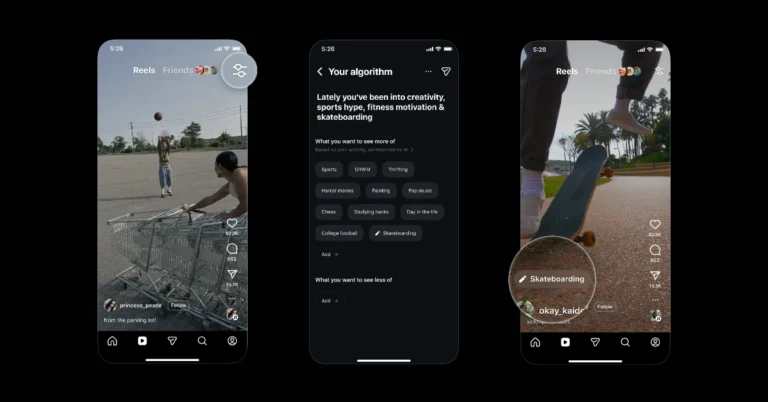
The new ‘Your Algorithm’ feature on Instagram lets users personalise their Reels feed. During viewing, an icon with two lines with hearts shows in the top-right corner, displaying subjects that are relevant to your interests. This tool allows you to get a summary of your top interests, change your content visibility options, and even put your algorithm on your Story, allowing users to share their interests with their friends and followers.
Tapping it brings up the panel, which displays categories that Instagram says users are interested in, such as sports, horror movies, and food. Users may also specify which topics they want to see more or less of, customising their reels accordingly.
This functionality will first be available in the Reels tab, with plans to expand to the Explore and Home sections of the app in the near future. Furthermore, the feature is already being pushed out in the United States and will be available globally in English soon.
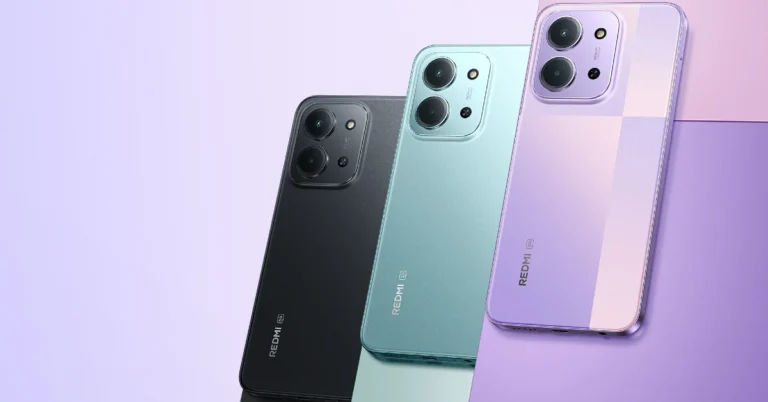
Recently launched Redmi 15C 5G is now up for purchase in India. The smartphone comes with a massive 6,000mAh battery with 33W fast charging support. The phone runs on HyperOS 2, based on Android 15 out of the box and is powered by the MediaTek Dimensity 6300 5G SoC. In addition to this, it has a dual rear camera setu,p and the display is TÜV Rheinland certified with 120Hz refresh rate support.
In This Article
Pricing and Availability
The price of the phone starts at Rs 12,499 for the base 4GB RAM with 128GB storage. The 6GB RAM and 8GB RAM models with similar storage cost Rs 13,999 and Rs 15,499, respectively. This smartphone is offered in three colour options: Moonlight Blue, Dusk Purple, and Midnight Black. The device is available via the company’s official online store, mi.com, offline retailers and the Amazon India website.
Specifications, Features
The mobile phone is powered by the MediaTek Dimensity 6300 5G chipset and available in a variety of configurations, including 4GB, 6GB, and 8GB of RAM, all with 128GB of internal storage. Memory Extension technology also allows you to increase memory capacity to 16GB. It supports LPDDR4X RAM and UFS 2.2 storage for faster data transfers, which improves multitasking and app responsiveness. The operating system, which is backed by HyperOS 2 with Android 15, offers two years of operating system upgrades and an additional four years of security updates.
The smartphone is also IP64 certified, which provides dust and splash resistance and increases its longevity for both indoor and outdoor use. The device has a large 6.9-inch HD display with a resolution of 1600×720, a 120Hz Adaptive Sync refresh rate, and a 240Hz touch sampling rate, which contributes to its responsiveness. The display can achieve peak brightness levels of 810 nits. Furthermore, the gadget has TÜV Rheinland certifications for reduced blue light emission, flicker-free performance, and circadian-friendly operation, supporting better viewing habits.
The handset has a 50MP AI dual camera with an aperture of f/1.8 and an 8MP front-facing camera with an aperture of f/2.
The Redmi phone sports a 6000mAh battery that delivers enduring power suited for uninterrupted conversations, streaming, music, and many everyday activities. Its 33W fast charging capabilities enable swift battery refilling, while the inclusion of 10W reverse charging increases its usability for mobile use.
The device has a side fingerprint scanner, ambient light sensor, proximity sensor (virtual), E-compass, and accelerometer. In addition, this device includes a 3.5mm audio port, Dolby-certified bottom-firing speakers, and a 200% super volume output.
Expectations skyrocket when OnePlus releases a new phone every year. Flagship performance is now more reasonably priced thanks to this brand. To take the year traditions forward, the OnePlus 15 has finally been released. And this might possibly cause some disruption in the global markets, including the USA and India. Right off the bat, this smartphone is the most powerful Android flagship to date. For the past two weeks or so, it has been our daily driver, and here is our experience with this gadget. This is the OnePlus 15 Review you should not miss.
In This Article
Design and Display
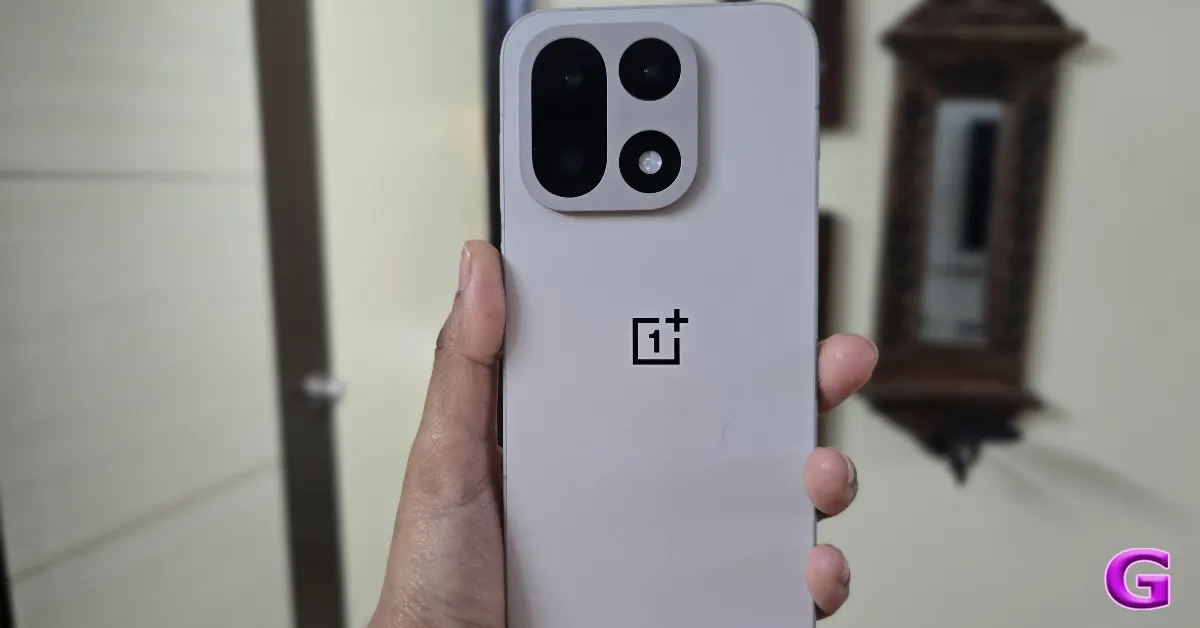
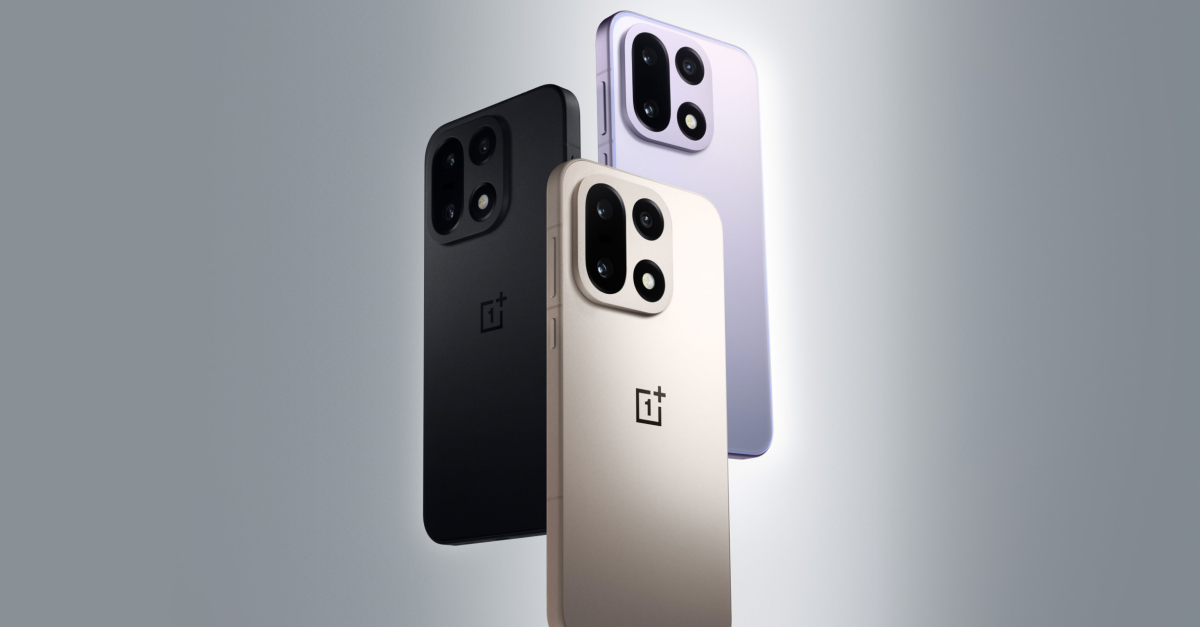
The new design immediately catches your eye. There have been many changes to the OnePlus 15. A significant update is that the top-left corner of the back panel now features a rectangular camera island instead of the traditional circular module. This aligns with the look of modern flagship phones. They have also made the camera housing smaller. The back of the phone is flat and bears an engraved OnePlus logo, which gives it a tidy appearance. This is beneficial for mobile gamers because it makes the device easier to hold and reduces accidental touches during gameplay.
The firm has used materials that are stronger than titanium. Some colour options feature micro-arc oxidation (MAO) technology, which provides the coating with a ceramic-grade finish that is more durable and easier to maintain than titanium and aluminium. The mid-frame is crafted from strong metal. The device’s high durability ratings, such as IP66, IP68, IP69, and IP69K, ensure it is highly resistant to dust, submersion, and high-pressure water.
In general, it has a pretty advanced look. Did you know that all three models are different, not only in colour but also in how they are made and how they feel? The black and ultraviolet colours have a soft, smooth feel. There is also a very faint glint of brilliance around the border of the ultraviolet. But this sandstorm version, which we have for the review, is our favourite colour option. The back panel is made of fibreglass or fibre-reinforced plastic and has a soft-touch matte finish that feels excellent to the touch. Also, the coating doesn’t attract any fingerprints at all.
The OnePlus 15 has a large battery, yet it remains slim, measuring about 8.1mm to 8.2mm thick and weighing between 211g and 215g. It is easier and more convenient to handle because it is approximately 161.4 mm x 76.7 mm.
The OnePlus 15 has undergone notable button modifications. The key change is the addition of a new button called the Essential Key, or Plus Key. This button is positioned in the upper left corner of the phone frame and replaces the Alert Slider that was previously found on OnePlus flagship models. You can configure the Key to perform various quick actions or shortcuts. It is a dedicated button that you can personalise.
In addition to this, the OnePlus 15 has traditional buttons like the Power/Lock Button and Volume Rocker. All of these buttons are on the right side of the frame. The volume rocker is located above the power button for easy access for users.
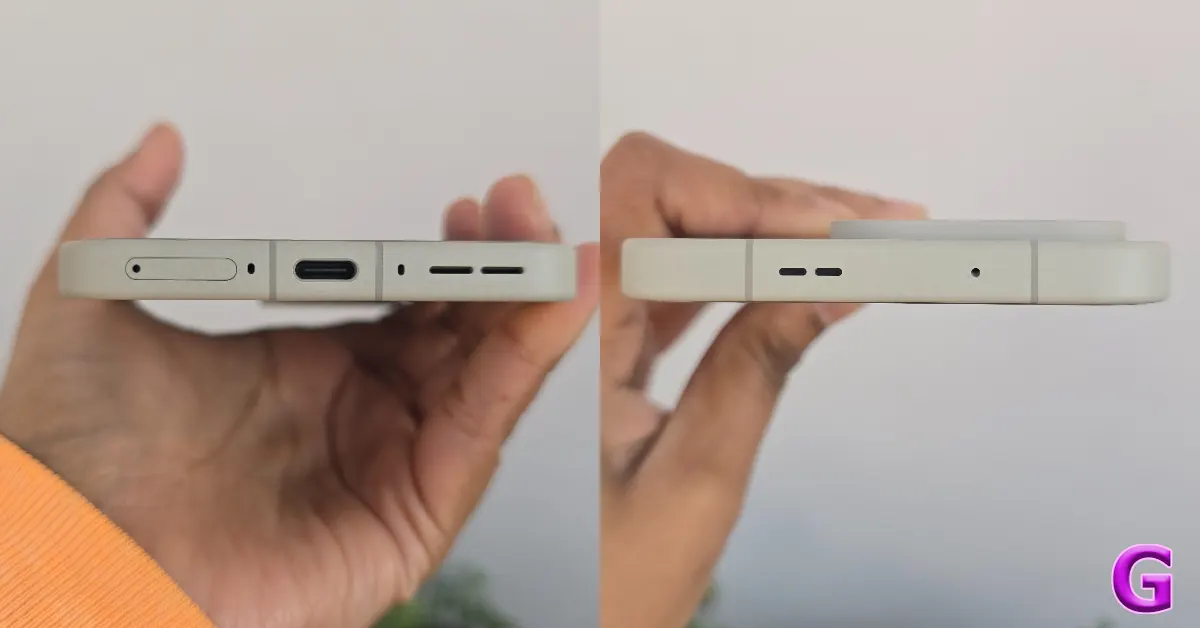
The USB Type-C port is positioned in the centre of the bottom edge and supports USB 3.2 Gen 1. Next to this port is a dual nano-SIM tray that can also utilise eSIM technology. The device features stereo speakers: a main speaker on the bottom edge and an earpiece or secondary speaker on the top. The OnePlus 15 includes a powerful three-mic noise cancellation system that eliminates background noise during calls and recordings, ensuring clear audio.
The phone features an IR blaster at the top edge, allowing it to function as a universal remote for various devices, such as TVs and air conditioners. The OnePlus 15 does not include a standard 3.5mm headphone jack, in line with current flagship design trends. Instead, users must connect audio devices via the USB-C port or Bluetooth 6.0 wireless.
The smartphone also has an ultrasonic fingerprint sensor integrated into the screen for secure authentication and convenience. We checked it a lot of times, and not once did it give us a chance to bicker.
Overall, we really appreciate the phone’s premium feel. A lot of focus is made on the phone’s display because the OnePlus 15 has a unique feature that makes it stand out from other phones.
The bezels surrounding the screen are very slim and uniformly balanced on all four sides. This results in a high screen-to-body ratio ranging from 90.8% to 95.5%. Such a design provides a fully immersive visual experience from edge to edge. The display is a large 21.6-inch LTPO AMOLED with a cutout for the selfie camera. The transition from slightly curved panels to entirely flat ones improves the device’s performance, which is excellent news for gamers.
The screen is protected by Corning Gorilla Glass Victus 2, resulting in it being less likely to break or scratch.
Refresh rate and touch responsiveness are two important features that affect how well the display works. The AMOLED screen on the device has a maximum refresh rate of 165 Hz and advanced touch response technologies. This refresh rate is much better than the 120Hz that most gadgets have. No other company offers this kind of experience, which is important for gaming. That’s really cool. The screen is very clear and, as far as we know, the first of its kind.
Touch response rates usually range from 1,440Hz to 2,400Hz, but this device has a dedicated touch response chip that makes it reach an impressive 3,200Hz. This chip makes sure that tapping is accurate and that no inputs are missed. The display currently lacks an anti-reflective coating, which may reduce clarity. However, OnePlus offers a special tempered glass that is said to perform well against reflections.
Because of this, the device is highly responsive to touch, making it perfect for activities requiring quick reflexes, such as gaming, fast typing, or smooth scrolling.
OnePlus also chose a 1.5K resolution (1,272 x 2,772 pixels) for its new OLED display so that it could reach a refresh rate of 165 Hz, which is very high. This resolution is lower than the 2K and QHD+ resolutions found on the predecessor, the OnePlus 13 (Review).
The screen can reach 1,800 nits, so it’s visible in direct sunlight. It can also get very dim, down to 0.5 to 1 nit for optimal viewing in complete darkness. So, it’s a stunning giant display that’s perfect for the outdoors.
In terms of colour and HDR performance, the display supports 1.07 billion colours and works with high-end HDR formats, like Dolby Vision and HDR 10+. Therefore, the supported content has bright colours, deep blacks, and rich contrasts. The display is also TÜV Rheinland Intelligent Eye Care certified. Over that, it has features like “Reduce White Point” and a mix of DC-like and 2,160 Hz PWM dimming to make it easier on the eyes when you constantly use it.
The display stands out in particular, offering a level of performance that no other brand can match.
Performance and Cameras
Now let’s talk about performance. OnePlus has worked hard to improve performance.
The Qualcomm Snapdragon 8 Elite Gen 5 Mobile Platform powers the OnePlus 15. This platform employs advanced 3nm technology to optimise performance. It features a Qualcomm Oryon CPU with eight cores: two Prime Cores that can reach speeds of up to 4.6 GHz, and six Performance Cores that operate at speeds of up to 3.62 GHz.
For your information, it is touted to provide roughly 20% improved total CPU performance and 35% higher power efficiency than the previous generation.
The Qualcomm Adreno 840 takes care of graphics, which makes them 23% faster and the battery 20% longer. The Adreno High Performance Memory (HPM) provides 18MB of dedicated memory to speed up rendering. Additionally, the Qualcomm Hexagon NPU integrated into the device enables generative AI tasks on the device, which enhances AI performance by 37%.
The 360-degree Cryo-Velocity Cooling System has a big, tearable 3D Vapour Chamber (VC), a white graphite back for extra cooling, and an aerogel insulation layer made from aerospace technology that is right under the display.
This advanced technology successfully regulates heat, protecting the structural integrity of internal components and managing the phone’s exterior temperature during demanding activities such as gaming, and more importantly, it can maintain high frame rates in games for longer than many rivals.
For demanding games like BGMI, Genshin Impact, and Call of Duty, the phone keeps a steady frame rate of 120 FPS or even 165 FPS. But remember that the OnePlus 15 might consume a lot of power, which can lead to significant thermal throttling under heavy, sustained loads, even though it has a superior cooling system. Yes, and the gyro sensor has been fine-tuned to be highly precise for gamers. We mean that even slight movements of the wrist make things very smooth and the shooting very accurate.
The phone’s fast LPDDR5X RAM supports Parallel Processing 2.0, which allows you to run multiple demanding apps simultaneously without issues.
Antutu Score: 36,67,095
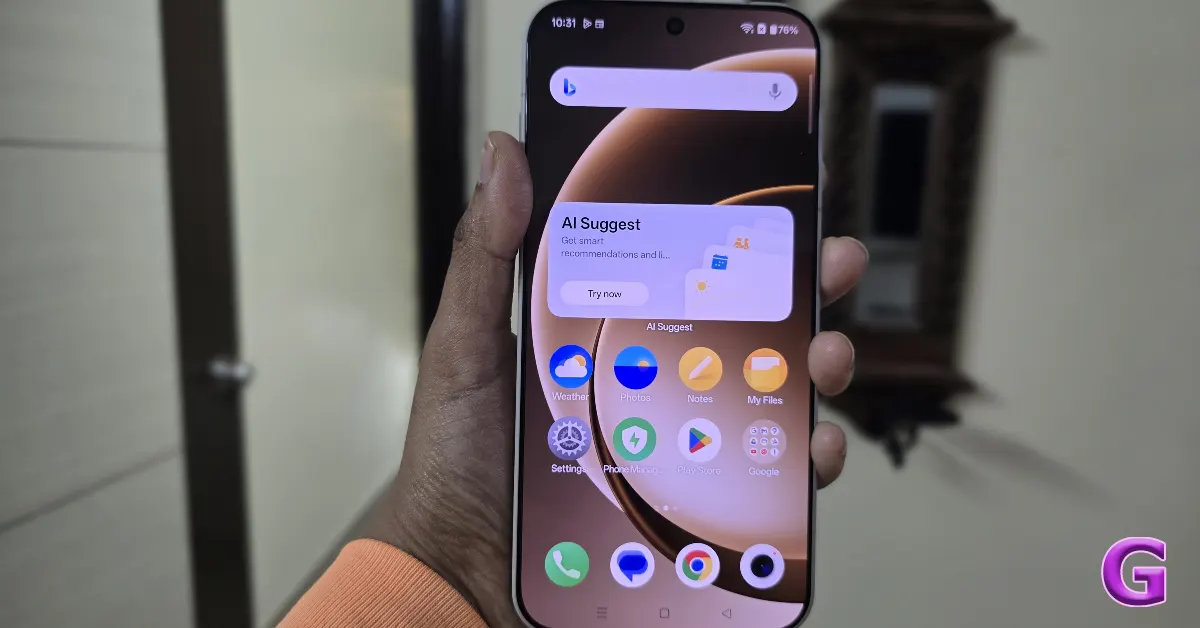
OxygenOS 16 offers many features that simplify tasks. One of these is Dual App Control, allowing you to use two apps simultaneously. The Mind Space app now works with Google Gemini, which is a big step forward. Users can easily take a picture of their screen by pressing the plus key. The image is then analysed and saved in the MindSpace app. The most significant change here is that users can now use Google Gemini to access saved content from the Mind Space app more intelligently and effectively, instead of having to scroll or search through the app themselves. AI-powered camera features like AI Portrait Glow and AI Scan also help you take better pictures.
The phone’s lock screen has been redesigned and now offers more customisation options, such as new clock designs and widgets that make it easy to access information. You can drag and drop toggles in the Quick Settings panel, which simplifies the process. The device also features cross-ecosystem connectivity, making it easy to transfer files between macOS, Windows, and Apple devices. Additionally, the handset is NFC-enabled.
The new OS introduces visually appealing Flux themes to the lock screen, which look even better with the new depth wallpapers. These wallpapers look fantastic and also utilise AI to generate captions for the photos you select. Additionally, a full-screen, always-on display feature allows users to keep their favourite wallpaper on the lock screen. A newly redesigned control centre offers more customised options while enabling users to swiftly swipe left to access notifications.
Smooth and fluid animations set the system navigation apart and make the user experience more enjoyable. Furthermore, users can now add shortcuts to app icons and arrange them in pill shapes that are either horizontal or vertical. Lastly, native apps now have a new frosted glass design that makes the interface look cleaner and more modern overall.
OnePlus has promised to support its flagship smartphones for quite a while. The OnePlus 15 will get four major updates to the Android OS and six years of security fixes. The device will come with Android 16 (OxygenOS 16) and will be guaranteed to get updates up to Android 20. Smartphones like the Samsung Galaxy S25 and Google Pixel 10 series offer a longer commitment of seven years for both OS and security updates. This is great for people who want their gadgets to last as long as possible.
The OnePlus 15 features a highly versatile triple 50MP camera system on the rear, now powered by an in-house computational photography engine, marking a departure from the previous Hasselblad partnership. Furthermore, the OnePlus 15 boasts smaller sensor sizes compared to the OnePlus 13. So, this gadget can still capture decent shots? Okay, let’s look at some samples.
Daylight performance is strong, with photos exhibiting clean quality, good dynamic range, and true-to-life colours due to a very fast shutter speed. While the Hi-Res mode offers 26MP outputs, the DetailMax Engine uses pixel-binning to enable 12.5MP photos; however, the improvements in detail are sometimes inconsistent.
The primary camera’s images are of excellent quality, with a good balance of colours and brightness. The blue skies are well-exposed, and even on cloudy days, the light gradient is captured effectively. Without the usual oversharpening, the greens appear accurate. All of the colours are accurately depicted. In terms of dynamic range, the camera usually does a good job of maintaining respectable details in the shadows; however, occasionally, shadow details seem a little squashed.
The size of the sensor limits its capacity to capture images in low light, which might lead to images with dull colours or a softer appearance. But the video quality is particularly impressive because this is the first Android device that can record 4K 120FPS video with Dolby Vision support, which enhances slow-motion and high-dynamic-range content.
The telephoto sensor offers an impressive range of zoom options, from a conventional 1x zoom to a 2x crop zoom, the native 3.5x zoom, and a 7x cropped zoom. This zooming versatility enables users to snap photographs from a variety of distances while keeping clarity and detail.
However, in low-light settings, the telephoto lens struggles with colour accuracy and focus speed, perhaps resulting in less vivid or noisier photographs than the primary camera.
Now we’ll examine ultra-wide performance. During the daytime, photo quality is acceptable, with detailed preservation and minimal distortion due to a high resolution of 50MP. However, there are consistency issues, as it exhibits poor colour accuracy and fluctuating white balance compared to the primary and telephoto lenses, resulting in a series of images that appear markedly different.
An ultra-wide lens can capture stunning images in good weather and proper lighting. The sensor can also serve as a macro lens, resulting in good close-up shots.
The small sensor size (1/2.88-inch) considerably reduces performance in low-light circumstances. When compared to photographs captured with the primary camera, ultra-wide shots taken at night have more softness, higher noise, and lower resolution.
Next, we tested the device’s portrait photography skills, finding that the 3.5x telephoto lens delivers the best images. The images have excellent colour fidelity, particularly in skin tones, and very precise edge detection. Zooming in, it is clear that the edge detection retains clarity even in fine details like hair strands.
Surprisingly, even while capturing moving subjects, the gadget produces crisp photographs in 90% of cases. The OnePlus 15 improves the photographs with more punch and contrast, adding to their overall visual appeal. In low-light circumstances, the portrait mode continues to impress, with minimal halo effects around light sources, well-controlled highlights, and rich colours that do not sacrifice detail.
We took a bunch of portrait selfies, and they turned out great. The quality is obvious, thanks to the excellent lighting, making them ideal for social media use. Even in low-light situations, the selfies effectively preserved proper skin tones and noise levels, resulting in visually pleasing photographs.
Overall, the portrait mode works well in many situations. It does a great job of capturing both people and things, with nice background blur effects and colours that look true to life.
The 32 MP front camera delivers exceptional detail and clarity for daytime selfies, making them ideal for social media. Autofocus (AF) enhances usability by enabling the camera to focus precisely on targets, whether in close-up or group shots, which is crucial for quick photos. It utilises the RGBW pixel array of the Sony IMX709 sensor to capture more light than standard RGB sensors, resulting in brighter and better-exposed photos in low-light conditions.
The OnePlus 15 stands out in the premium smartphone market mainly because of its long-lasting battery, which has a capacity of 7,300 mAh. Users can expect 4 to 5 days of use on a single charge in moderate-to-heavy conditions, relieving charging worries. Furthermore, the device features 120W SUPERVOOC quick charging, which provides a full day’s battery life in less than 20 minutes of charging. That large battery capacity can be charged to 100% in just under 40 minutes. That’s incredible.
Before wrapping up, we must discuss the price, which we believe is particularly favourable and inviting. The 12GB of RAM with 256GB of storage will be available at Rs 72,999, whereas the 16GB of RAM with 512GB of storage is priced at Rs 79,999.
The OnePlus 15 offers an excellent experience, emphasising design, durability, and performance. The mobile features a simple design, a flat screen, a redesigned camera module, aerospace-grade materials, a highly responsive display, and a large 7,300 mAh silicon-carbon battery. It is powered by a Snapdragon 8 Elite Gen 5 CPU and delivers top-tier performance, including gaming at 165 FPS and a dedicated Wi-Fi chip for enhanced connectivity. Overall, it is a great choice for those seeking a high-performance smartphone built to last.
Pros
Massive battery and fast charging capability
Stable performance thanks to Snapdragon 8 Elite Gen 5, and paired with the 360-degree Cryo-Velocity Cooling System
Super fast 165Hz LTPO AMOLED display
Highest grade protection
Supports 4K video recording @120FPS (industry’s first feature)
Cons
Gets warm during extended gaming
Only 4 years of OS updates (Samsung and Google promise 7 years)
This holiday season, Apple Arcade gamers can explore more about the popular game Sneaky Sasquatch, which has been a top-ranked title since its release in 2019. The game is known for its frequent upgrades, which include a large farming expansion that was just implemented. On December 16, the Harvest to Harbor update will include new farming experiences that allow players to cultivate and harvest mushrooms, as well as a new Crop Market. This update includes gameplay aspects that allow players to track peak prices, strategically sell their crops, and maximise their earnings.
Sneaky Sasquatch fans may visit select Apple Store locations across the world for special game-related experiences. They can attend Today at Apple workshops to try to locate a Sasquatch or join in a dance party on a big screen. Families may also register for a Kids: Draw with Sneaky Sasquatch session, in which children can participate in creative activities while assisting Sasquatch in designing a festive party scene on an iPad. This activity involves applying stickers to Sasquatch’s disguise and learning new digital art abilities. The sessions are scheduled to run every weekend until January 6. Visitors may also play the game in the Apple Arcade bay.
This season, arcade fans can look forward to new game additions such as SpongeBob: Patty Pursuit 2, PowerWash Simulator, Cult of the Lamb Arcade Edition, Subway Surfers+, and NARUTO: Ultimate Ninja STORM+. On January 8, four new games will be released: Cozy Caravan, Sago Mini Jinja’s Garden, True Skate+, and Potion Punch 2+. Cozy Caravan is a single-player game that emphasises crafting, trade, and exploration in a lovely setting, enabling players to interact with communities and characters. Sago Mini Jinja’s Garden is a new 3D open-world adventure packed with fun activities. True Skate+ is a skateboarding simulator, whereas Potion Punch 2+ is a fast-paced time management game with magical elements.
Apple Arcade provides a subscription service for Rs 99 per month, coupled with a one-month free trial. New users who purchase a new iPhone, iPad, Mac, or Apple TV may get three months of free access. The service is featured in Apple One’s Individual plan for Rs 195 and Family plan for Rs 365, both of which offer a one-month free trial. Subscribers may access Arcade Originals on a variety of platforms, including iPhone, iPad, Mac, Apple TV, and Apple Vision Pro, whereas App Store Greats are limited to iPhone, iPad, and Apple Vision Pro. A family subscription gives up to six people unrestricted access to the game catalogue, which includes over 200 titles. However, availability varies based on device compatibility and regional access limitations.
Garena Free Fire (GFF) Max is a battle royale game with regular awards and tournaments to keep players interested. If you play GFF, you should be aware of the redeem codes that are released on a daily basis. However, because the battle royale game is banned in India, players from other countries can use theFree Fire Redeem codes daily. If you’re unfamiliar with the codes or don’t know how to get them, we’ve put together a step-by-step guide to help youredeem them. Check out Garena Free Fire Max Redeem Codes for 11 December 2025.
These codes are a great way to get free items in the game. The 12-digit codes contain letters and numbers, as well as an expiration date and time. Because the Garena FF redeem codes cannot be used more than once, you should hurry to the redemption page to claim your free reward before someone else does. To get a free reward, all you have to do is go toreward.ff.garena.com/en, which is the official redemption page. Also, keep an eye on this space for daily updates on Gadget Bridge on GFF Max redemption codes and rewards.
Amazon Quiz 11 December 2025: The New Daily Quiz is now available. Customers from different parts of the country are participating in the daily quiz. The quiz starts at midnight today and will be live until 11:59 PM tonight. By successfully answering every question, participants in the quiz have the chance to win wonderful rewards. Up to Rs 500 Amazon Pay Balance is up for grabs to participants today.
One wrong answer could eliminate you from the quiz. You have a chance to win up to Rs 500 Amazon Pay Balance if you successfully answer every question. Users of the app only have the opportunity to take the quiz. Check Out the 11 December 2025 Quiz.
In This Article
Are you not able to find Amazon FunZone? Click below and participate.
We have written an explainer above; you can refer to that.
When are the winners of the Quiz and contest announced or declared?
The announcement of today’s quiz winner will take place Tomorrow. As for the Special Quiz and “Spin & Win” Contest, the winners will be declared once the Quiz Contest comes to an end. To find out who the lucky winner is, you can refer to the Winners List or visit the Amazon Winners tab in the Amazon App.
How to participate in the Daily Amazon Quiz?
That is very easy, just got to the Amazon app and scroll to the bottom of the page and you will find the Quiz section. Click on it (usually it is called the fun zone) and you can enter the Amazon Today Quiz Contest.
Are there any other quizzes or contests running on Amazon daily?
Yes, there are many running daily. These range from spinning the wheel to answering the questions correctly. All are located in the Fun Zone.
What are the criteria for selecting a winner in the Daily Amazon Quiz?
When a qualified player submits correct answers to all the questions, they will automatically be entered into a lucky draw. This draw will include all participants who answered all the questions correctly. Amazon randomly selects the final winners from the pool of eligible participants who gave the right answers.
Which Types of Questions are asked within the Amazon Daily Quiz?
These are very simple and straightforward questions. These are mainly related to general knowledge.
Where should I look for Amazon Daily Quiz answers?
You can bookmark our website www.gadgetbridge.com as we will help you every day with the Amazon Daily Quiz. We bring you fresh answers every day for the Amazon Daily Quiz and Contest.
What time does Amazon announce previous winners?
The previous winner’s name will be announced today at 12 PM (noon).
Are you looking for today’s Wordle answer for December 11, 2025? The problem is difficult to solve, so if you need assistance, we’ve included hints and the clue to today’s Wordle Quiz. Below, we have made it simple for everyone to understand how to get to the Wordle Answer today.
In This Article
Hints and Answers for Today’s Wordle December 11
Before answering directly, please check the Wordle Hints first.
Hint 1: Today’s Wordle answer includes two vowels. Hint 2: The answer for today has a repeating letter. Hint 3: Meaning- to give the correct answer when you are not sure about it
What word does today’s Wordle begin with?
Do you need help with today’s Wordle answer’s initial letter?
The first letter in today’s Wordle is “G”
Today’s Wordle Answer
The answer to Wordle #1636 on December 11, 2025, is — GUESS
Wordle: A Five-Letter Word Guessing Game • The game allows six guesses of a five-letter word. • Provide feedback on the guessed letters’ placement in the puzzle. • The New York Times purchased the game in 2022. • Created by Josh Wardle for his partner, narrowing down 12,000 English words to 2,500. • Named after the word “word.”
How To Play Wordle?
Wordle is a New York Times word puzzle game that allows users to guess a five-letter word in six attempts. The letters are highlighted in Yellow and Green, indicating whether the word is present in the answer or not, and Green letters indicate the correct guess.
Select a powerful starting word: Avoid using unusual words, as they frequently do not match common letters. A good opening word has plenty of benefits.
Repeating letters: Don’t be afraid of repeating letters; they appear frequently in words. The answer may contain one or two repeated letters.
Use the Wordlebot: The NYT’s Wordlebot analyses and compares replies to itself. This challenge can assist you in enhancing your guessing skills and highlighting areas for development.
Arise Crossover takes on a Solo Leveling-esque journey, full of intense battles where you get to slay monsters and conquer dungeons. The path from ‘Noob’ to ‘Monarch’ is not easy, and you will need some extra help as you progress to the higher levels. The game offers some special codes that give you access to useful items. Here are all the Arise Crossover codes available in December 2025.
If Arise Crossovers doesn’t quite scratch the Solo Leveling itch for you, we recommend giving Solo Blox Leveling, Solo Leveling: Arise, and Hunters a shot. While you’re here, check out the latest Kaizen codes. If you have any questions, let us know in the comments!
The Nothing Phone 3a Community Edition was released in India, with a design influenced by late 1990s and early 2000s technology. It was co-designed with over 700 members of the Nothing Community and contains unique UI elements, including a redesigned lock screen clock and wallpaper. The handset has the same specs as the normal Nothing Phone 3a, with an exclusive sale scheduled for a Bengaluru drop event on December 13.
Emre Kayganacı designed hardware and packaging that are inspired by the aesthetics of technology from the late 1990s and early 2000s. Emre Kayganac’s design incorporates a vibrant colour palette reminiscent of classic gaming toys into a nostalgic yet modern aesthetic. The Dice category for 2025 was created by Ambrogio Tacconi and Louis Aymonod (Reveland). The Dice accessory, which represents concepts of chance and play, has numbers on its faces in Nothing’s Ndot 55 font, combining traditional dice aesthetics with the brand’s technical identity and thereby connecting with a global gaming culture.
The lock screen has a unique clock face created by Jad Zock together with the Nothing Software team. This clock uses different font weights, which reduces visual clutter and effortlessly focuses users’ attention on crucial aspects. This design improves user memory retention for the displayed time. Furthermore, the gadget has a special wallpaper designed by Jad that visually connects the rear colour and texture to the front interface. Users may select four wallpaper variations—two in blue and two in purple—that represent different colour explorations and amusing hidden bits.
“Made Together” is a campaign by Nothing that focuses on the design process and working together as a community. The campaign focuses on collaboration rather than a specific phone design, showcasing its relevance regardless of the final product. It was developed by Sushruta Sarkar in conjunction with Nothing’s marketing team.
Besides this, the Nothing Phone 3a Community Edition carries the same features and specifications as the standard model.
Phone (3a) Community Edition is set for a limited global release of just 1,000 units, specifically the 12 GB RAM with 256 GB storage variant. Priced at Rs 28,999, it will be launched in India on 13 December 2025 during a special drop event in Bengaluru, offering customers and the community a unique opportunity to purchase this exclusive device.
Jujutsu Kaisen’s game adaptation on Roblox is something its fans cannot miss out on. It does a great job of incorporating the aesthetics and storylines of the show, putting the user in the midst of all things sorcery. Making your way through the battles, you will need some extra firepower to defeat more powerful opponents. Luckily, the game offers some special codes that can be redeemed for useful items. Here are all the Roblox Kaizen codes available in December 2025.
For more games inspired by Jujutsu Kaisen, check out Jujutsu Infinite, Sorcerer Battleground, and Cursed Arena on Roblox. While you’re here, take a look at the latest Roblox Hunters codes as well. If you have any questions, let us know in the comments!
Roblox is home to the game adaptations of several popular anime and series. Hunters, inspired by Solo Leveling, is one of our favourites of the lot. This game lets you join your friends in fighting your opponents, slaying bosses, and claiming dungeons. You can also roll for loot. To help you along the way, the game offers some special codes that can be redeemed for useful items. Here are all the Roblox Hunters codes that are up for grabs in December 2025.
Can’t get enough of Solo Leveling? We highly recommend trying Solo Blox Leveling and Solo Leveling: Arise on Roblox. While you’re here, check out the latest Blue Lock: Rivals codes as well. If you have any questions, let us know in the comments!
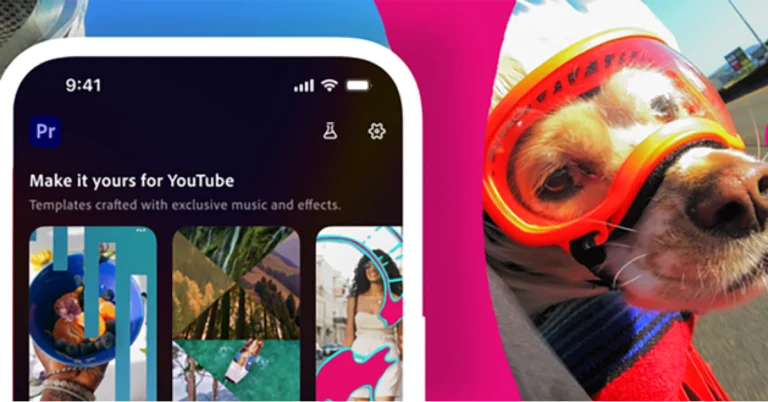
Adobe has partnered with YouTube to introduce a new Create for YouTube Shorts workspace within the Premiere mobile app, enhancing the short-form video editing experience. This functionality streamlines the process, allowing creators to quickly create and post powerful Shorts.
The Premiere mobile app now features a new section dedicated to making YouTube Shorts, along with a range of custom templates, transitions and effects.
The new YouTube Shorts content creation area within the Premiere mobile app offers full tools for creating interesting videos, capitalising on trends, and growing a subscriber base. Users get access to Adobe’s powerful video editing tools, which include special effects, transitions, templates, and presets developed exclusively for making entertaining YouTube shorts. The platform enables users to use these capabilities to make visually appealing videos, customise ready-to-use templates with complex transitions and effects, and build their own unique templates to foster creativity and spark new trends. Additionally, users may easily post their completed videos to YouTube Shorts.
Creators may use Adobe Premiere Mobile for complete video production and editing. It provides a limitless multi-track timeline for more precision, speed, and creative control. The app contains studio-quality voiceover and dialogue tools, such as Enhance Speech and AI-generated sound elements that use the user’s voice to boost viewer engagement. Additionally, Firefly-powered AI features can generate unique assets to improve content quality. Users are urged to download Adobe Premiere from the App Store so that they may easily create sophisticated YouTube shorts.
Users can also choose from a wide range of templates in the YouTube Shorts Templates Gallery, which is constantly updated. Each design has presets for text, effects, and transitions that make it easy to add their own media before uploading to YouTube. Users may unlock special editing capabilities by tapping the Create for YouTube Shorts icon, which gives them complete control over content cutting, trimming clips, layering video and audio tracks, adjusting colours and brightness, and adding text overlays or captions. Creators can also turn their original work into a template after uploading it to their YouTube channel, allowing trends to emerge and other creators to build on their ideas.
As 2025 comes to an end, it is time for us to take a look back at the best smartphones released in the calendar year. Samsung kicked off the proceedings early this year, putting out its flagship offerings back in January. As the months passed by, Google, Apple, Vivo, and other brands joined the party with their premium offerings. OnePlus had a tremendous year as well, with 2 premium releases on record. But which devices were the outright best of the lot? Here are our picks.
To the surprise of absolutely no one, Samsung’s top-spec flagship model finds itself at the top of this list yet again. The Snapdragon 8 Elite-powered Galaxy S25 Ultra does not make any compromises on performance. Its 6.9-inch Dynamic LTPO AMOLED 2X display has a 120Hz refresh rate and can reach a peak brightness of 2,600 nits. The rear camera array packs a 200MP primary shooter, a 10MP telephoto lens with 3x optical zoom, a 50MP periscope telephoto lens with 5x optical zoom, and a 50MP ultrawide lens. The smartphone runs the Android 15-based One UI 7 out of the box. Its ‘Galaxy AI’ suite is one of the most comprehensive AI packages we’ve seen on a smartphone. Check out our review of the Samsung Galaxy S25 Ultra for more details.
The top-spec iPhone model went through a crazy revamp this year. The aluminium unibody design with a wider camera island proved to be a winning strategy for Apple. The company’s in-house A19 Pro silicon powers the iPhone 17 Pro Max. Software duties are handled by the Liquid Glass-infused iOS 26. The camera module houses three 48MP sensors, one each for the primary shooter, ultrawide lens, and 4x periscope telephoto lens. The 6.9-inch LTPO Super Retina XDR OLED display has a 120Hz refresh rate and can reach a peak brightness of 3,000 nits. The 4,823mAh battery pack supports USB-C and MagSafe/Qi2 wireless charging.
Google Pixel 10 Pro XL
After the design and hardware overhaul last year, the new Pixel 10 series did not require any big changes. However, the minor updates proved to be quite clutch. With the addition of ‘Pixel Snap’, Google’s smartphone became compatible with MagSafe accessories. Features like Magic Cue and Camera Coach refreshed the software experience. However, what really blew us away was the rejuvenated voice translation tool for phone calls, which now carries out live translation in your voice. The top-spec Pixel 10 Pro XL flaunts a 6.8-inch LTPO OLED display with a 120Hz refresh rate and a peak brightness of 3,300 nits. Its rear camera bar houses a 50MP primary shooter, a 48MP periscope telephoto lens with 5x optical zoom, and another 48MP sensor for the ultrawide lens. The 5,200mAh Li-ion battery pack supports 45W wired and 25W wireless charging.
OnePlus launched not one, but two flagship phones this year. While both releases were super impressive, the OnePlus 15 made this list due to its powerful Snapdragon 8 Elite Gen 5 processor. Its 6.78-inch LTPO AMOLED display has a 165Hz refresh rate and can reach 1,800 nits in High Brightness Mode. There’s IP68/IP69/IP69K protection on board. Software duties are handled by the Android 16-based OxygenOS 16. The rear camera panel houses three 50MP sensors, one each for the primary shooter, ultrawide lens, and 3.5x telephoto lens. The massive 7,300mAh Si/C battery supports 120W wired and 50W wireless charging.
Oppo’s 2025 flagship offering checked a lot of boxes for us. The Find X9 Pro boasts a 6.78-inch LTPO AMOLED display with a 120Hz refresh rate and a peak brightness of 3,600 nits. It is powered by the MediaTek Dimensity 9500 SoC and runs the Android 16-based ColorOS 16 out of the box. Its rear camera array comprises a 50MP primary shooter, a 200MP periscope telephoto lens with 3x optical zoom, and a 50MP ultrawide lens. All of the cameras on this device are tuned by Hasselblad. The massive 7,500mAh battery pack supports 80W wired and 50W wireless charging. Check out our Oppo Find X9 Pro review for more details about its performance.
Vivo putting out the best camera-centric phone is becoming somewhat of a yearly tradition. This year, the Vivo X300 Pro dazzled us with its Zeiss-tuned elite camera system. The massive island on the back of this phone comprises a 50MP primary shooter, a 200MP periscope telephoto lens with 3.7x optical zoom, and a 50MP ultrawide sensor. At the heart of the device lies the MediaTek Dimensity 9500 chipset. Software duties are handled by the Android 16-based OriginOS 6. The 6.78-inch LTPO AMOLED display has a 120Hz refresh rate and can reach a peak brightness of 4,500 nits. The 6,510mAh battery pack supports 90W wired and 40W wireless charging. Read our Vivo X300 Pro review for a deeper analysis of its cameras.
The iQOO 15 is designed for serious gaming. It is powered by Qualcomm’s Snapdragon 8 Elite Gen 5 processor and iQOO’s in-house Supercomputing Chip Q3. The 8K single-layer VC cooling system under its hood keeps its internal temperature in check during long gaming sessions. The 6.85-inch LTPO AMOLED display has a 144Hz refresh rate and can reach a peak brightness of 6,000 nits. Three 50MP sensors make up the rear camera array of this device. These sensors cater to the primary shooter, ultrawide lens, and 3x telephoto lens. The 7,000mAh battery pack supports 100W wired and 40W wireless charging. Dive into our iQOO 15 review to learn more about its gaming performance.
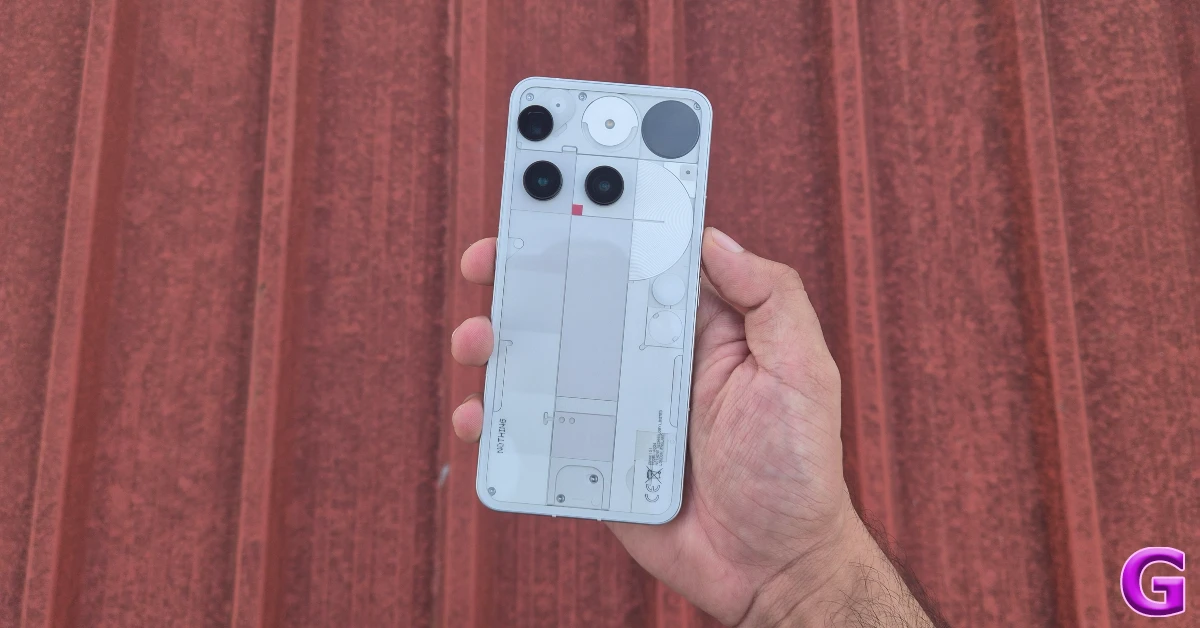
The Nothing Phone (3) got mixed reviews when it launched, but there were never any doubts about its unique flair. The smartphone retained the see-through design language but ditched the LED Glyph lights for a more concentrated Glyph Matrix. The round interface can display important alerts, weather details, and other information in a dot-matrix style. The smartphone is powered by the Snapdragon 8s Gen 4 chipset and runs the Android 15-based Nothing OS 4 out of the box. The three 50MP sensors in its rear camera module cater to the primary shooter, a 3x telephoto lens, and an ultrawide lens. The 5,500mAh battery pack supports 65W wired and 15W wireless charging. Check out our Nothing Phone (3) review to find out everything this device has to offer.
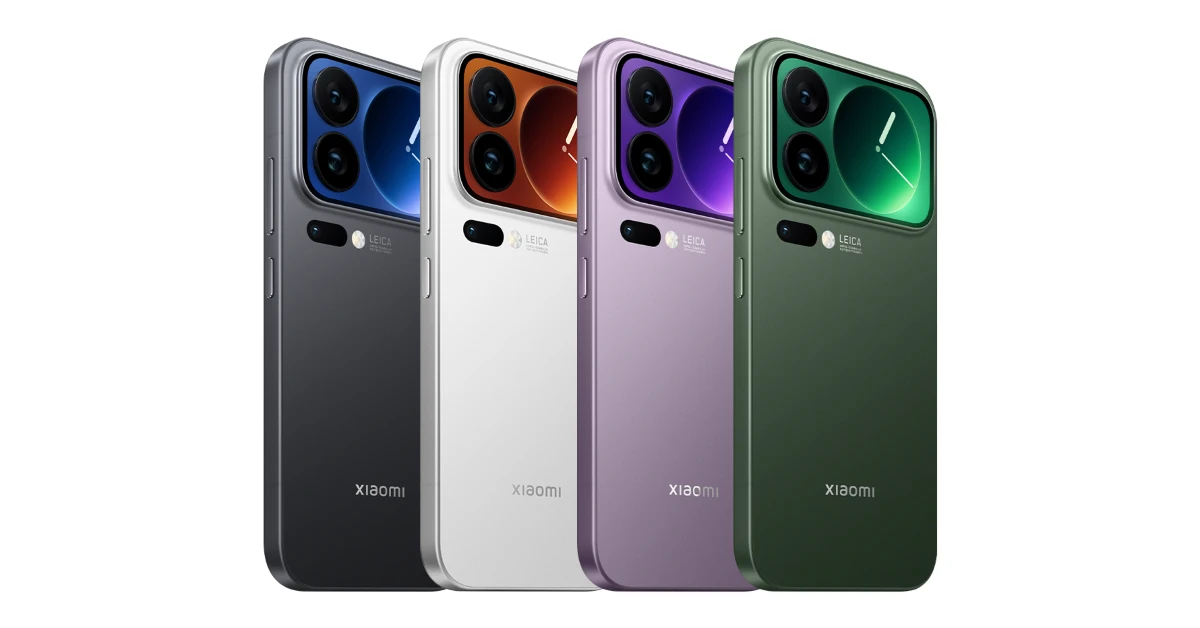
The Xiaomi 17 Pro Max did not launch in India, but it is one of the finest smartphones of 2025. The device has a stellar 6.9-inch LTPO AMOLED display with a 120Hz refresh rate and a peak brightness of 3,500 nits. On top of that, it comes with a small 2.9-inch LTPO AMOLED display on the back panel. This mini display can work as a viewfinder for the rear cameras and even run a few games, among other things. The rear camera array comprises three 50MP sensors, one each for the primary shooter, ultrawide lens, and 5x telephoto lens. The Snapdragon 8 Elite Gen 5 SoC delivers a power-packed performance. The 7,500mAh battery pack supports 100W wired and 50W wireless charging.
Poco F8 Ultra
The gaming specialist Poco F8 Ultra was another smartphone that India missed out on this year, but it deserves a spot on this list. Powered by the Snapdragon 8 Elite Gen 5 SoC, this smartphone puts up a segment-defining gaming performance. Its 6.9-inch AMOLED display has a 120Hz refresh rate and can reach a peak brightness of 3,500 nits. Software duties are handled by the Android 16-based HyperOS 3. The rear camera panel houses a 50MP primary shooter, a 50MP ultrawide lens, and a 50MP periscope telephoto lens with 5x optical zoom. The 6,500mAh battery pack supports 100W wired and 50W wireless charging.
Honourable Mention: Motorola Edge 60 Pro
While Motorola did not put out an outright flagship phone this year, the Edge 60 Pro did attract a lot of interest. The smartphone is powered by the MediaTek Dimensity 7400 SoC and runs stock Android 15 out of the box. Its 6.67-inch OLED display has a 120Hz refresh rate and can reach a peak brightness of 4,500 nits. The device is compliant with MIL-STD-810H durability standards and rated IP68/IP69 for protection against dust and water. Its rear camera array comprises a 50MP primary shooter, a 3x telephoto lens, and a 50MP ultrawide lens. The 5,500mAh battery pack supports 68W wired charging.
These were the 10 smartphones that we found to be a class above the rest in 2025. The midrange offerings from OnePlus, Nothing, and Samsung were not far behind these picks. Which was your favourite smartphone this year? Let us know in the comments!
Microsoft India AI investment is no longer a talking point; it now has a dollar figure that is hard to ignore. After meeting Prime Minister Narendra Modi, Microsoft CEO Satya Nadella has committed 17.5 billion US dollars, roughly Rs 1.5 lakh crore, to support what he calls India’s “AI first future.” The money will be spent over four years and is described as Microsoft’s largest investment in Asia, aimed at building infrastructure, skills and sovereign capabilities around artificial intelligence.
In This Article
India gets Microsoft’s biggest Asia bet
During his meeting with PM Modi, Nadella thanked the Prime Minister for an “inspiring conversation on India’s AI opportunity” and publicly announced the plan to invest 17.5 billion dollars in the country. The timing is not accidental. India has a massive internet population, a growing developer base and a government that is pitching AI as a national priority.
For Microsoft, this is not a fresh start but a serious scale-up. Earlier this year, the company had already announced a 3 billion dollar investment in India’s AI and cloud infrastructure over two years. The new commitment lifts the total to 20.5 billion dollars by 2029, signalling that India is central to its global AI roadmap rather than just another regional market.
What the 17.5 billion dollars will actually fund
The investment is expected to flow into three big buckets:
New and expanded data centres to handle AI and cloud workloads
Sovereign cloud and AI capabilities that respect India’s data rules
Skilling initiatives for students, developers and enterprises
Microsoft plans to build and expand hyperscale data centres in cities such as Hyderabad, Chennai and Pune, boosting local compute capacity for AI workloads. This matters because training and running modern AI models need serious hardware, and hosting that capacity inside India can cut latency, improve reliability and support data localisation.
On the sovereign front, Microsoft is talking about infrastructure and services that align with Indian regulations and sector-specific requirements. For Indian banks, healthcare providers or government departments, this pitch of “AI plus control over your data” will be a big part of the story.
Any AI-first future India imagines will fall flat without people who can actually build and manage these systems. Alongside the investment figure, Microsoft is pushing hard on skilling. The company has set a target to train tens of millions of Indians in AI skills by 2030, including students, working professionals and developers.
Expect more:
Curriculum tie-ups with universities
Certification programs on AI development and safety
Enterprise workshops on deploying AI responsibly
Support for startups through credits and mentorship
For India’s youth, AI skilling is already turning into the new buzzword on campus. The upside is more opportunities and better pay for those who adapt. The risk is a wider gap between those who get access to quality training and those who are left trying to compete with basic skills.
India in the global tech AI race
This move also has to be seen alongside foreign AI investments India has attracted in recent months. Google has announced a 15 billion dollar plan to build a 1 gigawatt AI hub and data centre campus in Visakhapatnam, pitched as its largest AI facility outside the United States. Amazon, on its part, has outlined plans to invest over 35 billion dollars in India by 2030 to boost AI capabilities, logistics and exports.
Put together, this places India squarely inside a global tech AI race where cloud giants want three things from the country:
Huge demand for digital and AI services
A massive pool of engineering and data science talent
A relatively stable regulatory environment compared with some other large markets
For India, the opportunity is to convert this capital into long-term capacity rather than just short-term headline numbers.
What it could mean for users and businesses
If these plans roll out as promised, Indian consumers may see AI woven more deeply into everyday services. That could mean better language support in Indian languages, more accurate digital public services and smarter features inside familiar apps.
For businesses, especially startups and small enterprises, the headline benefit is access to powerful AI tools and India AI data centres without needing to build their own expensive infrastructure. Lower latency, local hosting and more predictable pricing can make it easier to build products for both India and the rest of the world.
Large enterprises may use this moment to modernise legacy systems, introduce AI-powered analytics and experiment with automation across supply chains, finance and customer service. The flipside is that they will also have to upskill teams, invest in cybersecurity and navigate new compliance questions around AI.
PM Modi has framed the meeting and the investment as proof that “when it comes to AI, the world is optimistic about India.” Nadella, in turn, has positioned Microsoft as a long-term partner that wants to help build infrastructure, skills and sovereign capabilities rather than just sell more cloud services.
The political message is clear. India wants to be seen as a responsible, opportunity-rich AI hub. Microsoft wants to be seen as the global tech partner that backs that ambition with money, hardware and training.
A big cheque is a start, not a finish line
Seventeen and a half billion dollars will grab headlines, and probably should. But a large cheque by itself does not guarantee an AI-first future that India can feel in daily life. The real success of this Microsoft India AI investment will depend on three quieter things: whether infrastructure actually reaches beyond a few metro cities, whether skilling programs benefit more than a small urban elite, and whether regulation keeps both innovation and misuse in check. If those pieces fall into place, this will not just be Microsoft’s biggest Asia bet. It could be the moment India stops talking about AI potential and starts living with AI at the population scale.
The realme P4x first sale goes live in India today at 12 noon, and it is not walking into the market alone. realme is pairing its new 7000mAh “Pioneer” smartphone with the realme Watch 5, a Made in India smartwatch, to create a performance plus fitness combo aimed squarely at young users who want more from their money and their screens.
In This Article
realme P4x first sale: timing, prices and offers
The realme P4x is available in three configurations, with launch offers bringing the effective entry price into aggressive territory for a budget 5G gaming smartphone.
For the 6 GB model, buyers can stack discounts worth Rs 2,500 to arrive at Rs 13,499. The first sale runs for just 12 hours from 12 noon onwards on December 10, which means anyone eyeing early bird pricing will need to set a reminder rather than casually browsing later in the week.
Colour options include Matte Silver, Elegant Pink and Lake Green, with an aerospace-inspired design language that tries to look slightly industrial without going overboard.
Performance focus with Dimensity 7400 Ultra
Under the hood, the realme P4x uses the MediaTek Dimensity 7400 Ultra 5G chipset, positioning it as a capable mid-range Dimensity 7400 Ultra phone for gaming and multitasking. realme is promising support for 90 FPS gaming in select titles through its GT Boost mode, along with faster app loads thanks to UFS 3.1 storage and up to 18 GB Dynamic RAM that combines physical and virtual memory.
To keep temperatures under control, the phone features a Frost core Cooling System with a steel vapour chamber, which is rated to reduce CPU temperatures in longer gaming or streaming sessions. This is particularly useful for users who live inside their games and social apps, rather than treating them as occasional time pass.
realme P4x 7000mAh battery and display details
The realme P4x 7000mAh battery is the big talking point. Paired with 45 W fast charging and bypass charging support, the phone aims to stretch usage across a full day of classes, content, gaming and occasional photography without forcing a mid-evening top-up.
On the front, the phone uses a 144Hz Sunlight Display phone panel with up to 1000 nits peak brightness, designed to remain legible in strong daylight. The high refresh rate should make scrolling, animations and supported games feel smoother than the usual 60 Hz fare. Dual speakers handle audio, which will matter to anyone who streams videos or plays games without always reaching for earbuds.
The camera setup is led by a 50 MP AI main sensor with support for 4K video recording and AI-based tools that tweak scenes, portraits and low light output. It is clearly tuned more for point-and-shoot simplicity than hardcore manual control, which fits the target audience.
Alongside the phone, the realme Watch 5 price in India is set at Rs 4,499, with a launch offer bringing it down to Rs 3,999 for the first sale starting at 12 noon on December 10. The smartwatch is proudly positioned as realme Watch 5 Made in India, developed in collaboration with Optiemus Electronics Limited, and is meant to reinforce the brand’s local manufacturing and design push.
Headline features include:
1.97-inch AMOLED display in a metal body
Independent GPS with support for five GNSS systems
108 sports modes for tracking workouts
Comprehensive health tracking, including heart rate and sleep
Up to 20-day battery life in Light Mode
HD Bluetooth calling and NFC
IP68 dust and water resistance
Over 300 watch faces
The watch comes in Titanium Black, Titanium Silver, Mint Blue and Vibrant Orange, so it can move from office to gym to weekend brunch without looking out of place.
Taken together, the P4x and Watch 5 look like a sensible bundle for users who want a strong daily driver phone plus a GPS smartwatch without drifting into premium pricing. The P4x leans on its big battery, 144 Hz display and Dimensity 7400 Ultra performance, while the Watch 5 quietly handles fitness tracking and calls with a Made in India badge. The 12-hour sale window is a classic splash tactic, but if the specs match your checklist, this is one of those launches where setting a calendar alert feels more practical than dramatic.
If you have been eyeing Google’s premium Gemini features but avoiding their higher tiers, the new Google AI Plus India price might finally tempt you. Google has introduced a more affordable AI subscription in India that bundles Gemini 3 Pro access, Nano Banana Pro image tools, video generation, NotebookLM upgrades, and 200 GB of cloud storage in one plan. In simple terms, it tries to put powerful AI in more Indian hands without turning it into a luxury purchase.
In This Article
What is Google AI Plus
Google AI Plus is a paid plan that upgrades the free Gemini experience with better models, higher limits and tighter integration with everyday Google apps. It sits between the basic free tier and the more expensive Pro or Ultra plans that are designed for heavy-duty power users and enterprises.
Gemini 3 Pro access inside the Gemini app for advanced reasoning, planning, coding and multimodal queries
Nano Banana Pro India tools for higher quality image generation and precise photo editing
Video creation inside the Gemini app, along with creative add-ons like Flow
Gemini is built into Gmail and Docs to draft, summarise and reply to emails and documents
More powerful NotebookLM research assistant features for deeper research and analysis
200 GB of storage across Google Photos, Drive and Gmail
The option to share these Google AI Plus benefits with up to five additional family members
In short, it is not just a chatbot upgrade. It is a bundle that combines AI productivity, creativity and storage in one subscription.
Google AI Plus India price and launch offer
The pricing is tuned to the Indian market. Google AI Plus costs Rs 399 per month in India. New subscribers get an introductory offer of Rs 199 per month for the first six months, which effectively halves the bill during the trial period.
This helps position the plan as an everyday subscription rather than a niche tool for early adopters. For students, freelancers, creators and startup teams, it sits at that sweet spot where it feels more like a productivity expense and less like an enterprise budget line. When you add family sharing into the equation, the per-person cost drops even further, especially for households that already rely on Google services.
The star of the bundle is Gemini 3 Pro access. This model is aimed at complex reasoning tasks, structured planning, code generation and multimodal input where you mix text, images and other content. For users who have hit the limits of the free tier or older models, the Pro upgrade is where things start to feel noticeably faster and more capable.
On the visual side, Nano Banana Pro India brings studio-style image generation and more refined editing. Think:
Social media posts where the text in the image is actually readable
Product mockups and poster layouts that do not fall apart on close inspection
Character consistent frames for basic storyboards or moodboards
For creators who currently juggle multiple tools for design and text, folding some of that work into one AI subscription can simplify the workflow.
NotebookLM gets an upgrade, too. The NotebookLM research assistant within AI Plus can help users organise longer documents, extract key points and generate overviews from large sets of files. That matters for journalists, researchers, students and anyone who lives inside long PDFs and slide decks.
Where Google AI Plus fits in the AI ladder
From an Indian perspective, the AI stack now looks something like this:
Free Gemini tier for casual use and basic experimentation
Google AI Plus benefits for regular users who want better models, more tools and shared storage
Pro and higher plans for developers, teams and enterprises with heavier workloads
The addition of AI subscription plans in India at this price point changes the conversation from “Should I even pay for AI” to “Which tier is enough for my work”. For many, Plus will likely be the first serious step into paid AI.
Things to keep in mind
As with any AI service, there are limits and trade-offs. Usage caps mean that very heavy users who generate large volumes of images, videos or complex code may still run into ceilings. Responsible use remains important too, especially with powerful image tools that can unintentionally produce biased or misleading visuals if used carelessly.
That said, for most mainstream users, Google AI Plus acts as a practical middle ground. It avoids the bare bones feeling of a free tier and the sticker shock of enterprise plans, while giving families and small teams enough room to experiment and build new workflows.
A sensible AI starter pack for India?
Viewed in isolation, Google AI Plus is another subscription in an already crowded digital life. Seen in context, it feels like a calculated move to normalise AI as a utility for Indian users. The blend of Gemini 3 Pro, Nano Banana Pro, NotebookLM and 200 GB of storage, wrapped with family sharing, makes it a genuinely usable package rather than a tech demo. If Google continues to localise features for Indian languages and real-world use cases, this plan could quietly become the default on-ramp to serious AI for a lot of people who until now have only dabbled on the free tier.
D-Link has announced the DAP-X3060W AX3000 Wi-Fi 6 Wall-Plate Access Point, which is intended for use in the hospitality, education, and corporate sectors. Its small, wall-mounted design fits conventional junction boxes and delivers high-speed connectivity to guest rooms, classrooms, and workplaces, supporting a wide range of devices via integrated PoE and multiple Gigabit LAN ports.
The DAP-X3060W is powered by Wi-Fi 6 technology and offers dual-band AX3000 speed. It also has OFDMA and MU-MIMO capabilities that improve streaming experiences and minimise latency, making it appropriate for high-density environments. Also, when used with the D-Link Nuclias Network Controller, it makes deployment easier and gives you centralised control, which fits with D-Link’s goal of supporting smart connections for the digital world of the future.
The DAP-X3060W is meant to be used in a lot of different professional settings. It has fast, smooth Wi-Fi and coverage that can be changed to fit your needs. In the hospitality industry, it makes it easier for guests to connect to the internet by giving them more LAN ports, VLAN segmentation, and WPA3 security for privacy. For educational settings such as classrooms and dorms, its small wall-mount design enables multiple student devices at the same time, with PoE installation for easy deployment and centralised management for IT supervision.
In business settings, it gives offices and conference rooms fast Wi-Fi 6 access all over the place. Its low-profile design cuts down on visual clutter, and Nuclias lets you control the network in a way that can grow with your needs.
In multi-dwelling units, it provides robust, high-performance Wi-Fi that reduces interference between units, as well as VLAN and WPA3 encryption for safe tenant isolation and dependable connectivity.