Elista has announced the new Xplore Google TV Smart TV range, which includes three premium 4K models designed to improve home entertainment. The Xplore series has a bezel-less design, Dolby Audio for enhanced sound, and a dual-band Wi-Fi connection. Each model includes a built-in Chromecast and enables ‘Hey Google’ voice commands, allowing for a smooth and immersive viewing experience.
The Elista Xplore lineup includes three models: TDU85GA (215 cm or 85-inch 4K Google TV), TDU75GA (189 cm or 75-inch 4K Google TV), and TDU65GA (165 cm or 65-inch 4K Google TV). The prices in India are set at Rs 1,84,500, Rs 1,38,500 and Rs 73,990, respectively.
Elista’s flagship TDU85GA model is a massive 215 cm 4K Ultra HD, bezel-less display with enhanced HDR10 and Dolby Audio capabilities, allowing for an immersive theatre-like experience at home. It has 2GB of RAM and 16GB of internal storage, providing for optimal functionality and user experience. The model has a variety of connectivity options, including a built-in Chromecast and three HDMI ports, which allow for smooth integration with game consoles, soundbars, and other media devices. It also has hands-free “Hey Google” voice control and immediate access to major streaming services like Netflix, Prime Video, and YouTube, all organised inside a user-friendly Google TV interface, resulting in a quality entertainment experience.
The Xplore TDU75GA follows the same design idea, including a 189 cm (75-inch) 4K UHD display and the same feature set. Its bezel-free design, snappy Google TV interface, increased audio capabilities, and robust connectivity options make it suitable for large living rooms and high-end viewing environments.
The TDU65GA model completes the Xplore series, with a 165 cm (65-inch) 4K UHD display and comparable high-end capabilities to its larger models before it. It has Dolby Audio, HDR10 compatibility, a built-in Chromecast, and dual-band Wi-Fi, allowing you a rich watching experience in a more manageable size. The TDU65GA includes 2GB RAM, 16GB ROM, and three HDMI connectors. All models in the Xplore series employ the most recent Google TV platform, which provides seamless content discovery, personalised recommendations, universal search, multi-user profiles, and smartphone interaction. Users can easily move between apps, cast content, and browse curated suggestions thanks to the simple user interface.
Playlist transfer biggest roadblock that users face while switching music streaming platforms. If you’ve spent multiple years building a large collection of playlists on a platform, it can be very challenging to recreate them manually on your new chosen service. Spotify has made this task easier for its users by partnering with TuneMyMusic, one of the leading online tools for playlist transfer. Let’s take a quick look at how you can import your existing playlists to Spotify.
TuneMyMusic has been the leading playlist transfer tool for several years. It supports major platforms like Spotify, Apple Music, YouTube Music, Deezer, Soundcloud, Amazon Music, Qobuz, Yandex Music, Pandora, and more. Spotify’s partnership with this tool is limited to music imports only. Meaning, the Spotify app doesn’t let you export your playlists to another platform. If you want to go about that task, you will have to access TuneMyMusic independently.
As of now, the playlist transfer tool is partially baked into the Spotify app. You can select the option to import music from within the app, but all it does is redirect you to the TuneMyMusic webpage using the default web browser on your phone. For the transfer to take place, TuneMyMusic will need access to your accounts on both platforms.
Step 3: Scroll to the bottom of the page. Use the scroll icon on the right to get there quickly.
Step 4: Tap on Import your music.
Step 5: Tap on Get Started. You will be redirected to TuneMyMusic.
Step 6: Select the streaming platform currently hosting the playlist.
Step 7: Log in to the platform using your registered account.
Step 8: Allow TuneMyMusic to access your account by hitting Continue.
Step 9: Enter a playlist URL in the text box or load all of your playlists from your account.
Step 10: Select the playlists you wish to transfer and hit Transfer to Spotify.
Step 11: Enter your Spotify login credentials and hit Continue.
Step 12: Tap on Agree.
Step 13: Once the transfer process is over, tap on Open Your Library in Spotify.
Frequently Asked Questions (FAQs)
Does Spotify let you import playlists from other platforms?
Spotify has teamed up with TuneMyMusic to help you import your existing playlists from other streaming platforms like Apple Music, YouTube Music, Tidal, and more.
How do I import my playlists to Spotify?
Go to the Your Library section in Spotify, scroll to the bottom of the page, and tap on ‘Import your music’. Once that’s done, tap on Get Started, log into the platform hosting the playlists, and follow the onscreen instructions to transfer them.
Which websites can I use to transfer my playlists to another platform?
If you’re facing issues with TuneMyMusic, you can use websites like Soundiiz and Free Your Music to transfer your playlists.
When will Spotify Wrapped 2025 come out?
Spotify has not revealed the date for Wrapped 2025 yet. Traditionally, it comes out towards the end of November or the beginning of December.
How do I create a custom cover art for my Spotify playlist?
Go to the playlist, tap the three dots, select ‘Create cover art’, and use the native editor to create an artwork.
You can use TuneMyMusic to transfer your Spotify playlists to another platform, too. The process is seamless and does not take much time. Soundiiz and Free Your Music serve as great alternatives to TuneMyMusic. If you have any questions, let us know in the comments!
Pixel users have finally received the option to disable the ‘At a Glance’ widget from their phone’s home screen. Previously a permanent fixture in the top right section of the homepage, At a Glance limited what the users could do while customising the main page. Not to mention, having dedicated widgets for clock and weather felt a bit redundant with the same info displayed at the top of the screen. So, let’s take a quick look at how you can remove or disable At a Glance from your Google Pixel’s home screen.
At a Glance is a Pixel-exclusive feature that gives you a quick look at the date, weather, upcoming events, work reminders, parcel ETAs, fitness metrics, travel alerts, and more content. In theory, this is a great tool that saves you the trouble of diving into different apps. It is able to gauge the context pretty well while surfacing the relevant info. For example, if you have a flight coming up, it will extract information from your boarding pass and let you know your boarding gate. If you’re a Nest or Ring user, it shows you who’s at the door when the doorbell rings.
As you can tell, these features rely heavily on the data from your Google account. At a Glance requires access to your Calendar, Gmail inbox, location, Weather app, and other services to work properly. This was one of the reasons why the option to disable this feature was highly requested by Pixel users over the years.
Disable ‘At a Glance’ on Google Pixel
Step 1: Go to Settings.
Step 2: Tap on Apps.
Step 3: Go to Default apps.
Step 4: Make sure Pixel launcher is your default home app. Hit the gear icon.
Step 5: Hit the gear icon next to At a Glance.
Step 6: Turn off the toggle switches next to Use At a Glance and Show on home screen.
Alternatively, you can long-press the ‘At a Glance’ widget on your Pixel’s home page, tap on Settings, and turn off the toggle switches.
Frequently Asked Questions (FAQs)
What is At a Glance on Google Pixel?
‘At a Glance’ is a Pixel-exclusive Android feature that gives you a quick peek at the weather, air quality, upcoming events, parcel delivery, traffic, and other alerts.
Is there a way to disable At a Glance?
Google recently added an option to turn off At a Glance on Pixel devices. Go to Settings>Apps>Default apps, tap the gear icon, then tap on the gear icon next to ‘At a Glance’ and turn off its toggle switch.
How do I quickly disable At a Glance on my device?
Long-press the date widget in the top left corner of the home page, tap on Settings, and turn off the toggle switch.
How do I remove weather alerts from At a Glance?
Go to Settings>Apps>Default apps, tap the gear icon, then tap on the gear icon next to At a Glance and turn off the toggle switch next to ‘Weather’.
Can I remove the Google search widget from my Pixel’s home screen?
As of now, there is no way to remove the Google search bar at the bottom of your Pixel’s home page.
Since Google is rolling out this option in a phased manner, it may not be available on all Pixel devices right now. Pixel 10 series users will be the first ones to receive this feature. Make sure your smartphone is updated to the latest software version to get this option. If you have any questions, let us know in the comments!
Moto G57 Power, an affordable smartphone, launched in India with a powerful 7,000mAh battery and 33W wired fast charging. The gadget is powered by Qualcomm’s Snapdragon 6s Gen 4 CPU, with 8GB of RAM and 128GB of storage. It has a 6.72-inch LCD screen with a pixel density of 391 ppi, a touch sampling rate of 120 Hz, and a maximum brightness of 1,050 nits. The Moto G57 Power runs Android 16.
In This Article
Price in India, Availability Details
The brand-new Motorola phone will be available for purchase starting December 3 through Flipkart in a single storage variant. The price of the 4GB RAM with 128GB storage variant is set at Rs 14,999. However, the phone will be offered at an introductory price of Rs 12,999. The device is offered in three colour options: Pantone Regatta, Pantone Fluidity, and Pantone Corsair.
Specs, Features
It has a 6.72-inch Full-HD+ LCD display with a resolution of 1,080×2,400 pixels. The display is amazing for its 120Hz refresh rate and 120Hz touch sampling rate, which enable smooth visuals as well as quick touch interactions. Furthermore, the screen can reach a peak brightness of 1,050 nits, ensuring good visibility even in strong light. The gadget features a 20:9 aspect ratio and is covered by Corning Gorilla Glass 7i, which increases durability. Furthermore, it has Smart Water Touch 2.0 technology, which improves usability when the screen is wet, hence increasing the entire user experience.
The Moto smartphone runs on Android 16. The Moto G57 Power runs on Qualcomm’s octa-core 4nm Snapdragon 6s Gen 4 CPU and has 8GB of LPDDR4x RAM and 128GB of internal storage.
The Moto G57 Power features a powerful triple back camera system, led by a primary 50-megapixel (f/1.8) Sony LYT-600 sensor. The set also contains an 8-megapixel (f/2.2) ultrawide camera with a 119.5-degree field of view, as well as a dual-purpose light sensor. The gadget comes equipped with an 8-megapixel (f/2.2) frontal camera for taking selfies. Notably, the camera system can capture videos in high definition, with resolutions of up to 2K and frame rates close to 60 fps.
The smartphone boasts a 7,000mAh battery that supports 33W wired fast charging.
The device has extensive connectivity capabilities, supporting both 5G and 4G LTE networks. It has Bluetooth 5.1, dual-band Wi-Fi, and a USB Type-C connector, as well as full GPS support for A-GPS, GLONASS, Galileo, QZSS, and BeiDou. The gadget has a side-mounted fingerprint scanner for security and is equipped with a variety of sensors, including an accelerometer, gyroscope, proximity sensor, ambient light sensor, and e-compass, which improve functionality and user experience.
The current smart wearable market is broadly divided into 4 major categories: fitness trackers, smartwatches, Android smartwatches, and smart rings. While Android smartwatches come with all the bells and whistles, their regular, entry-level counterparts rock custom OS skins and limit their functions to bare essentials in order to cut down the asking price. While you may not get access to the Google Play Store and all its apps on these watches, you can still take calls, answer messages, and, of course, track your vital health and fitness metrics. Here are our 10 favourite smartwatches priced under Rs 10,000.
Fastrack MYND has a clean and minimal design, which is something we prefer in affordable and entry-level smartwatches. It rocks a polycarbonate frame with a smooth matte finish. Its 1.9-inch curved AMOLED display is better than the LCD panels usually found in this price bracket. This display is able to reach optimum brightness in outdoor conditions to maintain legibility. The silicone strap of this watch could use some work, but its health and fitness tracking chops are unmatched. It can efficiently track your sleep cycle, calculate your blood oxygen level, measure your heart rate, and chart over 100 sports and workout routines. For more details, read our Fastrack MYND review.
Redmi Watch Move is one of the finest budget smartwatches to come out this year. Its 1.5-inch rectangular AMOLED display has a 60Hz refresh rate and can hit a peak brightness of 600 nits. The 390 x 450p resolution and 322ppi pixel density produce crisp visuals. The TPU strap fits snugly around the wrist. There’s IP68 protection on board, which means the smartwatch can survive excessive sweat and light rain. The sensor array on the bottom panel comprises an accelerometer, a heart rate sensor, and a blood oxygen sensor. This array does a phenomenal job of measuring and tracking essential health and fitness metrics. With heavy usage, this watch lasts up to 10 days on a full charge. Read our Redmi Watch Move review for a deeper analysis of its performance.
boAt Wave Call 3 is one of the most popular entry-level smartwatches around. Its 1.83-inch HD display produces crisp visuals and offers a decent touch response. The device is rated IP68 for protection against dust and water. It can survive being submerged up to 1.5m in water. The smartwatch offers features like heart rate and blood oxygen monitoring, animated watch faces, Bluetooth calling, quick replies, sport modes, and a functional crown. It packs a 300mAh battery. boAt says that the smartwatch lasts up to 10 days on a full charge. It takes up to 2 hours to fully charge it.
The Prowatch X from Lava rocks a 1.43-inch AMOLED display with a 466p resolution and a peak brightness of 500 nits. There are 3 strap options on offer – Metal, Silicon, and Nylon. There are 2 straps in the retail box. The smartwatch is rated IP68 for dust and water resistance. It is powered by the 128 MHz Dual Core Actions ATS3085C chipset and supports Bluetooth 5.3. There is support for over 110 workout regimens, sports, exercises, and other activities on this device. With GPS built into the watch, you don’t have to take your phone with you to track your hikes and runs. The 300mAh battery pack offers a 6-day battery life. Read our review of the Lava Prowatch X to find out how it performs in everyday use.
If you’re looking for something more elegant, check out Titan Valerie. This smartwatch has a round dial embellished with crystals. The 18mm stainless steel mesh band looks very chic and offers a comfortable fit. The 1.20-inch AMOLED display is surrounded by a physical crown. This crown is rotatable, but it does not have any function assigned to it. Pressing the crown brings the main page to life. The UI and navigation mechanism of this watch are accessible to the average user. There’s support for over 100 sports, exercise, and workout routines. On top of that, the smartwatch can track your heart rate and blood oxygen level. A full charge offers a 7-day battery life. Read our review of the Titan Valerie for more details about its health and fitness tracking chops.
The Celestor has a trendy look that is versatile enough to complement a wide range of outfits. The metal case of this watch feels very premium, and the dual-tone colour scheme of the rubber strap goes along perfectly with it. The 1.43-inch AMOLED display has a 60Hz refresh rate and can reach up to 750 nits of peak brightness. The watch can handle 3ATM of water pressure, which makes it completely swimproof. The Titan Smart World app unlocks an exhaustive list of watch faces for this device. Titan claims a battery life of 7 days on this watch. Read our Titan Celestor review to better understand its real-world performance.
Pros
Attractive design
Comfortable fit
Swimming mode
Cons
Does not have a quick reply feature for incoming messages
The Ninja Call Pro Max Ultra from Fire-Boltt rocks a large 2.01-inch HD display with 320 nits of peak brightness. This display can hold its own in bright outdoor conditions. The smooth touch response makes the browsing experience feel very seamless. The smartwatch is rated IP67, which means it is well protected against exposure to dust and water. There’s support for over 100 sports, workouts, and exercises. On top of that, the Ninja Call Pro Max Ultra can track your sleep cycle, blood oxygen level, and heart rate. The 280mAh battery pack offers a 7-day battery life.
Nothing’s subsidiary brand, CMF, has one of the best budget smartwatches on the market. The Watch 2 Pro packs a 1.32-inch round AMOLED display with a 60Hz refresh rate and a peak brightness of 620 nits. There are 2 strap options on offer – Liquid Silicon and Vegan Leather. The former is available in Dark Grey and Ash Grey colours, while the latter can be had in Blue and Orange variants. One of our favourite features of this watch is the built-in GPS, which allows you to go on hikes and runs without your phone. There’s support for over 120 sports and exercises, including running, cycling, cross-training, yoga, boxing, soccer, treadmill, HIIT, kickboxing, karate, belly dancing, roller skating, and more. Read our review of the CMF Watch 2 Pro for more details.
The Noise Pulse 2 Max is one of the most affordable smartwatches on the market right now. Its 1.85-inch TFT LCD panel can reach 550 nits of peak brightness. The smartwatch supports Bluetooth calling. You can make and receive calls from your wrist, set your favourite contacts, and even enable DND when you need a break. The Noise Health suite offers support for over 100 sports, exercises, and workout regimens. The watch face library has over 150 homepage layouts. The 300mAh battery pack offers a 10-day battery life.
Ending this list is a fun crossover device. The WatchOut Wearpods are an amalgamation of a smartwatch and a TWS. There are 2 small cutouts on the right edge of the frame for the wireless earbuds. The design of the watch exudes a ‘rugged’ look. The 1.93-inch HD display has a 240 x 296p resolution. The smartwatch can track your heart rate, blood oxygen, blood sugar, and blood pressure. There is support for over 100 sports, exercises, and workout routines. The V Band companion app unlocks an exhaustive library of watchfaces. Read our WatchOut Wearpods review for more details.
These are the top 10 smartwatches priced under Rs 10,000 in India right now. If you’re looking for an Android smartwatch, you will need to spend upwards of Rs 15,000. The OnePlus Watch 2R would be our affordable pick in that category. If you have any questions, let us know in the comments!
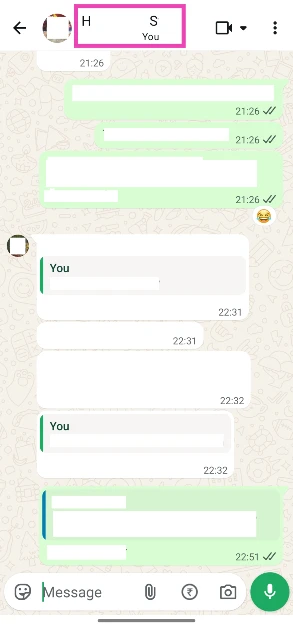
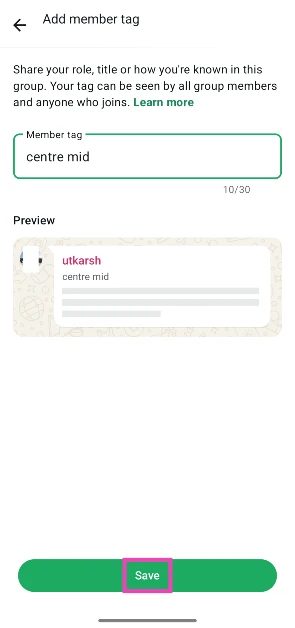
WhatsApp is currently testing a new Android feature that allows users to give personalised tags to group members, making it easier to identify them within groups. This feature, which is presently available to select beta testers in the most recent beta release, allows the setting up of personalised tags up to 30 characters long for easier identification.
According to the WABetaInfo report, the most recent upgrade includes a personalised labelling option for beta testers, which allows users to define their involvement within a group using customised tags. This feature allows for a better understanding of each member’s duty and can include a number of descriptions, such as professional titles like “Project Manager” or “Event Coordinator”, as well as positions in community or sports organisations, as demonstrated by tags such as “Coach”. Larger groups can benefit from users choosing names that represent their organisational duties, such as “Moderator”.
Image Courtesy: WaBetaInfo
Users have total control over their tags, allowing them to select options that best reflect their expertise, hobbies, or authoritative responsibilities without the requirement for administrator permission. This self-identification facilitates group communication by offering rapid clarity on who to approach about certain issues. The feature improves group dynamics by encouraging transparency and clarity among members, resulting in better engagement and collaboration.
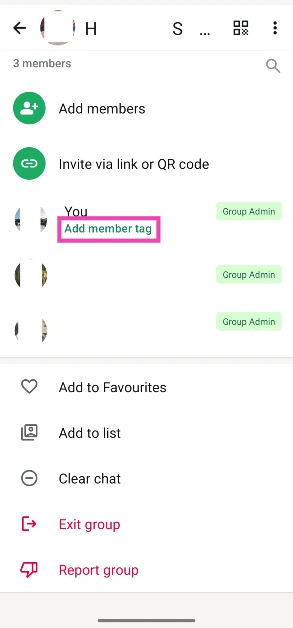
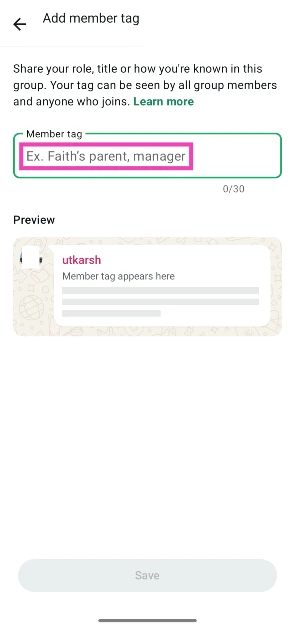
When a new WhatsApp group is formed, members must give a descriptive tag indicating their position to ensure simple identification from the start. Existing members may add or change their tags from the chat info screen, and they can pick a tag that is up to 30 characters long and does not contain special characters, checkmarks, or links. These tags are accessible to all members, providing clarity about each person’s role and duties; hence, they improve group dynamics for both new and returning members. This feature encourages clarity and effective communication by explicitly defining responsibilities such as moderating or project coordination, making it easy for all group members to understand who is engaged in particular discussions.
Every group member has the option to update their member tag at any time, providing complete control over their identity. If the original tag has a typo or error, it may be quickly fixed using the chat information section. Furthermore, any changes in responsibilities or new positions within the group may be updated appropriately. This flexibility ensures that the member tag accurately represents the individual’s current position and contributions to the organisation.
Garena Free Fire (GFF) Max is a battle royale game with regular awards and tournaments to keep players interested. If you play GFF, you should be aware of the redeem codes that are released on a daily basis. However, because the battle royale game is banned in India, players from other countries can use theFree Fire Redeem codes daily. If you’re unfamiliar with the codes or don’t know how to get them, we’ve put together a step-by-step guide to help youredeem them. Check out Garena Free Fire Max Redeem Codes for 24 November 2025.
These codes are a great way to get free items in the game. The 12-digit codes contain letters and numbers, as well as an expiration date and time. Because the Garena FF redeem codes cannot be used more than once, you should hurry to the redemption page to claim your free reward before someone else does. To get a free reward, all you have to do is go toreward.ff.garena.com/en, which is the official redemption page. Also, keep an eye on this space for daily updates on Gadget Bridge on GFF Max redemption codes and rewards.
Samsung unveiled the Galaxy M17 5G in India, targeting affordable smartphone users with a budget under Rs 15,000, who want premium features. It’s been our daily driver for the past few days, and we’ve been really satisfied with its performance. If you are searching for a budget smartphone in this price range, this gadget might be well worth the money. Check out our review of Galaxy M17 5G.
In This Article
Design and Display
The Samsung Galaxy M17 5G is a robust and sleek smartphone aimed at budget-friendly to midrange buyers.
In terms of design, this model maintains the M-series smartphones’ distinctive Samsung design style. With a thickness of only 7.5 mm, the phone’s entire form factor and construction highlight its compact profile, making it one of the most comfortable devices in its price category. Despite having a massive display and a substantial 5,000mAh battery, its weight of 192g makes it quite light.
The build, which is typical of low-cost Samsung smartphones, includes a plastic frame and back, which adds to its minimal aesthetic. It features a simple, minimalist appearance with a slight gradient finish that replicates the appearance of glass, while improving grip and reducing the likelihood of breakage.
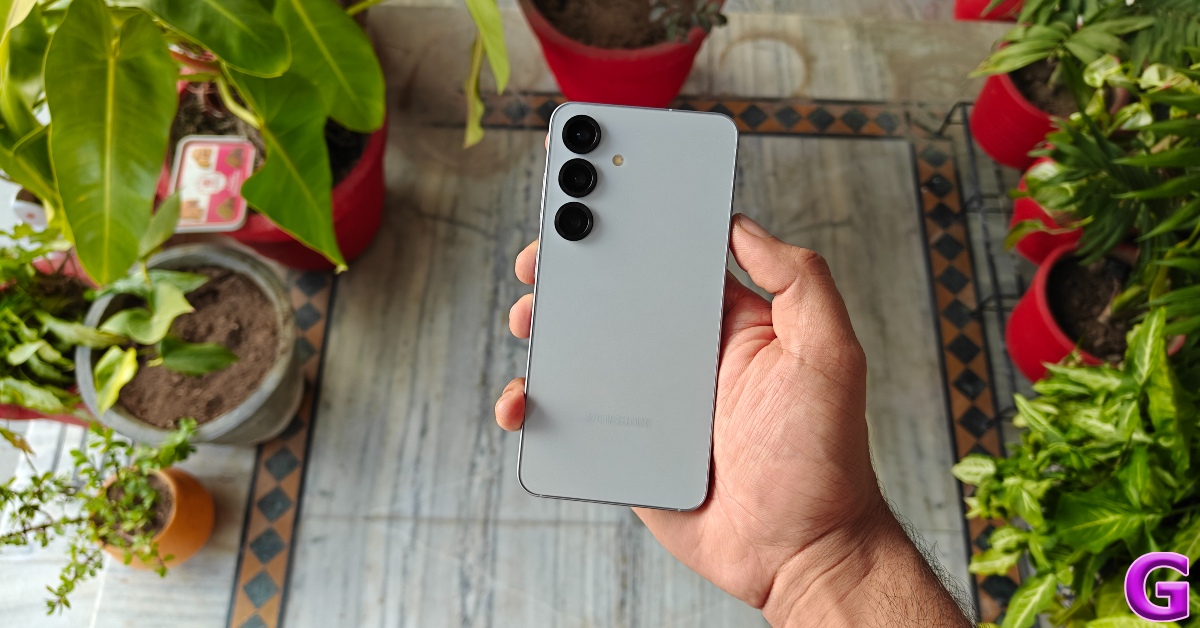
Sapphire Black and Moonlight Silver are the two basic colours available for the phone; our review unit is in the latter colour.
The device’s big 6.7-inch Super AMOLED display, which delivers deep blacks and vibrant colours, is the main attraction of its front design and a major selling feature. Located in the upper centre of the display, the front camera is incorporated into a U-shaped notch known as an Infinity-U or waterdrop notch. We don’t mean to be picky, but many competitors have switched to the less noticeable hole-punch cutout, making the teardrop notch a little out of date.
Although the smartphone has very thin bezels on the top and sides, the bottom chin is still more noticeable than on flagship models, which can be an issue for customers who are looking for a more seamless visual experience.
The addition of Corning Gorilla Glass Victus, a premium protective feature usually seen in smartphones of the highest quality, significantly improves the design’s longevity. Additionally, the smartphone has an IP54 classification, indicating that it is resistant to dust and mild water splashes, making it appropriate for daily usage, including protection from light rain.
In order to improve comfort and hand grip, the rear panel has gently curved edges merging with the plastic frame.
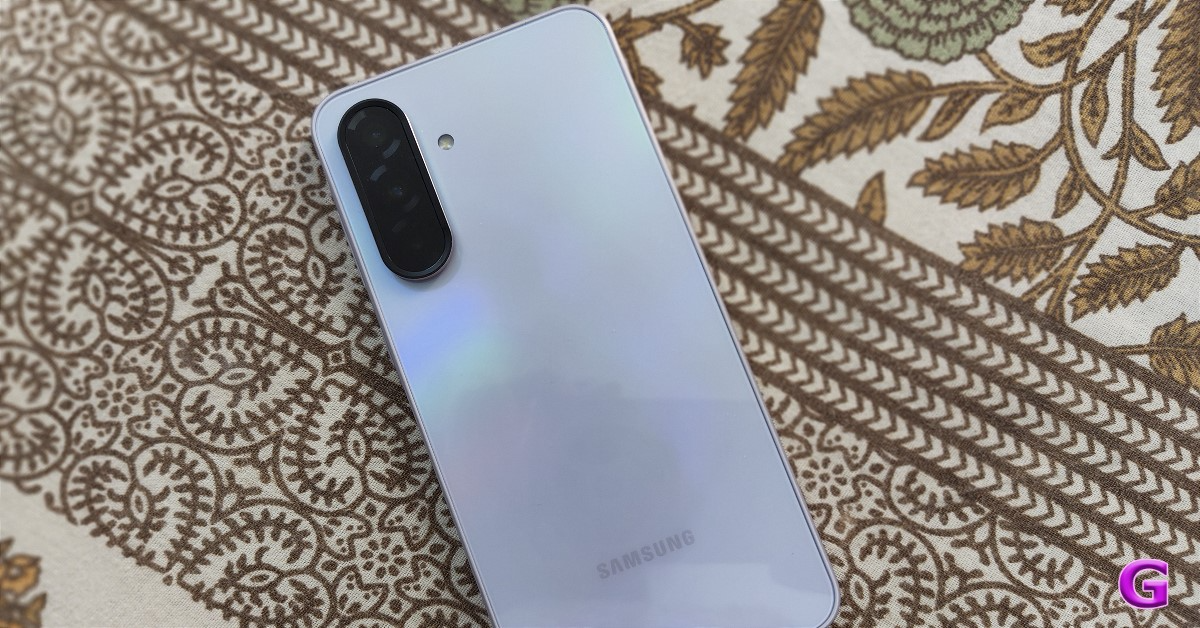
The camera module, which is located in the upper left corner, is highlighted by the back panel’s overall plain, basic design. The triple-rear camera system on the back panel is merged into a vertical, pill-shaped shell that slightly sticks out from the back panel. This module creates a visual contrast with the rest of the rear panel due to its slightly varied finish.
A fingerprint sensor on the side of the smartphone is integrated into the power button. The gadget has a USB Type-C connector that allows for data transfer and charging, but it noticeably lacks a 3.5mm headphone socket, which might be problematic for customers who prefer wired audio connections.
Getting back to the display, the Samsung phone boasts a 6.7-inch Super AMOLED screen with a maximum brightness of 1,100 nits for better visibility and a full-HD+ resolution of 1,080×2,340 pixels. Because of its high peak brightness capacity, the display functions well outdoors and gives consumers a comfortable viewing experience even in direct sunlight.
The display offers vivid colours, exceptional contrast, and deep blacks, as one could expect from a Super AMOLED panel. Making it a suitable device for streaming video content and engaging in multimedia.
The device’s 90Hz refresh rate significantly enhances the user experience by making tasks like navigating the One UI interface, scrolling through feeds, and switching between apps seem quicker and more fluid. However, it’s important to remember that several rivals in the same price range now have 120 Hz screens, which may provide an even better visual experience and are particularly helpful for people who play multiplayer games.
The phone has a single bottom-firing speaker that is loud enough for notifications and personal media. At normal volumes, the audio quality appears to be sufficient; at maximum volume, however, the sound may become distorted or slightly muffled, missing bass and depth. In general, the speaker may be used for casual purposes like watching films or answering calls. It is advised to utilise wired headphones that connect via the USB-C connection or wireless Bluetooth headphones for the best possible audio experience.
Performance and Cameras
Samsung’s mid-range Exynos 1330 chipset, which powers the Galaxy M17 5G, ensures strong performance appropriate for the requirements of 5G connectivity. It can accommodate up to 8GB of LPDDR4X RAM, which improves its ability to multitask. A microSD card may be used to expand the device’s 128GB of UFS 2.2 storage, giving customers more freedom and control over their media and data storage requirements.
The CPU is paired with the Mali-G68 MP2. The M17 5G provides a seamless and dependable experience daily, making it excellent for things like social media, online surfing, video streaming, and communication. However, in the affordable 5G market, the Exynos 1330 processor is competitive but lacks processing power when compared to rivals such as the Snapdragon 695, which produces somewhat better benchmark results in taxing workloads.
On the gaming aspect, the phone is appropriate for casual to medium gaming. As a result, it is not designed for competitive high-graphics games. Popular titles, such as Call of Duty: Mobile, may run successfully at medium to high graphics settings, with decent frame rates.
Furthermore, the phone’s 5 nm manufacturing process adds to good thermal performance, minimising excessive heating during extended gaming sessions.
The Samsung Galaxy M17 5G offers a compelling software experience, thanks in large part to its dedication to long-term upgrades. This device runs Android 15, with Samsung’s proprietary One UI 7 (or One UI Core 7), which is especially built for best performance on mid-range hardware. One UI offers a clean and feature-rich user interface with several customisation options and one-handed functionality.
The Galaxy M17 5G is going to receive up to six editions of Android OS updates, including Android 21. Furthermore, Samsung offers six years of security upgrades, with coverage until September 2031. This dedication means that the Galaxy M17 5G is highly future-proof, with customers having access to the most recent Android features, performance enhancements, and security patches for many years.
Aside from that, Samsung has included various advanced artificial intelligence (AI) features generally seen in its flagship models, which improve the device’s usability and usefulness. These features are Circle to Search with Google, Knox Vault (Enhanced Security), Voice Focus, and On-Device Voicemail.
The most recent Galaxy M-series model features a new triple rear camera system designed to increase photography skills. The primary camera boasts an impressive 50-megapixel resolution and employs Optical Image Stabilisation (OIS) and Auto-Focus (AF) to improve image quality and stability.
This is supplemented with a 5-megapixel ultrawide camera with 123 degrees of field of vision, which gives a broader field of vision, and a 2-megapixel macro camera, which is designed to catch fine details at close range. The device also has a front-facing 13-megapixel selfie camera, which is purposefully placed within a teardrop notch at the top of the display.
Under daylight, the primary camera performs admirably, producing brilliant yet realistic colour tones that are consistent with Samsung’s signature style. The photographs are not oversaturated, and the natural hues, especially in greenish, reddish and vibrant yellows, add to the authenticity of the photographic result.
The pictures are well-detailed and perform exceptionally in strong direct sunlight. It navigates high-contrast images with ease, expertly managing the shift between bright sky and dark shadows, exhibiting its impressive dynamic range.
Also, owing to OIS support, the user experience is substantially improved by reducing the possibility of losing detail, which is a typical issue caused by little handshakes.
Additionally, it improves photography and videography, especially in low-light conditions. However, even with OIS, photos recorded in low-light or poorly illuminated indoor conditions will still have visible noise or grain. Which, we think, will be taken care of in the next few updates by Samsung.
Finally, there’s the ultra-wide camera. We did notice a significant reduction in detail as compared to the primary camera, especially in low-light circumstances, when the photographs are softer and have higher noise levels. In addition, colour reproduction is inconsistent between the primary camera and the ultra-wide lens, indicating that colour matching could have been better.
The selfie camera performs well in daylight, capturing outstanding face detail and accurate skin tones. This makes it ideal for selfies and video calls.
The Samsung Galaxy M17 5G has excellent battery performance, with exceptional endurance and efficient processing technologies. It can survive a full day with moderate to heavy use and still have enough battery by evening. Lighter operations, such as calling and browsing the internet, may allow the device to last another day. However, one disadvantage is the 25W charging speed, which requires the purchase of a separate charging brick.
Samsung’s M17 5G handset has various premium features, including a Super AMOLED display, Gorilla Glass Victus, an OIS camera, and an extensive 6-year software update guarantee. These features increase its long-term worth, establishing it as a better option despite not having the most powerful chip on the market.
The Exynos 1330 can handle nearly all of the user’s tasks efficiently, making it an appropriate choice for the average customer. However, power users and hardcore mobile gamers may see its performance as rather limited, implying that it may not match the high expectations of those wanting top-tier gaming experiences or demanding multitasking capabilities. It is best suited for casual gamers, users who like to watch content and people who want a very-very long battery life without any hiccups.
Are you looking for today’s Wordle answer for November 24, 2025? The problem is difficult to solve, so if you need assistance, we’ve included hints and the clue to today’s Wordle Quiz. Below, we have made it simple for everyone to understand how to get to the Wordle Answer today.
In This Article
Hints and Answers for Today’s Wordle November 24
Before answering directly, please check the Wordle Hints first.
Hint 1: Today’s Wordle answer includes two vowels. Hint 2: The answer for today has no repeating letters. Hint 3: Meaning- a mixture of flour, water, etc. used for baking into bread, etc.
What word does today’s Wordle begin with?
Do you need help with today’s Wordle answer’s initial letter?
The first letter in today’s Wordle is “D”
Today’s Wordle Answer
The answer to Wordle #1619 on November 24, 2025, is — DOUGH
Wordle: A Five-Letter Word Guessing Game • The game allows six guesses of a five-letter word. • Provide feedback on the guessed letters’ placement in the puzzle. • The New York Times purchased the game in 2022. • Created by Josh Wardle for his partner, narrowing down 12,000 English words to 2,500. • Named after the word “word.”
How To Play Wordle?
Wordle is a New York Times word puzzle game that allows users to guess a five-letter word in six attempts. The letters are highlighted in Yellow and Green, indicating whether the word is present in the answer or not, and Green letters indicate the correct guess.
Select a powerful starting word: Avoid using unusual words, as they frequently do not match common letters. A good opening word has plenty of benefits.
Repeating letters: Don’t be afraid of repeating letters; they appear frequently in words. The answer may contain one or two repeated letters.
Use the Wordlebot: The NYT’s Wordlebot analyses and compares replies to itself. This challenge can assist you in enhancing your guessing skills and highlighting areas for development.
Dress to Impress (DTI) is one of our favourite fashion-themed games on Roblox. The aim of the game is to come up with charming and stylish outfit combinations within a limited time period. Once you’re done, you get to walk the runway. But that’s not it! Your outfit is scored by the people on the server. To help you along the way, the game offers special codes that can be used to get free accessories and clothing items. Here are all the Dress to Impress (DTI) codes available in November 2025.
If you’re looking for more fun and chill games, check out Roblox Fisch and Work at a Pizza Place. While you’re here, take a look at the latest Blue Lock: Rivals codes as well. If you have any questions, let us know in the comments!
Google dropped a bombshell this week by announcing that Quick Share, Android’s native file-sharing feature, is now compatible with its Apple counterpart, AirDrop. Until now, file sharing between the two platforms was a complicated affair, with Apple’s walled garden approach restricting AirDrop to the devices within its ecosystem. Now, the process is as seamless as it can get, requiring no third-party apps. Here’s a quick explainer on how you can share or transfer files between your Google Pixel and iPhone using Quick Share and AirDrop.
The interoperability between Quick Share and AirDrop is a result of clever reverse engineering on Google’s part. For it to work, you need to set the AirDrop’s visibility on your iPhone to ‘Everyone for 10 Minutes’. Leaving it on ‘Contacts Only’ will prohibit it from being discovered by your Pixel.
As of now, this feature only works on Google Pixel 10 series smartphones. Google will slowly roll it out on more Android devices. Other Android OEMs will very likely incorporate it on their respective skins too. If you’re an Oppo or OnePlus user, you can use the native ‘Share with iPhone’ feature in the sharing menu. However, it requires downloading the O+ Connect app on the target iPhone.
Share files between Google Pixel and iPhone
Step 1: Go to the Control Centre on your iPhone by swiping down from the top right corner of the screen.
Step 2: Long-press the WiFi/Bluetooth tile.
Step 3: Tap on AirDrop.
Step 4: Select Everyone for 10 Minutes. Keep the iPhone unlocked to approve the transfer request.
Step 5: On your Google Pixel 10, open the file you want to send to the iPhone.
Step 6: Hit the Share icon and select Quick Share.
Step 7: Select the target iPhone from the list.
Step 8:Approve the transfer request on the iPhone.
Frequently Asked Questions (FAQs)
Is Quick Share the same as AirDrop?
While AirDrop is limited to Apple products, Quick Share is a common transfer tool for Android devices. You can use it to share files, images, documents, and other stuff with Android phones and tablets.
Does Quick Share work with AirDrop?
Yes, Quick Share is now interoperable with AirDrop. You can use it to share files natively with Apple devices.
Can I use Quick Share on my Samsung phone to share a file with an iPhone?
As of now, the Quick Share and AirDrop compatibility is limited to Google Pixel 10 series smartphones only. It will be rolled out for more Android devices in the coming months.
How do I transfer a file from my Google Pixel to an iPhone?
Use the Control Centre on your iPhone to enable AirDrop. On your Pixel, open the file you wish to transfer, hit the Share icon, select Quick Share, and choose the target iPhone from the list. Approve the transfer request on the iPhone.
What are some good apps to transfer files between Android and iOS?
LocalSend, Xender, and Send Anywhere are some of our favourite file transfer apps that bridge the gap between Android and iOS.
As we mentioned earlier, more Android skins will incorporate this feature in the coming months. Until then, you can use these apps and services to transfer files between the two platforms. Moving to iPhone permanently? You can take the data from your Android phone with you using Move to iOS.
Upgrading your smartphone does not have to be a costly affair. Over the years, midrange smartphones have elevated their game and incorporated respectable chipsets, AMOLED displays, and good main cameras. While they may lack the niche features often found in flagship devices, these phones are very reliable for regular, everyday use. So, without further ado, let’s take a look at the top 10 smartphones priced under Rs 30,000 in November 2025.
The Samsung Galaxy A36 is one of the finest phones you can buy in the sub-Rs 30,000 price bracket. It is powered by the Snapdragon 6 Gen 3 chipset and runs the Android 15-based One UI 7 out of the box. Samsung has promised 6 major OS upgrades for this device. Its 6.7-inch Super AMOLED display has a 120Hz refresh rate and can reach a peak brightness of 1,900 nits. The vertical camera island on the back panel houses a 50MP primary shooter, an 8MP ultrawide lens, and a 5MP macro sensor. The 5,000mAh battery pack supports 45W wired charging. Check out our review of the Samsung Galaxy A36 to find out how it performs in everyday use.
The OnePlus Nord CE5 is powered by the MediaTek Dimensity 8350 chipset and runs the Android 15-based OxygenOS 15 OS out of the box. It flaunts a 6.77-inch Fluid AMOLED display with a 120Hz refresh rate and a peak brightness of 1,430 nits. OnePlus’s iconic Alert Slider has been replaced by the Plus Key on this phone. It gives you access to ‘Plus Mind’ by default. You can customise it to switch sound profiles like the Alert Slider. The rear camera array of this phone comprises a 50MP primary shooter and an 8MP ultrawide lens. The 7,100mAh battery pack supports 80W wired fast charging. For more details, read our OnePlus Nord CE5 review.
The affordable variant in the camera-centric Vivo V60 series packs an amazing 200MP primary shooter and an 8MP ultrawide lens. Right next to the camera panel lies a solitary Aura Light. At the heart of this device lies the MediaTek Dimensity 7360 Turbo chipset. Handling the software duties is the Android 15-based Funtouch 15 OS. The 6.77-inch AMOLED display has a 120Hz refresh rate and can reach a peak brightness of 5,000 nits. The 6,500mAh Si/C battery pack supports 90W wired fast charging. To learn more about its cameras, read our review of the Vivo V60e.
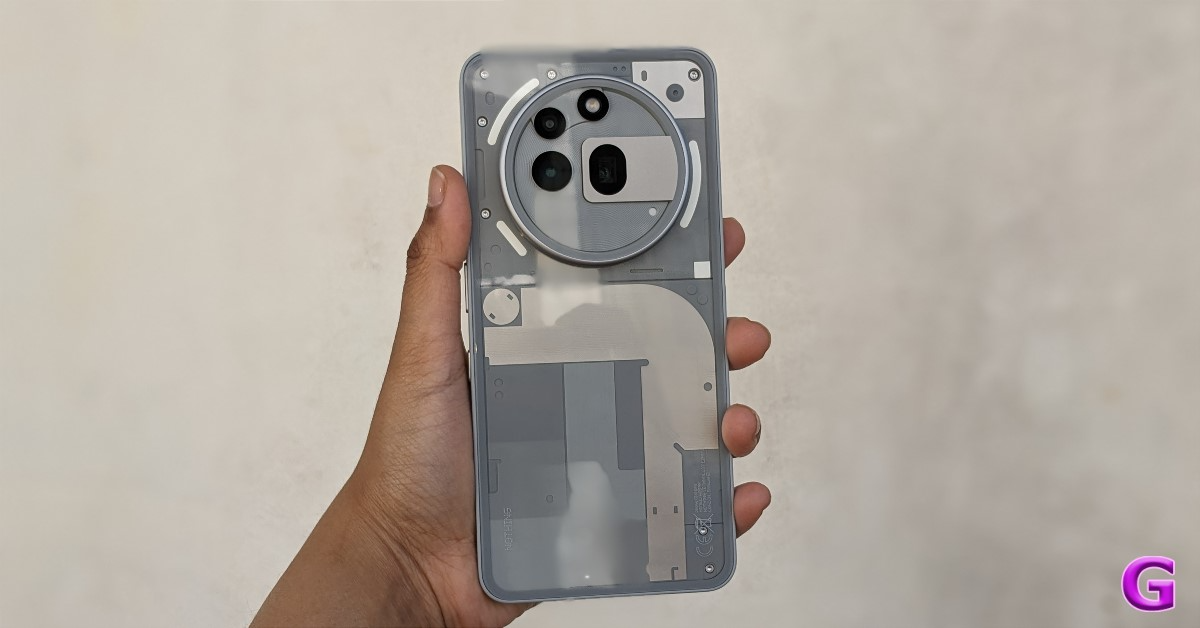
The Nothing Phone (3a) Pro incorporates two essential elements of the brand’s design philosophy – see-through back panel and LED Glyphs. Powering this device is the Snapdragon 7s Gen 3 chipset. It runs the Android 15-based Nothing OS 3 out of the box. The giant circular cutout on the back panel houses a 50MP primary shooter, a 50MP periscope telephoto lens with 3x optical zoom, and an 8MP ultrawide lens. The 6.77-inch AMOLED display has a 120Hz refresh rate and a peak brightness of 3,000 nits. The 5,000mAh battery pack supports 50W charging. Read our Nothing Phone (3a) Pro review for more details.
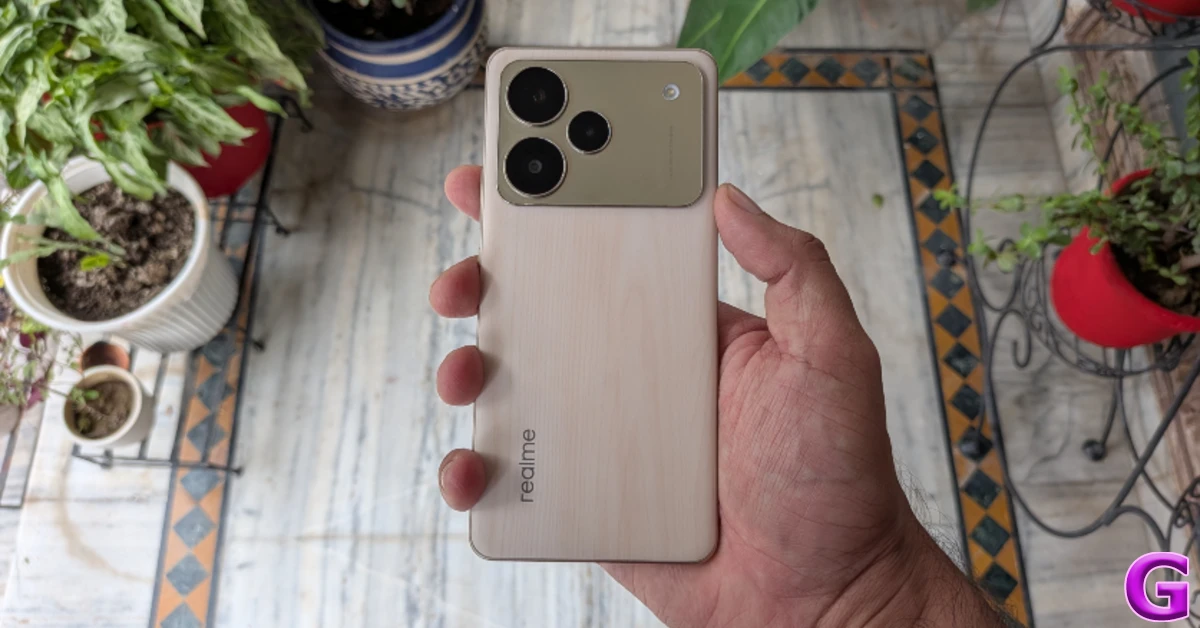
The plastic back panel of the Realme P4 Pro has a unique wooden finish. It is powered by the Snapdragon 7 Gen 4 SoC. Realme’s Hyper Vision AI chip works alongside the Snapdragon processor. OS duties on this device are handled by the Android 15-based Realme UI 6. It has been promised 3 major OS upgrades. The 6.8-inch AMOLED display has a 144Hz refresh rate and a peak brightness of 6,500 nits. The rear camera array comprises a 50MP primary shooter and an 8MP ultrawide lens. The 7,000mAh battery pack supports 80W wired charging. Read our review of the Realme P4 Pro for more details about its everyday performance.
If you’re thinking of buying a gaming smartphone under Rs 30,000, the iQOO Neo 10R is one of the first options you should consider. This device is powered by the Snapdragon 8s Gen 3 chipset and runs the Android 15-based Funtouch 15 OS out of the box. Its 6.78-inch AMOLED display has a 144Hz refresh rate and can reach a peak brightness of 4,500 nits. The rear camera panel houses a 50MP primary shooter and an 8MP ultrawide lens. The 6,400mAh Si/C battery pack supports 80W wired charging. Read our review of the iQOO Neo 10R for a detailed analysis of its gaming performance.
What sets the Oppo K13 Turbo apart from other gaming devices in this price bracket is its active cooling fan on the back panel. The air gets sucked in from a small cutout on the back panel and is channelled out of a slit on the right edge of the frame. At the heart of this device lies the MediaTek Dimensity 8450 chipset. It runs the Android 15-based ColorOS 15 out of the box. The 6.79-inch AMOLED display has a 120Hz refresh rate and can reach 1,600 nits in High Brightness Mode. The rear camera array comprises a 50MP primary shooter and a 2MP monochrome lens. The 7,000mAh battery pack supports 80W wired fast charging. Check out our Oppo K13 Turbo review for a deeper dive into its gaming performance.
The Infinix GT 30 Pro has unique shoulder triggers that give you the edge in intense shootouts and other gaming scenarios. You can map your desired controls on these triggers with ease. When you’re not gaming, these capacitive controls can be used to trigger apps, take pictures, and do a whole lot of other tasks. The GT 30 Pro flaunts a 6.78-inch AMOLED display with a 144Hz refresh rate and a peak brightness of 4,500 nits. It is powered by the MediaTek Dimensity 8350 chipset and runs the Android 15-based XOS 15 out of the box. Its back panel has customisable segmented LED strips. The rear camera panel houses a 108MP primary shooter and an 8MP ultrawide lens. The 5,500mAh battery pack supports 45W wired and 30W wireless charging. Read our review of the Infinix GT 30 Pro for more details.
The Poco X7 Pro is a midrange all-rounder. It is powered by the MediaTek Dimensity 8400 Ultra chipset and runs the Android 15-based HyperOS 2 out of the box. The 6.67-inch AMOLED display has a 120Hz refresh rate and can reach a peak brightness of 3,200 nits. The camera array on the black and yellow dual-tone back panel houses a 50MP primary shooter and an 8MP ultrawide lens. The 6,550mAh battery pack supports 90W wired fast charging. Check out our Poco X7 Pro review for a deeper analysis.
Pros
Fast charging
Good chipset
IP69 rating
Cons
The dual-tone colour theme may not be for everyone
The X9c is one of the best smartphones in Honor’s limited catalogue in India. It is powered by the Snapdragon 6 Gen 1 processor and runs the Android 14-based MagicOS 8 out of the box. Its 6.78-inch AMOLED display has a 120Hz refresh rate and can reach a peak brightness of 4,000 nits. Its rear camera array comprises a 108MP primary shooter and a 5MP ultrawide lens. The 6,600mAh Si/C battery pack supports 66W wired charging. Check out our Honor X9c review for more details about the smartphone.
These are the top 10 smartphones you can buy under Rs 30,000 in November 2025. Looking for something more premium? Check out the best phones priced under Rs 40,000 this month. If you have any questions, let us know in the comments!
The great thing about a flourishing smartphone market is that you don’t need to shell out the big bucks to get your hands on a high-performing device. If your budget is limited to Rs 40,000, you can get yourself a phone with an amazing main camera and a rock-solid processor. Here is our list of the top 10 smartphones priced under Rs 40,000 in November 2025.
The OnePlus 13R is undoubtedly one of the best phones you can buy under Rs 40,000. At the heart of this device lies the powerful Snapdragon 8 Gen 3 processor. The 6.78-inch LTPO 4.1 AMOLED display has a 120Hz refresh rate and a peak brightness of 4,500 nits. The smartphone runs the Android 15-based OxygenOS 15 out of the box. The giant camera cutout on the back panel houses a 50MP primary shooter, an 8MP ultrawide lens, and a 50MP telephoto lens with 2x optical zoom. The massive 6,000mAh battery pack supports 80W fast charging. For more details, read our OnePlus 13R review.
Samsung’s A series midranger is powered by its in-house Exynos 1580 chipset. Software duties on this phone are handled by the Android 15-based One UI 7 OS. There’s a neat little AI package on board, dubbed ‘Awesome Intelligence’. The 6.7-inch Super AMOLED display has a 120Hz refresh rate and can reach a peak brightness of 1,900 nits. At the back, the vertical camera array comprises a 50MP primary shooter, a 12MP ultrawide lens, and a 5MP macro lens. The 5,000mAh battery pack supports 45W wired charging. Read our Samsung Galaxy A56 review to learn how it performs in everyday use.
The Vivo V60 is built around a great camera system. The rear array comprises a 50MP primary shooter, a 50MP periscope telephoto lens with 3x optical zoom, and an 8MP ultrawide lens. These sensors are tuned by Zeiss. At the heart of the phone lies the Snapdragon 7 Gen 4 SoC. The OS duties are handled by the Android 15-based Funtouch 15 OS. The 6.77-inch AMOLED display has a 120Hz refresh rate and can reach a peak brightness of 5,000 nits. With an IP68/IP69 rating on board, this phone can handle high-pressure water jets and is immersible up to 1.5m for 2 hours. The 6,500mAh Si/C battery pack supports 90W wired fast charging. For more details, read our Vivo V60 review.
The Nord 5 from OnePlus has a very elegant design. Powering this phone is the Snapdragon 8s Gen 3 chipset. OS duties are handled by the Android 15-based OxygenOS 15. The device flaunts a 6.83-inch Swift AMOLED display with a 144Hz refresh rate and a peak brightness of 1,800 nits. It also rocks a new ‘Plus’ key. The vertical camera island on the back panel houses a 50MP primary shooter and an 8MP ultrawide lens. The 6,800mAh battery pack supports 80W wired charging. For more details about its everyday performance, check out our review of the OnePlus Nord 5.
The vanilla variant in the Realme GT 7 is an option worth considering in the sub-Rs 40,000 price bracket. It is powered by the MediaTek Dimensity 9400e processor and runs the Android 15-based Realme UI 6 out of the box. Its 6.78-inch LTPO AMOLED display has a 120Hz refresh rate and 6,000 nits of peak brightness. The camera island on the plastic back panel houses a 50MP primary shooter, a 50MP telephoto lens with 2x optical zoom, and an 8MP ultrawide lens. The phone is completely waterproof, rocking an IP69 rating. The massive 7,000mAh battery pack supports 120W wired fast charging.
If you’re more inclined towards buying a gaming phone, you should certainly check out the iQOO Neo 10. This smartphone is powered by the Snapdragon 8s Gen 4 SoC and iQOO’s in-house Supercomputing Chip Q1. There’s a 7000mm² Vapor Chamber on board, which does a phenomenal job of dissipating the heat and keeping the phone’s internal temperature in check. The 6.78-inch AMOLED display has a 144Hz refresh rate and can reach a peak brightness of 4,400 nits. The rear camera panel houses a 50MP primary shooter and an 8MP ultrawide lens. The 7,000mAh Si/C battery pack supports 120W wired charging. For a deeper dive into the gaming performance, read our review of the iQOO Neo 10.
The Poco F7 is another midrange smartphone that’s quite adept at gaming. It is powered by the Snapdragon 8s Gen 4 SoC and runs the Android 15-based HyperOS 2 out of the box. Its 6.83-inch AMOLED display has a 120Hz refresh rate and 3,200 nits of peak brightness. The charming camera cutout on the back panel houses a 50MP primary shooter and an 8MP ultrawide lens. The massive 7,550mAh battery pack supports 90W wired fast charging. Read our Poco F7 review for more details about the phone’s gaming performance.
The Oppo F31 Pro+ is powered by the Snapdragon 7 Gen3 processor and runs the Android 15-based ColorOS 15 out of the box. It is rated IP68/IP69 for dust and water resistance. On top of that, it is compliant with MIL-STD-810H durability standards. Its 6.8-inch AMOLED display has a 120Hz refresh rate and can reach 1,800 nits in High Brightness Mode. The rear camera panel houses a 50MP primary shooter and an auxiliary lens. The 7,000mAh Si/C battery pack supports 80W wired charging.
The Realme 15 Pro is powered by the Snapdragon 7 Gen 4 chipset. It runs the Android 15-based Realme UI 6 out of the box. Its 6.8-inch OLED display has a 144Hz refresh rate and can reach a peak brightness of 6,500 nits. There’s IP68/IP69 protection on board. The rear camera array comprises a 50MP primary shooter and a 50MP ultrawide lens. The 7,000mAh battery pack supports 80W wired charging. Read our Realme 15 Pro review for more details about the smartphone.
Last year’s Samsung Galaxy S24 FE is still an amazing deal in 2025. It is powered by Samsung’s in-house Exynos 2400e chipset. The smartphone runs the Android 14-based One UI 6 out of the box. Samsung has promised 7 major OS upgrades for this device. Its 6.7-inch Dynamic AMOLED 2x display has a 120Hz refresh rate and can reach a peak brightness of 1,600 nits. The rear camera panel houses a 50MP primary shooter, a 12MP ultrawide lens, and an 8MP telephoto lens with 3x optical zoom. The 4,700mAh battery pack supports 25W wired and 15W wireless charging.
This wraps up our list of the top 10 smartphones priced under Rs 40,000 in November 2025. If you have more room in your budget, check out the best phones under Rs 50,000 this month. If you have any questions, let us know in the comments!
There’s a quiet charm to watching someone scribble on an E-ink tablet. No clatter of keys, no flashing notifications, just the slow, deliberate flow of thought inked onto a near-paper surface. The first time a student handed me a Remarkable tablet for essay drafting, I wasn’t sure if it was a gimmick. I’ve seen too many gadgets promised as “the future of productivity” flop into dust. But over the past year, watching students swap laptops for these devices has been… surprising. Some swear by them. Others revert to Word, as if nothing changed.
In This Article
Real Observations and Insights
The core question is simple: do E-ink tablets make essay drafting better? And “better” isn’t just comfort or cool factor – it’s focus, workflow, and the ability to translate messy ideas into coherent drafts.
Here’s what matters most:
Distraction-Free Writing
E-ink screens aren’t just easier on the eyes. Their slow refresh and lack of bright colours keep the mind on the page. No YouTube, no Slack, just your essay outline staring back. For students juggling five classes, that kind of focus is gold.
Handwriting vs Typing
Students often underestimate how the act of writing affects cognition. Handwriting slows you down, sure, but it forces decisions – every word counts. Drafting an essay in longhand on an E-ink device mirrors the traditional notebook process, but with digital flexibility. It’s easier to move paragraphs around, annotate, or erase without a messy page.
Integration With Productivity Tools
Devices like the Remarkable 2 or Onyx Boox integrate with Google Drive, Dropbox, and even PDFs. Suddenly, you can mark up readings, outline essays, and store drafts in one place. One student showed me how they exported lecture notes as a PDF, drafted in the margin, and synced everything with their laptop. Workflow nirvana.
The students who thrive with these tablets aren’t the tech-obsessed ones. They’re the reflective types – the ones who take time to outline, rework, and rewrite. I’ve seen a quiet shift in drafting habits: fewer copy-pastes, more genuine engagement with ideas. One senior at NYU even joked that using a Remarkable tablet made her “feel like Hemingway,” though she admitted she still relied on Word for final formatting.
Interestingly, there’s also room for professional tools in this ecosystem. Some students combine E-ink drafting with professional essay writing service input – not to cheat, but to clarify structure or phrasing. The combination of distraction-free drafting and expert feedback creates a surprisingly robust workflow.
Reflections on Limitations
Not every essay fits the E-ink approach. Tight deadlines or highly collaborative projects often demand faster typing or real-time edits. Students working in groups on shared documents may find the tablet cumbersome. And while the screen reduces eye strain, it doesn’t fully replace the speed and versatility of a laptop.
Cost is another factor. A $400 tablet isn’t a casual purchase. Some argue a simple notebook + pen does the trick. True – but there’s a subtle cognitive difference between erasing pencil marks and dragging digital text blocks effortlessly. That’s a nuance worth considering for serious writers.
Looking Back and Forward
E-ink tablets occupy a curious middle ground: neither purely nostalgic nor entirely futuristic. They’re tools that force reflection, slowing the writing process enough for thought to catch up with the hand. They aren’t magic, and they aren’t for everyone. But for students willing to experiment, they can be a small revolution in essay drafting.
In the end, it’s not about the device itself – it’s about the practice it encourages. And that might just be worth $400.
As a part of its latest update, Paytm has rolled out a new feature that lets users hide their transactions in the app. The company says that this feature was developed in response to the growing demand towards more nuanced privacy options. If you don’t want someone to peek at your transaction history, here is how you can hide your payments in Paytm.
As of now, Paytm is the only UPI app that lets you manage your transaction history by tucking away individual payments. Once you hide a payment, it gets taken out of the ‘transaction history’ list and gets moved to a restricted section. Access to this section is only provided after proper authentication. You can verify yourself using Face ID, fingerprint, or device password.
A hidden payment is not completely deleted from the app. While its value may not show up in your monthly expenditure, you can always restore it from the hidden space. The whole process to hide and unhide a payment is seamless and highly intuitive.
When a payment is hidden, it does not show up in the monthly AI summary. The amount is deducted from the monthly expenditure as well. If you have any questions regarding this feature, let us know in the comments!
Back in July, Honor launched the sturdy and durable X9c in India. Priced at Rs 22,000, this smartphone dukes it out with midrange offerings from OnePlus, Nothing, and Samsung. In Honor’s limited catalogue in India, the X9c is one of the finest offerings. It is powered by the Snapdragon 6 Gen 1 SoC, packs a massive 6,600mAh Si/C battery, and is drop-resistant up to 2m. We got our hands on the device earlier this month and have been daily driving it for the last week. Here is our comprehensive review of the Honor X9c.
Before diving into the review, take a look at what you get inside the X9c’s retail box.
Smartphone
66W power adapter
USB-A to USB-C cable
Clear plastic cover
SIM ejector
Quick start guide
The X9c comes in 2 colour options – Jade Cyan and Titanium Black. The Jade Cyan variant, which we used for this review, has a marble pattern on its back panel. The matte finish lends it a nice in-hand feel. The circular camera island at the top of the back panel is aligned towards the centre, eliminating any kind of drastic wobble. This giant cutout houses the two camera sensors and the LED flash. The smartphone has a curved form factor, with the plastic back blending seamlessly into the frame.
The curved plastic frame houses the volume rocker and the side button on its right edge. The dual SIM tray (no expandable storage support), microphone, USB-C slot, and primary speaker grille are positioned at the bottom. Up top lies the secondary speaker grille. There is no noise-cancelling microphone on this device. However, you get NFC for contactless payments and quick pairing.
The X9c is rated IP65 for resistance against dust and water. It can survive exposure to low-pressure water jets. Its durability is further enhanced by Honor’s ‘Ultra-Bounce Anti-Drop Technology 2.0’, which makes it drop-resistant up to 2m.
The 6.78-inch curved AMOLED display on this device has a 120Hz refresh rate and can reach a peak brightness of 4,000 nits. It is able to maintain legibility in bright outdoor conditions with absolute ease. Surrounding this curved panel are slim and uniform bezels. The front-facing camera is housed in a pill-shaped cutout, similar to the Dynamic Island. The touch response of the display is good. Its curved form factor results in a few accidental touches every now and then, but they don’t amount to a nuisance. The optical fingerprint scanner is snappy and responsive.
There are a couple of ‘Eye Care’ display options that we really like on this device. The handy eBook Mode turns the display black and white for an optimal reading experience. You can also use it to reduce the strain on your eyes. The ‘Honor Eye Comfort Display’ suite lets you enable the ‘Circadian Night Display’, which adapts the screen temperature in sync with your body’s natural rhythm. Essentially, it filters the blue light emanating from the display as you get closer to bedtime. You can choose to enable this filter all day or automate it to kick in at scheduled times.
During the review period, we used the Honor X9c to stream content across OTT apps like Netflix, JioHotstar, and Prime Video. The AMOLED display produced brilliant visuals that were rich in colour and detail. The deep blacks in the images produce amazing contrast and make the colours ‘pop’. The dual speaker setup on this phone produces a good audio output. We would’ve preferred a more pronounced low-end, but it wasn’t egregious enough an issue to whip out our headphones whenever we wanted to watch something.
Honor X9c Review: Performance and Cameras
Powering the Honor X9c is the Snapdragon 6 Gen 1 chipset. The smartphone comes in a single 8GB RAM + 256GB storage variant, priced at Rs 22,000. We ran a couple of benchmark tests on this device. Here is how it performed.
Even though the Snapdragon 6 Gen 1 SoC does not put up the best benchmark numbers in this segment, it does a good job of handling routine tasks like calling, instant messaging, emailing, photo editing, media streaming, web browsing, and navigation. During the week-long review period, we did not hit any snags on the Honor X9c. The device does a decent job of optimising apps in the background so that they do not drain the battery at a faster rate than usual. Juggling multiple apps at the same time is not an issue either.
The X9c is a decent device for casual gaming. We played titles like Call of Duty Mobile and BGMI with the graphics and frame rate limited to medium settings. We did not come across any annoying jitters or frame drops. However, pushing the graphics to their maximum settings gives room for the odd lag to creep into the gameplay. The thermal management skills of this device are on par with the segment average. In our testing, the back panel started to warm up after 20 minutes of continuous gaming.
The Honor X9c runs the Android 14-based MagicOS 8 out of the box. It can be updated to MagicOS 9 right away. It is expected to receive the Android 15 (MagicOS 10) update in the coming months. The software experience on offer here is decent, but nothing extraordinary. There is a good range of customisation options for the lock screen, home page, app icons, and Always on Display. However, the lack of an app drawer is rather puzzling.
The ‘Honor AI’ suite on this device consists of basic tools like AI Suggestions (limited to app suggestions on the home page), Magic Text (text extraction from images), Magic Portal (similar to Circle to Search, but with less intuitive controls), and AI Translate. The native gallery app has AI tools for object removal and image expansion.
The massive 6,600mAh Si/C battery pack is one of the strongest suits of this device. It can easily last a day of heavy use with up to 20% charge still left in the tank. We weren’t able to drain the battery even after racking up 6-7 hours of screen time. If you’re conservative with your usage, you can push the battery life to 2 days. The 66W power adapter provided in the box takes up to an hour to fully charge the phone.
The rear camera island houses a 108MP primary shooter and a 5MP ultrawide sensor. There’s a 16MP front-facing camera nestled inside a pill-shaped cutout on the display. The primary shooter takes good shots with all the essential details in outdoor daylight conditions. The images are processed with balanced colours. The device could do better when it comes to exposing the sky while shooting against the natural light. In limited lighting conditions, the primary camera manages to light up the scene quite well, but the shot looks a tad grainy.
Images taken with the 5MP ultrawide lens are considerably softer with a noticeable tonal shift when it comes to colours. While we would’ve preferred a more powerful ultrawide sensor in this array, it does a decent job in outdoor daylight conditions. However, the images taken in limited lighting are dimly lit and very noisy.
Ultrawide lensUltrawide lensNight Mode: Primary v Ultrawide
The native camera app offers 3 zoom levels for portraits (1x – 3x). The focus and background blur on these portrait shots are very good. The edge detection is on point. However, the portrait shots appear a bit overexposed. The 16MP front-facing camera takes clear and vibrant selfies in good lighting conditions. However, its video recording chops are limited to 1,080p at 30fps. This might frustrate content creators who prefer to shoot Reels and Shorts in 4K resolution. The ultrawide lens is also limited to 1,080p and 30fps specs. Thankfully, the primary shooter can record 4K footage at 30fps.
The Honor X9c is a good buy in a price bracket that is flooded with exciting smartphones. Its strongest assets are its durability, display, and battery. With a 2m drop resistance, you can use this phone without a protective case. The 6.78-inch AMOLED display offers a great viewing experience with dual speaker audio output. The 6,600mAh battery pack can hold enough juice to last up to 2 days on minimal usage. The camera array, while not the best in the segment, is reliable in a well-lit environment. The Snapdragon 6 Gen 1 processor is powerful enough to handle routine tasks and casual gaming. However, Honor’s MagicOS 9 skin leaves more to be desired. It is not the most feature-rich OS out there, nor does it have any clever tricks up its sleeve. The software experience does not fill you with excitement.
LG Xbox cloud gaming has officially landed on LG Smart TVs in India, and it could be a quiet game changer for anyone who wants big-screen play without buying a console. The company has launched the LG Gaming Portal, a new gaming hub inside webOS, and the headline feature is the arrival of the Xbox app on LG televisions. In plain terms, your TV can now stream full-fledged Xbox titles over the internet, provided you have a compatible controller, a Game Pass subscription, and a solid connection. No extra hardware required, no console in sight, and no complicated setup beyond a software update.
In This Article
What is the LG Gaming Portal?
The LG Gaming Portal India rollout adds a dedicated gaming space to the webOS home screen. Instead of digging through multiple apps or menus, users get a single destination that gathers cloud libraries and casual games in one place. LG says the portal gives access to thousands of cloud-streamed titles globally, plus a sizeable collection of free single-player and multiplayer games. The point is convenience: open the portal, pick a title, and start playing without downloads or storage worries.
The Xbox app on LG is the real star here. It effectively turns the TV into an Xbox Cloud Gaming client. With Xbox Game Pass Ultimate, you can stream games directly from Microsoft’s servers to your television. That means even graphically heavy titles can run on your TV because the processing happens in the cloud, not inside your living room.
To get started, you will need:
An LG Smart TV running a compatible webOS version
The Xbox app, accessed via the Gaming Portal
Xbox Game Pass Ultimate for cloud streaming
A supported Bluetooth or USB controller
High-speed, stable internet
Once those boxes are ticked, the experience is meant to be as simple as launching a show on a streaming app. LG and Microsoft have highlighted games across genres, including racing favourites like Forza Horizon 5, big shooters such as Call of Duty: Black Ops 7, and India-rooted titles like Raji: An Ancient Epic. The overall Game Pass catalogue is dynamic, but the promise is consistent: your TV is now a gateway to cloud gaming.
Why LG is pushing this now
Cloud gaming is quickly becoming the new battleground for Smart TVs. Samsung has already leaned into streaming-first gaming, and LG is clearly responding with a more integrated hub. For India, this matters because consoles are still pricey for many households, while Smart TVs are increasingly common. If the TV you already own can handle Game Pass on TV, that lowers the entry barrier massively. It also widens the audience from hardcore players to families and casual gamers who just want a quick session on the biggest screen in the house.
Streaming games is only fun if it feels responsive, so LG is pairing the portal launch with a performance pitch. Many recent LG models include gamer-friendly features such as variable refresh rate support up to 165Hz, NVIDIA G-Sync compatibility on select TVs, AMD FreeSync Premium, and extremely quick pixel response times. These specs help reduce motion blur and input lag, which are especially noticeable in fast shooters and racing titles. Not every TV in the compatibility list will carry every feature, but the portal is designed to work across a broad range of models.
Supported models and rollout details
The Gaming Portal and Xbox app are rolling out to compatible 2021 to 2025 LG webOS Smart TVs in India. Availability is tied to software updates, so some users may see the portal immediately while others get it in phased drops. Once your TV updates, the portal should appear on the home screen, ready to use.
Console-free TV gaming is finally starting to feel mainstream, not experimental. If LG Xbox cloud gaming performs well on typical Indian broadband and fibre setups, this could become the easiest way for many people to jump into premium gaming. The big question is still internet consistency. If your connection is stable, this is a slick, low-friction way to play. If it is not, cloud gaming will remind you how fragile Wi-Fi can be. Either way, the TV-as-a-console era is here, and India is now on that map.
Blue Lock has several game adaptations on Roblox, but none of them do it better than Blue Lock: Rivals. This game takes you on a footballing journey, mixed in with the fantastical elements from the anime. There are certain special codes you can use in the game to get your hands on items that will come in handy in intense matches. Here are all the Blue Lock: Rivals codes that are available in November 2025.
Step 3: Hit the Codes icon at the bottom of the screen.
Step 4: Enter the code in the ‘ENTER CODE…’ text field.
Step 5: Hit Redeem.
Frequently Asked Questions (FAQs)
Why is my code not working in this game?
If you can’t get your code to work, check it for typos and make sure its letters are in upper case.
How do I redeem a code in this game?
Launch BLR, hit the ‘Codes’ icon at the bottom of the screen, enter the code in the text box, and hit ‘Redeem’.
Why am I not able to redeem my code in this game?
In order to redeem a code in BLR, you need to join its official Roblox community, like its game page, and reach Level 10 in the game. If your code has expired, it cannot be redeemed even if you meet the previously stated criteria.
How do I get free Lucky Flow Spins in this game?
Use code SMALLUPDATECODE to get free spins in BLR.
Where can I find the newest Roblox codes?
Keep checking the Gadget Bridge home page for the latest Roblox code drops.
If you want more Blue Lock action on Roblox, check out LOCKED and Azure Latch. While you’re here, take a look at the latest Anime Rangers X codes as well. If you have any questions, let us know in the comments!
Autope has set up innovative smart lockers in conjunction with Mumbai Metro One, with a total of 996 lockers installed at 12 metro stations. This effort intends to improve the everyday travel experience for over 500,000 commuters while also enhancing urban e-commerce logistics. This initiative, which builds on Autope’s existing network of 25,000 lockers in 250 Delhi Metro stations, is consistent with India’s overall goal of integrated urban transportation and the ‘One Nation One App’ philosophy.
These lockers enable secure storage and are a critical component in the growth of urban mobility. They enable effective e-commerce deliveries and increase first- and last-mile connections, resulting in more efficient and sustainable door-to-door logistics for modern citizens. Autope is now in conversations with key e-commerce businesses in India to expand these services.
The advantages include increased commuter convenience by allowing users to easily manage online orders and personal items, promoting sustainability by lowering last-mile emissions through consolidated deliveries, creating engagement opportunities for brands, and improving overall commuter experiences, making public transport more appealing and efficient for urban citizens.
Autope has shown its innovative capabilities and scalability by successfully managing 25,000 smart lockers across 250 stations for the Delhi Metro over the past 1.5 years. The technology also works with the Delhi Metro Sarathi app, which includes smart lockers, digital displays, last-mile connection solutions, and advanced ticketing systems, demonstrating Autope’s competence in high-volume transit situations.
The initiative aligns with India’s smart city plans and the “One Nation One App” vision, highlighting Autope’s ability to deliver scalable and interoperable solutions for high-volume, mission-critical environments. Although Autope has not finalised plans to extend across all Mumbai metro lines, its recent successful debut at 12 stations lays a solid framework for future expansions and urban integration. Furthermore, Autope is leveraging its previous projects with the Delhi Metro to broaden its offerings, which include advanced ticketing solutions, last-mile connectivity enhancements, payment system innovations, and non-fare revenue strategies, demonstrating its expertise in facilitating scalable and interoperable solutions required for future urban mobility in metros across India and beyond.
Mr Shyamantak Choudhury, CEO, Mumbai Metro One, said, “We are delighted to partner with AutoPe to bring smart-locker services to our metro stations. This initiative is yet another step in our journey to modernise Mumbai Metro Line-1 and elevate the everyday experience of our commuters. By enabling commuters to travel lighter and with added peace of mind, we are strengthening our vision of a convenient, tech-enabled and future-ready urban mobility ecosystem for Mumbai.”
Mr Anurag Bajpai, Founder & Managing Director, Autope Payment Solutions Ltd, “Our core mission at Autope is to bridge the gap between transportation and financial technology, creating seamless, integrated experiences for urban commuters across India. The launch of over 996 Smart Lockers across 12 Mumbai Metro One stations is a pivotal moment in this vision. Building on the robust success and learnings from our Delhi Metro deployment, we are thrilled to bring this advanced, first-of-its-kind solution to Mumbai. We foresee a future where commuters enjoy unparalleled convenience, with smart lockers serving as vital hubs for package delivery and secure storage within the transit ecosystem. This not only optimises e-commerce logistics but also significantly reduces congestion and emissions, contributing to a greener, smarter city. Autope is also actively exploring opportunities to extend this successful model to mass transit systems outside of India, envisioning a truly global impact for smart, connected transit.
Samsung has announced that 16-year-old Pranet Khetan of Shiv Nadar School in Gurugram has won the national Samsung Solve for Tomorrow 2025 competition for developing Paraspeak, an AI device that translates slurred Hindi speech into clear audio for people with speech issues. Pranet developed a customised dataset by recording the speech of over 30 patients in a paralysis care centre, then trained a cloud-based AI model to analyse dysarthric speech in real time. Paraspeak plans to enhance its support for more users and Indian languages. Samsung’s innovation initiative provided ₹1 crore incubation funding to the top four teams at IIT Delhi.
In a highly competitive academic atmosphere, sixteen-year-old Pranet Khetan of Shiv Nadar School, Gurugram, stands out for his unconventional approach to communication rather than traditional competition. Unlike other students who prioritise grades, he focuses on effective communication. Paraspeak is an innovative, matchbox-sized gadget that uses artificial intelligence (AI) and machine learning (ML) to help stroke and Parkinson’s sufferers speak clearly even if their voices are impaired. Pranet’s idea, Paraspeak, was selected as one of four winners in the Samsung Solve for Tomorrow 2025 competition. This unique gadget records the user’s voice, processes it using a cloud-based AI model, and delivers a translated output in fluent Hindi.
Samsung Solve for Tomorrow is a well-known education program by Samsung that aims to enable young people to tackle real-world difficulties using technology. The current year’s national technology competition is centred on four important themes: AI for a Safer, Smarter, and Inclusive Bharat; the Future of Health, Hygiene, and Well-being in India; Environmental Sustainability via Technology; and Social Change through Sport and Technology. Four teams won the competition and received ₹1 crore in incubation support at IIT Delhi.
Pranet plans to grow Paraspeak by improving its accuracy and collaborating with assistive technology companies to install the device in hospitals and homes across India. He intends to broaden its ability to incorporate other Indian languages, which are frequently missed by global AI systems. The notion for this technology came from a 16-year-old asking at his school’s IT lab about the lack of gadgets capable of interpreting Hindi speech, particularly for individuals who struggle to express themselves. Pranet’s original idea led to his being named a national champion in the Samsung Solve for Tomorrow 2025 competition.
Pranet came up with the idea for Paraspeak in May 2024, while visiting a paralysis treatment centre in New Delhi. During his visit, he saw patients who were having difficulty communicating, including stroke survivors, those with cerebral palsy, and people living with Parkinson’s. He spent the following year on automated speech recognition (ASR) systems. Recognising the lack of a comprehensive database on dysarthric Hindi speech caused by neurological illnesses, he decided to develop one himself.
Garena Free Fire (GFF) Max is a battle royale game with regular awards and tournaments to keep players interested. If you play GFF, you should be aware of the redeem codes that are released on a daily basis. However, because the battle royale game is banned in India, players from other countries can use theFree Fire Redeem codes daily. If you’re unfamiliar with the codes or don’t know how to get them, we’ve put together a step-by-step guide to help youredeem them. Check out Garena Free Fire Max Redeem Codes for 21 November 2025.
These codes are a great way to get free items in the game. The 12-digit codes contain letters and numbers, as well as an expiration date and time. Because the Garena FF redeem codes cannot be used more than once, you should hurry to the redemption page to claim your free reward before someone else does. To get a free reward, all you have to do is go toreward.ff.garena.com/en, which is the official redemption page. Also, keep an eye on this space for daily updates on Gadget Bridge on GFF Max redemption codes and rewards.
Are you looking for today’s Wordle answer for November 21, 2025? The problem is difficult to solve, so if you need assistance, we’ve included hints and the clue to today’s Wordle Quiz. Below, we have made it simple for everyone to understand how to get to the Wordle Answer today.
In This Article
Hints and Answers for Today’s Wordle November 21
Before answering directly, please check the Wordle Hints first.
Hint 1: Today’s Wordle answer includes two vowels. Hint 2: The answer for today has no repeating letters. Hint 3: Meaning- letters that represent speech sounds
What word does today’s Wordle begin with?
Do you need help with today’s Wordle answer’s initial letter?
The first letter in today’s Wordle is “V”
Today’s Wordle Answer
The answer to Wordle #1616 on November 21, 2025, is — VOWEL
Wordle: A Five-Letter Word Guessing Game • The game allows six guesses of a five-letter word. • Provide feedback on the guessed letters’ placement in the puzzle. • The New York Times purchased the game in 2022. • Created by Josh Wardle for his partner, narrowing down 12,000 English words to 2,500. • Named after the word “word.”
How To Play Wordle?
Wordle is a New York Times word puzzle game that allows users to guess a five-letter word in six attempts. The letters are highlighted in Yellow and Green, indicating whether the word is present in the answer or not, and Green letters indicate the correct guess.
Select a powerful starting word: Avoid using unusual words, as they frequently do not match common letters. A good opening word has plenty of benefits.
Repeating letters: Don’t be afraid of repeating letters; they appear frequently in words. The answer may contain one or two repeated letters.
Use the Wordlebot: The NYT’s Wordlebot analyses and compares replies to itself. This challenge can assist you in enhancing your guessing skills and highlighting areas for development.
The world of entertainment has undergone a dramatic shift thanks to technology. Traditional pastimes like sports, casino play and bingo halls are evolving into digital-first experiences that fit seamlessly into modern life. What once required physical presence now thrives online and reflects how gaming tech has changed the game.
From Stadiums to Screens: The Rise of eSports
Today, many people choose eSports over going to stadiums because the online format is accessible, global and immersive. eSports have built themselves into full competitive ecosystems with tournaments, sponsorships and streaming. As one analysis shows, mobile and cloud gaming support this growth by making competition available everywhere.
Casinos Without the Commute
Physical casinos still exist, but more players now go online. The convenience, variety and constant access make digital casino platforms attractive. The shift has been driven by technology that simulates many aspects of the live experience, regardless of the time or place.
Bingo’s Digital Rebirth
Bingo has moved from community halls and local social nights into the digital world. Now players can join chat rooms, themed rooms and interactive formats with less effort than travelling to a venue. Because of that, online bingo games are just so much more accessible, and the bonuses and types of games are huge.
The Technology Behind the Shift
Several major tech advancements have made this transition from physical play to digital engagement not only possible but seamless.
Mobile devices now run complex games with ease, thanks to stronger processors, better screens and reliable app ecosystems. This gives players instant access to entertainment wherever they are.
Live streaming and real-time interaction recreate the energy of in-person events. Low-latency video, interactive chats and on-screen reactions make online competitions and live dealer games feel dynamic and social.
Cloud infrastructure and 5G remove the need for high-end hardware. Games stream smoothly from powerful remote servers, while fast mobile networks minimise lag and maintain sharp graphics even on smaller devices.
Together, these technologies create an ecosystem where online play can match or even surpass physical pastimes in quality and accessibility.
What It Means for Traditional Formats
This migration does not mean physical venues are dead. Instead, they are adapting. For example:
Bingo halls are incorporating social spaces and hybrid online events
Casino venues may offer exclusive live dealer experiences to complement digital play
Sports fandom now thrives through live streams, fantasy leagues and global social platforms
The New Normal for Play
In this connected age, the ways we play are more varied and flexible than ever. Digital gaming is no longer just an alternative; it is now a primary format for many. Whether competing in eSports, betting online or playing bingo on a phone, the essence of these pastimes remains even while the delivery evolves.
Technology has enabled the move from physical to digital, but the fundamental appeal, social interaction, competition and engagement remain. As Gadget Bridge’s reports suggest, mobile and cloud gaming are now central forces in shaping entertainment’s future.
In short, gaming tech has done more than move popular pastimes online; it has enhanced them.
Realme has announced the GT 8 Pro in India, which uses the powerful Snapdragon 8 Elite Gen 5 SoC. The introduction also features the Realme GT 8 Pro Dream Edition, which is differentiated by a textured Aston Martin logo on the back panel. Both versions use Ricoh-tuned cameras to improve the photographic experience.
Realme GT 8 Pro costs in India start at Rs 72,999 for the base model, which has 12GB of RAM and 256GB of storage, and Rs 78,999 for the premium variant, which has 16GB of RAM and 512GB of storage. Flipkart and the Realme India online shop will sell the gadget in two colours: Diary White and Urban Blue.
Furthermore, the Realme GT 8 Pro Dream Edition, which has 16GB RAM and 512GB storage, is priced at Rs 79,999.
Both phones will be available in India from November 25 to November 29, with a complimentary deco set, a bank discount of up to Rs. 5,000, and a six-month EMI option for first-time users. The Dream Edition does not provide a discount but does offer a 12-month EMI plan.
The GT 8 Pro has a large 6.79-inch QHD+ BOE Q10 Flexible AMOLED display with a resolution of 1,440×3,136 pixels. The screen offers an amazing refresh rate of up to 144 Hz, which is combined with a maximum touch sampling rate of 360 Hz to ensure fluid interactions. It also supports HDR, fully covers the DCI-P3 colour gamut, and has a peak brightness of 2,000 nits in High Brightness Mode (HBM). Furthermore, the display has a pixel density of 508 pixels per inch (ppi), can produce 1.07 billion colours, has a 19.6:9 aspect ratio, and is reinforced with Gorilla Glass 7i for sturdiness. It has improved durability features, including IP66, IP68, and IP69 classifications that protect against dust and water.
The Realme GT 8 Pro runs Android 16 and uses Realme UI 7.0. It is powered by Qualcomm’s advanced 3 nm octa-core Snapdragon 8 Elite Gen 5 chipset and is complemented by an Adreno 840 GPU for improved graphics performance. It can be configured with up to 16GB of LPDDR5X RAM and up to 512GB of internal storage using UFS 4.1 technology.
To properly regulate heat, the gadget includes an advanced vapour chamber cooling system with a heat dissipation area of 7,000 square millimetres, assuring peak performance during intense tasks and gaming sessions.
The device is outfitted with Ricoh GR’s advanced triple back camera technology. The main camera is a 50-megapixel Sony IMX906 sensor with an f/1.8 aperture and a 22mm focal length, which is enhanced by optical image stabilisation (OIS) for better image quality. A second 50-megapixel ultrawide camera with an f/2.0 aperture complements the primary camera, as does a strong 200-megapixel telephoto camera with an f/2.6 aperture and digital zoom capabilities of up to 120x. The gadget has a 32-megapixel front-facing camera with an f/2.4 aperture for taking selfies.
The Realme GT 8 Pro comes with a large 7,000mAh battery that allows fast charging using 120W wired SuperVOOC technology.
Sony recently announced their Black Friday sale in India, which will begin on November 21 and run till December 4. This deal offers significant savings on a variety of PlayStation products, including Rs 5,000 off both physical and digital versions, lowering the digital edition price to Rs 44,990. The PS VR 2 receives a Rs 10,000 reduction, while the PS Portal remote player will cost Rs 16,990.
The Black Friday sale in India will begin on Friday, November 21, and run until December 4. This sale will be accessible at a variety of participating online and offline shops, including Amazon, Flipkart, Blinkit, Zepto, Croma, Reliance Digital, Vijay Sales, Sony Centre, and other authorised PlayStation retailers.
The PlayStation 5 Console Disc D Chassis and Digital D Chassis, which were previously priced at Rs 54,990 and Rs 49,990, are now reduced to Rs 49,990 and Rs 44,990, respectively. DualSense controllers receive a Rs 2,000 discount, while the DualSense Edge controller is discounted by Rs 3,000. The PS VR2 is lowered by Rs 10,000 and is now available for Rs 34,999, while the PlayStation Portal remote player is discounted by Rs 2,000 and costs Rs 16,990.