



Key Takeaways
- Samsung has announced its new Samsung Flex Titanium display technology, a redesigned foldable screen structure that promises enhanced durability, a slimmer panel and noticeably reduced crease visibility.
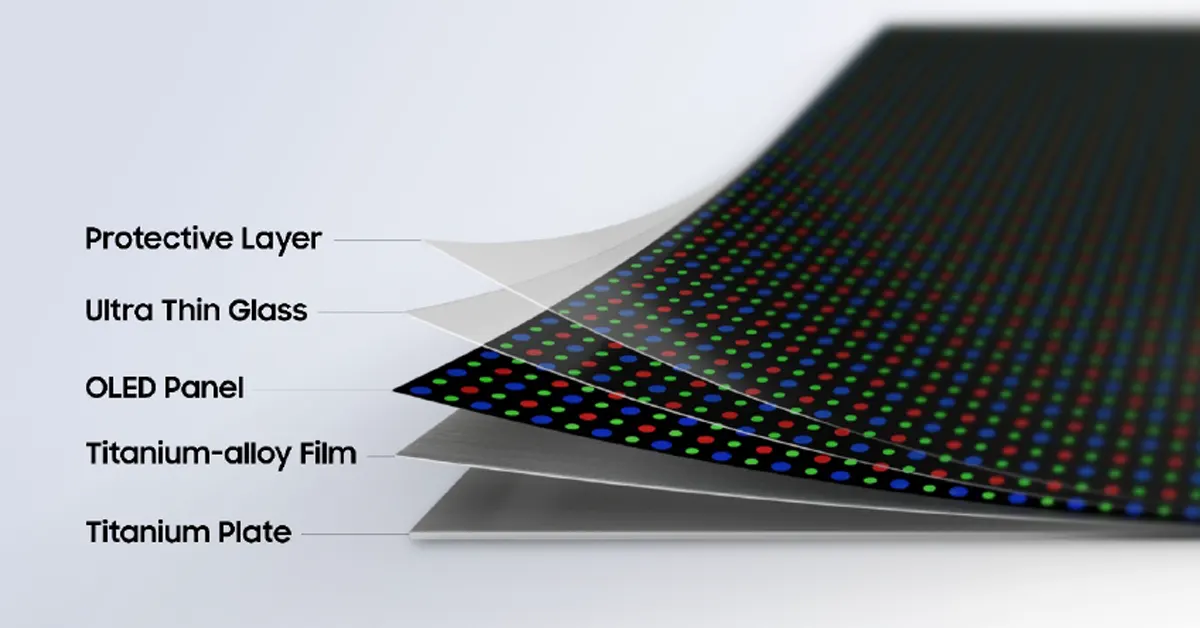
- Flex Titanium utilizes two titanium-based components: a titanium-alloy film directly below the OLED panel for greater stiffness and a robust titanium plate supporting the display module from underneath with advanced hole processing to eliminate air gaps.
- The titanium-alloy film is one-third the thickness of a human hair, making the display panel slimmer and dramatically harder to dent or deform, while the titanium plate provides stable support and flexibility through sophisticated micro-patterned holes.
Foldable phones have always come with one awkward houseguest that refuses to leave. The crease. Now Samsung says it has finally found a way to show it the door. The company has announced its new Samsung Flex Titanium display technology, a redesigned foldable screen structure that promises enhanced durability, a slimmer panel and noticeably reduced crease visibility. The reveal lands exactly one week before Galaxy Unpacked on July 22 in London, where the next-generation Galaxy foldable phones are expected to make their debut. Subtle timing, Samsung. Very subtle.
In This Article
What Exactly Is Flex Titanium?
At its core, Flex Titanium is a rethink of what sits beneath the flexible OLED panel on a foldable phone. Instead of the traditional polymer film that has supported foldable displays for years, Samsung has engineered two titanium-based components that work in tandem.
Read Also: Before You Pay Rs 799 for the FIFA World Cup Final, Check Your Airtel Plan First
The first is a titanium-alloy film that sits directly below the OLED panel. Samsung claims it delivers 20 times greater mechanical stiffness than the polymer film it replaces. Thanks to a precision rolling process, this film measures roughly one-third the thickness of a human hair. That is thin enough to make the entire display panel slimmer while making it dramatically harder to dent or deform.
The second component is a robust titanium plate that supports the display module from underneath. Samsung has used advanced hole processing to eliminate the air gaps that previously existed between the module and the adhesive on the plate. The result is tighter bonding, more stable support when the phone is unfolded and enough flexibility to survive years of daily folding. Sophisticated micro-patterned holes in the folding section of the plate are the clever bit here, allowing a famously stiff metal to bend without complaint.
Why Titanium, Though?
Titanium is not exactly a stranger to hard work. The same family of material has been used in satellite antennas and even the wheels of a Mars rover. Its strength makes it ideal for absorbing external shocks, but its natural stiffness has historically made it a nightmare to use in anything that needs to fold in half thousands of times. Samsung says seven generations of foldable engineering experience helped it crack that problem, balancing slimness, flexibility and strength in one structure.
Sunghoon Moon, EVP and Senior Executive of the Mobile R&D Office at Samsung Electronics, said the company’s strength in foldables comes from connecting user needs with technologies that deliver tangible everyday benefits. Kyung-Jin Yoo of Samsung Display added that combining the new structure with high-resolution display architecture and next-generation organic materials will boost power efficiency significantly.
A Brighter, More Efficient Screen Too
The crease reduction is the headline act, but there is a supporting cast worth noting. Samsung says the new display integrates a high-resolution architecture with next-generation organic materials, delivering ultra-vivid resolution while consuming less power. For foldable owners who juggle a large inner screen and battery anxiety in equal measure, that Samsung foldable display durability upgrade paired with better efficiency could be the more meaningful improvement in daily use.
When Can You See It?
Flex Titanium will debut on Samsung’s next-generation foldables, widely expected to be the Galaxy Z Fold 8 series and Galaxy Z Flip 8. All eyes now turn to the Galaxy Unpacked July 2026 launch in London, where full device details, pricing and availability for markets including India, the US, the UK and Australia should be confirmed. Reports also suggest a wider Fold model may join the lineup this year, which would make a stronger display backbone even more essential.
Read Also: Galaxy Z Fold 8 Ultra Leaked Video Reveals a Crease So Faint You Will Squint to Find It
Final Words
Every foldable maker has promised a crease-free future at some point, usually right before shipping a phone with a very visible crease. What makes this titanium alloy film foldable display approach interesting is that Samsung is fixing the structure underneath the screen rather than just polishing the surface. If the Galaxy Z Fold 8 crease really does fade into the background, Samsung will have solved the category’s oldest complaint just as Apple prepares its first foldable iPhone. The timing is not a coincidence. It is a warning shot.


