


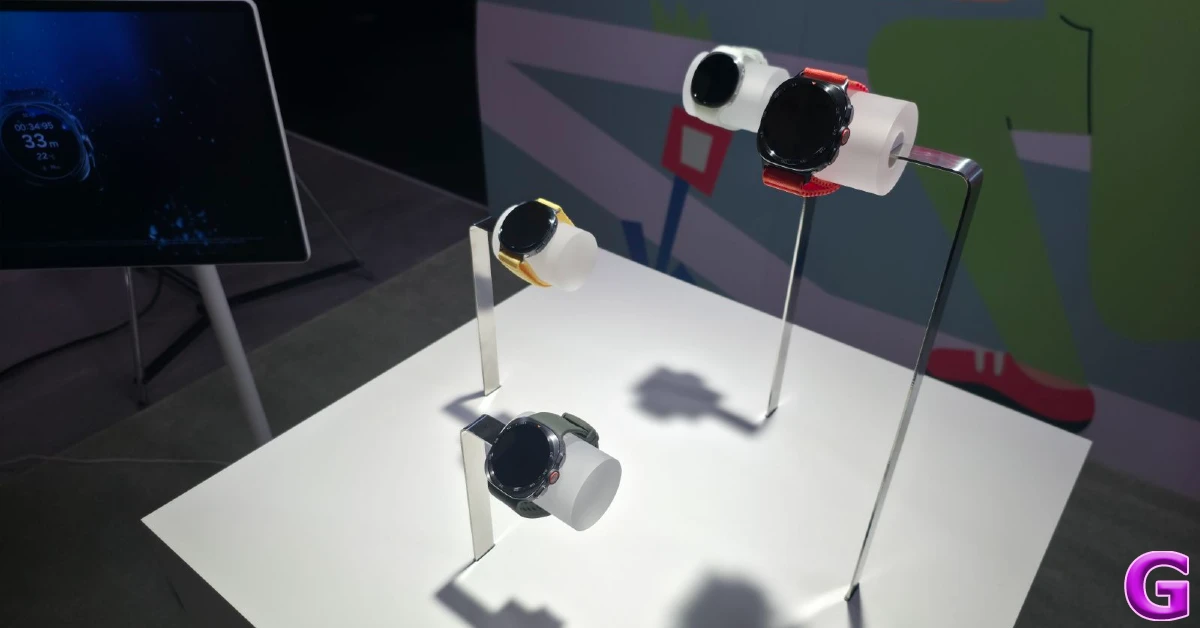

Samsung unveiled its new foldable and smartwatch lineup at the second Galaxy Unpacked event earlier this week. Talking about the smart wearable range, the tech outfit has decided to skip the Galaxy Watch Classic this year and brought back the Watch Ultra model. While the Galaxy Watch Ultra2 caters to pro-athletes and hardcore fitness enthusiasts, the base Galaxy Watch9 model is designed for the average user who wants to track their health metrics and workout sessions without delving into the nitty-gritty details. If you’ve already had the Samsung Galaxy Watch8 strapped around your wrist for the last year, you’re probably wondering whether the Watch9 demands breaking the bank for the second year in a row. So, let’s take a deep dive and compare the two wearables on every key parameter.
In This Article
Head to Head
| Parameter | Samsung Galaxy Watch9 | Samsung Galaxy Watch8 |
| Case Size | 40mm (Small) | 44mm (Large) | 40mm (Small) | 44mm (Large) |
| Weight | Small: 31.5g | Large: 34g | Small: 30g | Large: 33.8g |
| Dimensions | 46mm x 43.7mm x 8.6mm | 46mm x 43.7mm x 8.6mm |
| Display | 1.47-inch Super AMOLED Sapphire Crystal Display | 1.47-inch Super AMOLED Sapphire Crystal Display |
| Peak Brightness | 3,000 nits | 3,000 nits |
| Material | Armour Aluminium | Armour Aluminium |
| Durability | 5ATM/IP68/MIL-STD-810H | 5ATM/IP68/MIL-STD-810H |
| Sensor Array | Heart rate, ECG, BIA, Blood oxygen, Temperature, Accelerometer, Gyroscope, Alti-barometer, Ambient light, Compass | Heart rate, ECG, BIA, Blood oxygen, Temperature, Accelerometer, Gyroscope, Alti-barometer, Ambient light, Compass |
| Processor | Snapdragon SW6100 Wear Elite (3nm) | Exynos W1000 (3nm) |
| OS | Android Wear OS 7 with Samsung One UI 9 | Android Wear OS 6 with Samsung One UI 8 |
| RAM | 2GB | 2GB |
| Storage | 32GB | 32GB |
| Battery | Small: 390mAh | Large: 445mAh | Small: 325mAh | Large: 435mAh |
| Charging | 10W wireless | 10W wireless |
| Connectivity | Bluetooth 5.3 | LTE | Wi-Fi 2.4GHz/5GHz | Dual GPS (L1 + L5) | NFC | Bluetooth 5.3 | LTE | Wi-Fi 2.4GHz/5GHz | Dual GPS (L1 + L5) | NFC |
| Colours | Graphite, Silver, Cream | Graphite, Silver |
| Price (Bluetooth) | Small: Rs 38,999 | Large: Rs 41,999 (Rs 1,000 pre-order offer also available) | Small: Rs 32,999 | Large: Rs 35,999 |
| Price (LTE/4G) | Small: Rs 42,999 | Large: Rs 45,999 (Rs 1,000 pre-order offer also available) | Small: Rs 36,999 | Large: Rs 39,999 |
The difference maker: Qualcomm’s new platform
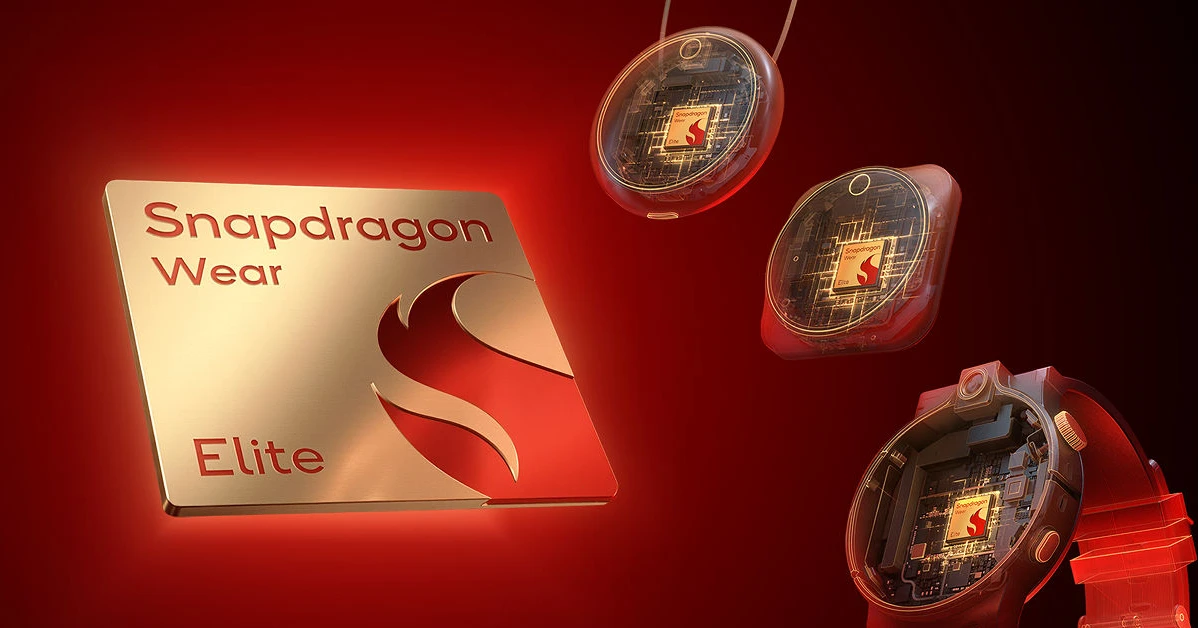
We’ve always liked Samsung’s in-house Exynos processor for its smartwatches, but there’s no denying that Qualcomm’s new Snapdragon Wear Elite platform takes things up a notch on the Galaxy Watch9. The Snapdragon SW6100 chip comprises 5 cores and is built on a 3nm process. Needless to say, the AI features on the Watch9 will be handed a significant boost. You can also expect better performance across the board along with smarter battery management on the wearable.
No changes on the design front
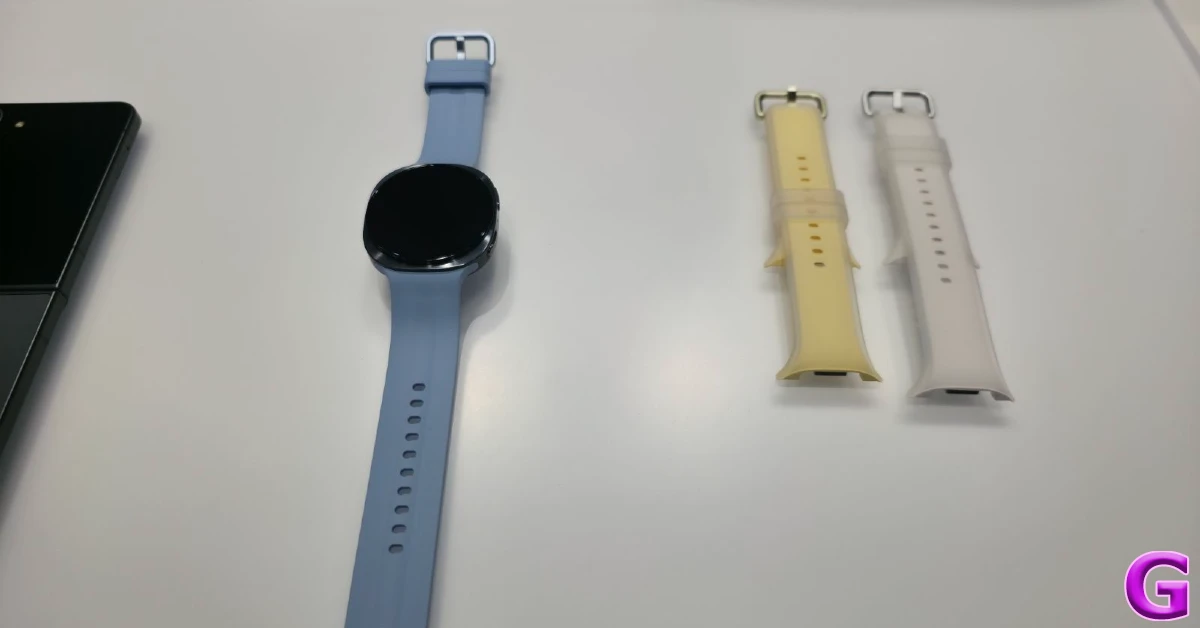
After a radical design shift on the Galaxy Watch8, we weren’t expecting the Watch9 to take a different route. The ‘squared circle’ look of the smartwatch remains ever-present on its latest iteration, despite vocal critics. Clunky allegations aside, we like this design quite a bit. It manages to bring a unique flair to the wearable and distinguishes it from the herd of circular-dial smartwatches. Samsung bringing back the ‘Cream’ colour option on the Galaxy Watch9 is a nice move too. The bands are backwards compatible, meaning you can use the Watch9 bands on the Watch8, since the lock mechanism hasn’t changed. There are a total of 3 bands on offer – Sport, Misty, and Fabric.
More mileage per charge cycle
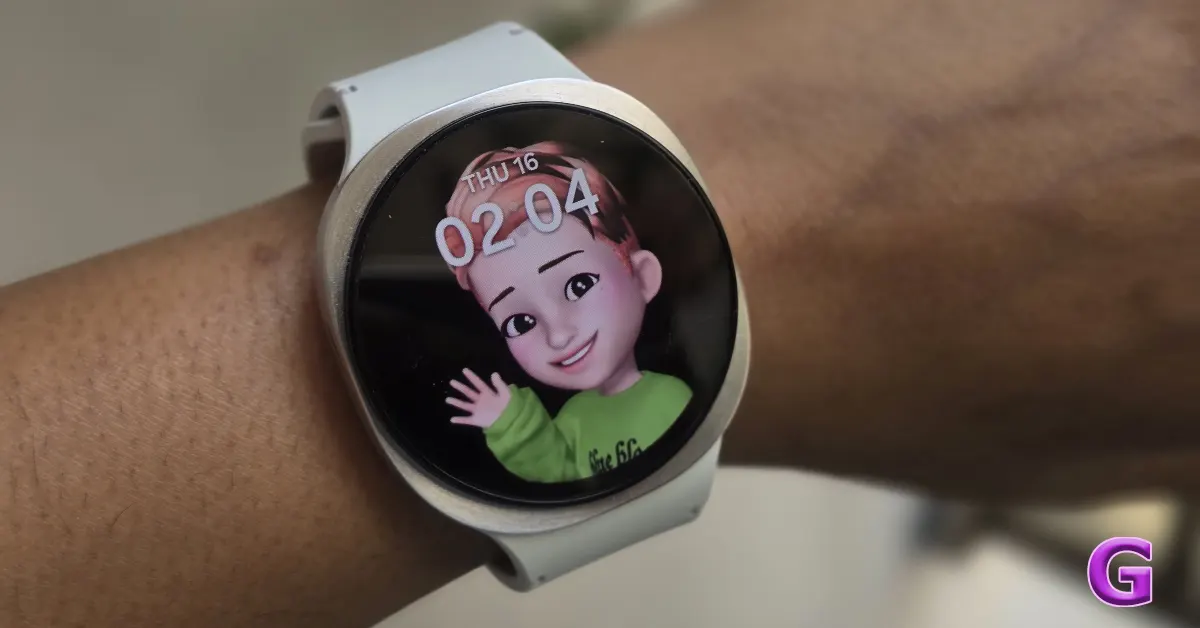
The dimensions of the Galaxy Watch9 are identical to last year’s model, but it packs a larger battery under its hood. The 40mm variant gets a 390mAh battery while the larger 44mm model packs a 445mAh unit. This is a notable upgrade over the 325mAh and 435mAh batteries on the Small and Large variants of the Watch8. Paired with a more efficient Snapdragon SW6100 processor, the Watch9 will certainly deliver an improved battery life. We’re currently testing the smartwatch, so watch out for our review to learn about the exact range! In the meantime, go through our Galaxy Watch8 review for its real-life battery stats.
New features for those who like to stay ahead of the curve
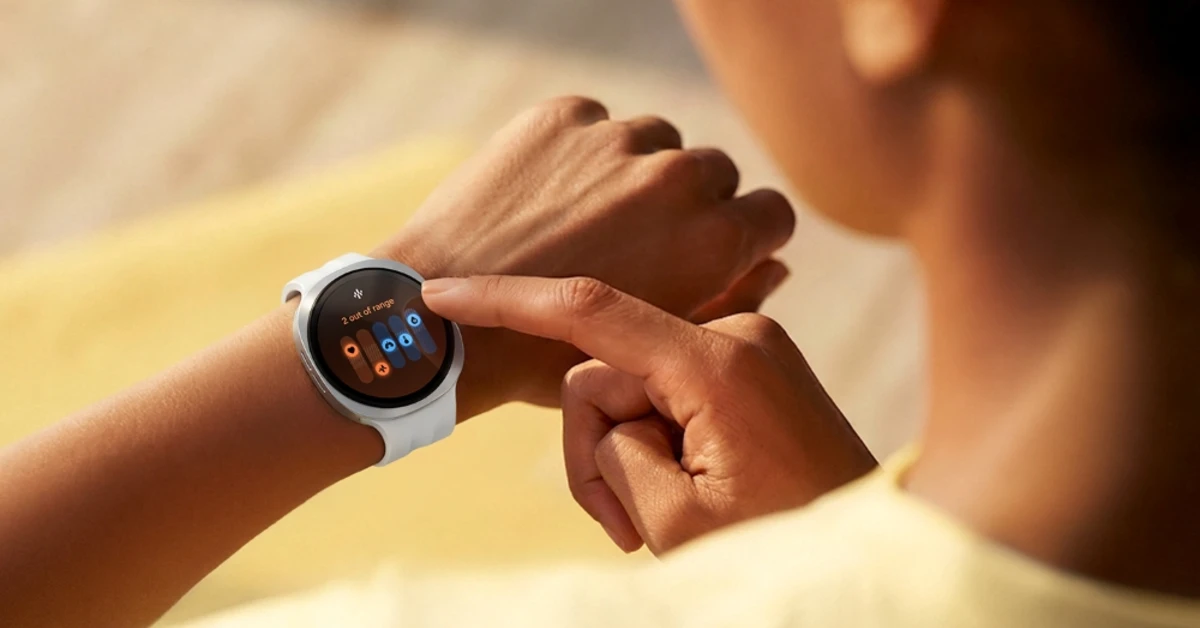
Samsung’s new ‘Vitals’ dashboard for the Galaxy Watch9 monitors the user’s personal health baseline while they’re sleeping and reports when back when there are any deviations from the norm. The Sleep Apnea feature looks out for breathing disruptions during sleep. On top of that, the smartwatch provides smart, actionable insights, whether it is a list of personalised goals to keep your fitness level up to the mark, tailored programs based on your recovery needs, or a heart health score with personalised lifestyle recommendations.
Since the Galaxy Watch9 uses the same BioActive sensor array as the Watch8, these features will most likely be added to the latter model with a software update.
Durability remains the same
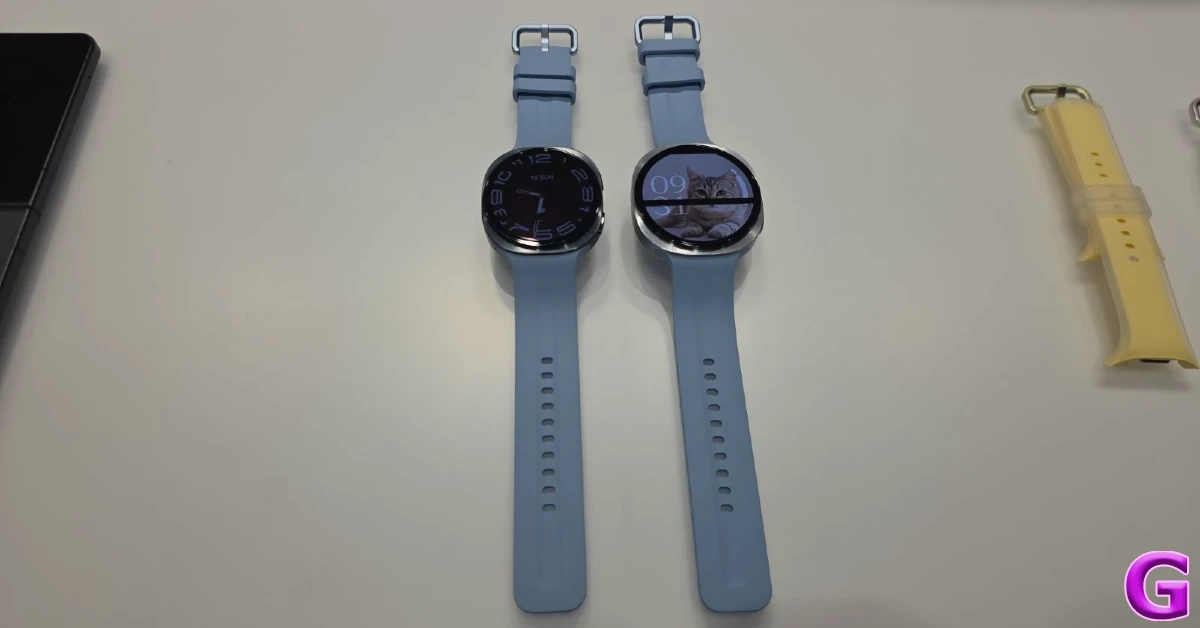
The durability specs of the Galaxy Watch8 have been carried forward from last year’s model. The smartwatch is rated IP68 for dust and water resistance, and can handle up to 5ATM of water pressure. You can wear it while swimming without worrying about water-related damage. Since it is compliant with MIL-STD-810H durability standards, the device can absorb light knocks with ease. If you want a watch that’s fit for diving, you should check out the Galaxy Watch Ultra2.
Read Also: Samsung Galaxy Z Fold 8 Ultra, Galaxy Z Fold 8, and Watch 9 Pricing and Offers Announced
So, is it worth the upgrade?
If you’re currently using the Samsung Galaxy Watch8, you’re not missing out on a great deal of features or hardware upgrades by not switching to the Watch9. The key distinguishing feature between the 2 smartwatches is the new Snapdragon SW6100 processor. This processor does elevate the performance of the smartwatch, but it is worth the upgrade if you’re a power user who compulsively tracks every health and fitness metric and doesn’t like it when things get laggy. Other than that, we’d recommend the Watch9 if you’re currently using the Watch7 or an older model.


