



Key Takeaways
- Samsung measures the success of Galaxy AI not by the number of features added, but by whether those features become part of users' everyday routines.
- The company's AI strategy is shifting from flashy demonstrations to practical, everyday experiences that remove friction from daily tasks.
- Key Galaxy AI features with strong engagement include Circle to Search, Photo Assist, Creative Studio, Call Assist, and Live Translate.
The race to pack smartphones with artificial intelligence is moving at breakneck speed. But once the excitement around new AI features fades, a much bigger question emerges. Are people actually using them every day, or are they just trying them once and then forgetting they exist? That question sits at the heart of Galaxy AI daily usage features, and Samsung believes the answer lies far beyond download numbers or launch-day hype.
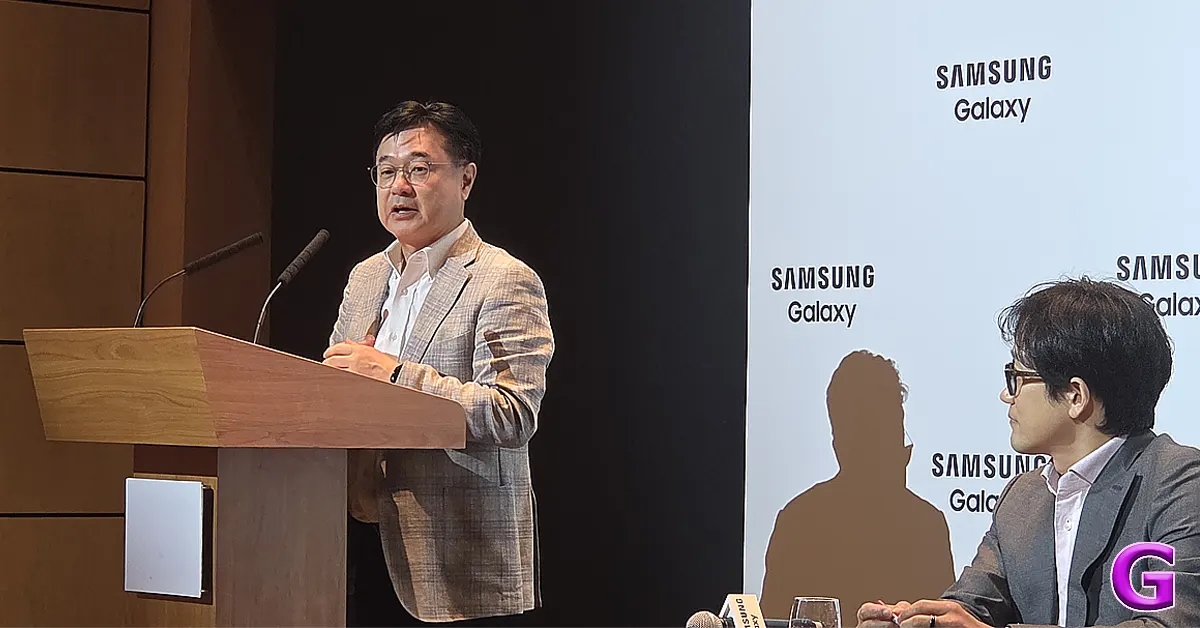
Speaking during a media roundtable, Samsung executives explained to Gadget Bridge that the company is measuring Galaxy AI’s success not by how many AI features it can add, but by whether those features quietly become part of people’s everyday routines. The company also revealed which Galaxy AI tools are seeing the strongest engagement globally and in India, while outlining how its AI strategy is shifting from flashy demonstrations to practical experiences.
In This Article
Samsung says meaningful AI matters more than flashy AI
Jay Kim, Corporate EVP and Head of Customer Experience Office at Samsung’s Mobile Experience division, said the company has followed three guiding principles since launching Galaxy AI with the Galaxy S24 in 2024.
Read Also: Foldables Are Now One in Five Samsung Flagships Sold, and Tier 3 India Is Doing the Lifting
Those principles are simple. AI must be meaningful. It must be easy to access. And it must be safe.
According to Kim, Samsung’s objective is not to persuade consumers that they are using artificial intelligence every minute. Instead, the goal is to remove friction from everyday tasks so users naturally accomplish more without thinking about the underlying technology.
That philosophy has become even more important as Samsung expands from traditional AI features toward what it calls Agentic AI, where the system understands context, automates actions and proactively assists users.
These are the Galaxy AI features people use the most
Samsung highlighted several Galaxy AI capabilities that have become regular habits instead of one-time experiments.
Among them, Google’s Circle to Search remains one of the most frequently used features, allowing users to search anything visible on their screen with a simple gesture.
Samsung also pointed to several in-house AI tools seeing strong engagement, including:
- Photo Assist for AI-powered image editing
- Creative Studio for generating and enhancing creative content
- Call Assist for smarter phone conversations
- Live Translate for multilingual communication
Rather than focusing only on launch excitement, Samsung continuously studies how frequently these tools return to users’ daily workflows and adjusts the user interface to make them easier to discover and use.
Not every AI feature should be judged the same way
One of Samsung’s more interesting observations is that AI adoption cannot be measured using a single metric.
Kim explained that some AI capabilities are naturally designed for daily use, while others may only become valuable during specific situations.
For example, users may edit photos regularly, making Photo Assist a high-frequency feature. Meanwhile, Live Translate or Call Assist may only be needed occasionally, but when they are required, they become extremely valuable.
Instead of comparing every AI feature using identical engagement numbers, Samsung evaluates each capability according to the problem it solves.
That approach suggests the company is moving away from measuring AI success through novelty and instead focusing on long-term usefulness.
India is becoming one of Samsung’s biggest AI markets
Samsung also shared that Indian consumers are embracing Galaxy AI faster than the global average.
According to JB Park, CEO and President of Samsung Southwest Asia, Indian users rely heavily on features such as Photo Assist, Creative Studio and Audio Eraser, with usage nearly twice the global average.
Samsung says this momentum is encouraging it to invest further in India through partnerships with IITs, startups and its research centres in Noida and Bengaluru. These collaborations are helping develop AI experiences that better reflect local consumer behaviour and language requirements.
Read Also: Samsung Galaxy S26 series bets big on agentic AI, privacy and India’s role in innovation
The company also highlighted Hindi and Gujarati support within Galaxy AI, with additional language expansion already under development.
Samsung wants users to stop thinking about AI altogether
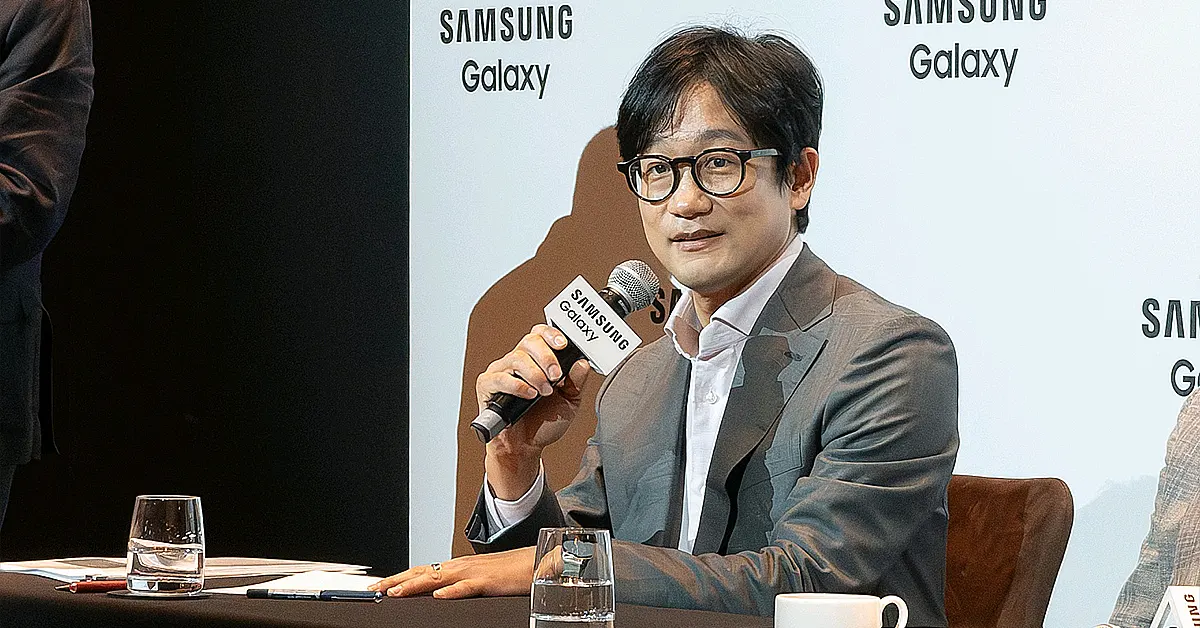
Perhaps the biggest takeaway from the discussion was Samsung’s broader vision for artificial intelligence.
Kim argued that consumers should not have to understand whether AI powers a feature. Instead, they should simply achieve what they want faster and with less effort.
In Samsung’s view, AI succeeds when it becomes invisible.
That philosophy extends beyond smartphones. Executives discussed how future Galaxy experiences will span phones, foldables, wearables and upcoming smart glasses, where AI quietly works in the background across multiple devices instead of demanding constant user attention.
Galaxy AI is shifting from feature lists to everyday habits
The smartphone industry spent the past two years introducing increasingly sophisticated AI tools. The next challenge may be convincing users to return to those features every single day.
Samsung’s comments suggest the company believes the future belongs to AI that blends naturally into everyday life rather than constantly reminding users it exists. If that philosophy resonates with consumers, the real AI competition may soon be decided not by who launches the most features, but by whose features quietly become indispensable.