Price in India, Availability
- The JBL Grip costs ₹11,999 in India.
- It is available at JBL.com as well as major retail and e-commerce sites.
- The product comes in six colours: black, white, purple, red, blue, and camo.

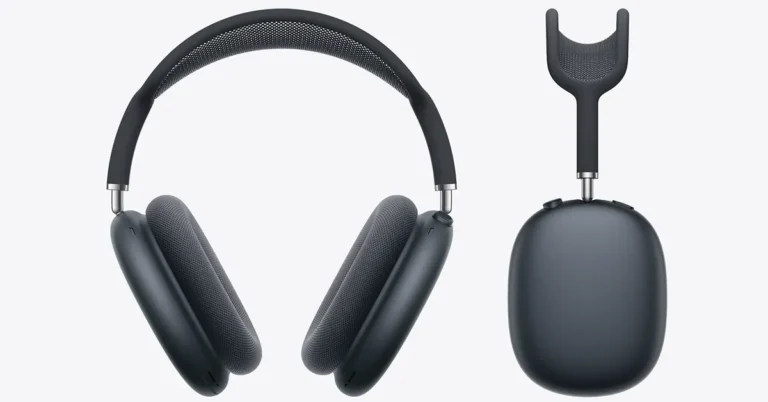
Apple has officially unveiled the AirPods Max 2 launch, and this time, the update is more than a paint refresh with a fancy press release. The new AirPods Max 2 arrive with Apple’s H2 chip, improved Active Noise Cancellation, upgraded audio hardware, and a bundle of intelligent features that aim to make these premium headphones smarter in daily use, not just prettier on a desk. The new model also keeps Apple firmly in the conversation around AirPods Max 2 ANC upgrade, lossless audio over USB-C, and creator-friendly premium headphones in 2026.
In This Article
For a product that has long looked iconic but felt a little frozen in time, AirPods Max 2 appears to be Apple’s attempt at making the lineup feel current again. The headline feature is the H2 chip, which powers a more advanced audio pipeline and enables features that were missing from the original over-ear model.
Apple says the new headphones deliver up to 1.5x more effective Active Noise Cancellation than the previous generation. In plain English, that means aeroplane hum, metro chatter, office clatter, and the general soundtrack of modern life should fade more convincingly into the background. Transparency mode has also been refined, and Apple claims it sounds more natural thanks to new digital signal processing tuned for H2.
That matters because premium headphones in this segment are no longer judged only by sound. They are judged by how intelligently they adapt to the world around them.
Audio upgrades on AirPods Max 2 go beyond noise cancellation. Apple has added a new high dynamic range amplifier, which is said to deliver cleaner, more detailed sound while preserving the signature tuning that made the original AirPods Max popular with many listeners.
The bigger talking point for audio purists may be lossless audio over USB-C. When connected with the included USB-C cable, AirPods Max 2 support 24-bit, 48kHz lossless audio. That is a notable move because it gives these headphones more serious credentials for music production, critical listening, and pro workflows.
Apple is also pitching the headphones directly at creators. Studio-quality recording is now part of the package, alongside camera remote support that lets users snap photos or start and stop video from a distance using the Digital Crown. For podcasters, interviewers, mobile filmmakers, and musicians, that adds a surprisingly practical layer to what might otherwise have been seen as a luxury listening device.
There is also reduced wireless latency, which could make AirPods Max 2 gaming features more relevant than before. It may not turn them into a hardcore esports headset overnight, but it does make the over-ear headphones more versatile for entertainment beyond music and movies.
The H2 chip also unlocks a wider set of smart features, many of which Apple users will already recognise from newer AirPods products. These include Adaptive Audio, Conversation Awareness, Voice Isolation, Personalised Volume, Loud Sound Reduction, and Siri head gesture interactions.
The most attention-grabbing addition is arguably Live Translation on AirPods Max, powered by Apple Intelligence. Apple is positioning it as an in-person communication tool for multilingual conversations. It is the kind of feature that sounds futuristic in a keynote and potentially useful in airports, international meetings, and travel-heavy work lives. That said, availability still depends on supported languages, supported regions, and an Apple Intelligence-compatible iPhone running the latest software. So yes, it is exciting, but it also comes with the usual ecosystem fine print.
Visually, Apple has not torn up the script. AirPods Max 2 retain the same recognisable over-ear silhouette that helped the original stand out instantly. The new colour palette includes midnight, starlight, orange, purple, and blue, which gives buyers more personality without changing the industrial design formula that Apple clearly still believes in.
That may divide opinion. Some users wanted a radical redesign. Others will be perfectly happy that Apple focused on the internals instead of trying to reinvent a look that already feels premium.
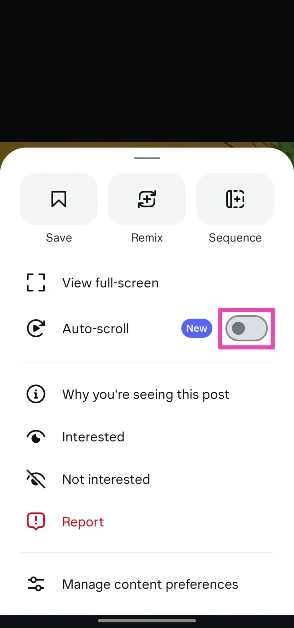
Read Also: How to Auto-Scroll Instagram Reels
Apple says AirPods Max 2 will be available to order starting March 25, with broader availability beginning early next month. In India, the headphones are priced at Rs 67,900. The company is also continuing its environmental messaging, saying the new model uses recycled rare earth elements, recycled polyester in the ear cushions, and fibre-based packaging.
The real story here is not that Apple made AirPods Max shinier. It is that the company has finally brought its premium over-ear headphones into the same software-and-silicon era as the rest of its audio lineup. That was overdue.
Our quick take? AirPods Max 2 look less like a cosmetic sequel and more like a long-delayed catch-up done properly. They are still expensive, still unapologetically premium, and still deeply tied to Apple’s ecosystem. But for users already inside that world, this launch feels like the first time the Max name has fully earned its second act.

In This Article

In This Article

In This Article


Recently, I had the opportunity to speak with Samsung MX COO Won-Joon Choi and gain his insights. Based on remarks from him and Samsung Southwest Asia chief JB Park, the Galaxy S26 series is being framed as a hardware-first flagship family that also wants AI to do more of the work in the background quietly. That means better cameras, stronger battery life, faster charging, and a new software direction Samsung is calling AI OS.
In This Article
If there is one clear message from Choi’s address, it is this: Samsung says it studied what buyers still care about most before building the Galaxy S26 lineup. The answer was not mysterious. Performance, camera quality and battery life remain the top buying factors, and Samsung claims the S26 series was designed to balance those fundamentals with newer AI experiences. That is a smart shift in messaging because smartphone buyers may enjoy AI demos, but most still notice bad battery life faster than clever software.
Samsung’s official messaging describes the Galaxy S26 series as its most intuitive Galaxy AI phone yet, with proactive features such as Now Nudge, a more personalised Now Brief, upgraded Circle to Search, and a more conversational Bixby. It also confirms that Gemini and Perplexity are part of the mix, signalling that Samsung is no longer treating AI as a one-assistant world. That openness lines up neatly with Choi’s three stated principles for Galaxy AI: reach, openness and trust.
Read Also: Samsung Galaxy S26 series bets big on agentic AI, privacy and India’s role in innovation
The phrase Samsung AI OS may sound ambitious, but Samsung’s description is fairly practical. Choi says the company is integrating AI engines and functions at the OS layer so apps and services can deliver more agentic experiences. In simple terms, Samsung wants the phone to move from answering questions to handling intent, planning steps and helping execute tasks across apps.
Samsung says the S26 can complete multi-step actions more seamlessly, and that agent choices include Bixby, Gemini and Perplexity. In the Q and A, Choi also pointed to early partner integrations with Uber, DoorDash and Starbucks, with broader app and language support expected to expand over time. English and Korean appear to be the starting point for the initial wave. Indian languages will soon come into play.
This is where Samsung’s argument gets interesting. Choi openly suggested some utility apps could fade into the background in an agentic AI smartphone future, while content apps like Netflix or Spotify would likely remain. That is a more nuanced take than the usual “AI replaces everything” hype. It also feels closer to what users may actually accept.
On charging, Samsung says the Ultra supports fast top-ups with a 60W adapter (sold separately). That aligns with Choi’s remarks that Samsung’s own Samsung 60W charger would be available at launch and that standard-compliant third-party chargers should also work, and more are being built with compatible third-party vendors.
Read Also: Samsung Galaxy Buds 4 Pro Review: Cut Above The Noise
The standout hardware story is clearly the Galaxy S26 Privacy Display on the Ultra. Samsung says it is the mobile industry’s first built-in privacy display for smartphones, designed to limit side-angle viewing without the usual downsides of a stick-on privacy screen.
That matters because it turns privacy from an accessory into a native feature. Choi also suggested the technology could expand over time to more Galaxy devices, though foldables still present structural challenges. He further said Samsung is studying whether the same approach makes sense for products like Galaxy Book laptops. If Samsung can scale this well, Privacy Display could become one of those features rivals quickly try to imitate. For now, though, Samsung has found a rare smartphone talking point that feels instantly understandable to regular users.

In This Article


In This Article
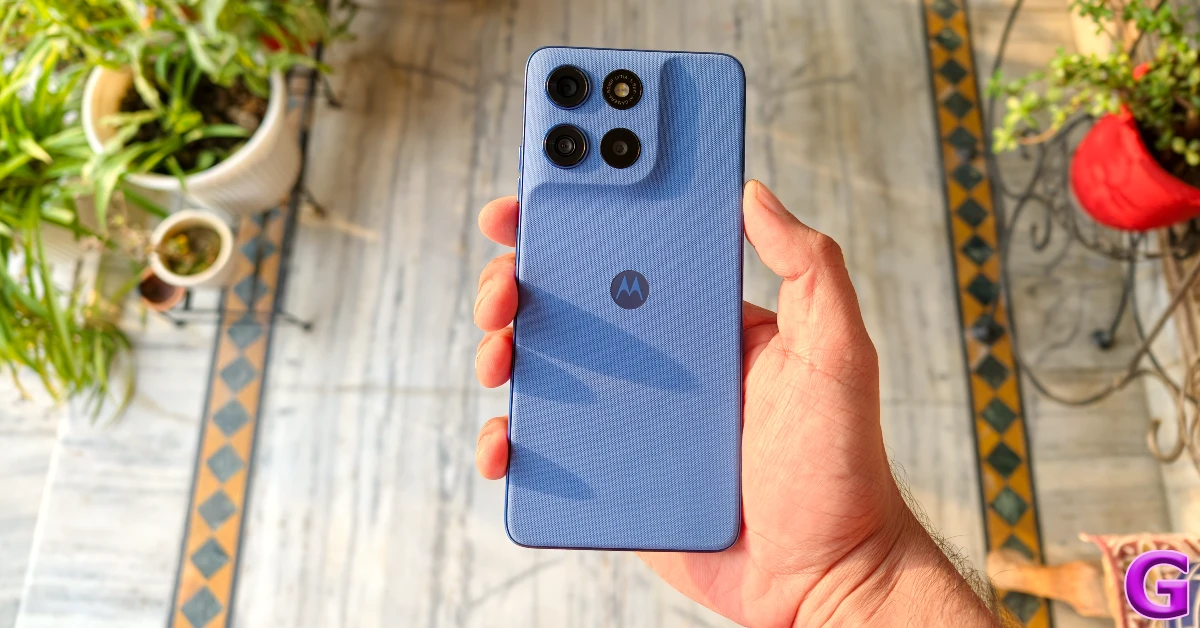 The Moto G57 Power has one of the most balanced spec sheets in the sub-Rs 15,000 price bracket. At the heart of the device lies the Snapdragon 6s Gen 4 processor. Software duties are handled by Android 15 out of the box. The smartphone is compliant with MIL-STD-810H durability standards. Its 6.72-inch IPS LCD panel has a 120Hz refresh rate and can reach a peak brightness of 1,050 nits. The rear camera panel comprises a 50MP primary shooter and an 8MP ultrawide lens. The 7,000mAh battery pack supports 33W charging. Dive into our review of the Moto G57 Power to learn more about the smartphone.
Pros
The Moto G57 Power has one of the most balanced spec sheets in the sub-Rs 15,000 price bracket. At the heart of the device lies the Snapdragon 6s Gen 4 processor. Software duties are handled by Android 15 out of the box. The smartphone is compliant with MIL-STD-810H durability standards. Its 6.72-inch IPS LCD panel has a 120Hz refresh rate and can reach a peak brightness of 1,050 nits. The rear camera panel comprises a 50MP primary shooter and an 8MP ultrawide lens. The 7,000mAh battery pack supports 33W charging. Dive into our review of the Moto G57 Power to learn more about the smartphone.
Pros
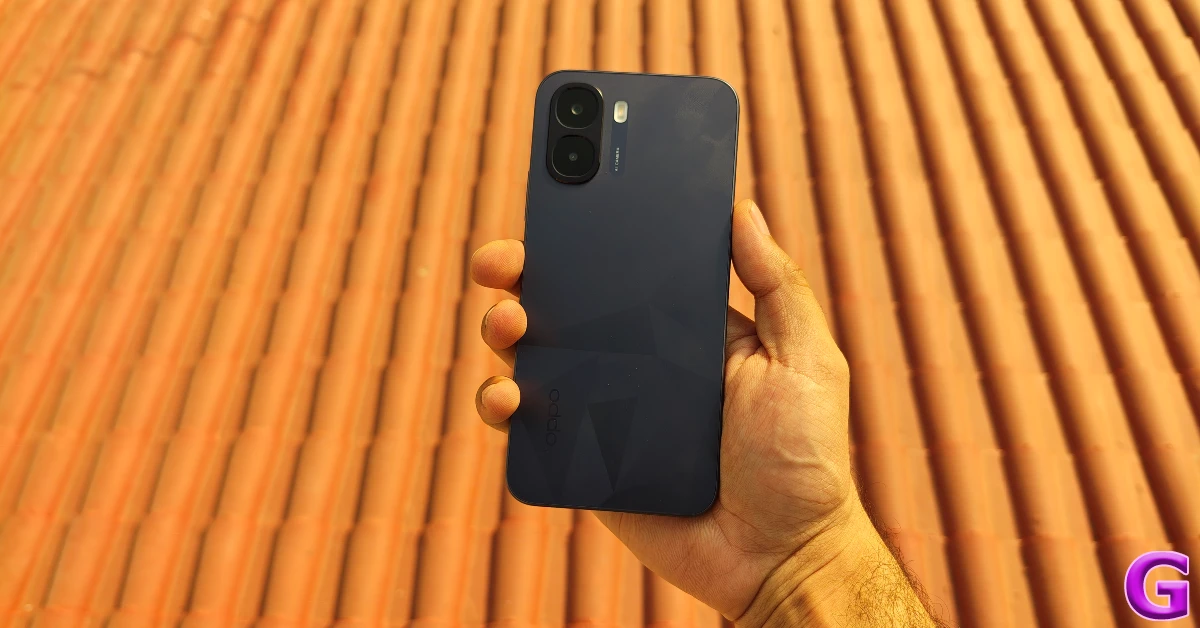 The newly launched Oppo K14x is powered by the MediaTek Dimensity 6300 chipset. It runs the Android 15-based ColorOS 15 out of the box. Its 6.75-inch IPS LCD panel has a 120Hz refresh rate and can reach a peak brightness of 1,125 nits. The smartphone is rated IP64 for dust and water resistance. The compact camera cutout on the back panel houses a 50MP primary shooter and an auxiliary shooter. The 6,500mAh battery pack supports 45W charging. Read our Oppo K14x review to learn more about its everyday performance.
Pros
The newly launched Oppo K14x is powered by the MediaTek Dimensity 6300 chipset. It runs the Android 15-based ColorOS 15 out of the box. Its 6.75-inch IPS LCD panel has a 120Hz refresh rate and can reach a peak brightness of 1,125 nits. The smartphone is rated IP64 for dust and water resistance. The compact camera cutout on the back panel houses a 50MP primary shooter and an auxiliary shooter. The 6,500mAh battery pack supports 45W charging. Read our Oppo K14x review to learn more about its everyday performance.
Pros
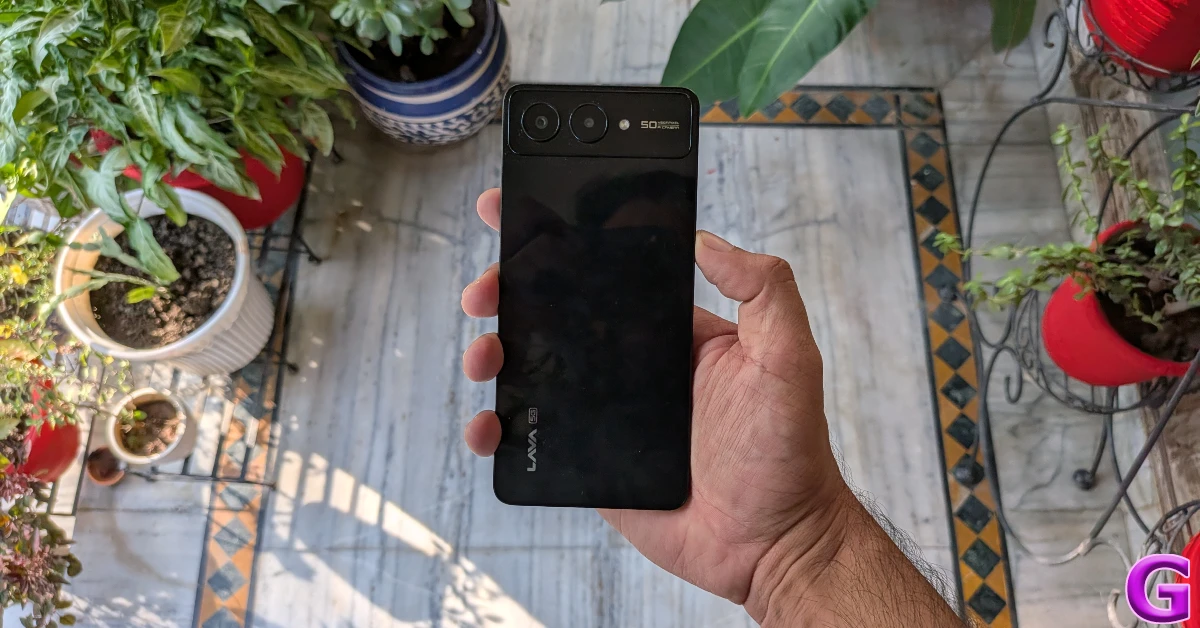 In a segment full of LCD panels, the Lava Blaze AMOLED 2 stands out with its 6.67-inch AMOLED display. This panel has a 120Hz refresh rate and can hit 800 nits in High Brightness Mode. It is powered by the MediaTek Dimensity 7060 chipset and runs Android 15 out of the box. The camera bar spanning the width of the device houses a 50MP primary shooter and an auxiliary lens. The 5,000mAh battery pack supports 33W charging. Check out our review of the Lava Blaze AMOLED 2 to find out how it fares in everyday use.
Pros
In a segment full of LCD panels, the Lava Blaze AMOLED 2 stands out with its 6.67-inch AMOLED display. This panel has a 120Hz refresh rate and can hit 800 nits in High Brightness Mode. It is powered by the MediaTek Dimensity 7060 chipset and runs Android 15 out of the box. The camera bar spanning the width of the device houses a 50MP primary shooter and an auxiliary lens. The 5,000mAh battery pack supports 33W charging. Check out our review of the Lava Blaze AMOLED 2 to find out how it fares in everyday use.
Pros
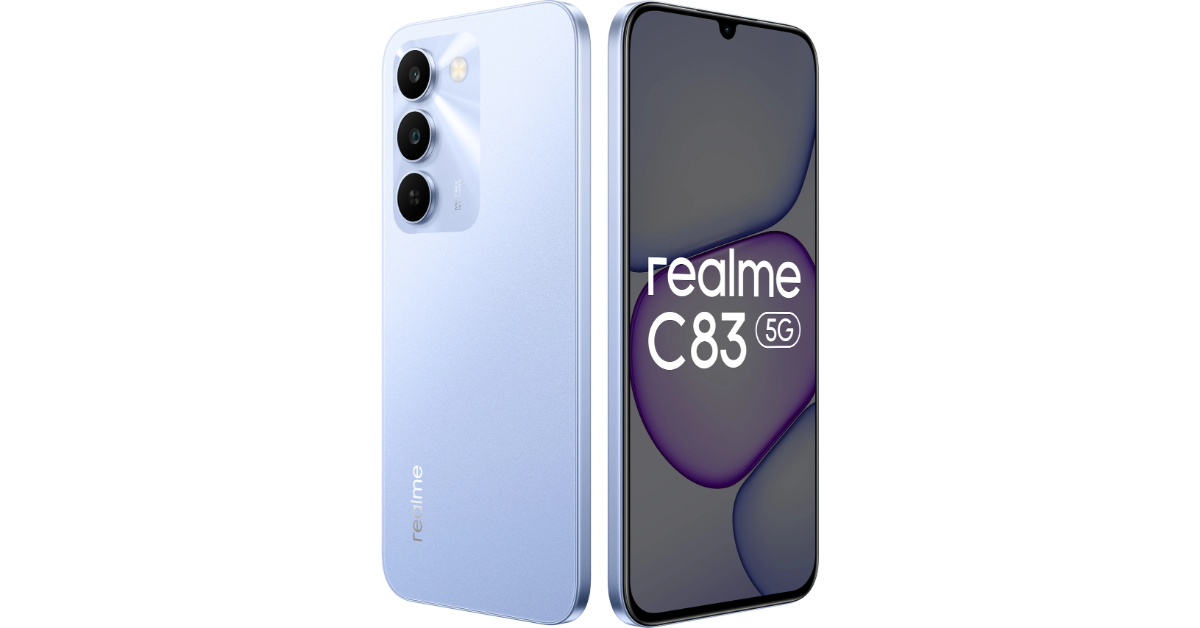 Launched earlier this month, the Realme C83 is one of the best smartphones you can buy under Rs 15,000 right now. It is powered by the MediaTek Dimensity 6300 chipset and runs the Android 16-based Realme UI 7 out of the box. Its 6.8-inch IPS LCD panel has a 144Hz refresh rate and can reach a peak brightness of 900 nits. The back panel houses a 13MP primary shooter, while the 5MP selfie camera is placed in the waterdrop notch on the display. The 7,000mAh Si/C battery pack supports 15W wired charging. The smartphone is rated IP64 for dust and water resistance. It is compliant with MIL-STD-810H durability standards.
Pros
Launched earlier this month, the Realme C83 is one of the best smartphones you can buy under Rs 15,000 right now. It is powered by the MediaTek Dimensity 6300 chipset and runs the Android 16-based Realme UI 7 out of the box. Its 6.8-inch IPS LCD panel has a 144Hz refresh rate and can reach a peak brightness of 900 nits. The back panel houses a 13MP primary shooter, while the 5MP selfie camera is placed in the waterdrop notch on the display. The 7,000mAh Si/C battery pack supports 15W wired charging. The smartphone is rated IP64 for dust and water resistance. It is compliant with MIL-STD-810H durability standards.
Pros
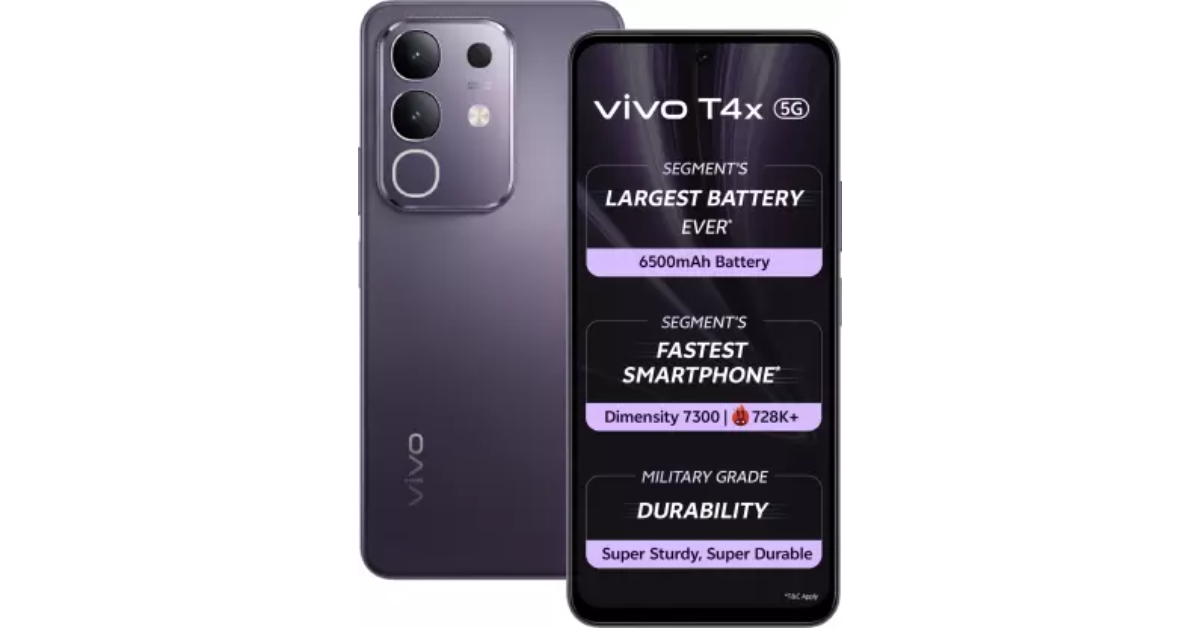 The Vivo T4x is powered by the MediaTek Dimensity 7300 processor. Software duties are handled by the Android 15-based Funtouch 15 OS out of the box. Its 6.72-inch IPS LCD panel has a 120Hz refresh rate and can reach 1,050 nits in High Brightness Mode. The rear camera panel houses a 50MP primary shooter and a 2MP depth sensor. The 6,500mAh battery pack supports 44W fast charging. The smartphone is compliant with MIL-STD-810H durability standards.
Pros
The Vivo T4x is powered by the MediaTek Dimensity 7300 processor. Software duties are handled by the Android 15-based Funtouch 15 OS out of the box. Its 6.72-inch IPS LCD panel has a 120Hz refresh rate and can reach 1,050 nits in High Brightness Mode. The rear camera panel houses a 50MP primary shooter and a 2MP depth sensor. The 6,500mAh battery pack supports 44W fast charging. The smartphone is compliant with MIL-STD-810H durability standards.
Pros
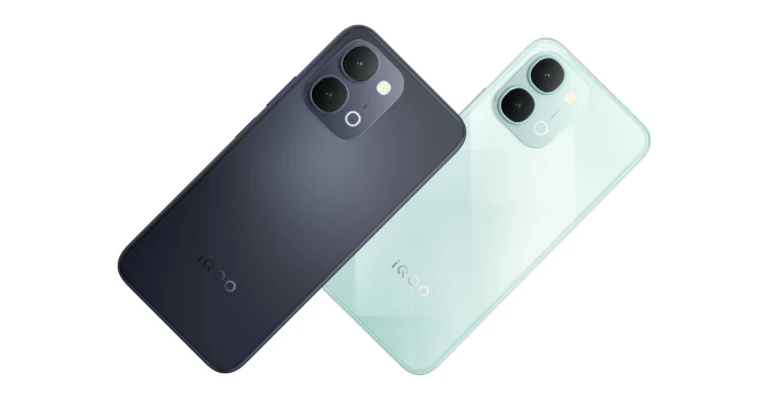
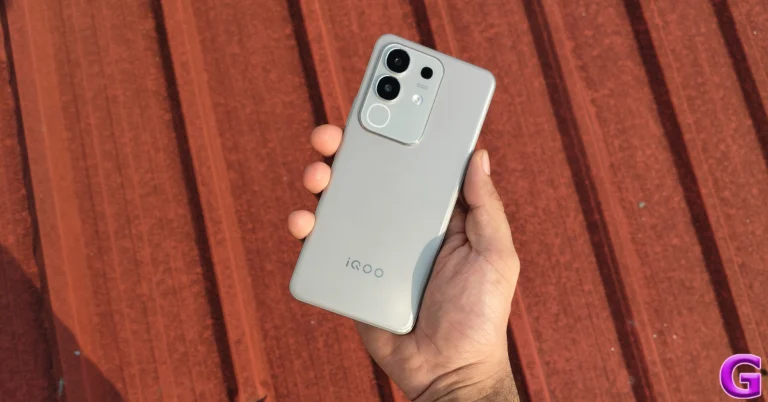
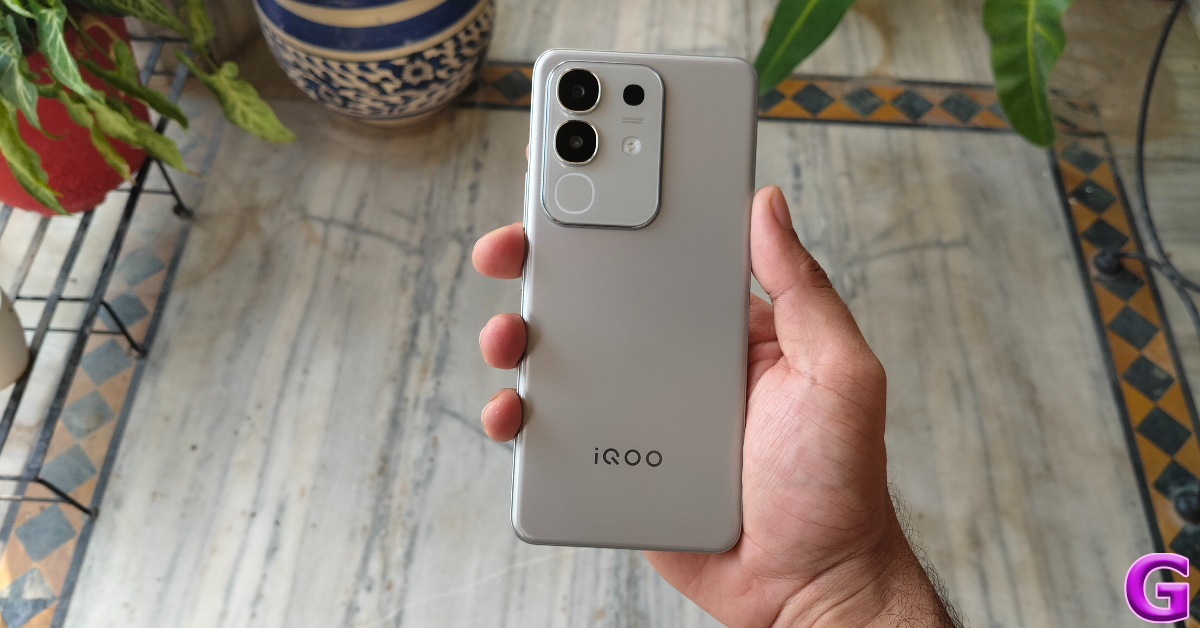 The iQOO Z10x is the rebadged version of the Vivo T4x. The two smartphones share identical specs, software, and features. At the heart of the device lies the MediaTek Dimensity 7300 chipset. Software duties are handled by the Android 15-based Funtouch 15 OS out of the box. iQOO has promised 2 major OS upgrades for this phone, which will take it to Android 17. The 6.72-inch IPS LCD panel has a 120Hz refresh rate and can reach 1,050 nits in High Brightness Mode. The giant camera island on the back panel houses a 50MP primary shooter and a 2MP depth sensor. The 6,500mAh battery pack supports 44W charging. Read our iQOO Z10x review for a deeper analysis of its everyday performance.
Pros
The iQOO Z10x is the rebadged version of the Vivo T4x. The two smartphones share identical specs, software, and features. At the heart of the device lies the MediaTek Dimensity 7300 chipset. Software duties are handled by the Android 15-based Funtouch 15 OS out of the box. iQOO has promised 2 major OS upgrades for this phone, which will take it to Android 17. The 6.72-inch IPS LCD panel has a 120Hz refresh rate and can reach 1,050 nits in High Brightness Mode. The giant camera island on the back panel houses a 50MP primary shooter and a 2MP depth sensor. The 6,500mAh battery pack supports 44W charging. Read our iQOO Z10x review for a deeper analysis of its everyday performance.
Pros
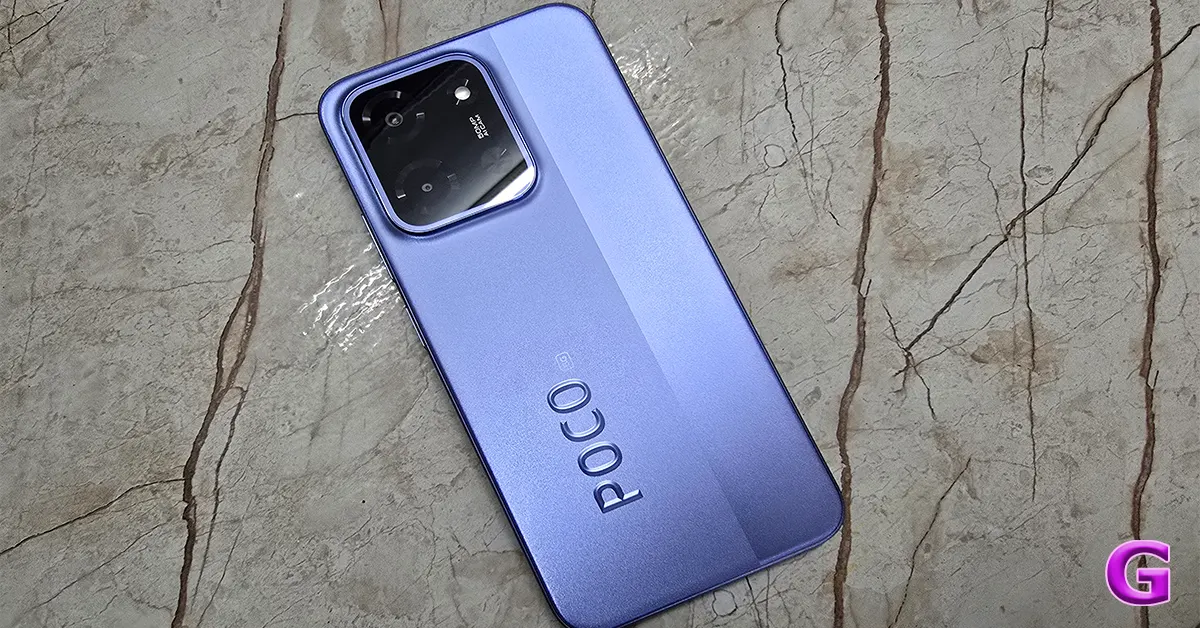 Poco C85’s massive 6.9-inch display makes it ideal for watching content. This IPS LCD panel has a 120Hz refresh rate and can hit 810 nits in High Brightness Mode. Powering this device is the MediaTek Dimensity 6300 SoC. Software duties are handled by the Android 15-based HyperOS 2 out of the box. The rear camera panel houses a 50MP primary shooter and an auxiliary lens. The 6,000mAh battery pack supports 30W charging and 10W reverse wired charging. Check out our Poco C85 review for more details.
Pros
Poco C85’s massive 6.9-inch display makes it ideal for watching content. This IPS LCD panel has a 120Hz refresh rate and can hit 810 nits in High Brightness Mode. Powering this device is the MediaTek Dimensity 6300 SoC. Software duties are handled by the Android 15-based HyperOS 2 out of the box. The rear camera panel houses a 50MP primary shooter and an auxiliary lens. The 6,000mAh battery pack supports 30W charging and 10W reverse wired charging. Check out our Poco C85 review for more details.
Pros
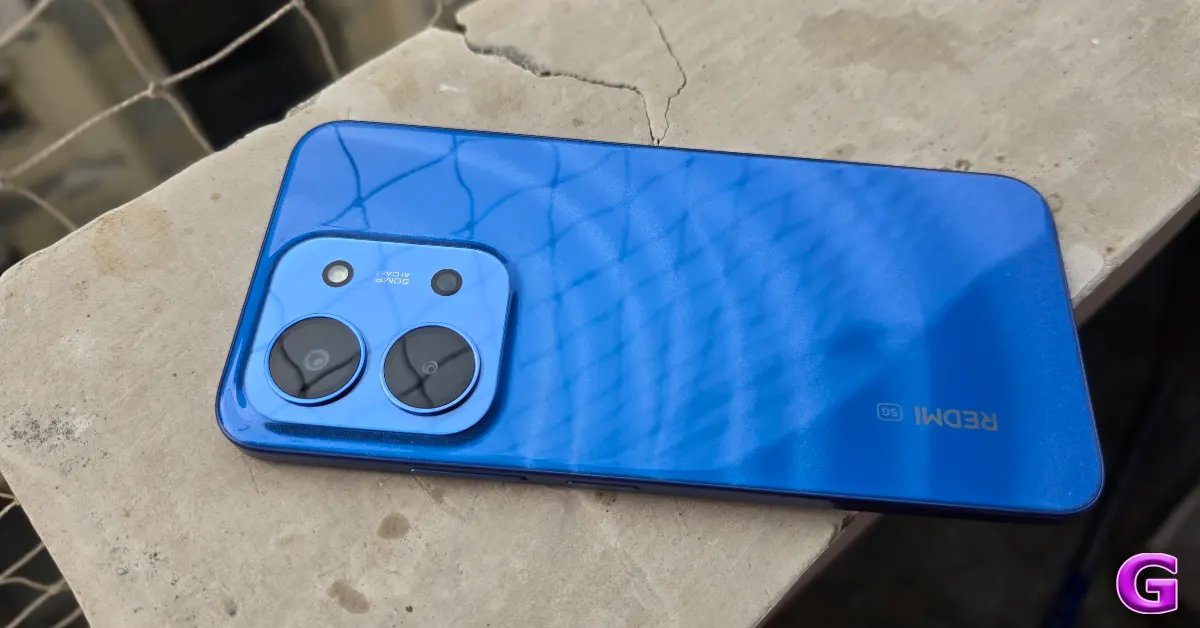 The Redmi 15C shares a lot of similarities with the Poco C85. It flaunts a 6.9-inch IPS LCD panel. This display has a 120Hz refresh rate and can reach 810 nits in High Brightness Mode. At the heart of the smartphone lies the MediaTek Dimensity 6300 chipset. Software duties are handled by the Android 15-based HyperOS 2. The giant camera island on the back panel a 50MP primary shooter and an auxiliary lens. The 6,000mAh battery supports 33W charging and 10W reverse wired charging. Read our Redmi 15C review for more details about the device.
Pros
The Redmi 15C shares a lot of similarities with the Poco C85. It flaunts a 6.9-inch IPS LCD panel. This display has a 120Hz refresh rate and can reach 810 nits in High Brightness Mode. At the heart of the smartphone lies the MediaTek Dimensity 6300 chipset. Software duties are handled by the Android 15-based HyperOS 2. The giant camera island on the back panel a 50MP primary shooter and an auxiliary lens. The 6,000mAh battery supports 33W charging and 10W reverse wired charging. Read our Redmi 15C review for more details about the device.
Pros
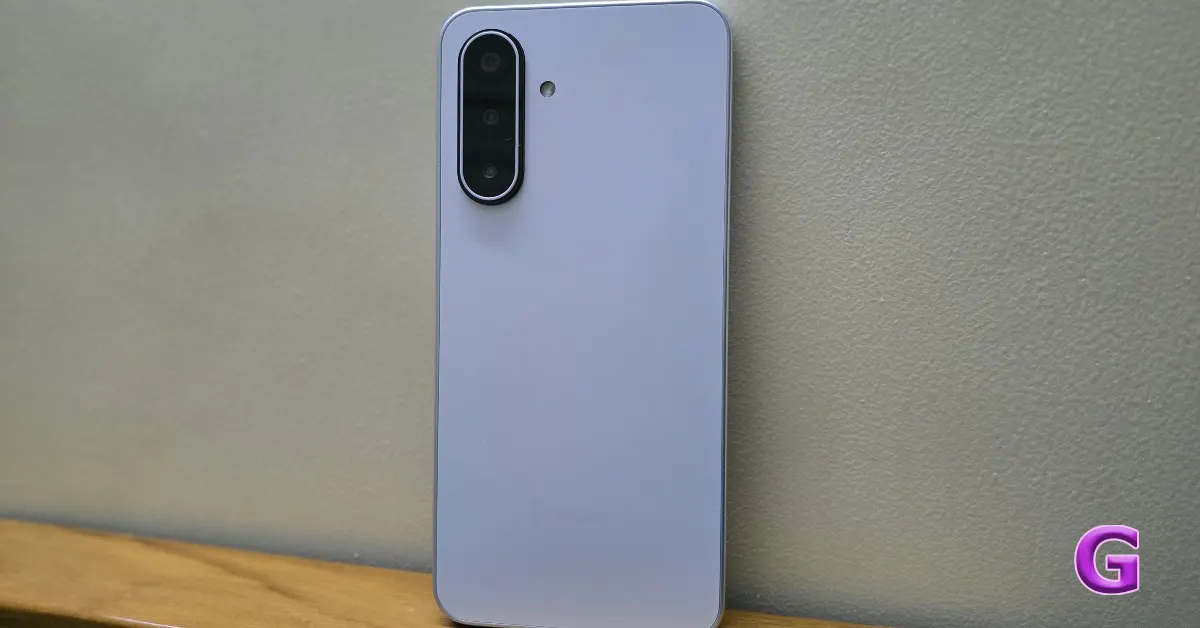 The Samsung Galaxy M17 rocks the brand’s in-house Exynos 1330 processor under its hood. It runs the Android 15-based One UI 7. Samsung has promised 6 major OS upgrades for this device. The 6.7-inch Super AMOLED display has a 120Hz refresh rate. The rear camera array comprises a 50MP primary shooter, a 5MP ultrawide lens, and a 2MP macro sensor. The 5,000mAh battery pack supports 25W charging. Check out our Samsung Galaxy M17 review to learn how it handles routine tasks.
Pros
The Samsung Galaxy M17 rocks the brand’s in-house Exynos 1330 processor under its hood. It runs the Android 15-based One UI 7. Samsung has promised 6 major OS upgrades for this device. The 6.7-inch Super AMOLED display has a 120Hz refresh rate. The rear camera array comprises a 50MP primary shooter, a 5MP ultrawide lens, and a 2MP macro sensor. The 5,000mAh battery pack supports 25W charging. Check out our Samsung Galaxy M17 review to learn how it handles routine tasks.
Pros
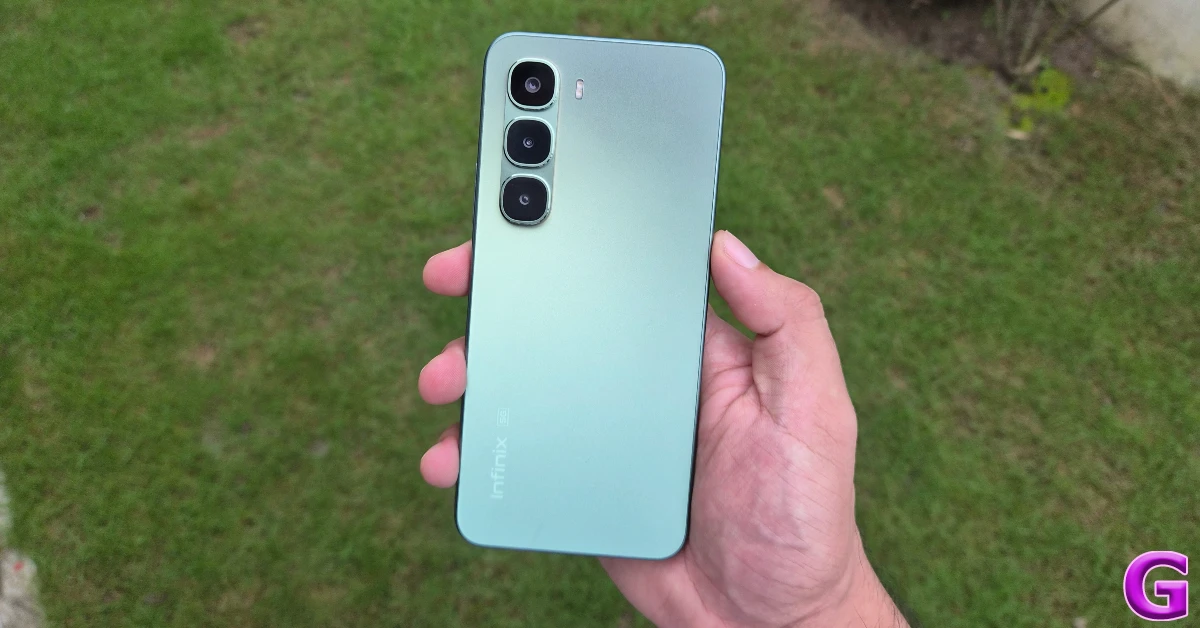 Ending this list is the Infinix Hot 60. This smartphone is powered by the MediaTek Dimensity 7020 SoC and runs the Android 15-based XOS 15 out of the box. Infinix has promised 3 major OS upgrades for this phone. Its 6.7-inch IPS LCD panel has a 120Hz refresh rate. It can reach 560 nits of typical brightness and hit 700 nits in High Brightness Mode. The vertical camera array comprises a 50MP primary shooter along with auxiliary lenses. The 5,200mAh battery pack supports 18W wired and 10W reverse wired charging. Dive into our review of the Infinix Hot 60 to learn more about the smartphone.
Pros
Ending this list is the Infinix Hot 60. This smartphone is powered by the MediaTek Dimensity 7020 SoC and runs the Android 15-based XOS 15 out of the box. Infinix has promised 3 major OS upgrades for this phone. Its 6.7-inch IPS LCD panel has a 120Hz refresh rate. It can reach 560 nits of typical brightness and hit 700 nits in High Brightness Mode. The vertical camera array comprises a 50MP primary shooter along with auxiliary lenses. The 5,200mAh battery pack supports 18W wired and 10W reverse wired charging. Dive into our review of the Infinix Hot 60 to learn more about the smartphone.
Pros


In This Article

In This Article

In This Article


In This Article


In This Article


In This Article

In This Article
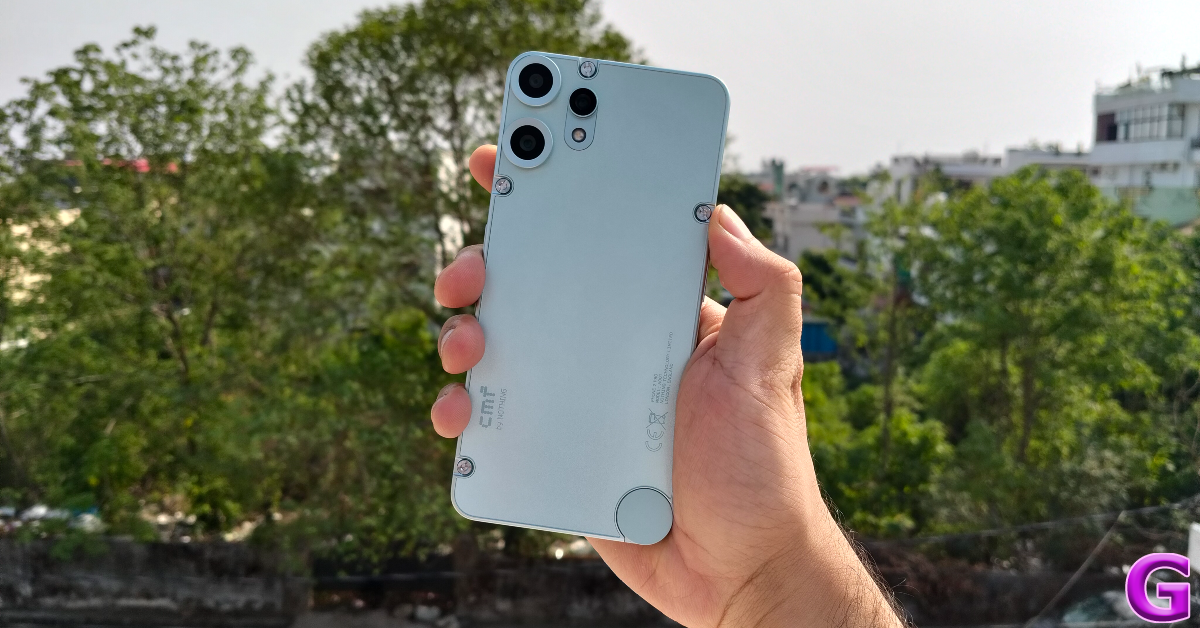 Nothing’s subsidiary brand, CMF, has one of the best smartphones in the sub-Rs 20,000 price bracket. The CMF Phone 2 Pro is powered by the MediaTek Dimensity 7300 Pro chipset and runs the Android 15-based Nothing OS 3 out of the box. It flaunts a 6.77-inch AMOLED display with a 120Hz refresh rate and a peak brightness of 3,000 nits. The triple camera array on the back panel comprises a 50MP primary shooter, an 8MP ultrawide lens, and a 50MP telephoto lens with 2x optical zoom. The 5,000mAh battery pack supports 33W charging. Dive into our review of the CMF Phone 2 Pro to learn more about the device.
Pros
Nothing’s subsidiary brand, CMF, has one of the best smartphones in the sub-Rs 20,000 price bracket. The CMF Phone 2 Pro is powered by the MediaTek Dimensity 7300 Pro chipset and runs the Android 15-based Nothing OS 3 out of the box. It flaunts a 6.77-inch AMOLED display with a 120Hz refresh rate and a peak brightness of 3,000 nits. The triple camera array on the back panel comprises a 50MP primary shooter, an 8MP ultrawide lens, and a 50MP telephoto lens with 2x optical zoom. The 5,000mAh battery pack supports 33W charging. Dive into our review of the CMF Phone 2 Pro to learn more about the device.
Pros
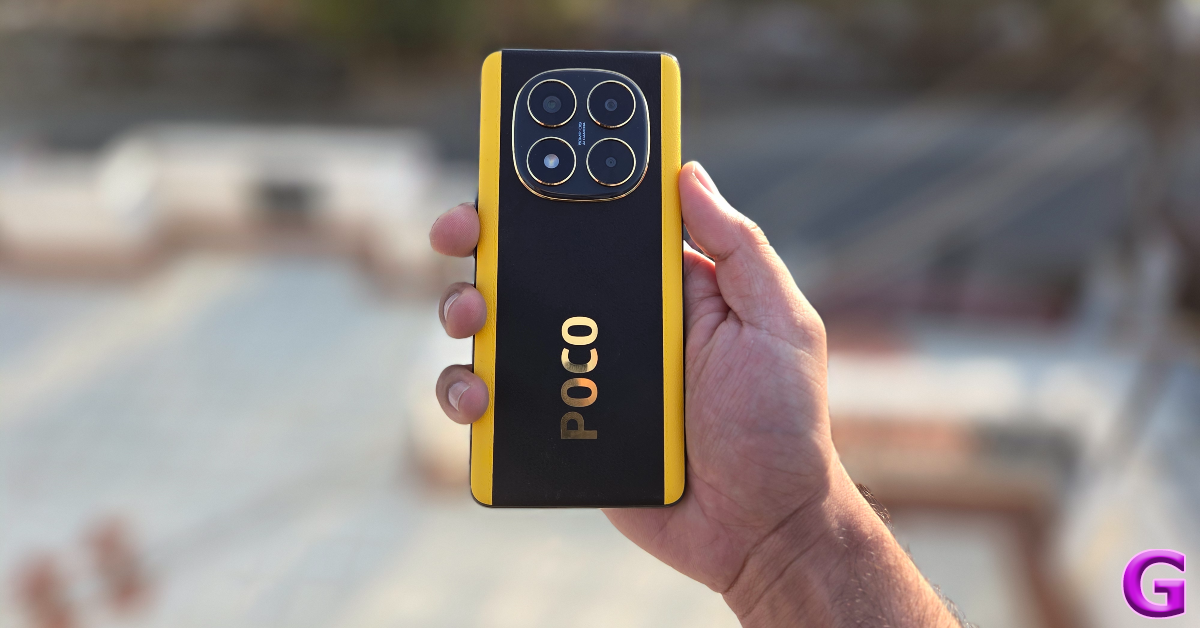 The Poco X7 is one of the most balanced smartphones priced under Rs 20,000. At the heart of the device lies the MediaTek Dimensity 7300 SoC. Software duties are handled by the Android 14-based HyperOS out of the box. Its 6.67-inch AMOLED display has a 120Hz refresh rate and can reach a peak brightness of 3,000 nits. The camera island on the back panel houses a 50MP primary shooter, an 8MP ultrawide lens, and a 2MP macro sensor. The 5,500mAh battery pack supports 45W wired charging. Read our Poco X7 review to learn more about its everyday performance.
Pros
The Poco X7 is one of the most balanced smartphones priced under Rs 20,000. At the heart of the device lies the MediaTek Dimensity 7300 SoC. Software duties are handled by the Android 14-based HyperOS out of the box. Its 6.67-inch AMOLED display has a 120Hz refresh rate and can reach a peak brightness of 3,000 nits. The camera island on the back panel houses a 50MP primary shooter, an 8MP ultrawide lens, and a 2MP macro sensor. The 5,500mAh battery pack supports 45W wired charging. Read our Poco X7 review to learn more about its everyday performance.
Pros
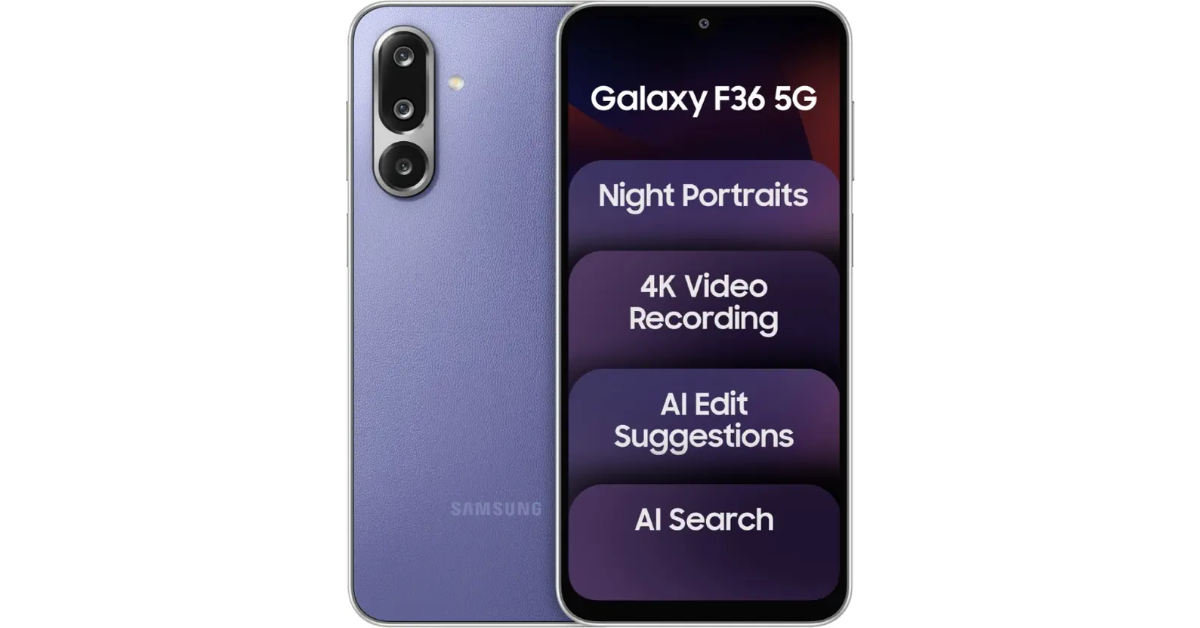 Samsung’s F series midranger is powered by its in-house Exynos 1380 chipset. It runs the Android 15-based One UI 7 OS out of the box. Samsung has promised 6 major OS upgrades for this device. The 6.7-inch Super AMOLED display has a 120Hz refresh rate. There’s a microSD card slot on board for expandable storage. The rear camera array comprises a 50MP primary shooter, an 8MP ultrawide lens, and a 2MP macro lens. The 5,000mAh battery pack supports 25W wired charging.
Pros
Samsung’s F series midranger is powered by its in-house Exynos 1380 chipset. It runs the Android 15-based One UI 7 OS out of the box. Samsung has promised 6 major OS upgrades for this device. The 6.7-inch Super AMOLED display has a 120Hz refresh rate. There’s a microSD card slot on board for expandable storage. The rear camera array comprises a 50MP primary shooter, an 8MP ultrawide lens, and a 2MP macro lens. The 5,000mAh battery pack supports 25W wired charging.
Pros
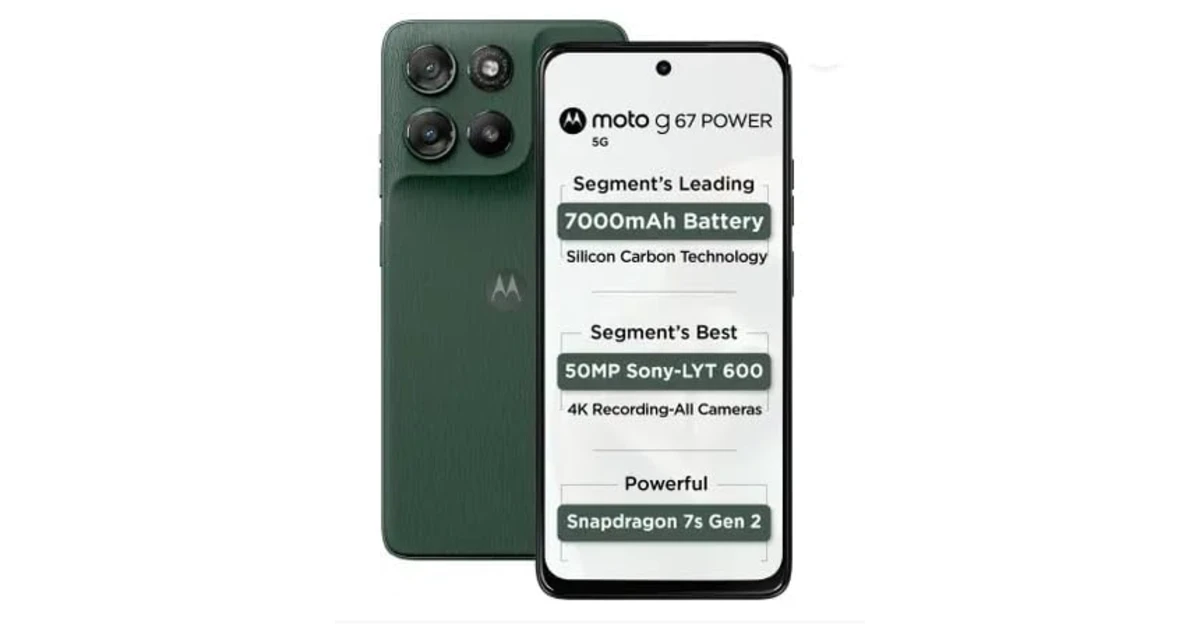 The Moto G67 Power uses the Snapdragon 7s Gen 2 chipset to deliver a thunderous performance. Software duties are handled by Android 15 skinned with Motorola’s Hello UI. The 6.7-inch IPS LCD panel has a 120Hz refresh rate and can reach a peak brightness of 1,050 nits. Compliant with MIL-STD-810H durability standards, the smartphone can absorb light knocks without getting damaged. The rear camera panel houses a 50MP primary shooter and an 8MP ultrawide lens. The 7,000mAh Si/C battery pack supports 30W wired charging.
Pros
The Moto G67 Power uses the Snapdragon 7s Gen 2 chipset to deliver a thunderous performance. Software duties are handled by Android 15 skinned with Motorola’s Hello UI. The 6.7-inch IPS LCD panel has a 120Hz refresh rate and can reach a peak brightness of 1,050 nits. Compliant with MIL-STD-810H durability standards, the smartphone can absorb light knocks without getting damaged. The rear camera panel houses a 50MP primary shooter and an 8MP ultrawide lens. The 7,000mAh Si/C battery pack supports 30W wired charging.
Pros
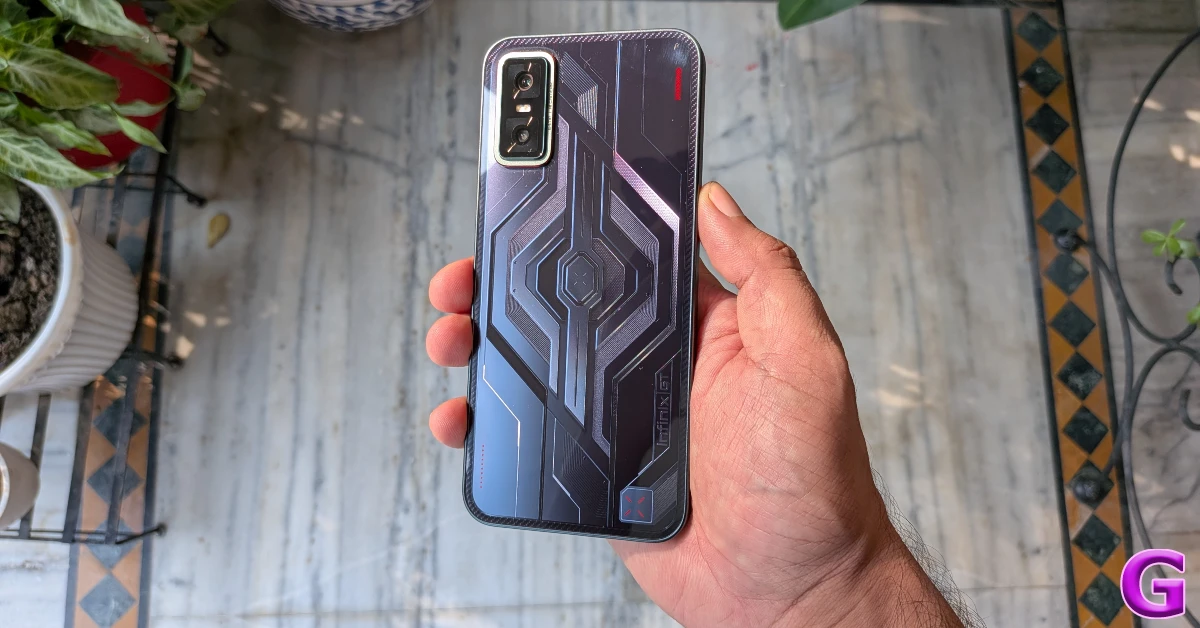 If you’re in the market for a gaming smartphone, you should take a look at the Infinix GT 30. It draws power from the MediaTek Dimensity 7400 SoC, which is a great chipset for this price bracket. The smartphone has touch-sensitive shoulder triggers on its right edge. You can map the controls of any game to these triggers. The 6.78-inch AMOLED display has a 144Hz refresh rate and can reach a peak brightness of 4,500 nits. The camera cutout on the back panel houses a 64MP primary shooter and an 8MP ultrawide lens. The 5,500mAh battery pack supports 45W wired charging. Read our Infinix GT 30 review to learn more about its gaming performance.
Pros
If you’re in the market for a gaming smartphone, you should take a look at the Infinix GT 30. It draws power from the MediaTek Dimensity 7400 SoC, which is a great chipset for this price bracket. The smartphone has touch-sensitive shoulder triggers on its right edge. You can map the controls of any game to these triggers. The 6.78-inch AMOLED display has a 144Hz refresh rate and can reach a peak brightness of 4,500 nits. The camera cutout on the back panel houses a 64MP primary shooter and an 8MP ultrawide lens. The 5,500mAh battery pack supports 45W wired charging. Read our Infinix GT 30 review to learn more about its gaming performance.
Pros
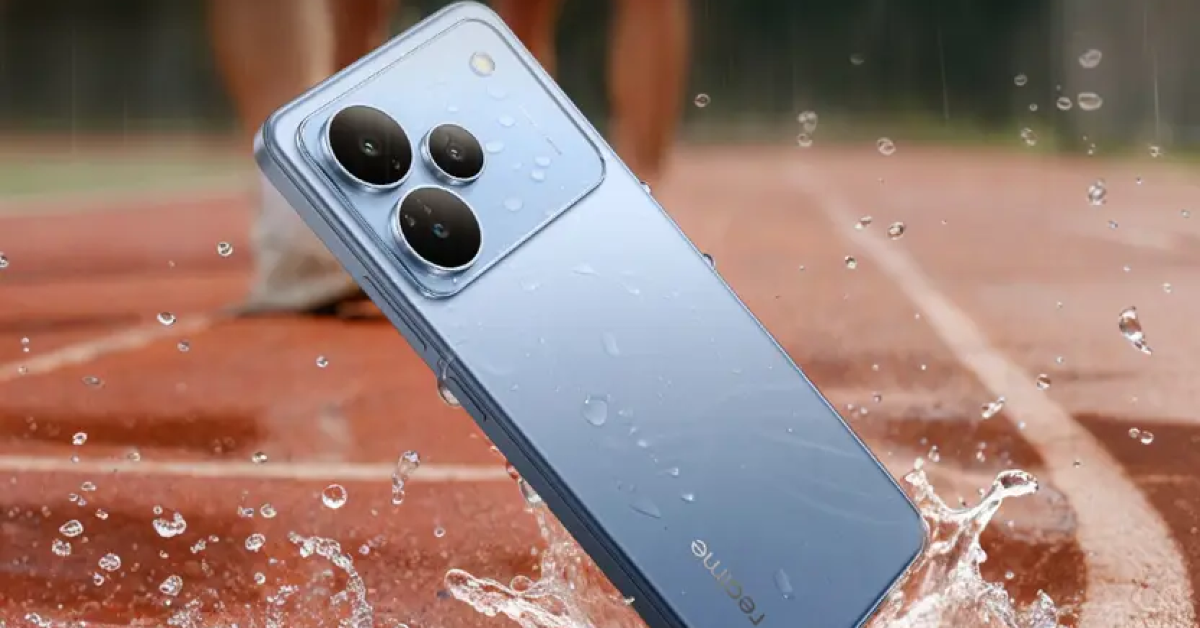 The Realme P4 has all the essential specs you need in a budget phone. It is powered by the MediaTek Dimensity 7400 SoC and runs the Android 15-based Realme UI 6. The 6.77-inch AMOLED display has a 144Hz refresh rate and can reach a peak brightness of 4,500 nits. The camera plateau on the back panel houses a 50MP primary shooter and an 8MP ultrawide lens. The 7,000mAh battery pack supports 80W wired charging.
Pros
The Realme P4 has all the essential specs you need in a budget phone. It is powered by the MediaTek Dimensity 7400 SoC and runs the Android 15-based Realme UI 6. The 6.77-inch AMOLED display has a 144Hz refresh rate and can reach a peak brightness of 4,500 nits. The camera plateau on the back panel houses a 50MP primary shooter and an 8MP ultrawide lens. The 7,000mAh battery pack supports 80W wired charging.
Pros
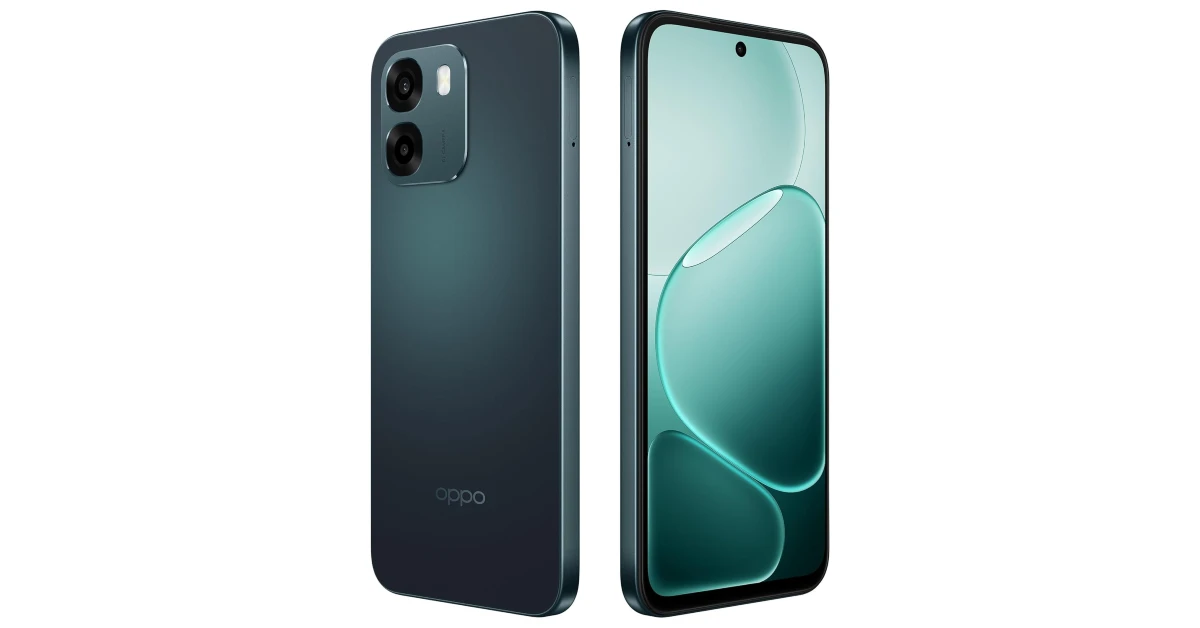 Oppo’s most recent addition to its midrange catalogue, A6, packs a massive 7,000mAh battery under its hood. It supports 45W wired charging and 5W reverse wired charging. Powering this smartphone is the MediaTek Dimensity 6300 SoC. Software duties are handled by the Android 15-based ColorOS 15. The 6.75-inch IPS LCD panel has a 120Hz refresh rate and can reach a peak brightness of 1,125 nits. There is IP68/IP69 protection on board. Additionally, the smartphone supports expandable storage. Its rear camera panel houses a 50MP primary shooter and an auxiliary lens.
Pros
Oppo’s most recent addition to its midrange catalogue, A6, packs a massive 7,000mAh battery under its hood. It supports 45W wired charging and 5W reverse wired charging. Powering this smartphone is the MediaTek Dimensity 6300 SoC. Software duties are handled by the Android 15-based ColorOS 15. The 6.75-inch IPS LCD panel has a 120Hz refresh rate and can reach a peak brightness of 1,125 nits. There is IP68/IP69 protection on board. Additionally, the smartphone supports expandable storage. Its rear camera panel houses a 50MP primary shooter and an auxiliary lens.
Pros
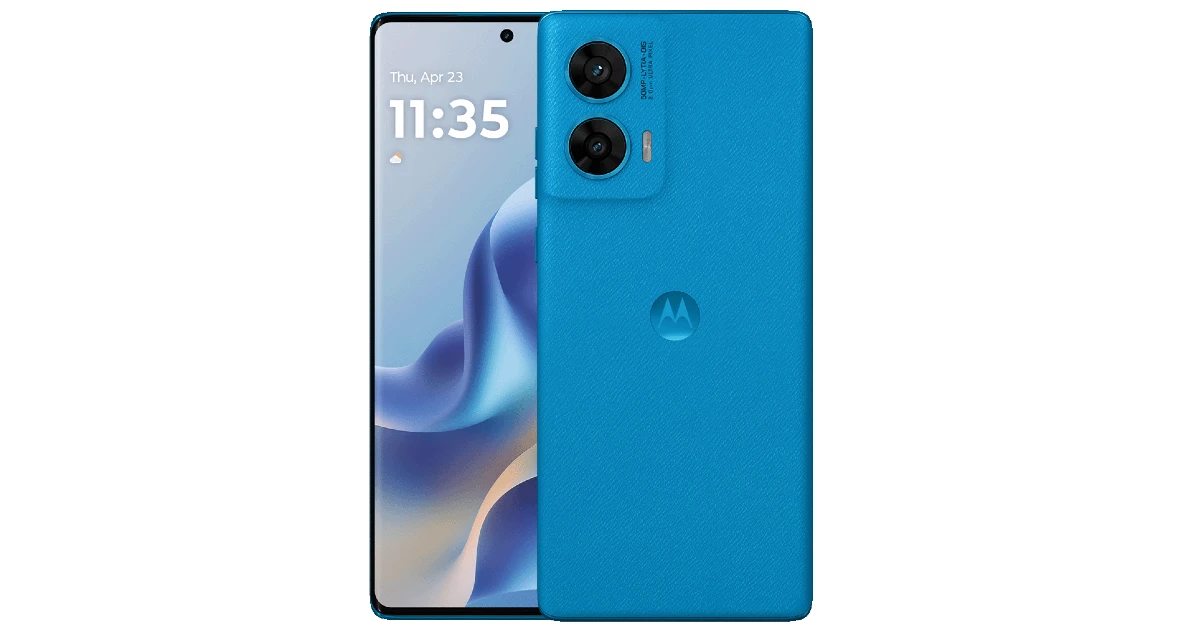 Moto G96 is powered by the Snapdragon 7s Gen 2 SoC and runs Android 15 out of the box. It has been promised 1 major OS upgrade. Its 6.67-inch p-OLED display has a 144Hz refresh rate and can reach a peak brightness of 1,600 nits. The rear camera panel houses a 50MP primary shooter and an 8MP ultrawide lens. The 5,500mAh battery pack supports 30W wired charging.
Pros
Moto G96 is powered by the Snapdragon 7s Gen 2 SoC and runs Android 15 out of the box. It has been promised 1 major OS upgrade. Its 6.67-inch p-OLED display has a 144Hz refresh rate and can reach a peak brightness of 1,600 nits. The rear camera panel houses a 50MP primary shooter and an 8MP ultrawide lens. The 5,500mAh battery pack supports 30W wired charging.
Pros
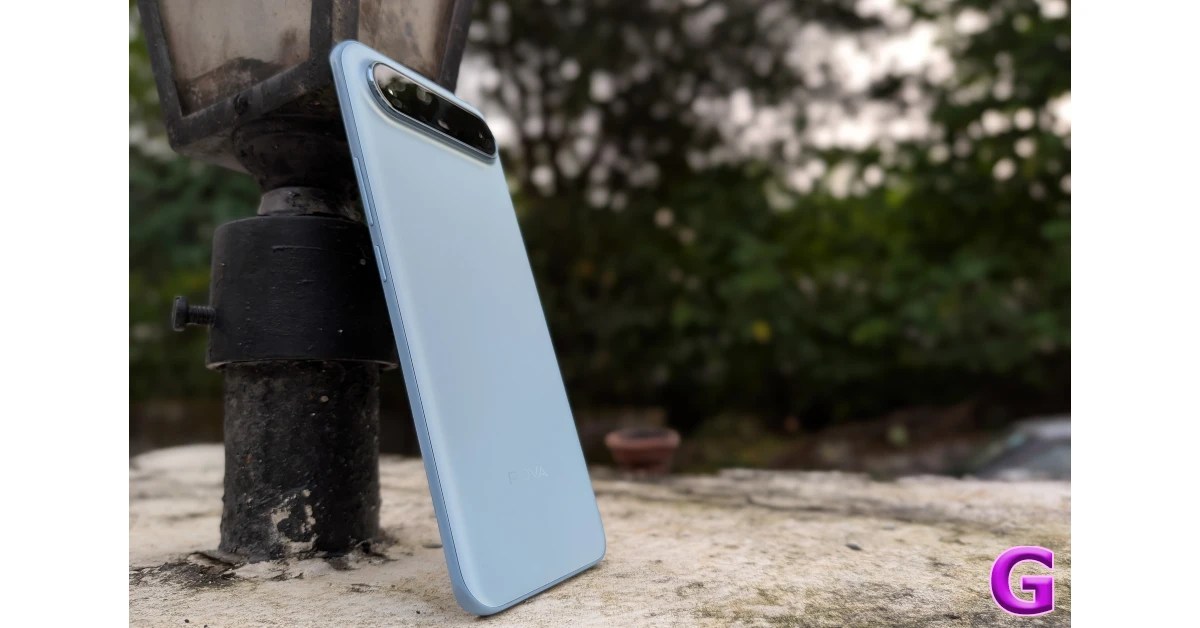 Tecno has the only slim phone in the sub-Rs 20,000 price bracket. The Tecno Pova Slim is just 6mm thick along its edges. It is compliant with MIL-STD-810H durability standards. Its 6.78-inch AMOLED display has a 144Hz refresh rate and can reach a peak brightness of 4,500 nits. Powering the device is the MediaTek Dimensity 6400 SoC. The camera bar on the back panel houses a 50MP primary shooter and a 2MP auxiliary lens. The 5,160mAh battery pack supports 45W wired charging. Check out our Tecno Pova Slim review to learn more about the smartphone.
Pros
Tecno has the only slim phone in the sub-Rs 20,000 price bracket. The Tecno Pova Slim is just 6mm thick along its edges. It is compliant with MIL-STD-810H durability standards. Its 6.78-inch AMOLED display has a 144Hz refresh rate and can reach a peak brightness of 4,500 nits. Powering the device is the MediaTek Dimensity 6400 SoC. The camera bar on the back panel houses a 50MP primary shooter and a 2MP auxiliary lens. The 5,160mAh battery pack supports 45W wired charging. Check out our Tecno Pova Slim review to learn more about the smartphone.
Pros
 Ending this list is the Lava Play Ultra. This smartphone is powered by the MediaTek Dimensity 7300 SoC. It runs Android 15 out of the box. The smartphone is set to receive 2 major OS upgrades. Its 6.67-inch AMOLED display has a 120Hz refresh rate and can reach a peak brightness of 1,000 nits. The camera island on the back panel houses a 64MP primary shooter and a 5MP macro lens. The 5,000mAh battery pack supports 33W wired charging.
Pros
Ending this list is the Lava Play Ultra. This smartphone is powered by the MediaTek Dimensity 7300 SoC. It runs Android 15 out of the box. The smartphone is set to receive 2 major OS upgrades. Its 6.67-inch AMOLED display has a 120Hz refresh rate and can reach a peak brightness of 1,000 nits. The camera island on the back panel houses a 64MP primary shooter and a 5MP macro lens. The 5,000mAh battery pack supports 33W wired charging.
Pros


In This Article

In This Article

In This Article
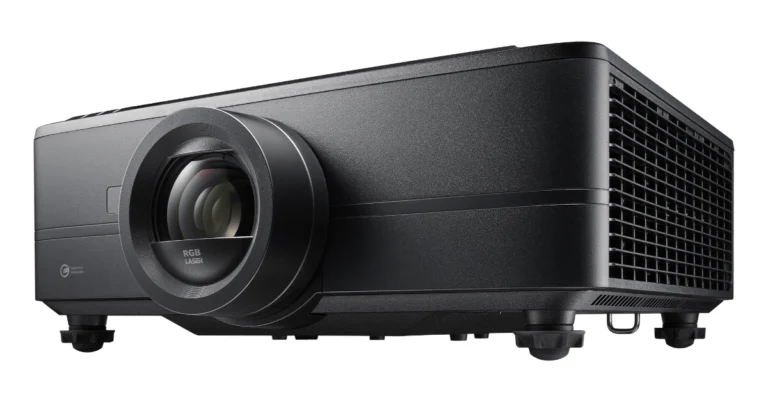
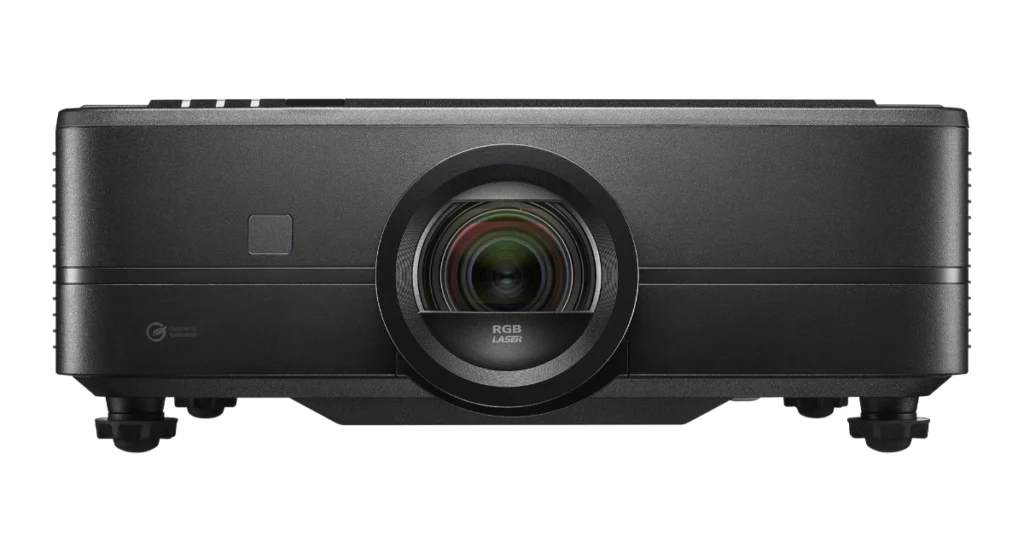 The triple-laser light source is said to last 30,000 hours. It is made up of 50% PCR eco-friendly materials and is packed in FSC-certified, low-carbon materials to ensure its sustainability. The projector is dual cinematic-certified and uses HDR10+, Filmmaker Mode, and triple-laser RGB technology, delivering 96% BT. 2020 ultra-wide colour coverage aims to provide a cinema experience similar to professional theatres.
Also Read: Nothing Phone 4a series goes on sale in India for the first time: Pricing, launch offers
The UHR90DV projector is Dolby Vision and IMAX Enhanced certified, offering frame-by-frame optimisation for brightness, contrast, and colour, resulting in a visual experience comparable to that of professional theatres. It supports HDR10+ high dynamic range and has a Filmmaker Mode that turns off post-processing enhancements, preserving the director’s original intent for a pure cinema experience.
Also Read: YouTube Premium Lite brings background play and downloads to users in India
The Optoma UHR90DV is the company’s first RGB triple-laser flagship projector, with pure red, green, and blue laser light sources. It provides an outstanding 96% BT.2020 ultra-wide colour gamut, delivering superb colour performance that is consistent with film-production requirements. This projector excels in colour reproduction, capturing both deep shadow details and brilliant scene highlights, providing an unparalleled visual experience.
The triple-laser light source is said to last 30,000 hours. It is made up of 50% PCR eco-friendly materials and is packed in FSC-certified, low-carbon materials to ensure its sustainability. The projector is dual cinematic-certified and uses HDR10+, Filmmaker Mode, and triple-laser RGB technology, delivering 96% BT. 2020 ultra-wide colour coverage aims to provide a cinema experience similar to professional theatres.
Also Read: Nothing Phone 4a series goes on sale in India for the first time: Pricing, launch offers
The UHR90DV projector is Dolby Vision and IMAX Enhanced certified, offering frame-by-frame optimisation for brightness, contrast, and colour, resulting in a visual experience comparable to that of professional theatres. It supports HDR10+ high dynamic range and has a Filmmaker Mode that turns off post-processing enhancements, preserving the director’s original intent for a pure cinema experience.
Also Read: YouTube Premium Lite brings background play and downloads to users in India
The Optoma UHR90DV is the company’s first RGB triple-laser flagship projector, with pure red, green, and blue laser light sources. It provides an outstanding 96% BT.2020 ultra-wide colour gamut, delivering superb colour performance that is consistent with film-production requirements. This projector excels in colour reproduction, capturing both deep shadow details and brilliant scene highlights, providing an unparalleled visual experience. 
In This Article