In This Article
10. AirTag (2021)
 While several Bluetooth-based trackers preceded the AirTag, its ability to neatly slot into the Find My network made it an instant hit among iPhone users. Its compact size and coin-shaped form factor allowed it to latch on to anything from keychains to luggage and pet collars. Its ruggedness and versatile battery life made it one of those ‘buy it and forget about it’ kind of devices. Apple may not have reinvented the wheel here, but it did make us a little less anxious about our precious possessions.
9. Apple TV (2019)
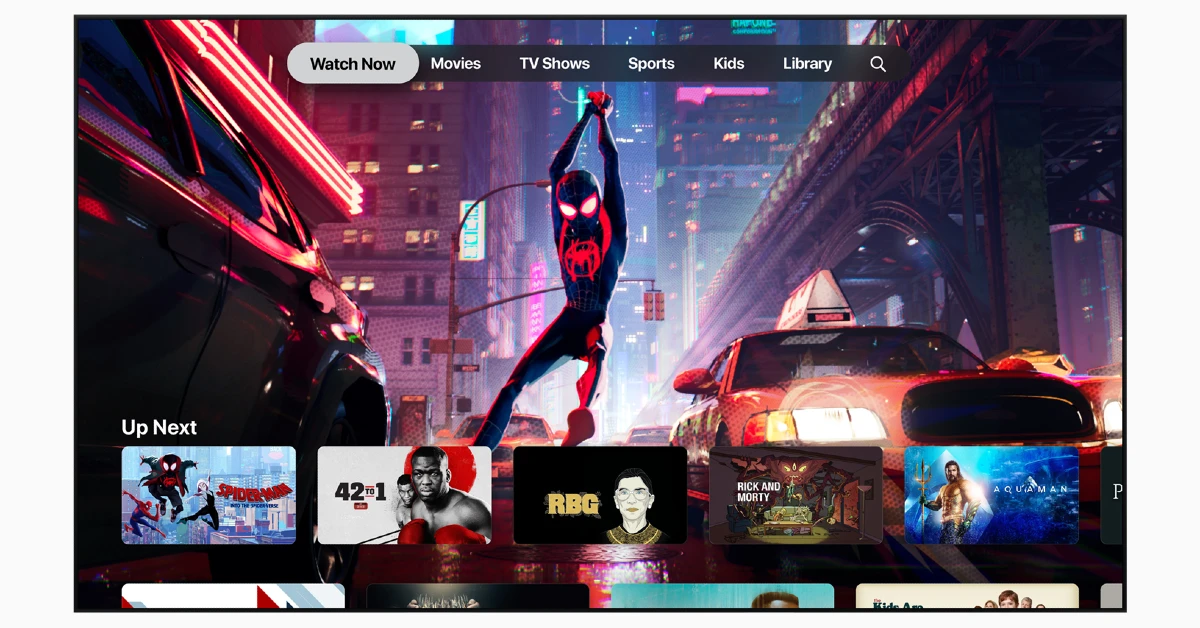 Arriving on the scene in 2019, Apple TV (the streaming platform) found itself amidst cut-throat competition from Netflix, Prime Video, Hulu, and the like. At a time when media streaming in general was facing criticism for fragmented libraries (no one wants to pay for half a dozen streaming apps), Apple TV stuck to its guns and focused on original content. It may not boast massive subscription numbers yet, but its original catalogue, comprising hits like Severance, Ted Lasso, and Pluribus, has already exerted a massive influence on popular culture. In our books, it is the pound-for-pound best streaming service out there right now. However, its best is yet to come.
8. AirPods (2016)
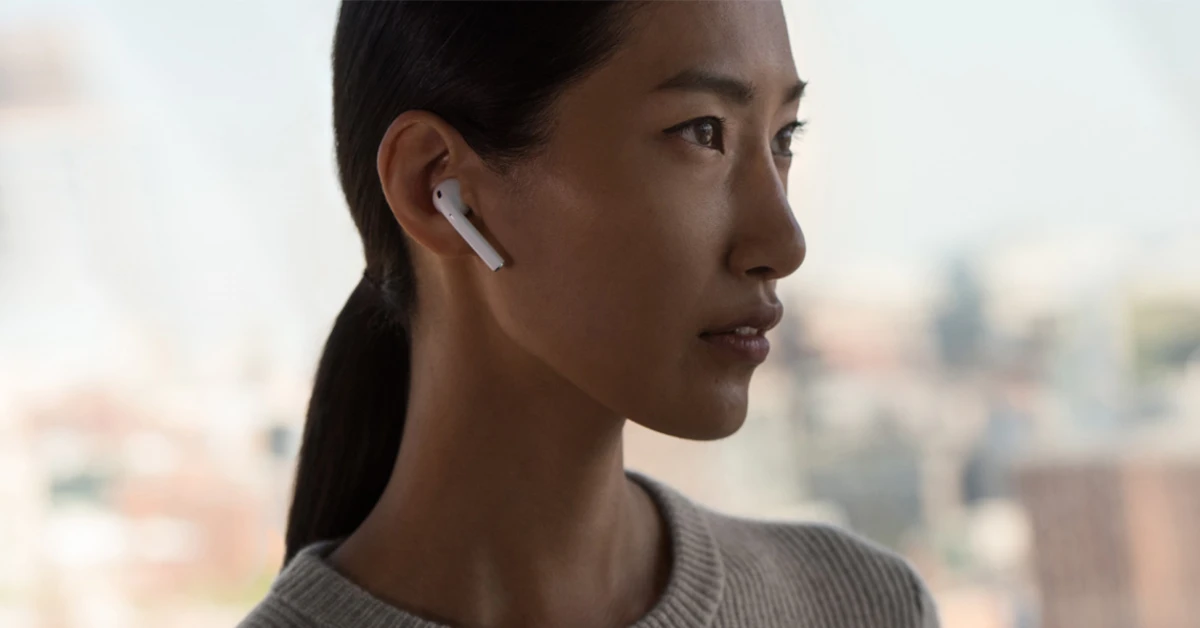 The first-generation AirPods were revealed in September 2016 alongside the iPhone 7, which had just ditched its 3.5mm headphone jack. Making the switch to Truly Wireless Stereo (TWS) earbuds came with justified concerns around audio quality, latency, and battery life. Thankfully, Apple knocked this one out of the park right away. The AirPods sounded just as good, if not better than their wired counterparts, had little to no latency issues, and offered more than 24 hours of battery life with the charging case. In just 2 years, it became Apple’s most popular accessory, spawning a Pro variant in 2019.
7. Apple Watch (2015)
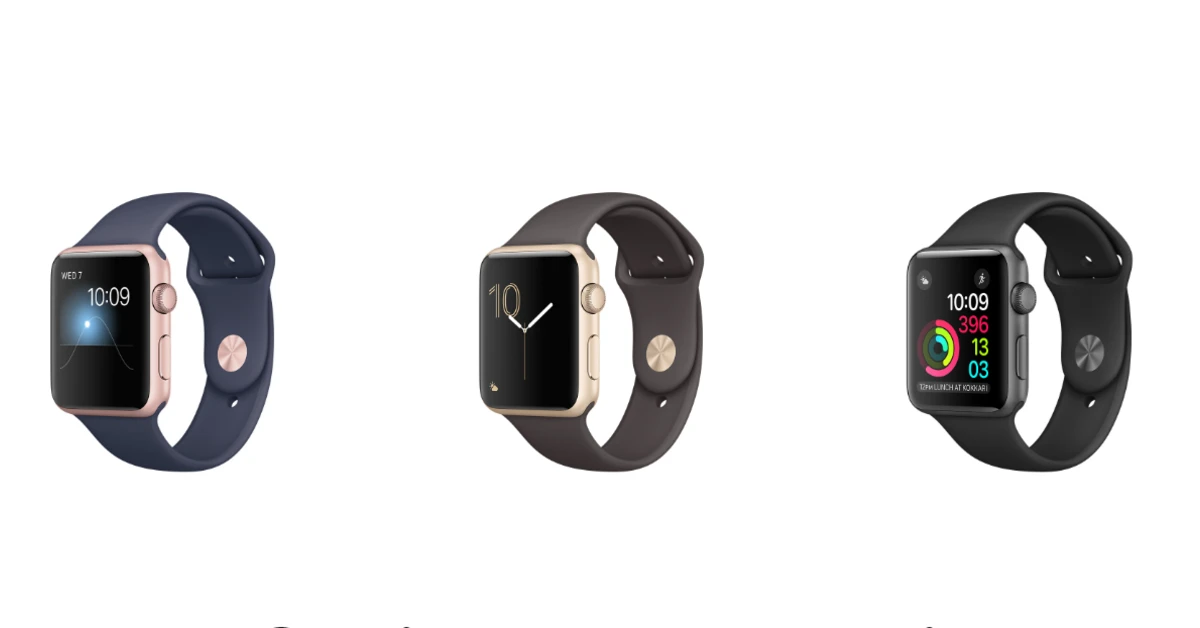 For a long time, fitness and tech didn’t gel too well. Then came the Apple Watch. When most smartwatches were experimenting with round displays, Apple hit the nail right on the head by going for a rectangular dial, allowing it to get the most out of the screen real estate. While it was overshadowed by its successors in terms of power, the first-generation model seamlessly slid into routine use. You could track your health and fitness metrics, get your daily step count, stay updated on your phone notifications, and of course, check the time. With stainless steel and sport brands on deck, the Apple Watch proved it can be whatever you want it to be – a formal wearable accessory with a splash of tech or a gritty fitness tracker.
6. MacBook Air (2008)
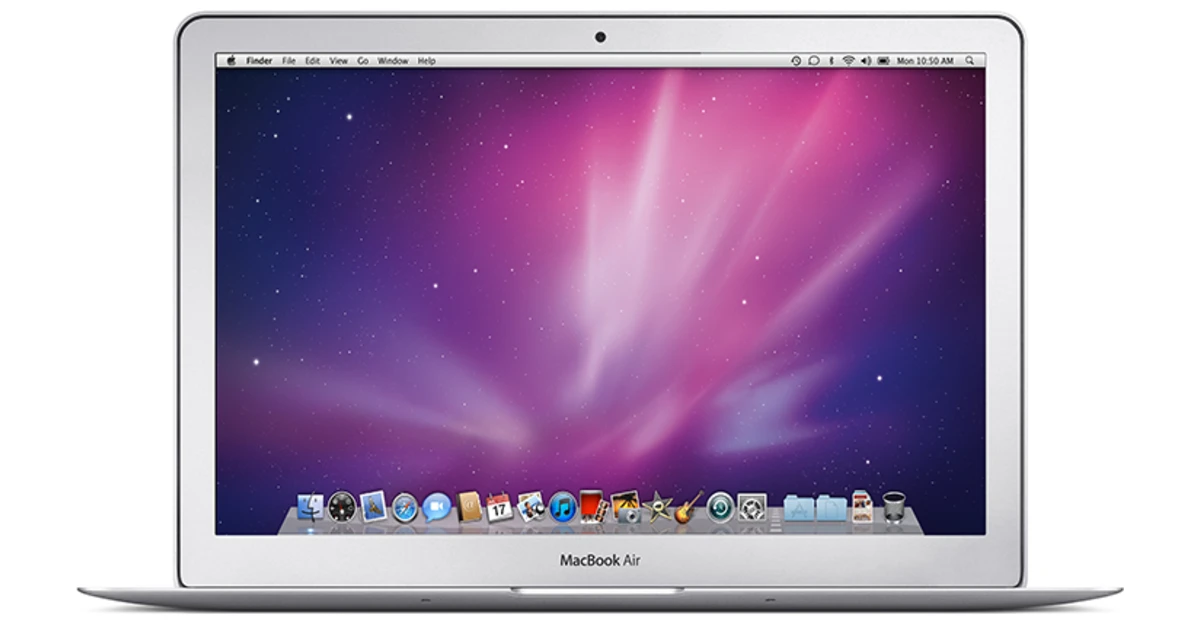 In many ways, the MacBook Air was the quintessential Apple product. It had cutting-edge aesthetics, a polished look, and a clear vision – laptops don’t need to be clunky clamshells that you haul around in your backpack. Summoned out of a thin brown envelope, the MacBook Air measured just 19mm along its sides. Trimming the thickness came at the cost of some tradeoffs (single USB-A port, no optical drive, 120GB HDD storage), but once the MacBook went thin, there was no going back.
5. iPad (2010)
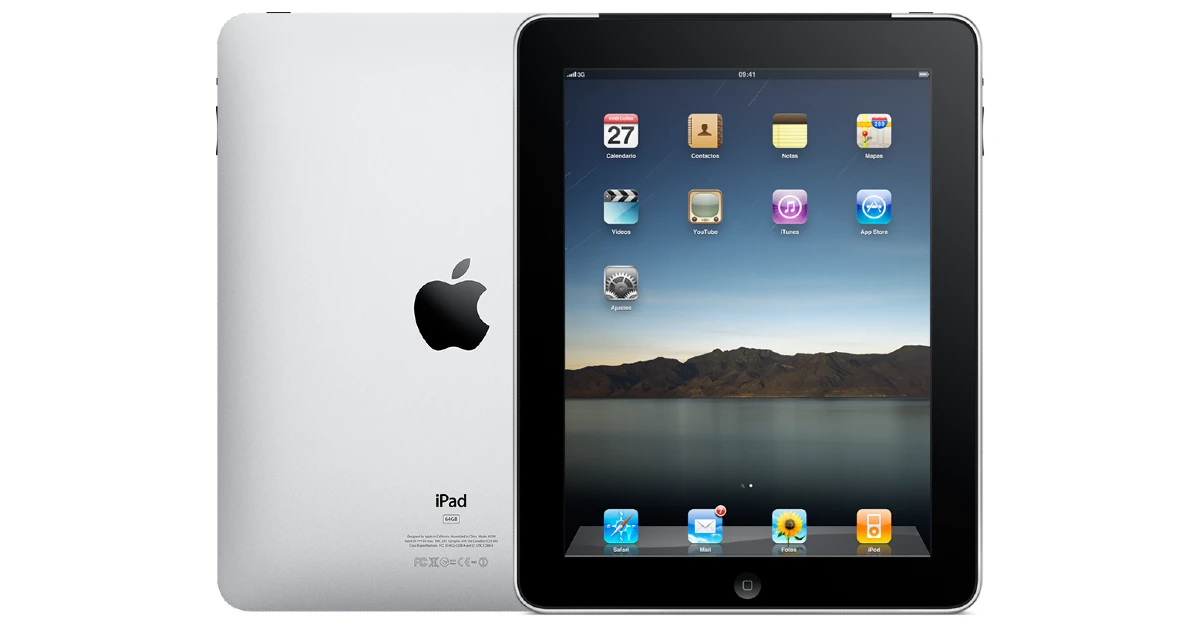 You know a product is influential when its name acts as a stand-in for its category. Show a shiny tablet to a toddler, and they’ll call it an iPad. Launched in 2010, the iPad was a roaring success from the get-go. It had the perfect intermediary form factor between a smartphone and a laptop. You could get your morning news on it while sipping a cup of coffee and also take it to bed to watch YouTube before dozing off. The trustworthy Apple A4 processor under its hood ensured that there were no hiccups along the way. Now powered by Apple M5, the iPad has captured its Android counterparts in a perpetual chase, while also putting midrange laptops on notice.
4. iPod/iPod Touch (2001)
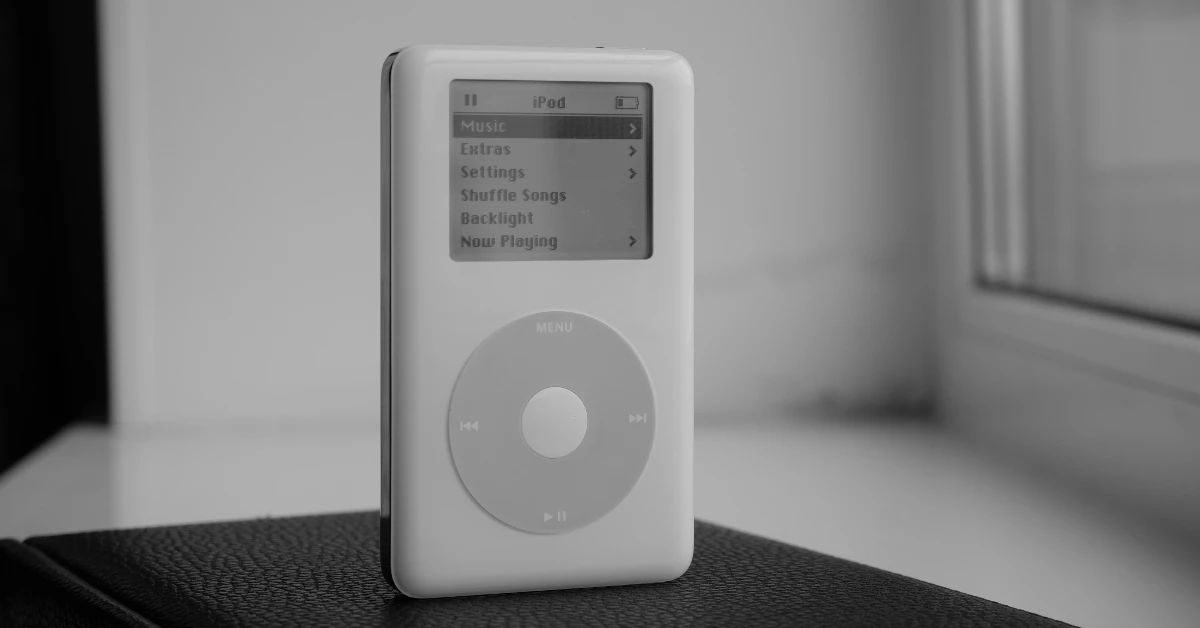 The first-generation iPod launched at the turn of the millennium, and with the promise of a ‘thousand songs in your pocket’, it formally announced that the future is officially here. No longer did you have to carry a CD binder along with your portable CD player, or worse, a bunch of tapes with your cassette player. With the help of iTunes, you always had songs on demand without the unnecessary baggage. In the years that followed, Apple put out the iPod Shuffle for people who needed an even more compact form factor. Not much later came the iPod Touch, essentially a precursor to the iPhone. However, iPod Classic remains iconic to this day, inciting nostalgia for a time when fun tech products stood as standalone entities and hadn’t been assimilated by the smartphone.
3. iMac G3 (1998)
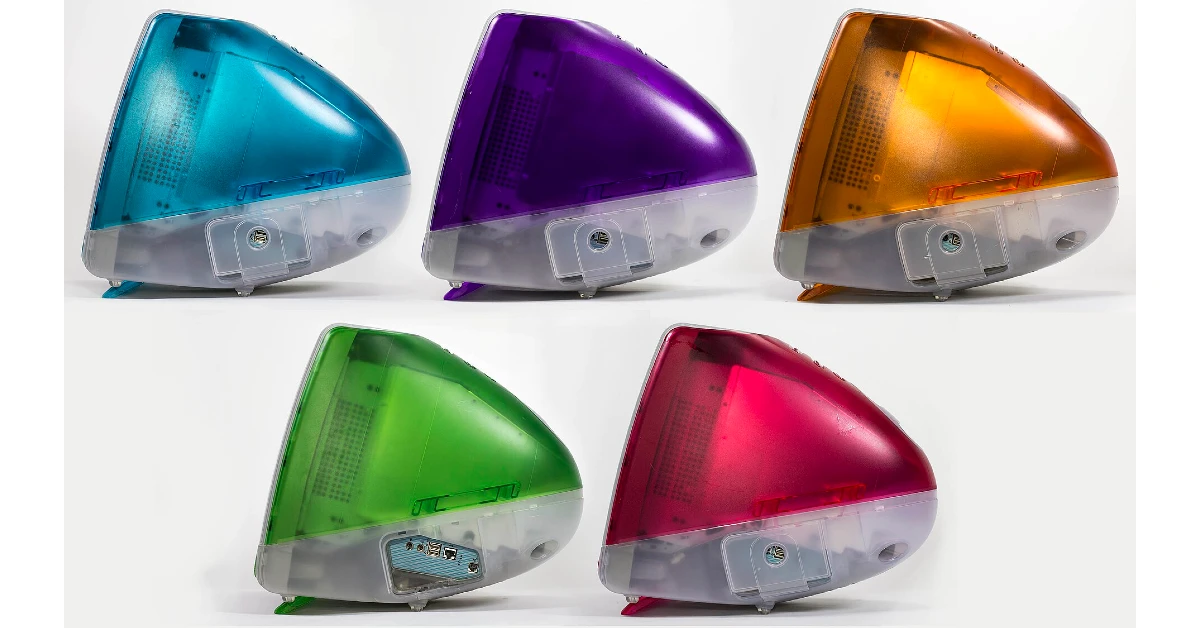 The iMac had aura before aura was a part of the popular vernacular. Launched in 1998, when Apple was trying to stay afloat, the G3 captured the imagination of users with its gumdrop design, translucent plastic chassis for the CRT monitor, and 13 exciting colour options. Desktop computers no longer had to look boring – they were meant for the masses. At a time when Apple’s sales were dwindling, the iMac G3 sold over 6 million in its lifetime, playing a pivotal role in saving the company.
2. Apple M1 (2020)
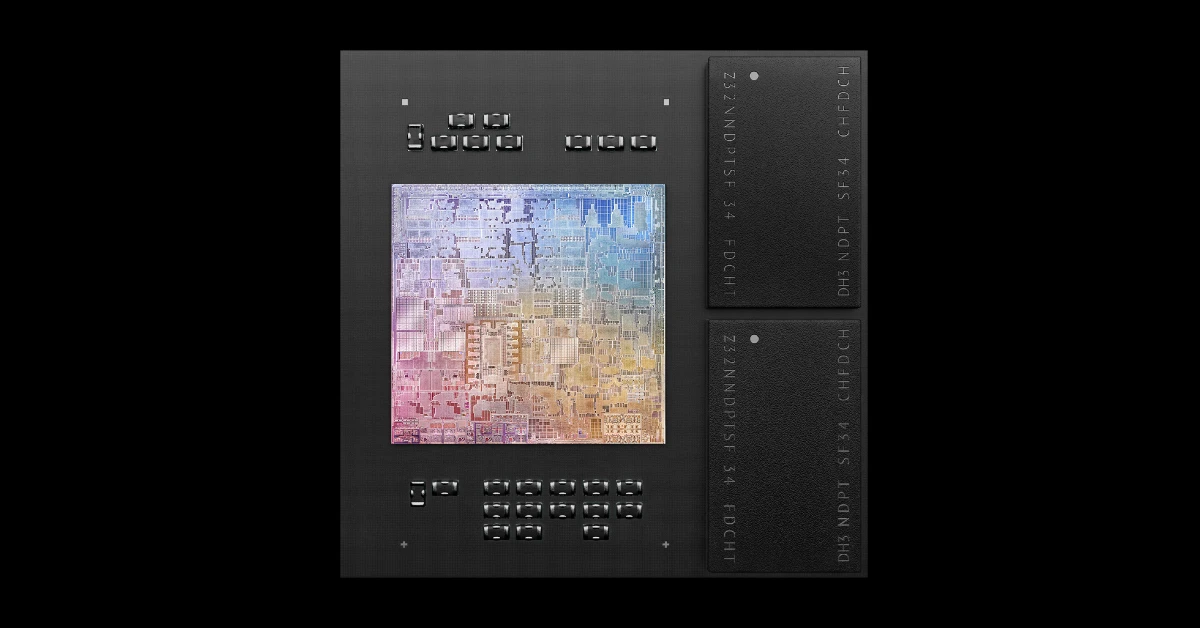 The introduction of the Apple M1 silicon felt like a huge leap forward. It marked the company’s shift from using Intel processors to its own ARM-based SoCs. The Apple M1 breathed new life into the iMac, MacBook, and iPad. The results were palpable. The iMac became quieter, MacBooks managed thermals better and got a boost to their battery life, and the iPad had more power than it knew what to do with. Even though we’re on the M5 series now, the Apple M1 can still hold its own against its modern-day rivals.
1. iPhone (2007)
 The iPhone claiming the top spot should not surprise anyone. It has fundamentally changed the way we communicate with each other, consume media, and stay informed. The first-generation iPhone had a meek 3.5-inch TFT display surrounded by thick bezels. It came with the first-generation iOS, supporting apps like Safari, Google Maps, Photo viewer, and more. The introduction of the App Store in 2008 unlocked the potential of the device. Soon enough, apps became a part of everyone’s routine use. The rear camera got better with time, eventually replacing the standalone digital camera in everyone’s pocket. The display got larger and wider until it stabilised at a form factor ideal for consuming content. As far as impact goes, there aren’t many devices in history that can measure up to the iPhone.
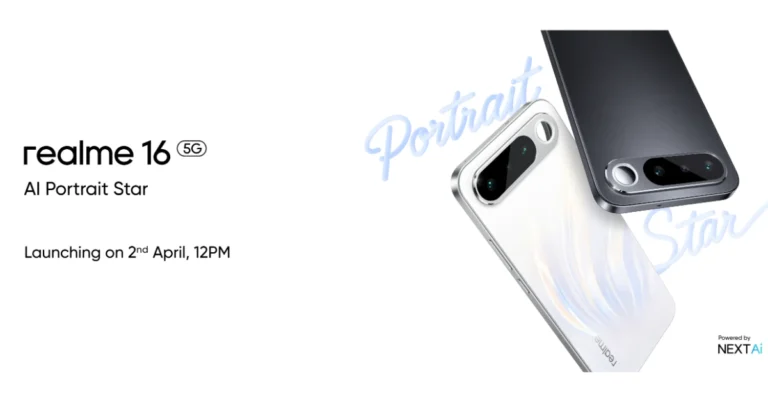
Read Also: Realme 16 5G with built-in selfie mirror launched in India
The iPhone claiming the top spot should not surprise anyone. It has fundamentally changed the way we communicate with each other, consume media, and stay informed. The first-generation iPhone had a meek 3.5-inch TFT display surrounded by thick bezels. It came with the first-generation iOS, supporting apps like Safari, Google Maps, Photo viewer, and more. The introduction of the App Store in 2008 unlocked the potential of the device. Soon enough, apps became a part of everyone’s routine use. The rear camera got better with time, eventually replacing the standalone digital camera in everyone’s pocket. The display got larger and wider until it stabilised at a form factor ideal for consuming content. As far as impact goes, there aren’t many devices in history that can measure up to the iPhone.
Read Also: Realme 16 5G with built-in selfie mirror launched in India







 Also Read:


 Beginning on April 1, 2026, BYDFi’s anniversary program will feature a total reward pool of more than $1,000,000 USDT throughout the anniversary season.
BYDFi’s anniversary campaign will centre on three major events: Warm-Up Tasks, which bring together seven anniversary benefits across onboarding, first trades, fiat purchase rewards, referrals, and community participation; Shoot to Win, a football-themed lucky-draw experience; and the Futures Golden Ball Cup, a two-round futures trading competition.
Together, these activities are intended to give both new and existing users more ways to participate in BYDFi’s 6th anniversary while reflecting BYDFi’s broader journey over the past six years: steady product development, wider market reach, and a continued user-first commitment.
For more event details, please visit the official website: BYDFi 6th Anniversary.
Beginning on April 1, 2026, BYDFi’s anniversary program will feature a total reward pool of more than $1,000,000 USDT throughout the anniversary season.
BYDFi’s anniversary campaign will centre on three major events: Warm-Up Tasks, which bring together seven anniversary benefits across onboarding, first trades, fiat purchase rewards, referrals, and community participation; Shoot to Win, a football-themed lucky-draw experience; and the Futures Golden Ball Cup, a two-round futures trading competition.
Together, these activities are intended to give both new and existing users more ways to participate in BYDFi’s 6th anniversary while reflecting BYDFi’s broader journey over the past six years: steady product development, wider market reach, and a continued user-first commitment.
For more event details, please visit the official website: BYDFi 6th Anniversary.