



Key Takeaways
- The "best zoom camera phone" depends on individual needs like capturing distant details for travel or wildlife, rather than just the highest digital zoom number.
- Four premium phones in India, OPPO Find X9 Ultra, Samsung Galaxy S26 Ultra, vivo X300 Ultra, and iPhone 17 Pro Max, offer different approaches to long-range photography.
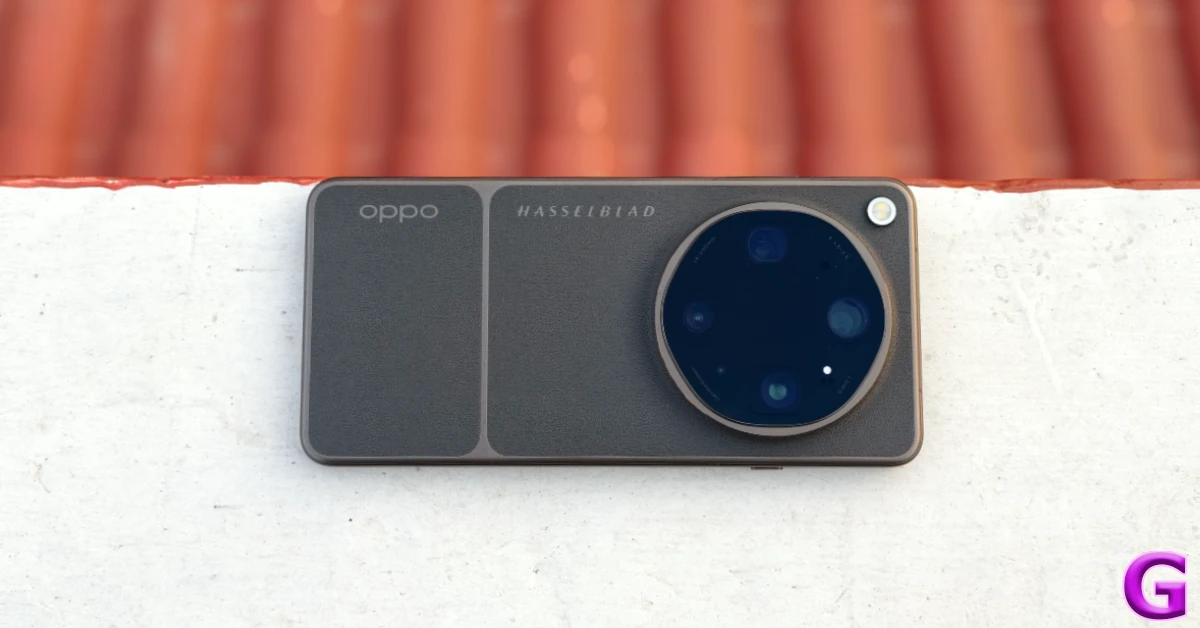
- OPPO Find X9 Ultra stands out with a dedicated 50MP 10x optical telephoto lens (approx. 230mm) and a separate 200MP 3x telephoto, providing a practical bridge between everyday and extreme zoom.
The phrase “best zoom camera phone” hides several different needs. A traveller may want a clear photo of a temple facade from across a road. A wildlife enthusiast may need reach without moving closer to an animal. Someone in the upper tier of a stadium wants a recognisable face rather than a digitally sharpened outline. The right phone depends on how it balances optical reach, stabilisation, low-light performance and price – not on the largest digital zoom number printed on the box.
Four premium phones currently define that choice in India: OPPO Find X9 Ultra, Samsung Galaxy S26 Ultra, vivo X300 Ultra and iPhone 17 Pro Max. Each takes a different route to long-range photography.
In This Article
The short answer
For buyers who put native long-range reach first, OPPO Find X9 Ultra is one of the strongest options. Its dedicated 50MP 10x optical telephoto reaches an equivalent focal length of about 230mm, supported by sensor-shift stabilisation. It also has a separate 200MP 3x telephoto for portraits and medium-distance subjects. That two-telephoto arrangement gives the phone a practical bridge between everyday framing and extreme reach.
Samsung offers a more conventional 3x and 5x optical system, backed by 10x optical-quality zoom and up to 100x digital zoom. vivo concentrates on a high-resolution 200MP 85mm telephoto and offers optional telephoto extenders for users who want a camera-like kit. Apple uses 4x and 8x telephoto options and puts particular emphasis on a consistent photo-video workflow.
Zoom hardware at a glance
| Phone | Long-range approach | Stabilisation and useful range | Official India price at time of writing |
| OPPO Find X9 Ultra | 50MP native 10x optical telephoto, about 230mm; separate 200MP 3x telephoto | 2-axis OIS on the telephoto cameras; sensor shift on the 10x system; 20x optical-quality and up to 120x digital zoom | INR 1,69,999, 12GB + 512GB |
| Samsung Galaxy S26 Ultra | 3x and 5x optical telephoto cameras | 10x optical-quality zoom and up to 100x digital zoom | From INR 1,39,999 |
| vivo X300 Ultra | 200MP 85mm ZEISS telephoto | OIS; optional 200mm and 400mm equivalent extenders | Listed from INR 1,59,999 |
| iPhone 17 Pro Max | 48MP telephoto with 4x and 8x framing options | Sensor-shift stabilisation and an integrated photo-video workflow | From INR 1,49,900 |
Specifications are useful for narrowing a shortlist, but they do not replace a side-by-side test. Processing, autofocus, subject movement and light level can change the result significantly.

Why native 10x changes the OPPO proposition
Most phones reach very long focal lengths by cropping a shorter optical lens and rebuilding detail computationally. OPPO Find X9 Ultra instead uses a quintuple-prism periscope structure to fit an approximately 230mm optical path inside the phone. Light is redirected several times before reaching the sensor, allowing a native 10x view without requiring a thick camera body.
That matters most between roughly 10x and 20x. A bird across a wetland, a performer on a distant stage or architectural detail high on a monument can occupy more of the sensor before digital enlargement begins. The 10x unit uses a 1/2.75-inch sensor and an f/3.5 aperture, so it still needs reasonable light. At dusk or indoors, the 200MP 3x telephoto, with its larger 1/1.28-inch sensor and f/2.2 aperture, may produce the more dependable image.
This is also why the largest digital zoom number should not decide the purchase. Up to 120x can help with identification or framing, but it is not the setting to use when image quality matters. For photographs intended for sharing or printing, 3x, 10x and selective use of 20x are the more useful ranges.

Which phone suits which user?
OPPO Find X9 Ultra makes the clearest case for users who regularly photograph distant subjects and want a true long optical focal length without carrying an add-on lens. Samsung Galaxy S26 Ultra remains attractive for people who prefer a gradual 3x-to-5x progression and an established all-round flagship experience. vivo X300 Ultra is aimed at photographers who value a high-resolution 85mm look and are open to carrying an imaging grip or telephoto extender. iPhone 17 Pro Max is compelling for creators whose still photographs need to fit smoothly into a broader video and editing workflow.
Price also changes the answer. OPPO Find X9 Ultra is a premium specialist rather than an affordable zoom phone. Buyers searching for a budget 4K or low-cost telephoto device should look elsewhere in the market. Its value lies in the combination of a 200MP main camera, 200MP 3x portrait telephoto and native 10x optical system.
Verdict
There is no single winner for every photographer, but OPPO Find X9 Ultra deserves a place near the top of an India zoom-camera shortlist. Its strongest advantage is not the 120x headline. It is the ability to move from a large-sensor 3x camera to a dedicated 10x optical lens, with stabilisation at both focal lengths. For wildlife, travel, concerts and stadium use, that optics-first approach gives it a distinctive advantage over phones that rely on a shorter telephoto lens for most long-range shots.


